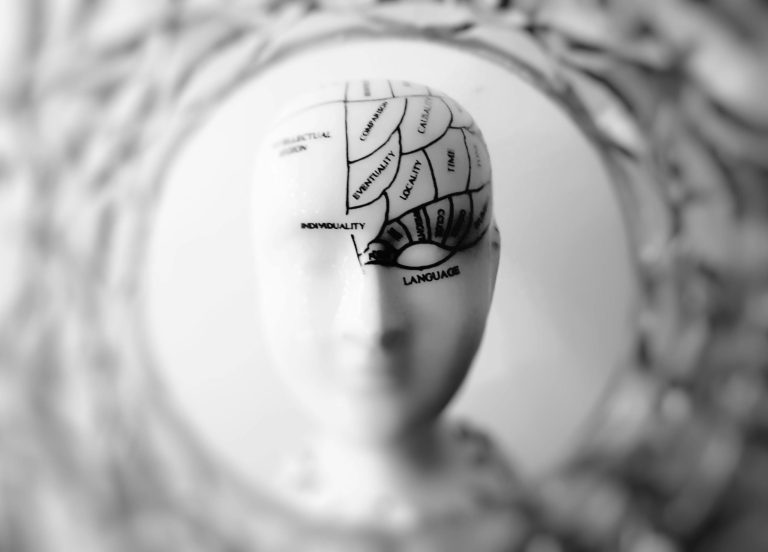
Introverts need more than just alone time to be genuinely happy. The things that create lasting contentment for people wired toward depth and reflection include solitude with purpose, meaningful connection, creative outlets, sensory control, and the freedom to think before speaking. These aren’t preferences or luxuries. They’re the conditions that allow introverts to function at their best and feel truly at home in their own lives.
Most happiness advice is written for extroverts. It emphasizes socializing more, saying yes to opportunities, building your network, and putting yourself out there. Good advice, maybe, for someone who gains energy from external stimulation. For someone who processes the world internally and finds meaning in depth over breadth, that same advice can feel exhausting at best and quietly damaging at worst.
I spent more than two decades in advertising agencies, managing teams, presenting to Fortune 500 executives, and running client relationships that demanded constant social performance. Nobody handed me a guide that said “consider this you actually need to stay sane and satisfied while doing this.” I had to figure it out the hard way, mostly by noticing what drained me versus what quietly restored me. What follows is what I’ve learned, both from my own experience and from watching other introverts find their footing.
Before we get into the specifics, I want to point you toward a resource I’ve built out for exactly this kind of conversation. The Introvert Tools and Products Hub pulls together the apps, practices, and resources that genuinely match how introverts think and recharge. It’s a good companion to everything covered here.
Why Do Introverts Have Different Happiness Needs?
The difference isn’t just about shyness or preference. A 2010 study published in PubMed Central found that introversion and extroversion are associated with measurable differences in how the brain processes dopamine and arousal. Extroverts tend to seek higher stimulation to reach their optimal arousal level. Introverts are already closer to that threshold, which means the same environment that energizes an extrovert can tip an introvert into overstimulation and fatigue.
What drains your social battery?
Not all social exhaustion is the same. Our free quiz identifies your specific drain pattern and gives you personalised recharging strategies.
Find Your Drain PatternUnder 2 minutes · 8 questions · Free
That’s not a weakness. It means introverts are working with a different set of calibrations. What produces happiness for someone wired this way looks different because the underlying neurology is different. Once you stop measuring yourself against an extroverted standard and start building a life that fits your actual wiring, things get considerably better.
Here are the twelve things that consistently make the biggest difference.
1. Solitude That Actually Restores
Not all alone time is equal. Collapsing in front of a screen after a draining day is different from genuine solitude where your mind can wander, process, and settle. Introverts need the second kind, and they need it regularly.
During my agency years, I had a habit of arriving at the office an hour before anyone else. Not to get more done, though that happened too. It was the only time the building felt like mine. No requests, no interruptions, no performance required. That hour was what made the next nine hours possible. When I lost that buffer because of early client calls, the whole day felt off-balance in a way I couldn’t always name at the time.
Meaningful solitude means time where you’re not consuming someone else’s content, not responding to messages, and not performing for anyone. It’s the mental equivalent of putting your phone on the charger. Without it, everything else runs at reduced capacity.
2. Deep Conversations Instead of Small Talk
Introverts don’t dislike people. They dislike shallow interaction. A conversation that stays at the surface level of weather, sports scores, or weekend plans leaves most introverts feeling more drained than connected. A conversation that goes somewhere real, that touches on ideas, experiences, or genuine emotion, can be energizing in a way that surprises people who assume introverts want to avoid conversation altogether.
A piece from Psychology Today makes the case that deeper conversations are tied to greater wellbeing for introverts specifically. The mechanism makes sense: introverts process meaning internally, so conversations that carry actual meaning feel like genuine connection. Conversations that don’t carry meaning feel like noise.
This means the social life that works for an introvert probably looks different from the one they’ve been told to want. Fewer events, fewer acquaintances, but conversations that actually matter.
3. A Physical Space That Feels Like a Refuge
Environment matters enormously. Introverts need at least one space in their life, a room, a corner, a chair by a window, where they feel genuinely at ease. Not just physically comfortable, but psychologically safe. A place where the stimulation level is under their control.
When I finally had my own office with a door that closed, the change in my daily experience was significant. Before that, I’d worked in open-plan layouts that were standard in creative agencies at the time. I was constantly aware of the ambient noise, the movement, the possibility of being pulled into a conversation at any moment. My thinking was always slightly fragmented. A closed door didn’t just reduce noise. It signaled to my nervous system that I could actually settle.
For highly sensitive introverts especially, sensory overwhelm is a real barrier to happiness. If sound is a particular challenge in your environment, the resources in this piece on HSP noise sensitivity and managing sound offer practical strategies worth exploring.

4. The Freedom to Think Before Responding
One of the most consistent sources of frustration for introverts in professional settings is the expectation that they’ll have an instant, articulate response to any question in any meeting. Extroverts often think out loud, using conversation as part of their processing. Introverts typically process internally first, then speak. Forcing the second style into the first model produces worse thinking and more self-doubt.
I watched this play out repeatedly in client presentations. The introverts on my team would come back from a meeting with sharper observations than anyone who’d spoken up in the room, but they’d shared those observations in the debrief afterward, not in the moment. The system wasn’t designed for how they worked. Over time, I tried to build in more room for written responses, pre-meeting question sharing, and follow-up thinking. The quality of the work improved noticeably.
Happiness, for an introvert, often depends on having enough time and space to actually form their thoughts. Environments that demand constant real-time performance are genuinely wearing.
5. A Regular Journaling or Reflection Practice
Introverts have rich inner lives. That’s a genuine strength, but it can become a source of anxiety when thoughts and emotions don’t have anywhere to go. A consistent reflection practice, whether that’s journaling, meditation, long walks, or some combination, gives that internal processing somewhere to land.
Journaling in particular has been meaningful for me. Not as a diary in the traditional sense, but as a place to think on paper. Some of my clearest thinking about agency strategy, client relationships, and my own leadership style happened in notebooks rather than in meetings. Writing slows the mind down enough to see what’s actually there.
If you’re looking for a place to start or want to sharpen the practice, this guide on journaling and reflection tools for introverts covers what actually works. And if you prefer a digital approach, there’s also a solid roundup of journaling apps that help introverts process their thoughts effectively.
6. Meaningful Work That Matches Their Depth
Introverts tend to be miserable doing work that feels shallow or purely transactional. They need to care about what they’re doing, or at minimum to see how it connects to something that matters. This isn’t idealism. It’s a practical observation about what sustains motivation over time.
A 2020 study in PubMed Central examining personality traits and work engagement found that introverts showed stronger connections between intrinsic motivation and sustained performance compared to extroverts who were more responsive to external rewards and social recognition. Introverts need the work itself to mean something.
In my own experience, the accounts I found most satisfying weren’t necessarily the biggest or most prestigious. They were the ones where I felt like the work was actually solving something real. The campaigns that were purely performative, where the goal was visibility rather than genuine communication, were the ones that left me feeling hollow even when they won awards.
7. Control Over Their Own Schedule
Introverts recharge on their own timeline. When that timeline is entirely controlled by other people’s calendars, meetings, and demands, the cumulative effect is exhaustion that goes deeper than just being tired. It’s a kind of chronic depletion that makes everything else harder.
Schedule autonomy, even partial schedule autonomy, makes a significant difference. The ability to block time for focused work, to choose when to take calls versus when to think, and to build recovery time into the day rather than treating it as wasted time, these aren’t just productivity strategies. They’re wellbeing strategies.
The right digital tools can make this much easier to manage. The resources in this piece on productivity apps for introverts are worth reviewing if you’re trying to build a schedule that actually works with your energy rather than against it.
8. A Small Circle of Genuinely Trusted People
Introverts don’t need a large social network. They need a few relationships that are real. The quality of connection matters far more than the quantity, and having even two or three people with whom they can be completely honest, drop the social performance, and talk about what’s actually going on, is worth more than a hundred acquaintances.
This is something I got wrong for a long time. I spent years building professional relationships because that’s what you did in the agency world. Attend the events, work the room, stay connected. Some of those relationships were genuinely valuable. Most were pleasant but thin. The ones that actually mattered, the colleagues I could call when a client relationship was falling apart or when I was questioning whether I was in the right business, those were a handful of people at most.
Protecting those relationships, investing in them, and not letting them get crowded out by the noise of social performance, that’s one of the things that most contributes to an introvert’s sense of being genuinely okay in the world.
9. Permission to Say No Without Guilt
Many introverts carry a persistent low-grade guilt about the invitations they decline, the networking events they skip, and the social obligations they find reasons to avoid. That guilt is often the most draining part, more wearing than the events themselves would have been.
Saying no to things that genuinely don’t serve you isn’t antisocial. It’s self-knowledge applied practically. An introvert who spends three evenings a week at events they find exhausting in order to seem more engaged will have very little left for the things and people that actually matter to them.
Letting go of the guilt around this, which takes time and often requires actively reframing what “good” social participation looks like, is one of the more significant shifts in an introvert’s path toward genuine contentment. It’s not about withdrawing from life. It’s about choosing where to show up fully rather than showing up everywhere at partial capacity.
10. Creative or Intellectual Outlets
Introverts tend to have active inner lives that need somewhere to go. Creative work, intellectual exploration, learning something new, building something with their hands or their minds, these aren’t just hobbies. They’re outlets for a kind of mental and emotional energy that doesn’t have anywhere to go otherwise.
Research published in Frontiers in Psychology found meaningful connections between introversion, creative thinking, and the kind of sustained focused attention that produces original work. The internal orientation that can feel like a liability in social settings turns out to be genuinely useful for creative and analytical depth.
For me, writing became that outlet. Not just professionally, but personally. The act of putting thoughts into sentences forced a kind of clarity that I couldn’t get any other way. Whatever form that outlet takes for you, protecting time for it isn’t indulgence. It’s maintenance.
11. Technology That Works With Their Thinking Style
Most productivity and communication tools are designed around the assumption that faster is better, that immediate response is always preferred, and that constant connectivity is a feature rather than a problem. For introverts, that design philosophy creates friction at every turn.
Finding apps and digital tools that match how introverts actually think, that support focused work, asynchronous communication, and thoughtful processing rather than reactive speed, makes a genuine difference in daily quality of life. The piece on introvert apps and digital tools is a good starting point if you want to audit what you’re currently using and whether it’s actually serving you.
This matters more than it might seem. When your tools are constantly pulling you toward a mode of engagement that doesn’t fit how you work, the cumulative drain is real even if it’s subtle.

12. Support for Their Emotional Sensitivity
Many introverts, particularly those who identify as highly sensitive, process emotional information more deeply than average. Conflict lingers. Criticism lands harder. Positive experiences are felt more fully, but so are negative ones. This isn’t fragility. It’s a different emotional calibration that requires different kinds of support.
For a long time, I treated my own emotional sensitivity as something to manage or suppress in professional settings. The advertising world rewarded a certain kind of thick-skinned confidence, and I worked hard to project that. What I didn’t recognize was that the sensitivity I was suppressing was also what made me good at understanding what clients actually needed, not just what they said they wanted. It was the same trait on both sides.
Getting appropriate support, whether through therapy, community, or practical mental health resources, is part of taking this seriously rather than just pushing through. The HSP mental health toolkit covers a range of tools that genuinely help with this, and it’s worth a look if emotional overwhelm is something you deal with regularly.
A piece from Psychology Today on introvert-extrovert conflict resolution also touches on how emotional processing differences play out in relationships and what actually helps bridge that gap. Understanding your own processing style is the starting point for all of it.
Putting It Together: Building a Life That Actually Fits
None of these twelve things exist in isolation. They reinforce each other. Meaningful solitude supports better creative work. A small trusted circle makes the social performance of professional life more bearable. Schedule control makes reflection possible. Reflection makes everything else clearer.
What strikes me, looking back at my agency years, is how many of these I had in partial form but never fully claimed. I had the creative outlet but felt guilty about protecting time for it. I had the small trusted circle but kept trying to expand it in ways that diluted what made it valuable. I had the capacity for deep work but let it get fragmented by a culture that rewarded availability over depth.
The shift wasn’t dramatic. It was gradual, and it came from paying attention to what actually restored me versus what depleted me, and then making small decisions that honored that distinction consistently over time. That’s what building a genuinely good life as an introvert looks like in practice. Not a single revelation, but a series of choices that accumulate into something that actually fits.
You don’t have to have everything perfectly in place. Start with one or two items on this list that feel most absent from your current life and build from there. The compounding effect is real.

If you want to go deeper on the practical side of any of this, the Introvert Tools and Products Hub brings together resources across all of these areas, from reflection practices to digital tools to mental health support, in one place built specifically for how introverts think and recharge.
Running on empty?
Five drain profiles, each with specific triggers, warning signs, and a recharging playbook.
Take the Free QuizUnder 2 minutes · 8 questions · Free
About the Author
Keith Lacy is an introvert who’s learned to embrace his true self later in life. After 20 years in advertising and marketing leadership, including running agencies and managing Fortune 500 accounts, Keith now channels his experience into helping fellow introverts understand their strengths and build fulfilling careers. As an INTJ, he brings analytical depth and authentic perspective to every article, drawing from both professional expertise and personal growth.
Frequently Asked Questions
Can introverts be happy in social careers like advertising or marketing?
Yes, and many are. The challenge isn’t the social nature of the work itself but the lack of recovery time built around it. Introverts in high-social careers tend to thrive when they have genuine control over some portion of their schedule, a small trusted team rather than constant rotating contacts, and work that carries real meaning beyond the social performance. Without those conditions, even genuinely talented introverts burn out. With them, the depth and perceptiveness that introverts bring to client relationships and creative thinking become real competitive strengths. A resource from Rasmussen University explores how introverts can leverage their natural strengths specifically in marketing roles.
How much alone time do introverts actually need?
There’s no universal answer because introversion exists on a spectrum and individual needs vary. What’s consistent is that introverts need enough solitude to feel restored rather than just rested. For some people that’s an hour a day of genuine quiet. For others it’s longer periods of low-stimulation time several times a week. The practical test is whether you’re going into social or demanding situations feeling genuinely ready or feeling like you’re already running low. If it’s consistently the latter, you probably need more recovery time than you’re currently getting.
Is it possible for an introvert to genuinely enjoy socializing?
Absolutely. The distinction isn’t between enjoying and not enjoying social interaction. It’s about what kind of social interaction feels worthwhile and what the cost is afterward. Most introverts genuinely enjoy deep conversations, small group settings with people they trust, and social contexts where they can engage on topics they care about. What tends to feel draining is large gatherings with surface-level interaction, extended social performance without recovery time, and situations where they’re expected to be “on” without any natural pause. Matching the type of socializing to what actually works for you matters more than the total amount.
Do introverts need therapy or professional support more than extroverts?
Not necessarily more, but the reasons they might seek it can be different. Introverts who have spent years suppressing their natural tendencies to fit an extroverted standard often carry accumulated stress, self-doubt, and a subtle sense of not quite fitting anywhere. That’s worth addressing. Introverts also tend to be reflective processors who can benefit from having a skilled thinking partner. what matters is finding a therapist or counselor who understands introversion as a trait rather than a problem to fix. Resources like those at Point Loma Nazarene University explore how introverts approach helping professions, which can be useful context when looking for someone who will actually understand your experience.
What’s the single most important thing an introvert can do to improve their happiness?
Stop measuring yourself against an extroverted standard. Most of the unhappiness introverts experience doesn’t come from their introversion itself. It comes from treating introversion as a deficit to overcome rather than a trait to work with. When you stop trying to be more outgoing, more spontaneous, and more socially energized than you actually are, and start building a life that fits how you actually function, the difference is significant. That might mean fewer commitments, different kinds of relationships, a different work environment, or simply giving yourself permission to need what you actually need. The specifics vary. The starting point is the same: take your own wiring seriously rather than apologizing for it.