

Certain social situations don’t just make introverts uncomfortable. They create a specific kind of dread that builds in the chest hours before the event even starts. That feeling is real, it’s rooted in how introverted brains process stimulation and social input, and it deserves an honest conversation rather than a pep talk about pushing through.
Most lists on this topic skim the surface. They name the situations without explaining why they feel so overwhelming or what’s actually happening beneath the anxiety. So let me go deeper with this one, drawing from my own experience running advertising agencies for two decades as an INTJ who spent far too long pretending the social demands of leadership didn’t cost me anything.
They did. And understanding why helped me stop fighting my own wiring.
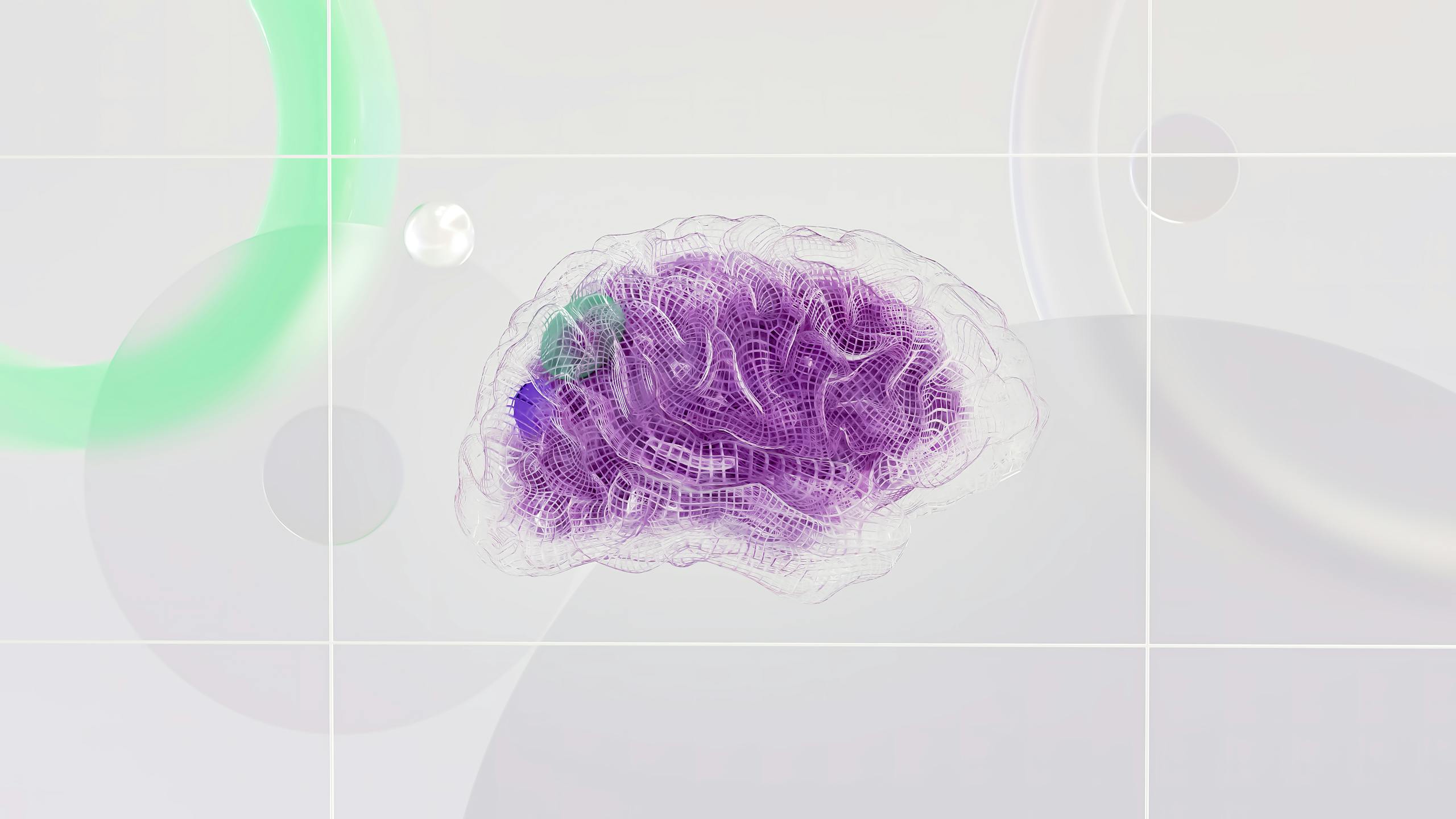
Before we get into the list, it’s worth grounding this in something concrete. A 2018 study published by the American Psychological Association found that introverts and extroverts differ significantly in how they respond to social stimulation, with introverts showing heightened sensitivity to external input in ways that can make high-demand social environments genuinely taxing rather than energizing. You can explore more of the science behind personality and behavior at the American Psychological Association.
If you want a broader look at how introversion shapes daily life and relationships, our introvert personality hub covers the full landscape. This article focuses on the specific social moments that tend to feel the most draining, the most exposing, or the most impossible to prepare for.
Why Do Certain Social Situations Feel So Much Worse Than Others?
Not every social situation drains an introvert equally. A quiet dinner with one trusted friend can feel restorative. A mandatory team happy hour with thirty people you barely know can feel like running a marathon in dress shoes. The difference lies in a few consistent factors: unpredictability, performance pressure, and the absence of any meaningful depth.
What’s your personality type?
Take our free 40-question assessment and get a detailed personality profile with dimension breakdowns, context analysis, and personalised insights.
Discover Your Type8-12 minutes · 40 questions · Free
My mind processes social environments the way it processes everything else, by looking for patterns, reading subtext, and filtering for what actually matters. That works beautifully in a focused one-on-one conversation. It becomes exhausting in situations where there’s no clear signal, only noise.
A 2012 study from Harvard Medical School, covered extensively by the National Institutes of Health, found that introverts tend to process dopamine differently than extroverts, which helps explain why social stimulation that energizes one personality type can feel overwhelming to another. You can find related research on brain chemistry and personality at the National Institutes of Health.
Which Social Situations Create the Most Dread Before They Even Start?
Some situations are hard in the moment. Others are hard days in advance, because the anticipatory anxiety is almost worse than the event itself. These tend to be the worst offenders.
1. Networking Events With No Clear Purpose
I attended hundreds of these over my agency years. Industry mixers, chamber of commerce evenings, advertising award receptions. The format is almost always identical: a loud room, a cash bar, and the unspoken expectation that you’ll introduce yourself to strangers and somehow turn that into professional opportunity.
What makes these so draining isn’t shyness. It’s the complete absence of structure. There’s no agenda, no clear reason to approach anyone, no natural conversation anchor beyond “so, what do you do?” And for someone who processes meaning through depth rather than breadth, that shallow loop repeated forty times in an evening is genuinely exhausting.
2. Being Put on the Spot in a Group Setting
Whether it’s a meeting where someone suddenly turns to you and says “Keith, what do you think?” or a classroom moment where the teacher calls on you without warning, the experience is nearly identical. Your mind, which was quietly processing everything in the background, suddenly has to perform in real time with no preparation.
Introverts tend to think before they speak rather than thinking out loud. Being put on the spot violates that process entirely. The answer you’d give after five minutes of reflection is usually far better than what comes out in the first ten seconds of surprise.
3. Making Small Talk With People You’ll Never See Again
Airports. Elevators. The line at a conference registration desk. These moments feel pointless to many introverts not because we dislike people, but because the conversation has no arc. It starts, goes nowhere, and ends. There’s no relationship being built, no idea being developed, no problem being solved. It’s social interaction for its own sake, and that’s genuinely hard to find motivating.

4. Office Parties and Mandatory Social Events
There’s a particular kind of discomfort that comes from being required to socialize. Agency holiday parties were always a mixed experience for me. I genuinely cared about the people I worked with. I also found the format, loud music, open bar, no clear end time, deeply draining. The mandatory cheerfulness made it harder, not easier.
When socializing is compulsory, it removes the one thing that makes it manageable for introverts: choice. You can’t leave when your energy runs out. You can’t opt for a quieter corner of the room without it reading as antisocial. You’re performing participation rather than actually connecting.
Related reading: dealing-with-your-partners-friends-the-introverts-complete-guide-to-navigating-social-circles.
5. Being the Center of Attention Unexpectedly
Planned public speaking is one thing. Many introverts actually handle it well because they’ve had time to prepare thoroughly. Unexpected attention is something else entirely. A surprise birthday celebration at work. A spontaneous toast where someone hands you the microphone. A moment where the whole room turns to look at you before you’ve had any time to compose yourself.
The vulnerability of being seen without preparation is one of the most uncomfortable feelings in an introvert’s social experience. It’s not vanity. It’s the exposure of being caught mid-process, before your thoughts have had time to form into something you’d actually want to share.
What Makes Social Situations at Work Especially Draining?
Professional social situations carry an extra layer of complexity because the stakes feel higher. You can’t fully be yourself. There are power dynamics to read, impressions to manage, and relationships to maintain across time. For introverts who already find social performance taxing, the workplace adds professional consequences to what would otherwise just be an uncomfortable hour.
6. Open-Plan Offices and Constant Interruption
Not a single event, but a sustained social situation that wears on introverts over time. Open offices were sold as collaboration tools, and they do create spontaneous interaction. They also make focused thinking nearly impossible and leave introverts with no quiet space to recharge during the workday.
I managed agencies with open floor plans for years. I watched my most introverted team members arrive early and stay late specifically to work during the quiet hours. Not because they were workaholics, but because those were the only hours where they could actually think.
7. Brainstorming Sessions That Reward Speed Over Depth
The traditional brainstorm format, everyone shouts ideas, the loudest voices dominate, quantity over quality, is almost perfectly designed to sideline introverted thinkers. I’ve watched brilliant strategists on my teams stay silent in these sessions not because they lacked ideas, but because they needed time to develop them before sharing.
A 2012 study from the University of Pennsylvania found that group brainstorming often produces fewer and lower-quality ideas than individuals thinking separately, partly because social pressure causes people to self-censor. The Mayo Clinic has published extensively on how stress responses affect cognitive performance. You can explore their research at Mayo Clinic.
8. Performance Reviews and High-Stakes Feedback Conversations
Being evaluated as a person, even professionally, triggers something deeper than professional anxiety. Introverts who have spent significant energy managing their presentation at work often find performance reviews particularly exposing. All that careful management of how you’re perceived gets assessed in a single conversation.
9. Leading Meetings When You Haven’t Had Time to Prepare
Running a meeting I’d prepared for thoroughly was something I could do well. Being asked to facilitate a discussion with no advance notice was genuinely difficult. My best thinking happens before the room fills, not in the middle of managing group dynamics in real time.
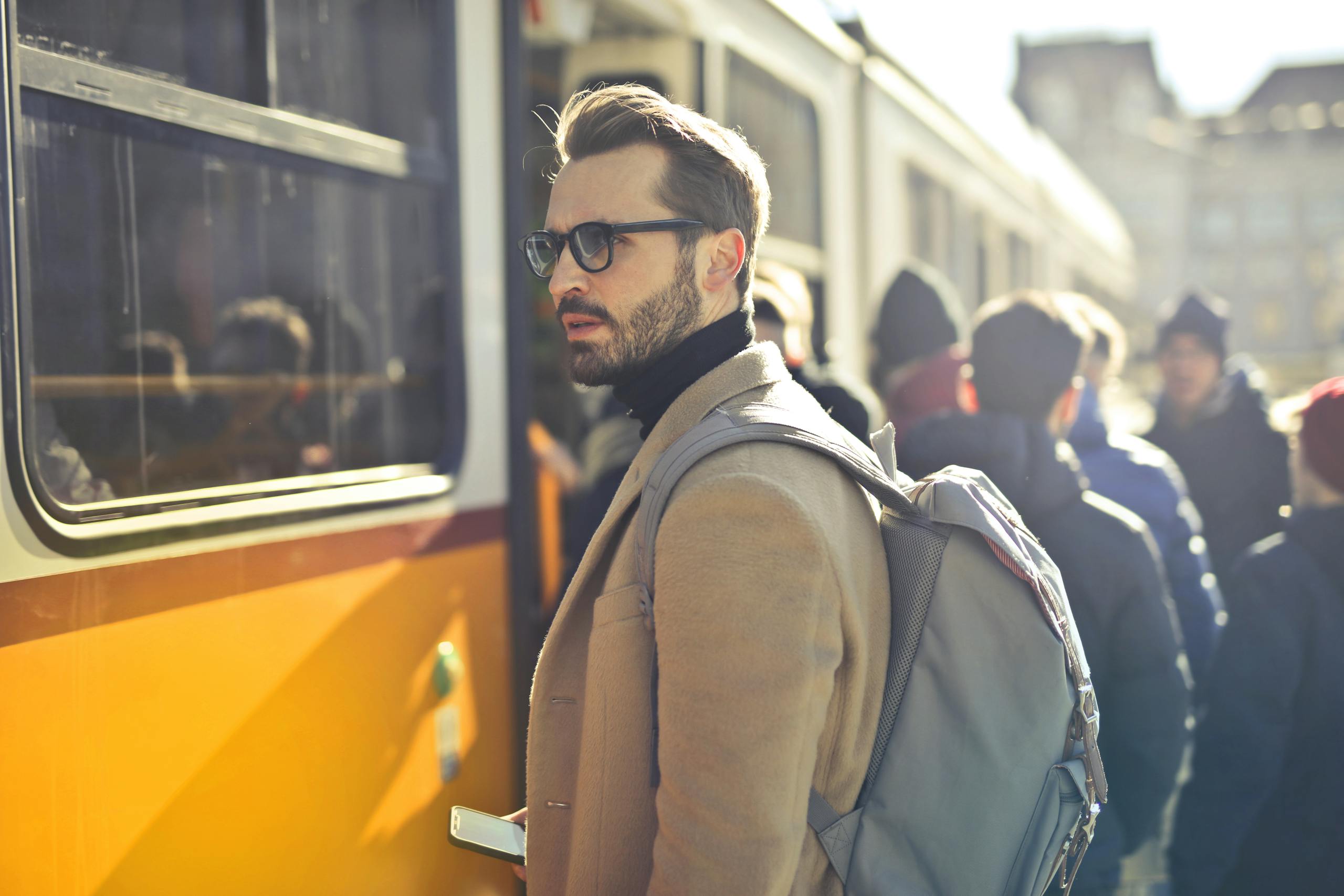
Are Social Situations at Parties and Events Harder for Introverts Than They Look?
From the outside, a party looks like a party. From the inside of an introvert’s experience, it’s a complex set of calculations running constantly: who to talk to, how long to stay in one conversation, how to exit gracefully, when it’s acceptable to leave, how to appear engaged when your energy is gone.
10. Arriving Alone at a Party Where You Don’t Know Many People
That moment of walking in and scanning the room for a familiar face is one of the most anxiety-producing experiences many introverts describe. You’re visible before you’ve had a chance to settle, and you have to make immediate social decisions with no information and no anchor.
11. Group Dinners With Mixed Company
A dinner with six people who don’t all know each other creates a specific kind of social pressure. The conversation has to be broad enough for everyone to participate, which usually means it stays shallow. You can’t have a real conversation with the person across from you because the table dynamic requires you to keep pulling back to the group.
I’ve sat through dozens of client dinners exactly like this. They were professionally necessary and personally exhausting in a way that a two-hour client presentation never was.
12. Being Asked to Introduce Yourself to a Group
The “let’s go around the room and introduce ourselves” moment is almost universally dreaded by introverts. Not because they can’t introduce themselves, but because the format is performative without being meaningful. You’re asked to summarize yourself in thirty seconds for people who are simultaneously preparing their own thirty seconds. Nobody is really listening. Everyone is waiting for their turn.
13. Weddings and Large Celebrations With Extended Family
These events combine nearly every introvert challenge into one long day: large crowds, unpredictable social demands, conversations with people you see rarely, and a cultural expectation to appear joyful and engaged for six to eight hours straight. Even when you genuinely love the people involved, the format is relentless.
What Everyday Social Situations Catch Introverts Off Guard?
Some of the most draining social moments aren’t the big events. They’re the small, unexpected ones that pop up before you’ve had any time to prepare your social energy.
14. Running Into Someone You Know When You’re Not Ready
You’re at the grocery store on a Saturday morning, tired, not quite present, and you round the corner to find a colleague or acquaintance who wants to catch up. The conversation you’d have in a prepared professional setting feels impossible when you’re operating in personal recovery mode.
Introverts often describe this as feeling caught between two versions of themselves, the prepared, engaged version they present professionally and the quieter, more internal version that exists when nobody’s watching.

15. Phone Calls Without Warning
Text messages and emails give introverts time to think before responding. An unexpected phone call removes that entirely. You have to be present, articulate, and engaged immediately, with no preparation time and no ability to edit what you say before it comes out.
Many introverts have a complicated relationship with phone calls specifically because of this. It’s not phone anxiety in the clinical sense. It’s the discomfort of being required to perform socially without any of the preparation that makes social performance feel manageable.
16. Group Chats and Real-Time Messaging Threads
Digital communication that moves at the speed of conversation creates the same pressure as in-person interaction without any of the social cues that help introverts read the room. A group chat that’s moving quickly demands immediate responses, rewards the fastest responders, and often leaves thoughtful introverts feeling perpetually behind.
17. Conflict in Front of Others
Many introverts find conflict difficult in any setting. Conflict that happens in front of other people adds an audience to an already stressful experience. The emotional processing that introverts need to handle disagreement well, time to think, space to formulate a response, gets stripped away entirely when the conflict is public and immediate.
Psychology Today has published extensively on how introverts and extroverts handle conflict differently, and why the standard approach to workplace disagreement often disadvantages quieter personalities. You can explore their personality research at Psychology Today.
18. Being Asked for an Immediate Opinion on Something Complex
In client meetings, I was sometimes asked point-blank what I thought of a creative direction or a strategy shift, right there in the room, with the client watching. My honest answer was almost always “let me sit with that and come back to you.” My professional obligation was to respond immediately. Those two things were in constant tension.
Introverts form their best opinions through reflection, not reaction. Being asked to react publicly to something complex puts them in the position of either sharing an underdeveloped thought or staying silent in a way that reads as evasive.
19. Situations Where You’re Expected to Initiate
Asking someone out. Introducing yourself to a new neighbor. Starting a conversation at a professional event. These situations require introverts to project social confidence outward without any of the incoming signals they usually use to calibrate their responses. You’re operating without data, which is uncomfortable for a personality type that tends to observe before engaging.
Harvard Business Review has published thoughtful work on how introverted leaders can develop their own authentic approach to social initiation rather than mimicking extroverted styles. You can find their leadership and personality content at Harvard Business Review.

How Can Introverts Manage These Situations Without Changing Who They Are?
The point here isn’t to turn introverts into extroverts. That approach doesn’t work, and it costs too much. What does work is developing a clear-eyed understanding of which situations drain you most, building strategies that fit your actual wiring, and giving yourself permission to handle social demands in ways that don’t require you to perform a personality you don’t have.
Related reading: extrovert-behaviors-what-annoys-introverts-most.
For me, that meant a few concrete shifts. I started scheduling recovery time after major social obligations the same way I scheduled the obligations themselves. I stopped apologizing for needing preparation time before important conversations. I built in structured breaks during long conference days instead of powering through and arriving at dinner already depleted.
None of those changes made me less effective. Several of them made me more effective, because I was showing up to the moments that mattered with actual energy rather than running on fumes.
The World Health Organization has noted that chronic stress and social overwhelm have measurable effects on mental and physical health. Managing your social energy isn’t self-indulgence. It’s maintenance. You can explore their mental health resources at the World Health Organization.
A 2019 study from the CDC found that adults who reported consistently poor sleep and high stress were significantly more likely to experience anxiety and mood disruption, both of which are amplified when introverts push through social exhaustion without recovery. Find their mental health and wellness data at the Centers for Disease Control and Prevention.
Understanding your social limits isn’t weakness. It’s the kind of self-knowledge that makes everything else more sustainable.
Explore more about introvert social dynamics and personality strengths in our complete Introvert Life Hub.
About the Author
Keith Lacy is an introvert who’s learned to embrace his true self later in life. After 20 years in advertising and marketing leadership, including running agencies and managing Fortune 500 accounts, Keith now channels his experience into helping fellow introverts understand their strengths and build fulfilling careers. As an INTJ, he brings analytical depth and authentic perspective to every article, drawing from both professional expertise and personal growth.
Frequently Asked Questions
Why do introverts find certain social situations so overwhelming?
Introverts process social stimulation differently than extroverts, often experiencing high-demand social environments as genuinely taxing rather than energizing. Situations that combine unpredictability, performance pressure, and shallow interaction are especially draining because they conflict with the way introverted minds prefer to engage, through depth, preparation, and reflection rather than rapid-fire reaction.
Is it normal for introverts to dread social events days in advance?
Yes, and it’s more common than most people realize. Anticipatory anxiety before social obligations is a well-documented experience among introverts. The mental preparation required to manage a draining social situation often begins long before the event itself, which means the energy cost starts accumulating early. Building recovery time into your schedule before and after major social obligations can help significantly.
Does being terrified of social situations mean an introvert is also shy?
Not necessarily. Introversion and shyness are different things. Shyness involves fear of negative social judgment. Introversion involves a preference for lower-stimulation environments and a tendency to lose energy through extensive social interaction. Many introverts are confident in social settings while still finding them draining. The dread comes from energy management, not fear of what others think.
Can introverts get better at handling difficult social situations over time?
Yes, though “better” means something specific here. Introverts can develop strategies that make difficult situations more manageable without changing their fundamental wiring. Preparation, structured recovery time, selective engagement, and choosing which social obligations actually matter are all skills that develop with experience. success doesn’t mean become someone who finds these situations easy. It’s to handle them sustainably.
What is the single most draining social situation for most introverts?
While individual experience varies, unstructured networking events consistently rank among the most draining situations introverts describe. They combine all the hardest elements: unpredictability, shallow conversation, performance pressure, no clear exit point, and no meaningful depth to anchor the interaction. Large mandatory social events at work run a close second for similar reasons.