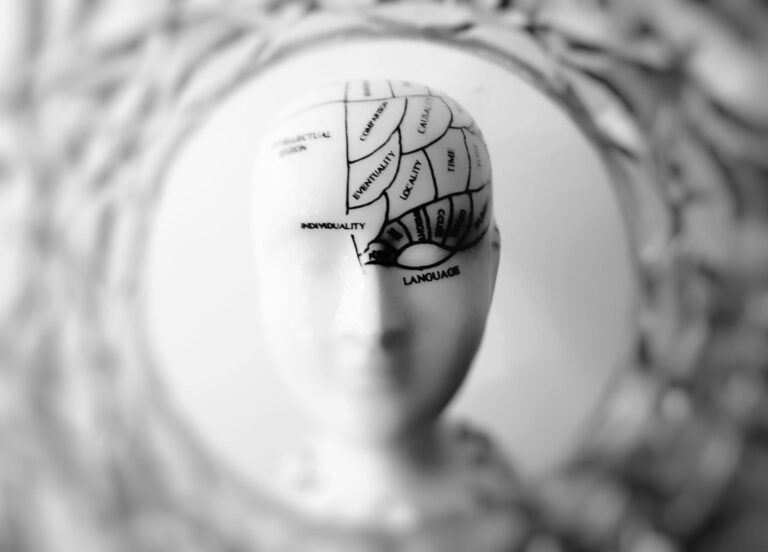

Introverts bring 22 distinct workplace strengths that companies actively seek: deep focus, careful listening, analytical thinking, written communication, independent problem-solving, and the ability to build trust through consistency. These traits aren’t soft skills , they’re competitive advantages that show up in performance reviews, client relationships, and leadership outcomes every single day.
Most introverts I know have spent years apologizing for the wrong things. Apologizing for needing quiet. For preferring email over impromptu hallway conversations. For thinking before speaking. I did the same thing for most of my advertising career, treating my natural wiring as a liability I had to manage rather than an asset I could deploy.
That was a mistake. And it took running my own agency, managing Fortune 500 accounts, and watching quieter team members consistently outperform louder ones to finally understand what was actually happening. Companies don’t just tolerate introvert strengths. The best ones depend on them.

Our Introvert at Work hub explores the full landscape of professional life for people wired toward depth and reflection. This article focuses specifically on the strengths that make introverts genuinely valuable to employers, not just tolerable, but essential.
What Makes Introvert Strengths Different From General Professional Skills?
Every professional develops skills over time. What makes introvert strengths distinct is that many of them aren’t learned through practice , they emerge from how the introvert brain naturally processes information and social energy.
What’s your personality type?
Take our free 40-question assessment and get a detailed personality profile with dimension breakdowns, context analysis, and personalised insights.
Discover Your Type8-12 minutes · 40 questions · Free
A 2012 study published in the Journal of Research in Personality found that introverts show heightened sensitivity to dopamine, which means they reach optimal stimulation at lower levels of external input. That’s not a deficit. That’s the neurological foundation for sustained concentration, careful observation, and measured decision-making , all of which employers pay premium salaries to find.
The American Psychological Association has also noted that introversion correlates with conscientiousness and preparation, two traits that consistently predict job performance across industries. So when a company says they want someone “detail-oriented” and “thoughtful,” they’re often describing an introvert without knowing it.
What follows are 22 specific strengths, grouped by category, with honest context about where they show up and why they matter.
Which Introvert Strengths Show Up Most in Deep Work and Focus?
Cal Newport popularized the term “deep work” to describe the ability to concentrate without distraction on cognitively demanding tasks. Introverts don’t need to learn this skill the way many extroverts do. It’s often their default mode.
1. Sustained Concentration
Introverts can hold focus on complex problems for extended periods without needing external stimulation to stay engaged. In roles that require coding, writing, analysis, research, or strategy, this is worth more than most hiring managers admit out loud.
2. Attention to Detail
Because introverts process information more slowly and thoroughly, they catch errors, inconsistencies, and gaps that faster-moving colleagues miss. A 2018 study from the National Institutes of Health found that introverted individuals demonstrate stronger performance on tasks requiring careful attention and error detection.
3. Independent Problem-Solving
Give an introvert a complex problem and uninterrupted time, and they’ll often return with a solution that accounts for variables others didn’t consider. They don’t need a brainstorming session to think well. They need space.
4. Comfort With Solitary Work
Remote work, independent projects, and roles with minimal supervision play directly to introvert wiring. While some colleagues struggle without constant social feedback, introverts often produce their best work when left to their own process.

How Do Introvert Communication Strengths Benefit Teams and Clients?
There’s a persistent myth that introverts are poor communicators. What’s actually true is that introverts communicate differently, and in many professional contexts, their style is more effective.
5. Active Listening
Introverts listen to understand, not to respond. In client meetings, performance reviews, and conflict resolution, this distinction matters enormously. People feel genuinely heard, which builds trust faster than any amount of enthusiastic talking.
Early in my agency career, I noticed that my quieter account managers consistently had stronger client retention than their more vocal counterparts. It took me a while to connect the dots: clients weren’t leaving because they felt unheard. The listeners were keeping them.
6. Written Communication
Most introverts express themselves more precisely in writing than in speech. In a professional world increasingly mediated by email, Slack, proposals, and reports, this is a significant advantage. Strong written communication reduces misunderstandings, speeds up decisions, and creates clarity at scale.
7. Thoughtful, Measured Responses
Introverts don’t fill silence with noise. They think before they speak, which means their contributions in meetings and negotiations tend to carry more weight. A well-timed, considered response from a quiet voice often shifts a room more effectively than ten minutes of enthusiastic debate.
8. One-on-One Connection
While large group socializing drains introverts, one-on-one conversations are often where they shine. They bring genuine curiosity, undivided attention, and emotional presence to individual interactions , qualities that matter deeply in mentorship, sales, and leadership.
What Analytical and Strategic Strengths Do Introverts Bring to Organizations?
Strategy requires the ability to hold complexity, resist premature conclusions, and think several moves ahead. These are not skills that emerge from high-energy brainstorming sessions. They develop in quiet rooms, over time, through the kind of internal processing that introverts do naturally.
9. Systems Thinking
Introverts tend to see how parts connect to wholes. They notice patterns, dependencies, and downstream effects that others miss when moving too quickly. In operations, product development, and strategic planning, this perspective prevents costly mistakes.
10. Research and Information Gathering
Introverts are natural researchers. They find genuine satisfaction in going deep on a topic, synthesizing information from multiple sources, and arriving at well-supported conclusions. In any role that requires informed decision-making, this matters.
11. Risk Assessment
Where extroverts sometimes move fast and figure it out later, introverts tend to anticipate problems before they surface. A Harvard Business Review analysis of leadership styles found that introverted leaders often make more conservative, better-considered decisions, particularly in complex or ambiguous environments.
12. Long-Term Planning
Introverts are comfortable with extended time horizons. They don’t need immediate feedback or visible progress to stay motivated on long-range goals. In strategic roles, this patience and persistence is genuinely rare.

How Do Introvert Interpersonal Strengths Affect Workplace Culture?
Workplace culture isn’t built by the loudest people in the room. It’s built through consistency, trust, and the way people treat each other when no one is watching. Introverts often contribute to culture in ways that are less visible but deeply structural.
13. Reliability and Follow-Through
Introverts tend to under-promise and over-deliver. They don’t commit to things impulsively in the heat of a meeting. When they say they’ll do something, they mean it. Over time, this builds a reputation for dependability that’s worth more than most visible accomplishments.
14. Empathy and Emotional Attunement
Because introverts spend significant time in internal reflection, many develop a nuanced understanding of emotional dynamics. They notice when a colleague is struggling before that person announces it. They read the room without dominating it. The American Psychological Association links introversion with higher levels of empathic accuracy in interpersonal contexts.
15. Conflict Avoidance Through Prevention
Introverts often defuse tension before it escalates, not through avoidance, but through careful observation and early intervention. They notice friction early and address it quietly, which keeps teams functional without dramatic confrontations.
16. Mentorship and Coaching Capacity
The same qualities that make introverts strong listeners make them effective mentors. They ask good questions, they don’t project their own experience onto others, and they create the kind of psychological safety that allows people to admit what they don’t know.
Some of the most impactful mentors I’ve encountered in twenty years of agency work were the quietest people in the building. They weren’t giving motivational speeches. They were sitting across from someone, paying full attention, and asking the right question at the right moment.
Which Creative and Intellectual Strengths Set Introverts Apart?
Creativity in professional settings is often conflated with brainstorming energy and verbal spontaneity. That framing systematically undervalues the kind of creative output that introverts produce: work that emerges from solitude, incubation, and genuine depth of engagement with a problem.
17. Original Thinking
Introverts spend a lot of time with their own thoughts, which means their ideas are often less derivative of group consensus. They haven’t talked themselves into the same conclusion as everyone else in the room because they weren’t performing their thinking out loud. The result is frequently more original.
18. Depth of Expertise
Introverts tend to go deep rather than wide. They become genuine subject matter experts in their fields because they find intrinsic satisfaction in mastery. In specialized roles, technical positions, and knowledge-intensive industries, depth of expertise is the primary currency.
19. Intellectual Curiosity
A 2021 study from Psychology Today noted that introverts consistently score higher on measures of openness to experience and intellectual engagement. They ask “why” more often, pursue ideas past the point of practical necessity, and bring genuine enthusiasm to learning. In fast-changing industries, this trait is a form of organizational resilience.
20. Comfort With Complexity
Ambiguity and complexity don’t destabilize introverts the way they can destabilize people who need external validation to feel confident. Introverts are often comfortable sitting with unresolved questions, which makes them effective in roles that require holding multiple competing priorities without forcing premature resolution.

Are There Introvert Leadership Strengths That Companies Underestimate?
Leadership is one of the areas where introvert strengths are most consistently undervalued and most consequential when properly recognized. The cultural image of a leader , charismatic, vocal, energizing , describes a style, not an outcome. And outcomes are what companies actually need.
21. Empowering Others Rather Than Centering Themselves
A landmark study by Adam Grant, Francesca Gino, and David Hofmann, published in the Academy of Management Journal, found that introverted leaders consistently outperformed extroverted leaders when managing proactive teams. The reason: introverts listen to their team’s ideas instead of overriding them with their own. They create space for others to contribute, which produces better outcomes and higher engagement.
Managing my own team at the agency, I noticed this pattern clearly. The times I talked less and listened more, my team produced better work. Not because I was being passive, but because they had room to bring their full thinking to the problem.
22. Calm Under Pressure
Introverts don’t perform their stress. They process it internally, which means their external demeanor often stays steady when circumstances are difficult. In crisis situations, a leader who doesn’t visibly panic gives a team permission to stay functional. That calm is contagious in the best possible way.
The Mayo Clinic has linked introversion with lower baseline cortisol reactivity to social stressors, which offers a physiological explanation for why introverted leaders often appear more composed in high-stakes situations. Their nervous systems are genuinely less activated by the social dimensions of a crisis.
How Can Introverts Communicate Their Strengths During Hiring?
Knowing you have these strengths is one thing. Communicating them in a job interview, where the format often rewards extroverted performance, is a different challenge entirely.
A few approaches that work:
- Reframe the narrative: Instead of describing yourself as “quiet” or “reserved,” use language that centers the outcome. “I tend to listen carefully before I respond, which means my recommendations are usually well-grounded.” That’s not a personality disclosure. That’s a value proposition.
- Use written preparation: Introverts often perform better in structured interviews than unstructured ones. Prepare specific examples in advance using the STAR format (Situation, Task, Action, Result). Your natural tendency toward preparation becomes an advantage.
- Request the right format: Many companies now offer asynchronous video interviews or written assessments. These formats allow introverts to demonstrate their actual communication quality rather than their real-time social performance.
- Highlight the evidence: Specific accomplishments, completed projects, and measurable outcomes speak louder than personality claims. Lead with what you’ve produced, not how you prefer to work.
success doesn’t mean perform extroversion. The point is to present your actual strengths in a language the interviewer can receive.
What Industries and Roles Align Best With Introvert Strengths?
While introvert strengths are valuable across virtually every professional context, some industries and roles create more consistent conditions for them to surface.
Roles that tend to reward introvert wiring include: software engineering and development, data analysis and research, writing and content strategy, academic and scientific research, financial analysis and accounting, architecture and design, library and information science, technical writing, and many forms of consulting where depth of expertise is the primary deliverable.
That said, introverts succeed in sales, leadership, teaching, healthcare, law, and every other field. The question isn’t whether a role is “introvert-friendly” in some absolute sense. The question is whether the specific environment, team, and management style create enough space for introvert strengths to show up. Some extrovert-coded roles, managed well, are excellent fits. Some supposedly introvert-friendly roles, in chaotic or hyper-social environments, are miserable.
Understanding your own specific strengths within the broader introvert profile matters more than finding an “introvert job.” The 22 strengths above aren’t equally distributed across every introvert. Knowing which ones you carry most strongly gives you a much more useful map.

What’s the Biggest Misconception Companies Have About Introverts?
The biggest misconception isn’t that introverts are shy or antisocial, though those myths persist. The deeper, more damaging misconception is that introversion is a fixed limitation rather than a different operating system.
Companies spend enormous resources trying to make introverts more extroverted: mandatory team-building events, open office plans, real-time collaboration tools, performance cultures that reward visibility over output. Most of this effort produces the opposite of the intended result. It drains the people it’s trying to develop and pushes their actual strengths further underground.
The more productive question isn’t “how do we get introverts to participate more?” It’s “how do we build environments where different kinds of participation are equally valued?” An introvert who submits a detailed written analysis before a meeting is participating. An introvert who asks one clarifying question that reframes the entire discussion is contributing. An introvert who quietly mentors a struggling colleague over three months is leading.
Visibility and value are not the same thing. Companies that understand this distinction tend to keep their introverts. Companies that don’t lose them to organizations that do.
Explore more professional development resources in our complete Introvert at Work Hub.
About the Author
Keith Lacy is an introvert who’s learned to embrace his true self later in life. After 20 years in advertising and marketing leadership, including running agencies and managing Fortune 500 accounts, Keith now channels his experience into helping fellow introverts understand their strengths and build fulfilling careers. As an INTJ, he brings analytical depth and authentic perspective to every article, drawing from both professional expertise and personal growth.
Frequently Asked Questions
Are introvert strengths at work scientifically supported?
Yes. Multiple peer-reviewed studies support specific introvert workplace strengths. Research published in the Journal of Research in Personality links introversion to stronger attention and error detection. The Academy of Management Journal found introverted leaders outperform extroverted ones with proactive teams. The American Psychological Association connects introversion with conscientiousness, one of the strongest predictors of job performance across industries.
Can introverts be effective leaders despite preferring less social interaction?
Absolutely. Introvert leadership strengths, including active listening, calm under pressure, empowering team members, and long-term strategic thinking, are well-documented. Research by Adam Grant and colleagues found introverted leaders consistently produce better team outcomes, particularly when managing people who bring their own initiative and ideas. Leadership effectiveness is measured by results, not by how much someone talks in meetings.
How can introverts highlight their strengths in job interviews?
Prepare specific examples in advance using the STAR format (Situation, Task, Action, Result) so your natural tendency toward thoroughness becomes an advantage. Reframe introvert traits in outcome-focused language: “I listen carefully before responding, which means my recommendations are well-grounded.” Seek structured interview formats where preparation and written communication can shine. Lead with measurable accomplishments rather than personality descriptors.
Do all introverts share the same workplace strengths?
No. Introversion describes a general orientation toward internal processing and a preference for lower-stimulation environments, but individual introverts vary significantly in which specific strengths they carry most strongly. Some are exceptional writers but average listeners. Others are natural analysts but struggle with long-term planning. Understanding your own specific profile within the broader introvert spectrum gives you a more accurate and useful picture than assuming all 22 strengths apply equally.
What can employers do to better support introvert strengths at work?
Employers can create conditions where introvert strengths surface naturally: offering written input options before meetings, providing quiet spaces for focused work, evaluating performance on output quality rather than meeting participation, allowing preparation time before presentations, and building one-on-one check-ins alongside group interactions. Managers who measure contribution by results rather than visibility tend to get significantly more from their introverted team members.