
You know that feeling when everyone’s talking about how much they love summer, and you’re quietly counting down to September? Or when friends complain about the “dreary” fall weather while you’re finally feeling like yourself again? Your seasonal preferences aren’t random. They’re deeply connected to how your brain processes stimulation, manages energy, and responds to social expectations.
Each season carries its own demands. Summer brings endless invitations and the assumption that everyone wants to be outside, social, visible. Fall offers permission to slow down. Winter provides legitimate reasons to stay home. Spring delivers renewal but with it, pressure to emerge and engage. As someone who spent twenty years in the high-energy world of advertising agencies, I watched these seasonal rhythms play out repeatedly. The summer months meant networking events, outdoor team activities, and expectations that everyone would match the season’s extroverted energy. Come September, the pace shifted. People returned to routines, accepted declined invitations without question, and the cultural permission to hibernate gradually increased.

The question isn’t which season is objectively “best” for people with this personality trait. The question is which season aligns with your specific energy patterns, social needs, and environmental sensitivities. Understanding your seasonal preferences provides more than interesting self-knowledge. It offers practical guidance for structuring your year, managing energy, and building a life that works with your nature rather than against it. Our General Introvert Life hub explores these lifestyle patterns in depth, and seasonal preferences reveal fundamental truths about how we function best.
- Recognize fall aligns with introvert energy patterns through reduced social pressure and cultural permission to slow down.
- Track your seasonal cognitive performance since attention peaks in winter while working memory functions best in autumn.
- Structure your annual commitments around your specific seasonal sensitivities rather than fighting your natural energy rhythms.
- Understand that serotonin, dopamine, and melatonin fluctuations directly explain your seasonal mood and motivation changes.
- Accept that summer’s extroverted expectations differ from fall’s legitimate social withdrawal, validating your seasonal preferences.
The Science of Seasonal Preferences
Ian Hohm and colleagues at the University of British Columbia published research in Perspectives on Psychological Science documenting how seasons affect everything from cognitive performance to color preferences. Their review reveals that seasonal changes influence affective states, cognitive abilities, prosocial behavior, and even sexual activity. People differ in their sensitivities to seasonal variation, and these trait-like differences moderate how seasons affect thoughts, feelings, and actions. Understanding how neurodiversity intersects with these patterns provides additional insight.
What’s your personality type?
Take our free 40-question assessment and get a detailed personality profile with dimension breakdowns, context analysis, and personalised insights.
Discover Your Type8-12 minutes · 40 questions · Free
Your brain responds to seasonal changes through multiple biological mechanisms. Serotonin levels, which regulate mood and wellbeing, fluctuate with sunlight exposure. Dopamine production, tied to motivation and pleasure, responds to daylight duration. Melatonin, which controls sleep patterns, shifts with darkness levels. Research conducted in Belgium found that sustained attention peaks around the winter solstice and reaches its minimum around the summer solstice. Working memory performance showed highest function in autumn and lowest in spring.
These aren’t minor variations. A 2023 study in the British Psychological Society’s Psychologist examined how seasons shape psychology across multiple dimensions. Temperature affects not just comfort but judgment. A 2013 study from Yale University found people make different assessments about others based on environmental temperature. Light exposure correlates significantly with life satisfaction. Birth season may influence temperament, with spring and summer births associated with more positive temperaments but also rapid mood shifts.
Seasonal Affective Disorder represents the extreme end of seasonal sensitivity, affecting approximately 5 percent of Americans according to Mayo Clinic research. Symptoms include negative mood, appetite changes, sleep pattern disruptions, and decreased energy. Most people experience less extreme versions of these patterns. The key insight isn’t that seasons affect everyone identically. People respond differently to the same seasonal changes based on individual sensitivity to light, temperature, and social rhythms.
| Rank | Item | Key Reason |
|---|---|---|
| 1 | Autumn Season | Consistently emerges as favorite season. Provides cultural permission to retreat and decline social obligations without requiring explanation or justification. |
| 2 | Winter Season | Offers maximum permission for solitude with no social obligation questions. Provides slower pace and accepted hibernation patterns matching introvert preferences. |
| 3 | Summer Season | Presents greatest seasonal challenge for introverts. Assumes constant social activity and outdoor engagement with cultural pressure to maintain enthusiasm year-round. |
| 4 | Spring Season | Triggers ambivalence and anxiety for socially sensitive people. Escalates social expectations after winter hibernation with pressure to match enthusiastic energy. |
| 5 | Serotonin Regulation | Key biological mechanism affecting mood and wellbeing. Fluctuates directly with sunlight exposure and seasonal light level changes throughout the year. |
| 6 | Dopamine Production | Critical neurotransmitter tied to motivation. Responds to seasonal variations affecting energy levels and engagement capacity during different seasons. |
| 7 | Spring/Summer Birth Months | Show greater sensitivity to mood shifts from temperature and light changes. Experience more pronounced seasonal variation impacts compared to cooler month births. |
| 8 | Cooler Month Birth Season | Demonstrates less impact from seasonal variation. Provides greater stability and consistency in mood across different seasons throughout the year. |
| 9 | Childhood Seasonal Experiences | Shape lasting seasonal preferences through positive or negative associations. Creates enduring patterns affecting adult seasonal engagement and comfort levels. |
| 10 | Remote Work Flexibility | Enables energy preservation during challenging seasons. Strategic arrangement reduces commute burden during periods with unavoidable social demands. |
| 11 | Strategic Project Scheduling | Aligns demanding work with peak seasons for sustained concentration. Reserves lighter workloads during energy draining periods preventing depletion. |
Why Autumn Resonates
Ask a group which season feels most natural, and autumn consistently emerges as the favorite. The reasons extend beyond pumpkin spice and sweater weather. Fall provides something rarer and more valuable: cultural permission to retreat.

Summer carries implicit social demands. Declining invitations requires explanation. Choosing to stay home on a beautiful Saturday triggers questions. Managing social obligations during summer becomes more challenging than any other season. Fall changes this dynamic completely. Weather provides acceptable reasons to decline. Schedules fill with legitimate obligations. The cultural expectation shifts from constant availability to reasonable selectivity. One client at our agency used to schedule all her difficult projects for September through November because, as she explained, “Everyone stops expecting me to show up to things, and I finally get to work in peace.”
Temperature plays a role beyond simple preference. Research from Frontiers in Public Health found that exposure to high temperatures correlates with lower life satisfaction. People in tropical or subtropical regions report lower happiness levels compared to those in temperate or polar climates. The cooling trend of autumn brings relief from summer’s intensity. Your nervous system, already sensitive to external stimulation, processes the gentler seasonal shift as a return to baseline rather than deprivation.
Cognitive performance shifts with seasons in ways that favor fall. Attention improves. Focus sharpens. The scattered energy of summer, driven by longer days and cultural expectations for constant activity, gives way to deeper concentration. Tasks requiring sustained mental effort become easier. Creative work flows with less resistance. Nature’s transformation from growth to preparation mirrors the internal shift from output to integration.
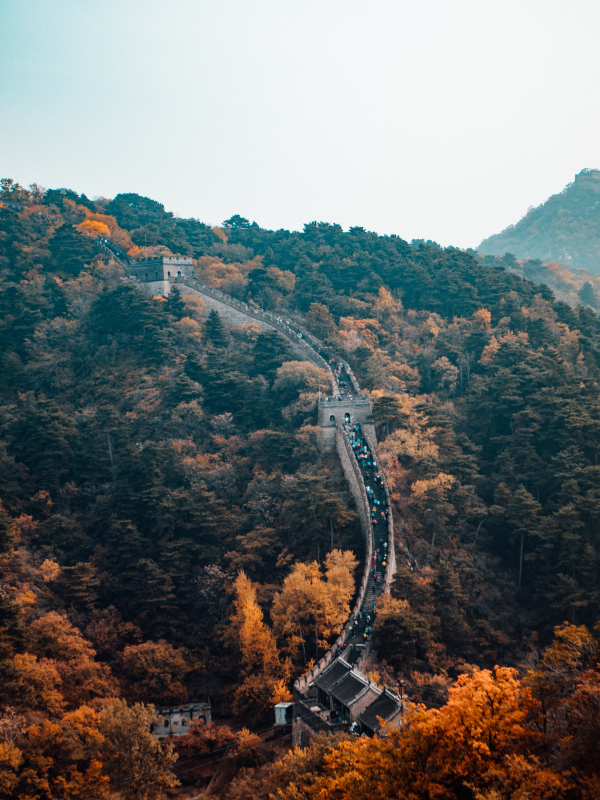
Autumn also offers aesthetic richness that speaks to those who notice details others overlook. Color preferences vary seasonally, research on ecological valence theory reveals. The vibrant oranges, deep reds, and golden yellows of fall leaves provide visual stimulation without the harshness of summer’s bright light. The season’s particular quality of illumination, described by photographers as “golden hour extended,” creates environments that feel both energizing and calming. During my years managing creative teams, I noticed that designers and writers produced their most sophisticated work between September and November. The seasonal shift affected not just their availability but the quality of their thinking.
The Winter Question
Winter divides people more sharply than any other season. Some thrive in the quiet darkness. Others struggle with debilitating depression. The difference lies in individual sensitivity to reduced sunlight and the degree to which winter’s characteristics align with your specific needs.
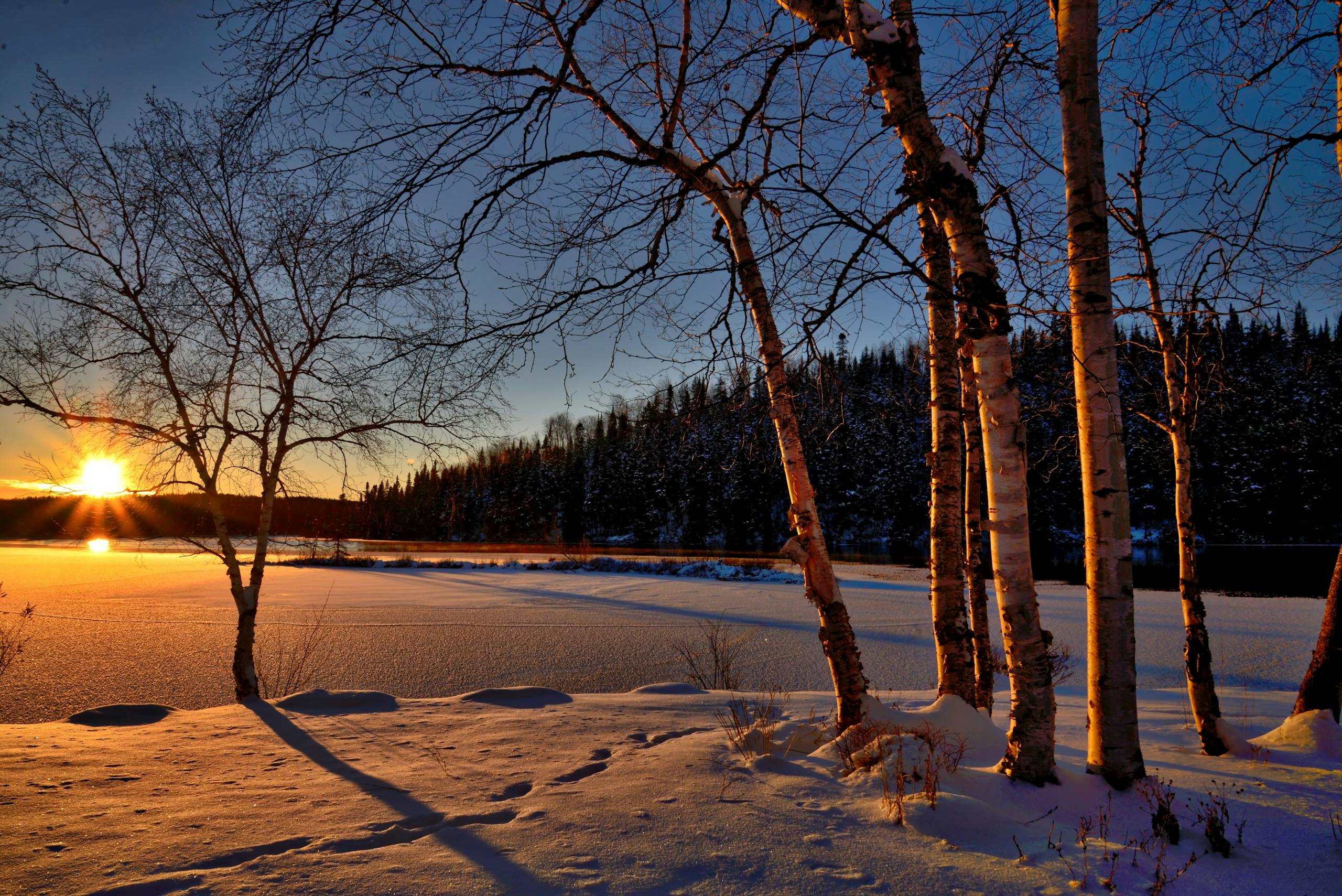
Winter offers maximum permission for solitude. No one questions staying home. Social obligations decrease. The cultural expectation for constant engagement disappears almost entirely. Those who find social interaction consistently draining experience winter as relief. The season’s slower pace, reduced stimulation, and accepted hibernation patterns match their natural preferences. Research on seasonal preferences found that winter lovers typically value solitude, enjoy cozy indoor activities, and possess introspective, calm personalities.
But winter’s darkness presents challenges that autumn’s gentler transition doesn’t. Reduced sunlight disrupts circadian rhythms, affecting sleep, energy, and mood regulation. Vitamin D deficiency becomes more likely. The extended periods of darkness that feel protective to some trigger depressive symptoms in others. Serotonin levels drop with decreased light exposure, leading to the constellation of symptoms associated with Seasonal Affective Disorder. Working from home during winter months, I established strict routines around light exposure. Morning walks, regardless of temperature. Afternoon positioning near windows. Light therapy lamp use during darkest weeks. Without these interventions, my energy and mood deteriorated predictably.

Temperature extremes add another variable. Cold weather provides excellent excuses for staying inside but also reduces options for the outdoor solitude many prefer. Parks empty. Walking trails become icy. The natural world that provided peaceful escape during warmer months becomes less accessible. You’re left choosing between indoor social obligations or genuine isolation, with fewer middle-ground options for low-stimulation outdoor activities.
Winter works best when you actively manage its challenges. Light exposure becomes non-negotiable. Vitamin D supplementation matters. Social connection, though reduced, requires intentional maintenance. The season’s permission for solitude can slip into isolation that degrades mental health. Finding the balance between protective retreat and problematic withdrawal determines whether winter feels restorative or depleting.
Spring’s Ambivalence
Spring should be straightforward. Longer days provide more energy. Warming temperatures enable outdoor activities without summer’s intensity. Nature’s renewal offers metaphorical inspiration. Yet spring often triggers more ambivalence than appreciation.
The season brings escalating social expectations. After winter’s accepted hibernation, spring arrives with pressure to emerge, engage, and match the season’s enthusiastic energy. Invitations increase. Outdoor events resume. The cultural narrative insists everyone should feel renewed, energized, and socially motivated. Those who don’t match this expected trajectory feel out of step with both season and society. Research on seasonal psychology indicates that spring can trigger increased anxiety for people prone to social stress. The rising social expectations and change in routine feel overwhelming rather than energizing.
Cognitive patterns shift in ways that don’t favor deep work. The study conducted in Belgium found working memory performance at its lowest point during spring months. Attention becomes harder to sustain. The scattered quality that makes spring feel fresh and energizing to some translates to difficulty focusing for others. Tasks requiring sustained concentration become more challenging just as work demands often increase following winter’s slower pace.
Spring’s variability creates additional challenges. Temperature swings from cold to warm and back again. Weather patterns remain unpredictable. The season’s transitional nature means you can’t fully settle into either winter’s protective routines or summer’s outdoor patterns. You’re constantly adjusting, which itself requires energy. One team member described spring as “the season where I’m always wearing the wrong clothes and agreeing to things I’ll regret in July.”
The positive aspects exist but require intentional cultivation. Longer days do increase light exposure, boosting serotonin and dopamine production. Warmer temperatures enable outdoor solitude without summer’s crowds or winter’s cold. Nature’s renewal can provide genuine inspiration if you engage with it on your terms rather than matching cultural expectations. Spring works when you treat it as an opportunity for gradual adjustment rather than sudden transformation.
Summer’s Challenges
Summer presents the greatest seasonal challenge for many people with this temperament. The season’s entire cultural framework assumes everyone wants what summer offers: constant social activity, outdoor gatherings, high-energy engagement, and minimal solitude.

Declining summer invitations requires more justification than any other season. “The weather’s too nice to stay inside” becomes a common refrain. Choosing solitude when others expect participation marks you as difficult, antisocial, or problematic. The assumption that everyone shares summer’s extroverted energy creates pressure to perform enthusiasm you don’t feel. Common misconceptions about seasonal preferences compound this pressure. Agency summers meant endless outdoor client events, rooftop happy hours, and team activities explicitly designed to “take advantage of the weather.” Declining felt like rejecting not just an event but a fundamental value everyone else shared.
Heat itself poses problems beyond discomfort. Research examining temperature and wellbeing found that high temperatures correlate with increased irritability and decreased life satisfaction. Your body expends energy regulating temperature, leaving less available for cognitive tasks and emotional regulation. Sleep quality deteriorates in heat. Concentration becomes more difficult. Tasks requiring sustained mental effort feel harder than they would in cooler months. The physical exhaustion of managing heat compounds the social exhaustion of meeting summer’s elevated expectations.
Summer’s extended daylight disrupts natural rhythms. While longer days boost serotonin for some, they can trigger sleep difficulties and increased anxiety for others. Your circadian rhythm struggles to adjust. Melatonin production delays. The result is later bedtimes, inadequate rest, and cumulative exhaustion that builds across the season. By August, many people report feeling depleted despite summer’s reputation as the most energizing season.
Finding outdoor solitude becomes nearly impossible. Parks fill with crowds. Trails pack with hikers. Quiet natural spaces transform into social venues. The peaceful outdoor activities that provide restoration during other seasons require managing crowds and noise during summer months. You’re left choosing between indoor isolation or overstimulating outdoor environments, with limited access to the middle ground of low-stimulation nature exposure.
Summer demands strategic energy management. Early morning activities, before crowds arrive. Evening walks, after peak social hours. Explicitly scheduling recovery time after unavoidable social events. Setting boundaries without apology. Reframing “missing out” as “choosing restoration.” The season works only when you actively resist its cultural assumptions about what everyone should want.
Individual Variation Matters
The patterns described above represent common preferences, not universal rules. Some people love summer’s extended daylight and find autumn’s darkness oppressive. Others thrive in winter’s quiet and struggle with spring’s chaos. Your optimal season depends on your specific sensitivity patterns, environmental needs, and life circumstances.
Birth season may influence your seasonal preferences. Research published in The Acronym found that people born in spring and summer months show more sensitivity to mood shifts with changing temperatures and light levels. Those born in cooler months experience less impact from seasonal variation. Your childhood experiences shape preferences too. Positive associations with specific seasons create lasting preferences. Negative experiences during certain times of year can trigger avoidance patterns that persist decades later.
Geographic location dramatically affects seasonal experience. Fall in New England differs entirely from fall in Southern California. Winter in Minnesota presents different challenges than winter in Georgia. The seasonal variations you experience depend on where you live. Someone in a region with mild winters and intense summers will develop different preferences than someone facing harsh winters and gentle summers. When evaluating your seasonal preferences, consider not just the abstract qualities of each season but how they manifest in your specific location.
Life circumstances shift seasonal preferences. Parents of school-age children experience summer differently than those without kids. Remote workers have different seasonal flexibility than those commuting to offices. Seasonal employment, academic calendars, and cultural traditions all shape how each season feels. Your optimal season at 25 might differ from your preference at 45. A 2024 review in Perspectives on Psychological Science emphasized that people’s responses to seasons reflect not just biological factors but ecological and sociocultural mechanisms as well.

Recognizing your individual pattern requires honest self-observation. Track your energy levels across multiple seasons. Notice when concentration comes easily versus when it requires effort. Pay attention to social desires rather than social obligations. Identify which seasonal characteristics energize versus drain you. Temperature sensitivity matters. Light requirements vary. Social pressure tolerance shifts. Your optimal season emerges from the intersection of your specific biological responses, psychological needs, and environmental circumstances.
Working With Your Seasonal Patterns
Once you identify your seasonal preferences, the practical question becomes how to structure your year accordingly. Fighting your natural rhythms creates unnecessary friction. Aligning with them enables sustainable energy management.
Schedule demanding work during your peak seasons. Reserve your optimal months for projects requiring sustained concentration, creative output, or intensive effort. Plan lighter workloads during seasons that drain your energy. Protective structure during challenging seasons prevents depletion. My most productive periods consistently fell in October and November. Recognizing this pattern, I learned to schedule major client presentations, strategic planning sessions, and complex creative projects during those months. Summer months focused on maintenance work, relationship building, and tasks requiring less intensive cognitive effort.
Adjust social expectations seasonally. Communicate your patterns to people who matter. “I’m more available for social activities in fall and winter” provides clearer guidance than repeatedly declining summer invitations without explanation. Setting expectations prevents misunderstanding. Friends and colleagues adapt when they understand your patterns rather than interpreting them as rejection or difficulty.
Build seasonal rituals that honor your preferences. Create markers that celebrate your favorite seasons and provide structure during challenging ones. Autumn might bring deliberate transitions from summer’s pace. Winter could include weekly light therapy sessions and morning walks. Spring might require extra alone time to balance increasing social demands. Summer could mean early morning outdoor activities before heat and crowds arrive. Rituals provide predictable structure that reduces the energy cost of constant decision-making.
Manage light exposure strategically. During darker months, maximize natural light through morning walks, strategic window positioning, and light therapy when needed. During brighter months, create dimmer environments for evening wind-down. Your circadian rhythm responds powerfully to light cues. Supporting rather than fighting these responses maintains energy and mood stability. Vitamin D supplementation during low-sunlight months prevents deficiency that can worsen seasonal mood changes.
Prepare for seasonal transitions. The shift between seasons often creates more disruption than the seasons themselves. Energy patterns change. Social expectations shift. Environmental stimulation varies. Building extra buffer during transition weeks prevents the accumulated stress that compounds into larger problems. October requires different energy management than July. Recognizing this reality and planning accordingly prevents depletion.
When Seasonal Preferences Conflict With Life Demands
Your optimal season might not align with your work demands, family obligations, or cultural expectations. School calendars privilege summer. Many industries intensify during specific seasons. Family traditions cluster around particular times of year. The mismatch between your preferences and external demands creates tension requiring active management.
Negotiate flexibility when possible. Remote work options during challenging seasons. Adjusted schedules during peak months. Strategic use of vacation time for restoration during depleting periods. Small adjustments compound into significant energy preservation. One colleague arranged to work primarily from home during June through August, saving her commute energy for the social demands she couldn’t avoid.
Accept trade-offs without resentment. Summer family reunions happen regardless of your preferences. Holiday obligations cluster in winter whether that’s your optimal season or not. Fighting unchangeable reality wastes energy better spent on recovery strategies. Accepting necessary participation while protecting recovery time afterward prevents the bitterness that makes difficult situations worse. Avoiding common self-defeating patterns during challenging seasons maintains wellbeing.
Find your people who share seasonal patterns. Connecting with others who experience seasons similarly validates your preferences and provides practical support. Friends who understand why you decline summer invitations but eagerly accept October plans. Colleagues who recognize your autumn productivity and your summer conservation. Communities that celebrate seasonal variation rather than assuming everyone wants the same things from each season.
Remember that seasonal preferences represent one data point among many. They matter, but they don’t define you completely. Someone might love autumn yet still attend summer weddings, enjoy winter holidays despite preferring spring, or find ways to appreciate aspects of every season while honoring their primary preferences.
The Larger Pattern
Understanding seasonal preferences connects to the broader question of living according to your natural patterns rather than cultural expectations. Seasons provide clear, recurring examples of this tension. Summer’s assumption that everyone wants constant social activity mirrors workplace assumptions about ideal collaboration styles. Spring’s expectation for enthusiastic emergence parallels social pressure to always appear energized and available. Winter’s permission for retreat reflects what should be acceptable year-round but often isn’t.
Your seasonal preferences reveal something important about your energy patterns, stimulation needs, and social tolerances. Pay attention to these preferences. They offer guidance for structuring not just your year but your entire life. The seasons when you thrive indicate the conditions that support your best function. The seasons when you struggle point to circumstances worth minimizing or actively managing. This knowledge becomes practical wisdom when applied consistently.
Consider tracking your patterns for a full year. Note energy levels, mood quality, concentration ability, social desires, and productivity across all four seasons. Patterns emerge that predict your optimal and challenging periods. Armed with this information, you can make better decisions about work timing, social commitments, major life changes, and daily routines. Knowledge without application remains interesting but useless. Application without knowledge leads to inefficient trial and error. Combining both creates sustainable life structures.
Seasonal preferences might seem like a minor concern compared to career choices, relationship decisions, or major life transitions. But the cumulative effect of living in alignment with your seasonal patterns versus fighting them year after year shapes your overall wellbeing significantly. Four months of annual struggle during your worst season compounds over decades into substantial energy depletion. Four months of optimal function during your best season, properly leveraged, creates opportunities for growth and achievement that wouldn’t emerge otherwise.
The question isn’t which season is objectively best. The question is which season works best for you, and how you’ll structure your life accordingly. Your answer matters more than you might think.
Frequently Asked Questions
Can you change your seasonal preferences?
Your fundamental response patterns to light, temperature, and seasonal rhythms remain relatively stable. You can manage your reactions through light therapy, vitamin D supplementation, and strategic lifestyle adjustments. These interventions improve functioning during challenging seasons but typically don’t transform your core preferences. Someone who thrives in autumn won’t suddenly prefer summer through willpower alone, though they can learn to manage summer more effectively.
Do all people with this temperament prefer the same seasons?
No. While autumn frequently emerges as a common preference due to reduced social expectations and gentler stimulation, individual variation exists. Some love winter’s darkness and solitude. Others prefer spring’s renewal without summer’s intensity. Geographic location, birth season, childhood experiences, and individual sensitivity patterns all influence preferences. The shared trait is heightened awareness of seasonal effects rather than universal preference for specific seasons.
How do you manage work demands during your worst season?
Strategic energy conservation becomes essential. Schedule lighter workloads when possible. Use your best hours for demanding tasks. Build extra recovery time between obligations. Communicate clearly about your capacity. Negotiate flexibility around location or schedule. Accept that productivity during challenging seasons might not match your peak performance, and plan accordingly rather than pushing through depletion. Small adjustments across three to four months prevent the cumulative exhaustion that degrades function completely.
Is Seasonal Affective Disorder the same as having seasonal preferences?
Seasonal Affective Disorder represents clinical depression triggered by seasonal changes, typically requiring professional treatment. Seasonal preferences involve feeling more or less energized, focused, or socially inclined during different times of year without meeting criteria for depression. SAD affects approximately 5 percent of people while seasonal preferences exist on a continuum affecting most people to varying degrees. Professional evaluation distinguishes between preferences requiring lifestyle adjustment and disorder requiring clinical intervention.
Should you plan major life changes around your optimal season?
When possible, timing major changes during your peak season provides advantages. Job searches, moves, relationship transitions, and significant projects benefit from optimal energy and clearest thinking. However, life doesn’t always allow this flexibility. Necessary changes during challenging seasons require extra support, recovery time, and realistic expectations. Perfect timing isn’t always possible, but awareness of how seasonal patterns will affect your capacity helps you prepare appropriately.
Explore more lifestyle guidance in our complete General Introvert Life Hub.
About the Author
Keith Lacy is an introvert who’s learned to embrace his true self later in life. With a background in marketing and a successful career in media and advertising, Keith has worked with some of the world’s biggest brands. As a senior leader in the industry, he has built a wealth of knowledge in marketing strategy. Now, he’s on a mission to educate both introverts and extroverts about the power of introversion and how understanding this personality trait can unlock new levels of productivity, self-awareness, and success.