Everyone assumed throwing myself a party meant renting out a venue and inviting fifty people. They were wrong. After years of dreading my own birthday celebrations, I finally admitted that traditional party planning was designed for someone else’s personality, not mine.
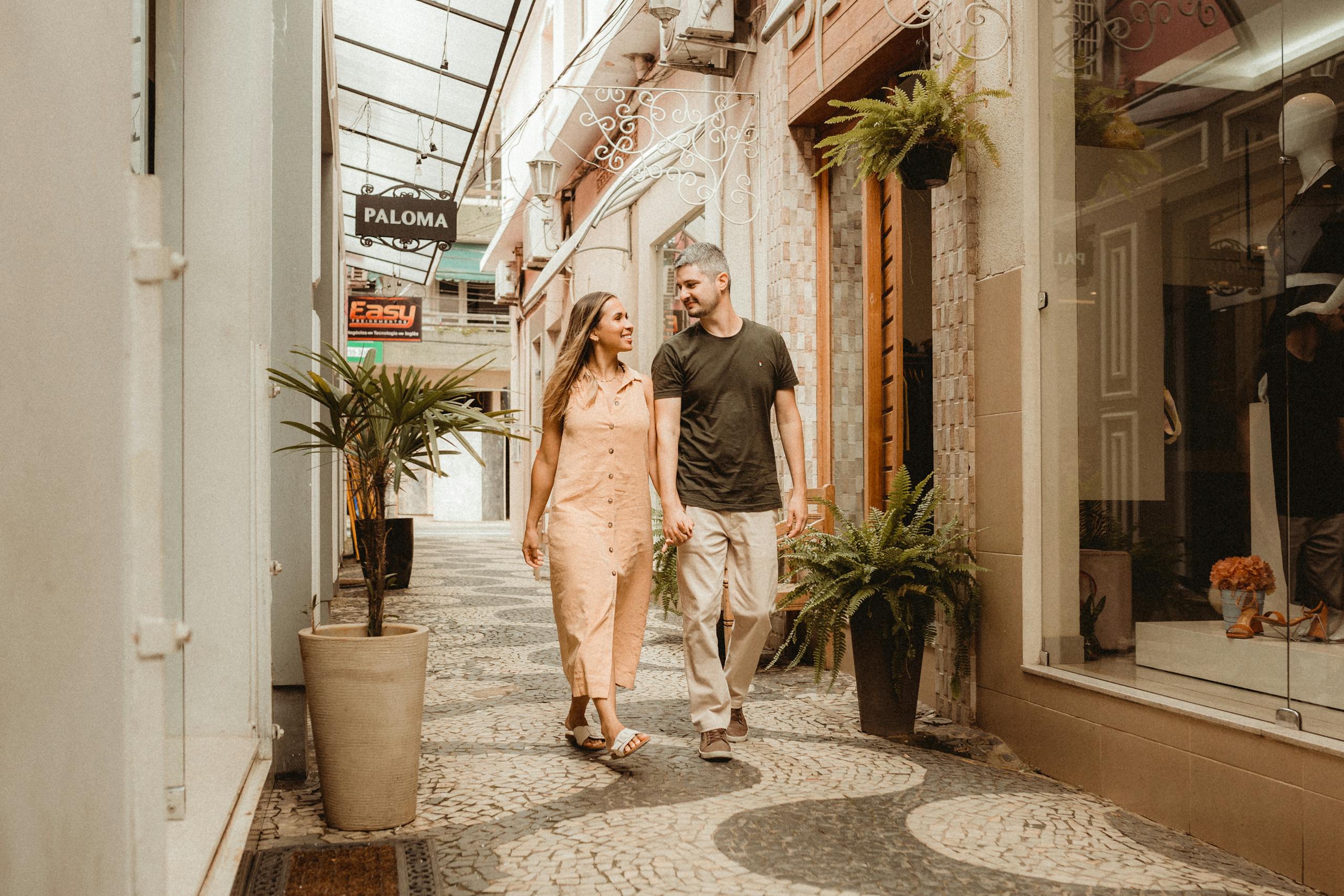
Introverts plan successful birthday parties by designing celebrations around energy management rather than social expectations. This means limiting guest lists to meaningful connections, choosing venues that offer natural retreat options, and structuring activities that facilitate organic conversation without demanding constant performance. The key is honoring your recharge needs while still creating memorable moments.
During my two decades managing client events in advertising, I watched countless celebrations succeed or fail based on whether they matched the host’s actual temperament. The same strategic principles that work for Fortune 500 product launches apply to personal celebrations when you stop performing someone else’s version of fun and start designing around your authentic needs.
Our General Introvert Life hub addresses these everyday scenarios where mainstream advice falls short. Birthday celebrations deserve particular attention because they happen annually whether you want them to or not, and the cultural pressure to “celebrate properly” creates unnecessary stress around what should be a pleasant milestone.
What Type of Birthday Celebration Actually Energizes You?
Before sending a single invitation, identify what kind of celebration actually energizes rather than depletes you. A 2023 study from the University of Cambridge found that individuals with preference for internal processing experience significantly higher satisfaction from celebrations aligned with their temperament compared to those following social conventions.
What’s your personality type?
Take our free 40-question assessment and get a detailed personality profile with dimension breakdowns, context analysis, and personalised insights.
Discover Your Type8-12 minutes · 40 questions · Free
Consider whether you want guests at all. Some people genuinely prefer marking their birthday through solo reflection, a special meal alone, or a quiet day pursuing a favorite activity. There’s nothing wrong with celebrating yourself without an audience. The cultural pressure to gather people around you on your birthday is just that, cultural pressure, not a requirement.
Key celebration style options:
- Solo appreciation , Private reflection, special meal, or meaningful activity without social performance
- Intimate gathering , 3-5 close friends who know the real you and require no social maintenance
- Activity-focused , Shared experience that provides natural conversation starters and breaks
- Drop-in format , Flexible timing that removes pressure for extended interaction
- Experience-based , Concert, museum, class, or trip that celebrates through doing rather than hosting
If you do want to include others, think strategically about optimal group size. Three close friends at dinner creates vastly different energy than fifteen acquaintances at a house party. During my agency years, I learned that event success depends on matching format to objective. For birthdays, your objective might be meaningful connection, which rarely requires large numbers.
Timing matters more than people realize. Saturday night feels like the default party slot, but Tuesday lunch might suit you better. Morning coffee gatherings sidestep alcohol expectations and naturally limit duration. Brunch celebrations have built-in endpoints when people need to start their day. A 2024 Stanford Social Psychology Department study found that events scheduled during non-traditional hours typically attract guests genuinely interested in attending rather than those showing up out of obligation.
How Do You Set Boundaries That Protect Your Energy?
Boundary-setting transforms birthday stress into birthday enjoyment. Start by determining your non-negotiables. Maybe you need the party to end by 9 PM. Perhaps you require advance notice before guests arrive so you can mentally prepare. You might need a quiet space to retreat to during the event.
Communicate these boundaries clearly during invitation. Specifying “celebration runs 6-9 PM” eliminates ambiguity about when people should leave. Mentioning “drop-in style, arrive anytime between 2-5” removes pressure for both you and guests to commit to extended presence. Evening event strategies apply equally to birthday celebrations when you approach them systematically.
Essential boundary-setting strategies:
- Specific timeframes , State exact start and end times to manage guest expectations
- Guest preparation requirements , Let people know if you need advance RSVPs or dietary restrictions
- Activity parameters , Clarify whether it’s dinner, drinks, casual hangout, or structured entertainment
- Gift preferences , Explicitly request no gifts, specific types, or charitable donations instead
- Space limitations , Mention if certain areas of your home or venue are off-limits
One client event taught me the value of structured flexibility. We designed a product launch where attendees could experience different stations at their own pace rather than following a rigid timeline. I’ve applied the same concept to personal celebrations. Setting up distinct activity zones, conversation area, food station, quiet corner with books, lets guests self-select their engagement level, which reduces your hosting burden considerably.
Who Should Actually Make Your Guest List?
Creating your guest list requires honest assessment of relationship depth. Invite people you actually want present, not people you think you should invite. The “should” guests drain energy without adding value. A 2024 analysis from the Journal of Personality and Social Psychology found that celebration satisfaction correlates strongly with guest quality over quantity, particularly for those who process stimulation internally.
Consider grouping guests strategically. Mixing friends from different life contexts, college friends with work colleagues with family, creates conversational pressure as you facilitate introductions and connections. Inviting people who already know each other reduces your hosting labor. They entertain themselves while you can engage as desired rather than performing as social conductor.
Guest selection framework:
- Energy contributors , People who enhance atmosphere through natural presence and positive interaction
- Low-maintenance connections , Friends who don’t require constant attention or entertainment from you
- Compatible personalities , Guests who mix well together rather than creating social tension
- Authentic relationships , People around whom you can be completely yourself without performance
- Reliable attendees , Those who show up when they RSVP and respect your stated timeframes
Think about who brings energy versus who depletes it. Some guests enhance atmosphere through their presence. Others require constant attention or create tension. Your birthday is the one day annually where you can be genuinely selective without guilt. Celebrating without exhaustion starts with who you choose to include.
For more on this topic, see introvert-party-memes.

The golden ratio I discovered through trial and error: one-third close friends you can be completely yourself around, one-third friendly acquaintances who add pleasant energy, one-third maximum new or peripheral people. Any more than that final third and you spend the party managing social dynamics instead of enjoying yourself.
What Activities Reduce Rather Than Increase Social Pressure?
Activities should facilitate connection without demanding performance. Structured entertainment, games with complex rules, karaoke, anything requiring participation, works for some temperaments but creates anxiety for others. Research from the American Psychological Association suggests that low-pressure social formats produce higher satisfaction for individuals who recharge through solitude.
Background activities work beautifully. Setting up a puzzle on a side table gives people something to do with their hands during conversation. A photo slideshow running silently provides talking points without forced interaction. Board games available but not mandatory offer engagement options without obligation.
Low-pressure activity options:
- Background entertainment , Puzzles, photo displays, or ambient music that enhance without demanding participation
- Food-focused activities , Build-your-own taco bars or charcuterie boards that provide natural interaction points
- Optional games , Card games or board games available for interested guests but not group requirements
- Shared experiences , Movie screenings, cooking together, or art projects that unite focus
- Outdoor activities , Garden tours, fire pit conversations, or porch sitting that offer natural conversation flow
Food serves as both activity and energy management tool. Grazing-style food lets people eat when hungry rather than sitting through a formal meal. Heavy appetizers eliminate the dinner party pressure of everyone starting and finishing together. One memorable celebration I attended featured a build-your-own taco bar that kept guests engaged in customization rather than feeling obligated to make continuous small talk.
Time your “main event” strategically. Cake and candles twenty minutes before the stated end time signals wind-down without being rude. Opening presents before the party starts, or after everyone leaves, removes performative unwrapping pressure. Hosting strategies apply directly when you’re the birthday person and the host simultaneously.
Where Should You Celebrate to Maximize Control?
Where you celebrate dramatically impacts your energy expenditure. Home parties offer maximum control but create hosting obligations. Restaurant celebrations limit your responsibility but reduce privacy. Public venues like parks or museums provide built-in activities and natural endpoints.
Home celebrations work best when you can designate spaces strategically. An open floor plan forces continuous interaction. Multiple rooms let you circulate and retreat as needed. During one particularly successful birthday, I kept the gathering primarily in my living room but left my bedroom accessible as an explicit quiet zone. Three guests used it throughout the evening, and nobody felt awkward about needing space.
Venue considerations for energy management:
- Home advantages , Complete environmental control, familiar surroundings, easy retreat options
- Restaurant benefits , No cleanup responsibility, built-in conversation topics through shared dining
- Activity venues , Bowling alleys or cooking classes provide structured interaction around shared tasks
- Outdoor spaces , Parks or gardens offer natural activity and easy guest circulation
- Private dining rooms , Restaurant privacy without home hosting obligations

Restaurant reservations eliminate setup and cleanup but require selecting carefully. Loud venues drain energy faster than the social interaction itself. Environmental psychology findings demonstrate that noise levels above 70 decibels significantly increase cognitive fatigue for people who process stimulation deeply. Choose restaurants where you can actually hear conversation without shouting.
Activity-based venues, bowling alleys, escape rooms, cooking classes, shift focus from pure socializing to doing something together. Shared activity naturally generates conversation without the pressure of generating topics from scratch. The activity provides structure and breaks that pure conversation doesn’t offer. Drop-in event approaches adapt well to activity venues where people can engage at their own pace.
How Do You Manage Your Energy During the Party?
Pre-party preparation determines whether you enjoy or endure your birthday. Build in recharge time before guests arrive. Schedule nothing demanding the day of your celebration. Protect your energy for the event itself rather than depleting it beforehand.
Create explicit permission for yourself to disengage temporarily during the party. Stepping away to “check on food” or “grab something from another room” provides legitimate escape without seeming antisocial. I learned this managing multi-hour client events where stepping outside for five minutes reset my capacity to engage effectively for another hour.
Energy management tactics during celebration:
- Planned retreat breaks , Schedule brief solo moments throughout the event to prevent overwhelm
- Delegation strategies , Let willing guests handle music, food refills, or greeting latecomers
- Conversation rotation , Move between different groups rather than maintaining one extended interaction
- Task-based breaks , Use legitimate hosting duties as opportunities for brief solitude
- Energy threshold monitoring , Recognize early warning signs of depletion and act before hitting the wall
Delegate what you can. Someone else can handle music, greet late arrivals, or manage food replenishment. You don’t have to orchestrate every element personally. Friends attending want to celebrate you, which often means they’re happy to help rather than having you serve them constantly.
Watch for your energy threshold. When you notice yourself becoming short with guests or wishing everyone would leave, you’ve hit your limit. There’s no shame in wrapping up early. A research team at the University of Minnesota found that individuals who honored their energy limits during social events reported higher overall satisfaction compared to those who pushed through discomfort out of obligation.
What Alternative Formats Work Better Than Traditional Parties?
Traditional single-event birthdays aren’t the only option. Spreading celebration across multiple smaller interactions reduces pressure and often provides more meaningful connection than one large gathering.
The birthday week concept works remarkably well. Coffee with one friend Tuesday, lunch with two colleagues Thursday, dinner with family Saturday. Each interaction stays manageable in size and duration. You never exhaust yourself trying to connect with fifteen people simultaneously. Every gathering feels special rather than overwhelming.
Alternative celebration formats:
- Birthday week , Spread celebrations across multiple small gatherings rather than one large event
- Experience-based , Solo weekend getaways, concerts, or classes that celebrate through enriching activities
- Virtual gatherings , Video calls with distant friends that offer connection without travel or hosting demands
- Non-birthday celebrations , Gather friends in a different month to avoid birthday pressure and expectations
- Service-based celebrations , Volunteer together or contribute to causes as a meaningful group activity

Experience-based birthdays eliminate party planning entirely. Book a solo weekend getaway, attend a concert, take a cooking class, visit a museum you’ve wanted to see. Celebrating yourself through doing something enriching often beats gathering people out of social convention. Work event strategies taught me that not every milestone requires a traditional party format.
Virtual celebrations deserve consideration, especially for geographically dispersed friends. A scheduled video call with clear start and end times provides connection without travel or hosting demands. You control your environment completely, and you can end your participation instantly if needed.
The “non-birthday” celebration skips the date entirely. Gather friends in March when your actual birthday is July. No expectations, no forced sentiment, just getting together because you want to rather than calendar obligation. Some of my most memorable “birthday” celebrations happened months away from my actual birth date.
How Do You Recovery After Celebrating?
Planning recovery time matters as much as planning the celebration itself. Schedule nothing demanding the day after your party. Protect that space fiercely. Social recovery isn’t laziness or weakness. It’s biological reality for how your nervous system processes stimulation.
Thank-you notes can wait. Rest comes first. Guests will understand if appreciation messages arrive a few days later rather than immediately. Pushing yourself to handle all post-party tasks quickly just extends the depletion.
Reflect on what worked and what didn’t. Keep notes for next year. Which guests added energy versus draining it? What activities facilitated connection? Where did you feel most comfortable? One advertising campaign taught me the value of post-event analysis. We improved every subsequent launch by examining what succeeded and what fell flat. Apply the same principle to personal celebrations.
Post-celebration recovery strategies:
- Protected downtime , Block the following day for rest with no social or professional obligations
- Delayed gratitude , Send thank-you messages after you’ve recovered rather than forcing immediate responses
- Experience documentation , Note what worked for future celebrations while memories are fresh
- Energy assessment , Track which elements energized versus depleted you for better planning next time
- Gentle re-entry , Ease back into regular social interaction rather than jumping immediately into demanding activities
Building celebration approaches that honor your actual temperament rather than performing someone else’s version of fun transforms birthdays from obligation into genuine enjoyment. Success means designing celebrations that work for how you’re actually wired, not avoiding them entirely.
Frequently Asked Questions
Is it rude to skip my own birthday party planning?
Not at all. Your birthday exists for you, not others. If celebrating alone or not acknowledging the date at all suits you better, that’s entirely valid. Many people prefer low-key recognition over traditional parties.
How do I tell guests I need the party to end at a specific time?
Include end time directly in the invitation: “Join us 6-9 PM” makes expectations clear. As the stated end approaches, begin cleanup tasks visibly, offer to call rideshares, or simply say “Thank you for coming, I need to wrap up now” when the time arrives.
What if people expect a big celebration but I want something small?
Your preferences matter more than others’ expectations. Communicate your plans directly: “I’m keeping it small this year.” Most people will respect this. Those who don’t aren’t attending your event anyway since you’re setting the guest list.
Can I ask guests not to bring gifts?
Absolutely. State “No gifts please, your presence is enough” on invitations. For those who insist, suggest alternatives like donations to a cause you support or contributing to a group experience rather than individual items.
How do I handle energy depletion during the party itself?
Build in legitimate reasons to step away: checking food, getting something from another room, taking a phone call. Even five minutes alone resets your capacity. Consider designating a quiet room where guests know they can retreat if needed too.
Explore more celebration strategies in our complete General Introvert Life Hub.
About the Author
Keith Lacy is an introvert who’s learned to embrace his true self later in life. With a background in marketing and a successful career in media and advertising, Keith has worked with some of the world’s biggest brands. As a senior leader in the industry, he has built a wealth of knowledge in marketing strategy. Now, he’s on a mission to educate both introverts and extroverts about the power of introversion and how understanding this personality trait can unlock new levels of productivity, self-awareness, and success.