
Feeling happier as an observer than a participant isn’t a flaw in your personality. As an INTJ, your brain is wired to process experience through a filter of deep internal analysis before engaging outwardly. Observation isn’t avoidance. It’s how you gather the information your mind needs to function at its best, and that process generates genuine satisfaction.

Contrast that with what most people assume about happiness. Conventional wisdom says happiness comes from participation, from being in the middle of things, from loud rooms and full calendars and constant connection. That narrative never quite fit me. Decades running advertising agencies, managing teams of thirty or forty people, presenting to boardrooms full of Fortune 500 executives, and yet the moments I remember most clearly were the quiet ones. Watching a campaign unfold from a distance. Sitting in the back of a client meeting, reading the room before anyone else noticed the tension. Observing before acting.
At the time, I thought something was wrong with me. Now I understand it was exactly right.
Our MBTI Introverted Analysts hub covers the full cognitive landscape of INTJ and INTP personalities, but the question of why observation feels so deeply satisfying to INTJs deserves its own examination. Because this isn’t a quirk. It’s a cognitive pattern with real psychological roots, and understanding it changes how you see yourself.
Why Does Observation Feel More Satisfying Than Participation for INTJs?
Most personality frameworks treat observation as a precursor to action, a waiting state before the real thing begins. For INTJs, observation is the real thing. It’s where the most meaningful cognitive work happens.
What’s your personality type?
Take our free 40-question assessment and get a detailed personality profile with dimension breakdowns, context analysis, and personalised insights.
Discover Your Type8-12 minutes · 40 questions · Free
INTJs lead with Introverted Intuition, or Ni, as their dominant cognitive function. Ni works by pulling in information from the environment, processing it beneath conscious awareness, and surfacing patterns, predictions, and insights that often feel almost instinctive. That processing requires input. Quiet, sustained, uninterrupted input. Observation is how Ni feeds itself.
A 2019 study published by the American Psychological Association found that introverted individuals consistently report higher satisfaction during low-stimulation activities that allow for internal processing, compared to high-stimulation social engagement. The satisfaction isn’t incidental. It reflects a genuine match between the activity and how the brain is wired to generate meaning. You can read more about introversion and cognitive processing at the APA’s personality research section.
What this means practically is that when you’re watching a conversation unfold rather than leading it, you’re not passive. Your mind is running at full capacity, cataloging body language, anticipating what someone will say before they say it, building a model of the social system in front of you. That’s work. Satisfying, energizing work, even if it looks like stillness from the outside.
Early in my agency career, I sat in on a pitch meeting where our creative director was presenting to a major retail client. Everyone else in the room was performing, leaning in, nodding enthusiastically, competing for airtime. I was watching the client’s VP of Marketing. She kept glancing at the budget slides, not the creative. Nobody else noticed. After the meeting, I restructured our follow-up proposal around cost efficiency rather than creative ambition. We won the account. That read came entirely from observation, not participation.
Is the INTJ Preference for Watching Rather Than Engaging a Form of Avoidance?
This is the question that used to keep me up at night. Am I avoiding something? Am I hiding? Is this preference for the periphery actually fear dressed up as preference?
The honest answer is that it can be both, and knowing the difference matters.
Avoidance feels like relief. You step back from a situation because you’re anxious about it, and the stepping back temporarily reduces that anxiety. The relief is real, but it’s borrowed against future discomfort. The situation you avoided doesn’t go away. It waits.
Observation, by contrast, feels like engagement. Your attention sharpens. Your mind becomes more active, not less. You’re not retreating from the room, you’re processing it more thoroughly than most people in it. The satisfaction you feel afterward isn’t relief. It’s the quiet pleasure of having understood something deeply.
If you’re not sure which pattern describes you, it helps to take a closer look at your personality type first. Our MBTI personality test can help clarify whether your tendencies align with INTJ patterns or point toward something different entirely.
The Mayo Clinic notes that social anxiety and introversion are frequently conflated but represent meaningfully different psychological experiences. Introversion describes an energy orientation. Social anxiety describes a fear response. Many INTJs experience both, but neither causes the other. You can explore the distinction further at Mayo Clinic’s social anxiety resource.
I spent years in therapy trying to determine whether my preference for observation was healthy or a coping mechanism. The answer, as my therapist eventually helped me see, was that it was both at different times. Learning to tell the difference, moment by moment, was one of the more useful skills I developed in my forties.
What Cognitive Functions Explain Why INTJs Find Observation Energizing?
The INTJ cognitive stack runs in a specific order: Introverted Intuition (Ni) dominant, Extraverted Thinking (Te) auxiliary, Introverted Feeling (Fi) tertiary, and Extraverted Sensing (Se) inferior. Understanding how these functions interact explains a lot about why observation feels so natural and so rewarding.
For more on this topic, see why-do-i-feel-frustrated-explaining-myself-intj.
Ni, as the dominant function, is always looking for patterns beneath the surface. It doesn’t engage with the world directly. It synthesizes impressions, detects underlying structures, and generates insight. Observation is its primary mode of data collection.
Te, the auxiliary function, wants to organize and act on what Ni discovers. But Te needs good data to work with. Rushing into participation before Ni has finished processing feels inefficient to an INTJ, almost physically uncomfortable. Observation is how you honor the natural sequence of your own cognition.
Se, the inferior function, is where INTJs are most vulnerable. Se engages directly with immediate sensory experience, which is precisely what high-stimulation social environments demand. When you’re in a loud, fast-moving group situation, Se gets overwhelmed quickly. Stepping back into observation mode is partly a way of protecting your dominant Ni from the noise.
Understanding this function stack also helps explain why some INTJs feel misread by other personality types. The paradoxes that define the INFJ experience share some overlap with INTJ patterns, particularly around the gap between internal richness and external reserve. Both types process deeply and show little of that process on the surface.
A 2021 paper published through the National Institutes of Health examined how introverted individuals process social information differently at the neurological level, finding higher activation in areas associated with memory retrieval and self-referential processing during social observation tasks. The brain isn’t resting during observation. It’s running a more complex program. You can explore that research at NIH’s brain basics resource.
How Does the INTJ Observational Style Show Up in Professional Settings?
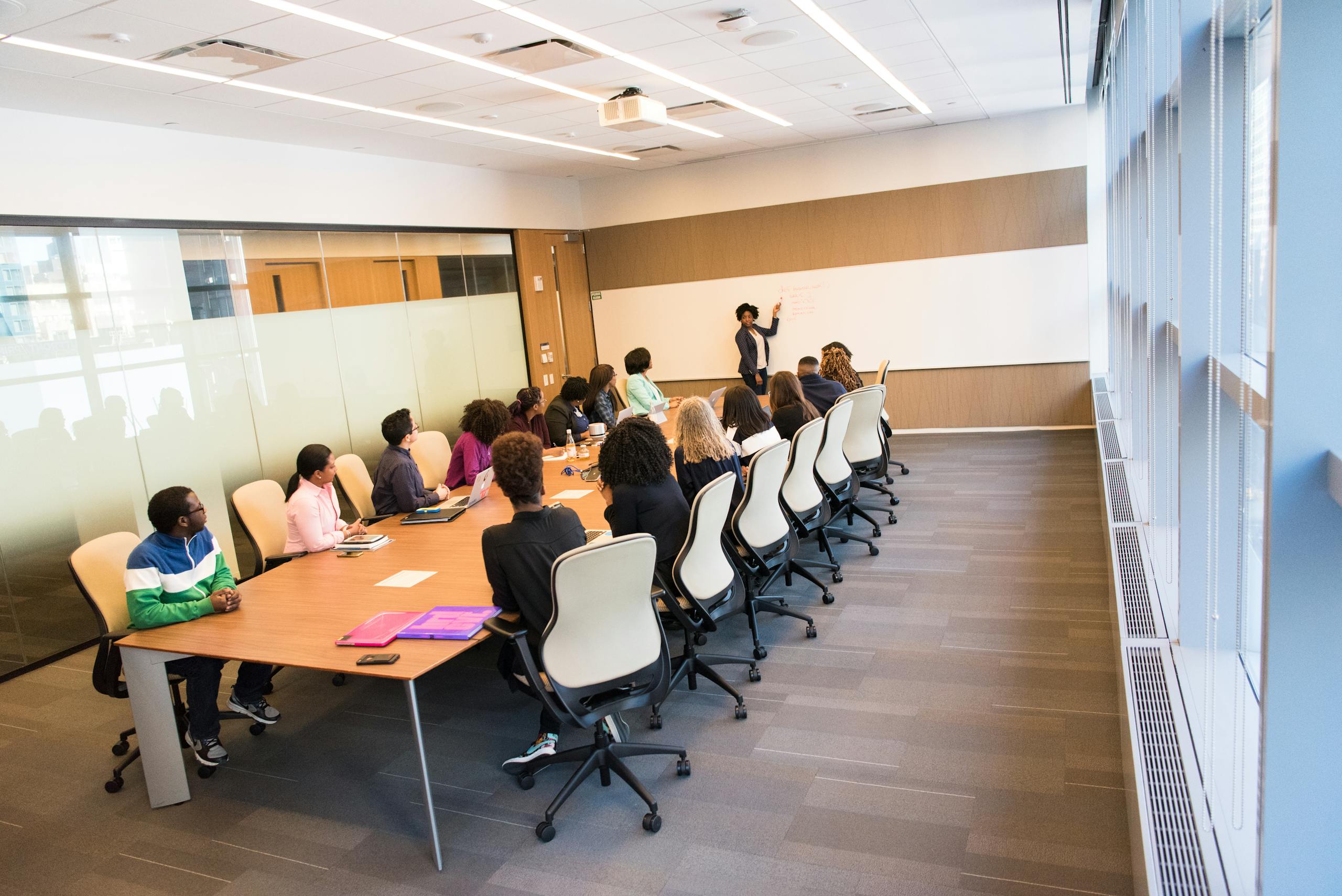
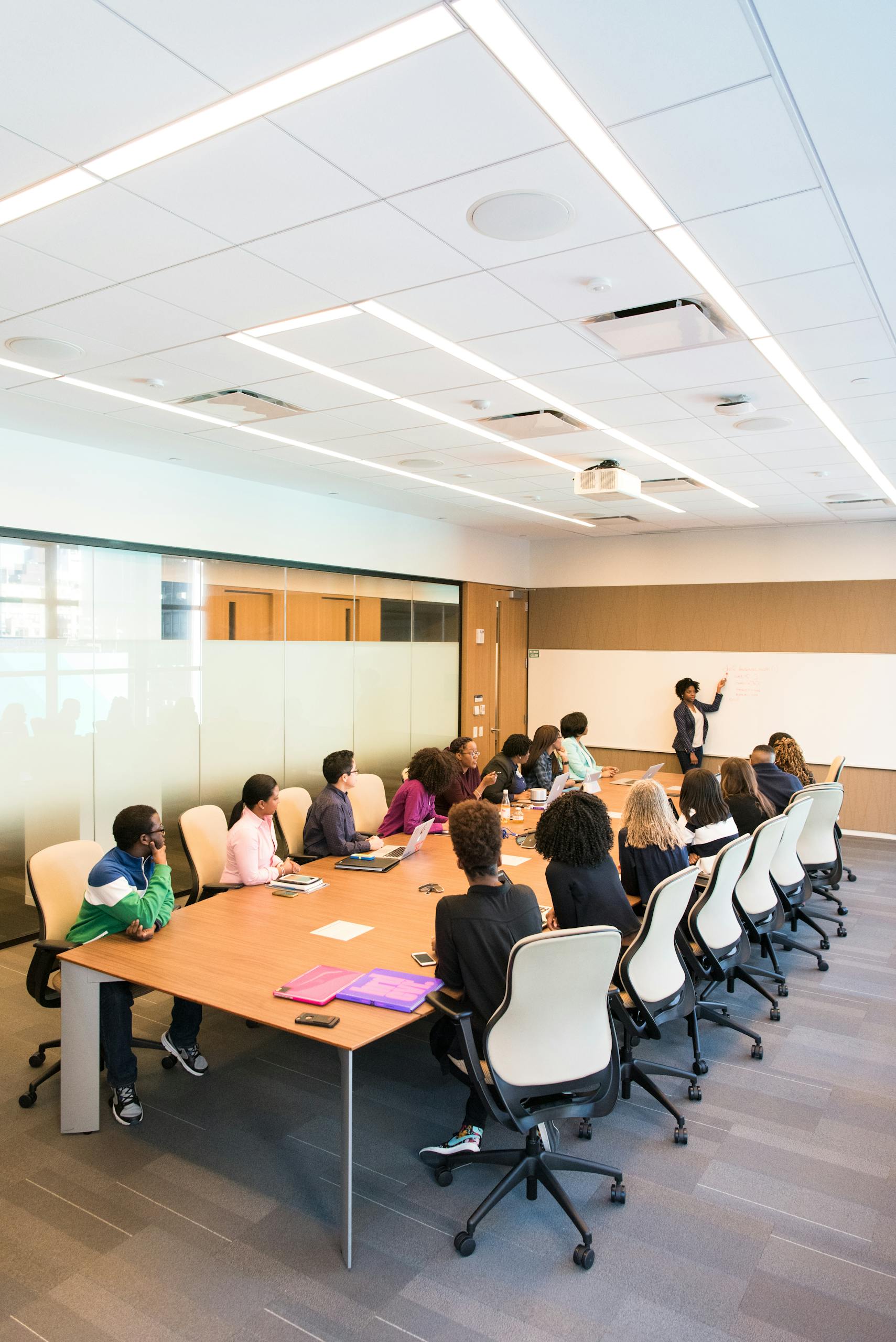
Running an advertising agency means you’re in meetings constantly. Client meetings, creative reviews, strategy sessions, new business pitches. The extroverted expectation in that world is that you perform enthusiasm visibly, that you fill silence, that you signal engagement through volume and energy.
That was never my style, and it cost me in the early years. Clients sometimes read my quiet as disinterest. Junior staff occasionally mistook my observation for detachment. I had to learn to translate what was happening internally into external signals that others could read, not because my natural mode was wrong, but because communication requires meeting people where they are.
What I eventually realized was that my observational approach gave me a genuine strategic advantage that my more extroverted counterparts didn’t have. While others were performing in a room, I was reading it. I could tell when a client was skeptical but too polite to say so. I could feel when a creative team was losing confidence in a concept they were presenting. I could identify the actual decision-maker in a group before anyone else figured out who held the power.
Those reads translated directly into better outcomes. Better proposals. Better relationships. Better strategy. The observation wasn’t a detour around real work. It was the work.
Harvard Business Review has written extensively about how quiet leadership styles, characterized by listening, observation, and deliberate action, often outperform louder approaches in complex organizational environments. The full argument is worth reading at HBR’s leadership section.
INTJs who are working through how their personality type shows up professionally might also find value in reading about how INTJ women handle stereotypes and professional success. The specific pressures differ, but the underlying tension between an observational style and a culture that rewards visible performance is something many INTJs share regardless of gender.
Why Do INTJs Feel Drained by Forced Participation but Energized by Chosen Engagement?
There’s a distinction that took me years to articulate clearly: the difference between participation that’s chosen and participation that’s performed.
Chosen engagement happens when I’ve processed enough information to have something genuine to contribute. When I speak in those moments, it’s because my Ni has finished its work and Te is ready to act. The energy flows outward naturally. I’m not depleted afterward. Sometimes I’m more energized than when I started.
Performed participation is something else entirely. It’s what happens when the social contract of a situation demands visible engagement before I’ve had time to process. I’m manufacturing presence rather than generating it. Every minute of that performance costs something, and the bill comes due later, usually in the form of exhaustion, irritability, or a strong need for several hours of silence.
Psychology Today has covered this distinction thoughtfully, noting that introverts don’t necessarily avoid social interaction but rather require that it feel purposeful and authentic to find it sustaining rather than depleting. Their personality section at Psychology Today’s introversion resource offers accessible context for understanding this pattern.
The INTP experience of this dynamic has its own flavor. Where INTJs tend to observe in order to predict and strategize, INTPs observe in order to analyze and categorize. If you’ve ever wondered whether you might be closer to that type, the complete recognition guide for INTP identification walks through the distinguishing characteristics in useful detail. The way INTP thinking patterns work also sheds light on why their version of observation can look like overthinking from the outside, a misread that INTJs often experience too.
One pattern I noticed in my agency years was that I could sustain long client dinners, conference presentations, and difficult negotiations without significant energy loss, as long as I had chosen to be fully present in those moments. What drained me was the mandatory socializing that surrounded those events. The cocktail hour before the dinner. The hallway small talk between sessions. The post-meeting debrief that was really just everyone processing out loud together. Those were the moments that cost me, because they demanded performance without purpose.
What Does the Science Say About Why Observation Produces Genuine Happiness?
Happiness research tends to focus on connection, activity, and positive affect as the primary drivers of wellbeing. That framework doesn’t always account for the quieter satisfactions that introverted personalities report most consistently.
A 2020 study from the University of Pennsylvania found that activities involving sustained attention and meaning-making, including observation, reflection, and deep reading, produced higher long-term wellbeing scores in introverted participants than activities designed to maximize immediate positive emotion. The distinction matters: short-term pleasure and long-term satisfaction are not the same thing, and INTJs tend to be optimized for the latter.
There’s also a flow state dimension to this. Psychologist Mihaly Csikszentmihalyi’s research on flow, the state of complete absorption in a challenging and meaningful task, identified observation-heavy activities as reliable flow triggers for certain cognitive profiles. When an INTJ is fully absorbed in reading a complex social situation, or watching a system operate, or studying a problem from a distance, they may be experiencing a form of flow that looks nothing like what most people associate with peak engagement. The World Health Organization’s mental health resources at WHO’s mental health section provide useful framing for understanding how different cognitive styles relate to wellbeing.
Personally, some of the most genuinely happy moments of my professional life happened in near-silence. Sitting alone in my office at 7 AM, before anyone else arrived, reading through research on a client’s industry and watching patterns emerge. Walking a trade show floor before it opened, observing how the space was organized, predicting which booths would draw the most traffic and why. Those weren’t lonely moments. They were full ones.

How Can INTJs Stop Feeling Guilty About Preferring to Watch Rather Than Join?
The guilt is real, and it’s worth taking seriously. Most of us grew up in environments that equated participation with engagement, and silence with disinterest. We were graded on class participation. We were told to speak up. We were asked, sometimes with genuine concern and sometimes with judgment, why we were so quiet.
That conditioning runs deep. Even after I understood intellectually that my observational preference was a strength, I still felt the pull of the old story. The one that said I should be doing more, saying more, showing up more visibly.
What helped me wasn’t finding a new story to replace the old one. It was accumulating enough evidence that the old story was simply wrong. Every time my quiet read of a room produced a better outcome than someone else’s loud performance, the guilt had less material to work with. Evidence, gathered over time, is more persuasive than reassurance.
Some of that evidence came from unexpected places. Reading about how ISFJ emotional intelligence operates quietly helped me see that high-functioning emotional awareness doesn’t require visible expression. And examining how ISFPs create deep connection through presence rather than performance offered a useful model for how observation can be a form of intimacy rather than distance.
The deeper shift came when I stopped measuring my engagement against an extroverted standard. Engagement isn’t defined by volume or visibility. An INTJ who has processed a situation thoroughly, formed a clear perspective, and chosen the right moment to act is more engaged than someone who filled the same time with noise. The metric was wrong. Not the person.
What Practical Strategies Help INTJs Honor Their Observational Nature in Everyday Life?
Honoring your observational nature isn’t about withdrawing from the world. It’s about structuring your engagement with it in ways that match how your mind actually works best.
The first thing I changed in my professional life was how I prepared for meetings. Rather than walking in cold and performing real-time engagement, I started doing thorough pre-meeting observation: reading background materials, reviewing previous meeting notes, thinking through likely dynamics before I arrived. By the time I walked into the room, my Ni had already done most of its work. I could participate more effectively because I’d observed more thoroughly in advance.
The second shift was giving myself permission to be the last person to speak in group discussions. This felt counterintuitive at first, even a little uncomfortable. But what I noticed was that speaking last, after everyone else had shown their hand, almost always produced better contributions. My observations of the full conversation gave me more to work with than anyone who had jumped in early.
The third change was more personal: I stopped apologizing for the silence. Not in a confrontational way, just in the sense of not filling every quiet moment with nervous explanation. Silence, I eventually learned, reads as confidence to most people. The self-consciousness I felt during pauses was almost entirely internal. Others rarely noticed it the way I imagined they did.
Building in regular observation time, what I started calling “processing space,” became non-negotiable in my schedule. Thirty minutes in the morning before the day’s demands arrived. A walk after a difficult client call. A quiet lunch alone after a morning of back-to-back meetings. These weren’t indulgences. They were maintenance, the same way an athlete stretches after a hard workout.
The APA’s research on restorative environments, available at their stress and wellbeing section, supports the idea that deliberate withdrawal from stimulation isn’t avoidance. It’s a legitimate and evidence-backed strategy for maintaining cognitive function over time.
How Does the INTJ Observational Style Affect Relationships and Social Connection?
People who don’t know me well sometimes experience my observational style as aloofness. People who know me well describe it differently. They say I notice things nobody else notices. That I remember details about conversations they’d forgotten they’d had with me. That I seem to understand what they’re actually feeling, not just what they’re saying.
That’s not accidental. Observation, when it’s genuinely attentive, is one of the more powerful forms of care available to an INTJ. You can’t fake that quality of attention. People feel it, even if they can’t name what they’re feeling.
The challenge is that relationships often require visible reciprocity. People need to see that you’re engaged, not just sense it. Learning to make my internal observation externally legible, through specific observations shared aloud, through questions that demonstrated I’d been paying close attention, through remembering and referencing details from previous conversations, became one of the more important social skills I developed.
It didn’t feel natural at first. It felt like translation work, taking something that existed fully formed in my internal experience and finding language for it. But over time, the translation became more fluid. And what I discovered was that people responded to being truly seen, not just socially engaged, in ways that built much deeper connections than any amount of performed participation would have.

What Should INTJs Remember When the World Keeps Telling Them to Participate More?
The pressure to participate more loudly, more visibly, more constantly, is real and it doesn’t go away. Culture rewards extroverted expression. Most professional environments were designed by and for people who process externally. The feedback you receive, formal and informal, will often push you toward performing engagement rather than practicing it.
What I’d tell my younger self, the one who spent years trying to match a style that was never his, is this: your way of engaging is legitimate. Not as a consolation prize. Not as a second-best option for people who can’t manage the real thing. As a genuinely effective, genuinely satisfying, and genuinely valuable way of moving through the world.
The INTJ who observes carefully before acting isn’t behind the extrovert who acts immediately. In most complex situations, that INTJ is ahead. The data they’ve gathered through observation is richer. The pattern recognition their Ni has performed is more sophisticated. The action they take, when they take it, is more precisely calibrated.
That doesn’t mean observation is always the right response. There are moments that require immediate engagement, situations where waiting costs more than acting imperfectly. Learning to recognize those moments, and to act in spite of incomplete processing, is a skill worth developing. But it’s a skill you build on top of your observational foundation, not instead of it.
Your happiness as an INTJ is not despite your preference for observation. It’s partly because of it. The world looks different from where you stand, and what you see from there has real value. Trust that.
If you want to explore more about how INTJ and INTP personalities think, process, and find their footing in a world that often misreads them, the full collection of resources in our MBTI Introverted Analysts hub covers the terrain from multiple angles.
About the Author
Keith Lacy is an introvert who’s learned to embrace his true self later in life. After 20 years in advertising and marketing leadership, including running agencies and managing Fortune 500 accounts, Keith now channels his experience into helping fellow introverts understand their strengths and build fulfilling careers. As an INTJ, he brings analytical depth and authentic perspective to every article, drawing from both professional expertise and personal growth.
Frequently Asked Questions
Why do INTJs prefer observing over participating in social situations?
INTJs lead with Introverted Intuition, a cognitive function that gathers meaning through sustained internal processing rather than direct engagement. Observation provides the raw material that Ni needs to do its best work. Participation before that processing is complete feels inefficient and often draining, while observation feels purposeful and energizing because it aligns with how the INTJ mind naturally operates.
Is it healthy for INTJs to feel happier watching than joining in?
Yes, as long as the preference reflects genuine cognitive style rather than anxiety-driven avoidance. Observation that sharpens your attention and generates insight is a healthy expression of INTJ cognition. Avoidance that temporarily reduces anxiety while preventing growth is a different pattern worth examining. The distinguishing factor is whether stepping back makes you more engaged internally or simply more relieved.
How does the INTJ observational style affect professional performance?
In most complex professional environments, the INTJ observational style is a strategic advantage. INTJs who observe carefully before acting tend to read rooms more accurately, identify real decision-makers more quickly, and produce more precisely calibrated responses than those who engage immediately. The challenge lies in translating that internal processing into visible engagement signals that colleagues and clients can recognize as genuine involvement.
Can INTJs learn to participate more without losing what makes observation valuable?
Yes. success doesn’t mean replace observation with participation but to build participation skills on top of an observational foundation. Practical strategies include preparing thoroughly before meetings so Ni has already processed key information, choosing to speak last in group discussions to benefit from observing the full conversation first, and making internal observations externally legible through specific questions and referenced details that demonstrate genuine attention.
Why do INTJs feel guilty about their preference for observation?
Most INTJs grew up in environments that equated visible participation with engagement and silence with disinterest. That cultural conditioning creates guilt when the natural INTJ preference for observation conflicts with social expectations. The most effective way to work through that guilt is through accumulated evidence: noticing, over time, how often careful observation produces better outcomes than performed participation, and allowing that evidence to gradually replace the internalized story that quiet equals less.