

Dictionary definitions of introvert create dangerous misconceptions that harm millions of people daily. When trusted sources like Merriam-Webster and Oxford define introversion as “shy” or “antisocial,” they perpetuate workplace bias and social misunderstandings that affect everything from hiring decisions to personal relationships.
Introverts are not shy, antisocial, or socially deficient. Modern psychology shows introversion is about energy management: introverts become drained by social interaction, especially in stimulating environments, and require solitude to recharge. This has nothing to do with social skills or preference for isolation.
During my years leading creative teams in advertising, I watched talented introverted employees get passed over for promotions because managers assumed they lacked leadership potential. The real problem wasn’t their capability but outdated dictionary definitions shaping how colleagues interpreted their thoughtful communication style and need for processing time. These misconceptions cost companies exceptional talent and introverts deserved opportunities.
This article is part of our Introvert Meaning & Definitions Hub, where we explore research-based understanding of what introversion actually means.
Why Do Major Dictionaries Get Introversion So Wrong?
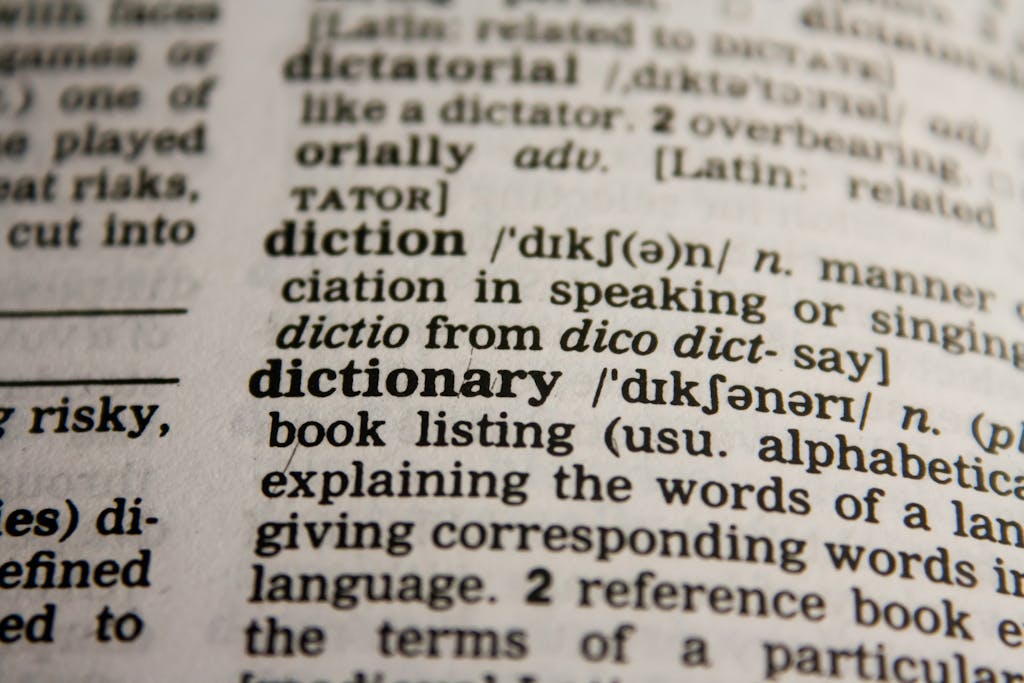
Open any major dictionary and search for “introvert.” What you’ll find are definitions that would make any psychologist cringe. These entries focus on surface-level behavioral observations while completely missing the fundamental neurological and psychological realities of introversion.
What’s your personality type?
Take our free 40-question assessment and get a detailed personality profile with dimension breakdowns, context analysis, and personalised insights.
Discover Your Type8-12 minutes · 40 questions · Free
Most dictionaries define introverts using variations of these problematic terms:
- “Shy or reticent person” – Confuses temporary emotional state with permanent temperament
- “Person predominantly concerned with their own thoughts and feelings” – Implies selfishness or narcissism
- “Reserved or shy person who tends to turn inward” – Suggests social avoidance rather than energy management
- “Someone who is quiet and prefers to be alone” – Reduces complex neurological trait to simple behavioral preference
These definitions fall short of accuracy. They reduce a complex neurological trait to simple behavioral stereotypes, ignoring decades of psychological research that has fundamentally changed our understanding of what it actually means to be an introvert. For a fuller, modern definition of introversion, we need to look beyond these outdated dictionary entries to research-based perspectives.
Perhaps the most damaging aspect of traditional dictionary definitions is their implicit suggestion that introverts are antisocial or somehow deficient in social skills. This misconception stems from conflating introversion with shyness, social anxiety, or simple preference for solitude.
Research in personality psychology clearly demonstrates that introversion and extroversion are about how individuals process stimulation and recharge their energy, not about social competence or preference for human connection. Understanding the complete definition of introversion reveals that employees who identify with modern definitions may benefit from individualized workplace strategies such as flexible working environments, work/home-life boundaries, varied team composition, provision of social support, and relaxation training.
The reality is that many introverts are socially skilled, enjoy meaningful relationships, and can be highly effective in interpersonal situations. The difference lies not in social ability but in how social interaction affects their energy levels and optimal functioning.
What Critical Elements Do Dictionary Definitions Miss?
The fundamental flaw in standard dictionary definitions is their focus on observable behaviors rather than underlying psychological mechanisms. This approach misses the core aspects of introversion that actually matter for understanding and supporting introverts.
The most crucial aspect missing from dictionary definitions is the concept that introverts become drained by social interaction, particularly in stimulating environments. This has nothing to do with disliking people or being antisocial, it’s about how social engagement affects neurological and psychological energy resources.
When dictionaries describe introverts as simply “preferring to be alone,” they fail to explain why this preference exists. The reality is that introverts need solitude not because they’re antisocial, but because social interaction, especially prolonged or high-stimulation social interaction, depletes their mental and emotional resources in ways that don’t affect extroverts.
Three Critical Missing Elements:
- Energy Management System – Introverts drain energy from social interaction and recharge through solitude, not because they dislike people
- Internal Processing Style – Introverts process information internally before responding, leading to more thoughtful contributions but different timing patterns
- Stimulation Sensitivity – Introverts have higher sensitivity to environmental stimulation and function optimally in lower-stimulation settings
Another critical omission in dictionary definitions is how introverts process information before acting. This represents a neurological difference in how introverts approach decision-making and response formulation, not indecision or social hesitation.
Introverts process information internally before responding, leading to more thoughtful contributions but potentially slower response times in fast-paced social or professional situations. This processing difference is a strength in many contexts, but dictionary definitions frame it as social reticence or shyness.
Dictionary definitions strive for brevity and simplicity, but introversion is a complex trait that resists oversimplification. Research has identified distinct types of introverts, each with different characteristics and needs. The interaction between temperament, neurological sensitivity, energy management, and social preferences creates a rich psychological profile that can’t be captured in a single sentence focused on behavioral observations.
This complexity problem becomes particularly problematic when dictionary definitions become the primary source of understanding for employers, educators, and others who make decisions affecting introverts’ opportunities and treatment.
What Happens When Dictionary Definitions Shape Real Decisions?
These inaccurate dictionary definitions create tangible problems for introverts in professional, educational, and social contexts. The bias and ignorance that keeps these definitions in circulation has real-world implications that affect career advancement, educational opportunities, and social acceptance.
In professional environments, I’ve observed how dictionary-based misconceptions about introversion lead to unfair assumptions about capability, leadership potential, and team fit. When managers and colleagues understand introversion as “shyness” or “antisocial tendencies,” they may overlook introverts for leadership roles, client-facing positions, or collaborative projects.
One of my most talented creative directors was consistently passed over for senior client presentations despite exceptional strategic thinking and campaign development skills. The feedback was always vague: “not executive presence” or “needs more confidence.” The real issue was that her thoughtful, internal processing style didn’t match dictionary-based expectations of leadership behavior. When I finally advocated for her inclusion, client feedback was overwhelmingly positive. They appreciated her thorough preparation and insightful questions. The problem was never her capability but our misconceptions about how effective leadership looks.
These assumptions ignore the substantial research showing that introverts often excel in leadership roles, particularly in environments that value thoughtful decision-making, strategic thinking, and the ability to develop deep professional relationships.
Common Workplace Biases Based on Dictionary Definitions:
- Leadership Assumptions – “Quiet” interpreted as lacking confidence or executive presence
- Team Collaboration – Processing time misunderstood as disengagement or lack of contribution
- Client Relations – Thoughtful communication style seen as hesitation or uncertainty
- Innovation Roles – Internal brainstorming preference viewed as lack of creative energy
- Training Opportunities – Preference for written over verbal communication seen as limitation
In educational settings, teachers and administrators who rely on dictionary definitions may misinterpret introvert students’ learning styles and participation patterns. The preference for written over verbal communication, the need for processing time before responding, and the energy management requirements of introverted students may be viewed as disengagement or social deficits rather than natural learning preferences.
Perhaps most pervasively, dictionary definitions shape how introverts are perceived and treated in everyday social situations. Friends, family members, and acquaintances may make assumptions about social preferences, emotional needs, and interpersonal capabilities based on oversimplified dictionary definitions.
These misperceptions can lead to well-meaning but misguided attempts to “help” introverts become more social, pressure to participate in activities that don’t align with their energy management needs, and general misunderstanding of their authentic social and emotional requirements.
How Does Modern Psychology Actually Define Introversion?
While dictionaries cling to outdated behavioral descriptions, psychological research has developed a much more sophisticated and accurate understanding of introversion. This research-based perspective focuses on underlying mechanisms rather than surface-level observations.
Contemporary research in personality psychology defines introversion primarily in terms of energy management and optimal stimulation levels. Introverts function best in lower-stimulation environments and require different types of restoration activities compared to extroverts.
This model explains why introverts may excel in quiet, focused work environments while finding open offices or constant meetings draining. Social competence has nothing to do with it, it’s about creating conditions that support optimal psychological functioning.
Research-Based Elements of Introversion:
- Energy Management Model – Introverts become drained by social interaction and restore energy through solitude or low-stimulation activities
- Processing Style Differences – Introverts process information internally before responding, leading to more considered contributions
- Stimulation Sensitivity – Higher sensitivity to environmental stimulation, functioning optimally in quieter settings
- Depth vs. Breadth Preference – Tendency toward deeper, more meaningful relationships rather than broad social networks
- Internal vs. External Focus – Drawing energy and insights from internal reflection rather than external interaction
Research also emphasizes the cognitive processing differences between introverts and extroverts. Introverts tend to process information more thoroughly before responding, leading to more considered responses but requiring additional time for complex decision-making or problem-solving.
This processing difference explains many of the behaviors that dictionary definitions misinterpret as shyness or social reticence. When introverts pause before responding or prefer written communication for complex topics, they’re leveraging their natural cognitive strengths rather than compensating for social deficits.
Neurological research using brain imaging shows that introverts and extroverts have different sensitivity levels to various types of stimulation. Evidence from task-related neuroimaging has shown that extraversion is associated with activations in regions of the anterior cingulate cortex, dorsolateral prefrontal cortex, middle temporal gyrus and the amygdala. Studies published in neuroscience journals have found that introverts had larger, thicker gray matter in their prefrontal cortex, the area of the brain associated with abstract thought and decision-making. Extroverts had thinner gray matter in that same area.
This sensitivity represents a feature, not a flaw, it often translates into enhanced awareness, attention to detail, and ability to notice subtleties that others might miss. However, it does require different environmental management compared to extroverts who may thrive in higher-stimulation settings.
What Would Accurate Dictionary Definitions Actually Look Like?
If dictionaries incorporated modern psychological understanding, their definitions of introversion would look dramatically different. Instead of focusing on behavioral stereotypes, they would address the underlying mechanisms that create introverted preferences and strengths.
A psychologically accurate dictionary definition would need to include several key elements currently missing from standard entries:
- Energy Management – Recognition that introverts become drained by social interaction, particularly in high-stimulation environments, and require solitude or low-stimulation activities for restoration
- Processing Style – Acknowledgment that introverts process information internally before responding, leading to more thoughtful contributions but different timing patterns compared to extroverts
- Stimulation Sensitivity – Understanding that introverts often have higher sensitivity to environmental stimulation and function optimally in lower-stimulation settings
- Strength-Based Language – Framing introversion as a natural temperament variation with distinct advantages rather than as a deficit or limitation
A more accurate dictionary definition might read: “A person who gains energy from solitude and becomes drained by prolonged social interaction, particularly in stimulating environments. Introverts process information internally before responding and often prefer depth over breadth in relationships and activities.”
This definition captures the essential mechanisms without perpetuating harmful stereotypes about social competence or emotional availability. It explains the why behind introverted behaviors rather than just describing surface-level observations.
Comparison: Current vs. Accurate Definitions
| Current Dictionary Approach | Research-Based Approach |
| “Shy or reticent person” | “Person who manages energy through solitude” |
| “Prefers to be alone” | “Becomes drained by social stimulation” |
| “Quiet and reserved” | “Processes information internally before responding” |
| “Antisocial tendencies” | “Optimal functioning in lower-stimulation environments” |
Why Haven’t Authoritative Sources Updated Their Definitions?
Despite decades of psychological research revolutionizing our understanding of introversion, major dictionaries continue to rely on outdated definitions. This lag reflects broader issues with how authoritative sources incorporate evolving scientific understanding.
Dictionary publishers tend to be conservative about definition changes, particularly for well-established terms. The assumption is that gradual evolution preserves definitional stability, but this conservatism becomes problematic when existing definitions actively contradict scientific understanding.
The persistence of outdated introversion definitions reflects institutional reluctance to acknowledge that previous authoritative sources were fundamentally wrong about a psychological concept affecting millions of people.
Barriers to Definition Updates:
- Institutional Inertia – Conservative approach to changing established definitions
- Descriptive vs. Prescriptive Debate – Preference for reflecting common usage over scientific accuracy
- Editorial Resource Constraints – Limited bandwidth for comprehensive definition reviews
- Authority Hesitation – Reluctance to admit previous definitions were harmful
- Feedback Loop Problems – Inaccurate definitions reinforce misconceptions, making change harder
Lexicographers often argue that dictionaries should reflect common usage rather than prescribe “correct” definitions. However, this approach becomes problematic when common usage perpetuates harmful misconceptions that affect how people understand and treat each other.
Research on stereotype formation shows that authoritative sources like dictionaries significantly influence how people categorize and evaluate personality traits. When these sources provide inaccurate information, they shape discriminatory attitudes and behaviors.
Inaccurate dictionary definitions create a feedback loop where misconceptions about introversion are reinforced by authoritative sources, making it harder for accurate understanding to gain traction in popular culture. People encountering introverts may interpret their behavior through the lens of dictionary definitions rather than psychological reality.
Breaking this cycle requires recognition that dictionary definitions have social consequences beyond simple linguistic description.
How Do These Definition Problems Affect Daily Life?
The effects of inaccurate dictionary definitions extend far beyond academic discussions. These misconceptions create daily challenges for introverts who must constantly advocate against misunderstandings about their motivations, capabilities, and needs.
Introverts frequently encounter situations where others make assumptions based on dictionary-style misconceptions. These might include assumptions about social preferences, leadership capability, team collaboration skills, or emotional availability.
Managing these assumptions requires ongoing energy and advocacy that could be better directed toward productive activities. The need to constantly clarify what introversion actually means represents a significant daily burden created by definitional inaccuracy.
Daily Challenges Created by Definition Problems:
- Constant Assumption Management – Repeatedly correcting misconceptions about social preferences and capabilities
- Professional Advocacy Requirements – Explaining optimal working conditions and communication styles to colleagues
- Relationship Clarifications – Helping friends and family understand energy management needs
- Educational Misunderstandings – Advocating for appropriate learning accommodations
- Social Navigation Complexity – Managing others’ expectations and interpretations of behavior
In workplace settings, introverts may need to actively advocate for their working style preferences, communication needs, and optimal performance conditions. This advocacy is complicated by definitional misconceptions that frame introvert needs as limitations rather than optimization requirements. Understanding communication and quiet leadership strategies helps introverts navigate these professional challenges.
Personal relationships also require ongoing clarification about introvert energy management, social preferences, and communication styles. Friends and family members operating from dictionary-based misconceptions may misinterpret behavior or have inappropriate expectations about social participation.
I’ve noticed that even well-meaning colleagues often assume I’m not interested in team social events when I decline after particularly demanding weeks. The real issue isn’t social preference but energy management. After explaining this distinction based on research rather than dictionary definitions, team dynamics improved significantly. People understood that my occasional absence from optional social activities reflected energy management, not disengagement or antisocial tendencies.
What Can We Do to Change These Harmful Definitions?
Addressing the dictionary definition problem requires coordinated effort to advocate for more accurate, research-based definitions of introversion. This advocacy benefits not only introverts but society’s broader understanding of personality diversity and neurological variation.
Psychology and education professional organizations could play a crucial role in advocating for definitional accuracy. When authoritative bodies in these fields highlight the discrepancy between dictionary definitions and scientific understanding, it creates pressure for lexicographical updates.
Professional advocacy might include formal recommendations to major dictionary publishers, public education campaigns, or research specifically documenting the harmful effects of definitional inaccuracy.
Individual Advocacy Strategies:
- Educational Conversations – When encountering misconceptions based on dictionary definitions, providing accurate information about introversion research helps spread understanding
- Professional Corrections – In workplace settings, gently correcting misconceptions and providing research-based information helps create more accurate professional environments
- Social Media Education – Sharing accurate information about introversion through social platforms helps counteract dictionary-based misconceptions with broader audiences
- Direct Publisher Contact – Writing to dictionary publishers with research citations and specific suggestions for definition improvements
- Supporting Research-Based Resources – Promoting and sharing resources that provide research-based understanding of introversion
Promoting and sharing resources that provide research-based understanding of introversion helps create alternatives to dictionary definitions. When people encounter accurate information about introversion, they become less reliant on oversimplified dictionary entries.
What Are the Broader Implications Beyond Introversion?
The dictionary definition problem with introversion reflects broader issues with how authoritative sources handle psychological and neurological diversity. As scientific understanding of personality, neurodiversity, and individual differences continues to evolve, definitional sources need frameworks for incorporating this knowledge.
Addressing introversion definition problems could create a template for improving how dictionaries handle other psychological concepts. The process of advocating for research-based definitions establishes precedents for incorporating scientific understanding into authoritative linguistic sources.
This template becomes particularly important as society develops greater understanding of neurodiversity, learning differences, and other aspects of human psychological variation that affect how individuals interact with educational, professional, and social environments.
Broader Applications for Definition Reform:
- Other Personality Traits – Similar definition problems exist for traits like sensitivity, perfectionism, and creativity
- Neurodiversity Concepts – Terms related to ADHD, autism, and learning differences need research-based definitions
- Mental Health Language – Many psychological terms in dictionaries reflect outdated stigma rather than current understanding
- Cultural Competency – Definitions affecting diverse populations need regular review for accuracy and sensitivity
- Professional Terminology – Workplace-relevant psychological concepts need definitions that support rather than hinder inclusion
Changes in dictionary definitions often reflect and accelerate broader cultural shifts in understanding. When major dictionaries update their definitions of introversion to reflect scientific understanding, it signals broader societal movement toward accepting and accommodating personality diversity.
This cultural shift has practical implications for workplace policies, educational approaches, and social expectations that affect millions of introverts daily.
Moving Toward Understanding: What Accurate Definitions Could Achieve
The problems with dictionary definitions of introversion represent more than linguistic concerns, they reflect fundamental issues with how authoritative sources shape public understanding of personality and psychological diversity. When trusted reference sources provide inaccurate information about traits affecting roughly half the population, the consequences extend into every area of social, educational, and professional life.
The path forward requires recognition that dictionary definitions carry social responsibilities beyond simple linguistic description. When definitions affect how people understand, evaluate, and treat each other, accuracy becomes an ethical imperative rather than merely an academic concern.
Modern psychological research provides the foundation for accurate, respectful definitions of introversion that acknowledge both the challenges and strengths associated with this temperament. As researcher Susan Cain notes in her work published in Scientific American on the power of introverts, “according to the latest research, one third to one half of us are introverts; that’s one out of every two or three people you know.” Incorporating this understanding into authoritative sources would represent a significant step toward creating environments where introverts can thrive without constantly advocating for basic understanding of their authentic needs and capabilities.
If this resonates, scientific-definition-of-introversion goes deeper.
The bias and ignorance that currently maintain inaccurate definitions can be changed. Through coordinated advocacy, education, and pressure for accountability, we can push authoritative sources toward definitions that serve understanding rather than perpetuating misconception.
Until dictionary definitions catch up with psychological reality, introverts will continue facing daily assumptions and misunderstandings based on outdated, harmful stereotypes. But awareness of the problem represents the first step toward solutions that could improve understanding and treatment of introversion for generations to come.
The stakes are high, and the science is clear. It’s time for our most trusted reference sources to reflect the truth about what it means to be an introvert in the modern world.
This article is part of our Introvert Meaning & Definitions Hub, explore the full guide here.
About the Author
Keith Lacy
Keith Lacy is an introvert who’s learned to embrace his true self later in life. With a background in marketing and a successful career in media and advertising, Keith has worked with some of the world’s biggest brands. As a senior leader in the industry, he has built a wealth of knowledge in marketing strategy. Now, he’s on a mission to educate both introverts and extroverts about the power of introversion and how understanding this personality trait can unlock new levels of productivity, self-awareness, and success.