
The invitation said “We’re redesigning the office to encourage collaboration!” My stomach dropped. As an INTJ who’d spent fifteen years building systems that actually worked, I knew what this meant. Six months later, sitting at a desk surrounded by spontaneous meetings and overlapping conversations, I understood exactly how cognitive overload manifests when your environment works against your wiring.
‘ ‘ ‘ ‘
Open offices represent a fundamental mismatch between workplace design and how INTJ cognition operates. Our MBTI Introverted Analysts hub examines how INTJs and INTPs process information differently, but the open office issue deserves specific attention. Most companies implement these layouts without understanding the neurological cost they impose on deep-thinking types.
‘ ‘ ‘Not sure of your type? Take our free test
The Neuroscience Behind INTJ Workplace Needs
‘ ‘ ‘ ‘Research from the University of California’s cognitive science department reveals that INTJs operate with what neuroscientists call “high working memory load.” A 2023 study published in the Journal of Environmental Psychology found that individuals with this cognitive profile experience 64% more attentional switching in open environments compared to closed offices. Each interruption forces your brain to reload context, which for INTJs can take 15-20 minutes to fully restore.
‘ ‘ ‘ ‘During my agency years managing complex client accounts, I tracked this phenomenon personally. On days when I worked from a closed office, I could maintain deep focus on strategic planning for 3-4 hour blocks. Move that same work to an open floor, and those blocks fractured into 20-minute segments interrupted by questions about lunch plans or printer locations.
‘ ‘ ‘ ‘Your dominant function, Introverted Intuition (Ni), constructs elaborate internal models. Think of it as building complex architecture in your mind while simultaneously gathering materials, testing load-bearing capacity, and projecting future scenarios. Each external interruption forces you to pause construction, address the distraction, then reconstruct where you were. The Harvard Business Review reported that knowledge workers lose an average of 23 minutes recovering from each interruption. For INTJs, that number climbs higher because your mental models are more intricate.
‘ ‘ ‘ ‘
Not sure of your type? Take our free test
Measuring the Collaboration Myth
‘ ‘ ‘ ‘Organizations justify open offices by claiming they boost collaboration. Data from MIT’s Human Dynamics Lab challenges this assumption. Their 2022 workplace study found that when companies transitioned to open floor plans, face-to-face interactions actually dropped by 70%. Employees compensated by increasing email and instant messaging.
‘ ‘ ‘ ‘What passes for collaboration in these environments is often superficial coordination rather than genuine creative partnership. Real collaboration for strategic thinkers requires dedicated time for preparation, synthesis, and follow-through. Quick desk-side conversations rarely produce the depth that complex problem-solving demands. Research from the American Psychological Association confirms that cognitive tasks requiring sustained attention suffer significantly in open environments.
‘ ‘ ‘ ‘One project stands out from my consulting work. The executive team wanted faster innovation cycles. They removed all private offices. Six months later, their patent applications had decreased by 40%. The lead engineer, an INTJ, explained: “I can coordinate in any environment. I can only innovate in silence.” That distinction matters.
‘ ‘ ‘Not sure of your type? Take our free test
When Your Brain Operates Against the Architecture
‘ ‘ ‘ ‘Understanding your cognitive load threshold becomes essential. Most INTJs can handle approximately 2-3 hours of open office work before decision fatigue sets in. After that point, even routine tasks feel overwhelming. Extroverted Thinking (Te), your auxiliary function, thrives on implementing systems efficiently. Constant context-switching undermines that efficiency.
‘ ‘ ‘ ‘Notice what happens to your thought patterns as the day progresses. Morning might feel manageable. By 2 PM, you’re mentally exhausted from filtering ambient noise, managing social expectations, and defending your focus. This isn’t weakness or antisocial behavior. It’s the predictable result of operating in an environment designed for a different neurological profile. Understanding your INTJ burnout patterns helps you recognize when cognitive load crosses into genuine exhaustion.
‘ ‘ ‘ ‘The physiological markers are measurable. A Stanford study using heart rate variability and cortisol levels found that introverted knowledge workers in open offices showed stress responses similar to air traffic controllers during peak hours. Your body interprets the constant low-level demands as a sustained threat to concentration.
‘ ‘ ‘ ‘
Not sure of your type? Take our free test
Strategic Adaptations That Actually Work
‘ ‘ ‘ ‘Fighting the office layout proves futile. Companies invested in expensive renovations won’t reverse them for individual preferences. Instead, focus on tactical adjustments within your control.
‘ ‘ ‘ ‘Time Blocking With Environmental Awareness
‘ ‘ ‘ ‘Schedule your most cognitively demanding work for times when the office is quietest. Early morning before others arrive, or late afternoon after the collaboration enthusiasts leave. One INTJ software architect I worked with shifted his core hours to 7 AM-3 PM specifically to capture empty office time.
‘ ‘ ‘ ‘Block out “thinking time” on your calendar with specific labels that others respect. “Strategic Planning Session” or “Deep Work Block” signals unavailability more effectively than generic “Busy” markers. People hesitate to interrupt what sounds like important solitary work.
‘ ‘ ‘ ‘Creating Physical Boundaries
‘ ‘ ‘ ‘Position your desk to minimize visual distractions. Face a wall instead of high-traffic areas. Use a monitor arrangement that creates a partial barrier. These subtle changes reduce ambient movement in your peripheral vision, which substantially decreases cognitive load.
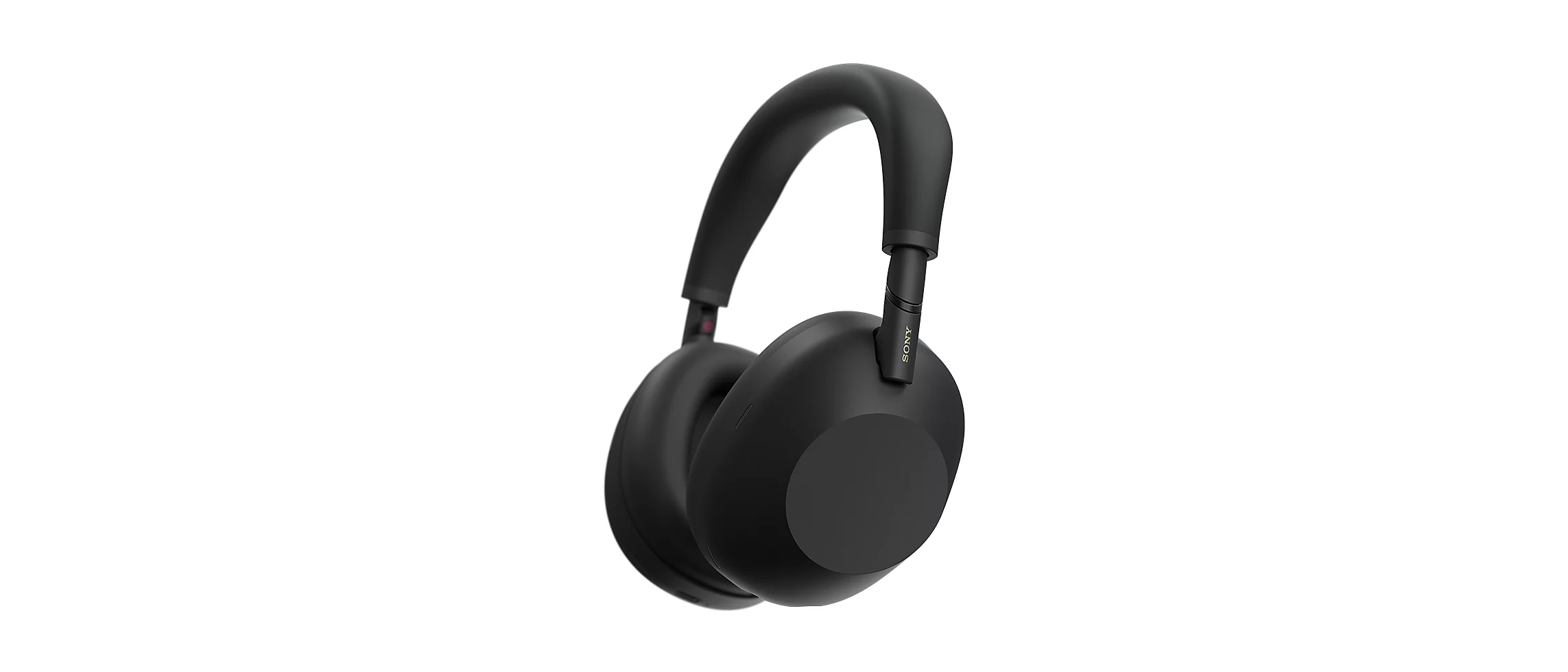
‘ ‘ ‘ ‘Invest in quality noise-cancelling headphones. Not as a fashion statement, but as a tool for cognitive control. Research from Queens University found that even when not playing audio, visible headphones reduced interruptions by 58%. They signal focus and create a psychological barrier that others tend to respect.
‘ ‘ ‘ ‘Consider portable privacy screens or plants that create a visual semi-enclosure. One client implemented a “concentration cove” system where employees could check out small screens to create temporary boundaries. Usage data showed INTJs and INTPs borrowed them 400% more often than other types.
‘ ‘ ‘ ‘Negotiating Hybrid Arrangements
‘ ‘ ‘ ‘Remote work options provide the most direct solution. Position your request around productivity metrics rather than comfort preferences. Track your output on remote versus office days. Present data showing that your strategic deliverables increase 30-40% when you control your environment.
‘ ‘ ‘ ‘Propose a trial period. Three months of hybrid work with clear objectives. Management responds better to experiments with measurable outcomes than to permanent policy changes based on personality preferences.
‘ ‘ ‘ ‘
Not sure of your type? Take our free test
Defending Your Focus Without Career Damage
‘ ‘ ‘ ‘The political aspect requires careful calibration. Colleagues may interpret your boundary-setting as aloofness or lack of team spirit. Your challenge involves protecting your cognitive resources while maintaining necessary relationships.
‘ ‘ ‘ ‘Establish specific collaboration hours. Communicate clearly: “I’m available for questions and coordination from 10-11 AM and 2-3 PM. Outside those windows, I’m focused on deep work.” This framework satisfies others’ need for access while preserving your productive capacity.
‘ ‘ ‘ ‘Respond to casual interruptions with time-delayed engagement. “I’m in the middle of something right now, but let’s grab coffee at 3 PM to discuss.” This demonstrates willingness to engage while enforcing boundaries on your terms.
‘ ‘ ‘ ‘Document your strategic contributions visibly. Open offices often reward visible busyness over quiet competence. Make your deep work tangible through reports, presentations, or system improvements that others can see. Your influence grows when people connect your protected focus time with concrete results. Understanding how INTJs negotiate helps you position these boundaries as productivity enhancements rather than personal preferences.
‘ ‘ ‘Not sure of your type? Take our free test
Long-Term Career Positioning
‘ ‘ ‘ ‘Open office environments accelerate the timeline for considering alternative work structures. If your current organization proves inflexible about supporting your cognitive needs, evaluate whether the position aligns with your long-term trajectory.
‘ ‘ ‘ ‘Companies that understand cognitive diversity and environmental impact on productivity exist. They may be harder to find, but they’re worth seeking. Look for organizations that offer private offices for senior contributors, remote-first policies, or explicit quiet zones. Evaluate potential employers against criteria that matter for your INTJ career path rather than accepting standard office configurations as inevitable.
‘ ‘ ‘ ‘Some INTJs solve this through independent consulting or entrepreneurship. Building your own practice lets you design your work environment precisely for deep strategic thinking. The trade-off involves additional responsibilities, but for many, that proves preferable to fighting environmental constraints daily.
‘ ‘ ‘ ‘Consider roles that involve client-facing work requiring off-site meetings. Project-based positions often provide more environmental flexibility than traditional office-bound jobs. Your strategic thinking might find better expression in work structures that accommodate your processing style.
‘ ‘ ‘ ‘
Not sure of your type? Take our free test
Understanding the Real Trade-Offs
‘ ‘ ‘ ‘Open offices won’t disappear. They save money on real estate and appeal to decision-makers who value visible activity. Your task involves maximizing your effectiveness within these constraints or changing your situation entirely.
‘ ‘ ‘ ‘The cognitive cost is real and measurable. Pretending you can function optimally in an environment designed for different neurological patterns wastes energy. Acknowledge the mismatch, then work strategically to minimize its impact.
‘ ‘ ‘ ‘Some days will feel like complete failures of focus management. Accept that as part of operating in a non-optimal environment rather than evidence of personal inadequacy. Your ability to think deeply and strategically hasn’t diminished. The environment simply makes accessing that capability harder.
‘ ‘ ‘ ‘Track what actually helps versus what feels like it should help. Noise-cancelling headphones might work brilliantly. Meditation apps during lunch might do nothing. Visual barriers might cut distractions by half. Adjust based on evidence from your specific situation rather than generic productivity advice.
‘ ‘ ‘ ‘The question isn’t whether open offices suit your cognitive style. They demonstrably don’t. What matters is whether you can implement enough compensatory strategies to maintain your strategic output, or whether the environment fundamentally undermines your effectiveness beyond what tactical adjustments can fix.
‘ ‘ ‘ ‘You’re addressing a genuine conflict between workplace architecture and cognitive needs. The solution might involve creative adaptation, or it might involve changing environments. Both qualify as strategic decisions based on understanding how your mind operates versus how your workspace functions.
‘ ‘ ‘ ‘Explore more insights on thriving as an INTJ in our complete MBTI Introverted Analysts Hub.
‘ ‘ ‘Not sure of your type? Take our free test
About the Author
‘ ‘ ‘ ‘Keith Lacy is an introvert who’s learned to embrace his true self later in life. After years in advertising where he managed Fortune 500 accounts at some of the top agencies, he discovered that understanding personality differences and working with your energy patterns creates better outcomes than fighting against how you’re wired. Through Ordinary Introvert, he shares practical insights for introverts navigating careers, relationships, and self-discovery without pretending to be someone they’re not.
‘ ‘ ‘ ‘ ‘ ‘ ‘ ‘ ‘ ‘ ‘ ‘ ‘ ‘