
The project kickoff meeting had all the warning signs. Marketing wanted to “disrupt the paradigm.” Engineering insisted on six more weeks of testing. Sales promised features that didn’t exist yet. And I sat there, the lone ISTJ program manager, watching what should have been a straightforward product launch turn into organizational chaos.
That’s when something shifted for me. After 15 years managing cross-functional teams, I’d been approaching collaboration like a project plan: define roles, set clear deadlines, execute. What I hadn’t accounted for was that different personality types don’t just work differently, they speak different languages entirely.

Cross-functional collaboration challenges ISTJs in ways that single-department work never does. When you’re collaborating across marketing, engineering, finance, and operations, you’re managing four different communication styles, priority frameworks, and definitions of “done.” For someone who values clear processes and reliable execution, this can feel like being asked to build a bridge while everyone else is debating whether we need a bridge at all.
ISTJs excel at creating order from chaos, but cross-functional work often requires embracing a level of ambiguity that goes against our natural grain. The MBTI Introverted Sentinels hub explores how ISTJs and ISFJs approach workplace dynamics, and cross-functional collaboration represents one of the most complex challenges we face. The skills that make you excellent within your domain can actually create friction when working across organizational boundaries.
Why Cross-Functional Work Drains ISTJs Differently
A 2023 study from MIT Sloan School of Management found that cross-functional team members experience 40% more cognitive load than single-function teams, primarily due to translation costs between different professional languages and priorities. For ISTJs, this drain is particularly acute because we’re simultaneously managing content (the actual work) and context (the interpersonal dynamics).
Most guides on cross-functional collaboration assume everyone processes information the same way. They recommend “building relationships” and “embracing flexibility” without acknowledging that these activities consume vastly different amounts of energy depending on your cognitive functions. As an ISTJ, your dominant Introverted Sensing (Si) is detail-oriented and precedent-based. When you’re forced to constantly switch between different frameworks and operating styles, Si has to work overtime to create coherence. ISFJs experience similar burnout in healthcare settings where constant context-switching across patient needs creates cognitive overload.
The real challenge isn’t the work itself. ISTJs are highly capable of understanding marketing metrics, engineering constraints, or financial models. The challenge is the constant code-switching required when each functional area has its own unspoken rules, different definitions of urgent, and contradictory assumptions about how work should happen.
The ISTJ Advantage in Cross-Functional Settings
Most people miss this about ISTJs in cross-functional work: we’re not rigid, we’re consistent. That consistency becomes an anchor when everyone else is spinning in different directions. Research from the Harvard Business Review shows that cross-functional teams with at least one “structural coordinator” (someone who maintains process discipline) are 60% more likely to meet deadlines than purely creative or flexible teams.
ISTJs bring three undervalued strengths to cross-functional collaboration. First, we create institutional memory. While the marketing team is excited about this quarter’s campaign and engineering is focused on next quarter’s features, we remember what happened the last three times we tried this approach. Second, we translate between functional areas by focusing on concrete deliverables rather than abstract concepts. Third, we establish repeatable processes that reduce decision fatigue for everyone involved.

During one particularly chaotic product launch, I watched the creative team propose seven different messaging strategies in a two-week span. Engineering kept revising technical specs based on each new direction. Finance was recalculating ROI projections daily. Someone needed to say, “We’re picking option three, documenting why, and proceeding from here.” That someone was me, and the way ISTJs show care through practical action meant I could make that decision without it feeling arbitrary or authoritarian.
Where ISTJs Get Stuck in Cross-Functional Work
The project postmortem revealed something uncomfortable. Marketing rated my collaboration skills at 6 out of 10. Engineering gave me 9 out of 10. Sales landed somewhere in between at 7. Same person, same project, wildly different perceptions. What marketing called “inflexible,” engineering praised as “reliable.” What sales saw as “too detailed,” finance appreciated as “thorough.”
ISTJs typically struggle with three specific aspects of cross-functional collaboration. First, we over-index on written documentation while other types prefer verbal alignment. Second, we interpret “urgent” literally while others use it as a negotiating tactic. Third, we apply the same standards of precision to everyone, which creates friction with teams that operate more fluidly.
The deeper issue is energy management. Research published in the Journal of Organizational Behavior found that introverted sensing types report 30% higher exhaustion rates in high-ambiguity work environments compared to extroverted or intuitive types. Cross-functional collaboration is inherently high-ambiguity because success criteria shift based on which functional area you’re serving at any given moment.
One client project taught me this the hard way. I’d created what I thought was a comprehensive project plan with clear milestones, ownership, and dependencies. The operations team loved it. Marketing found it “constraining.” Creative called it “soul-crushing.” They weren’t wrong, I’d optimized for my definition of clarity without considering that other types need different kinds of structure.
Building a Cross-Functional Operating System
Effective cross-functional collaboration as an ISTJ requires creating what I call a “translation layer,” a set of practices that let you maintain your natural working style while accommodating others’ needs. Rather than changing who you are, you’re building interfaces that make your strengths accessible to different functional areas.
Start by mapping the primary cognitive functions of each functional area you work with. Marketing teams tend to favor Extraverted Intuition (Ne), constantly exploring new possibilities. Engineering often runs on Introverted Thinking (Ti), seeking logical consistency. Finance relies heavily on Introverted Sensing (Si) like you, focusing on historical data and proven methods. Understanding these patterns helps you anticipate friction points before they become problems.

Create tiered documentation that serves different needs simultaneously. I maintain three versions of most project plans: the comprehensive version for me and others who need detail, a one-page dashboard for executives and sales, and a visual timeline for creative teams. While generating multiple versions may sound like extra effort, it actually reduces revision cycles because each audience gets information in their preferred format from the start.
Establish “translation protocols” for common conflict points. When marketing says urgent, I ask, “Does this need to ship this week, or are we trying to hit a market window?” When engineering wants more time, I clarify, “Is this a technical blocker or a comfort-level issue?” When finance questions a budget line, I determine whether they’re concerned about compliance or simply curious about the rationale. Managing up as an ISTJ requires this same kind of explicit translation, and cross-functional work is essentially managing in all directions at once.
Communication Patterns That Actually Work
The communication breakdown happened in a Tuesday afternoon Slack thread. Marketing posted: “Can we add social proof to the landing page?” I responded with a detailed analysis of implementation complexity, timeline implications, and resource allocation. Engineering jumped in with technical constraints. By Thursday, the thread had 47 messages and zero decisions.
ISTJs default to comprehensive communication because we’re trying to be helpful. We want people to have all the information they need to make informed decisions. What we miss is that different functional areas have different information tolerance thresholds. Marketing doesn’t want to know about database schema limitations, they want to know if the feature is possible and when.
Adopt what communication researchers call “progressive disclosure,” starting with the conclusion and providing supporting detail only when requested. Instead of, “Based on our Q3 capacity analysis, current sprint commitments, and technical debt backlog, we can deliver this in week 12,” try: “Week 12 delivery is realistic. Want to know why?” This feels backwards to Si-dominant thinking, but it significantly improves cross-functional communication efficiency. The same adaptability that lets ISTJs succeed in creative careers applies to cross-functional collaboration, you bring structure to chaos without stifling innovation.
Schedule regular “operating rhythm” meetings with each functional area you collaborate with frequently. These aren’t project meetings, they’re calibration sessions where you explicitly discuss how to work together. I hold monthly 30-minute sessions with marketing, engineering, and finance leads where we review what’s working and what’s creating friction. The proactive approach prevents small misalignments from becoming major conflicts.

Research from Stanford’s Center for Work Technology and Organization shows that cross-functional teams with explicit communication agreements experience 35% fewer escalations than teams operating on implicit norms. As an ISTJ, you’re naturally inclined toward explicit agreements anyway, you just need to recognize that different functional areas need different types of structure.
Managing Political Dynamics Without Compromising Integrity
The budget allocation meeting felt like watching a poker game where everyone else knew the rules and I was playing checkers. Sales emphasized revenue impact. Marketing stressed brand positioning. Engineering highlighted technical risk. Each presentation was factually accurate but strategically positioned to favor their department’s priorities.
ISTJs often interpret organizational politics as dishonest because we value straightforward communication. What we’re actually encountering is different stakeholders optimizing for different objectives within a resource-constrained system. Politics isn’t inherently corrupt, it’s what happens when multiple legitimate priorities compete for limited resources. While ISFJs manage these dynamics through emotional intelligence, ISTJs can achieve similar outcomes through data-driven stakeholder analysis and transparent decision criteria.
You can participate in organizational dynamics without abandoning your integrity by reframing politics as “stakeholder management with incomplete information.” Your role in cross-functional collaboration isn’t to be above politics, it’s to bring data-driven clarity to political processes. When sales and marketing both want engineering resources for their priorities, you create objective criteria for sequencing work rather than pretending the conflict doesn’t exist. Understanding different working styles through the lens of personality type helps you work through these dynamics without compromising your integrity.
Build relationships before you need them. ISTJs tend to focus relationship-building energy on people we’re actively working with right now. Cross-functional collaboration requires a broader network. According to organizational network analysis research from UC Berkeley, employees with diverse cross-functional relationships are 50% more effective at achieving outcomes that require multiple approvals or resource allocations.
I started scheduling quarterly coffee meetings with leaders from adjacent departments, not to ask for anything, just to understand their challenges and constraints. When I later needed marketing’s help prioritizing a technical migration, that relationship meant they understood my request in context rather than seeing it as one more demand on their time. ISTJs show care through consistent, reliable action, and this applies to professional relationships as much as personal ones.
Energy Management Across Functional Boundaries
After a three-hour cross-functional workshop where we “aligned on strategic priorities” (translation: argued about timelines), I needed two hours alone with my spreadsheets just to feel human again. Not because the meeting was unproductive, though it was, but because maintaining awareness of seven different people’s unstated agendas while trying to drive toward concrete outcomes is cognitively exhausting for Si-dominant types.
Cross-functional collaboration depletes ISTJ energy in specific ways that require targeted recovery strategies. Ambiguity drains us. Constantly shifting contexts drain us. Managing interpersonal dynamics while simultaneously tracking technical details drains us. Recognize that this depletion is real and legitimate, not a personal failing.
Create “recovery protocols” between high-intensity cross-functional interactions. After major alignment meetings, I block 45 minutes to document decisions, update project trackers, and restore my sense of order. The processing time is necessary for Si to integrate new information and re-establish structure, not procrastination.
Batch similar cross-functional activities when possible. Instead of having one-off conversations with marketing about five different projects throughout the week, schedule a single 90-minute sync covering all active initiatives. This reduces context-switching costs and allows you to prepare mentally for the interaction rather than being constantly interrupted.
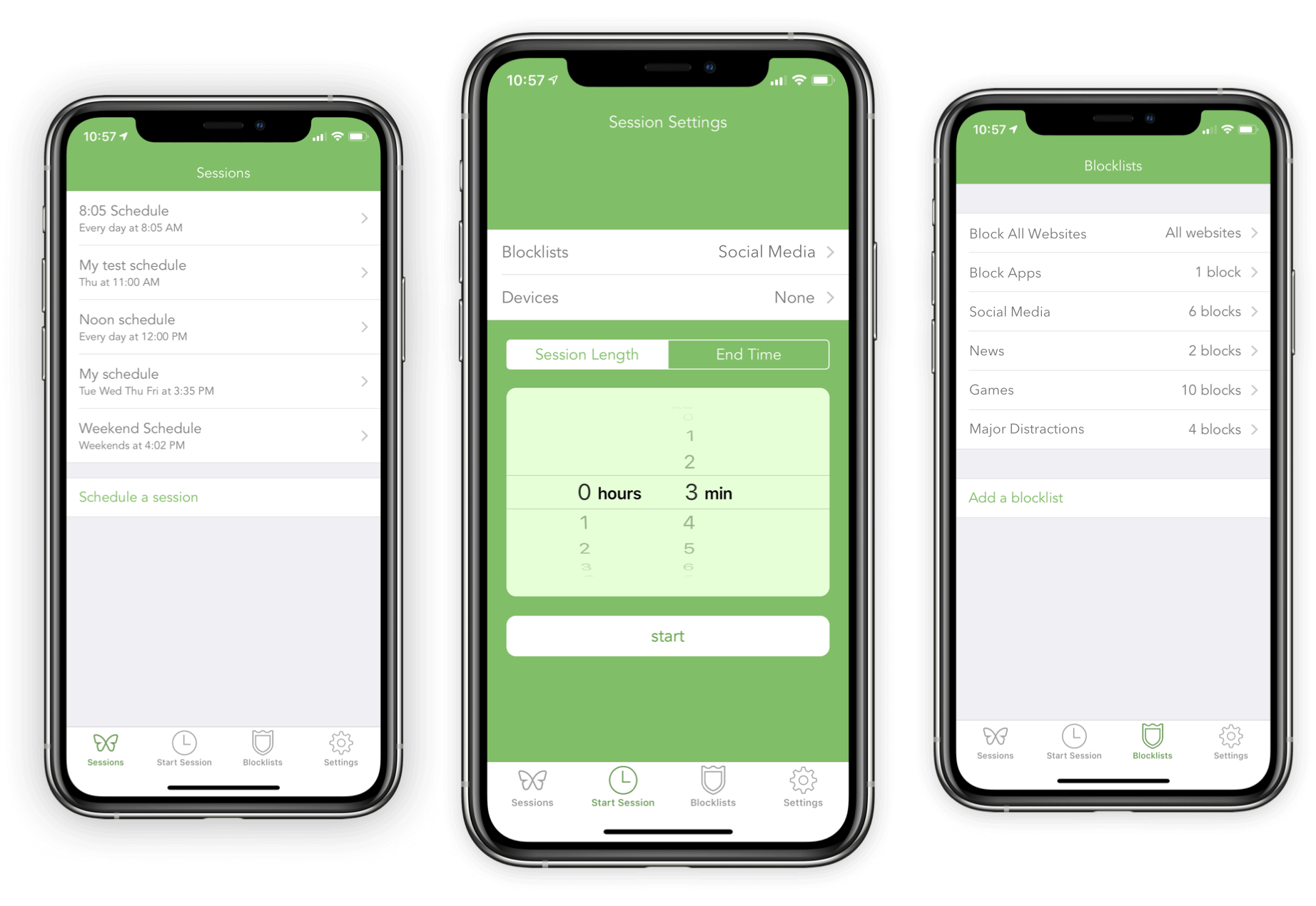
Set boundaries around “always-on” expectations. Just because you’re collaborating across functions doesn’t mean you need to be available to everyone all the time. I establish office hours for different functional areas: marketing questions Tuesday and Thursday afternoons, engineering syncs Monday and Wednesday mornings, finance reviews Friday mornings. This gives each team predictable access while protecting my deep work time.
Research from the Journal of Applied Psychology found that knowledge workers with structured communication windows report 40% less stress and 25% higher productivity than those practicing “constant availability.” For ISTJs specifically, this structure reduces the cognitive load of perpetual context-switching across functional boundaries.
When to Push Process and When to Adapt
The project was falling apart. Deadlines slipped weekly. Deliverables kept changing scope. No one seemed bothered except me. I’d proposed a formal change control process three times and been told we needed to “stay agile” and “avoid bureaucracy.” The fourth time, I didn’t propose it, I just started documenting every scope change with impact analysis and sending it to all stakeholders.
Knowing when to insist on process versus when to adapt to others’ working styles is one of the most nuanced skills in cross-functional collaboration. The temptation is to either rigidly apply your processes everywhere or completely abandon structure to avoid conflict. Neither extreme serves you or the team.
Distinguish between “critical process” and “preference process.” Critical processes prevent actual problems: change controls that track scope creep, decision logs that prevent revisiting settled questions, risk assessments that identify project-killing issues early. Preference processes make you more comfortable but don’t necessarily improve outcomes for everyone. Insist on the former, stay flexible on the latter.
A study from the Project Management Institute found that projects with documented change control averaged 30% fewer cost overruns than projects relying on informal tracking, regardless of methodology. Some processes aren’t ISTJ quirks, they’re professional standards that protect everyone involved.
However, recognize when your process instinct is creating more problems than it solves. I once delayed a marketing campaign launch by two weeks because I wanted comprehensive QA documentation. The documentation would have been valuable, but the market opportunity was time-sensitive. Missing the launch window cost more than potential quality issues. Working effectively with opposite personality types means learning when perfectionism serves the goal and when it becomes an obstacle.
Implement “good enough” thresholds for different types of work. Customer-facing deliverables might require 95% confidence in quality. Internal process documentation might only need 70%. Financial reporting requires 99%. Calibrating these thresholds with each functional area prevents both corners being cut on critical work and unnecessary delays on lower-stakes initiatives.
Frequently Asked Questions
How do ISTJs handle conflict in cross-functional teams without seeming rigid?
Focus on shared objectives rather than process preferences. Instead of saying “We need to follow the established procedure,” frame it as “Here’s how this approach protects the timeline we all committed to.” Document conflicts as decision points requiring explicit resolution rather than personality clashes. When you disagree with a direction, present data-driven alternatives with clear tradeoff analysis instead of simply resisting change. ISTJs are more persuasive when we anchor our positions in outcomes that matter to all stakeholders.
What if cross-functional partners consistently ignore agreed-upon processes?
First, verify the process actually serves their needs, not just yours. If marketing keeps bypassing your approval workflow, the workflow might be too cumbersome for their pace. Redesign processes as minimum viable structure rather than comprehensive control systems. When process violations create real problems, document the specific impact rather than the violation itself. “We missed the launch date because scope changed three times without impact assessment” is more compelling than “The change control process wasn’t followed.” Choose your battles around consequences that affect shared success metrics.
How can ISTJs build relationships with functional areas that value spontaneity over planning?
Recognize that relationship-building for ISTJs doesn’t require becoming spontaneous yourself. Offer reliability as your relationship currency. Be the person who delivers what you promise when you promise it. Creative and intuitive types often struggle with follow-through, your consistency becomes valuable precisely because it complements their strengths. Schedule regular check-ins so spontaneous types know when they’ll have your attention, reducing random interruptions. Share relevant historical data or lessons learned that help spontaneous colleagues avoid pitfalls without constraining their creativity.
Should ISTJs take on cross-functional leadership roles or stick to single-function expertise?
ISTJs bring critical strengths to cross-functional leadership, particularly in execution-focused roles like program management, operations, or integration management. The question isn’t capability but energy sustainability. Cross-functional leadership requires more interpersonal navigation than single-function roles. If you find energizing challenge in creating order from complexity and can establish strong recovery practices, cross-functional leadership can be highly rewarding. If constant ambiguity and stakeholder management feel more draining than engaging, consider specialist roles with occasional cross-functional collaboration rather than full-time boundary-spanning positions.
How do ISTJs maintain quality standards when collaborating with teams that have different definitions of done?
Establish explicit quality criteria for each deliverable type at project kickoff, not when work is already underway. Create tiered acceptance criteria: non-negotiable minimums that everyone must meet, recommended standards for typical work, and excellence criteria for high-impact deliverables. This framework lets different functional areas understand exactly where they have flexibility and where they don’t. Document quality issues as they emerge with specific examples rather than vague concerns. When others’ work doesn’t meet your standards, distinguish between “this creates actual risk” and “this isn’t how I would do it,” only escalate the former.
Explore more workplace collaboration resources in our complete MBTI Introverted Sentinels (ISTJ & ISFJ) Hub.
About the Author
Keith Lacy is an introvert who’s learned to embrace his true self later in life. After two decades in advertising and branding, working with Fortune 500 clients, he discovered that his natural tendencies toward deep work and thoughtful analysis weren’t limitations, they were strengths. Now he writes to help other introverts navigate professional challenges, relationships, and personal growth without pretending to be extroverts. His approach combines research-backed insights with hard-won personal experience.