
ISFJ Cross-Functional Collaboration: Why Harmony Beats Efficiency

Stamped 'Please' text on a beige background, minimalist and conceptual style.

Cross-functional work drains introverted energy faster than single-department collaboration. Multiple stakeholders mean more meetings, more relationship management, more context switching between different communication styles.

According to Psychology Today research on collaboration costs, the average knowledge worker spends 50% more energy on cross-functional projects compared to departmental work, with introverts experiencing disproportionately higher fatigue rates.

ISFJs face additional energy costs because we’re not just participating in these interactions. We’re actively managing group dynamics, reading emotional undercurrents, and adjusting our approach based on shifting interpersonal tensions. Such emotional labor compounds the standard introvert energy drain.

Strategic Energy Conservation

I learned this the hard way. After three months of back-to-back cross-functional projects, I hit a wall. Not burnout from workload, but exhaustion from constant interpersonal calibration. My performance didn’t drop noticeably, but the internal cost became unsustainable.

The solution wasn’t reducing cross-functional work (that wasn’t an option). It required strategic energy management. I started blocking 30-minute recovery periods after high-stakes cross-departmental meetings. Not for other work, but for actual recovery: no calls, no emails, no interaction.

I also shifted my meeting preparation approach. Instead of extensively planning what I’d say, I focused on observing patterns. The shift reduced pre-meeting anxiety (trying to script responses for unpredictable dynamics never worked anyway) and better leveraged my natural Si-Fe strengths in real-time situation reading.

Similar to how ISFJs handle other workplace challenges, success in cross-functional collaboration isn’t about changing who we are. It’s about creating sustainable structures that let us contribute effectively without depleting ourselves completely.

Protecting Your Authentic Contribution

Cross-functional environments often reward extroverted presentation styles: vocal advocacy, quick verbal processing, immediate reactions. ISFJs can feel pressured to adopt these behaviors to be taken seriously.

Resist this temptation. Your contribution isn’t less valuable because it doesn’t match extroverted patterns. The ISFJ ability to synthesize different perspectives, identify emotional undercurrents, and build consensus through careful relationship work creates results loud advocacy can’t achieve.

During one particularly contentious project, a colleague told me, “You never say much in meetings, but somehow everything works out after you’re involved.” That wasn’t coincidence. While others debated publicly, I was having sidebar conversations, addressing unstated concerns, and building alignment before formal discussions.

Behind-the-scenes influence feels less dramatic than conference room victories, but it’s often more durable. Public wins create losers who wait to even the score. Private problem-solving builds allies invested in shared success.

ISFJ professional working quietly at desk after intensive collaborative session

Common ISFJ Collaboration Traps to Avoid

ISFJs bring valuable strengths to cross-functional work, but we also have predictable blindspots that undermine effectiveness when unchecked.

Over-Accommodating Unreasonable Demands

Our Fe-driven desire for harmony can lead us to accept unrealistic commitments rather than disappoint stakeholders. It creates temporary peace but guarantees future problems when we can’t deliver.

I’ve caught myself agreeing to impossible timelines because saying no felt harsh. The result? Stress, compromised quality, and damaged credibility when delays became inevitable. Saying yes to maintain relationship harmony actually damaged those relationships more than honest boundary-setting would have.

Now when faced with unreasonable requests, I reframe the conversation: “I can deliver X by that date, or Y with higher quality in two more weeks. Which matters more for this project’s success?” This gives stakeholders agency while setting realistic expectations.

Taking On Emotional Labor Nobody Requested

ISFJs often assign ourselves the unspoken role of team emotional manager. We notice when someone feels excluded, when tensions simmer beneath surface politeness, when a disagreement reflects deeper frustration.

Research from Stanford’s study on emotional labor found that employees who consistently perform unrecognized emotional regulation work experience burnout rates 40% higher than peers with comparable workloads but clearer role boundaries.

Noticing these dynamics is valuable. Automatically fixing them without being asked creates unsustainable workload and unclear accountability. Adults can manage their own emotional responses. We don’t need to mediate every interpersonal friction.

The balance: address dynamics that directly impact project outcomes (like when personality conflicts prevent productive collaboration), but resist the urge to smooth every rough edge. Some friction generates necessary clarity. Not all discomfort requires intervention.

Avoiding Necessary Escalation

When cross-functional projects hit roadblocks requiring executive intervention, ISFJs often delay escalation, hoping to resolve issues at lower levels. Our instinct to handle problems independently can backfire when delays make situations worse.

A project I managed stalled because two department heads couldn’t agree on resource allocation. I spent three weeks facilitating discussions, proposing compromises, seeking middle ground. Finally, our VP asked why I hadn’t escalated sooner. “This needed executive decision-making two weeks ago.”

Escalation isn’t failure. It’s recognizing when decisions exceed our authority or require organizational trade-offs only senior leaders can make. Learning to escalate promptly, with clear problem framing and proposed options, actually strengthened my credibility with both executives and peers.

Frequently Asked Questions

How do ISFJs handle dominant personalities in cross-functional meetings?

ISFJs manage dominant personalities effectively by redirecting rather than confronting. Instead of challenging loud voices directly, ask questions that give quieter stakeholders space: “We’ve heard from Engineering. What’s Marketing’s take?” or “Before we decide, let’s make sure we’ve considered all perspectives.” This shifts attention without creating confrontation. ISFJs also excel at sidebar conversations with dominant personalities, privately addressing concerns they might defend publicly, which often leads to moderated behavior in group settings.

What if my collaborative approach is seen as indecisive?

ISFJ consensus-building can be misinterpreted as inability to decide. Combat this by establishing clear decision frameworks upfront. Begin projects by defining: who has final say on what types of decisions, what criteria we’ll use to evaluate options, and what timeline we’re following. Then use collaborative processes within those boundaries. When you reach decision points, summarize perspectives gathered and state your conclusion confidently: “Based on input from all stakeholders, this is what we’re doing and why.” This demonstrates you were gathering information to make informed decisions, not avoiding decisions altogether.

How do I maintain ISFJ authenticity in aggressive corporate cultures?

You don’t need to adopt aggressive styles to be effective. Focus on delivering measurable results through your natural strengths: building alliances, identifying problems early through careful observation, creating consensus that sticks because everyone feels heard. Track and share these outcomes explicitly. When others see your approach produces fewer project reversals, smoother implementations, and stronger stakeholder buy-in, your methods gain credibility regardless of corporate culture. Choose battles strategically: be firm on outcomes that matter, flexible on approaches that don’t. This isn’t compromise; it’s effective resource allocation.

Should ISFJs lead cross-functional teams or support them?

ISFJs can excel in both roles, depending on project type. Lead when success requires stakeholder alignment, relationship management, and coordinating diverse perspectives toward shared goals. Support when projects need specialized expertise you lack or when reporting structures make ISFJ leadership politically complicated. The key question isn’t whether you’re capable of leading, but whether the project’s success criteria align with ISFJ strengths. Some initiatives need bold vision and quick pivots (less natural ISFJ territory). Others need sustainable consensus and careful implementation (classic ISFJ excellence). Match your role to project requirements.

How do I recover from cross-functional collaboration burnout?

ISFJ collaboration burnout typically stems from sustained emotional labor without adequate recovery. Address this through structured boundaries: block meeting-free time for deep work, limit cross-functional commitments to what you can sustain long-term, and delegate relationship management where possible (not every stakeholder interaction requires your personal involvement). Practice saying “I need to check my capacity and get back to you” instead of immediately committing. Build recovery time into your schedule as deliberately as you schedule meetings, treating it as non-negotiable. Remember: you can’t facilitate effective collaboration if you’re depleted. Sustainable contribution requires sustainable practices.

Explore more workplace strategies in our complete MBTI Introverted Sentinels (ISTJ & ISFJ) Hub.

About the Author

Keith Lacy is an introvert who’s learned to embrace his true self later in life. As someone who spent decades conforming to extroverted expectations, he now writes with the clarity that comes from lived experience. He’s made the mistakes, learned the lessons, and built a life that honors his introverted nature without apology.

What makes Keith’s insights different isn’t expertise; it’s authenticity. He writes from the trenches of real introvert challenges: handling office politics that favor the loudest voice, building meaningful relationships in a swipe-right culture, and finding professional success without pretending to be someone else.

Through Ordinary Introvert, Keith cuts through the noise of generic advice to deliver what actually works for people who recharge in solitude, think before speaking, and find depth more interesting than breadth. His writing reflects decades of trial and error, filtered through the lens of someone who finally stopped fighting his nature and started leveraging it.

Instead, I shifted focus from agreement to decision criteria. “What does success look like?” Design defined visual impact metrics. Development specified performance benchmarks. Marketing outlined conversion goals. Legal established compliance requirements.

A MIT Sloan Management Review analysis found that teams using explicit decision criteria reduced decision-making time by 35% while improving stakeholder satisfaction scores, particularly in cross-functional settings where competing perspectives create paralysis.

These criteria didn’t eliminate disagreements. They reframed disputes from “who’s right” to “which approach better meets our criteria.” When Design and Development clashed over animation complexity, we tested prototypes against performance benchmarks. Data resolved what debate couldn’t.

The approach leverages ISFJ strengths. We’re not forcing our opinion onto reluctant teams. We’re creating frameworks where the best answer emerges from shared evaluation, which feels more comfortable than adversarial debate.

When to Push Back (Yes, Really)

ISFJs struggle with one aspect of cross-functional work more than others: asserting contrary positions when team harmony feels threatened. Our Fe-driven desire for group cohesion can silence necessary objections.

I learned this during a major systems migration. Everyone agreed on an aggressive timeline. Everyone except me, and I stayed quiet because challenging the consensus felt confrontational.

Three weeks before launch, exactly when I’d privately predicted, we discovered integration issues that pushed the timeline back two months. The delay cost more than speaking up would have. My desire to maintain surface harmony created deeper problems.

Similar to how ISFJs handle challenging boss relationships, cross-functional collaboration requires strategic assertiveness. We express contrary views through questions, not confrontations.

Instead of “This timeline won’t work,” I learned to ask, “What assumptions are we making about integration complexity? Can we validate those before committing publicly?” Questions create space for reassessment without triggering defensiveness.

Building Trust Across Departmental Silos

Cross-functional projects collapse when departments protect territorial interests instead of shared outcomes. Breaking down these silos requires sustained relationship building, something ISFJs do naturally but often undervalue.

Research from McKinsey shows high-performing cross-functional teams spend 30% more time on informal relationship building than struggling teams. It’s not socializing for its own sake; it creates trust networks that smooth collaboration under pressure.

The Power of Consistent Small Gestures

During my first year managing cross-functional initiatives, I noticed something. Department heads who initially resisted cooperation became allies, not through major negotiation wins but through accumulated small interactions.

I proactively looped in stakeholders when Engineering hit blockers, before they asked. Marketing needed technical explanations for client presentations, and I translated without being requested. Finance questioned budget variances, and I provided context before formal reviews.

These weren’t grand strategic moves. They were Si-driven pattern recognition: anticipating needs based on past interactions, then addressing them before they became urgent requests. Over time, this built a reputation for reliability that opened doors formal authority couldn’t.

ISTJs and ISFJs both excel at this consistent follow-through, though we express it differently. Where ISTJs approach cross-functional work through systematic process and clear accountability, ISFJs emphasize relationship maintenance and interpersonal bridges.

Professional building informal connections across different departments

Translating Departmental Priorities Into Shared Language

Each department develops its own vocabulary for success. Engineering talks about technical debt. Marketing discusses brand equity. Finance focuses on capital allocation. Operations emphasizes throughput optimization.

ISFJs become effective because we learn to speak all these languages without losing sight of common goals. We don’t need to become subject matter experts in every field. Success comes from understanding enough to identify where priorities align despite different terminology.

During quarterly planning, I started creating what I called “priority translation maps.” Engineering’s request to “refactor the payment processing layer” translated to Finance’s goal of “reducing transaction error rates that trigger costly manual reconciliation.” Marketing’s push for “enhanced customer experience personalization” aligned with Product’s need for “better usage analytics to inform feature prioritization.”

These translations didn’t change what departments wanted. They revealed how seemingly competing requests actually supported each other, making collaboration feel less like compromise and more like coordination.

Managing Energy in High-Interaction Environments

Cross-functional work drains introverted energy faster than single-department collaboration. Multiple stakeholders mean more meetings, more relationship management, more context switching between different communication styles.

According to Psychology Today research on collaboration costs, the average knowledge worker spends 50% more energy on cross-functional projects compared to departmental work, with introverts experiencing disproportionately higher fatigue rates.

ISFJs face additional energy costs because we’re not just participating in these interactions. We’re actively managing group dynamics, reading emotional undercurrents, and adjusting our approach based on shifting interpersonal tensions. Such emotional labor compounds the standard introvert energy drain.

Strategic Energy Conservation

I learned this the hard way. After three months of back-to-back cross-functional projects, I hit a wall. Not burnout from workload, but exhaustion from constant interpersonal calibration. My performance didn’t drop noticeably, but the internal cost became unsustainable.

The solution wasn’t reducing cross-functional work (that wasn’t an option). It required strategic energy management. I started blocking 30-minute recovery periods after high-stakes cross-departmental meetings. Not for other work, but for actual recovery: no calls, no emails, no interaction.

I also shifted my meeting preparation approach. Instead of extensively planning what I’d say, I focused on observing patterns. The shift reduced pre-meeting anxiety (trying to script responses for unpredictable dynamics never worked anyway) and better leveraged my natural Si-Fe strengths in real-time situation reading.

Similar to how ISFJs handle other workplace challenges, success in cross-functional collaboration isn’t about changing who we are. It’s about creating sustainable structures that let us contribute effectively without depleting ourselves completely.

Protecting Your Authentic Contribution

Cross-functional environments often reward extroverted presentation styles: vocal advocacy, quick verbal processing, immediate reactions. ISFJs can feel pressured to adopt these behaviors to be taken seriously.

Resist this temptation. Your contribution isn’t less valuable because it doesn’t match extroverted patterns. The ISFJ ability to synthesize different perspectives, identify emotional undercurrents, and build consensus through careful relationship work creates results loud advocacy can’t achieve.

During one particularly contentious project, a colleague told me, “You never say much in meetings, but somehow everything works out after you’re involved.” That wasn’t coincidence. While others debated publicly, I was having sidebar conversations, addressing unstated concerns, and building alignment before formal discussions.

Behind-the-scenes influence feels less dramatic than conference room victories, but it’s often more durable. Public wins create losers who wait to even the score. Private problem-solving builds allies invested in shared success.

ISFJ professional working quietly at desk after intensive collaborative session

Common ISFJ Collaboration Traps to Avoid

ISFJs bring valuable strengths to cross-functional work, but we also have predictable blindspots that undermine effectiveness when unchecked.

Over-Accommodating Unreasonable Demands

Our Fe-driven desire for harmony can lead us to accept unrealistic commitments rather than disappoint stakeholders. It creates temporary peace but guarantees future problems when we can’t deliver.

I’ve caught myself agreeing to impossible timelines because saying no felt harsh. The result? Stress, compromised quality, and damaged credibility when delays became inevitable. Saying yes to maintain relationship harmony actually damaged those relationships more than honest boundary-setting would have.

Now when faced with unreasonable requests, I reframe the conversation: “I can deliver X by that date, or Y with higher quality in two more weeks. Which matters more for this project’s success?” This gives stakeholders agency while setting realistic expectations.

Taking On Emotional Labor Nobody Requested

ISFJs often assign ourselves the unspoken role of team emotional manager. We notice when someone feels excluded, when tensions simmer beneath surface politeness, when a disagreement reflects deeper frustration.

Research from Stanford’s study on emotional labor found that employees who consistently perform unrecognized emotional regulation work experience burnout rates 40% higher than peers with comparable workloads but clearer role boundaries.

Noticing these dynamics is valuable. Automatically fixing them without being asked creates unsustainable workload and unclear accountability. Adults can manage their own emotional responses. We don’t need to mediate every interpersonal friction.

The balance: address dynamics that directly impact project outcomes (like when personality conflicts prevent productive collaboration), but resist the urge to smooth every rough edge. Some friction generates necessary clarity. Not all discomfort requires intervention.

Avoiding Necessary Escalation

When cross-functional projects hit roadblocks requiring executive intervention, ISFJs often delay escalation, hoping to resolve issues at lower levels. Our instinct to handle problems independently can backfire when delays make situations worse.

A project I managed stalled because two department heads couldn’t agree on resource allocation. I spent three weeks facilitating discussions, proposing compromises, seeking middle ground. Finally, our VP asked why I hadn’t escalated sooner. “This needed executive decision-making two weeks ago.”

Escalation isn’t failure. It’s recognizing when decisions exceed our authority or require organizational trade-offs only senior leaders can make. Learning to escalate promptly, with clear problem framing and proposed options, actually strengthened my credibility with both executives and peers.

Frequently Asked Questions

How do ISFJs handle dominant personalities in cross-functional meetings?

ISFJs manage dominant personalities effectively by redirecting rather than confronting. Instead of challenging loud voices directly, ask questions that give quieter stakeholders space: “We’ve heard from Engineering. What’s Marketing’s take?” or “Before we decide, let’s make sure we’ve considered all perspectives.” This shifts attention without creating confrontation. ISFJs also excel at sidebar conversations with dominant personalities, privately addressing concerns they might defend publicly, which often leads to moderated behavior in group settings.

What if my collaborative approach is seen as indecisive?

ISFJ consensus-building can be misinterpreted as inability to decide. Combat this by establishing clear decision frameworks upfront. Begin projects by defining: who has final say on what types of decisions, what criteria we’ll use to evaluate options, and what timeline we’re following. Then use collaborative processes within those boundaries. When you reach decision points, summarize perspectives gathered and state your conclusion confidently: “Based on input from all stakeholders, this is what we’re doing and why.” This demonstrates you were gathering information to make informed decisions, not avoiding decisions altogether.

How do I maintain ISFJ authenticity in aggressive corporate cultures?

You don’t need to adopt aggressive styles to be effective. Focus on delivering measurable results through your natural strengths: building alliances, identifying problems early through careful observation, creating consensus that sticks because everyone feels heard. Track and share these outcomes explicitly. When others see your approach produces fewer project reversals, smoother implementations, and stronger stakeholder buy-in, your methods gain credibility regardless of corporate culture. Choose battles strategically: be firm on outcomes that matter, flexible on approaches that don’t. This isn’t compromise; it’s effective resource allocation.

Should ISFJs lead cross-functional teams or support them?

ISFJs can excel in both roles, depending on project type. Lead when success requires stakeholder alignment, relationship management, and coordinating diverse perspectives toward shared goals. Support when projects need specialized expertise you lack or when reporting structures make ISFJ leadership politically complicated. The key question isn’t whether you’re capable of leading, but whether the project’s success criteria align with ISFJ strengths. Some initiatives need bold vision and quick pivots (less natural ISFJ territory). Others need sustainable consensus and careful implementation (classic ISFJ excellence). Match your role to project requirements.

How do I recover from cross-functional collaboration burnout?

ISFJ collaboration burnout typically stems from sustained emotional labor without adequate recovery. Address this through structured boundaries: block meeting-free time for deep work, limit cross-functional commitments to what you can sustain long-term, and delegate relationship management where possible (not every stakeholder interaction requires your personal involvement). Practice saying “I need to check my capacity and get back to you” instead of immediately committing. Build recovery time into your schedule as deliberately as you schedule meetings, treating it as non-negotiable. Remember: you can’t facilitate effective collaboration if you’re depleted. Sustainable contribution requires sustainable practices.

Explore more workplace strategies in our complete MBTI Introverted Sentinels (ISTJ & ISFJ) Hub.

About the Author

Keith Lacy is an introvert who’s learned to embrace his true self later in life. As someone who spent decades conforming to extroverted expectations, he now writes with the clarity that comes from lived experience. He’s made the mistakes, learned the lessons, and built a life that honors his introverted nature without apology.

What makes Keith’s insights different isn’t expertise; it’s authenticity. He writes from the trenches of real introvert challenges: handling office politics that favor the loudest voice, building meaningful relationships in a swipe-right culture, and finding professional success without pretending to be someone else.

Through Ordinary Introvert, Keith cuts through the noise of generic advice to deliver what actually works for people who recharge in solitude, think before speaking, and find depth more interesting than breadth. His writing reflects decades of trial and error, filtered through the lens of someone who finally stopped fighting his nature and started leveraging it.

The conference call started at 9 AM sharp. Marketing wanted bold creative risks. Engineering demanded technical precision. Finance needed cost justification. And me? I sat there watching these departments clash, wondering how we’d ever build something cohesive when everyone seemed to speak a different language.

That was my first major cross-functional project as an ISFJ. What I didn’t realize then was that my instinct to find common ground, something everyone else dismissed as “playing it safe,” would become our project’s secret weapon.

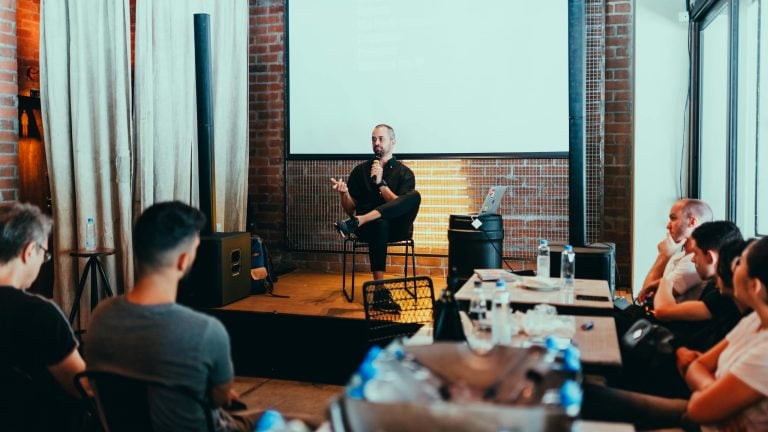
ISFJ professional facilitating collaborative meeting between diverse team members

Cross-functional collaboration challenges every personality type, but ISFJs face a unique tension. Our MBTI Introverted Sentinels hub explores how Si-dominant types approach workplace dynamics, yet cross-functional work demands we handle something trickier: balancing our natural desire for team harmony with the chaos of competing departmental priorities.

Most collaboration advice assumes everyone wants to win arguments or dominate discussions. ISFJs know better. We succeed by reading the room, translating between perspectives, and building bridges others don’t notice need building.

The ISFJ Advantage Nobody Talks About

Walk into any cross-functional meeting and you’ll spot the patterns. Some people come armed with slides and statistics. Others arrive ready to debate every detail. A few dominate the conversation while quieter voices get buried.

ISFJs approach these dynamics differently. While others fight to be heard, we’re watching how people interact, noting who feels sidelined, tracking which ideas get dismissed without consideration. It’s strategic awareness, not weakness.

Research from the Center for Creative Leadership found that 60% of cross-functional projects fail not from technical gaps but from poor interpersonal dynamics. ISFJs instinctively address what technical experts overlook: the human element that makes or breaks team cohesion.

Reading the Room vs. Reading the Data

During a product launch I managed, our technical lead presented brilliant architecture diagrams. Marketing loved them. Sales hated them. Finance stayed silent, which meant they were calculating costs and didn’t like the numbers.

I noticed something the presenter missed: every time he said “integrated solution,” the sales director’s jaw tightened. That small tell revealed the real issue. Sales didn’t understand the technical jargon, felt talked down to, and was preparing to torpedo the proposal out of defensiveness rather than legitimate concerns.

After the meeting, I pulled the technical lead aside. “Can you explain the integration benefits using customer outcomes instead of system architecture?” The next presentation focused on reduced client onboarding time and simpler workflows. Sales approved it immediately.

That’s the ISFJ collaboration strength: recognizing when people need translation, not convincing. Our emotional intelligence as ISFJs lets us spot these disconnects before they explode into project-killing conflicts.

Professional translating technical concepts to non-technical stakeholders in office setting

When Different Departments Speak Different Languages

Cross-functional teams fail when departments can’t translate their priorities into terms others understand. Engineering talks system stability. Marketing talks brand impact. Finance talks ROI. Everyone assumes their perspective is obvious.

ISFJs excel at becoming organizational translators. We don’t do this by compromising everyone’s needs into mediocrity. We do it by understanding what each department actually values and finding overlap others miss.

A Harvard Business Review study on cross-functional effectiveness revealed teams with strong “perspective-takers” outperformed technically superior teams by 35%. Perspective-taking, recognizing valid concerns across competing priorities, is fundamental to how ISFJs process information through Si-Fe.

Building Bridges Through Active Listening

During quarterly planning, I’ve watched departments present competing visions for limited resources. Marketing wants customer acquisition budget. Product wants feature development resources. Operations needs infrastructure upgrades.

Typical approaches involve arguing for priority rankings or splitting resources equally. Both approaches breed resentment. Instead, I ask each department: “What happens if we delay this initiative six months? What’s the actual business impact?”

Marketing admits customer acquisition can wait if we improve product retention first. Product realizes their flagship feature requires the infrastructure Operations wants to build. Operations discovers Marketing’s campaign will generate the usage patterns they need to justify their upgrade costs.

Suddenly we’re not competing for resources. We’re sequencing complementary investments. Aggressive negotiation doesn’t create these insights. They emerge when someone (usually the ISFJ) asks questions that reveal interdependencies instead of conflicts.

Managing Conflict Without Losing Yourself

Cross-functional work inevitably creates tension. Different success metrics, competing deadlines, and conflicting priorities guarantee disagreements. For ISFJs, these conflicts trigger our Fe desire to restore harmony, sometimes at the cost of necessary decisions.

The trap isn’t avoiding conflict. The trap is believing harmony requires everyone to agree. Effective collaboration needs aligned goals, not unanimous opinions. Understanding this distinction transformed how I handle cross-functional disputes.

Separating Process Disagreement from Personal Conflict

During a website redesign project, Design wanted bold visual changes. Development flagged technical constraints. Marketing pushed for quick wins. Legal required compliance reviews that would delay everything.

My first instinct? Find a compromise everyone could tolerate. That would have produced a mediocre outcome nobody wanted but everyone accepted to avoid tension.

Team members having productive disagreement while maintaining professional respect

Instead, I shifted focus from agreement to decision criteria. “What does success look like?” Design defined visual impact metrics. Development specified performance benchmarks. Marketing outlined conversion goals. Legal established compliance requirements.

A MIT Sloan Management Review analysis found that teams using explicit decision criteria reduced decision-making time by 35% while improving stakeholder satisfaction scores, particularly in cross-functional settings where competing perspectives create paralysis.

These criteria didn’t eliminate disagreements. They reframed disputes from “who’s right” to “which approach better meets our criteria.” When Design and Development clashed over animation complexity, we tested prototypes against performance benchmarks. Data resolved what debate couldn’t.

The approach leverages ISFJ strengths. We’re not forcing our opinion onto reluctant teams. We’re creating frameworks where the best answer emerges from shared evaluation, which feels more comfortable than adversarial debate.

When to Push Back (Yes, Really)

ISFJs struggle with one aspect of cross-functional work more than others: asserting contrary positions when team harmony feels threatened. Our Fe-driven desire for group cohesion can silence necessary objections.

I learned this during a major systems migration. Everyone agreed on an aggressive timeline. Everyone except me, and I stayed quiet because challenging the consensus felt confrontational.

Three weeks before launch, exactly when I’d privately predicted, we discovered integration issues that pushed the timeline back two months. The delay cost more than speaking up would have. My desire to maintain surface harmony created deeper problems.

Similar to how ISFJs handle challenging boss relationships, cross-functional collaboration requires strategic assertiveness. We express contrary views through questions, not confrontations.

Instead of “This timeline won’t work,” I learned to ask, “What assumptions are we making about integration complexity? Can we validate those before committing publicly?” Questions create space for reassessment without triggering defensiveness.

Building Trust Across Departmental Silos

Cross-functional projects collapse when departments protect territorial interests instead of shared outcomes. Breaking down these silos requires sustained relationship building, something ISFJs do naturally but often undervalue.

Research from McKinsey shows high-performing cross-functional teams spend 30% more time on informal relationship building than struggling teams. It’s not socializing for its own sake; it creates trust networks that smooth collaboration under pressure.

The Power of Consistent Small Gestures

During my first year managing cross-functional initiatives, I noticed something. Department heads who initially resisted cooperation became allies, not through major negotiation wins but through accumulated small interactions.

I proactively looped in stakeholders when Engineering hit blockers, before they asked. Marketing needed technical explanations for client presentations, and I translated without being requested. Finance questioned budget variances, and I provided context before formal reviews.

These weren’t grand strategic moves. They were Si-driven pattern recognition: anticipating needs based on past interactions, then addressing them before they became urgent requests. Over time, this built a reputation for reliability that opened doors formal authority couldn’t.

ISTJs and ISFJs both excel at this consistent follow-through, though we express it differently. Where ISTJs approach cross-functional work through systematic process and clear accountability, ISFJs emphasize relationship maintenance and interpersonal bridges.

Professional building informal connections across different departments

Translating Departmental Priorities Into Shared Language

Each department develops its own vocabulary for success. Engineering talks about technical debt. Marketing discusses brand equity. Finance focuses on capital allocation. Operations emphasizes throughput optimization.

ISFJs become effective because we learn to speak all these languages without losing sight of common goals. We don’t need to become subject matter experts in every field. Success comes from understanding enough to identify where priorities align despite different terminology.

During quarterly planning, I started creating what I called “priority translation maps.” Engineering’s request to “refactor the payment processing layer” translated to Finance’s goal of “reducing transaction error rates that trigger costly manual reconciliation.” Marketing’s push for “enhanced customer experience personalization” aligned with Product’s need for “better usage analytics to inform feature prioritization.”

These translations didn’t change what departments wanted. They revealed how seemingly competing requests actually supported each other, making collaboration feel less like compromise and more like coordination.

Managing Energy in High-Interaction Environments

Cross-functional work drains introverted energy faster than single-department collaboration. Multiple stakeholders mean more meetings, more relationship management, more context switching between different communication styles.

According to Psychology Today research on collaboration costs, the average knowledge worker spends 50% more energy on cross-functional projects compared to departmental work, with introverts experiencing disproportionately higher fatigue rates.

ISFJs face additional energy costs because we’re not just participating in these interactions. We’re actively managing group dynamics, reading emotional undercurrents, and adjusting our approach based on shifting interpersonal tensions. Such emotional labor compounds the standard introvert energy drain.

Strategic Energy Conservation

I learned this the hard way. After three months of back-to-back cross-functional projects, I hit a wall. Not burnout from workload, but exhaustion from constant interpersonal calibration. My performance didn’t drop noticeably, but the internal cost became unsustainable.

The solution wasn’t reducing cross-functional work (that wasn’t an option). It required strategic energy management. I started blocking 30-minute recovery periods after high-stakes cross-departmental meetings. Not for other work, but for actual recovery: no calls, no emails, no interaction.

I also shifted my meeting preparation approach. Instead of extensively planning what I’d say, I focused on observing patterns. The shift reduced pre-meeting anxiety (trying to script responses for unpredictable dynamics never worked anyway) and better leveraged my natural Si-Fe strengths in real-time situation reading.

Similar to how ISFJs handle other workplace challenges, success in cross-functional collaboration isn’t about changing who we are. It’s about creating sustainable structures that let us contribute effectively without depleting ourselves completely.

Protecting Your Authentic Contribution

Cross-functional environments often reward extroverted presentation styles: vocal advocacy, quick verbal processing, immediate reactions. ISFJs can feel pressured to adopt these behaviors to be taken seriously.

Resist this temptation. Your contribution isn’t less valuable because it doesn’t match extroverted patterns. The ISFJ ability to synthesize different perspectives, identify emotional undercurrents, and build consensus through careful relationship work creates results loud advocacy can’t achieve.

During one particularly contentious project, a colleague told me, “You never say much in meetings, but somehow everything works out after you’re involved.” That wasn’t coincidence. While others debated publicly, I was having sidebar conversations, addressing unstated concerns, and building alignment before formal discussions.

Behind-the-scenes influence feels less dramatic than conference room victories, but it’s often more durable. Public wins create losers who wait to even the score. Private problem-solving builds allies invested in shared success.

ISFJ professional working quietly at desk after intensive collaborative session

Common ISFJ Collaboration Traps to Avoid

ISFJs bring valuable strengths to cross-functional work, but we also have predictable blindspots that undermine effectiveness when unchecked.

Over-Accommodating Unreasonable Demands

Our Fe-driven desire for harmony can lead us to accept unrealistic commitments rather than disappoint stakeholders. It creates temporary peace but guarantees future problems when we can’t deliver.

I’ve caught myself agreeing to impossible timelines because saying no felt harsh. The result? Stress, compromised quality, and damaged credibility when delays became inevitable. Saying yes to maintain relationship harmony actually damaged those relationships more than honest boundary-setting would have.

Now when faced with unreasonable requests, I reframe the conversation: “I can deliver X by that date, or Y with higher quality in two more weeks. Which matters more for this project’s success?” This gives stakeholders agency while setting realistic expectations.

Taking On Emotional Labor Nobody Requested

ISFJs often assign ourselves the unspoken role of team emotional manager. We notice when someone feels excluded, when tensions simmer beneath surface politeness, when a disagreement reflects deeper frustration.

Research from Stanford’s study on emotional labor found that employees who consistently perform unrecognized emotional regulation work experience burnout rates 40% higher than peers with comparable workloads but clearer role boundaries.

Noticing these dynamics is valuable. Automatically fixing them without being asked creates unsustainable workload and unclear accountability. Adults can manage their own emotional responses. We don’t need to mediate every interpersonal friction.

The balance: address dynamics that directly impact project outcomes (like when personality conflicts prevent productive collaboration), but resist the urge to smooth every rough edge. Some friction generates necessary clarity. Not all discomfort requires intervention.

Avoiding Necessary Escalation

When cross-functional projects hit roadblocks requiring executive intervention, ISFJs often delay escalation, hoping to resolve issues at lower levels. Our instinct to handle problems independently can backfire when delays make situations worse.

A project I managed stalled because two department heads couldn’t agree on resource allocation. I spent three weeks facilitating discussions, proposing compromises, seeking middle ground. Finally, our VP asked why I hadn’t escalated sooner. “This needed executive decision-making two weeks ago.”

Escalation isn’t failure. It’s recognizing when decisions exceed our authority or require organizational trade-offs only senior leaders can make. Learning to escalate promptly, with clear problem framing and proposed options, actually strengthened my credibility with both executives and peers.

Frequently Asked Questions

How do ISFJs handle dominant personalities in cross-functional meetings?

ISFJs manage dominant personalities effectively by redirecting rather than confronting. Instead of challenging loud voices directly, ask questions that give quieter stakeholders space: “We’ve heard from Engineering. What’s Marketing’s take?” or “Before we decide, let’s make sure we’ve considered all perspectives.” This shifts attention without creating confrontation. ISFJs also excel at sidebar conversations with dominant personalities, privately addressing concerns they might defend publicly, which often leads to moderated behavior in group settings.

What if my collaborative approach is seen as indecisive?

ISFJ consensus-building can be misinterpreted as inability to decide. Combat this by establishing clear decision frameworks upfront. Begin projects by defining: who has final say on what types of decisions, what criteria we’ll use to evaluate options, and what timeline we’re following. Then use collaborative processes within those boundaries. When you reach decision points, summarize perspectives gathered and state your conclusion confidently: “Based on input from all stakeholders, this is what we’re doing and why.” This demonstrates you were gathering information to make informed decisions, not avoiding decisions altogether.

How do I maintain ISFJ authenticity in aggressive corporate cultures?

You don’t need to adopt aggressive styles to be effective. Focus on delivering measurable results through your natural strengths: building alliances, identifying problems early through careful observation, creating consensus that sticks because everyone feels heard. Track and share these outcomes explicitly. When others see your approach produces fewer project reversals, smoother implementations, and stronger stakeholder buy-in, your methods gain credibility regardless of corporate culture. Choose battles strategically: be firm on outcomes that matter, flexible on approaches that don’t. This isn’t compromise; it’s effective resource allocation.

Should ISFJs lead cross-functional teams or support them?

ISFJs can excel in both roles, depending on project type. Lead when success requires stakeholder alignment, relationship management, and coordinating diverse perspectives toward shared goals. Support when projects need specialized expertise you lack or when reporting structures make ISFJ leadership politically complicated. The key question isn’t whether you’re capable of leading, but whether the project’s success criteria align with ISFJ strengths. Some initiatives need bold vision and quick pivots (less natural ISFJ territory). Others need sustainable consensus and careful implementation (classic ISFJ excellence). Match your role to project requirements.

How do I recover from cross-functional collaboration burnout?

ISFJ collaboration burnout typically stems from sustained emotional labor without adequate recovery. Address this through structured boundaries: block meeting-free time for deep work, limit cross-functional commitments to what you can sustain long-term, and delegate relationship management where possible (not every stakeholder interaction requires your personal involvement). Practice saying “I need to check my capacity and get back to you” instead of immediately committing. Build recovery time into your schedule as deliberately as you schedule meetings, treating it as non-negotiable. Remember: you can’t facilitate effective collaboration if you’re depleted. Sustainable contribution requires sustainable practices.

Explore more workplace strategies in our complete MBTI Introverted Sentinels (ISTJ & ISFJ) Hub.

About the Author

Keith Lacy is an introvert who’s learned to embrace his true self later in life. As someone who spent decades conforming to extroverted expectations, he now writes with the clarity that comes from lived experience. He’s made the mistakes, learned the lessons, and built a life that honors his introverted nature without apology.

What makes Keith’s insights different isn’t expertise; it’s authenticity. He writes from the trenches of real introvert challenges: handling office politics that favor the loudest voice, building meaningful relationships in a swipe-right culture, and finding professional success without pretending to be someone else.

Through Ordinary Introvert, Keith cuts through the noise of generic advice to deliver what actually works for people who recharge in solitude, think before speaking, and find depth more interesting than breadth. His writing reflects decades of trial and error, filtered through the lens of someone who finally stopped fighting his nature and started leveraging it.


You Might Also Enjoy