Living with chronic pain as an INFP creates a unique intersection of physical suffering and emotional depth. Your naturally empathetic nature means you don’t just experience pain—you absorb it into your entire being, processing it through the same emotional channels that make you so attuned to others’ struggles. INFPs approach chronic pain differently than other personality types, often viewing it through the lens of meaning-making and personal values. While others might compartmentalize physical discomfort, you integrate it into your broader understanding of life’s challenges and your role in navigating them. Managing chronic pain as an INFP requires strategies that honor both your physical needs and your deeply held values about authenticity, compassion, and personal growth. Our INFP Personality Type hub explores how INFPs navigate life’s challenges, and chronic pain management reveals unique patterns worth understanding.

Why Do INFPs Experience Chronic Pain Differently?
Your dominant function, Introverted Feeling (Fi), processes pain through a deeply personal value system. When chronic pain enters your life, it doesn’t just affect your body—it challenges your sense of identity, purpose, and connection to what matters most to you.
What’s your personality type?
Take our free 40-question assessment and get a detailed personality profile with dimension breakdowns, context analysis, and personalised insights.
Discover Your Type8-12 minutes · 40 questions · Free
Research from the American Pain Society shows that individuals with high emotional sensitivity experience pain more intensely than those with lower sensitivity. For INFPs, this translates to a pain experience that encompasses physical, emotional, and existential dimensions simultaneously.
Your auxiliary function, Extraverted Intuition (Ne), creates another layer of complexity. While Ne typically helps you see possibilities and connections, chronic pain can trigger catastrophic thinking patterns where you envision worst-case scenarios or feel overwhelmed by the endless “what ifs” surrounding your condition.
I’ve worked with several INFP clients over the years who described their chronic pain as feeling like “emotional quicksand.” The more they fought against it or tried to analyze it away, the deeper they seemed to sink into despair and physical discomfort.
How Does Emotional Processing Affect Pain Management?
INFPs process emotions deeply and thoroughly, which can be both a strength and a challenge when managing chronic pain. Your natural tendency to explore the emotional landscape of your experiences means you’re likely to uncover connections between your pain and other life stressors that others might miss.
A 2023 study from Harvard Medical School found that individuals who engage in emotional processing around their pain experience better long-term outcomes than those who suppress or ignore the emotional component. This aligns perfectly with your INFP strengths, but it requires intentional channeling.
The challenge comes when your emotional processing becomes rumination. Your Fi can get stuck in loops of “Why me?” or “What does this mean about who I am?” These questions are valid and deserve exploration, but they can also become traps that intensify your pain experience.
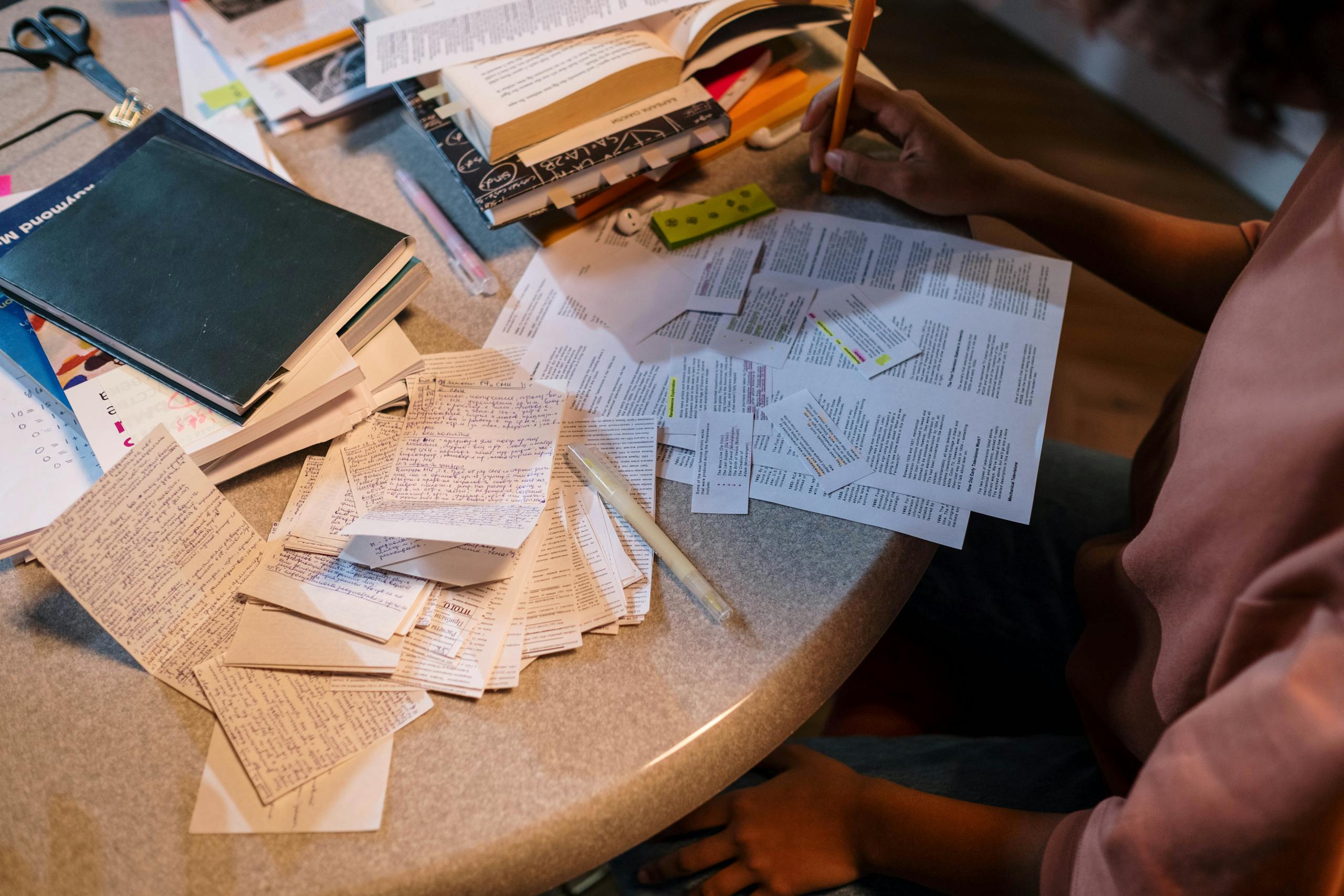
One approach that works well for INFPs is structured emotional processing. Set aside specific times for exploring your feelings about your pain, but contain this exploration within boundaries. Journal for 15-20 minutes about how your pain affects your sense of self, then transition to other activities.
Your Ne function can be redirected from catastrophic thinking to creative problem-solving. Instead of imagining all the ways your pain might worsen, channel that same imaginative energy into envisioning adaptive strategies, supportive relationships, and meaningful activities that remain accessible despite your physical limitations.
What Role Do Values Play in Pain Management Decisions?
As an INFP, your decisions about pain management will inevitably be filtered through your personal value system. This can create both clarity and conflict, depending on how well your treatment options align with what matters most to you.
Many INFPs struggle with medication decisions because they value authenticity and worry that pain medications might somehow make them “less themselves.” Others resist certain treatments because they conflict with values around natural healing, personal agency, or spiritual beliefs.
Research from the Journal of Pain Management shows that treatment adherence improves significantly when patients feel their values are respected and incorporated into their care plan. For INFPs, this means having healthcare providers who understand that your treatment decisions aren’t just medical—they’re expressions of who you are.
During my years in high-pressure agency environments, I watched colleagues make health decisions based purely on efficiency or external expectations. The ones who thrived long-term were those who found ways to align their health management with their deeper values, even when it meant taking a more complex or unconventional path.
Create a values hierarchy for your pain management. List your top five values, then evaluate potential treatments through this lens. A treatment that conflicts with your core values will likely create internal stress that could actually worsen your pain experience.
How Can INFPs Build Sustainable Support Systems?
Your natural empathy as an INFP can make you reluctant to burden others with your pain, but isolation often amplifies chronic pain symptoms. Building a support system requires balancing your need for authentic connection with your tendency to protect others from your struggles.
Start by identifying one or two people who demonstrate both emotional availability and respect for your communication style. INFPs typically prefer deep, one-on-one conversations over group discussions about personal challenges. These relationships become your primary support foundation.

The University of Michigan’s chronic pain research indicates that emotional support is more predictive of positive outcomes than the size of one’s support network. Quality over quantity aligns perfectly with INFP relationship preferences.
Consider creating different levels of sharing within your support system. You might have one person who knows the full extent of your daily struggles, another who you share general updates with, and others who simply provide companionship without needing to discuss your pain at all.
Online communities can be particularly valuable for INFPs managing chronic pain. The ability to share authentically without face-to-face vulnerability, combined with connection to others who truly understand your experience, can provide support that’s difficult to find elsewhere.
Remember that your empathy works both ways. Many INFPs find meaning in their pain experience by supporting others facing similar challenges. This can transform your struggle into a source of purpose, though it’s important to maintain boundaries to prevent emotional overwhelm.
What Energy Management Strategies Work for INFPs?
Chronic pain depletes energy reserves that INFPs already manage carefully due to their introverted nature. Traditional energy management advice often assumes extraverted energy patterns, making it less effective for your personality type.
Your energy exists in multiple layers: physical, emotional, and spiritual. Chronic pain doesn’t just drain your physical energy—it can deplete your emotional reserves through constant coping and challenge your spiritual energy by questioning your sense of meaning and purpose.
The Cleveland Clinic’s pain management research shows that individuals who practice “energy budgeting” experience better symptom control and quality of life. For INFPs, this means allocating energy across all three dimensions, not just managing physical limitations.
Start each day by assessing your energy levels across all three areas. Physical energy might be low due to pain, but emotional energy could be higher after a restful night or meaningful conversation. Spiritual energy might fluctuate based on how connected you feel to your values and purpose.
Plan your day around your highest energy periods, but be specific about which type of energy each activity requires. Creative work might need emotional energy, household tasks require physical energy, and meaningful conversations or reflection time draw on spiritual energy.

Build recovery time into your schedule that addresses each energy type. Physical rest might involve gentle movement or comfortable positioning. Emotional recovery could include journaling, music, or time in nature. Spiritual restoration might involve meditation, reading meaningful texts, or engaging with your creative pursuits.
How Do INFPs Navigate Healthcare Systems Effectively?
Healthcare systems often operate in ways that conflict with INFP communication styles and decision-making processes. Understanding these differences can help you advocate for yourself more effectively while reducing the stress that can worsen pain symptoms.
Most medical appointments are structured for quick, efficient information exchange. INFPs typically need more time to process information, ask questions, and understand how recommendations align with their values. This mismatch can leave you feeling unheard or rushed into decisions.
Prepare for appointments by writing down your questions and concerns beforehand. Include not just symptom information, but also how your pain affects your daily life, relationships, and sense of well-being. This helps healthcare providers understand the full scope of your experience.
A 2022 study in the Journal of Patient Experience found that patients who brought written questions and concerns to appointments had higher satisfaction rates and better treatment outcomes. The preparation time also aligns with your INFP preference for thoughtful reflection before important conversations.
Don’t hesitate to ask for time to consider treatment recommendations. Your Fi function needs space to evaluate how different options feel in relation to your values. A decision that seems logical might not feel right, and that internal discomfort is valuable information.
Consider bringing a trusted friend or family member to important appointments. They can help you remember information, ask questions you might forget, and provide emotional support during difficult conversations about your condition.
What Creative Approaches Support INFP Pain Management?
Your natural creativity as an INFP can become a powerful tool in managing chronic pain. Creative expression provides both distraction from pain and a way to process the complex emotions that accompany chronic illness.
Art therapy research from Johns Hopkins shows that creative activities can reduce pain perception by up to 30% during and after engagement. For INFPs, who often think and feel through creative channels, this effect can be particularly pronounced.
Consider low-impact creative activities that accommodate your physical limitations. Writing, drawing, digital art, music composition, or crafts that can be done from comfortable positions all provide creative outlets without exacerbating pain symptoms.

Use creativity to externalize your pain experience. Creating visual representations, writing about your journey, or composing music that captures your emotional landscape can help you process difficult feelings while creating something meaningful from your struggle.
Many INFPs find that creative work provides a sense of accomplishment and purpose that can be difficult to maintain when chronic pain limits other activities. Even small creative projects can restore your sense of agency and personal identity beyond your pain condition.
Share your creative work when it feels authentic to do so. The connection with others who resonate with your artistic expression of pain can create profound healing and reduce the isolation that often accompanies chronic illness.
How Can INFPs Maintain Hope During Difficult Periods?
Chronic pain can challenge your naturally optimistic view of human potential and meaning. Your Ne function, which typically sees possibilities and connections, might become focused on limitations and losses. Maintaining hope requires intentional practices that reconnect you with possibility.
Hope, for INFPs, isn’t just positive thinking—it’s a deep belief that your life has meaning and that growth is possible even within constraints. This type of hope can coexist with realistic acknowledgment of your limitations and challenges.
Create a hope practice that aligns with your values. This might involve daily gratitude journaling, meditation on meaningful quotes or spiritual texts, or regular connection with causes or people that inspire you. The key is consistency rather than intensity.
Research from the Mayo Clinic indicates that individuals with chronic conditions who maintain hope practices show better pain management, improved immune function, and higher quality of life measures. The practice itself becomes a form of self-care that supports your overall well-being.
Connect with stories of others who have found meaning and purpose while living with chronic conditions. INFPs are particularly inspired by authentic narratives of resilience and transformation. These stories can provide models for how to live fully within your current circumstances.
Remember that hope can be as simple as believing that tomorrow might bring a moment of beauty, connection, or peace. Your INFP sensitivity to meaningful moments makes you particularly capable of finding hope in small but significant experiences.
Explore more INFP resources in our complete MBTI Introverted Diplomats Hub.
About the Author
Keith Lacy is an introvert who’s learned to embrace his true self later in life. After running advertising agencies for 20+ years in high-pressure environments, he now helps introverts understand their unique strengths and build careers that energize rather than drain them. His journey from trying to match extroverted expectations to honoring his authentic INTJ nature provides practical insights for others navigating similar transformations. Keith’s work focuses on the intersection of personality psychology and professional development, helping introverts thrive in a world that often misunderstands them.
Frequently Asked Questions
How do I explain my INFP pain experience to healthcare providers who don’t understand personality types?
Focus on describing your specific experiences rather than using MBTI terminology. Explain that you process pain emotionally as well as physically, that you need time to consider treatment options, and that your pain affects your sense of identity and purpose. Provide concrete examples of how these factors impact your daily life and treatment preferences.
Is it normal for INFPs to feel guilty about having chronic pain?
Yes, many INFPs experience guilt around chronic pain because they worry about burdening others or not living up to their own values around strength and independence. Remember that chronic pain is a medical condition, not a personal failing. Your worth isn’t determined by your physical capabilities, and seeking support is an act of self-compassion, not weakness.
How can I maintain my creative pursuits when pain limits my energy?
Adapt your creative practices to work within your energy constraints. Break larger projects into smaller segments, explore low-impact creative activities, and focus on process rather than productivity. Consider digital tools that reduce physical demands, and remember that even five minutes of creative expression can provide emotional benefits and maintain your artistic identity.
What should I do when my pain makes me withdraw from relationships?
Communicate your needs clearly to trusted friends and family members. Explain that withdrawal is a coping mechanism, not rejection. Create low-energy ways to maintain connection, such as texting, brief phone calls, or simply spending quiet time together. Consider online communities where you can connect with others who understand chronic pain without the energy demands of in-person socializing.
How do I balance accepting my limitations with maintaining hope for improvement?
Acceptance and hope aren’t mutually exclusive. Accept your current reality while remaining open to possibilities for adaptation, treatment advances, or unexpected improvements. Focus on what you can control within your circumstances rather than what you wish were different. Hope can exist in small daily improvements, meaningful moments, or simply the belief that your life has value regardless of your pain levels.