

ENFJs in long-distance relationships face unique challenges that go beyond typical geographic separation. Your natural desire to nurture and connect with your partner becomes complicated when you can’t read their facial expressions, offer physical comfort, or share spontaneous moments together. The very traits that make you exceptional in close relationships can feel muted across miles and time zones.
Long-distance relationships test every personality type differently, but ENFJs experience a particular kind of strain. Your extroverted feeling function thrives on emotional connection and harmony, while your intuitive nature constantly seeks deeper meaning in relationships. When distance limits your ability to provide the emotional support that comes so naturally to you, it can leave you feeling disconnected from your core purpose as a partner.
Understanding how your ENFJ personality interacts with the challenges of geographic separation is crucial for maintaining a healthy, thriving relationship. Our MBTI Extroverted Diplomats hub explores how ENFJs and ENFPs handle relationships, but long-distance dynamics require specific strategies that honor your need for deep emotional connection while managing the practical realities of separation.

Why Do ENFJs Struggle More with Distance?
Your dominant function, Extroverted Feeling (Fe), is designed for real-time emotional connection. You naturally pick up on subtle cues in your partner’s voice, body language, and energy that help you understand their emotional state. When these cues are filtered through technology or delayed by time zones, you lose access to the information your brain instinctively seeks to maintain relationship harmony, which is why understanding your enthusiasm in conflict becomes even more critical, especially since your natural ability to influence others can shift the dynamic in unexpected ways.
What’s your personality type?
Take our free 40-question assessment and get a detailed personality profile with dimension breakdowns, context analysis, and personalised insights.
Discover Your Type8-12 minutes · 40 questions · Free
During my years managing client relationships across different continents, I watched team members struggle with similar challenges. The ENFJs on my team were the first to notice when something felt “off” in our video calls with international partners. They’d often stay after meetings, concerned about a client’s tone or wondering if they’d somehow caused offense. This hyperawareness of emotional dynamics, while valuable in person, can become exhausting when you’re constantly trying to read between the digital lines.
Your auxiliary function, Introverted Intuition (Ni), compounds this challenge by constantly seeking patterns and deeper meaning in your relationship. When your partner seems distant during a call, your Ni starts connecting dots that might not exist. Was it something you said last week? Are they losing interest? Is the relationship in trouble? Without immediate access to clarification, your mind can spiral into worst-case scenarios.
The combination of Fe seeking harmony and Ni seeking understanding creates a perfect storm of relationship anxiety when distance limits your access to the emotional information you need. You’re not being dramatic or needy – you’re simply operating without the fuel your personality type requires to feel secure in relationships.
How Does Your Need for Emotional Connection Translate Across Miles?
ENFJs express love through emotional availability and intuitive understanding of their partner’s needs. In person, you might notice your partner having a rough day before they even mention it, then naturally create space for them to process their feelings. Long-distance relationships force you to be more direct about emotional check-ins, which can feel awkward at first.
Research from the Gottman Institute shows that successful long-distance couples develop specific rituals for emotional connection that replace spontaneous intimacy. For ENFJs, this means creating structured opportunities for the deep conversations that usually happen organically. Instead of picking up on your partner’s mood and responding intuitively, you’ll need to ask direct questions and create safe spaces for vulnerability.

Your natural tendency to anticipate your partner’s needs becomes more challenging across distance. You can’t surprise them with their favorite coffee when they’re stressed or offer a spontaneous hug after a difficult day. This limitation can leave you feeling like you’re not fulfilling your role as a caring partner, even though the geographic constraints are beyond your control.
Learning to express your caring nature through digital channels requires adapting your communication style. Instead of relying on nonverbal cues and intuitive responses, you’ll need to become more verbal about your observations and feelings. “I noticed you seemed tired during our call yesterday – how are you holding up with everything?” becomes a crucial skill for maintaining emotional intimacy.
What Communication Patterns Work Best for ENFJ Personalities?
Your communication style naturally focuses on emotional connection and harmony, which translates into specific needs in long-distance relationships. Daily check-ins become essential, but they need to go beyond surface-level “how was your day” conversations. You thrive on understanding the emotional landscape of your partner’s experiences, not just the factual details.
Successful ENFJ long-distance communication often includes sharing the small moments that reveal emotional states. Instead of just saying “work was fine,” your partner learning to share “I felt overwhelmed during the morning meeting but proud of how I handled the afternoon presentation” gives you the emotional context your Fe function craves.
Video calls work better than phone calls for ENFJs because you can still access facial expressions and body language, even if they’re limited by screen quality. However, what matters is creating rituals around these calls that allow for deeper connection. Some couples designate certain calls as “feelings check-ins” where the focus is entirely on emotional intimacy rather than logistics or daily updates.
A study published in the Journal of Computer-Mediated Communication found that couples who maintain relationship satisfaction across distance use multiple communication channels throughout the day. For ENFJs, this might include morning voice messages, midday texts about feelings or observations, and evening video calls for deeper conversation.
Your natural ability to ask thoughtful questions becomes crucial in long-distance relationships. Instead of picking up on subtle cues, you’ll need to directly inquire about your partner’s emotional state. Questions like “What’s been weighing on your mind lately?” or “How did that conversation with your boss make you feel?” help you gather the emotional information your personality type needs to feel connected.
How Do You Handle the Lack of Physical Presence?
Physical presence carries significant meaning for ENFJs beyond just romantic or sexual connection. You use touch, shared space, and physical comfort as ways to provide emotional support and maintain relationship harmony. The absence of these tools can leave you feeling like you’re operating with one hand tied behind your back.
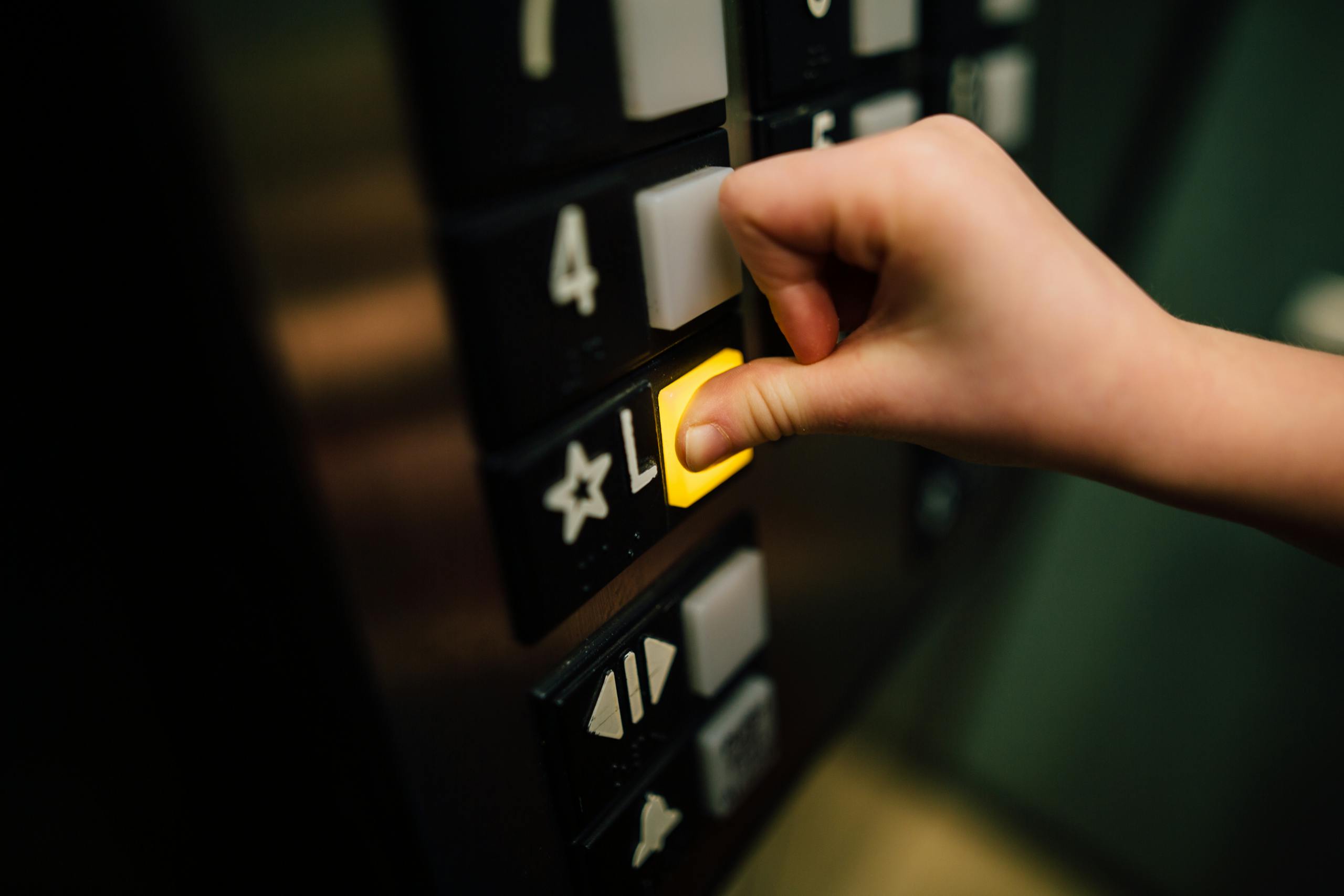
Many ENFJs report feeling helpless when their partner is going through difficult times and they can’t offer physical comfort. You might find yourself wishing you could just sit with them, hold their hand, or create a calming environment in their space. This limitation can trigger feelings of inadequacy as a partner, even though distance is simply a logistical challenge, not a reflection of your caring abilities.
Creative ENFJs often find ways to bridge the physical gap through thoughtful gestures. Sending care packages during stressful times, arranging food delivery when your partner is sick, or coordinating surprise visits from their local friends can help you express your nurturing nature despite the distance. These actions satisfy your need to provide tangible support while showing your partner that you’re thinking of their wellbeing.
Virtual presence becomes more important for ENFJs than for other personality types. Leaving video calls open while doing separate activities, watching movies together online, or even sleeping on video calls can help satisfy your need for shared space and presence. While these activities might seem excessive to some people, they serve a genuine psychological need for connection that your personality type experiences more intensely.
What Role Does Trust Play in ENFJ Long-Distance Success?
Trust operates differently for ENFJs than for other personality types because your Fe function is constantly monitoring relationship harmony and potential threats to emotional connection. In person, you can usually sense when something is bothering your partner or when relationship dynamics shift. Distance removes these early warning systems, which can create anxiety about relationship security.
Your Ni function can work against you in long-distance relationships by creating elaborate scenarios to explain gaps in communication or changes in your partner’s behavior. When your partner seems distracted during a call, your intuitive mind might jump to conclusions about their commitment level or feelings toward the relationship, even when the reality is much simpler.
Building trust in long-distance relationships requires ENFJs to develop tolerance for uncertainty and ambiguity. This means accepting that you won’t always have complete information about your partner’s emotional state or daily experiences. Learning to ask directly about concerns rather than trying to intuit them becomes a crucial skill for maintaining relationship security.
You might also find enfj-long-distance-relationship-relationship-guide helpful here.
Research from Psychology Today indicates that successful long-distance couples develop explicit agreements about communication expectations, social boundaries, and relationship goals. For ENFJs, these conversations provide the structure and reassurance your Fe function needs to feel secure when intuitive connection is limited.
this clicked when during a particularly challenging client relationship that required months of remote collaboration. My natural tendency was to interpret every delayed email or shortened phone call as a sign of dissatisfaction with our work. It wasn’t until I started asking direct questions about their concerns that I realized most of the “issues” I’d sensed were actually unrelated pressures in their business. The same principle applies to romantic relationships – direct communication often reveals that your intuitive concerns are misplaced.
How Do You Maintain Intimacy Without Daily Interaction?
Intimacy for ENFJs extends far beyond physical connection to include emotional vulnerability, shared experiences, and deep understanding of each other’s inner worlds. Maintaining this level of intimacy across distance requires intentional effort and creative approaches to connection that honor your need for meaningful interaction.

Shared experiences become more important in long-distance relationships because they create common ground for emotional connection. This might include reading the same book and discussing it, watching movies together online, playing online games, or even taking virtual tours of museums. These activities provide the shared context that naturally leads to deeper conversations and emotional intimacy.
Your natural ability to create emotional safety makes you skilled at facilitating vulnerable conversations, even across digital channels. Long-distance intimacy often requires scheduling specific times for these deeper discussions, rather than waiting for them to happen spontaneously. “Intimacy calls” where you focus entirely on emotional connection, dreams, fears, and relationship goals can help maintain the closeness your personality type needs.
Many ENFJs find that written communication helps bridge intimacy gaps in long-distance relationships. Long, thoughtful emails or letters allow you to express complex emotions and observations that might be difficult to convey in shorter phone conversations. Your partner reading your thoughts in their own time and space can create a different kind of intimacy that complements real-time communication.
Future planning becomes a crucial intimacy tool for ENFJs in long-distance relationships. Your Ni function naturally thinks about relationship progression and long-term possibilities. Regular conversations about visit schedules, eventual relocation plans, and shared goals help satisfy your need to see the relationship moving toward greater connection and commitment.
What Strategies Help ENFJs Cope with Separation Anxiety?
Separation anxiety affects ENFJs differently than other personality types because your emotional regulation is partially dependent on harmonious relationships and connection with others. When distance disrupts your primary relationship, it can affect your overall emotional stability and sense of wellbeing.
Developing independent emotional regulation skills becomes essential for ENFJ success in long-distance relationships. This might include journaling to process feelings between conversations with your partner, maintaining strong friendships for additional emotional support, or developing hobbies that provide personal fulfillment independent of your romantic relationship.
Your tendency to focus intensely on your romantic relationship can become problematic when distance limits contact. Maintaining a balanced life with work, friendships, personal interests, and self-care prevents you from putting too much pressure on limited communication time with your partner. When every conversation carries the weight of your entire emotional connection, it can create unsustainable pressure for both people.
Mindfulness practices can help ENFJs manage the uncertainty and anxiety that often accompany long-distance relationships. A study from the American Psychological Association found that mindfulness meditation reduces relationship anxiety and improves emotional regulation in couples facing geographic separation.
Creating rituals and routines around communication helps provide structure and predictability that your Fe function craves. Knowing when you’ll next talk to your partner, having regular check-in times, and establishing traditions around visits or special occasions can provide emotional anchoring points that reduce anxiety about relationship security.

How Do You handle Time Zone Differences Effectively?
Time zone differences create particular challenges for ENFJs because your natural communication style involves immediate emotional responsiveness. When your partner is sleeping while you’re experiencing something significant, or when you’re unavailable during their difficult moments, it can trigger feelings of inadequacy as a supportive partner.
Successful navigation of time zones requires ENFJs to shift from reactive to proactive communication patterns. Instead of responding to your partner’s emotional needs in real-time, you’ll need to anticipate potential challenges and provide support in advance. This might include sending encouraging messages before their important meetings or checking in about upcoming stressful events.
Creating overlap windows becomes crucial for maintaining real-time emotional connection. Even if you can only talk for 30 minutes when both of your schedules align, prioritizing these windows for meaningful conversation rather than logistics helps satisfy your need for immediate emotional exchange.
Learning to provide emotional support asynchronously challenges your natural communication style but becomes necessary for long-distance success. Voice messages, thoughtful texts, and emails that your partner can access when they need support help bridge the time gap and maintain your role as an emotionally available partner.
What Makes ENFJ Long-Distance Relationships Successful Long-Term?
Long-term success for ENFJs in long-distance relationships depends on creating sustainable systems for emotional connection that don’t exhaust either partner. Your natural intensity and desire for deep connection can become overwhelming when concentrated into limited communication windows. Learning to distribute emotional intimacy across different types of interaction helps prevent communication burnout.
Clear timelines and goals for closing the distance become essential for ENFJ relationship satisfaction. Your Ni function needs to see progress toward greater connection and commitment. Relationships that exist indefinitely in long-distance limbo often fail to satisfy your need for relationship growth and development.
Developing trust in your partner’s commitment independent of constant reassurance marks a crucial growth area for ENFJs. While your Fe function naturally seeks harmony and connection, learning to feel secure in the relationship without constant emotional feedback helps reduce anxiety and pressure on limited communication time.
Research from the National Center for Biotechnology Information shows that couples who successfully transition from long-distance to close-proximity relationships often maintain the communication skills and intentionality they developed during separation. For ENFJs, this means the effort you put into understanding your partner’s emotional needs across distance often strengthens your relationship even after you’re reunited.
Building a support network beyond your romantic relationship prevents you from placing unrealistic expectations on your long-distance partner to meet all your emotional needs. Friends, family, mentors, and even professional counselors can provide additional sources of connection and perspective that support your overall emotional wellbeing.
Successful ENFJ long-distance relationships often involve both partners developing greater emotional independence while maintaining deep connection. This balance allows you to provide support and receive intimacy without becoming completely dependent on limited communication opportunities for your emotional regulation and sense of security.
Explore more relationship resources in our complete MBTI Extroverted Diplomats Hub.
About the Author
Keith Lacy is an introvert who’s learned to embrace his true self later in life. After running advertising agencies for 20+ years, managing Fortune 500 brands and high-pressure campaigns, he discovered the power of understanding personality differences in both professional and personal relationships. As an INTJ, Keith brings analytical depth to relationship dynamics while honoring the emotional complexity that makes each personality type unique. His writing combines professional experience with personal insight to help people build authentic connections that energize rather than drain them.
Frequently Asked Questions
How often should ENFJs communicate with their long-distance partner?
ENFJs typically need daily communication to feel connected, but quality matters more than quantity. Aim for at least one meaningful conversation per day, whether through video call, phone, or detailed text exchange. However, avoid over-communicating to the point where every interaction feels pressured or forced. Some couples find success with multiple brief check-ins throughout the day plus one longer, deeper conversation.
What are the biggest red flags for ENFJs in long-distance relationships?
Watch for decreased emotional availability from your partner, reluctance to discuss future plans, or consistent cancellation of planned communication. As an ENFJ, trust your intuition about relationship changes, but verify your concerns through direct conversation rather than assuming the worst. Partners who become defensive about their time or activities, or who seem to be pulling away emotionally, may be struggling with the distance in ways they’re not communicating.
How can ENFJs manage jealousy and trust issues across distance?
Focus on building security through consistent communication patterns and explicit relationship agreements rather than trying to monitor or control your partner’s activities. Develop your own social connections and interests to avoid becoming overly focused on your partner’s life. When jealousy arises, address it directly with your partner rather than letting it build into resentment. Consider that your Fe function may be picking up on your own insecurities rather than actual relationship threats.
Should ENFJs prioritize visits or saving money for eventual relocation?
Balance both priorities based on your relationship timeline and financial situation. Regular visits help maintain emotional connection and relationship momentum, but having a clear plan for closing the distance provides the future focus your Ni function needs. Consider alternating who travels to share the financial burden, and discuss openly with your partner about long-term relocation goals and timelines.
How do ENFJs know when a long-distance relationship isn’t working?
Pay attention to persistent feelings of emotional disconnection despite consistent effort, lack of progress toward closing the distance, or finding yourself constantly anxious about the relationship’s security. If communication feels more like an obligation than a joy, or if you’re sacrificing your own wellbeing and other relationships without reciprocal effort from your partner, it may be time to reevaluate. Trust your Fe function’s assessment of relationship harmony, but ensure you’re addressing problems directly before making major decisions.