

Understanding how ENTPs process information and engage with their environment is crucial for effective accommodation. Our ENTP Personality Type hub explores the full range of what makes these individuals tick, and ENTPs bring a particularly dynamic approach to workplace adaptation that requires thoughtful consideration.

What Makes ENTP Accommodation Needs Unique?
ENTPs thrive on variety, intellectual stimulation, and the freedom to explore multiple approaches to problems. When physical disabilities enter the picture, traditional accommodation models often fall short because they focus on standardized solutions rather than the flexible, personalized approaches ENTPs need.
What’s your personality type?
Take our free 40-question assessment and get a detailed personality profile with dimension breakdowns, context analysis, and personalised insights.
Discover Your Type8-12 minutes · 40 questions · Free
Research from the Job Accommodation Network shows that 70% of accommodations cost less than $500 to implement, but for ENTPs, the most effective accommodations often involve process changes rather than expensive equipment. Their dominant Extraverted Intuition (Ne) function means they excel at seeing possibilities and connections others miss, making them natural collaborators in designing their own accommodation solutions.
The challenge comes when accommodation processes are rigid or bureaucratic. ENTPs can become frustrated with lengthy approval processes, standardized equipment that doesn’t quite fit their needs, or policies that don’t account for the variability in their conditions or work styles. They need accommodation approaches that are as flexible and creative as they are.
How Do Physical Limitations Affect ENTP Work Patterns?
ENTPs naturally work in bursts of intense focus followed by periods of exploration and idea generation. Physical disabilities can disrupt these natural rhythms, but understanding this pattern is key to effective accommodation.
For ENTPs with mobility limitations, the traditional office setup can be particularly challenging. They often prefer to move around while thinking, use multiple workspaces, or collaborate in different environments throughout the day. A wheelchair user might need multiple height-adjustable workstations rather than one perfectly configured space. Someone with chronic pain might need the flexibility to alternate between sitting, standing, and reclining positions without having to justify these changes to supervisors.

Energy management becomes crucial for ENTPs with conditions like fibromyalgia, chronic fatigue syndrome, or autoimmune disorders. Unlike some personality types who can maintain steady energy output, ENTPs tend to have variable energy patterns even without health conditions. Physical disabilities can amplify this variability, making traditional 9-to-5 schedules particularly challenging.
I learned this firsthand when working with an ENTP project manager who had multiple sclerosis. Her symptoms fluctuated unpredictably, but she was most productive when she could adjust her schedule in real-time based on how she felt each day. We developed a system where she could shift her core hours within a four-hour window, allowing her to capitalize on good days while accommodating difficult ones.
What Accommodation Strategies Work Best for ENTPs?
The most successful ENTP accommodations share common characteristics: they’re flexible, allow for multiple options, and can be adjusted as needs change. Rather than one-size-fits-all solutions, ENTPs benefit from accommodation toolkits they can adapt to different situations.
Technology accommodations for ENTPs should emphasize versatility and integration. Voice recognition software appeals to ENTPs not just for its accessibility benefits, but because it allows them to capture ideas quickly while moving around or when their hands are occupied with other tasks. Cloud-based systems let them work from multiple locations and devices, supporting their preference for environmental variety.
Schedule flexibility ranks among the most valuable accommodations for ENTPs with disabilities. This might include compressed work weeks, flexible daily schedules, or the ability to work intensively on some days while taking recovery time on others. The key is building in enough structure to meet business needs while preserving the spontaneity ENTPs need to do their best work.

Environmental accommodations should account for ENTPs’ need for both stimulation and occasional retreat. This might mean access to multiple work environments, noise-canceling headphones for overstimulating days, or the ability to adjust lighting and temperature. For ENTPs with sensory processing issues or chronic pain, having control over their physical environment can significantly impact their productivity and well-being.
How Can ENTPs Advocate for Their Accommodation Needs?
ENTPs’ natural communication style can be both an asset and a challenge when requesting accommodations. Their enthusiasm and ability to see possibilities can help them articulate creative solutions, but their tendency to think out loud and explore multiple options might confuse HR representatives who expect linear, specific requests.
The most effective approach is to prepare a clear, organized accommodation request while maintaining flexibility for discussion and refinement. Start with your core needs and the business case for each accommodation. ENTPs excel at connecting dots between their accommodation needs and improved performance outcomes.
Documentation becomes crucial, but ENTPs should approach it strategically rather than viewing it as bureaucratic burden. Frame accommodation requests in terms of enabling peak performance rather than just addressing limitations. For example, instead of saying “I need flexible hours because of my condition,” try “Flexible scheduling allows me to align my most creative work with my optimal energy periods, resulting in higher quality output.”
Building relationships with key stakeholders before you need accommodations can smooth the process significantly. ENTPs’ natural networking abilities serve them well here. When supervisors and HR representatives already understand your work style and value your contributions, they’re more likely to be creative partners in developing accommodation solutions.
What Role Does Technology Play in ENTP Accommodations?
Technology accommodations for ENTPs should enhance their natural cognitive strengths while addressing physical limitations. The goal isn’t just accessibility but optimization of their unique thinking style.
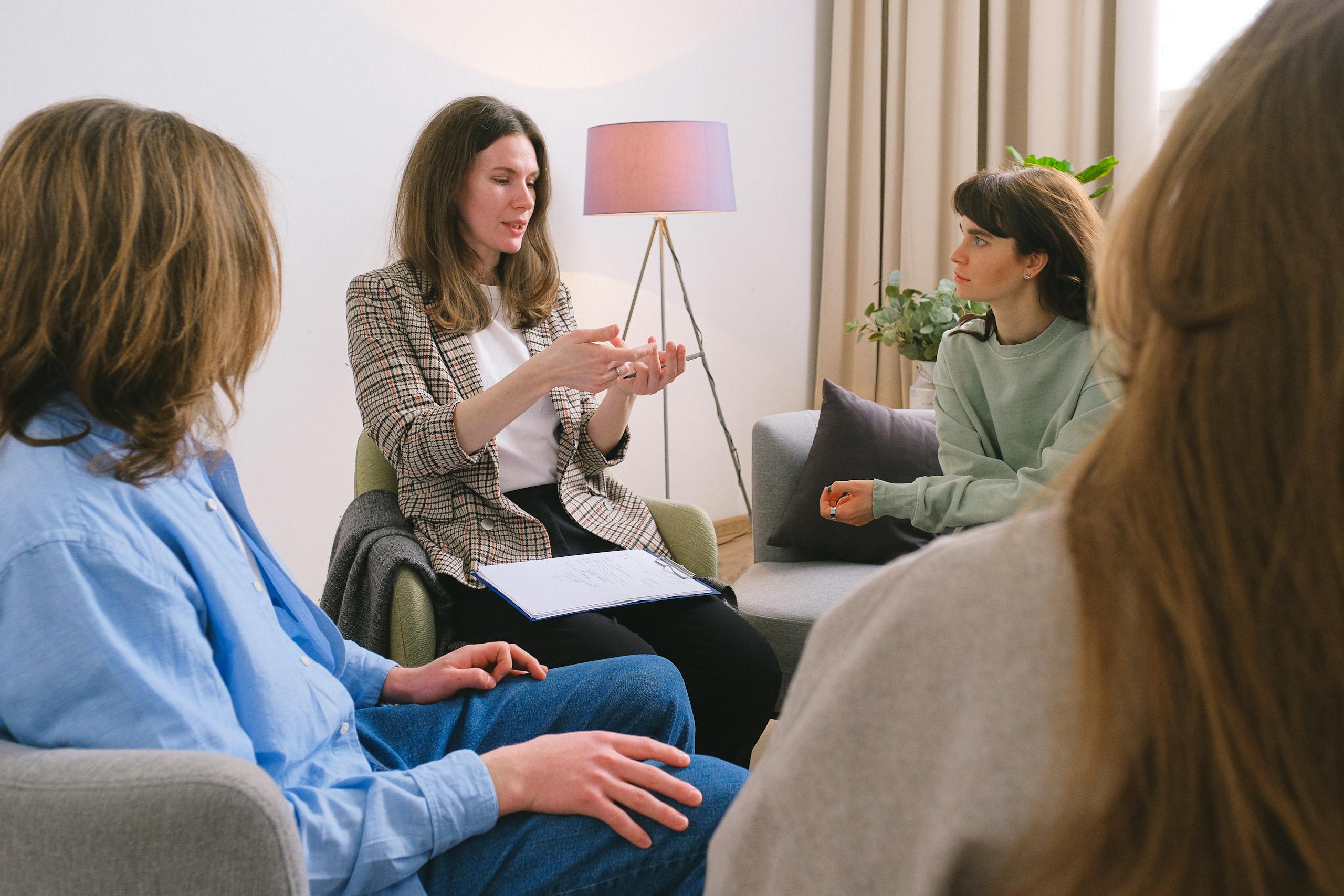
Voice recognition technology appeals to ENTPs for reasons beyond traditional accessibility. It allows them to capture ideas at the speed of thought, work while moving around, and maintain their natural speaking patterns while creating written content. Advanced systems can learn individual speech patterns and technical vocabulary, making them particularly valuable for ENTPs in specialized fields.
Mobile and cloud-based solutions support ENTPs’ preference for working in multiple environments. Tablets with stylus input can bridge the gap between digital and analog note-taking, while cloud synchronization ensures ideas captured in one location are available everywhere. For ENTPs with mobility limitations, this technology freedom becomes even more valuable.
Collaboration tools take on special importance for ENTPs with disabilities that might limit face-to-face interaction. Video conferencing, shared digital workspaces, and real-time collaboration platforms can maintain the social interaction ENTPs need while accommodating physical limitations. The key is choosing tools that enhance rather than complicate their natural communication style.
How Do Workplace Cultures Impact ENTP Accommodation Success?
The broader workplace culture significantly impacts how well ENTP accommodations function in practice. Cultures that value innovation, flexibility, and individual contribution tend to be more supportive of creative accommodation approaches.
In my experience managing diverse teams, I noticed that ENTPs with disabilities thrived in environments where accommodations were seen as performance optimization rather than special treatment. When teammates understood that flexible schedules or alternative work methods were tools for maximizing contribution, resistance disappeared and collaboration improved.
Micromanagement poses particular challenges for ENTPs with disabilities. Their accommodation needs often require trust and flexibility from supervisors, but some managers struggle with arrangements they can’t directly observe or control. Building understanding about ENTP work styles and the business benefits of accommodation becomes crucial for long-term success.
Peer relationships matter enormously for ENTPs, who draw energy from interaction and collaboration. Accommodations that isolate them from teammates can backfire, even if they address physical needs effectively. The best accommodation plans consider both individual needs and team dynamics, finding ways to maintain connection while providing necessary support.

What Are Common Accommodation Implementation Challenges?
Even well-intentioned accommodation processes can create obstacles for ENTPs. The most common issues stem from mismatches between ENTP needs and traditional accommodation frameworks.
Rigid approval processes frustrate ENTPs who see multiple potential solutions and want to iterate toward the best option. They might request one accommodation, discover it doesn’t quite work, and want to adjust the approach. Traditional systems often require starting over with new documentation rather than allowing refinement of existing accommodations.
Equipment standardization can be particularly challenging. ENTPs often benefit from trying multiple options before settling on the best solution, but many organizations have preferred vendors or standard configurations that limit choice. The accommodation that works perfectly for one ENTP might be completely wrong for another, even with similar disabilities.
Timeline mismatches create additional stress. ENTPs often work in project cycles with varying intensity, but accommodation approvals can take weeks or months. By the time equipment arrives or schedule changes are approved, the original need might have evolved or the project requiring accommodation might be complete.
Communication breakdowns happen when ENTPs’ natural brainstorming style meets bureaucratic processes that expect specific, unchanging requests. What seems like indecision to administrators is often ENTPs thinking through possibilities and implications. Setting clear expectations about the accommodation development process can prevent misunderstandings.
How Can Organizations Better Support ENTP Accommodation Needs?
Organizations that successfully accommodate ENTPs with disabilities share several common approaches. They treat accommodation as an ongoing collaboration rather than a one-time transaction, maintain flexibility in both process and solutions, and recognize that effective accommodation often benefits the entire team.
Proactive accommodation conversations work better than reactive ones. Rather than waiting for formal requests, progressive organizations discuss accommodation as part of regular performance and development conversations. This allows for gradual adjustments and prevents small issues from becoming major barriers.
Budget flexibility enables creative solutions that might not fit standard categories. Sometimes the best accommodation for an ENTP involves combining elements from different traditional accommodations or trying innovative approaches not yet covered by standard policies. Organizations that can approve pilot programs or custom solutions often achieve better outcomes with lower overall costs.
Training for managers and HR staff should include information about different personality types and how they impact accommodation needs. Understanding that ENTPs need flexibility and collaboration in the accommodation process itself can prevent many common implementation problems.
Explore more ENTP and ENTJ resources in our complete MBTI Extroverted Analysts Hub.
About the Author
Keith Lacy is an introvert who’s learned to embrace his true self later in life after years of trying to fit into extroverted expectations. As an INTJ, he spent over 20 years in advertising and marketing, working with Fortune 500 brands and managing creative teams. Now he writes about personality psychology and professional development, helping introverts and other personality types understand their strengths and build careers that align with who they really are. His work focuses on practical applications of MBTI and personality insights in real-world professional settings.
Frequently Asked Questions
Do ENTPs need different accommodations than other personality types?
While the specific accommodations depend on individual disabilities, ENTPs often benefit from more flexible, customizable approaches compared to other personality types. Their need for variety, intellectual stimulation, and collaborative problem-solving means that one-size-fits-all accommodations may not work as well. They typically prefer accommodation solutions that can be adjusted over time and that support their natural work patterns of intense focus followed by exploration and idea generation.
How should ENTPs communicate their accommodation needs to employers?
ENTPs should prepare organized, specific requests while maintaining openness to collaborative problem-solving. Start with clear documentation of needs and potential solutions, but frame the conversation as a partnership to optimize performance rather than just addressing limitations. Be prepared to explain how accommodations will improve work quality and productivity, and remain flexible as you work together to refine solutions.
What technology accommodations work best for ENTPs with physical disabilities?
ENTPs typically benefit from versatile, integrated technology solutions that support their preference for working in multiple environments and capturing ideas quickly. Voice recognition software, cloud-based collaboration tools, mobile devices with stylus input, and flexible workstation setups often prove most valuable. The key is choosing technology that enhances their natural cognitive strengths while addressing specific physical limitations.
How can workplace cultures better support ENTP accommodation needs?
Supportive workplace cultures treat accommodations as performance optimization tools rather than special treatment, maintain flexibility in both processes and solutions, and encourage ongoing dialogue about accommodation effectiveness. They provide manager training on different personality types and accommodation needs, allow for pilot programs and custom solutions, and recognize that effective accommodations often benefit entire teams, not just individuals with disabilities.
What are the biggest challenges ENTPs face when requesting workplace accommodations?
Common challenges include rigid approval processes that don’t allow for iteration and refinement, standardized equipment options that may not fit their specific needs, timeline mismatches between accommodation approval and project needs, and communication difficulties when their brainstorming approach to problem-solving meets bureaucratic systems expecting specific, unchanging requests. Organizations can address these challenges by building more flexibility into their accommodation processes and training staff to understand different communication styles.