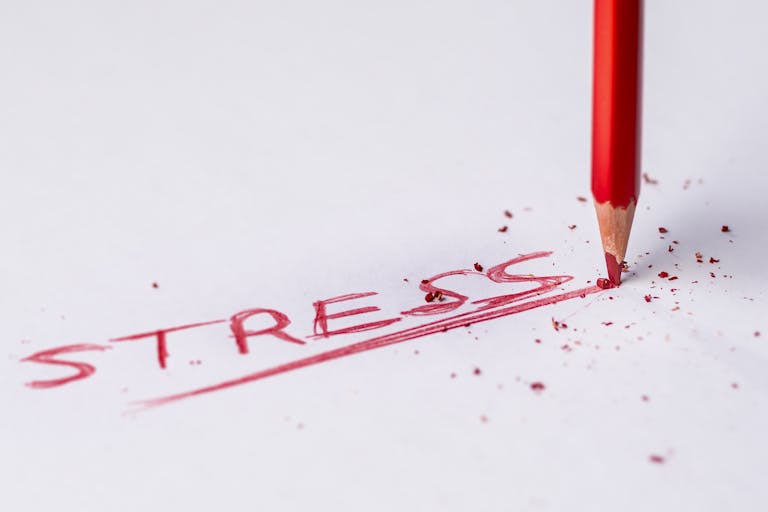
ENFPs approach marriage with the same enthusiasm they bring to everything else, but this major life transition can trigger both their greatest strengths and deepest challenges. You’re not just planning a wedding—you’re navigating a fundamental shift in how you structure your life, and that can feel overwhelming for a personality type that thrives on possibility and spontaneity.
Getting married as an ENFP means learning to balance your need for excitement with the stability that long-term partnership requires. It’s about honoring your authentic self while building something lasting with another person.
ENFPs and ENFJs share the Extroverted Feeling (Fe) function that drives their deep care for others, though ENFPs lead with Extroverted Intuition (Ne) that creates their characteristic enthusiasm for possibilities. Our MBTI Extroverted Diplomats hub explores both personality types in depth, but the ENFP approach to marriage has unique considerations worth examining closely.

Why Does Marriage Feel So Different for ENFPs?
Marriage represents structure in a way that can initially feel constraining to the ENFP mind. Your dominant Extroverted Intuition (Ne) constantly generates new possibilities and connections, while marriage asks you to choose one person and build a focused, committed relationship with them.
This isn’t about ENFPs being unable to commit—it’s about how your cognitive functions process the concept of lifelong partnership. According to research from the American Psychological Association, individuals with high openness to experience (a trait strongly associated with ENFPs) often experience more adjustment challenges during major life transitions, including marriage.
During my years working with creative teams in advertising, I watched several ENFP colleagues navigate engagement and marriage. The ones who thrived understood that marriage wasn’t about limiting their possibilities—it was about choosing to explore infinite possibilities with one specific person. The ones who struggled saw marriage as closing doors rather than opening new ones together.
Your auxiliary function, Introverted Feeling (Fi), adds another layer to this experience. Fi creates your strong personal values and authentic sense of self, which means you need a marriage that feels genuine to who you are, not what others expect marriage to look like.
What Financial Realities Do ENFPs Face When Getting Married?
Money conversations become unavoidable when you’re planning a wedding and combining lives. For ENFPs, this can surface some uncomfortable truths about financial management that you’ve perhaps been avoiding.
The uncomfortable truth about ENFP financial struggles often becomes apparent during wedding planning. Your enthusiasm for possibilities can translate into overspending on the “perfect” wedding, while your tendency to avoid tedious details means important budget discussions get postponed.
Research from the Cleveland Clinic shows that financial stress is one of the leading causes of relationship conflict, and this impact can be particularly pronounced for personality types that struggle with detailed financial planning.
One ENFP client told me about planning their wedding: “I kept saying ‘we’ll figure it out’ about the budget, but my partner needed actual numbers. I realized I was using my optimism to avoid dealing with spreadsheets and realistic planning.” This is classic ENFP behavior—your Ne generates solutions and possibilities, but the practical implementation often gets overlooked.
Marriage forces you to confront financial reality in a way that single life doesn’t. You’re not just responsible for your own financial decisions anymore; you’re building a shared financial future. This requires the kind of detailed, systematic thinking that doesn’t come naturally to most ENFPs.

How Do ENFPs Handle Wedding Planning Without Burning Out?
Wedding planning can become overwhelming for ENFPs because it combines your love of possibilities with an enormous number of detailed decisions that need to be made within specific timelines.
Your Ne wants to explore every possible venue, every potential theme, every creative detail. Meanwhile, vendors need deposits, RSVPs have deadlines, and your partner may be getting stressed about the growing list of unfinished tasks. This is where many ENFPs hit their first major relationship challenge during the engagement period.
The key insight I learned from managing complex advertising campaigns applies here: ENFPs need to separate the creative visioning phase from the execution phase. Give yourself permission to dream big and explore possibilities, but set a clear deadline for when the dreaming stops and the deciding begins.
According to data from the Mayo Clinic, decision fatigue is a real phenomenon that affects cognitive performance, and wedding planning creates an unusually high number of decisions in a compressed timeframe.
Consider this approach: spend the first month of engagement exploring all possibilities without making any final decisions. Pinterest everything, visit multiple venues, research every option. Then switch modes and start making concrete choices. This honors your Ne’s need to explore while preventing decision paralysis.
Many ENFPs benefit from delegating detail management to others. This isn’t about avoiding responsibility—it’s about playing to your strengths. You excel at the vision and overall experience; someone else can handle the timeline spreadsheets and vendor coordination.
What Relationship Patterns Do ENFPs Need to Watch For?
ENFPs often struggle with follow-through, and this pattern can create tension in romantic relationships, especially during the intense planning phase of engagement.
The reality is that ENFPs who actually finish things exist, but it requires conscious effort and often external accountability. Marriage planning becomes a test case for whether you can sustain focus on important long-term projects.
Your partner may start to worry: “If they can’t follow through on wedding planning tasks, how will they handle mortgage payments or parenting responsibilities?” These concerns aren’t unfounded—they’re based on observable patterns of behavior.
During my agency years, I noticed that ENFPs who succeeded in client relationships learned to create external accountability systems. They didn’t rely on willpower alone; they built structures that supported their natural working style while ensuring important tasks got completed.
The same principle applies to marriage preparation. If you struggle with abandoning projects, now is the time to develop systems that support your follow-through. Your future spouse needs to see evidence that you can commit to and complete important shared goals.
Research from Psychology Today indicates that relationship satisfaction is strongly correlated with perceived reliability and follow-through from both partners. For ENFPs, this means consciously developing your execution skills, not just relying on your natural enthusiasm and good intentions.

How Can ENFPs Maintain Their Identity While Building Partnership?
One of the biggest fears ENFPs face when getting married is losing their sense of individual identity. Your Fi function creates a strong need for authenticity, and marriage can sometimes feel like it requires you to compromise who you are.
This concern isn’t trivial. ENFPs need space for personal growth, creative exploration, and individual interests. A healthy marriage for an ENFP doesn’t merge two people into one—it creates a partnership where both individuals can flourish while building something together.
The challenge comes when your partner has different needs for togetherness or different expectations about how married couples should function. If your partner is more traditional or structured in their approach to relationships, they might interpret your need for individual space as lack of commitment.
I learned this lesson while building agency partnerships with different personality types. The most successful partnerships weren’t the ones where everyone became identical—they were the ones where each person’s strengths complemented the others while maintaining their individual expertise and perspective.
According to research from NIH, couples who maintain individual identities while building shared goals report higher relationship satisfaction and lower rates of relationship dissolution.
Consider creating “identity preservation” agreements with your partner. What aspects of your individual life do you both need to maintain? What shared experiences do you want to build together? This isn’t about keeping score—it’s about conscious design of your partnership.
Your Ne function will always generate new interests and possibilities. A good marriage partner for an ENFP either shares this trait or genuinely appreciates and supports it in you. If you find yourself constantly having to justify your need for variety and growth, that’s a red flag worth addressing before marriage.
What Communication Challenges Do ENFPs Face in Marriage?
ENFPs often struggle with direct confrontation and difficult conversations, preferring to maintain harmony and avoid conflict. This tendency can create problems in marriage, where honest communication about challenging topics is essential.
Your Fe function makes you highly attuned to others’ emotions, which can lead to people-pleasing behaviors that compromise your authentic needs. Unlike ENFJs who might struggle with people-pleasing patterns, ENFPs typically avoid conflict by changing the subject or using humor to deflect serious conversations.
This avoidance strategy works in casual relationships but becomes problematic in marriage. Your spouse needs to know your real thoughts and feelings about important decisions, financial concerns, family planning, and other significant topics.
During client negotiations in my advertising career, I noticed that the most successful outcomes happened when all parties could express their real concerns and needs, even when those conversations felt uncomfortable. The same principle applies to marriage—avoiding difficult conversations doesn’t make the underlying issues disappear.
Research from the World Health Organization shows that communication patterns established early in relationships tend to persist over time, making it crucial to develop healthy communication habits during engagement and early marriage.
Practice having direct conversations about topics that matter to you. Start with smaller issues and build your comfort level with honest communication. Your partner needs to know the real you, not just the harmonious, accommodating version you present when you’re avoiding conflict.
How Do ENFPs Navigate Family Dynamics During Marriage?
Marriage doesn’t just join two people—it merges two family systems, and ENFPs often find themselves in the role of social connector and harmony maintainer between different family cultures.
Your natural warmth and adaptability make you skilled at reading family dynamics and adjusting your behavior to fit different social contexts. However, this can become exhausting when you’re constantly adapting to please everyone while trying to maintain your authentic self.
ENFJs might attract toxic people due to their giving nature, while ENFPs more commonly struggle with boundary-setting in family relationships. You want everyone to get along, and you’re willing to accommodate different personalities to maintain peace.
The challenge comes when family members have conflicting expectations or when you need to choose between pleasing your birth family and supporting your spouse. These situations require the kind of direct decision-making and boundary-setting that doesn’t come naturally to most ENFPs.
I watched this play out with several ENFP colleagues during major family events. The ones who thrived learned to have honest conversations with their spouse about family dynamics and to present a united front when necessary, even when it meant disappointing some family members.
According to studies from Psychology Today, couples who establish clear boundaries with extended family report higher marital satisfaction and lower stress levels during the first years of marriage.
Consider discussing family expectations and potential conflicts with your partner before they arise. What family traditions matter most to each of you? How will you handle conflicting holiday plans or family obligations? These conversations feel awkward but prevent much larger conflicts later.
What Long-Term Considerations Should ENFPs Think About?
ENFPs often focus intensely on the present moment and immediate future, but marriage requires thinking about long-term compatibility and shared life goals. This can feel constraining to your Ne function, which prefers to keep options open.
Consider the practical realities: Where do you want to live in ten years? How do you both feel about having children? What are your career aspirations, and how will they affect your relationship? These aren’t just theoretical questions—they’re decisions that will shape your daily life.
Your tendency toward optimism can sometimes lead to assuming that “everything will work out” without adequate planning. While optimism is a strength, marriage benefits from some realistic preparation for potential challenges.
During my agency years, I learned that the most successful long-term client relationships were built on both shared vision and practical alignment on execution methods. The same principle applies to marriage—you need both emotional connection and practical compatibility.
Research from CDC indicates that couples who discuss major life decisions before marriage have significantly higher rates of long-term relationship success compared to those who avoid these conversations.
Don’t let your discomfort with detailed planning prevent you from having these important conversations. Your future self will thank you for addressing potential areas of conflict before they become actual problems in your marriage.

Marriage as an ENFP isn’t about limiting your possibilities—it’s about choosing to explore infinite possibilities with one specific person. The key is finding someone who appreciates your enthusiasm, supports your growth, and complements your natural working style while challenging you to develop in areas where you need growth.
For more insights on ENFP and ENFJ relationship patterns and personal development, visit our MBTI Extroverted Diplomats hub page.
About the Author
Keith Lacy is an introvert who’s learned to embrace his true self later in life. After running advertising agencies for 20+ years and working with Fortune 500 brands, he now helps introverts understand their strengths and build careers that energize rather than drain them. Keith is an INTJ who spent years trying to match extroverted leadership styles before discovering the power of quiet influence. He writes about introversion, personality psychology, and professional development from his experience leading teams, managing client relationships, and building businesses that honor different personality types.
Frequently Asked Questions
Should ENFPs get married young or wait until they’re older?
ENFPs benefit from having some life experience before marriage, particularly in developing follow-through skills and financial management abilities. However, age matters less than emotional maturity and practical readiness. An ENFP who has learned to balance their spontaneity with reliability can succeed in marriage at various ages.
How can ENFPs avoid losing their identity in marriage?
Maintain individual interests, friendships, and growth opportunities while building shared experiences with your spouse. Discuss your need for variety and personal space openly, and choose a partner who appreciates rather than tries to change your ENFP nature. Identity preservation requires conscious effort and communication.
What personality types are most compatible with ENFPs for marriage?
ENFPs often work well with partners who provide some structure and follow-through support (like INTJs or INFJs) or who share their enthusiasm for possibilities (like other ENFPs or ENTPs). However, individual compatibility matters more than type compatibility. Look for someone who appreciates your strengths and complements your growth areas.
How can ENFPs handle the detailed aspects of wedding planning?
Separate the creative visioning phase from the execution phase. Allow yourself time to explore possibilities, then switch to decision-making mode. Consider hiring a wedding planner or asking detail-oriented friends or family members to help with logistics while you focus on the overall vision and experience.
What financial habits should ENFPs develop before marriage?
Learn basic budgeting and tracking skills, even if you delegate detailed financial management to your partner or a professional. Understand your spending patterns and triggers. Practice having honest conversations about money, including your financial fears and goals. Develop systems for handling routine financial responsibilities.