The sales team rang a celebration gong fifteen feet from my desk. I was three slides deep into a pitch deck that required actual thinking, and that second metallic clang felt personal. By that evening, I’d ordered my first pair of noise-canceling headphones. That was 2018, and I’ve tested multiple generations of both Sony and Bose models since then, trying to solve a problem millions of introverts face every day: how to think clearly when your workplace is designed for constant interaction.
Sony and Bose dominate the premium noise-canceling headphone market because they solve different aspects of the open office challenge. Sony provides stronger overall noise suppression with 30-hour battery life for deep focus work. Bose delivers superior all-day comfort with better call microphones for communication-heavy roles. Neither eliminates office noise completely, but both create cognitive breathing room that makes chaotic workspaces manageable for introverts.
If you’re reading this, you probably know the feeling. Open offices promise collaboration but deliver something closer to sensory assault for those of us who need quiet to do our best work. I spent most of my agency career in low-partition environments where deep work felt like trying to read underwater. Phone calls overlapped with sales pitches, keyboards clattered, and someone was always having a “quick sync” two feet behind your chair.
Noise-canceling headphones won’t fix open office culture, but they can create a psychological buffer that makes the difference between productive days and exhausting ones. After years of testing both premium brands in real office conditions, here’s what actually matters when you’re choosing between Sony and Bose.
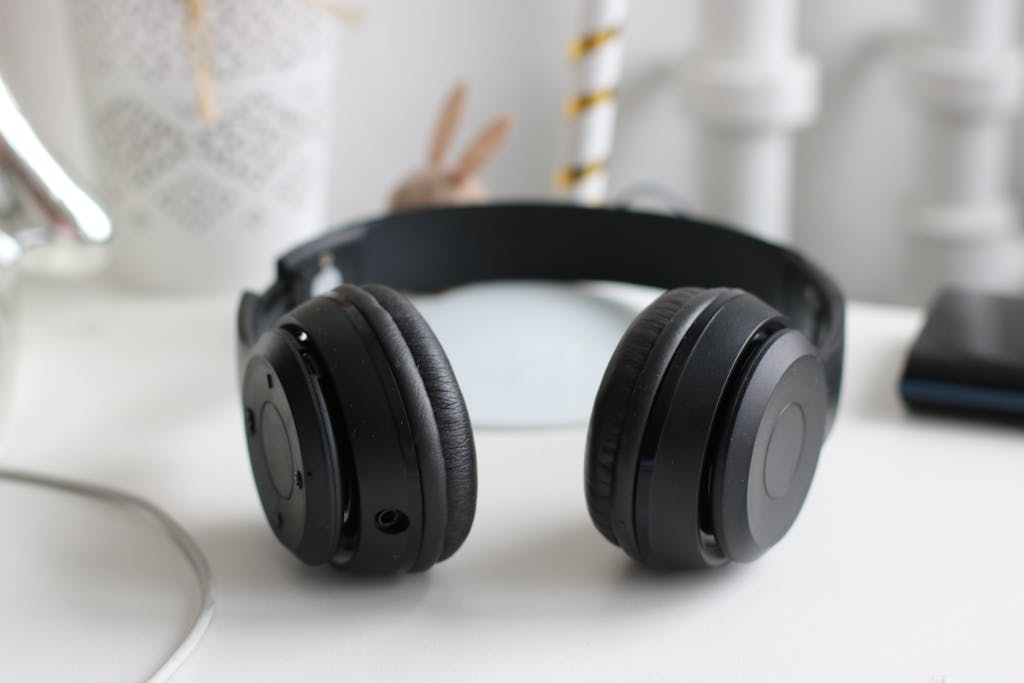
Open offices can be draining for introverts, and finding the right tools to create your own peaceful space makes all the difference. In this comparison of Sony and Bose noise-canceling headphones, we explore how quality audio equipment can help you protect your focus and energy throughout the workday. For more ways to thrive as an introvert in social environments, check out our guide to managing introvert life challenges.
You might also find noise-canceling-headphones-under-100-tested helpful here.
For more on this topic, see hsp-and-open-offices-coping-strategies.
Why Do Open Offices Drain Introvert Energy So Quickly?
Before diving into specific models, it helps to understand why office noise hits introverts harder than most workplace resources acknowledge. It’s not about preferring quiet because we’re antisocial. It’s about how our brains process information and manage energy.
What’s your personality type?
Take our free 40-question assessment and get a detailed personality profile with dimension breakdowns, context analysis, and personalised insights.
Discover Your Type8-12 minutes · 40 questions · Free
The World Economic Forum documented how open office noise increases negative mood by 25% and elevates stress responses by 34%, even after just eight minutes of exposure. The problem isn’t volume alone. It’s the constant context-switching your brain performs when sounds spike unexpectedly. A laugh, a phone ring, someone dropping something each creates a mental reset that fragments concentration.
- Irregular patterns disrupt flow states – It’s not the volume that breaks concentration, it’s unpredictable timing that keeps pulling attention away from strategic problems
- Background hypervigilance burns energy – Your nervous system stays partially alert to surrounding conversations and movement, creating invisible exhaustion by mid-afternoon
- Context-switching fragments thinking – Each unexpected sound creates a mental reset that makes complex problem-solving nearly impossible
- Accumulated noise creates decision fatigue – By 4 p.m., the constant auditory processing makes simple emails feel overwhelming
I learned this the hard way during my agency years. One colleague typed like he was angry at his keyboard, that staccato rhythm becoming my personal villain origin story. It wasn’t the volume that broke my concentration. It was the irregular pattern that kept pulling my attention away from whatever strategic problem I was solving. By 4 p.m., the accumulated noise felt like sand in my mental gears.
The energy drain is real and measurable. On days I forgot my headphones, I’d get snappy in late meetings and over-edit simple emails that should’ve taken five minutes. With active noise cancellation, I felt calmer, more concise, and less avoidant of late-day calls. It wasn’t magic. It was protecting limited cognitive resources from constant depletion, a critical component of effective introvert workplace anxiety management.
Open offices also create an invisible tax on introverts through hypervigilance. Your nervous system stays partially alert to surrounding conversations and movement, even when you’re consciously focused on work. This background processing burns energy you don’t realize you’re spending until you’re inexplicably exhausted by mid-afternoon despite sitting at a desk all day.
What Makes Sony the Technology Leader?
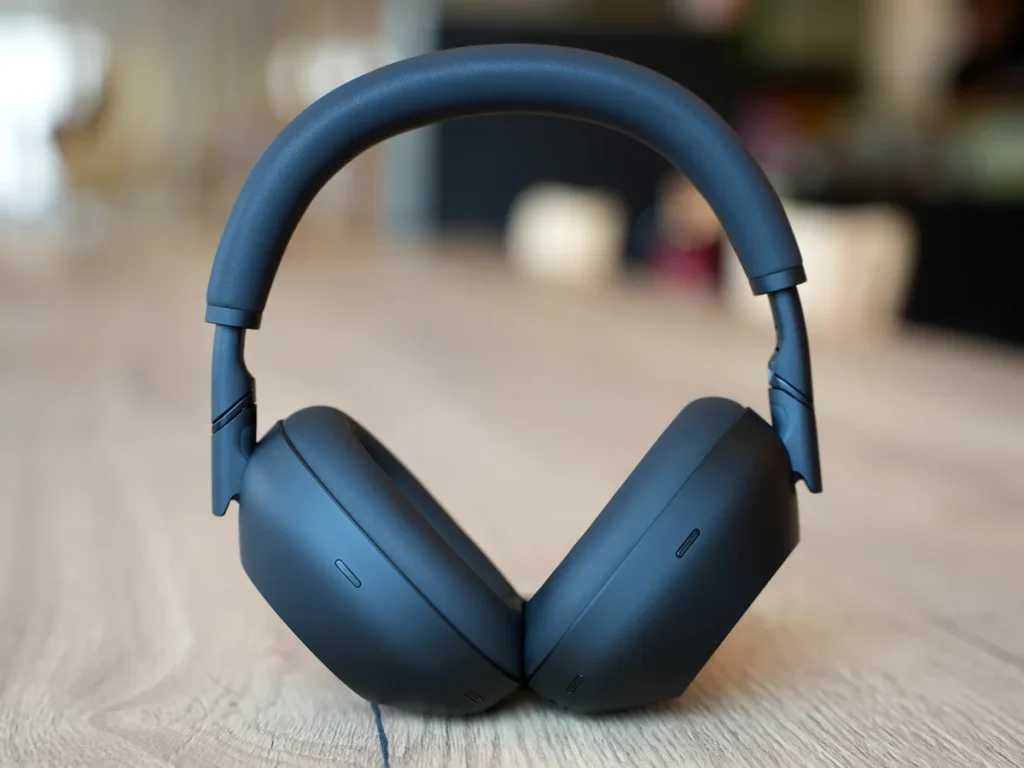
Sony’s WH-1000X series has dominated the premium noise-canceling market for good reason. I’ve owned the XM3 and currently use the XM5 as my primary headphones. These are built for people who obsess over technical specifications and want maximum control over their audio environment.
- Outstanding low-frequency suppression – Excellent at eliminating HVAC system rumble and traffic noise that creates constant background stress
- 30-hour battery life – Charge weekly rather than daily, with quick-charge giving three hours of use from ten minutes when you forget
- Balanced audio quality – Clear, unexaggerated sound suitable for extended listening without ear fatigue during long work sessions
- Advanced connectivity features – Multipoint pairing with two devices simultaneously, though with occasional 2-second lag when switching
- Comprehensive app control – Granular adjustments for noise cancellation levels, EQ settings, and adaptive sound control
The XM5 represents Sony’s best work yet. The active noise cancellation is outstanding at suppressing low-frequency rumble from HVAC systems and traffic noise. In office environments, it creates a genuine hush that reduces background chatter to a distant murmur. The 30-hour battery life means you’ll charge weekly rather than daily, and the quick-charge feature gives you three hours of use from a ten-minute charge when you forget.
Sound quality exceeds what most people need for work-focused listening. The XM5 delivers clear, balanced audio whether you’re listening to focus music, podcasts, or taking calls. The bass isn’t exaggerated like consumer headphones often are, making them suitable for extended listening without ear fatigue.
Touch controls on the right ear cup let you play, pause, skip tracks, and adjust volume with swipes and taps. This sounds convenient until you realize how often you accidentally trigger functions when adjusting the headphones or brushing your hair back. I’ve disabled most touch gestures except volume control because phantom triggers during important calls are maddening.
During a critical client call last year, I accidentally activated the voice assistant while adjusting my glasses, interrupting the presentation with “I’m sorry, I didn’t understand that.” The client laughed it off, but I switched to physical button controls for important meetings after that embarrassment. The convenience of touch controls isn’t worth the unpredictability during high-stakes conversations.
The speak-to-chat feature automatically pauses music when you start talking, which works well in theory but can be oversensitive. In practice, I turned this off after it kept triggering during video calls when others spoke. The transparency mode, which pipes outside sound back in so you can hear announcements or conversations without removing the headphones, works better and feels more useful for office environments.
Multipoint connectivity lets you pair with two devices simultaneously, switching between your laptop and phone without manual reconnecting. This works reasonably well, though not as seamlessly as Bose’s implementation. There’s occasionally a two-second lag when switching audio sources that can be annoying during back-to-back calls.
Comfort is good but not exceptional for all-day wear. The XM5 is lighter than previous models and the headband pressure has improved, but I still notice them after four or five hours. The ear cups don’t get particularly hot, which matters when you’re wearing them through multiple video calls in a poorly ventilated office.
Why Does Bose Win the Comfort Competition?
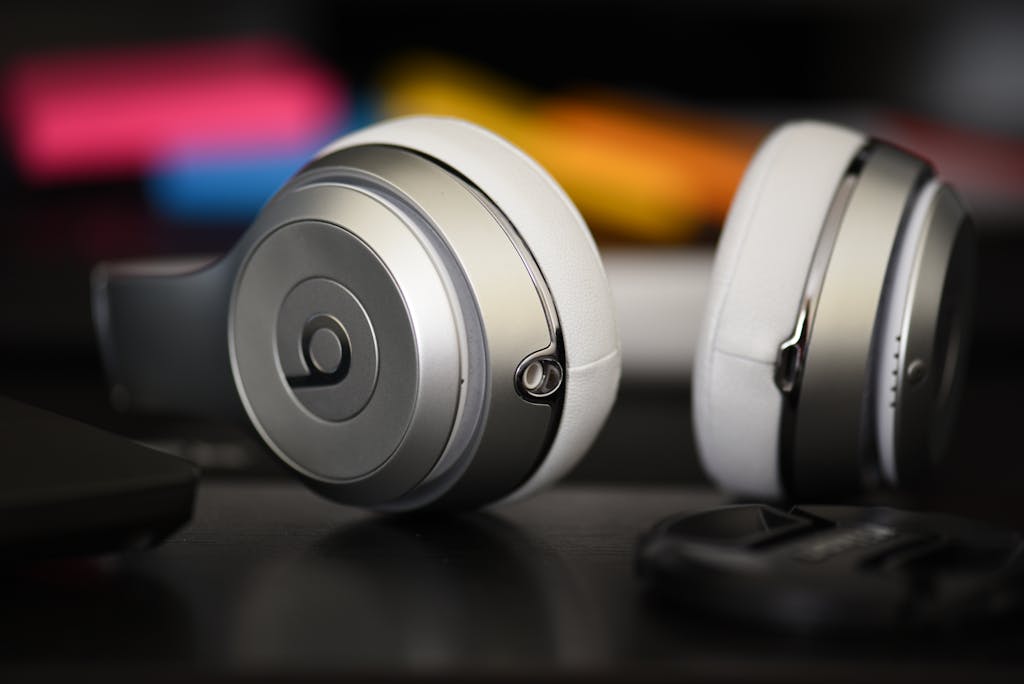
Bose built its reputation on two things: excellent noise cancellation and all-day comfort. I’ve used the QC35 II and the Noise Cancelling Headphones 700, keeping the 700 as my backup set. Where Sony focuses on features and technical superiority, Bose prioritizes refined execution of core functions.
- Superior voice frequency suppression – Handles office-specific speech frequencies better than Sony, creating more effective barriers against surrounding conversations
- All-day wearing comfort – Lighter weight with softer clamp force allows 6-7 hours of use without developing hot spots or pressure points
- Eight-microphone call system – Adaptive beamforming delivers consistently clear audio to whoever you’re talking with, reducing “can you repeat that?” moments
- Reliable physical controls – Buttons instead of touch surfaces eliminate accidental triggers when adjusting glasses or brushing hair
- Seamless device switching – Multipoint connectivity with less lag and fewer glitches when transitioning between laptop and phone calls
The Noise Cancelling Headphones 700 excel at suppressing human voices and office air handling noise. The cancellation feels calmer and more neutral than Sony’s, without the slight pressure sensation some people notice with aggressive ANC. For open office environments specifically, Bose handles speech frequencies exceptionally well, creating a barrier between you and surrounding conversations that feels natural rather than forced.
Comfort is where Bose wins decisively. The headphones are noticeably lighter with softer clamp force, and I can wear them for six or seven hours without developing hot spots. The ear cups are slightly larger and the padding more forgiving than Sony’s. If you’re wearing noise-canceling headphones eight hours a day five days a week, this comfort difference compounds into significant quality-of-life improvement.
Call quality is superior on the Bose 700 thanks to an eight-microphone system with adaptive beamforming. This matters more than most reviews acknowledge if you’re taking calls in noisy environments. The Sony picks up surrounding clatter during calls, requiring you to sometimes repeat yourself or find a quieter spot. The Bose consistently delivers clearer audio to whoever you’re talking with, reducing the number of “sorry, can you repeat that?” moments.
I discovered this difference during a particularly chaotic week when our office was under construction. With Sony headphones, clients kept asking me to repeat key points because my voice was competing with background drilling and machinery noise. When I switched to the Bose 700 for the same client the next day, the conversation flowed smoothly despite identical office conditions. The microphone array made the difference between professional calls and frustrating technical difficulties.
Physical buttons instead of touch controls might seem old-fashioned, but they’re more reliable in chaotic work environments. You won’t accidentally pause your music when you adjust your glasses or brush the headphones with your hand. The controls are intuitive enough that you’ll learn them within a day or two of use.
Multipoint connectivity feels more polished on Bose, switching between devices with less lag and fewer glitches. When a call comes in on your phone while you’re listening to music on your laptop, the transition happens smoothly without audio overlap or dropped connections.
Battery life at twenty hours is shorter than Sony’s thirty hours, but it’s still a full work week between charges for most people. The quick-charge feature gives you two and a half hours from a fifteen-minute charge.
The Bose QuietComfort 45 represents their more affordable option, using physical buttons throughout and offering similar comfort at a lower price point than the 700. The ANC is slightly less sophisticated but still highly effective for office use. If budget matters and you don’t need premium microphones, the QC45 delivers most of what makes Bose compelling.

How Do Sony and Bose Compare in Real Office Conditions?
After using both brands extensively in real office conditions, here’s how they compare on factors that matter most for introverts trying to protect their thinking space.
| Factor | Sony WH-1000XM5 | Bose 700 | Winner |
|---|---|---|---|
| Noise Cancellation | Better for low-frequency (HVAC, traffic) | Better for speech suppression | Tie (different strengths) |
| All-Day Comfort | Noticeable after 4-5 hours | Comfortable for 6-7 hours | Bose |
| Call Quality | Picks up background noise | Clear with 8-microphone system | Bose |
| Battery Life | 30 hours | 20 hours | Sony |
| Device Switching | Occasional 2-second lag | Seamless transitions | Bose |
| Controls | Touch (accidental triggers) | Physical buttons (reliable) | Bose |
| Audio Quality | Superior for music/media | Adequate for work audio | Sony |
Active noise cancellation effectiveness splits by use case. Sony provides slightly better overall suppression of low-frequency sounds like HVAC rumble and distant traffic. Bose handles office-specific frequencies better, particularly human voices and nearby conversations. Scientists at the Fraunhofer Institute found that while ANC headphones don’t necessarily improve objective cognitive performance, they significantly enhance subjective well-being, perceived privacy, and ability to concentrate in open offices. For pure open office use, Bose’s voice suppression gives it a practical edge, even if Sony measures marginally better in lab testing.
All-day comfort strongly favors Bose. The lighter weight and softer clamp pressure make a noticeable difference after four hours. If you’re wearing these throughout your entire workday, the Sony will remind you they’re there by mid-afternoon. The Bose feels less intrusive and causes fewer pressure points around your ears.
Call and meeting quality clearly belongs to Bose. The microphone array on the 700 handles background noise significantly better than Sony’s setup. If you’re taking frequent video calls from your open office desk, this isn’t a minor detail. It’s the difference between colleagues understanding you clearly versus asking you to repeat yourself multiple times per call.
Multipoint device switching works more reliably on Bose. Sony’s implementation is functional but occasionally drops connections or takes an extra second to transition between devices. When you’re jumping between laptop meetings and phone calls constantly, those small delays and reconnection hassles add friction to your workday.
Control reliability favors Bose’s physical buttons over Sony’s touch controls. Accidental triggers happen too frequently with touch-sensitive surfaces, especially if you wear glasses, have long hair, or adjust the headphones regularly. Physical buttons might feel less futuristic, but they work consistently without phantom inputs.
Sound quality for music and media gives Sony the advantage. The audio is clearer and more balanced, with better detail across frequencies. If you’re using these headphones for focused listening outside work hours, Sony provides a noticeably better experience. However, for work-focused audio like meetings, podcasts, and ambient music, the difference matters less than you might expect.
Battery life and quick-charging favor Sony substantially. Thirty hours versus twenty hours means charging every ten days instead of every seven for most users. The faster quick-charge on Sony is also convenient when you realize your headphones are dead fifteen minutes before an important call.
Value proposition depends on your priorities. The Sony WH-1000XM5 typically costs slightly more than the Bose 700 but offers more features and better battery life. The Bose QuietComfort 45 provides excellent value as a more affordable option that sacrifices some premium features but maintains the core comfort and ANC benefits.

Which Headphones Should You Choose for Your Work Style?
After testing these in actual open office conditions, here’s how I’d choose based on specific work patterns and priorities.
- Choose Sony WH-1000XM5 if you:
- Primarily do solo deep work with occasional calls
- Want maximum battery life between charges
- Care about audio quality for music and podcasts outside work
- Can tolerate slightly more noticeable headphones after several hours
- Choose Bose 700 if you:
- Take frequent video calls from your desk
- Need all-day comfort as your top priority
- Want reliable physical controls without accidental triggers
- Value seamless device switching between laptop and phone
- Choose Bose QuietComfort 45 if you:
- Budget is a significant constraint
- Don’t need premium call microphones
- Want proven comfort and effective ANC at a lower price
- Prefer physical controls throughout
For the record, I currently use Sony XM5 for solo deep work days and keep Bose 700 for high-meeting days. When I expect lots of surrounding conversation and back-to-back calls, Bose wins on comfort and microphone quality. When I’m heads-down on strategy work and want the best overall hush, Sony’s slightly superior ANC makes a difference.
My colleague with ADHD swears by Sony because the transparency mode helps her maintain spatial awareness without removing the headphones constantly. Another friend in customer service chooses Bose exclusively because call quality matters more than anything else in her role. Your specific work patterns should drive the decision more than abstract “which is better” debates, similar to how advancing your career as an introvert requires strategies aligned with your natural working style.
What Problems Won’t Noise-Canceling Headphones Solve?
Setting realistic expectations matters because ANC isn’t magic. It won’t fix fundamental problems with open office design, and overselling the technology leads to disappointment.
- Colleague interruptions continue – People will still tap your shoulder for quick questions, regardless of your headphone choice
- Speech isn’t completely eliminated – ANC reduces but doesn’t erase human voices, especially loud speakers or direct conversation
- Digital interruptions remain – Slack, email, calendar reminders, and phone calls still fragment attention just as effectively
- Extended wear creates fatigue – Even comfortable headphones cause pressure and heat buildup over 8-10 hour periods
- Social signals don’t work everywhere – Some office cultures ignore headphones or view them negatively as antisocial behavior
Noise-canceling headphones do not eliminate colleague interruptions. People will still tap your shoulder for quick questions. The headphones might signal “I’m focused,” but they won’t prevent interruptions if your office culture doesn’t respect visual busy signals. You’ll still need to set verbal boundaries around your availability through effective workplace conflict resolution strategies.
ANC reduces but doesn’t erase human speech. Both Sony and Bose lower voices to manageable background levels, but you’ll still hear nearby conversations, especially if someone’s speaking loudly or directly toward you. Adding low-volume music or ambient sound helps finish the job, but expecting complete silence from ANC alone sets you up for frustration.
Your own notifications and alerts remain as disruptive as ever. Slack, email, calendar reminders, and phone calls still interrupt your flow. The headphones only address environmental noise, not the digital interruptions that fragment attention just as effectively. You’ll still need to manage notification settings and communication expectations.
Extended wear creates its own fatigue. Even the most comfortable headphones cause some pressure and heat buildup over eight or ten-hour periods. Your ears need micro-breaks to prevent discomfort and that subtle pressure sensation some people experience from active noise cancellation. Taking them off for five minutes every few hours helps, particularly when you’re also managing introvert energy throughout the workday.
Temperature regulation gets worse with headphones covering your ears. In warm offices or during summer months, ear cup heat can become uncomfortable after several hours. Neither Sony nor Bose has solved this physics problem completely, though both have improved ventilation in recent models.
The social signal doesn’t work in every office culture. Some workplaces respect headphones as a “do not disturb” indicator. Others ignore them completely or even view them negatively as antisocial behavior. The technology can’t change office norms that don’t value focused work time.
Sound quality matters less than you think for work-focused audio. Both Sony and Bose provide more than adequate quality for meetings, podcasts, and ambient music. The audiophile differences that matter for music enjoyment mostly disappear when you’re using them as tools for concentration rather than entertainment.
How Do You Make This Investment Pay Off?
Premium noise-canceling headphones cost between $300 and $400, which feels like a lot until you calculate the value differently. If they protect even one hour of productive deep work per day, they pay for themselves in saved time and reduced stress within weeks for most professionals.
- Calculate productivity gains – One hour of protected deep work daily justifies the investment within weeks through saved time and reduced stress
- Buy once, use everywhere – Same headphones serve work focus, travel, and entertainment needs rather than requiring multiple pairs
- Extend battery life – Charge between 20-80% capacity rather than full cycles to maximize longevity over 3-4 years
- Consider professional toolkit value – These serve the same function as ergonomic chairs or monitors for creating optimal work environments
I spent years trying cheaper alternatives before accepting that premium ANC makes a genuine difference. The $150 options don’t provide the same level of voice suppression or all-day comfort, leading to abandonment within months. One quality purchase that lasts three or four years costs less than multiple disappointing budget options.
Consider your headphones part of your professional toolkit, not a luxury purchase. You wouldn’t hesitate to invest in a proper office chair or monitor that improved your productivity and reduced physical strain. Noise-canceling headphones serve the same function for cognitive work, creating an environment where your brain can function optimally, particularly valuable for those who transform their home into a productivity powerhouse.
Both Sony and Bose support multiple user profiles and can be shared between work and personal use, effectively serving as your only pair of premium headphones for all situations. The same headphones that help you focus during the workday deliver excellent audio for weekend travel or evening entertainment.
Battery longevity extends useful life significantly if you charge appropriately. Avoid leaving them at 100% charge constantly and don’t let them drain completely before recharging. Both brands use lithium batteries that last longer with moderate charging patterns between 20% and 80%.
The Bottom Line
I ordered that first pair of noise-canceling headphones in frustration after the celebration gong incident, but they became one of the most valuable tools in my professional arsenal. On days I used them strategically, I felt like I’d created two extra hours of usable brain time, not from working longer but from reducing cognitive leakage to environmental noise.
Neither Sony nor Bose is objectively better. They excel at different aspects of the open office challenge. Sony provides stronger overall ANC and better battery life for individual focused work. Bose delivers superior comfort and call quality for communication-heavy days. Your specific work patterns and priorities should determine which fits better.
The real victory isn’t choosing between these brands. It’s recognizing that your need for quiet concentration isn’t a personal failing but a legitimate requirement for doing your best work. Noise-canceling headphones won’t fix open office culture, but they can create the psychological space you need to think clearly despite it. For many introverts, this realization opened the door to understanding why remote work finally makes sense as a sustainable long-term solution.
If you’re still unsure which to choose, I’d suggest trying both through retailers with good return policies. A week of real-world testing in your actual office environment will reveal which feels better for your specific situation more effectively than any review can predict. Pay attention to which ones you forget you’re wearing and which leave you adjusting them constantly.
The angry keyboard typer eventually left for another agency, but I kept the headphones. They turned out to be more valuable than avoiding a single annoying colleague. They created a boundary between my thinking space and everything trying to interrupt it, letting me work the way my introvert brain actually functions rather than constantly fighting environmental factors I couldn’t control.
This article is part of our Introvert Tools & Products Hub – explore the full guide here.
About the Author
Keith Lacy is an introvert who’s learned to embrace his true self later in life. With a background in marketing and a successful career in media and advertising, Keith has worked with some of the world’s biggest brands. As a senior leader in the industry, he has built a wealth of knowledge in marketing strategy. Now, he’s on a mission to educate both introverts and extroverts about the power of introversion and how understanding this personality trait can unlock new levels of productivity, self-awareness, and success.