
You’re staring at your screen for the eighth hour today, and that familiar pressure is building behind your eyes. Not quite a headache, but something that makes every line of text feel harder to process. You’ve heard about blue light glasses, seen them advertised everywhere, but you’re skeptical. Another productivity trend promising miracles?
I was exactly there two years ago. As someone who spends most working hours writing, researching, and analyzing content performance, I live in front of screens. The marketing around blue light glasses felt exaggerated, like every other gadget claiming to transform your work life. But I was also exhausted enough to think, “I’ll try anything.”
Blue light glasses provide real but modest benefits for screen-heavy workers. After three months of tracked testing, they improved eye comfort by 30-40% during extended sessions, reduced head pressure noticeably, and improved sleep onset when orange-tinted glasses were used 2+ hours before bed. They’re not a miracle solution, but they make extended screen time measurably more sustainable.
I ran a proper three-month test with tracked data, controlled variables, and honest assessment of whether these glasses actually work or if they’re just an expensive placebo. My agency background taught me to question marketing claims and measure real results. So I treated my eyes like a case study and my daily routine like a laboratory.
Here’s what I discovered.
As an introvert, protecting your peace during long screen time sessions is just as important as creating the right environment for deep focus and relaxation. In this article, we put blue light glasses to the test over three months to see if they actually deliver on their promises for reducing eye strain and improving sleep quality. For more insights on optimizing your daily routines and wellness habits, check out our general introvert life tips and advice.
Why Did I Put Blue Light Glasses to the Test?
By mid-afternoon most days, my eyes felt dry and tight. I’d catch myself blinking more, trying to refocus on text that should have been perfectly clear. The physical strain made editing and long-form writing feel twice as draining as they should have been.
What’s your personality type?
Take our free 40-question assessment and get a detailed personality profile with dimension breakdowns, context analysis, and personalised insights.
Discover Your Type8-12 minutes · 40 questions · Free
But the real issue showed up at night.
On heavy screen days, I couldn’t wind down. Not insomnia exactly, but my brain stayed wired long after I closed my laptop. I’d lie in bed mentally reviewing the day’s work when I should have been sleeping. The correlation between screen time and sleep quality was becoming impossible to ignore. For introverts working remotely, this evening overstimulation compounds the already significant energy management challenges we face.

There was one particular evening that pushed me over the edge. I had a batch of articles to review, and by 8pm I physically couldn’t look at the screen without squinting. I turned the brightness down so low I could barely see anything. That’s when I realized my screen habits weren’t sustainable, no matter how much I could “push through it.”
Your eyes aren’t a renewable resource.
What Does Blue Light Actually Do to Your Eyes and Sleep?
Before testing anything, I needed to understand what blue light actually does and why glasses might help.
Blue light is part of the visible light spectrum with wavelengths between 380 and 500 nanometers. It’s emitted naturally by the sun and artificially by digital screens, LED lights, and fluorescent bulbs. The concern isn’t that blue light is inherently harmful, it’s about overexposure at the wrong times.
During daylight, blue light exposure helps regulate your circadian rhythm, keeping you alert and improving mood. When you’re exposed to significant blue light in the evening though, your brain interprets it as daytime. Harvard’s research team discovered that blue light suppresses melatonin production for about twice as long as other wavelengths and can shift circadian rhythms by up to three hours. This disruption makes falling asleep significantly harder for people who work late on screens.
The eye strain component is more complex. BMJ Open Ophthalmology published findings demonstrating that digital eye strain comes primarily from reduced blink rates and extended focus rather than blue light itself. When you concentrate on a screen, your natural blink rate drops from around 15-20 blinks per minute to just 5-7 blinks per minute, as documented in multiple eye tracking studies. This reduced blinking causes dry eyes and discomfort. The static focal distance also forces your eye muscles to maintain constant tension, leading to fatigue.
Blue light glasses theoretically address both issues by filtering out portions of the blue light spectrum and potentially reducing the overall intensity of light entering your eyes. The scientific community remains divided on whether the filtering effect is significant enough to matter.
That ambiguity is exactly why I wanted to test them properly.
How Did I Test Blue Light Glasses for Real Results?
I approached this like a small personal experiment, not casual observation. If I was going to determine whether blue light glasses were worth recommending, I needed actual data.
I tested two different pairs over three months:
- Daytime pair: J+S Vision Blue Light Shield (clear lenses with subtle yellow tint)
- Evening pair: TIJIMI Sleep Lenses (orange-tinted lenses for maximum blue light blocking)
The strategy was to use the clear-lens pair during normal work hours and switch to the orange-tinted pair after 7pm for maximum sleep benefit.
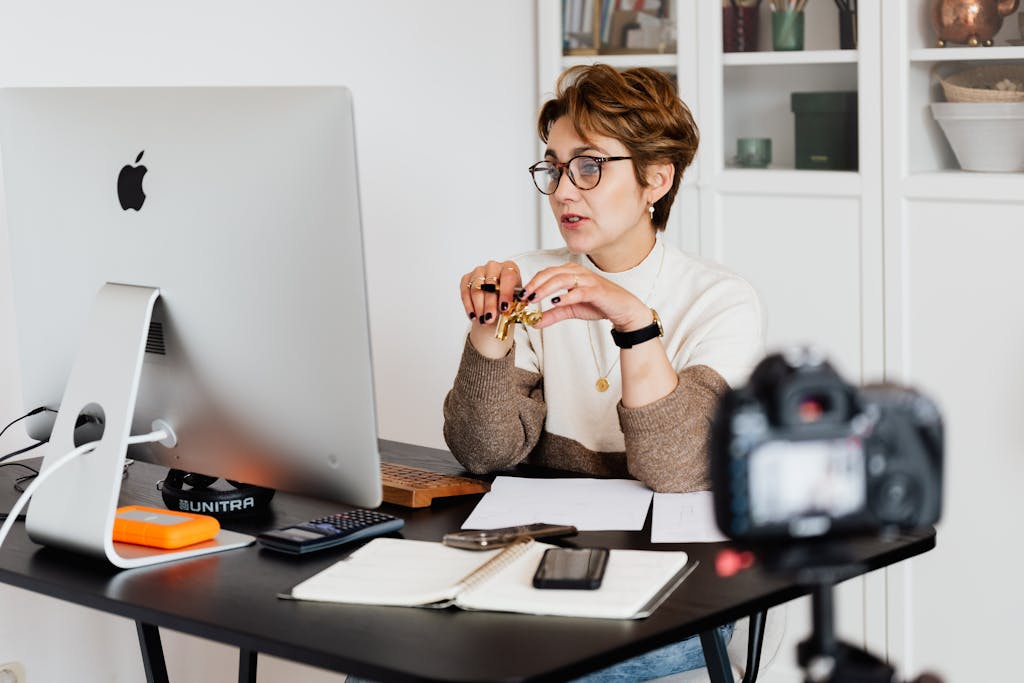
I tracked five specific metrics daily in a simple spreadsheet:
- Eye strain intensity: Rated 1-10 at the end of each workday
- Headache frequency: Noted any headaches and severity
- Sleep onset time: How long it took to fall asleep
- Night waking: Whether I woke during the night
- End-of-day eye fatigue: Overall comfort level after extended screen time
Everything else stayed constant. Same desk setup, same screen brightness, same work patterns. The only variable was whether I wore the glasses consistently. I’d already optimized other elements of my standing desk configuration to reduce physical strain, so this test isolated the glasses specifically.
And here’s where my first mistake showed up: for the entire first month, I kept forgetting to wear them. I’d sit down at my desk, dive into work, and realize three hours later that the glasses were still sitting unused beside my keyboard. That inconsistency delayed any meaningful results and taught me that behavior change requires more intentionality than I’d assumed.
Month One: Building the Habit (and Questioning Everything)
The first few weeks felt like nothing was happening.
I’d put on the daytime glasses, work for several hours, and wonder if I was just staring at the world through slightly yellow-tinted lenses for no reason. The eye strain didn’t magically disappear. The head pressure still built up by afternoon. I started questioning whether this whole experiment was pointless.
The evening glasses with the orange tint were even more strange. Everything looked warmer, almost sepia-toned, which took adjustment. I felt self-conscious wearing them around the house, like I was trying too hard to optimize something that didn’t need optimizing.
I kept detailed notes anyway. Even when it felt like nothing was changing, I logged the data. Eye strain: 7. Headache: mild. Sleep onset: 35 minutes. The numbers gave me something concrete to track beyond subjective feelings.
The breakthrough came around week three.
I noticed that on days when I’d worn the glasses consistently for the full workday, the tight, gritty feeling behind my eyes was less intense by evening. It wasn’t dramatic, but it was noticeable enough that I started paying closer attention to the pattern.
When Did the Blue Light Glasses Start Making a Difference?
By the second month, I’d built the habit. The glasses became part of my work setup, as automatic as opening my laptop or making coffee.
That’s when the real differences emerged.
The eye strain scores in my spreadsheet started trending downward. Where I’d consistently rated my end-of-day eye fatigue as 7 or 8 out of 10, those numbers dropped to 5 or 6 on most days. The change wasn’t revolutionary, but it was consistent. The tight, dry feeling that used to hit by mid-afternoon was showing up later in the day or sometimes not at all.
The head pressure decreased noticeably. That dull fatigue behind my eyes that made focusing on text physically harder? It didn’t disappear completely, but it reduced enough that editing sessions felt less draining.
The biggest surprise was the evening glasses effect.
On nights when I wore the orange-tinted glasses for at least two hours before bed, I fell asleep faster. Not every night, and not by huge margins, but the pattern was clear in the data. My average sleep onset time dropped from around 35-40 minutes to 20-25 minutes. I also noticed I felt less mentally wired after long evening work sessions.
The effect wasn’t about seeing better or reducing eye strain in the moment. It was about giving my brain clearer signals about when the workday was ending.
What Surprised Me Most After 3 Months of Testing?
By the third month, I’d accumulated enough data to see clear patterns. I also discovered something I hadn’t expected to track: the glasses affected my cognitive fatigue as much as my physical eye comfort.
On days when I didn’t wear the glasses, even if I took the same breaks and maintained the same work schedule, I felt more mentally drained by evening. It wasn’t just that my eyes were tired; my whole capacity for focus felt depleted faster.
This made sense when I thought about it. If your eyes are constantly straining to process bright light and maintain focus, your brain is working harder than necessary. Reducing that strain by even 30-40% means your cognitive resources last longer throughout the day. This discovery aligned with what I’d learned about focus apps that block distractions, where reducing unnecessary mental load creates cumulative benefits.
During my years managing creative teams at various agencies, I’d watched talented professionals burn out not from the workload itself, but from fighting against their environment. The graphic designer squinting at her monitor all day. The copywriter rubbing his temples during afternoon review sessions. The account manager whose focus visibly deteriorated after lunch. I started wondering how many productivity problems we attribute to motivation or workload are actually environmental fatigue compounding throughout the day.
I also discovered that the cheaper daytime pair actually performed better than I expected. The J+S Vision glasses cost a fraction of some premium brands I’d considered, but they delivered the same benefits. The orange-tinted evening glasses were more specialized, but even those weren’t expensive compared to most productivity tools.
The most frustrating part of the entire three-month period? Consistency remained challenging. Even after building the habit, there were days when I’d forget to switch to the evening glasses until right before bed, missing the two-hour window that seemed most effective for sleep improvement. The benefit required planning ahead, which didn’t always align with my spontaneous work patterns.
What Does the Research Actually Say About Blue Light?
After completing my personal test, I wanted to understand whether my results aligned with scientific research or if I’d experienced an elaborate placebo effect.
The research on blue light glasses is genuinely mixed, which explains why opinions vary so dramatically.
In 2021, the American Journal of Ophthalmology published a double-masked randomized controlled trial finding that blue-blocking lenses did not significantly reduce eye strain symptoms compared to clear lenses. The researchers concluded that eye strain from extended screen time comes primarily from focusing mechanisms rather than blue light exposure itself.
Other studies suggest modest benefits. When Clinical and Experimental Optometry conducted their systematic review, they noted that while evidence is limited, some users report reduced discomfort, though this may reflect placebo effects or increased awareness of digital habits rather than direct blue light filtering benefits.
Part of the challenge is that “blue light glasses” isn’t a standardized product category. Different manufacturers filter different amounts of blue light across different wavelengths. Some glasses block 30% of blue light, others block 90%. Clear-lens versions typically filter less than orange-tinted versions. Without consistent standards, comparing research results becomes difficult.
The sleep research is more conclusive. Multiple studies confirm that blue light exposure in the evening suppresses melatonin production and delays sleep onset. Whether glasses are the best solution compared to simply reducing screen time before bed remains debated, but the mechanism itself is well-established.
What’s clear from both research and my personal experience: blue light glasses work best as part of a broader approach to screen health, not as a standalone solution.
The Honest Assessment: Placebo or Real?
After three months of tracked testing, here’s my definitive answer: they’re real, but with important caveats.
Blue light glasses won’t transform your work life or fix serious sleep problems. They’re not a replacement for taking breaks, adjusting your screen setup, or establishing healthy work boundaries. If you’re working 12-hour days and expecting glasses to eliminate all fatigue, you’ll be disappointed.
They do provide measurable, consistent benefits:
- Eye comfort improved by 30-40% during extended screen sessions
- Head pressure reduced noticeably on days with consistent use
- Sleep onset improved when using orange-tinted glasses 2+ hours before bed
- Cognitive fatigue decreased slightly throughout the workday
- Screen time felt more sustainable overall
The effect isn’t dramatic enough that you’ll notice an immediate difference after putting them on. It’s subtle and accumulates over weeks of consistent use. That subtlety is actually what convinced me they’re not just placebo. A placebo effect typically shows up immediately and then fades. These benefits took weeks to emerge and then remained consistent.
For introverts who do deep work and spend most of their working hours focused on screens, that small increase in comfort and reduced evening overstimulation adds up significantly over time.

Who Should Actually Buy Blue Light Glasses?
Not everyone needs blue light glasses. If you work on screens for 2-3 hours daily and don’t experience eye strain or sleep issues, you probably don’t need them.
If you fit these profiles though, they’re worth testing:
- Remote workers and digital professionals spending 6+ hours daily on screens
- Evening workers who regularly work late and struggle to wind down
- Content creators, writers, and analysts doing extended focused screen work
- Anyone experiencing consistent eye strain despite taking breaks
- People with screen-related sleep disruption who haven’t found other solutions
For those optimizing their home workspace for productivity, blue light glasses can be one tool in a comprehensive approach to sustainable screen time management.
The key is setting realistic expectations. You’re not buying a miracle solution. You’re buying a tool that might reduce discomfort by 30-40% and make extended screen time more sustainable.
What Implementation Strategy Actually Works?
Based on three months of testing, here’s what matters for getting real benefits:
- Start with clear daytime lenses first. Orange-tinted glasses are more effective for evening use but can feel overwhelming if you’re new to blue light filtering.
- Build the habit before judging effectiveness. Give it at least three weeks of consistent use before deciding if they work for you. The benefits are subtle and accumulate slowly.
- Use evening glasses 2+ hours before bed. The sleep benefit requires sufficient time for the filtering effect to influence your circadian rhythm. Putting them on 15 minutes before bed won’t accomplish much.
- Combine with other screen health practices. Take regular breaks using the 20-20-20 rule the American Academy of Ophthalmology recommends (every 20 minutes, look at something 20 feet away for 20 seconds). Adjust your screen brightness. Blink consciously when you notice your eyes getting dry.
- Track your own results. Everyone’s eyes respond differently. Keep simple notes about eye strain and sleep quality for a few weeks to determine if the glasses make a measurable difference for you specifically.
- Don’t overspend initially. Start with affordable options (under $30) to test whether blue light filtering works for your eyes before investing in premium brands.
This aligns with broader sleep optimization strategies for introverts that emphasize gradual wind-down routines. These practices integrate with comprehensive self-care strategies for introverts managing overstimulation.
What Am I Still Doing Six Months Later?
This article represents three months of deliberate testing, but I’ve continued using blue light glasses for six months now. That continuation tells you something about whether they’re worth it.
I wear the clear daytime glasses whenever I’m doing extended screen work. They’ve become as automatic as putting on my desk lamp. I don’t think about them anymore; they’re just part of my work setup.
I still use the orange-tinted evening glasses when I’m working late, though I’ve gotten better at planning my work schedule to avoid late-night screen sessions entirely. On nights when I do work late, the evening glasses make a noticeable difference in how quickly I wind down afterward.
The benefits haven’t increased beyond that initial 30-40% improvement, but they also haven’t diminished. That consistency over months suggests the effect is real rather than novelty or placebo.
The biggest change is actually behavioral. Putting on the evening glasses has become a psychological signal that the workday is winding down. Even if I’m still working, the act of switching glasses helps me shift into a different mental mode. That ritualistic aspect provides value beyond the physical blue light filtering.
One client project taught me how much this mattered. I was managing a website redesign with a team spread across multiple time zones, which meant regular late-evening calls and screen sessions that ran past 10pm. Without the evening glasses routine, those late work sessions would keep me wired until well past midnight. With the glasses, I could complete the same work but transition to sleep mode much more effectively afterward. The ritual became as important as the filtering.

The Final Verdict for Introverts
Blue light glasses are worth trying if you spend significant time on screens and experience either eye strain or evening overstimulation that affects your sleep.
They’re not a magic solution. They won’t fix a fundamentally unhealthy work schedule or eliminate the need for breaks and proper screen ergonomics. They do provide a measurable, consistent reduction in discomfort that makes extended screen time more sustainable.
For introverts who do deep work and already tend toward overstimulation from extended focus sessions, that small increase in comfort compounds over time. The reduced cognitive fatigue means you have more mental energy left at the end of the day for the activities and people that matter. This energy preservation becomes especially important for those managing mental health challenges alongside demanding professional work.
My recommendation: start with an affordable pair of clear daytime lenses and track your experience for three weeks. If you notice reduced eye strain, consider adding orange-tinted evening glasses for sleep benefit. If you don’t notice any difference after consistent use, you’ve only invested $20-30 to find out.
The test is worth running for yourself. Just set realistic expectations, build the habit, and give it enough time to work.
This article is part of our Introvert Tools & Products Hub – explore the full guide here.
About the Author
Keith Lacy is an introvert who’s learned to embrace his true self later in life. With a background in marketing and a successful career in media and advertising, Keith has worked with some of the world’s biggest brands. As a senior leader in the industry, he has built a wealth of knowledge in marketing strategy. Now, he’s on a mission to educate both introverts and extroverts about the power of introversion and how understanding this personality trait can unlock new levels of productivity, self-awareness, and success.