
I once pulled out my old leather wallet during a client meeting, and the seam split right there at the table. Someone laughed and called it a “George Costanza wallet.” They were joking, but I felt something shift. I was carrying around physical clutter that didn’t match the rest of my life, which I’d spent years trying to keep clean, minimal, and intentional.
Minimalist wallets solve the clutter problem, but most designs scream “productivity bro” with tactical aesthetics, metal construction, and engineering that performs sophistication rather than serving daily life. After testing seven different minimalist wallets over two years, I discovered genuine alternatives that support quiet confidence without the performance theater.
During my testing rotation, I learned that the difference between minimalism that serves you quietly and minimalism that announces your lifestyle optimization matters more than capacity or clever mechanisms. This guide shares which wallets actually work for introverts who want simplicity without the tactical aesthetic.

Why Do Most Minimalist Wallets Feel Wrong for Introverts?
The minimalist wallet market is dominated by a very specific aesthetic. It’s hyper-masculine, performance-optimized, and designed to look like it could survive a nuclear winter. The Ridge Wallet is probably the most recognizable example. All metal construction, RFID blocking capabilities, and a design language that suggests you’re preparing for tactical operations rather than just carrying your credit cards.
What’s your personality type?
Take our free 40-question assessment and get a detailed personality profile with dimension breakdowns, context analysis, and personalised insights.
Discover Your Type8-12 minutes · 40 questions · Free
There’s nothing inherently wrong with that aesthetic if it matches your personality. But for introverts who prefer quiet confidence over performance, these wallets feel like you’re wearing someone else’s personality.
I went through a phase where I used a metal wallet because I thought I needed to level up my everyday carry. But every time I pulled it out, it felt performative. Like I was trying on an identity that didn’t fit. The wallet made a distinctive metal sound when I set it down. It was cold to the touch. It drew attention in a way that felt fundamentally incompatible with how I move through the world.
The breakthrough came when I realized what I actually wanted:
- Soft materials that warm to your touch rather than cold metal that feels harsh
- Simple lines without tactical angles or engineering theater
- Quiet functionality that doesn’t announce itself when you use it
- Neutral aesthetics that fade into your daily routine rather than performing a lifestyle
That’s typically what introverts need from their accessories. Not tactical readiness or optimization theater, but genuine functionality that fades into the background of daily life. Psychology Today published findings on how minimalism promotes mental well-being through autonomy, competence, and mental space, which aligns perfectly with introvert preferences for items that support rather than distract.
How Did I Test These Wallets in Real Life?
I tested seven different minimalist wallets over several months, rotating them weekly to understand how each one performed across different situations. Business meetings, casual weekends, travel, everyday errands. The testing criteria were simple but specific:
- One-handed access while holding coffee or groceries
- Comfortable pocket carry without creating bulges or hard edges
- Sound discretion when setting down or handling
- Public use comfort when pulling out in meetings or restaurants
- Clutter resistance capacity that encourages intentional carrying
The wallets I tested included the Bellroy Slim Sleeve, Secrid Slim Wallet, Ridge Wallet, a simple leather card holder from a small Irish maker, and the Ekster Parliament. Each had strengths and weaknesses that only became clear through extended use.

What surprised me most was how much the material mattered. Metal wallets look sleek in photos, but they feel harsh in your hand. They’re cold. They make noise. They have hard edges that dig into your leg when you sit down. After a week with the Ridge, I understood that what works in a product photo doesn’t necessarily work in your actual life.
Leather wallets, on the other hand, feel natural. They warm up to your body temperature. They soften over time. They’re quiet. A well-designed leather minimalist wallet can hold more than you’d expect without bulging, while metal wallets struggle with anything beyond six or seven cards.
The other major discovery was that card ejection mechanisms, which look incredibly clever in demonstration videos, actually feel gimmicky after a few days of use. You pull a lever, cards fan out, you select one. It’s a solution looking for a problem. Just reaching into a well-designed slot is faster and more intuitive.
What Was I Actually Carrying and Why Did It Matter?
Moving to a minimalist wallet wasn’t just about physical space. There’s interesting data from consumer behavior studies showing that people who make purchasing decisions based on personal preferences rather than social influence report higher satisfaction and greater confidence in their self-expression.
When I examined what I was actually carrying, I found:
- Receipts from two years ago that I’d never looked at again
- Hotel key cards from trips I’d forgotten about
- Loyalty cards for places I didn’t even remember visiting
- Business cards from people I’d never contacted
- Insurance cards for policies that had expired
The wallet had become an archive of habits rather than a tool. This connects directly to how introverts create home environments that support rather than drain energy. The same principles apply to everything we carry.

Which Wallets Actually Work in Daily Life?
Bellroy Slim Sleeve
This became my daily carry for over a year. It’s leather, holds up to twelve cards (though I use it with six or seven), includes a small note pocket, and maintains a slim profile without feeling engineered. The leather is soft enough to be comfortable but structured enough to maintain shape.
What works:
- Genuinely neutral design that doesn’t announce a personality type or lifestyle
- Comfortable soft leather that warms to your body temperature
- Practical note pocket for occasional receipts or folded cash
- Discourages clutter without feeling restrictively small
What doesn’t: After about eighteen months, the card slots started to stretch slightly. Not enough to lose cards, but enough to notice. This seems to be a common issue with leather minimalist wallets, the trade-off for that comfortable softness.
Secrid Slim Wallet
This is a hybrid design. Metal card case with a leather exterior. You press a lever, and your cards slide out in a cascading display. It’s clever, and it solves the problem of card access.
What works:
- Reliable mechanism that worked smoothly after six months of testing
- Leather exterior makes it feel less aggressive than pure metal designs
- Good card capacity for such a thin profile
- RFID protection if that’s something you’re concerned about
What doesn’t: The ejection mechanism, while functional, feels unnecessarily complicated for everyday use. I found myself pulling individual cards from the leather slots more often than using the clever mechanism. Also, at about two inches tall, it’s noticeably taller than other minimalist designs, which creates a strange pocket bulge.
Ridge Wallet
I need to be direct about this one. I hated it. The Ridge is the most popular minimalist wallet, and I understand why it appeals to certain people. But for introverts who prefer subtle design, it’s aggressively wrong.
What works:
- Extremely durable construction that will outlast any leather alternative
- Legitimate RFID blocking if that’s something you’re concerned about
- Decent capacity for such a thin design profile
What doesn’t: Everything about the aesthetic feels like performance. The metal construction is cold and uncomfortable. It makes a distinctive sound when you set it down. The strap that holds bills feels cheap despite the wallet’s premium price. Most critically, it attracts attention and comments, which is exactly what many introverts don’t want from their everyday carry items.
Small Irish Maker Leather Card Holder
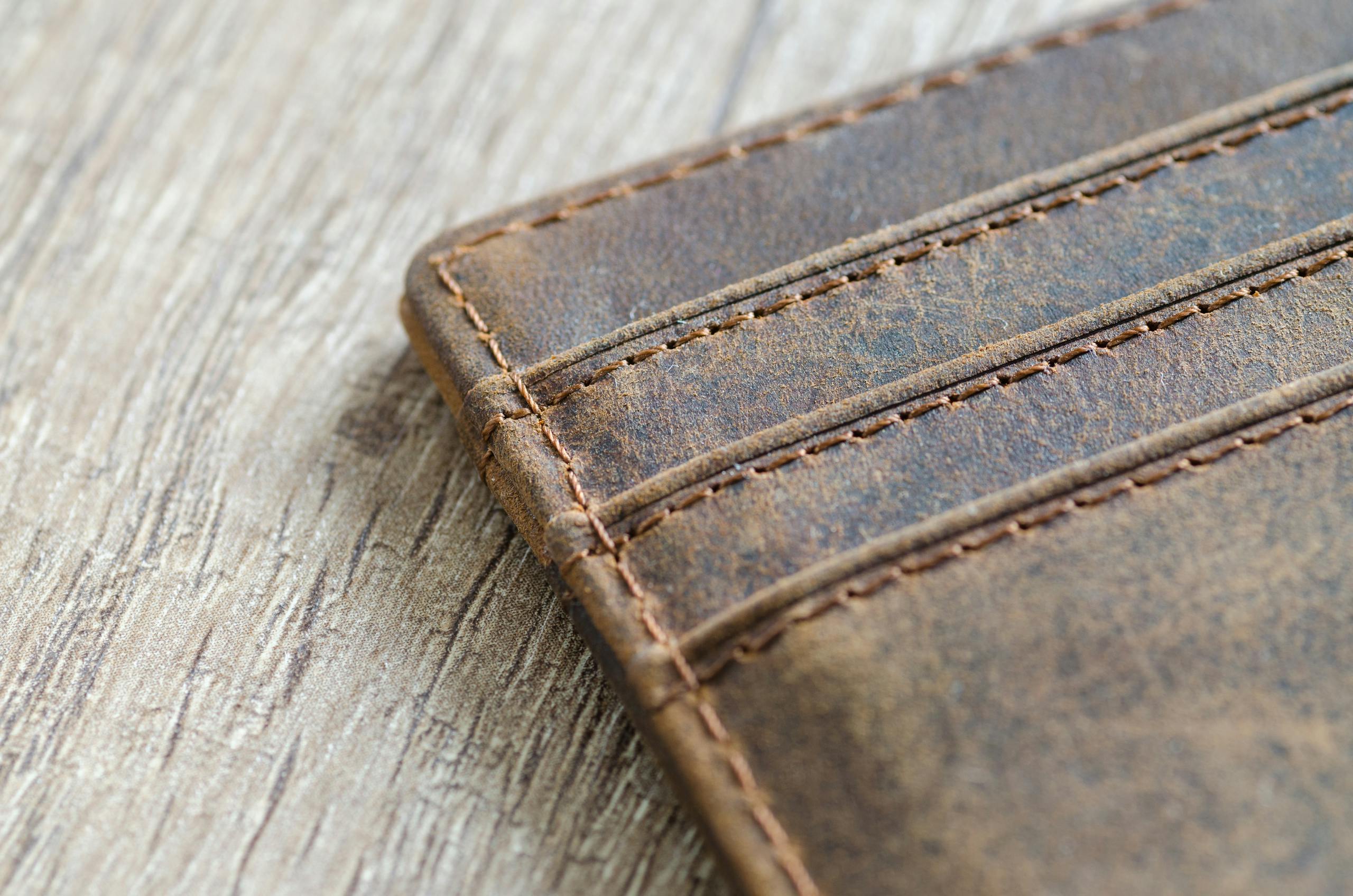
I bought this from a small leather goods maker in Ireland during a trip several years ago. It’s the simplest design I tested: just three card slots and one larger pocket. No branding, no clever mechanisms, just leather and stitching.
What works:
- Most comfortable wallet I’ve used, with soft leather and minimal structure
- Completely silent in use, no mechanical sounds or hard edges
- Holds exactly what I need without tempting me to carry more
- Beautiful aging that develops character over time rather than just wear
What doesn’t: The simplicity is both strength and weakness. There’s no coin pocket, which occasionally proves inconvenient. The lack of structure means it can look slightly rumpled in your pocket, though I’ve come to see this as character rather than flaw.
Ekster Parliament
This wallet promises to be the “smart wallet.” It includes tracking technology so you can find it through an app if it’s lost. The design is sleek leather with an integrated metal cardholder and lever mechanism similar to Secrid.
What works:
- Tracking feature actually works, though I’ve only tested it a few times
- More subtle design than Ridge while still being feature-rich
- Solid build quality that feels premium in hand
What doesn’t: It’s thicker than it needs to be due to the tracking technology. The lever mechanism, like Secrid, feels unnecessary after you’ve used it for a while. Also, any wallet that requires charging or battery replacement starts to feel like it’s creating problems rather than solving them.

What Should You Actually Look for in a Minimalist Wallet?
After testing these different approaches, several criteria emerged as genuinely important for introverts who want minimalist wallets that don’t perform productivity culture:
Material Matters More Than Features
Leather feels better than metal in almost every practical dimension. It’s warmer, quieter, more comfortable against your body, and ages in a way that adds character rather than just wear. Metal wallets might look impressive, but they feel alienating in daily use. This aligns with how many introverts approach authentic self-expression through fashion, preferring materials and designs that feel natural rather than performative.
Simplicity Beats Clever Mechanisms
Card ejection levers, clips, straps, and other mechanical features look innovative but rarely improve the experience of actually using the wallet. A well-designed set of card slots is faster, more reliable, and less likely to break or wear out over time. The APA’s work on decision fatigue shows that reducing complexity in everyday choices preserves mental energy for more important decisions.
Capacity Should Discourage Clutter
One of the main benefits of a minimalist wallet is that it forces you to be intentional about what you carry. A wallet that holds three to eight cards is usually ideal. More capacity than that, and you’ll start carrying cards you don’t actually use regularly, defeating the purpose of going minimal in the first place.
Aesthetics Should Be Neutral
The wallet shouldn’t announce a lifestyle or personality type. No tactical styling, no high-tech materials just for the sake of looking high-tech, no branding that performs sophistication. The goal is a wallet that fades into the background of your daily life while functioning reliably. Just as introverts benefit from optimizing daily routines that support their energy rather than drain it, everyday carry items should work the same way.
One-Handed Usability
You should be able to access your most commonly used cards with one hand while holding something else in your other hand. This is more important than it sounds. Most of the time you need your wallet, you’re also juggling coffee, groceries, phone, or keys.
Which Wallet Works Best for Different Introvert Needs?
Not every introvert has the same requirements. What you need from a minimalist wallet depends on your daily routines, aesthetic preferences, and how you use physical cards versus digital payments.
For Traditionalists Who Still Use Cash
If you regularly need to carry cash, most ultra-minimalist designs will frustrate you. Look for slim bifold designs rather than card cases.
- Bellroy Note Sleeve works well here with proper note pocket that doesn’t feel like an afterthought
- Slim enough to qualify as minimalist but includes functional cash storage
- Structured design that keeps bills neat without bulk
For Digital-First Users
If you primarily use digital payments and only carry cards for backup, you can go extremely minimal.
- Simple three-slot card holder is probably sufficient for this use case
- License, backup credit card, health insurance card covers most emergency needs
- Ultra-thin profile that disappears in your pocket
For International Travelers
Travel complicates everything because you need to carry multiple currencies, more cards, and possibly additional documents.
- Bellroy Travel Wallet provides minimalism relative to traditional travel wallets
- Larger capacity but still dramatically simpler than bulky travel wallets
- Multiple currency organization without overwhelming complexity

For People Transitioning from Traditional Wallets
If you’re used to carrying a full-size wallet stuffed with receipts, loyalty cards, and multiple forms of ID, moving to a minimalist design requires adjustment.
- Start with Bellroy Slim Sleeve that provides more capacity than ultra-minimal designs
- Time to audit what you actually use versus what you’re carrying out of habit
- Gradual transition that doesn’t feel restrictive while you adjust
What Do I Actually Carry Now?
After testing all these options, I’ve settled back on the simple Irish leather card holder for daily use. It holds my license, one credit card, one debit card, and my health insurance card. That’s it. Everything else has either moved to digital storage or been eliminated because I realized I wasn’t actually using it.
For travel or situations where I know I’ll need more capacity, I switch to the Bellroy Slim Sleeve. But 90% of the time, the ultra-simple three-slot card holder is sufficient.
This isn’t about finding the objectively best wallet. It’s about finding the wallet that matches how you actually move through the world. For introverts, that usually means something quiet, soft, and simple. Not tactical, not engineered, not performing sophistication.
Just functional in a way that fades into the background of daily life. This mirrors the broader principles of introvert energy management, where efficiency and intentionality support rather than deplete your resources.
What’s the Real Question You Should Ask Yourself?
The minimalist wallet conversation is about something larger than card storage. It’s about deciding what version of yourself you’re presenting to the world, even in small details like what you pull out of your pocket.
For years, I carried that overstuffed leather wallet because I wasn’t paying attention. When I finally looked at what I was carrying, I found receipts from two years ago, hotel key cards from trips I’d forgotten, and loyalty cards for places I didn’t even remember visiting. The wallet had become an archive of habits rather than a tool.
Moving to a minimalist design wasn’t just about physical space. It was about being more intentional with what I carry and, by extension, what I allow to accumulate in my life more broadly. The wallet that forces you to choose what to carry also forces you to think about whether you need to carry anything at all. A study in the Journal of Positive Psychology found that reducing consumption and lowering focus on material goods was directly related to increased happiness and well-being.
Most introverts I know prefer this level of intention over the performance of optimization. We don’t need tactical wallets that survive disaster scenarios. We need simple, well-made tools that support how we actually live without announcing themselves.
If you’re considering a minimalist wallet, ignore the marketing around RFID protection, aircraft-grade aluminum, and military-spec durability. Those are solutions to problems most people don’t have. Instead, think about what would make your daily routine slightly more intentional and less cluttered.
Usually, that’s just a simple leather card holder that does its job quietly and gets out of your way.
This article is part of our Introvert Tools & Products Hub , explore the full guide here.
About the Author
Keith Lacy is an introvert who’s learned to embrace his true self later in life. With a background in marketing and a successful career in media and advertising, Keith has worked with some of the world’s biggest brands. As a senior leader in the industry, he has built a wealth of knowledge in marketing strategy. Now, he’s on a mission to educate both introverts and extroverts about the power of introversion and how understanding this personality trait can accelerate new levels of productivity, self-awareness, and success.