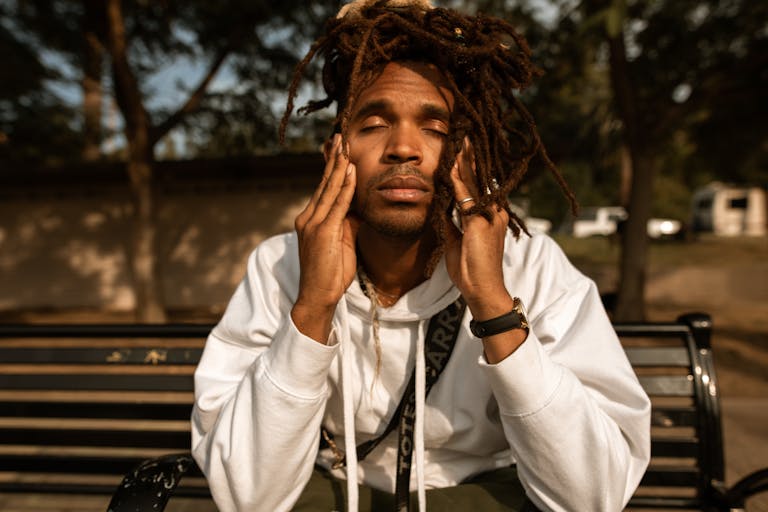

Dating apps were not built for the INTJ mind. The swipe-based format rewards quick impressions, surface-level charm, and high-volume social energy, which are qualities that run counter to how most INTJs actually connect with people. Yet with a deliberate strategy that plays to their genuine strengths, INTJs can use these platforms effectively and build relationships that actually last.
An INTJ dating app strategy works best when it treats the process like a system worth optimizing rather than a social performance worth enduring. That means crafting a profile that signals depth, filtering conversations with intention, and moving toward real connection on a timeline that makes sense for your personality rather than the app’s algorithm.
What follows is a practical, honest guide to approaching dating apps as an INTJ, covering profile construction, conversation strategy, compatibility filtering, and the emotional side of putting yourself out there when vulnerability doesn’t come naturally.
This article is part of a broader conversation about how analytical introverts think, connect, and build meaningful lives. Our MBTI Introverted Analysts (INTJ & INTP) hub covers the full range of topics relevant to these personality types, from cognitive patterns and career choices to relationships and self-understanding. If you’re an INTJ trying to make sense of your own wiring, that hub is worth exploring.

- Treat dating apps as a system to optimize rather than a social performance to endure.
- Design your profile to signal depth and competence instead of projecting quick warmth and accessibility.
- Filter conversations intentionally and move toward real connection on your own timeline, not the algorithm’s.
- Recognize that dating app design favors extraverts, making the platform’s structure the problem, not your personality.
- Craft a strategy that plays to your genuine strengths of analysis and depth rather than fighting your natural wiring.
Why Do Dating Apps Feel So Wrong for INTJs?
My agency years taught me something about first impressions that I’ve never quite made peace with. When pitching to a new client, the first five minutes were almost entirely about energy, presence, and the ability to project confidence before you’d said anything substantive. I was good at it when I prepared carefully, but it always felt like performing a version of myself that wasn’t quite accurate. Dating apps trigger the same discomfort, just in a more personal arena.
The core problem is structural. Most dating platforms are built around rapid visual assessment and short-form self-promotion. You have a handful of photos, a brief bio, and maybe a few prompts to work with. That format suits people who project warmth and accessibility quickly. INTJs tend to project competence and depth, which takes longer to register and often reads as aloofness in a thumbnail-sized context.
A 2020 study published in Frontiers in Psychology found that personality traits significantly influence how people present themselves in online dating contexts, with individuals higher in openness and extraversion tending to craft profiles that generate more initial engagement. That’s not a verdict on the quality of an INTJ’s character. It’s a design problem with the medium itself.
Recognizing that mismatch is actually the first step toward fixing it. Once you stop expecting the process to feel natural and start treating it as a system with specific inputs and outputs, the whole thing becomes more manageable. INTJs are exceptionally good at optimizing systems. The challenge is accepting that this particular system involves emotional stakes.
How Should an INTJ Build a Dating Profile That Actually Reflects Them?
Most dating profile advice is built around maximizing appeal to the broadest possible audience. That’s exactly the wrong goal for an INTJ. A profile designed to attract everyone will attract people who are wrong for you, which wastes time and generates the kind of shallow interactions that drain your energy fastest.
Think of your profile as a filter, not a billboard. success doesn’t mean get the most matches. The goal is to get matches from people who are genuinely compatible with the way you think and connect. That shift in framing changes every decision you make about what to include.
On photos, lead with something that shows you engaged in something you actually care about. Not a posed bar shot or a group photo where your identity gets diluted. A photo of you hiking a specific trail, working on a project, or at a place that has real meaning to you says more about your character than a dozen flattering selfies. INTJs tend to be private about their inner world, but photos that hint at genuine interests invite the right kind of curiosity.
On the bio, resist the temptation to be vague in an attempt to seem approachable. Vague bios attract vague people. Write something specific. Name a book that genuinely changed how you think. Describe a problem you’ve been turning over in your mind. Mention what kind of conversation makes you feel most alive. Specificity is both honest and magnetic for the right person.
One thing worth knowing: the INTJ profile challenge is distinct from what, say, an INTP faces. If you’re curious about the differences in how these two analytical types show up in self-presentation and relationship patterns, the comparison article on INTP vs INTJ essential cognitive differences breaks down the underlying reasons those differences exist at a cognitive level.

What Conversation Strategy Works Best for INTJs on Dating Apps?
Small talk is painful for most INTJs. I know this from decades of experience, not just in dating but in every professional context that required warming up a room before getting to the actual point. At the agency, I eventually learned to treat the first few minutes of a client meeting as a necessary ritual rather than a waste of time. Dating app conversations require a similar reframe.
That said, there’s a difference between tolerating surface-level conversation and staying trapped in it indefinitely. A useful approach is to spend two or three exchanges on the conventional opener, then introduce a question that has some actual substance. Not something interrogative or heavy, but something that signals you’re interested in how they think, not just what they look like or where they went to school.
Good pivots might sound like: “I noticed you mentioned [specific thing from their profile]. What drew you to that?” or “What’s something you’ve been genuinely excited about lately?” These questions aren’t profound, but they open a door to real conversation without feeling like an interview. They also reveal compatibility information quickly, which is valuable for a type that hates wasting time on the wrong matches.
Response time is worth thinking about too. INTJs often prefer to craft thoughtful replies rather than firing back instantly, and that’s fine. A well-considered response beats a reflexive one. Most people who are genuinely interested will appreciate the quality of your engagement more than the speed of it. If someone loses interest because you took an hour to reply with something substantive, that’s useful information about compatibility.
One pattern to watch: the tendency to over-explain or front-load too much intellectual content early in a conversation. I’ve caught myself doing this, writing paragraphs when a sentence would do, because explaining things thoroughly feels safer than leaving space for ambiguity. Dating app conversations benefit from some breathing room. Leave threads open. Ask follow-up questions. Let the other person contribute.
How Do INTJs Filter for Compatibility Before Investing Time?
One of the genuine advantages INTJs bring to dating apps is the ability to evaluate compatibility systematically. Where other types might get swept up in surface-level attraction and figure out the deeper stuff later, INTJs tend to run a mental checklist early and often. The challenge is doing that without becoming so clinical that you screen out people who might surprise you.
A practical approach is to identify three to five non-negotiable values or life orientations that matter most to you, then look for evidence of those in the conversation before agreeing to meet in person. Not a formal questionnaire, just genuine curiosity about how someone thinks about things that actually matter to you. Do they reflect on their choices? Do they have intellectual interests they pursue independently? Are they honest about what they want from a relationship?
Research from PubMed Central on relationship satisfaction suggests that value alignment and communication style compatibility are stronger predictors of long-term relationship quality than initial attraction alone. For INTJs, who tend to prioritize long-term compatibility over short-term chemistry anyway, this is encouraging. Trusting your instinct to filter carefully is actually well-supported by what we know about what makes relationships work.
That said, filtering has limits. Some compatibility only reveals itself in person, through the texture of a real conversation, shared silence, or how someone responds when something goes slightly wrong. The goal of pre-meeting filtering isn’t to eliminate all uncertainty. It’s to make sure you’re not spending your limited social energy on people who are fundamentally misaligned with what you’re looking for.

INTJ women face an additional layer of complexity here that’s worth naming directly. The combination of being highly selective and projecting self-sufficiency can be misread as disinterest or arrogance, particularly in dating contexts where warmth is often expected to be performed more visibly. The article on INTJ women handling stereotypes and professional success explores these dynamics in depth, and a lot of what applies professionally translates directly to the dating context.
How Should INTJs Handle the Emotional Side of Dating Apps?
Dating apps have a way of making rejection feel algorithmic, which is somehow both less personal and more relentless than traditional dating. You can go weeks with good conversations and then hit a stretch where nothing connects. For INTJs, who tend to process disappointment internally and can be hard on themselves when things don’t go according to plan, this pattern can quietly accumulate into something heavier than it deserves to be.
I spent years in a business where pitching and losing was part of the rhythm. We’d put months of work into a proposal, present it beautifully, and still lose the account. The sting was real, but I learned to separate the outcome from my assessment of the work itself. Dating requires a similar kind of emotional accounting. A match that doesn’t progress isn’t evidence that you’re doing something wrong. It’s evidence that the fit wasn’t right.
INTJs tend to internalize feedback, which can be a strength in professional contexts where self-critique drives improvement. In dating, it can become a liability if you start treating every non-response as data about your worth rather than data about match quality. These are very different things.
Building in intentional limits on app usage helps. Checking messages twice a day rather than constantly, taking breaks between active periods, and keeping your sense of self-worth anchored in things that have nothing to do with dating outcomes are all practical ways to protect your energy. The National Institute of Mental Health’s resources on psychotherapy can also be genuinely useful if you find the emotional weight of dating accumulating into something that feels harder to manage alone.
Vulnerability is the part of dating that INTJs most often resist, and understandably so. Putting yourself forward for assessment by strangers goes against the grain of a personality type that values privacy and tends to share deeply only with people who’ve earned that trust. Accepting that some discomfort is structural, not a signal that something is wrong, makes the whole process more sustainable.
Which Dating Apps Actually Work Better for INTJs?
Not all dating apps are structured the same way, and the differences matter more for INTJs than for personality types that adapt easily to any format. Apps that rely primarily on photo-swiping with minimal profile depth tend to be the most frustrating for this type. Apps that give you more room to express who you are in writing tend to produce better results.
Hinge’s prompt-based format, for example, gives INTJs more surface area to work with. A well-crafted answer to a specific prompt does more work than a generic bio because it shows how you think rather than just what you look like. OkCupid’s question-matching system appeals to the INTJ preference for data-informed decisions. The compatibility percentages aren’t perfect, but they create a useful starting point for filtering.
Apps like Bumble, where women initiate, can reduce some of the passive waiting that INTJs find particularly draining. Having a clear role in the process, even a small structural one, tends to suit people who prefer agency to ambiguity.
Personality-focused platforms exist too. Truity’s TypeFinder offers personality assessment tools that some apps have integrated into their matching systems. Understanding your own type clearly before entering the dating pool helps you communicate who you are more accurately, which in turn attracts people who are actually suited to your personality. The 16Personalities framework offers another lens for understanding what drives INTJ behavior in relationships, though any framework works best as a starting point rather than a fixed verdict.

Worth noting: if you’ve ever wondered whether you might be closer to the INTP end of the analytical introvert spectrum, the guide on how to tell if you’re an INTP covers the recognition markers in detail. The distinction matters in dating contexts because INTPs and INTJs approach relationships with meaningfully different underlying motivations, even though both types share the preference for depth over breadth.
How Do INTJs Move From App Conversation to Real Connection?
At some point, the app conversation has to end and actual contact has to begin. For INTJs, who often feel more comfortable in text-based exchange than in real-time social interaction, this transition can be a sticking point. The controlled pace of messaging suits the way INTJs process and respond. Meeting in person reintroduces all the spontaneity and sensory input that can feel overwhelming.
A useful principle: move to an in-person meeting sooner than feels comfortable, but later than the app’s gamification mechanics would push you toward. Many apps are designed to keep you engaged on the platform as long as possible, which doesn’t serve your actual goal. Once you’ve had three to five substantive exchanges and feel genuine curiosity about the person, suggesting a meeting is appropriate.
Suggesting a specific activity rather than an open-ended “want to meet?” removes a lot of the ambiguity that INTJs find draining. “Would you want to check out [specific place] on Saturday?” is easier to respond to than a vague proposal, and it also communicates that you have opinions and preferences, which is accurate and attractive to the right person.
Choose a setting that gives you something to engage with beyond each other. A museum, a specific neighborhood with things to look at, a bookshop, a coffee place with character. Having environmental anchors reduces the pressure of sustaining conversation purely through social performance and gives both people something to react to together. That shared reaction is often where genuine connection starts to form.
Some INTJs also find that a brief phone or video call before meeting in person helps bridge the gap between text and presence. It’s an intermediate step that lets you hear someone’s voice and get a sense of their conversational rhythm without the full commitment of an in-person meeting. Not everyone will want this, but offering it as an option signals thoughtfulness rather than avoidance.
What Does Long-Term Relationship Building Look Like for INTJs?
The dating app phase is just the entry point. What INTJs are really after is something durable, a relationship built on genuine understanding, shared values, and the kind of trust that takes time and consistent honesty to develop. Getting there requires a different set of skills than profile optimization and conversation strategy.
One of the most important things INTJs can do in early relationship stages is communicate their needs directly rather than assuming a compatible partner will intuit them. This is a common failure mode. INTJs often expect people who are genuinely perceptive to understand what they need without being told. In reality, even highly compatible partners need explicit information about how you recharge, what kind of communication you prefer, and what your limits look like.
I watched this pattern play out in my professional relationships too. I’d assume that people I respected would understand my communication style without me having to explain it, and then feel frustrated when they didn’t. The fix was always the same: say the thing directly, without apologizing for it. “I process things better in writing than in real-time conversation” is a sentence that saves enormous amounts of misunderstanding.
INTJs also tend to show care through action and thoughtfulness rather than verbal affirmation. Remembering something a partner mentioned weeks ago, solving a problem they’re dealing with, creating conditions for them to do something they love: these are genuine expressions of investment. The challenge is that partners who value verbal affirmation may not register these gestures as clearly as the INTJ intends them, which is why exploring INTJ love languages can help bridge this gap. Learning to add explicit verbal acknowledgment alongside the actions is a skill worth developing, and exploring quality time strategies for INTJ relationships can provide practical ways to strengthen emotional connection.
A 2021 review from PubMed Central on attachment and relationship quality found that secure attachment is strongly associated with the ability to communicate needs clearly and respond to a partner’s needs with consistency. For INTJs, building that security often means doing the internal work to understand their own emotional patterns before expecting a relationship to meet needs they haven’t fully articulated to themselves.
The INTJ capacity for deep loyalty, strategic thinking about a shared future, and genuine investment in a partner’s growth are all significant relationship strengths. These qualities become visible over time, which is part of why INTJs often form their most meaningful relationships with people who were patient enough to stay past the initial impression.

How Do INTJs Recognize When a Relationship Is Worth Pursuing?
INTJs are not impulsive about relationships, and that’s mostly a feature rather than a bug. The tendency to evaluate carefully before committing means that when an INTJ does invest in a relationship, they’ve usually thought through whether it makes sense at a level most people don’t reach until much later.
Still, there’s a difference between healthy discernment and using analysis as a way to avoid vulnerability. Some INTJs stay in the evaluation phase indefinitely because committing to a relationship means accepting uncertainty, and uncertainty is uncomfortable for a type that prefers to have things figured out.
Signs that a relationship is worth pursuing tend to be specific rather than abstract. You find yourself thinking about things you want to share with this person. Conversations feel energizing rather than draining. You’re curious about their inner world and they seem genuinely curious about yours. You don’t feel the need to perform a version of yourself that isn’t accurate. These signals are quieter than the dramatic chemistry that gets celebrated in popular culture, but they’re more reliable indicators of actual compatibility.
Understanding your own personality type clearly helps with this assessment. The article on INTJ recognition and advanced personality detection offers a detailed look at the specific traits and patterns that define this type, which can help you understand your own relationship tendencies more precisely. Knowing yourself well makes it easier to recognize when someone genuinely fits your life rather than just fits your idea of what a relationship should look like.
It’s also worth considering what you actually want from a relationship at this stage of your life, not what you think you should want. INTJs are susceptible to setting goals based on external frameworks and then pursuing them with characteristic intensity, even when those goals don’t reflect their actual needs. A relationship worth pursuing is one that serves the life you’re genuinely building, not a benchmark you’ve set for yourself to achieve.
What Should INTJs Know About Dating Someone With a Different Thinking Style?
INTJs don’t exclusively pair well with other INTJs or INTPs, though those combinations can be intellectually rich. Some of the most complementary relationships for this type involve partners who balance the INTJ’s analytical orientation with warmth, spontaneity, or emotional attunement that the INTJ genuinely values even if they don’t naturally produce it themselves.
The friction that comes from different thinking styles isn’t automatically a problem. It becomes a problem when neither person understands why the other operates the way they do. I’ve worked with people across a wide range of personality types throughout my career, and the partnerships that worked best weren’t the ones where everyone thought alike. They were the ones where people understood and respected the differences.
If you’re dating someone who seems to process the world very differently, it’s worth understanding their cognitive style as specifically as possible. The piece on INTP thinking patterns and why their logic looks like overthinking is a good example of how understanding someone’s underlying cognitive architecture can shift your interpretation of their behavior from frustrating to fascinating. The same principle applies to any type pairing.
What INTJs most need in a partner, regardless of type, is someone who respects their need for intellectual engagement, doesn’t interpret their independence as rejection, and can handle direct communication without taking it personally. Someone who brings curiosity to the relationship rather than just comfort. These qualities exist across many personality types, which means the INTJ dating pool is wider than it might initially appear.
The gifts that INTJs bring to relationships are sometimes underappreciated in a culture that celebrates extroverted warmth and spontaneous affection. Deep loyalty, strategic thinking about a shared future, the ability to notice what a partner needs before they articulate it, and a commitment to honesty even when it’s uncomfortable: these are not small things. They’re the foundation of relationships that actually hold up over time. The article on undervalued intellectual gifts in analytical introverts touches on similar themes from a related angle, and much of it resonates for INTJs who’ve felt their relational strengths go unrecognized.
If you find the emotional complexity of relationships consistently difficult to process on your own, working with a therapist who understands introversion and analytical personality types can make a real difference. Psychology Today’s therapist directory is a practical starting point for finding someone whose approach fits your needs.
Find more resources on analytical introvert personality types, relationships, and self-understanding in the complete MBTI Introverted Analysts (INTJ & INTP) Hub.
About the Author
Keith Lacy is an introvert who’s learned to embrace his true self later in life. After 20 years in advertising and marketing leadership, including running agencies and managing Fortune 500 accounts, Keith now channels his experience into helping fellow introverts understand their strengths and build fulfilling careers. As an INTJ, he brings analytical depth and authentic perspective to every article, drawing from both professional expertise and personal growth.
Frequently Asked Questions
Do INTJs actually do well on dating apps?
INTJs can do well on dating apps when they approach the process strategically rather than trying to adapt to the platform’s default social expectations. The key difference lies in treating your profile as a filter for compatibility rather than a tool for maximizing match volume, which is especially important for those dealing with social anxiety and type-related challenges. Apps that offer more profile depth and prompt-based self-expression tend to suit INTJs better than pure swipe-based formats. Success comes from playing to genuine strengths, including clear writing, specific interests, and thoughtful conversation, rather than performing a more extroverted version of yourself.
What should an INTJ put in their dating profile?
An INTJ dating profile works best when it’s specific rather than broadly appealing. Name actual books, interests, or ideas that matter to you. Include photos that show you engaged in something real rather than posed for maximum attractiveness. Write prompts that reveal how you think, not just what you do. The goal is to attract people who are genuinely compatible with your personality, which means some people will scroll past and that’s exactly what should happen. Vague profiles attract vague matches. Specific profiles attract people who are actually interested in who you are.
How do INTJs handle rejection on dating apps?
INTJs tend to internalize feedback, which can make dating app rejection feel more significant than it actually is. A useful reframe is to treat non-responses and faded conversations as compatibility data rather than personal verdicts. Most matches that don’t progress reflect a mismatch in what people are looking for, not a flaw in the INTJ’s character or approach. Building in intentional limits on app usage, taking breaks between active periods, and keeping your sense of self anchored in things unrelated to dating outcomes all help manage the emotional weight of the process over time.
What personality types are most compatible with INTJs in relationships?
INTJs don’t have a single best-match type, despite what simplified compatibility charts suggest. Relationships that work well for INTJs tend to involve partners who value intellectual engagement, respect independence, and can handle direct communication without interpreting it as coldness. Some INTJs pair naturally with other analytical types like INTPs or ENTJs. Others find that partners with complementary emotional attunement, such as INFJs or ENFPs, bring balance that the INTJ genuinely values. What matters most is value alignment, communication compatibility, and mutual respect for how each person recharges and processes the world.
How long does it typically take an INTJ to feel ready to commit to a relationship?
INTJs typically take longer than many other types to move from initial interest to genuine commitment, and that timeline reflects their nature rather than a lack of interest. They tend to evaluate compatibility carefully before investing deeply, which means the early stages of a relationship may feel slower or more measured than a partner expects. Once an INTJ decides someone is worth committing to, that commitment tends to be serious and durable. The challenge is distinguishing between healthy discernment and using analysis as a way to avoid the vulnerability that commitment requires. If the evaluation phase extends indefinitely without clear reasons, it’s worth examining whether avoidance is playing a role.