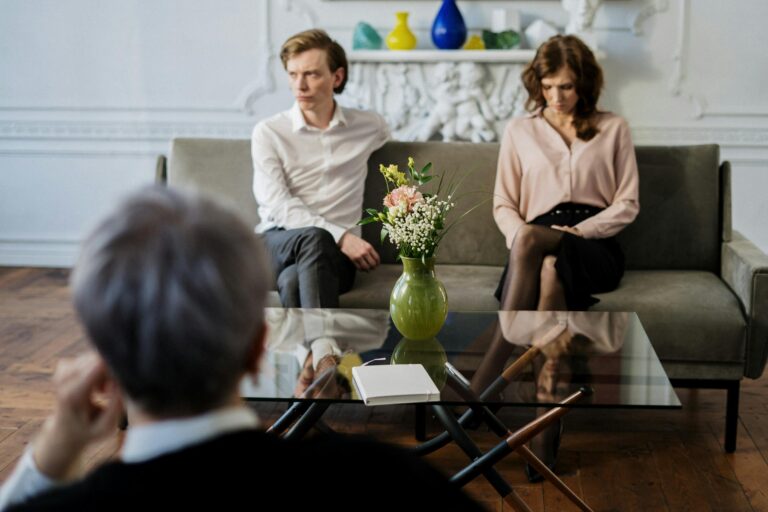

Moving in together is one of the most revealing tests any relationship will face, and for an ENFP, that test comes with its own particular set of challenges and gifts. ENFPs bring warmth, creativity, and genuine emotional depth to shared living, but they also carry patterns around space, spontaneity, and follow-through that can create real friction if both partners aren’t prepared for them.
An ENFP moving in together works best when both partners understand the ENFP’s need for emotional connection and personal freedom in equal measure. The most successful cohabitation arrangements give the ENFP room to be spontaneous while building enough structure to keep the relationship stable and the household functioning.
I’ve spent most of my adult life studying how personality shapes the way people work, lead, and relate to each other. Running advertising agencies for over two decades gave me a front-row seat to how differently people process shared environments, shared responsibility, and shared expectations. What I saw in those offices mirrors what plays out in shared apartments and homes every single day.
If you’re an ENFP preparing to move in with a partner, or if you’re someone who loves an ENFP and wondering what you’re actually signing up for, this guide is written for you. It covers the real dynamics at play, not the idealized version, and it’s grounded in what actually helps.
This article is part of a broader look at how Extroverted Diplomats think, relate, and grow. You can explore the full picture at the MBTI Extroverted Diplomats (ENFJ & ENFP) hub, where we cover everything from energy management to career patterns for these deeply feeling personality types.

What Does Moving In Together Actually Reveal About an ENFP?
Cohabitation strips away the curated version of a person. You stop seeing someone at their best and start seeing them at their most unfiltered. For an ENFP, that unfiltered version is both more wonderful and more complicated than most partners expect.
ENFPs are driven by dominant Extraverted Intuition, which means they are constantly scanning for possibility, meaning, and connection. In a relationship, this shows up as genuine enthusiasm, creative energy, and an almost magnetic warmth. They remember the small things. They make ordinary Tuesday evenings feel like something worth remembering.
But that same intuitive energy means ENFPs can struggle with the mundane. Dishes. Bills. Consistent routines. The parts of shared living that don’t carry any emotional charge tend to fall through the cracks, not because ENFPs are lazy or careless, but because their attention naturally gravitates toward what feels alive and meaningful.
I watched this pattern play out repeatedly in my agencies. I had a creative director years ago, a clear ENFP if I ever met one, who could hold an entire room in the palm of his hand during a pitch. His ideas were genuinely brilliant. But the follow-through on project timelines was a constant negotiation. He wasn’t unreliable in his character. He was unreliable in his systems. There’s a real difference, and understanding that difference matters enormously when you’re building a shared life.
The American Psychological Association’s research on personality consistently points to the fact that our core traits don’t disappear under pressure. They intensify. Moving in together is pressure, even when it’s happy pressure. Whatever patterns an ENFP carries into the relationship will become more visible once you’re sharing a home, not less.
How Does an ENFP’s Need for Freedom Affect Shared Living?
Freedom isn’t a preference for ENFPs. It’s closer to oxygen. They need the sense that their days aren’t entirely predetermined, that there’s room for spontaneity, for a last-minute plan change, for following an idea wherever it leads. When that freedom gets compressed too tightly by rigid household expectations, ENFPs don’t just feel inconvenienced. They feel trapped.
This creates a genuine tension in cohabitation, because shared living requires a baseline of predictability. Rent gets paid. Groceries get bought. Someone needs to know when the other person is coming home for dinner. These aren’t unreasonable expectations. They’re just fundamentally at odds with how an ENFP’s nervous system prefers to operate.
The partners who handle this best are the ones who separate structure from control. Structure means agreeing on the practical rhythms that keep the household running. Control means demanding that your partner’s emotional energy conform to your timeline. ENFPs can genuinely embrace structure when they’ve had a hand in creating it and when it doesn’t feel like a cage.
One pattern worth watching is how ENFPs respond to feeling micromanaged in a domestic context. In my agency years, I noticed that creative people, ENFPs especially, would often do the opposite of what you needed the moment they felt their autonomy was being squeezed. Not out of spite, but because the internal resistance to control is almost reflexive for them—a tension that becomes even more pronounced when ENFPs transition into management roles requiring structured oversight. The same dynamic shows up at home. A partner who constantly checks in on whether the ENFP has done their household tasks will get less compliance, not more.
Freedom and responsibility aren’t opposites for an ENFP. They can hold both. But the path to responsibility has to feel chosen, not imposed.

What Are the Real Financial Risks When an ENFP Moves In?
Money is one of the most common sources of conflict in any cohabiting relationship, and ENFPs carry specific financial patterns that deserve honest attention before you sign a lease together. I’m not saying this to alarm anyone. I’m saying it because going in clear-eyed is far kinder than discovering it six months in when the tension has already built up.
ENFPs tend to be emotionally driven spenders. They buy things that feel meaningful in the moment. They invest in experiences over assets. They can be genuinely generous to the point of financial strain, giving freely to causes, friends, or impulses that align with their values. And they can struggle with the long-term planning that shared financial life requires.
We’ve covered this in depth over at ENFPs and Money: The Uncomfortable Truth About Financial Struggles, and it’s worth reading before you combine finances with an ENFP partner. The patterns are real, they’re documented, and they’re workable, but only if you name them first.
The practical solution most couples find helpful is separating shared household expenses from individual spending money. A joint account for rent, utilities, and groceries, with each partner maintaining their own account for personal spending, removes the friction of having to justify every purchase to each other. For an ENFP, that personal account represents the financial equivalent of their freedom need. They can make impulsive, joy-driven purchases without it affecting the household’s stability.
What doesn’t work is hoping the ENFP will naturally develop more conservative financial habits once you’re living together. Cohabitation doesn’t change personality. It reveals it. For ENFPs considering larger life changes, understanding how personality traits interact with major decisions—like those involved in a career change after 40—can provide valuable perspective on financial planning. Have the money conversation before moving day, not after the first joint credit card statement arrives.
How Should Household Responsibilities Be Divided With an ENFP?
Chore division is where a lot of ENFP relationships hit their first real wall. Not because ENFPs are unwilling to contribute, but because their relationship with tasks is genuinely different from how many of their partners experience it.
ENFPs do not naturally operate on schedules. They operate on energy and inspiration. When they feel motivated, they can clean an entire apartment in an afternoon with music playing and genuine enthusiasm. When they don’t feel it, the dishes sit for three days and they genuinely cannot explain why. Their partner interprets this as laziness or disrespect. The ENFP experiences it as an inability to force themselves into a state they’re not in. Both experiences are real, and both need to be addressed.
The most effective approach I’ve seen is task-matching by preference rather than strict rotation. ENFPs tend to handle tasks they find aesthetically meaningful or socially connected quite well. Cooking a nice meal, decorating, planning a dinner party, buying thoughtful household items. They struggle more with repetitive maintenance tasks that carry no emotional charge. Knowing this, couples can divide responsibilities in ways that play to actual strengths rather than enforcing an arbitrary fairness that leaves everyone frustrated.
This connects to something I’ve noticed in ENFPs more broadly: the project-starting energy is almost always there. It’s the finishing that gets complicated. We’ve written about ENFPs who actually finish things, and the patterns that separate those who complete from those who don’t are directly relevant to how household responsibilities get managed over time.
Accountability systems that feel collaborative rather than supervisory tend to work better than rigid chore charts. A weekly check-in where both partners assess what’s working and what needs adjustment keeps the ENFP engaged rather than resistant. Make it a conversation, not an audit.
What Communication Patterns Should Both Partners Prepare For?
ENFPs are extraordinarily good at emotional communication when they feel safe. They can articulate feelings with a precision and depth that genuinely moves people. In a healthy relationship, this is one of their greatest gifts. They create emotional intimacy that many partners have never experienced before.
The complication arises when ENFPs feel criticized or cornered. Their communication style can shift quickly from open and warm to avoidant or, in the other direction, to an emotional intensity that overwhelms their partner. They can over-explain in moments of conflict, circling back to the same emotional territory multiple times because they’re processing out loud and haven’t finished yet. Partners who need linear, efficient conflict resolution often find this exhausting.
What helps is agreeing in advance on how you’ll handle difficult conversations. ENFPs need to feel heard before they can problem-solve. Jumping straight to solutions without acknowledging the emotional content of an issue will make them feel dismissed, which escalates rather than resolves the conflict. A partner who can say “I hear that you’re frustrated, and I want to understand that before we figure out what to do about it” will get dramatically better results than one who leads with logistics.
On the flip side, ENFPs need to develop awareness of when their emotional processing is becoming circular in ways that exhaust their partner. The National Institute of Mental Health’s resources on psychotherapy point to the value of working with a therapist to develop these communication skills, and I’d genuinely recommend that for any couple handling the early stages of cohabitation, regardless of personality type.
One thing I’ve observed is that ENFPs can sometimes use emotional processing as a way of avoiding concrete accountability. Not consciously, but the pattern is worth noticing. If every difficult conversation about household responsibilities ends with a deep emotional exploration that never arrives at an actual agreement, the practical issues don’t get resolved. Warmth and accountability have to coexist.
How Does an ENFP’s Social Energy Affect a Shared Home?
ENFPs recharge through connection. They want to fill their home with people, conversation, laughter, and the kind of spontaneous social energy that makes a space feel alive. For an ENFP, a home that’s too quiet for too long starts to feel like something is wrong.
For a partner who needs quiet to recharge, this creates a fundamental tension. The ENFP’s social needs aren’t excessive or unreasonable within their own framework. They’re just genuinely different from what an introverted partner needs. And when those needs collide in a shared space, both people can end up feeling like they’re failing each other.
The American Psychological Association’s work on social connection makes clear that social needs vary significantly across individuals, and that neither high nor low social drive is inherently healthier. What matters is whether partners can create a home environment that genuinely works for both of them, not just the more socially dominant one.
Practically, this means having explicit agreements about social hosting. How much advance notice does an introverted partner need before guests arrive? Are there certain evenings designated as quiet time? Can the ENFP have a separate space for social gatherings that doesn’t require their partner to perform social energy they don’t have? These aren’t restrictions on the ENFP. They’re agreements that make shared living sustainable.
I’ve seen this play out in reverse in my own life. As an INTJ, I’ve worked alongside ENFPs who wanted to turn every team lunch into a three-hour social event. I valued their energy enormously, but I also needed to protect my own. The best working relationships I had with those people were the ones where we were honest about those differences rather than pretending they didn’t exist. The same honesty that made those professional relationships work is what makes cohabitation work.
What Happens When an ENFP Starts Feeling Stuck or Restless at Home?
ENFPs have a complicated relationship with stagnation. When life feels too predictable, too settled, too same, something in them starts to pull toward the exit. Not necessarily from the relationship, but from the current version of it. They want to shake things up, try something new, introduce an element of surprise or growth.
This restlessness can be genuinely alarming to a partner who reads stability as love. When the ENFP starts suggesting they move to a different city, pivot careers, or completely redecorate the apartment they’ve lived in for eight months, their partner can interpret it as dissatisfaction with the relationship itself. Often, it’s not. It’s the ENFP’s need for forward motion expressing itself through whatever channel is available.
Understanding this pattern is one of the most important things a partner can do. When an ENFP seems restless, the question worth asking is whether they have enough stimulation, growth, and novelty in their life outside the relationship. An ENFP who has meaningful projects, evolving friendships, and creative outlets is far less likely to direct their restlessness at the relationship itself.
This connects directly to the project abandonment pattern that many ENFPs struggle with. When they drop a passion project halfway through, the restlessness has to go somewhere. We’ve written specifically about ENFPs who need to stop abandoning their projects, and the strategies there are directly relevant to maintaining relationship stability. A fulfilled ENFP is a far more settled cohabitation partner.
Partners can support this by actively encouraging the ENFP’s outside pursuits rather than treating them as competition for the relationship’s time and attention. An ENFP who feels supported in their growth will bring that energy back into the relationship rather than using the relationship as the primary outlet for it.

How Do ENFPs Handle Conflict in a Shared Living Situation?
Conflict for an ENFP is rarely about the surface issue. A disagreement about dishes is almost never actually about dishes. It’s about feeling unappreciated, or like their partner doesn’t see them, or like the relationship is becoming transactional rather than meaningful. ENFPs interpret practical conflicts through an emotional lens, and understanding that reframe changes how you approach resolution.
At the same time, ENFPs can engage in a pattern that looks a lot like people-pleasing in the short term. They’ll agree to something to end the conflict, then quietly resent it later because they never actually meant the agreement. This isn’t manipulation. It’s an ENFP who values harmony so strongly that they’ll sacrifice their own honest position to restore it, even when that sacrifice creates a longer-term problem. The ENFJ people-pleasing patterns we’ve documented share a lot of DNA with what ENFPs do in conflict, and understanding these dynamics becomes especially important as ENFP relationships progress toward deeper commitment, where unresolved resentments can undermine the connection both partners are trying to build.
Healthy conflict resolution with an ENFP requires creating enough safety that they can be honest rather than just agreeable. That means not punishing them when they push back, not interpreting their emotional processing as an attack, and staying curious rather than defensive when they raise something that’s bothering them.
If conflicts keep escalating despite genuine effort from both partners, working with a therapist who understands personality dynamics can be genuinely useful. Psychology Today’s therapist directory is a solid starting point for finding someone who specializes in relationship and communication work.
What Does a Healthy Shared Living Rhythm Look Like for an ENFP?
The best cohabitation arrangements for ENFPs are ones that have enough rhythm to provide stability without being so rigid that they feel like a schedule imposed from outside. Think of it less like a corporate org chart and more like a jazz ensemble. There’s a structure, everyone knows their part, but there’s room to improvise within it.
Practically, this might look like: consistent shared rituals that both partners genuinely enjoy (Sunday morning coffee, Friday night cooking together), flexible individual space during the week where each person can operate according to their own energy, and a regular check-in that keeps both partners aligned without turning the relationship into a performance review.
ENFPs thrive when they feel like equal architects of the shared life rather than occupants of someone else’s structure. Involving them in creating the household rhythms, rather than presenting a system for them to comply with, produces dramatically better buy-in. This was true of every creative professional I managed over two decades. Tell them what you need and invite them to figure out how to get there. Don’t hand them a process and expect enthusiasm.
It’s also worth acknowledging that ENFPs need to feel emotionally safe enough to be imperfect. A home environment where every missed task becomes a referendum on their character will make them anxious and defensive rather than motivated. Grace and accountability aren’t opposites. The healthiest shared living situations hold both.
One thing I’ve seen less discussed is the way that ENFP energy can affect a partner’s own wellbeing over time. The warmth and enthusiasm that makes an ENFP so magnetic can also be genuinely exhausting to live with at full intensity. Partners, especially introverted ones, need to protect their own energy without feeling guilty about it. Recognizing when a partner is running on empty and might benefit from learning about ENFJ sustainable leadership and avoiding burnout is part of caring for the relationship’s long-term health.
Understanding the cognitive functions that drive ENFP behavior can also add a useful layer of insight. Truity’s guide to MBTI cognitive functions breaks down why ENFPs process the world the way they do, which helps partners move from frustration to genuine understanding.
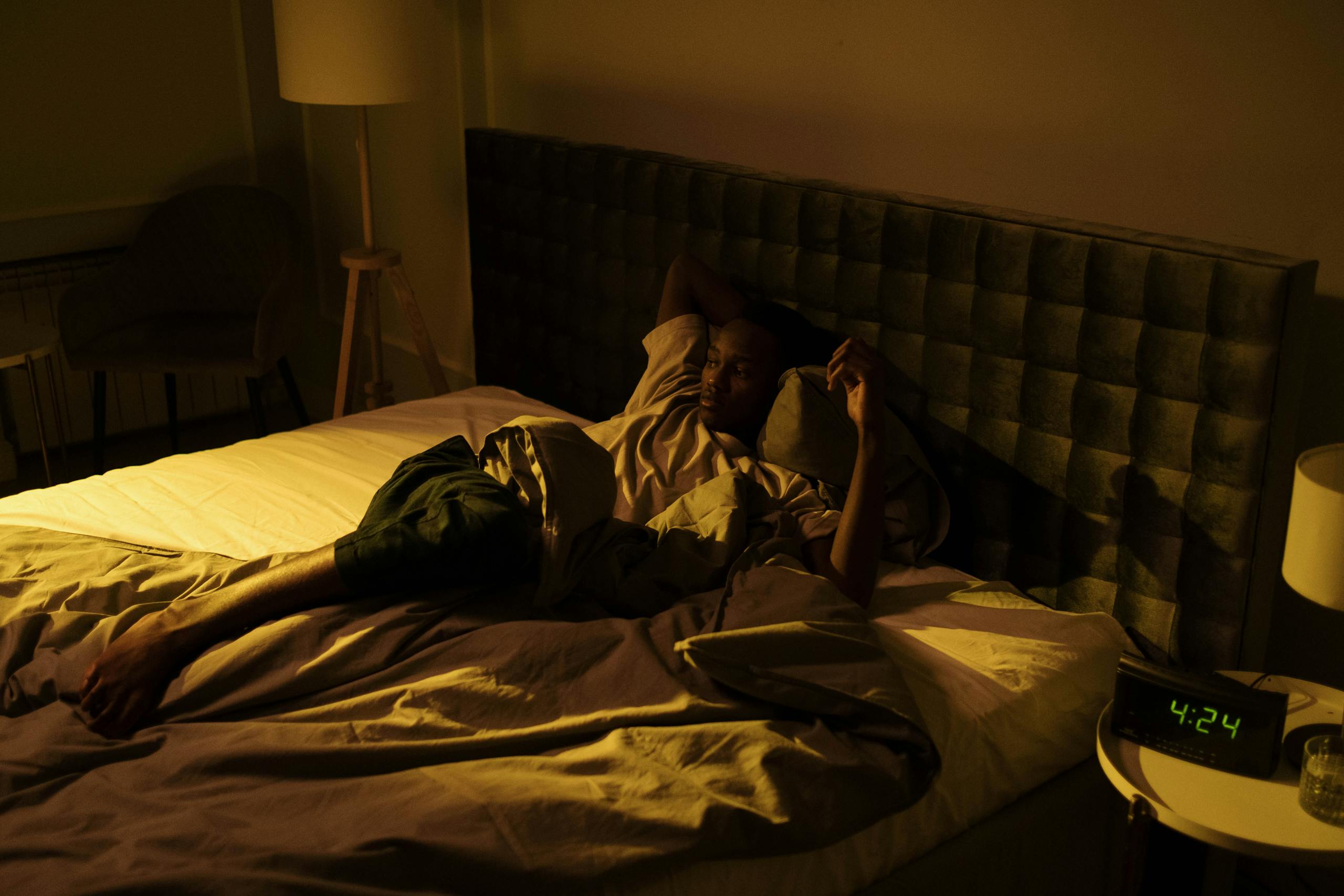
What Should Both Partners Know Before Moving Day?
Moving in together is one of those decisions that people often treat as a logical next step rather than a deliberate choice. You’ve been together long enough, you’re spending most nights at each other’s places anyway, it makes financial sense. All of that may be true. And none of it prepares you for what actually happens when you share a home with someone whose internal world operates differently from yours.
For anyone moving in with an ENFP, the single most useful thing you can do is have honest conversations about expectations before you sign anything. Not vague conversations about how excited you are, but specific ones. How will you handle it when one person wants guests and the other needs quiet? What’s the plan when a bill gets forgotten? What does each of you actually need from a shared home to feel at peace there?
For ENFPs themselves, the most important preparation is self-awareness. Know your patterns around follow-through, around money, around conflict. Not so you can shame yourself for them, but so you can be honest with your partner and build systems that account for how you actually operate, not how you think you should operate.
The Myers-Briggs Foundation’s work on type dynamics is worth reading if you want to understand the deeper cognitive architecture behind why ENFPs behave the way they do in close relationships. It moves the conversation from “why won’t you just change” to “consider this’s actually happening under the surface,” which is a far more productive place to build from.
One more thing worth naming: the ENFPs who do best in long-term cohabitation are the ones who’ve done some genuine work on their own patterns. Not because they need to fix themselves to deserve love, but because self-awareness is what separates a pattern from a trap. An ENFP who knows they tend to abandon commitments when motivation fades, who’s aware that they sometimes agree to things they don’t mean, who understands their financial tendencies and social needs, that ENFP can build a genuinely beautiful shared life. The self-awareness is what makes the difference.
There’s also a parallel pattern worth watching in how ENFPs sometimes draw people into their orbit who aren’t good for them. The same openness and warmth that makes them wonderful partners can make them vulnerable to dynamics that drain rather than sustain. The patterns we’ve explored around why Diplomat types keep attracting toxic people apply with real relevance to ENFPs choosing cohabitation partners as well.
Moving in together is not the end of the getting-to-know-you process. It’s the beginning of a much deeper one. For an ENFP and their partner, that depth is exactly where the relationship can become something genuinely extraordinary, if both people are willing to be honest about what they’re actually bringing through the door.
Explore more perspectives on how Extroverted Diplomats think, relate, and grow in our complete MBTI Extroverted Diplomats (ENFJ & ENFP) Hub.
About the Author
Keith Lacy is an introvert who’s learned to embrace his true self later in life. After 20 years in advertising and marketing leadership, including running agencies and managing Fortune 500 accounts, Keith now channels his experience into helping fellow introverts understand their strengths and build fulfilling careers. As an INTJ, he brings analytical depth and authentic perspective to every article, drawing from both professional expertise and personal growth.
Frequently Asked Questions
Do ENFPs make good long-term cohabitation partners?
ENFPs can be deeply rewarding long-term cohabitation partners. They bring genuine warmth, emotional depth, and a talent for making shared life feel meaningful and alive. The areas that require the most attention are follow-through on practical responsibilities, financial consistency, and communication during conflict. ENFPs who have developed self-awareness around these patterns tend to build very strong, lasting partnerships.
What personality types tend to live well with an ENFP?
ENFPs tend to pair well with partners who can provide some grounding without becoming controlling. Personality types that value emotional connection and can appreciate the ENFP’s spontaneity, while also maintaining their own stability, often find the pairing deeply satisfying. INFJs and INTJs can complement ENFPs well because they offer depth and structure without dampening the ENFP’s natural energy, though any type combination can work with mutual understanding and honest communication.
How should an ENFP and their partner handle financial disagreements at home?
Separating shared household finances from individual spending accounts tends to be the most effective approach. A joint account covers rent, utilities, and shared expenses, while each partner retains personal spending money without needing to justify individual purchases. This structure gives the ENFP the financial autonomy they need while protecting the household’s stability. Having an honest conversation about financial patterns before moving in together is far more effective than trying to address them after conflict has already built up.
What’s the best way to divide household chores with an ENFP partner?
Task-matching by genuine preference works better than strict rotation for most ENFP households. ENFPs tend to handle tasks with an aesthetic or social dimension more consistently than repetitive maintenance tasks. Assigning responsibilities based on what each partner actually does well, rather than what seems fair on paper, produces better outcomes. A weekly collaborative check-in where both partners assess what’s working keeps the ENFP engaged rather than resistant to the system.
How do you handle it when an ENFP becomes restless or wants to change everything at home?
ENFP restlessness is usually a signal that they need more novelty, growth, or stimulation somewhere in their life, not necessarily that something is wrong with the relationship. The most effective response is to get curious rather than defensive. Ask what they’re craving and whether there are ways to bring more of that into their life outside the relationship. ENFPs with active creative projects, evolving friendships, and meaningful outlets tend to be far more settled at home. Supporting their outside growth is one of the best investments a partner can make in the relationship’s long-term stability.