

ISTJ-ENFJ Marriage: Why Opposites Create Love That Lasts
When I started paying attention to relationship dynamics in the workplace, I noticed something unexpected. The most stable, long-lasting partnerships weren’t always between people who seemed similar on the surface. I watched an ISTJ colleague and their ENFJ spouse handle decades together with a depth of mutual respect that made the flashier, more dramatic relationships around them look fragile by comparison.
ISTJs and ENFJs clash because ISTJs optimize for efficiency through structure while ENFJs optimize for meaning through authentic expression. Neither approach is wrong, but without translation, the ISTJ’s systems feel like creative prison to the ENFJ while the ENFJ’s exploration feels like chaos to the ISTJ.
What struck me most was watching how they handled conflict. The ISTJ would approach disagreements with calm logic and facts, while the ENFJ brought emotional intelligence and intuitive understanding to the same situation. Rather than clashing, they created something neither could build alone. The ISTJ provided structure that made the ENFJ feel secure enough to be vulnerable. The ENFJ brought warmth that helped the ISTJ access feelings they struggled to articulate.
That’s when I realized personality shapes the how of relationships as much as life experience shapes the what. The ISTJ and ENFJ pairing reveals a powerful truth about compatibility. It’s not about matching types. It’s about matching cognitive needs in ways that create reciprocal understanding.
Throughout my years managing teams in advertising and media, I’ve observed countless relationship dynamics between different MBTI types. The ISTJ and ENFJ combination initially seems unlikely. One operates from systematic logic and routine. The other leads with emotional warmth and intuitive connection. Yet when both partners understand and respect these cognitive rhythms, they build marriages that outlast more conventionally compatible pairings.

What Makes ISTJ Foundation So Strong?
ISTJs approach relationships with the same methodical thinking they bring to everything in life. Research from the Truity Foundation shows that ISTJs view romantic relationships from a rational perspective, looking for compatibility and mutual satisfaction of both daily and long-term needs. Once commitments are established, they stick to their promises to the very end.
What’s your personality type?
Take our free 40-question assessment and get a detailed personality profile with dimension breakdowns, context analysis, and personalised insights.
Discover Your Type8-12 minutes · 40 questions · Free
Such systematic commitment creates something rare in modern relationships. While others chase the high of initial attraction, ISTJs build partnerships designed to last decades. They’re not interested in relationships that burn bright and fast. They want steady warmth that provides security for a lifetime.
The ISTJ personality brings specific strengths to marriage that many people underestimate:
- Unwavering loyalty and commitment – According to personality research from Psychology Junkie, ISTJs demonstrate unwavering loyalty, consistent follow-through on commitments, and deep devotion to family relationships
- Practical love expression through action – They remember important details about their partner’s life, follow through on promises without needing reminders
- Stable home environment creation – They provide consistent emotional and financial security that creates profound trust
- Long-term thinking and planning – They consider relationship decisions within the context of decades, not months
- Reliability that becomes foundational – Partners learn to count on ISTJ consistency through all life seasons
For ISTJs, love expresses itself through practical support. They remember important details about their partner’s life, follow through on promises without needing reminders, create stable home environments where both partners can thrive, and provide consistent emotional and financial security. Understanding how ISTJs express appreciation through their unique love languages helps partners recognize these demonstrations of deep commitment. Such behavior might not look like traditional romance, but it builds foundations that weather decades of life together.
How Does ENFJ Emotional Intelligence Transform Relationships?
ENFJs bring a completely different energy to relationships. Research on ENFJ personalities from Simply Psychology indicates that ENFJs are characterized by their warmth, empathy, and exceptional interpersonal skills. They naturally prioritize emotional connection and spend considerable energy creating harmony in their relationships.
What makes ENFJs remarkable in partnerships is their intuitive understanding of emotional needs. They sense what their partner requires before words are spoken. They create safe spaces for vulnerability and emotional expression. They excel at maintaining relational warmth that keeps intimacy alive through changing seasons of life.
The ENFJ approach to love centers on understanding and nurturing:
- Intuitive emotional reading – They sense partner needs before words are spoken, creating anticipatory care
- Safe vulnerability spaces – They create emotional safety that encourages authentic expression
- Proactive relationship maintenance – They identify and address relationship needs before they become problems
- Natural warmth creation – They make home feel like an emotional sanctuary through conscious effort
- Meaning-making capability – They help partners understand deeper significance in everyday interactions
However, such giving nature requires balance, and understanding how ENFJs can break people-pleasing patterns strengthens their capacity for healthy partnerships. Their emotional intelligence becomes the heart that balances ISTJ structure.
Why Does Structure Meeting Heart Create Stability?
What took me the longest to understand about such pairing became clear through direct experience. I used to assume that efficiency and emotional processing could be neatly separated. As an INTJ, I tend to compartmentalize feelings to maintain clarity. But emotionally expressive types like ENFJs, and even ISTJs in their quieter way, often integrate emotion into their decision-making process.
I had to accept that not everyone can or should detach feelings from decisions. That clash created tension in past professional relationships where I unintentionally minimized emotional needs because I was trying to fix things logically. The breakthrough happened during a conversation where someone said to me, “I don’t need you to solve it. I need you to understand why it matters to me.”
That sentence stopped me cold. It reframed everything. Emotional expression wasn’t inefficiency. It was connection. That moment helped me understand how ENFJs operate and why ISTJs often struggle with the same emotional expectations. Both types want to support their partner. They just speak completely different emotional languages.
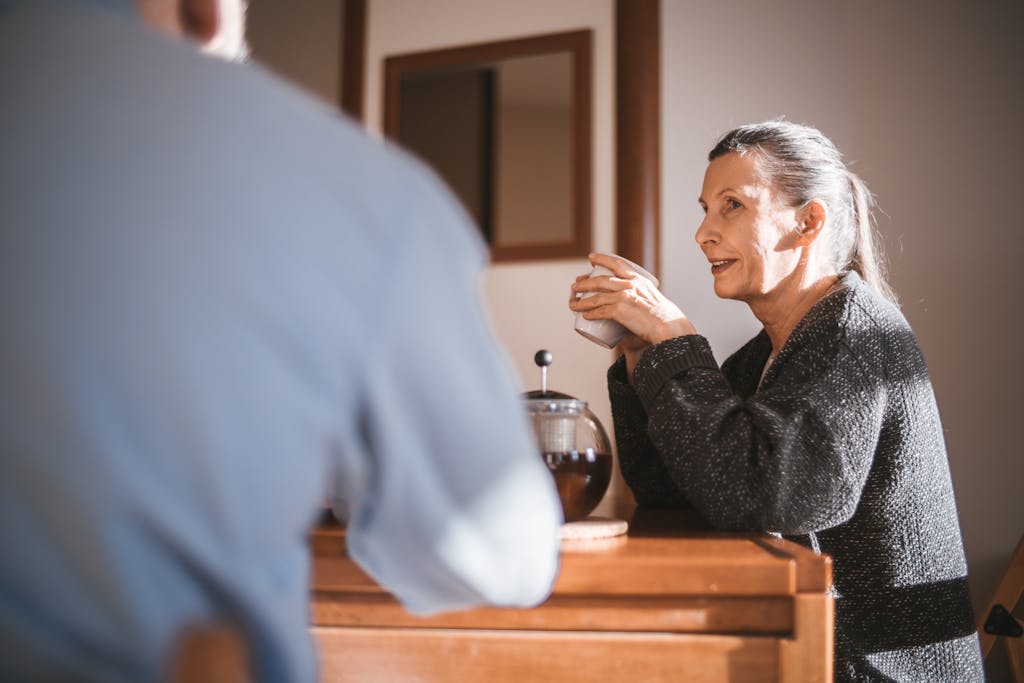
When ISTJ structure meets ENFJ warmth in marriage, you get something powerful:
- Predictable security meets emotional safety – The ISTJ creates consistency that makes the ENFJ feel secure enough for vulnerability
- Practical support meets emotional understanding – The ENFJ provides warmth that helps the ISTJ feel seen beyond their contributions
- Systematic thinking meets intuitive insight – Both approaches inform better decisions than either alone
- Long-term stability meets relational growth – The relationship deepens rather than stagnating over time
- Complementary strengths create wholeness – Neither partner needs to be everything to the other
Such synergy works because ISTJs make ENFJs feel grounded and protected, while ENFJs make ISTJs feel emotionally understood and appreciated. The stability comes from complementary strengths rather than similar approaches.
How Do Complementary Cognitive Functions Work?
The magic of ISTJ and ENFJ compatibility lives in their cognitive function stacks. According to relationship compatibility research from Crystal Knows, ISTJs lead with Introverted Sensing, which makes them highly attuned to past experiences and practical details. ENFJs lead with Extraverted Feeling, driving their focus on harmony and emotional connection.
These functions complement rather than compete:
| ISTJ Cognitive Gifts | ENFJ Cognitive Gifts | Combined Strength |
|---|---|---|
| Introverted Sensing creates detailed awareness of what works | Extraverted Feeling reads emotional atmospheres accurately | Practical systems that honor emotional needs |
| Systematic approach to problems and planning | Intuitive understanding of unstated needs | Solutions that work practically and emotionally |
| Learning from past patterns and experience | Understanding future relational implications | Decisions informed by both history and possibility |
The ISTJ’s dominant Introverted Sensing creates detailed awareness of what works based on experience. They remember patterns, recognize reliable approaches, and build systems that consistently deliver results. Such capability provides the structure ENFJs need to feel safe expressing their natural warmth and emotional expressiveness.
The ENFJ’s dominant Extraverted Feeling creates exceptional sensitivity to relational dynamics. They read emotional atmospheres accurately, understand unstated needs, and maintain harmony through conscious relational work. Such attunement provides the emotional connection ISTJs need but struggle to initiate on their own.
Both types share Judging preferences, which means they appreciate structure, planning, and organized approaches to life. Such shared preference for order creates natural alignment in daily life management that reduces friction in practical matters.

What Communication Patterns Actually Work?
Communication between ISTJs and ENFJs requires conscious adaptation from both partners. ISTJs communicate in direct, factual terms focused on practical outcomes. ENFJs communicate with emotional nuance focused on relational impact and meaning.
Success in ISTJ and ENFJ communication requires what I call reciprocal translation. ISTJs learn to recognize that emotional expression isn’t manipulation or inefficiency. It’s how ENFJs process and connect. ENFJs learn that ISTJ relationships built on steady love isn’t coldness or rejection. It’s their genuine communication style.
In my observations of successful ISTJ and ENFJ relationships, both partners develop specific communication practices:
- ISTJs acknowledge emotional content first – They say, “I hear that matters to you” and sit with the emotion before moving to solutions
- ENFJs separate processing from requesting – They distinguish between “I need to express this feeling” and “I need you to do something about this problem”
- Both use structured emotional processing – They create predictable formats for handling difficult conversations
- ISTJs ask clarifying questions – “Help me understand what you need right now” becomes a regular phrase
- ENFJs provide context for emotions – They explain why something feels significant rather than expecting intuitive understanding
These adjustments don’t come naturally to either type. They require conscious effort and mutual respect. But they create communication patterns that strengthen rather than strain the relationship over time.
How Can Conflict Actually Strengthen Bonds?
ISTJs and ENFJs approach conflict from fundamentally different perspectives. ISTJs prefer to address disagreements through logic, facts, and rational analysis. They want to identify the problem, evaluate solutions, and implement the most effective fix. Emotional intensity during conflict feels overwhelming and counterproductive to ISTJs.
ENFJs experience conflict emotionally first. They need to process how the situation feels before they can move to solutions. They require emotional validation and reassurance that the relationship remains secure even amid disagreement. Approaching conflict purely logically feels cold and dismissive to ENFJs.
What I learned watching successful ISTJ and ENFJ couples handle disagreement reveals an essential pattern. They develop what I call structured emotional processing:
- ENFJ expresses emotional impact first – The ISTJ listens without jumping to solutions or defending
- ISTJ presents logical analysis – The ENFJ listens without taking directness as personal attack
- Both collaborate on solutions – They honor both emotional and practical needs in resolution
- They check emotional connection – They confirm the relationship feels secure before ending discussion
- They appreciate different approaches – Both acknowledge how the other’s perspective improved the outcome
Such process honors both cognitive styles. The ENFJ feels emotionally validated. The ISTJ gets to apply systematic problem-solving. The relationship grows stronger through conflict rather than weakening under its weight.

How Do You Balance Different Social Energy Needs?
One area where ISTJ and ENFJ couples must handle carefully is social energy management. ISTJs are introverts who need significant alone time to recharge. Large social gatherings drain their energy quickly. They prefer small groups of close friends and value quiet evenings at home.
ENFJs are extroverts who gain energy from social connection. They thrive in group settings and naturally create warmth that draws people together. Extended isolation feels stifling and can impact their wellbeing. However, even ENFJs have limits, and recognizing the unique signs of ENFJ burnout helps both partners protect the relationship from overextension.
The successful ISTJ and ENFJ marriages I’ve observed create what I call energy rhythms:
- Predetermined social signals – They establish codes for when the ISTJ needs to leave social events without embarrassment
- Independent social connections – The ENFJ maintains friendships that don’t require ISTJ participation
- Protected solitude time – The ISTJ gets guaranteed alone time without negotiation or justification
- Balanced social calendars – They alternate between social events and quiet weekends at home
- Energy check-ins – Both partners monitor each other’s energy levels and adjust plans accordingly
Mutual respect is essential. The ENFJ doesn’t interpret the ISTJ’s need for solitude as rejection or lack of love. The ISTJ doesn’t view the ENFJ’s social needs as attention-seeking or exhausting demands. Both recognize these as fundamental aspects of how each partner restores and maintains wellbeing.
When handled with understanding, such difference actually strengthens the relationship. The ISTJ provides stability and grounding when the ENFJ returns from social engagement. The ENFJ keeps the ISTJ connected to community and prevents excessive isolation. Neither partner loses themselves in service to the other’s needs.
How Do You Build Trust Through Different Approaches?
Trust develops differently for ISTJs and ENFJs, but both value it intensely. For ISTJs, trust builds through consistent action over time. They believe promises kept, patterns that prove reliable, and demonstrated commitment through behavior rather than words. Talk is cheap. Follow-through is everything.
For ENFJs, trust requires emotional openness and vulnerability. They need partners who share their inner world, express feelings honestly, and demonstrate emotional availability. Surface-level connection feels hollow no matter how reliable the practical support.
Natural tension exists here but also opportunity:
| ISTJ Trust Building | ENFJ Trust Building | Combined Result |
|---|---|---|
| Consistent actions over time | Emotional openness and vulnerability | Trust based on both reliability and intimacy |
| Promises kept without reminders | Feelings shared honestly | Security in both practical and emotional realms |
| Steady presence through difficulties | Safe space for emotional expression | Partnership that handles both crisis and growth |
ISTJs demonstrate trustworthiness through actions ENFJs sometimes take for granted. The ISTJ shows up on time, keeps promises without reminders, provides consistent support, and maintains steady presence through difficulties. Such reliability creates the foundation ENFJs need to feel secure.
ENFJs demonstrate emotional authenticity that helps ISTJs learn vulnerability. The ENFJ shares feelings openly, creates safe space for the ISTJ’s slower emotional processing, validates emotions the ISTJ struggles to articulate, and models emotional expression without judgment. Such emotional safety helps ISTJs access and share their own feelings.
Together, they build trust that integrates both action and emotion. The relationship becomes a safe container for both practical reliability and emotional vulnerability.

What Patterns Make These Marriages Last Decades?
What makes ISTJ and ENFJ marriages last decades rather than years? Several patterns emerge from successful long-term relationships between these types. Understanding how ISTJs create relationship stability provides crucial insight into what makes these partnerships endure.
First, both partners actively appreciate what the other provides rather than taking it for granted:
- ENFJs acknowledge ISTJ practical support – They consciously recognize the security created by reliability and follow-through
- ISTJs recognize ENFJ emotional labor – They deliberately appreciate the work involved in maintaining connection and warmth
- Both celebrate complementary strengths – They view differences as assets rather than problems to solve
- Regular gratitude expression – They make conscious effort to voice appreciation for each other’s contributions
- Protection of partner’s natural way – Neither tries to change the other’s fundamental approach to life
Second, they develop shared rituals that honor both personalities. Sunday planning sessions might satisfy the ISTJ’s need for structure while creating connected time the ENFJ values. Or date nights with predictable structure (ISTJ) focused on emotional connection (ENFJ).
Third, they maintain individual growth alongside relationship growth. The ISTJ continues developing emotional intelligence and expression. The ENFJ keeps working on respecting boundaries and not taking ISTJ directness personally. Neither expects the other to fundamentally change personality, but both commit to expanding capabilities.
Fourth, they leverage complementary strengths in practical life management. The ISTJ handles detailed planning, financial management, and systematic household organization. The ENFJ manages social connections, emotional wellbeing of the family unit, and relational dynamics with extended family and friends. Division of labor plays to natural strengths.
Most importantly, both partners remember one essential truth. Opposites don’t clash because they’re opposite. They clash because they assume their way is the default. Successful ISTJ and ENFJ couples accept that their partner’s approach is equally valid, just fundamentally different.
When Do Challenges Become Growth Opportunities?
No relationship exists without challenges, and ISTJ and ENFJ marriages face specific hurdles. The ISTJ’s difficulty expressing emotion can leave the ENFJ feeling disconnected or unappreciated. The ENFJ’s need for emotional expression can overwhelm the ISTJ who processes feelings more slowly and privately.
ISTJs sometimes interpret ENFJ emotional intensity as manipulation or drama. ENFJs sometimes experience ISTJ directness as criticism or coldness. Both reactions stem from misunderstanding rather than malice, but they can damage the relationship if not addressed consciously.
What I learned from observing these dynamics is that challenges become growth opportunities when both partners maintain curiosity about the other’s experience:
- ISTJ overwhelmed by emotions – Instead of withdrawing, they ask, “Help me understand what you need right now”
- ENFJ hurt by directness – Instead of taking it personally, they remember, “That’s not rejection. That’s how they process”
- Both seek understanding over being right – They prioritize connection over winning the interaction
- They view differences as learning opportunities – Each partner’s approach teaches something valuable
- Growth becomes mutual – Both expand beyond natural comfort zones through relationship
Such reframe transforms potential conflict into deeper understanding. The ISTJ slowly develops greater emotional literacy and comfort with feelings. The ENFJ gradually learns to trust that practical support reflects deep love even without emotional effusiveness. Both expand beyond natural comfort zones through relationship rather than despite it.
What Unique Gifts Does This Pairing Create?
What makes ISTJ and ENFJ marriages special isn’t that they’re easy. It’s that they create something neither partner could build alone. The ISTJ learns that emotional connection enhances rather than threatens stability. The ENFJ discovers that structure provides freedom rather than restriction.
Together, they build lives characterized by both reliability and warmth:
- Homes that feel organized and welcoming – Structure creates space for warmth to flourish
- Children who experience clear expectations and emotional support – Both security and nurturing coexist
- Financial futures built on planning and adaptability – Systematic thinking meets flexible response to change
- Social connections that balance depth and breadth – Close relationships and community involvement
- Personal growth through complementary challenge – Each partner becomes more whole through the other
The ISTJ provides the ENFJ with security to explore emotional depth without fear of instability. The ENFJ provides the ISTJ with permission to access vulnerability without judgment or pressure. Both become more whole through the relationship.
The real reason ISTJ and ENFJ marriages last isn’t because compatibility comes easily. It’s because both types value commitment, loyalty, and long-term partnership deeply. When they recognize and respect each other’s approach to love, they create relationships that strengthen over decades rather than fading with familiarity.
How Can You Create Your Own Success Story?
If you’re an ISTJ or ENFJ considering or already in such pairing, several practices can increase your chances of long-term success.
For ISTJs, practice emotional acknowledgment before problem-solving:
- Acknowledge feelings first – When your ENFJ partner expresses emotions, say “I hear that matters to you” before offering solutions
- Schedule emotional check-ins – Create regular times focused purely on connection rather than practical planning
- Ask clarifying questions – “Help me understand what you need right now” becomes a valuable regular phrase
- Express appreciation for emotional labor – Consciously recognize the work your ENFJ does to maintain relationship warmth
- Practice vulnerability in small steps – Share feelings gradually to build emotional intimacy over time
For ENFJs, practice respecting ISTJ processing speed and need for space:
- Give processing time – When discussing emotional topics, allow your ISTJ partner time to think before expecting responses
- Don’t interpret space as rejection – Trust that they’re working through feelings systematically, not avoiding you
- Separate processing from requesting – Distinguish between expressing feelings and asking for specific actions
- Appreciate practical expressions of love – Recognize that reliability and follow-through are profound demonstrations of care
- Respect their social energy limits – Create independent social connections that don’t require ISTJ participation
For both types, maintain curiosity about your partner’s different approach. When something feels confusing or frustrating, ask questions aimed at understanding rather than changing. Remember that your partner’s way of loving, communicating, and connecting is equally valid even when it looks nothing like yours.
Most importantly, regularly remind yourself why you chose someone with complementary strengths. The ISTJ chose the ENFJ’s warmth, emotional intelligence, and capacity to create connection. The ENFJ chose the ISTJ’s reliability, stability, and grounded presence. These same qualities that attracted you initially will sustain your marriage through decades if you continue honoring them.
The ISTJ and ENFJ marriage succeeds when structure meets heart with mutual respect. When systematic thinking embraces emotional wisdom. When reliability intertwines with warmth to create something stronger than either could build alone.
If this resonates, istj-retirement-planning-when-structure-meets-the-unknown goes deeper.
Explore more relationship insights in our ISTJ Personality Type.
About the Author
Keith Lacy is an introvert who’s learned to embrace his true self later in life. With a background in marketing and a successful career in media and advertising, Keith has worked with some of the world’s biggest brands. As a senior leader in the industry, he has built a wealth of knowledge in marketing strategy. Now, he’s on a mission to educate both introverts and extroverts about the power of introversion and how understanding personality type and sensitivity traits can achieve new levels of productivity, self-awareness, and success.
Frequently Asked Questions
Why do ISTJ and ENFJ marriages work despite their differences?
ISTJ and ENFJ marriages succeed because their differences create complementary strengths rather than conflict. ISTJs provide structure, reliability, and practical support that makes ENFJs feel secure. ENFJs provide emotional warmth, intuitive understanding, and relational wisdom that helps ISTJs feel valued beyond their practical contributions. Both types share Judging preferences, meaning they appreciate structure and planning, which creates natural alignment in daily life management, much like how different Judging personality types can complement each other through their distinct approaches to organization and relationships.
How do ISTJs and ENFJs communicate effectively?
Effective ISTJ-ENFJ communication requires reciprocal translation. ISTJs learn to acknowledge emotional content before moving to practical solutions, saying things like ‘I hear that matters to you’ before problem-solving. ENFJs learn to separate emotional expression from problem-solving discussions, presenting clear situations and needs rather than processing feelings aloud without specific requests. Both partners develop conscious communication practices that honor their different styles.
What challenges do ISTJ and ENFJ couples face?
Common challenges include managing different social energy needs (ISTJs need alone time while ENFJs gain energy from socializing), balancing emotional expression (ENFJs process emotions openly while ISTJs process privately), and handling conflict styles (ISTJs prefer logical analysis while ENFJs need emotional validation first). However, these challenges become growth opportunities when both partners maintain curiosity about each other’s experiences and develop structured emotional processing techniques.
How do ISTJs and ENFJs build trust in relationships?
ISTJs build trust through consistent action over time, keeping promises, maintaining reliable patterns, and demonstrating commitment through behavior. ENFJs build trust through emotional openness, vulnerability, and authentic expression of feelings. Together, they create trust that integrates both action and emotion. ISTJs demonstrate practical reliability while ENFJs model emotional authenticity, helping each other develop in areas where they naturally struggle.
What makes ISTJ and ENFJ marriages last long-term?
Long-term success comes from actively appreciating each other’s contributions, developing shared rituals that honor both personalities, maintaining individual growth alongside relationship growth, and leveraging complementary strengths in practical life management. Both types value commitment and loyalty deeply. When they recognize and respect each other’s approach to love, they create relationships that strengthen over decades through conscious effort and mutual respect rather than fading with familiarity.