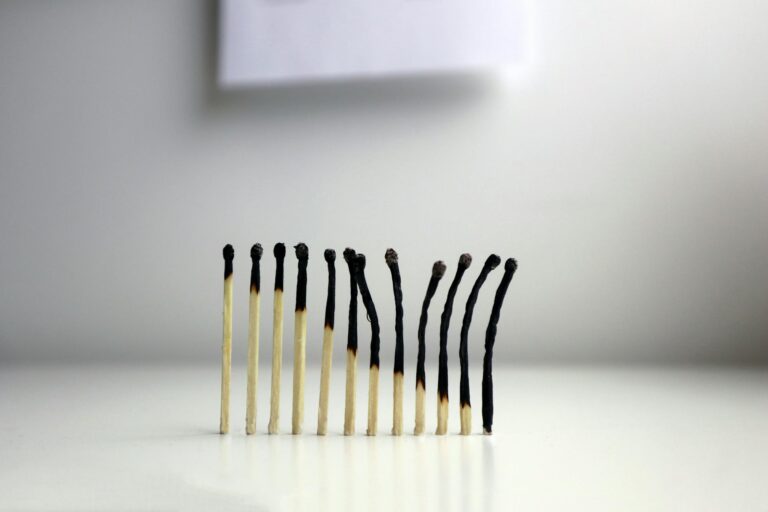

ENFPs move through engagement differently than almost any other personality type. Where others might ease into commitment gradually, the ENFP tends to experience each stage of a deepening relationship with full emotional intensity, cycling between euphoric connection and quiet doubt, between fierce loyalty and a restless need for freedom. Understanding those stages can mean the difference between a relationship that flourishes and one that quietly collapses under the weight of unmet expectations.
At every stage, from the first flutter of genuine interest through the complicated territory of long-term commitment, ENFPs bring something rare: an almost cellular need to connect deeply, paired with an equally powerful need to remain authentically themselves. That combination creates a relationship experience that is rich, complicated, and worth understanding closely.
If you’ve spent time exploring how Extroverted Diplomats approach love and connection, you’ll recognize some of these patterns from our broader work in the MBTI Extroverted Diplomats (ENFJ & ENFP) hub, where we examine how these types build relationships, manage their emotional energy, and find meaning in their connections with others.
What Makes the ENFP Approach to Engagement Unique?
I’ve worked alongside a lot of ENFPs over my two decades in advertising. They were often the ones who built the fastest rapport with clients, who could walk into a room full of strangers and leave with three genuine friendships and a creative brief that actually captured something true. What I noticed, though, was that their professional relationships mirrored something deeper about how they operated personally. They weren’t performing connection. They were experiencing it, fully and without much of a filter.
What’s your personality type?
Take our free 40-question assessment and get a detailed personality profile with dimension breakdowns, context analysis, and personalised insights.
Discover Your Type8-12 minutes · 40 questions · Free
According to the Myers-Briggs Foundation’s overview of the 16 types, ENFPs are driven by Extraverted Intuition as their dominant function, which means they process the world through possibility, pattern, and meaning. In relationships, this translates to an almost instinctive search for what a connection could become, not just what it is right now. That forward-looking orientation shapes every stage of engagement in ways that are both beautiful and genuinely challenging.

The cognitive function dynamics described by the Myers-Briggs Foundation also point to something important: ENFPs use Introverted Feeling as their auxiliary function. That means beneath all the outward enthusiasm and social energy, there’s a deeply private value system operating quietly. What an ENFP shows the world in a relationship is often only part of the story. The rest is being processed internally, measured against a set of personal values that most partners never fully see.
Stage One: The Magnetism Phase. Why Does Engagement Feel So Electric at the Start?
Early engagement for an ENFP doesn’t simmer. It ignites. From the moment genuine interest takes hold, this type tends to pour attention, creativity, and emotional presence into the connection with an intensity that can feel overwhelming to more reserved personality types. They aren’t being performative. They’re responding to something they experience as genuinely significant.
What makes this stage distinct is the ENFP’s ability to make a partner feel truly seen. Not just noticed, but seen. They ask questions that go three layers deeper than anyone else would think to ask. They remember the small detail you mentioned in passing two conversations ago. They find the thread of meaning in what you’re saying before you’ve finished saying it. For many people, being on the receiving end of that attention feels like a revelation.
I remember hiring a creative director at my agency who was a textbook ENFP. Within two weeks, she knew the personal histories of half the staff. Not because she was nosy, but because she was genuinely curious about people in a way that invited disclosure. That same quality, when turned toward a romantic partner, creates an almost magnetic pull, though similar personality types often attract toxic partners due to their natural empathy and openness. The challenge is that it can also create a false sense of intimacy before the relationship has had time to develop real roots.
The American Psychological Association’s research on social connection confirms what many ENFPs experience intuitively: genuine connection has measurable effects on wellbeing and relationship satisfaction. For ENFPs, this isn’t abstract. They feel the presence or absence of real connection in their bodies, in their energy levels, in their ability to function creatively and emotionally.
Stage Two: The Investment Deepens. What Happens When an ENFP Starts Committing?
As engagement deepens, the ENFP begins a process that looks casual from the outside but is anything but. They’re quietly building an internal picture of who this person is, what the relationship could become, and whether the connection aligns with their core values. This is the stage where Introverted Feeling starts doing serious work beneath the surface.
Outwardly, the ENFP in this stage tends to become more creative in how they express affection. They plan experiences rather than just dates. They share music, books, ideas, and pieces of their inner world that they don’t offer to many people. They’re testing, in the gentlest possible way, whether this person can hold the full weight of who they are.

One pattern worth noting here: ENFPs at this stage can struggle with follow-through on the practical dimensions of building a relationship. The grand gesture comes easily. The consistent, unglamorous work of showing up reliably is harder. It’s a tension that shows up in other areas of ENFP life too—much like how other personality types navigate the difference between initial enthusiasm and sustained fulfillment beyond surface rewards. If you’ve read about ENFPs who actually finish things, you’ll recognize that the same completion challenge that affects projects can affect relationships, particularly when the initial excitement begins to settle into something more ordinary.
That doesn’t mean ENFPs are incapable of commitment. Far from it. But it does mean that the transition from the electric early stage to the quieter work of sustained engagement is one of the more significant challenges this type faces in relationships.
Stage Three: The Authenticity Test. How Does an ENFP Handle Vulnerability in Relationships?
There’s a stage in ENFP engagement that doesn’t get discussed enough. It comes after the initial intensity has settled and before full commitment feels secure. It’s the stage where the ENFP starts asking a quiet but urgent question: can I actually be myself here?
ENFPs have a deep, almost non-negotiable need for authenticity. They can be charming and adaptable in social settings, but in intimate relationships, they need the freedom to be complex, contradictory, and fully themselves. If a partner responds to their vulnerability with judgment, confusion, or discomfort, the ENFP will often begin a slow withdrawal that looks like distance but is actually self-protection.
I’ve watched this dynamic play out professionally in ways that parallel the personal. When I was running my largest agency, I had an ENFP account manager who was extraordinary at her job when she felt trusted and valued. The moment a client became dismissive or critical without genuine engagement, she would pull back, become more formal, less creative. She wasn’t being difficult—she was protecting the part of herself that needed to feel safe before it could operate at full capacity, much like how influence without authority requires that foundation of trust and psychological safety. Romantic partners often misread this same behavior as coldness or withdrawal.
The American Psychological Association’s framework for understanding personality offers useful context here: personality traits interact with environmental conditions to shape behavior. For ENFPs, the environmental condition of psychological safety isn’t a preference. It’s a prerequisite for genuine engagement.
Stage Four: The Tension Between Freedom and Commitment. How Do ENFPs Manage This?
At some point in a deepening ENFP relationship, a specific tension emerges that can feel confusing to both partners. The ENFP genuinely wants the relationship. They may even be certain about their feelings. And yet they experience a simultaneous pull toward independence, toward unstructured time, toward the freedom to follow their curiosity wherever it leads.
This isn’t ambivalence about the person. It’s the ENFP’s fundamental need for autonomy expressing itself at a moment when commitment asks for a degree of constraint. Partners who interpret this as a sign that the ENFP isn’t serious about the relationship often create exactly the pressure that makes the tension worse.

What ENFPs at this stage often need is a partner who can hold space for both things at once: the depth of the connection and the individual freedom that keeps the ENFP feeling like themselves within it. That’s a sophisticated emotional ask, and not every partner is equipped to meet it. The ENFPs who manage this stage well tend to be the ones who’ve done enough self-reflection to articulate what they need, rather than expecting a partner to intuit it.
There’s a parallel here worth noting. The same pattern that causes ENFPs to struggle with personal freedom in relationships can show up in how they manage other long-term commitments. The pull toward new possibilities over existing obligations is real, and it’s worth understanding. The work around why ENFPs abandon projects sheds light on the same underlying dynamic that surfaces in romantic commitment.
Stage Five: The Financial and Practical Reality. What Happens When Life Gets Concrete?
Engagement, in the full sense of the word, eventually requires both partners to deal with practical realities. Finances, shared responsibilities, long-term planning. For ENFPs, this is often the stage where the relationship faces its most unexpected friction.
ENFPs tend to be idealistic about relationships in the same way they can be idealistic about money and material security. They’re drawn to experiences over accumulation, to possibility over planning. That orientation is genuinely wonderful in many contexts, but it can create real strain when a relationship asks for financial transparency, shared budgeting, or long-term practical alignment.
The patterns around ENFP financial struggles don’t disappear when a relationship deepens. In many cases, they become more visible and more consequential. A partner who discovers late in engagement that their ENFP has been avoiding financial planning, not out of irresponsibility but out of a genuine discomfort with constraint, can feel blindsided.
The ENFPs who handle this stage best are the ones who’ve developed enough self-awareness to name their avoidance patterns before they become relationship problems. That kind of honesty requires vulnerability, and it requires a partner who can receive it without judgment. When both conditions are present, this stage can actually deepen the relationship significantly. When they’re absent, it tends to create distance that compounds over time.

Stage Six: The People-Pleasing Trap. How Does It Show Up in ENFP Engagement?
ENFPs are often celebrated for their warmth and their genuine care for others. What gets discussed less is the shadow side of that warmth: a tendency to prioritize a partner’s emotional comfort over their own honest needs, particularly in the middle stages of engagement when the relationship still feels fragile.
An ENFP in this pattern will agree to things that don’t actually work for them, will soften honest feedback to avoid conflict, will shape themselves around what they sense a partner wants rather than showing up as they actually are. It feels like love in the moment. Over time, it creates a relationship built on a version of the ENFP that isn’t fully real.
This dynamic has parallels across Extroverted Diplomat types. The ENFJ people-pleasing pattern shares some of the same roots, though it tends to manifest differently in practice. For ENFPs, the people-pleasing often looks like enthusiastic agreement followed by quiet resentment, a cycle that can erode trust in the relationship without either partner fully understanding why.
Addressing this pattern usually requires external support. A therapist who understands personality dynamics can help ENFPs identify where they’re performing connection rather than experiencing it. The National Institute of Mental Health’s overview of psychotherapy approaches offers a useful starting point for understanding what kind of support might be most effective. For ENFPs specifically, approaches that focus on values clarification and authentic self-expression tend to be particularly useful.
Stage Seven: The Relational Burnout Risk. What Does Emotional Depletion Look Like for ENFPs?
ENFPs give a great deal in relationships. They invest emotionally, creatively, and energetically. When that investment isn’t reciprocated at a level that feels meaningful, or when the relationship requires them to consistently suppress parts of themselves, the depletion that follows can be significant.
ENFP relational burnout doesn’t always look like obvious exhaustion. It can show up as a sudden loss of enthusiasm for the relationship, a withdrawal of the creativity and warmth that characterized earlier stages, or a growing sense that the connection no longer feels alive. Partners often experience this as a personality shift, not recognizing it as a response to sustained emotional strain.
The pattern has some structural similarities to what happens in other Extroverted Diplomat types under pressure. Understanding ENFJ sustainable leadership and how to avoid burnout is a useful reference point, because ENFP depletion also tends to be misread by partners and by the ENFPs themselves. They’re wired to project energy and engagement, so when those qualities fade, the absence is often more alarming than it would be in a type more accustomed to quiet withdrawal.
Recovery from this stage requires the ENFP to do something genuinely difficult: ask for what they need rather than hoping a partner will notice and adjust. That ask requires both self-awareness and trust, two things that can feel scarce when depletion has set in. If you’re supporting an ENFP through this stage, or if you’re an ENFP recognizing yourself here, professional support is worth considering. Psychology Today’s therapist directory is a practical starting point for finding someone who works with relationship dynamics and personality-based patterns.
Stage Eight: The Renegotiation. How Do ENFPs Rebuild When a Relationship Hits a Wall?
Most long-term relationships reach a point where the original terms no longer work. For ENFPs, this renegotiation stage is particularly significant because it asks them to do something their personality doesn’t always make easy: have direct, uncomfortable conversations about what isn’t working.
ENFPs are extraordinarily skilled at generating possibilities and seeing multiple perspectives. What they can struggle with is the focused, linear communication that difficult relationship conversations often require. They may start a conversation about one issue and find themselves three topics later, having touched everything but resolved nothing. Partners can experience this as evasion, even when the ENFP is genuinely trying to engage.

The ENFPs who handle renegotiation well tend to have developed what I’d call structured vulnerability. They’ve learned to contain their natural tendency to expand every topic into a broader exploration, and they’ve built the capacity to stay with discomfort long enough to reach resolution. That’s a developed skill, not a natural one for this type, and it’s worth acknowledging the genuine effort it requires.
What often makes renegotiation possible for ENFPs is a partner who can hold the conversation with enough patience to let the ENFP process out loud without shutting down the exploration before it reaches something real. The Truity guide to MBTI cognitive functions offers useful context for why ENFPs process this way, which can help partners understand the behavior without taking it personally.
Stage Nine: The Long-Term Relationship. What Does Sustained ENFP Engagement Actually Look Like?
ENFPs in long-term, healthy relationships are remarkable partners. They bring ongoing curiosity to the connection, a refusal to let the relationship become routine, and a depth of emotional investment that sustains the relationship through difficult periods. They’re the partners who still ask meaningful questions years in, who find new dimensions of appreciation for someone they’ve known for a decade.
What makes this possible is usually a combination of factors. A partner who genuinely respects ENFP autonomy while offering consistent, reliable presence. A relationship structure that allows for both depth and freedom. And an ENFP who has done enough personal work to show up with honesty rather than performance.
The sustained engagement stage also tends to surface the ENFP’s relationship with consistency in a new way. The same type who struggles to finish projects in other areas of life can, with the right internal motivation and the right partner, demonstrate remarkable relational persistence. It’s worth understanding what makes that possible. The difference between ENFPs who complete what they start and those who don’t often comes down to meaning, and few things carry more meaning for this type than a relationship that feels genuinely alive.
One thing I’ve observed across many years of working with and alongside people of different personality types: the ENFPs who thrived in long-term relationships weren’t the ones who had suppressed their natural intensity. They were the ones who had found partners capable of receiving it. That’s a compatibility question as much as a personal development one, and it’s worth being honest about.
What Can ENFPs Do to Move Through Each Stage More Consciously?
Awareness is the beginning of everything. ENFPs who understand their own relational patterns, including the people-pleasing, the avoidance of practical realities, the tendency to withdraw when they feel unseen, are significantly better positioned to make conscious choices rather than reactive ones.
That awareness is most useful when it’s paired with honest communication. ENFPs tend to be excellent communicators in many contexts, but the specific skill of naming their own needs clearly and directly in intimate relationships is one that often requires deliberate development. It doesn’t come naturally to a type that’s more comfortable exploring possibilities than stating requirements.
There’s also value in understanding how ENFP relationship patterns connect to broader life patterns. The way an ENFP handles commitment in relationships often mirrors how they handle commitment in other domains. Recognizing that connection can be clarifying, not as a criticism but as useful self-knowledge.
Relationships with other personality types also offer useful perspective. Understanding how a type like ISTJ approaches relationships, as Truity’s ISTJ relationship profile describes, can help ENFPs recognize where their natural orientation differs from their partner’s and where those differences require active bridging rather than assumption.
The ENFPs who handle each stage with the most integrity aren’t the ones who’ve eliminated their complexity. They’re the ones who’ve learned to be honest about it, with themselves and with the people they love. That honesty, offered consistently and with genuine care, is what makes ENFP engagement genuinely extraordinary rather than simply intense.
There’s more to explore across the full Extroverted Diplomats spectrum. Visit the complete MBTI Extroverted Diplomats (ENFJ & ENFP) Hub for deeper reading on how these types build connections, manage emotional energy, and show up in relationships and life.
About the Author
Keith Lacy is an introvert who’s learned to embrace his true self later in life. After 20 years in advertising and marketing leadership, including running agencies and managing Fortune 500 accounts, Keith now channels his experience into helping fellow introverts understand their strengths and build fulfilling careers. As an INTJ, he brings analytical depth and authentic perspective to every article, drawing from both professional expertise and personal growth.
Frequently Asked Questions
How does an ENFP typically experience the early stages of engagement?
ENFPs experience early engagement with significant emotional intensity. They tend to invest quickly, ask deeply personal questions, and make partners feel genuinely seen in ways that can feel rare. This isn’t performance. It reflects the ENFP’s dominant function of Extraverted Intuition, which drives them to seek meaning and possibility in every connection. The challenge is that this intensity can create a sense of intimacy before the relationship has had time to develop a stable foundation.
Why do ENFPs struggle with the practical dimensions of long-term commitment?
ENFPs are oriented toward possibility, experience, and meaning rather than structure and planning. When relationships require practical alignment on finances, routines, or long-term logistics, ENFPs can feel constrained in ways that create genuine discomfort. This isn’t indifference to the relationship. It’s a personality-level tension between idealism and the concrete demands of shared life. ENFPs who develop self-awareness around this pattern tend to handle it more effectively by naming it honestly rather than avoiding it.
What does ENFP relational burnout look like, and how is it different from general relationship dissatisfaction?
ENFP relational burnout tends to present as a loss of the enthusiasm and creativity that characterized earlier stages of the relationship. It can look like emotional withdrawal, decreased warmth, or a growing sense that the connection no longer feels alive. Unlike general dissatisfaction, burnout in ENFPs is usually the result of sustained emotional investment without adequate reciprocation, or of consistently suppressing authentic needs to maintain relational harmony. The distinction matters because burnout responds to rest and recalibration, while deeper dissatisfaction may require a more fundamental reassessment.
How do ENFPs handle the tension between freedom and commitment in relationships?
ENFPs experience a genuine and ongoing tension between their desire for deep connection and their need for personal autonomy. This isn’t ambivalence about a partner. It’s the ENFP’s core need for freedom expressing itself within the context of commitment. Partners who respond to this tension with pressure or demands for reassurance often intensify it. ENFPs who handle this stage most effectively are those who can articulate their need for autonomy clearly and who have partners willing to hold space for both depth of connection and individual freedom simultaneously.
What does a healthy long-term relationship look like for an ENFP?
A healthy long-term relationship for an ENFP is one that maintains genuine aliveness. ENFPs in sustainable partnerships tend to have partners who respect their autonomy while offering consistent emotional presence, who can engage with the ENFP’s depth without feeling overwhelmed by it, and who appreciate rather than resist the ENFP’s ongoing curiosity about the relationship itself. ENFPs in these relationships demonstrate remarkable loyalty and creativity over time. The foundation is authentic communication, particularly around needs that don’t come naturally to express, and a shared commitment to keeping the connection genuinely meaningful rather than simply stable.