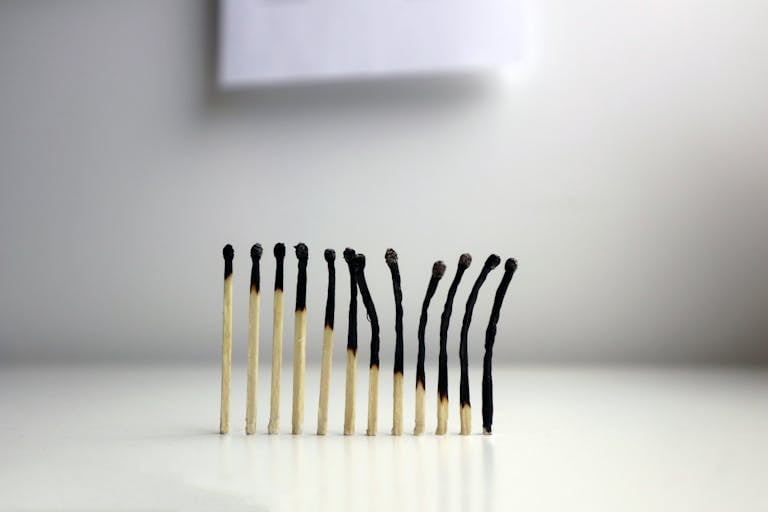

ESFJs in casual dating carry a particular tension that most personality guides overlook: they are wired for warmth, connection, and genuine care, yet the undefined nature of casual dating often leaves them uncertain about how much of themselves to give. An ESFJ doesn’t simply date casually the way some types do. They show up fully, read the room constantly, and quietly wonder whether the person across from them values what they’re offering.
At each stage of casual dating, from that first tentative connection through the murky middle ground of “what are we,” ESFJs face a distinct set of emotional challenges and genuine strengths. Understanding how those stages unfold can make the difference between an experience that feels draining and one that actually works in their favor.
If you’re an ESFJ trying to make sense of where you stand in a casual relationship, or if you’re dating one and want to understand what’s really happening beneath the surface, this guide walks through each stage honestly.
This article is part of a broader look at how Extroverted Sentinels approach relationships, careers, and self-understanding. You can find the full collection over at our MBTI Extroverted Sentinels (ESTJ & ESFJ) hub, where we explore what makes these types tick across every area of life.

Why Does Casual Dating Feel So Complicated for ESFJs?
I’ve spent a lot of time thinking about why certain people find ambiguity genuinely painful rather than just mildly inconvenient. As an INTJ, I process uncertainty internally, turning it over quietly until I reach some kind of resolution. ESFJs don’t work that way. Their dominant function, Extraverted Feeling, means they are constantly scanning their social environment for emotional data, and they calibrate their own sense of wellbeing based on the harmony they perceive around them.
What’s your personality type?
Take our free 40-question assessment and get a detailed personality profile with dimension breakdowns, context analysis, and personalised insights.
Discover Your Type8-12 minutes · 40 questions · Free
Casual dating, by design, is built on ambiguity. It resists labels. It asks people to engage emotionally without committing to emotional accountability. For a type that derives genuine satisfaction from nurturing defined relationships and knowing where they stand with people, that structure (or lack of it) creates real friction.
The Myers-Briggs Foundation describes Feeling types as prioritizing personal values and interpersonal harmony in their decision-making. For ESFJs, that’s not just a preference. It’s the lens through which every interaction gets filtered. A vague text response isn’t just a vague text response. It’s data that gets analyzed, emotionally weighted, and folded into an ongoing assessment of where things stand.
Add to that the ESFJ’s strong Judging preference, which creates a genuine pull toward order, closure, and defined expectations, and you start to see why casual dating can feel like trying to build a house on sand. It’s not that ESFJs can’t do it. They can, and many do it thoughtfully. But they tend to experience it differently than types who are more comfortable sitting in open-ended situations indefinitely.
What Actually Happens in the First Stage of Casual Dating for an ESFJ?
Early casual dating for an ESFJ tends to look genuinely wonderful from the outside. They’re attentive, warm, curious about the other person, and remarkably good at making people feel seen. I’ve watched colleagues with this personality type work a room in ways that left everyone feeling like the most important person there. That same quality shows up in early dating, and it’s genuinely magnetic.
In the first stage, ESFJs typically:
- Remember small details from previous conversations and bring them up naturally
- Create comfortable, warm environments for dates (they’re often the ones who suggest the cozy restaurant rather than the trendy loud bar)
- Express genuine interest in the other person’s life, family, and values
- Go out of their way to accommodate preferences they’ve picked up on
What’s happening beneath that warmth, though, is worth paying attention to. ESFJs are already forming impressions about long-term compatibility. They’re noticing whether the other person asks questions back. They’re tracking how the other person treats service staff, references family, and responds to small acts of care. This isn’t calculating. It’s simply how their mind works.
The challenge in this first stage is one I’ve written about separately, because it connects to a broader pattern that ESFJs often struggle with. There’s a real risk that their warmth and attentiveness gets mistaken for casual interest when it’s actually the way they show up for everyone they care about. That misread can set up painful dynamics down the line. If you want to understand why this happens at a deeper level, the piece on why ESFJs are liked by everyone but known by no one gets at the hidden cost of that people-pleasing instinct in a way that I think is genuinely useful for ESFJs to sit with.

How Does an ESFJ Manage the Emotional Investment Gap in Early Dating?
One of the most common experiences ESFJs report in casual dating is finding themselves significantly more emotionally invested than the situation technically warrants. After three or four good dates, they’re already thinking about whether this person would get along with their friends. The other person might still be deciding whether they want a fourth date.
That gap isn’t a character flaw. It’s a predictable outcome of how ESFJs process connection. They don’t experience relationships in the same compartmentalized way that some types do. When they’re in, they’re in. And the warmth they extend isn’t performance. It reflects real emotional engagement.
The American Psychological Association has noted that personality traits shape not just how people behave, but how they experience and interpret social situations. For ESFJs, the interpretation of early-stage dating interactions tends to be more emotionally charged than the other person may realize, which can create a mismatch in expectations that neither person intended.
Managing this gap requires something that doesn’t come naturally to most ESFJs: holding back. Not in a game-playing sense, but in a genuine self-protective sense. Pacing emotional investment to match what the situation has actually established, rather than what it feels like it could become, is a skill ESFJs often have to consciously develop.
There’s also a darker side to this pattern that’s worth naming directly. ESFJs who don’t manage this tendency can find themselves repeatedly overextending in early relationships, giving more than the situation calls for, and then feeling blindsided when the other person doesn’t reciprocate at the same level. I’ve seen this play out in professional contexts too, not just romantic ones—which is why finding work that matches your type becomes even more critical for managing these patterns. Understanding the shadow side of being an ESFJ is genuinely important for people with this personality type, because the same traits that make them wonderful partners can also leave them vulnerable to ESFJ addiction patterns and other coping mechanisms they don’t always see coming.
What Does the Middle Stage of Casual Dating Actually Look Like for ESFJs?
If the early stage is characterized by warmth and quiet assessment, the middle stage of casual dating tends to be where ESFJs feel the most strain. This is the phase where things have progressed beyond “getting to know you” but haven’t reached any kind of defined commitment. For many people, this ambiguous middle ground is simply part of the process. For ESFJs, it can feel genuinely uncomfortable.
During this stage, ESFJs often:
- Start noticing inconsistencies between what the other person says and how they behave
- Feel the pull to have “the conversation” about where things are headed
- Struggle with whether to express their growing feelings or hold them back to protect the dynamic
- Begin accommodating the other person’s preferences in ways that edge toward self-abandonment
That last point deserves more attention. ESFJs are natural peacekeepers. In the middle stage of casual dating, that instinct can lead them to swallow concerns, avoid bringing up things that feel important, and reshape their expressed preferences to match what they think the other person wants. It feels like flexibility. It often functions as self-erasure.
Knowing when to stop accommodating and start advocating for what you actually need is one of the more critical skills ESFJs can develop. The piece on when ESFJs should stop keeping the peace addresses this directly, and I’d encourage any ESFJ in the middle stage of a casual relationship to read it before they find themselves further down a path that doesn’t actually serve them.

How Do ESFJs Handle the Moment When Feelings Outgrow the Situation?
There’s a specific moment that many ESFJs in casual relationships describe: the point where their feelings have grown significantly beyond what the casual label can hold, and they have to decide what to do with that.
Some types handle this moment by simply stating what they want and letting the chips fall. ESFJs tend to approach it differently. They’re often more concerned with how the conversation will land, whether it will disrupt the harmony they’ve worked to build, and whether expressing their feelings will push the other person away. So they wait. And while they wait, they often continue investing emotionally in a situation that hasn’t given them any signal it will meet them where they are.
I want to be honest here about something I’ve observed across many years of working with people in high-pressure environments. During my agency years, I worked with team members who were clearly ESFJ in their approach: extraordinarily attuned to the emotional temperature of the room, gifted at building relationships with clients, and genuinely invested in the wellbeing of everyone around them. The ones who struggled most weren’t the ones who cared too much. They were the ones who had never learned to advocate for their own needs with the same energy they brought to everyone else’s. The same dynamic shows up in romantic relationships.
When feelings outgrow the situation, ESFJs have a few honest options. They can have the conversation about where things are headed, accepting that the answer might not be what they want. They can consciously choose to continue in the casual arrangement with clearer eyes about what it is and isn’t. Or they can recognize that the situation isn’t meeting their needs and exit with their self-respect intact. What doesn’t serve them is continuing to pour energy into something indefinitely while hoping the other person will eventually notice and reciprocate.
The Truity personality database offers some useful framing around how Sentinel types approach relationship decisions, and while it’s primarily focused on ESTJs, the broader pattern of how these types weigh relational structure against emotional need is relevant for ESFJs too.
What Role Does Conflict Avoidance Play in ESFJ Casual Relationships?
Conflict avoidance is one of the more significant patterns to understand in how ESFJs move through casual dating. Because they’re deeply oriented toward harmony, and because the undefined nature of casual dating means there’s always an implicit risk of the other person simply walking away, ESFJs often suppress friction rather than addressing it.
Small things get let go. Patterns that bother them get rationalized. Moments where they felt dismissed or undervalued get reframed as misunderstandings. This isn’t weakness. It’s a natural expression of their core orientation. But it accumulates.
By the time an ESFJ reaches a breaking point in a casual relationship, the other person is often genuinely surprised. From their perspective, everything seemed fine. From the ESFJ’s perspective, a long series of small disappointments has finally reached a threshold they can no longer absorb quietly.
One thing that has always struck me about this dynamic is how it mirrors patterns I saw in workplace relationships. I’ve watched talented people, many of them with the ESFJ’s characteristic warmth and people-focus, absorb friction from difficult colleagues or demanding clients for months before finally reaching a limit. The explosion, when it came, always seemed disproportionate to everyone who hadn’t been paying attention to the buildup. In casual dating, the same thing happens. The ESFJ’s eventual frustration or withdrawal can seem sudden to the other person, but it rarely is.
There’s an interesting parallel here with how directness gets handled in Sentinel types more broadly. The piece on ENFJ and INTJ: Teacher Meets Strategist explores how different personality types navigate communication styles, raising questions about the spectrum between honest communication and emotional bluntness that ESFJs often find themselves handling from the opposite direction. Where ESTJs sometimes need to soften, ESFJs sometimes need to sharpen.

How Do External Influences Shape the ESFJ Casual Dating Experience?
ESFJs are more influenced by the opinions of people they trust than almost any other type. In the context of casual dating, this means that what their friends think about the person they’re seeing, what their family would think if they knew, and what the broader social narrative says about casual relationships all carry genuine weight in how they feel about what they’re doing.
This isn’t superficiality. It reflects the ESFJ’s deep connection to community and their natural tendency to understand themselves in relation to the people around them. But it can create complications in casual dating, where the relationship often hasn’t reached a point where it’s been introduced to anyone, and where the ESFJ is therefore processing their experience largely in isolation.
An ESFJ who is genuinely enjoying a casual relationship may find that enjoyment undermined by a friend’s skeptical comment or a family member’s question about “where things are going.” Conversely, an ESFJ who has real doubts about a casual relationship may continue it longer than they should because the people in their life seem enthusiastic about the other person.
The Myers-Briggs Foundation’s explanation of type dynamics is helpful here. Understanding that Extraverted Feeling as a dominant function means ESFJs are genuinely oriented outward in their emotional processing, not just performing social awareness, helps explain why external input carries so much weight for them. It’s not that they can’t form independent judgments. It’s that their judgments are naturally shaped by the social context in which they form them.
For ESFJs in casual dating, developing the capacity to distinguish between their own genuine feelings and the feelings they’ve absorbed from people around them is genuinely valuable work. Therapy can be useful here. The National Institute of Mental Health offers solid resources on psychotherapy approaches that help people develop greater clarity about their internal emotional landscape, which is something many ESFJs find genuinely supportive during periods of relational uncertainty.
What Happens When an ESFJ Realizes the Casual Arrangement Isn’t Working for Them?
This is the stage that often defines how an ESFJ’s casual dating experience in the end shapes them. When the realization comes that the current arrangement isn’t meeting their needs, ESFJs face a choice that cuts against several of their core tendencies simultaneously.
Ending something, or changing its terms, requires them to prioritize their own needs over the other person’s comfort. It requires them to introduce potential conflict into a dynamic they’ve worked hard to keep harmonious. And it requires them to accept that the other person might respond badly, which for someone whose emotional wellbeing is closely tied to how others receive them, is genuinely difficult to sit with.
What I’ve noticed, both in my own observations and in conversations with people who identify strongly with this type, is that ESFJs often try to find a middle path at this stage. They don’t end things cleanly or change the terms directly. They gradually withdraw warmth and availability, hoping the other person will notice and either step up or create an opening for the conversation. It’s a way of managing the discomfort of direct confrontation while still signaling that something needs to change.
The problem is that this approach often doesn’t work. The other person, particularly if they’re not especially emotionally attuned, may simply not notice the shift. Or they may notice but interpret it as the ESFJ losing interest rather than as a signal that something needs to be addressed. The clarity that the ESFJ is hoping the other person will bring to the situation usually has to come from the ESFJ themselves.
There’s something worth noting here about how the ESFJ’s relationship to authority and structure shows up in this context. They often have deeply held ideas about how relationships should work, informed by their upbringing, their community, and their values. When a casual relationship conflicts with those ideas, the discomfort isn’t just situational. It can feel like a values conflict. The piece on ESTJ parents and the line between concern and control touches on how Sentinel types internalize relational expectations from family systems, and while it’s focused on a different context, the underlying dynamic of inherited relational scripts is deeply relevant to how ESFJs approach their own dating lives. Understanding how ESTJs express love can illuminate why these relational expectations feel so non-negotiable for their ESFJ cousins as well.
What Genuine Strengths Do ESFJs Bring to Casual Dating That Often Go Unrecognized?
It’s easy to frame the ESFJ casual dating experience primarily through the lens of challenges, and those challenges are real. But there are genuine strengths that ESFJs bring to early-stage relationships that deserve recognition, both by the ESFJs themselves and by the people dating them.
ESFJs are extraordinarily good at creating the conditions where another person feels comfortable being themselves. That’s not a small thing. Many people find early dating anxiety-inducing precisely because they feel like they’re being evaluated. An ESFJ’s warmth and genuine curiosity tend to dissolve that anxiety in ways that make the experience more enjoyable for everyone involved.
They’re also reliable in ways that matter. If an ESFJ says they’ll be somewhere, they’ll be there. If they say they’ll follow up, they follow up. In a dating landscape where flakiness has become almost normalized, that consistency is genuinely meaningful.
And ESFJs tend to bring real intentionality to the experience of dating itself. They’re not just going through motions. They’re genuinely trying to understand who the other person is and whether there’s something real worth building. That quality of attention, even in a casual context, creates the conditions for genuine connection in ways that more detached approaches often don’t.
A 2023 review published through Psychology Today on personality and relationship satisfaction noted that individuals who score high on agreeableness and social attunement, traits closely associated with the ESFJ profile, tend to create more satisfying early relationship experiences for their partners, even when those relationships don’t in the end progress. That matters. The quality of connection an ESFJ brings to casual dating is real, and it leaves people better, not worse, for having experienced it.
There’s also something to be said for how ESFJs handle the practical dimensions of dating. Where some types get lost in the abstract or the hypothetical, ESFJs tend to show up in concrete, tangible ways. They remember the coffee order. They suggest the plan that works for both people. They follow through. In a world where a lot of early dating energy goes into managing uncertainty and ambiguity, that groundedness is quietly valuable.
Understanding how Sentinel types approach workplace dynamics can actually illuminate their relational patterns too. The article on ESTJ bosses and what makes them either difficult or exceptional explores how Sentinel reliability and structure play out under pressure, and some of those same qualities show up in how ESFJs approach the early stages of relationships. Their consistency isn’t accidental. It’s an expression of who they are.

What Does Healthy Casual Dating Actually Look Like for an ESFJ?
Healthy casual dating for an ESFJ isn’t about suppressing their natural warmth or pretending they don’t care more than they do. It’s about bringing their genuine strengths to the experience while building in the self-awareness and self-protection that their tendencies sometimes work against.
Practically, that looks like a few specific things.
First, being honest with themselves early about what they actually want. ESFJs sometimes enter casual arrangements telling themselves they’re fine with low-commitment dynamics when they’re not. That self-deception doesn’t serve them. Knowing what you want, even if you’re willing to start casually and see how things develop, is different from pretending you want something you don’t.
Second, maintaining their own life and relationships outside of the dating dynamic. ESFJs can become overly focused on the person they’re seeing, gradually deprioritizing their own friendships, interests, and needs in favor of being available and accommodating. Keeping that balance isn’t just good self-care. It makes them more interesting and less anxious in the relationship itself.
Third, practicing directness in small doses before it becomes necessary in large ones. ESFJs who wait until they’re at a breaking point to say what they need tend to have harder conversations than those who’ve built a pattern of honest, low-stakes communication from the beginning. Saying “I’d prefer we make plans a bit further in advance” two weeks in is much easier than saying “I’ve been feeling disrespected for months” after the fact.
Finally, and perhaps most importantly, recognizing that their emotional investment in another person doesn’t obligate that person to reciprocate at the same level. This is a genuinely hard thing for ESFJs to internalize. They give a lot. They notice when others don’t give back at the same rate. But in casual dating especially, the other person may simply be at a different place, and that’s not a judgment on the ESFJ’s worth or the quality of what they’ve offered.
The Truity exploration of personality compatibility raises a useful point about how shared or complementary personality traits affect relationship dynamics. For ESFJs, finding someone who genuinely appreciates their warmth and reciprocates with consistency and care tends to create much more sustainable early-stage experiences than chasing connection with someone whose approach to relationships is fundamentally different from their own.
Explore the full range of Sentinel personality insights, relationship patterns, and career dynamics in our MBTI Extroverted Sentinels (ESTJ & ESFJ) hub, where we continue to add new perspectives on what makes these types genuinely distinctive.
About the Author
Keith Lacy is an introvert who’s learned to embrace his true self later in life. After 20 years in advertising and marketing leadership, including running agencies and managing Fortune 500 accounts, Keith now channels his experience into helping fellow introverts understand their strengths and build fulfilling careers. As an INTJ, he brings analytical depth and authentic perspective to every article, drawing from both professional expertise and personal growth.
Frequently Asked Questions
Can ESFJs genuinely enjoy casual dating, or does it always feel like a compromise?
ESFJs can genuinely enjoy casual dating when they enter it with honest self-awareness about what they want and what they’re willing to accept. The experience tends to feel like a compromise when ESFJs tell themselves they’re comfortable with ambiguity while quietly hoping the situation will evolve into something more defined. When they approach casual dating with clear eyes, maintaining their own emotional boundaries and pacing their investment to match what the situation has actually established, many ESFJs find it can be a rewarding way to get to know someone without premature pressure. The difference lies in the internal honesty they bring to the arrangement from the start.
Why do ESFJs tend to overinvest emotionally in the early stages of casual relationships?
ESFJs lead with Extraverted Feeling, which means their emotional engagement with others is immediate, genuine, and difficult to compartmentalize. When they connect with someone, that connection activates their full relational orientation: curiosity, care, attentiveness, and investment. They’re not performing warmth strategically. They’re simply expressing who they are. In casual dating contexts, this can mean their emotional investment outpaces the defined terms of the relationship, not because they’re ignoring those terms, but because their natural way of relating doesn’t easily fit within them. Developing the capacity to consciously pace that investment, without suppressing it entirely, is something most ESFJs benefit from working on.
How should an ESFJ handle the “what are we” conversation in a casual relationship?
ESFJs often delay this conversation longer than they should because they’re concerned about disrupting the harmony of the dynamic or pushing the other person away. The most effective approach is to have it earlier than feels comfortable, framed not as an ultimatum but as an honest expression of where they are. Something like “I want to be straightforward with you about where I’m at” tends to land better than waiting until the ESFJ is already frustrated and the conversation carries more emotional weight than it needs to. ESFJs who practice directness in low-stakes moments throughout the relationship find that the bigger conversations are significantly easier when they arrive.
What’s the biggest mistake ESFJs make in casual dating?
The most common and costly mistake is prioritizing the other person’s comfort over their own needs across an extended period of time. ESFJs are natural peacekeepers, and in casual dating, where there’s always an implicit risk that the other person could simply disengage, that peacekeeper instinct can lead them to absorb friction, suppress their genuine feelings, and reshape their expressed preferences to match what they think the other person wants. Over time, this erodes their sense of self within the relationship and sets up a dynamic where they’re giving far more than they’re receiving. Recognizing this pattern early, and choosing honest communication over conflict avoidance, is the single most protective thing an ESFJ can do in casual dating.
How does an ESFJ know when it’s time to exit a casual relationship?
Several signals tend to indicate that a casual relationship has run its course for an ESFJ. They find themselves consistently anxious rather than genuinely enjoying the connection. They’ve had or tried to have honest conversations about where things are headed and received vague or dismissive responses. They’re regularly suppressing things that matter to them to keep the peace. Or they’ve realized that what they actually want from this person is something the casual arrangement structurally cannot provide. ESFJs sometimes wait for the other person to make the decision for them, which tends to be more painful than making it themselves. Trusting their own assessment of the situation, even when it’s uncomfortable, is a genuine act of self-respect.