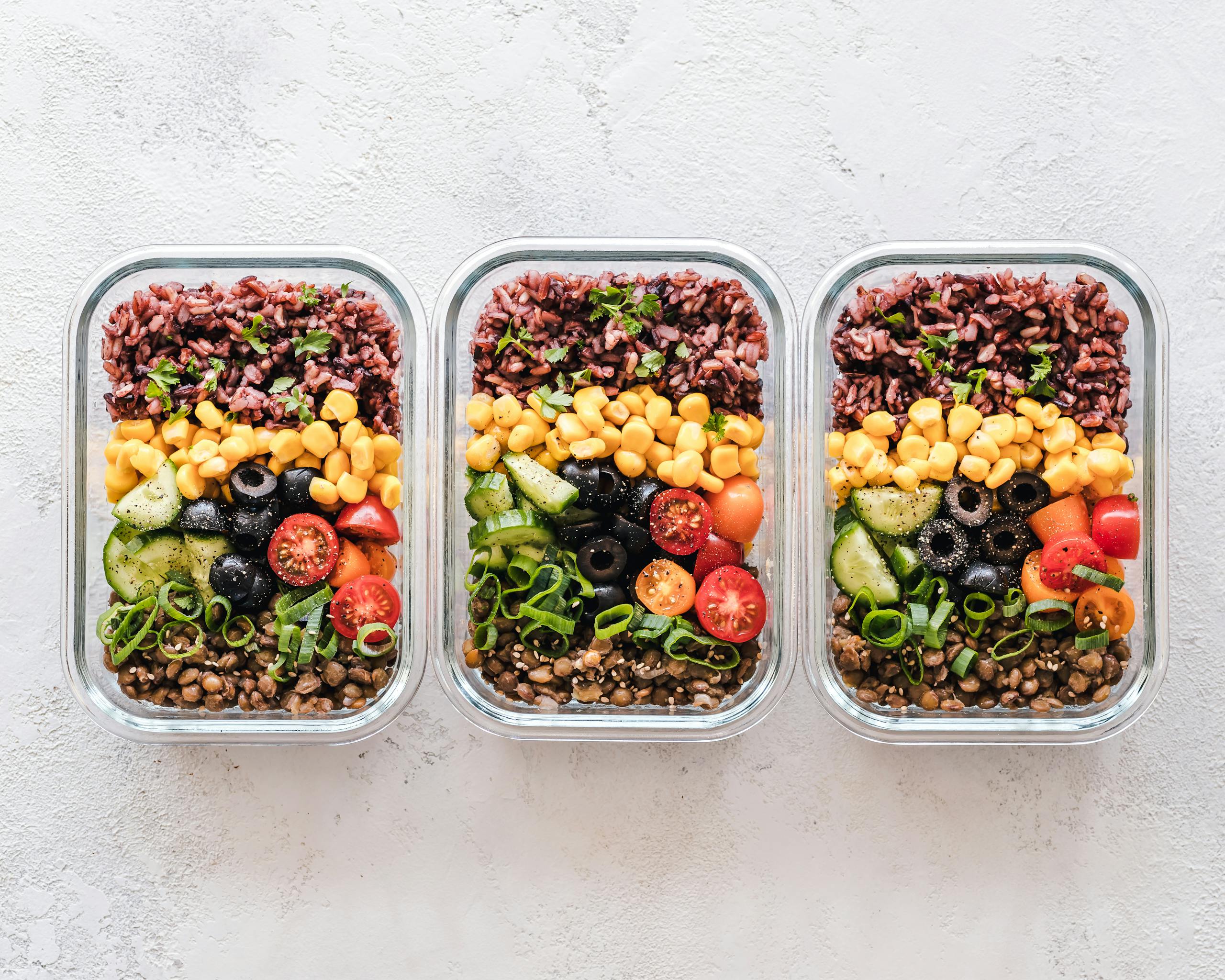

Standing in the kitchen at 7 PM after a full day of meetings, deadlines, and forced small talk, the last thing I wanted to do was figure out dinner. The fridge was full of ingredients I’d bought with good intentions. But my brain had nothing left to give. So I ordered takeout again, felt guilty about it, and promised myself tomorrow would be different.
It rarely was.
If this sounds familiar, you’re not lazy or bad at adulting. You’re likely experiencing something psychologists call decision fatigue, and introverts often feel it more intensely. After spending your mental energy navigating social interactions, processing information deeply, and managing your energy throughout the day, cooking dinner becomes one decision too many.
The solution isn’t becoming a better cook or developing a sudden passion for cuisine. It’s removing decisions from the equation entirely. Meal prep transforms cooking from a daily energy drain into a single, focused session that leaves the rest of your week mercifully free.
Why Introverts Struggle with Daily Cooking
During my years running a marketing agency, I noticed something about my eating habits that took me embarrassingly long to understand. On days packed with client presentations and team meetings, I ate terribly. Fast food, vending machine snacks, whatever required zero additional thought. But on quieter days working from home, I’d cook elaborate meals without any struggle.
What’s your personality type?
Take our free 40-question assessment and get a detailed personality profile with dimension breakdowns, context analysis, and personalised insights.
Discover Your Type8-12 minutes · 40 questions · Free
The difference wasn’t motivation or time. It was cognitive load.
Introverts process stimuli more deeply than extroverts. We analyze conversations after they happen, replay interactions, consider multiple angles of every situation. This thorough processing makes us excellent at strategic thinking and creative problem solving. But it also means we burn through mental energy faster in stimulating environments.
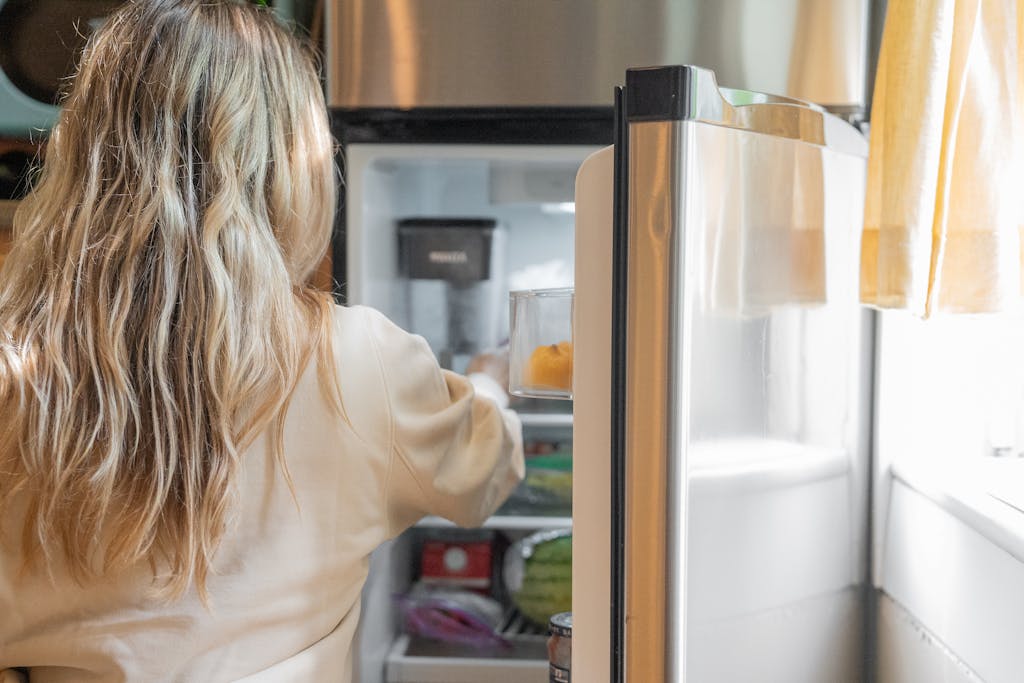
By evening, what seems like a simple question becomes overwhelming. What should I eat? What ingredients do I have? What sounds good? How long will it take? Do I have the energy? Each question chips away at your depleted reserves until ordering delivery feels like the only survivable option.
A study published in the International Journal of Behavioral Nutrition and Physical Activity found that meal planning was associated with better dietary quality and healthier weight status. The researchers noted that planning ahead helps offset the time scarcity many people experience around meal preparation. For introverts, this time scarcity is often actually energy scarcity disguised as a schedule problem.
The Real Barrier: It’s Not About Cooking Skills
Here’s what took me years to figure out: I don’t actually hate cooking. I hate making decisions about cooking when I’m exhausted. There’s a massive difference.
When I’m rested and have mental bandwidth, I enjoy the methodical process of preparing food. Chopping vegetables becomes almost meditative. Following a recipe provides clear structure. The kitchen becomes a quiet refuge rather than another demand on my attention.
The problem isn’t the cooking itself. It’s the timing and the decisions. When you batch those decisions into a single session while you’re still relatively fresh, everything changes. You’re not fighting your introvert nature anymore. You’re working with it.
Understanding your daily energy patterns makes meal prep significantly easier. Most introverts have predictable windows when cognitive tasks feel manageable versus windows when any decision feels impossible.
The Introvert’s Approach to Meal Prep
Forget the Instagram worthy meal prep photos showing seventeen different dishes in color coordinated containers. That approach works great for people who find cooking energizing. For the rest of us, the goal is maximum nutrition with minimum ongoing effort.
Harvard’s Nutrition Source recommends starting simple and building complexity only after you’ve established a sustainable routine. This advice resonates deeply with how introverts approach new habits. We need to see something working before we invest more energy into it.
Start with the Two Hour Sunday Session
Pick a two hour window on Sunday when you’re reasonably rested. Not Sunday evening when you’re dreading the upcoming week. Not right after a social obligation. Find your calm window and protect it.

During this session, you’re making exactly three things: a protein, a grain, and roasted vegetables. That’s it. No elaborate recipes. No trying five new things at once. Just three foundational components that combine into various meals throughout the week.
I learned this approach after several spectacular meal prep failures. I’d try to make a week’s worth of different lunches and dinners, spending five hours in the kitchen only to feel so burned out I didn’t want to look at any of it. The simpler approach actually produces better results because you’ll actually stick with it.
The No Decision Meal Formula
Every meal during the week follows the same basic formula: protein plus grain plus vegetables plus sauce. That’s the entire decision framework. When hunger strikes, you’re not choosing what to make. You’re just assembling pre made components.
Monday: chicken plus rice plus broccoli plus teriyaki sauce. Tuesday: chicken plus rice plus roasted peppers plus salsa. Wednesday: chicken plus quinoa plus mixed vegetables plus pesto. You get the pattern. Same prep session, different combinations, zero daily decisions.
This approach directly addresses what researchers describe as the cognitive load of repeated decision making. By removing choice from the daily equation, you preserve mental energy for things that actually require it.
Building Your Minimal Meal Prep System
The best system is one you’ll actually use. For introverts who hate cooking, that means minimizing every possible friction point.
Week One: Absolute Basics
Make one large batch of seasoned chicken breast or thighs. Roast two sheet pans of vegetables, whatever is currently cheap at the store. Cook a big pot of rice or quinoa. Store everything in simple containers.
That’s your entire first week. Boring? Maybe. But boring and sustainable beats exciting and abandoned every time. The point isn’t culinary excellence. It’s feeding yourself without depleting your reserves.
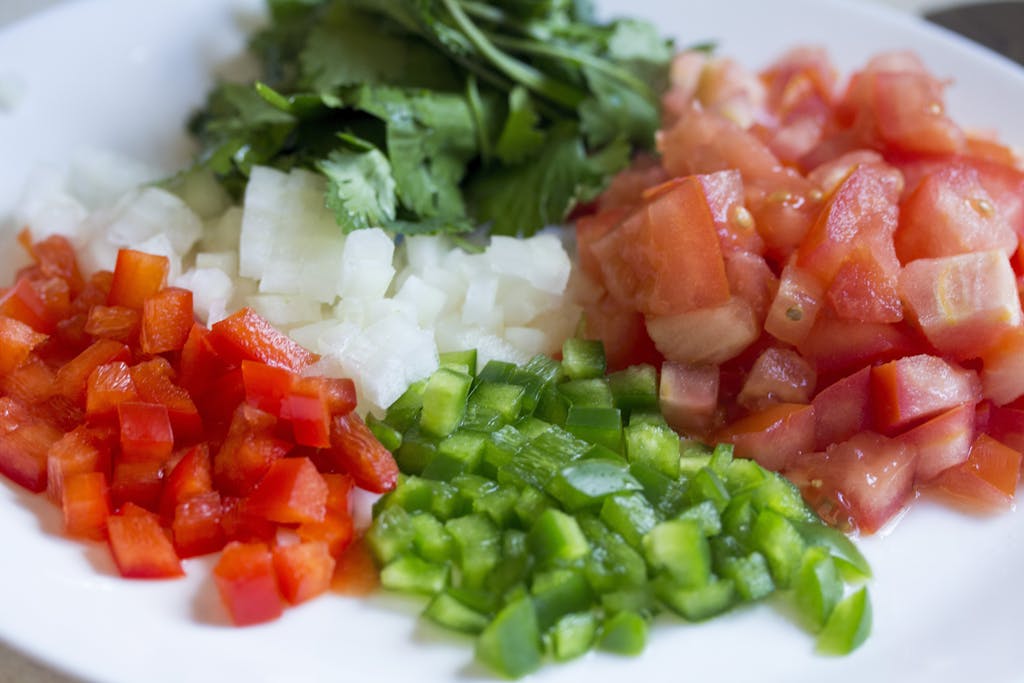
Managing your energy effectively through introvert focused self care strategies includes protecting yourself from unnecessary drains. Daily cooking decisions absolutely qualify as unnecessary drains.
Week Two: Add Sauces
Once the basic system feels manageable, add variety through sauces rather than through different meals. Keep five or six store bought sauces on hand. Teriyaki, salsa, pesto, curry sauce, marinara, whatever you enjoy.
Now the same chicken and vegetables become completely different meals depending on which sauce you grab. Variety without additional cooking. Decision making without decision fatigue.
Week Three: Add One New Protein
After two successful weeks, add a second protein to your prep session. Maybe ground turkey for taco bowls, or a slow cooker pulled pork that requires almost no active attention. You’re gradually expanding your options while keeping the system simple.
The slow expansion approach works because it doesn’t overwhelm. Each addition comes only after the previous step feels automatic. This respects how introverts build new habits, layer by careful layer.
The Energy Saving Shortcuts
After years of refining my own approach, certain shortcuts have proven invaluable for preserving energy while still eating well.
Rotisserie Chicken Is Not Cheating
A grocery store rotisserie chicken costs about seven dollars and provides protein for four to five meals. Shred it when you get home, store it in containers, and you’ve eliminated one entire component from your prep session. I spent years feeling guilty about this shortcut before realizing that guilt was completely pointless. The goal is eating well with minimal energy expenditure. Rotisserie chicken serves that goal perfectly.
Frozen Vegetables Are Your Friend
Fresh vegetables are wonderful when you have the bandwidth to deal with them. But frozen vegetables are already washed, cut, and ready. They’re often flash frozen at peak ripeness, making them nutritionally comparable to fresh. Keep several bags in your freezer for nights when even reheating feels like effort.

According to research on home meal preparation, the key to healthier eating isn’t complexity. It’s consistency. Simple methods that you actually use will always beat elaborate systems that you abandon.
The Overnight Oats Breakfast Solution
Breakfast decisions drain morning energy that introverts desperately need for the day ahead. Overnight oats eliminate this entirely. Mix oats, milk or yogurt, and whatever toppings you enjoy in a jar. Refrigerate overnight. Grab and eat. Zero morning decisions, zero cooking, zero cleanup.
Make five jars on Sunday alongside your other prep. Monday through Friday breakfast becomes a non issue. That’s one fewer daily decision times five, adding up to significant cognitive savings over the week.
When the System Breaks Down
No system works perfectly forever. Some weeks you won’t prep. Some weeks the food in your fridge will go uneaten. Some weeks you’ll order delivery every single night despite a refrigerator full of prepared food.
This isn’t failure. It’s information.
When my prep sessions started slipping, I realized I’d made them too ambitious. The system that worked for relaxed weeks didn’t survive high stress periods. So I developed what I call the emergency tier, an even simpler approach for when regular prep feels impossible.
Emergency tier means frozen meals, pre washed salad kits, deli items, and canned soups. Not ideal for everyday. But infinitely better than the takeout spiral that happens when you have no backup plan. Maintaining your overall wellness as an introvert sometimes means accepting good enough rather than demanding perfection.
The Psychological Shift That Changes Everything
The biggest change wasn’t in my cooking habits. It was in how I thought about self care.
For years, I viewed meal prep as another item on an endless to do list. Another way I should be more productive. Another area where I was falling short. This mindset guaranteed failure because it made the whole process feel like a punishment.
The reframe that finally worked: meal prep is how I protect my future self from decisions she won’t have energy to make. It’s not about being a responsible adult. It’s about being kind to yourself.
When you spend two hours on Sunday prepping food, you’re giving your weekday self the gift of easy evenings. Every meal that’s already made is a decision your tired brain doesn’t have to wrestle with. That’s not productivity culture. That’s genuine self care.

Understanding this connection between recharging through alone time and removing unnecessary drains transformed how I approach everything from meal prep to household tasks to social commitments.
Creating Your Sustainable Routine
Everyone’s ideal meal prep routine looks different. The framework matters more than the specific details.
Start by identifying your weekly low point. When do you most often reach for takeout or junk food? That’s the moment you’re trying to solve for. Work backwards from there.
If weeknight dinners are your struggle, prep dinner components. If lunch is where you fall apart, prep portable lunches. If mornings are impossible, prep breakfasts. Don’t try to solve everything at once. Pick your biggest pain point and address that first.
Then protect your prep time fiercely. Treat it like an appointment you cannot cancel. For introverts, this time is often best scheduled when your energy is naturally higher, typically weekend mornings rather than Sunday evenings. The research on decision fatigue patterns confirms that timing matters significantly for cognitive tasks.
Consider your prep session as part of your larger energy management strategy. It’s not separate from self care. It is self care.
The Unexpected Benefits
Beyond the obvious benefit of having food ready when you’re tired, meal prep creates surprising secondary effects.
Grocery shopping becomes faster and less overwhelming when you’re buying the same basic items each week. You stop wandering aimlessly through aisles trying to decide what sounds good, because you already know what you need.
Food waste decreases dramatically when everything you buy has a specific purpose. No more wilted vegetables forgotten in the produce drawer. No more ingredients purchased for recipes you never got around to making.
And perhaps most importantly for introverts: evenings become truly restorative. Instead of spending your limited post work energy figuring out dinner, you can spend it on things that actually recharge you. Reading, quiet hobbies, genuine rest. The time you reclaim is often more valuable than the money you save.
Practices like mindfulness and meditation become much more accessible when you’re not spending mental energy on basic survival tasks like feeding yourself.
Starting Today, Not Someday
You don’t need to overhaul your entire approach to food this weekend. You don’t need special containers or elaborate recipes or a Pinterest worthy setup.
Start with one thing. Maybe it’s making a batch of rice on Sunday. Maybe it’s buying a rotisserie chicken and actually using it instead of letting it languish in your fridge. Maybe it’s just putting five overnight oats jars together before bed.
One small win leads to another. The goal isn’t perfection. It’s making the path from exhaustion to eating as short and decision free as possible.
Your introvert brain is already working overtime processing the world. Give it the gift of one fewer daily problem to solve. Future you will be grateful.
Exploring more self care strategies designed specifically for introverts can help you build a complete system that supports your energy needs across all areas of life.
Frequently Asked Questions
How long does meal prep actually take?
A basic prep session with one protein, one grain, and roasted vegetables takes about two hours including cleanup. As you develop a routine, you’ll naturally become faster. Many introverts find the consistency more valuable than the time saved, since the real benefit is eliminating daily decisions rather than saving minutes.
What if my prepped food gets boring by midweek?
Variety comes from sauces and seasonings rather than different main dishes. Keep several store bought options on hand so the same chicken and vegetables can become Asian, Mexican, Italian, or any other flavor profile. This creates variety without additional cooking or decision making.
Is meal prep really worth it if I live alone?
Single introverts often benefit most from meal prep because there’s no one else to share cooking responsibilities with. The portions scale perfectly for one person, and you can customize everything to your exact preferences without compromise.
What about food safety with prepped meals?
Most prepped proteins stay safe in the refrigerator for four days. Grains and roasted vegetables last even longer, typically five to seven days. If you’re prepping for a full week, consider freezing half and thawing midweek to ensure freshness and safety.
How do I stay motivated when meal prep feels like a chore?
Reframe the activity as a gift to your future self rather than a task to complete. Put on a podcast or music you enjoy. Make the prep session itself a form of quiet, productive alone time. When you connect meal prep to energy preservation rather than productivity pressure, it becomes much easier to sustain.
Explore more Solitude, Self-Care & Recharging resources in our complete hub.
About the Author
Keith Lacy is an introvert who’s learned to embrace his true self later in life. With a background in marketing and a successful career in media and advertising, Keith has worked with some of the world’s biggest brands. As a senior leader in the industry, he has built a wealth of knowledge in marketing strategy. Now, he’s on a mission to educate both introverts and extroverts about the power of introversion and how understanding this personality trait can unlock new levels of productivity, self-awareness, and success.