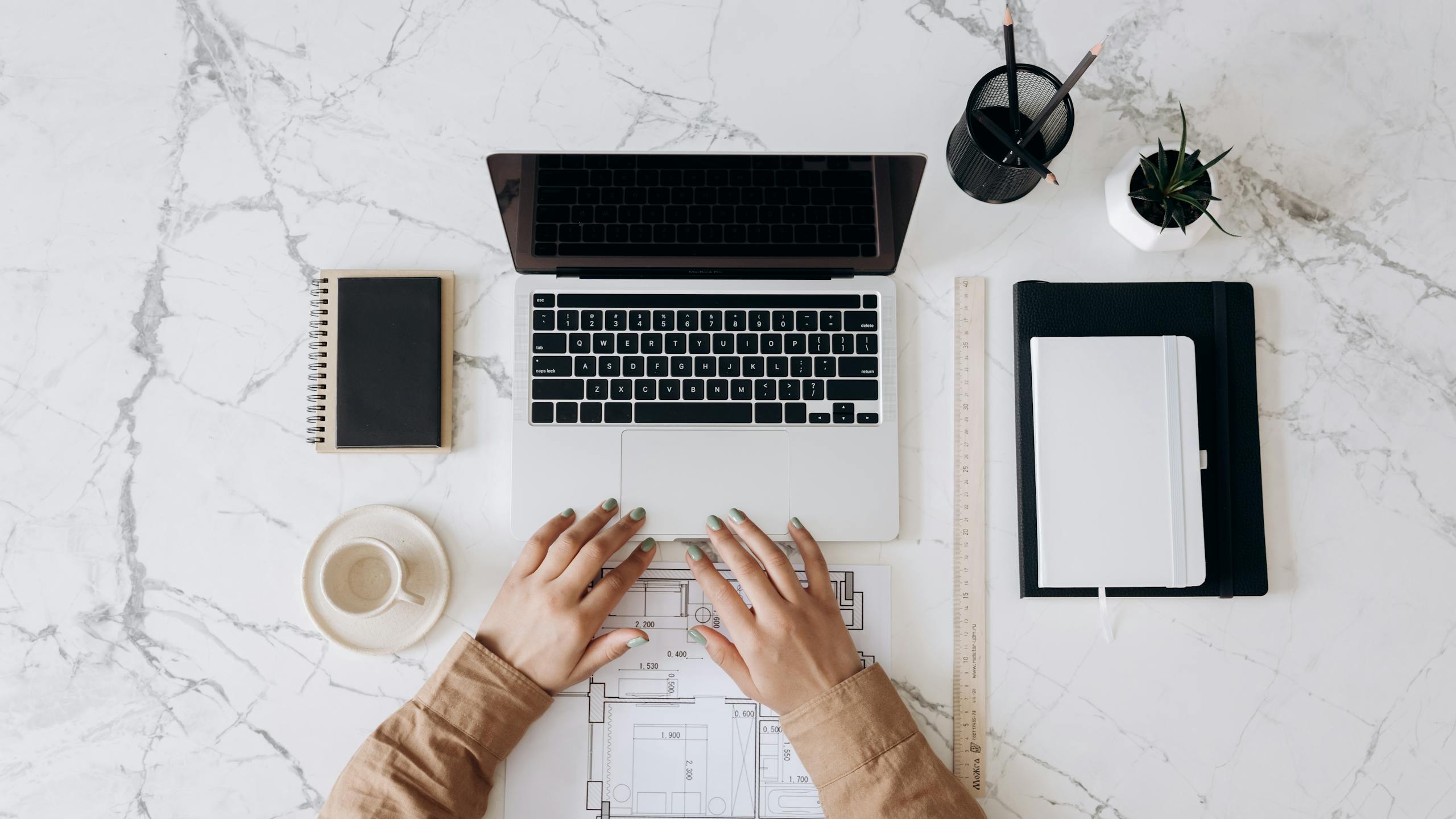
My home office used to be a disaster. Not in an obvious way. The desk looked fine, the chair was reasonably comfortable, and I had decent lighting. But something was wrong. Every afternoon around two o’clock, my energy crashed. My focus scattered. The creative work that should have flowed naturally felt like pushing through wet concrete.
After twenty years managing high-pressure agency environments, I thought I understood workspaces. I had designed collaboration zones for Fortune 500 clients and optimized team layouts for maximum productivity. Yet somehow, when it came to my own home office, I was making rookie mistakes that drained my introvert energy faster than back-to-back client meetings ever had.
The shift to remote work has been genuinely transformative for introverts. We finally have control over our environments. No more open-plan nightmares. No more fluorescent lighting buzzing overhead. No more colleagues interrupting our flow every fifteen minutes. But this freedom comes with responsibility. Without intentional design, your home workspace can become just as draining as any corporate office.
Why Workspace Design Matters More for Introverts
Research from Psychology Today confirms what many of us have experienced firsthand. Introverts’ brains are naturally more active at rest, making us more vulnerable to overstimulation from our environments. Where extroverts need stimulation to hit their productivity sweet spot, we need its opposite. Calm. Quiet. Control.
This neurological difference explains why workspace optimization is not a luxury for introverts. The same study found that after just eight minutes in a typical open office, workers experienced a 25% increase in negative mood and a 34% spike in physiological stress markers. Eight minutes. Now imagine spending years in an environment that fights against your natural wiring.

When I finally understood this, everything changed. My workspace was not just a place to put my laptop. It was either supporting my introvert brain or actively sabotaging it. There was no neutral ground.
The Foundation: Light That Works With Your Brain
Natural light is not just pleasant. It is physiologically essential for cognitive performance. A Cornell University study found that workers in daylit environments reported a 51% drop in eyestrain, a 63% drop in headaches, and a 56% reduction in drowsiness. These are not minor improvements. They represent the difference between struggling through your afternoon and maintaining momentum until you choose to stop.
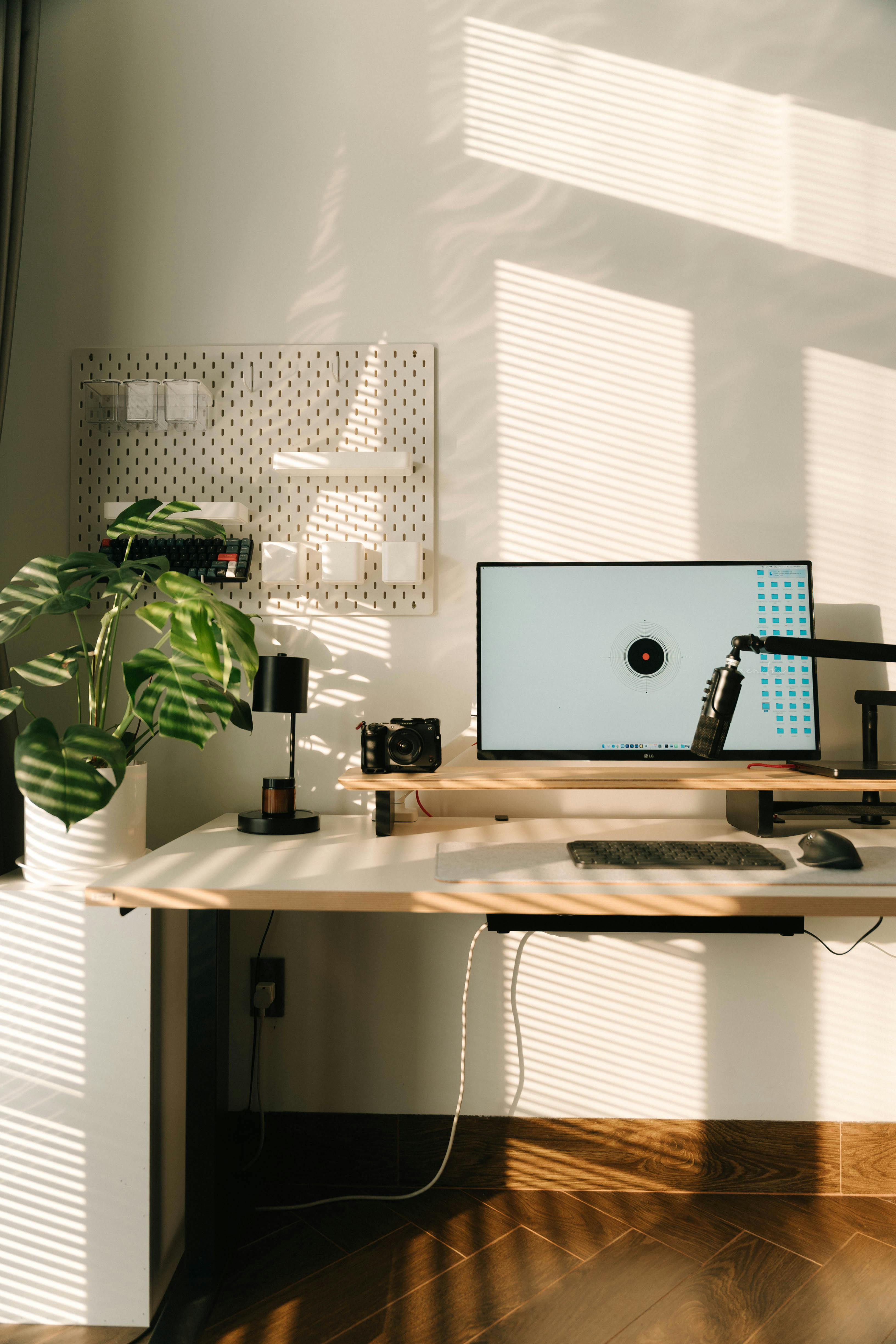
I spent years working with my back to the window, thinking I was being practical by avoiding screen glare. What I was actually doing was depriving my brain of the light it needed to regulate energy and mood. When I repositioned my desk perpendicular to the window, the afternoon crashes started disappearing.
If your home office lacks natural light, invest in full-spectrum bulbs that mimic daylight. The CDC’s National Institute for Occupational Safety and Health recommends working in areas where lighting can be well-controlled and suggests spending time in brightly lit spaces during the day to support your circadian rhythm. For introverts who already tend toward indoor activities, this becomes even more critical.
Sound: Creating Your Personal Quiet Zone
Noise affects introverts differently than extroverts. Our heightened sensitivity means that sounds others barely notice can derail our concentration entirely. The neighbor’s lawnmower. A delivery truck idling outside. Even the hum of a refrigerator in the next room. Each sound pulls a tiny piece of our attention, and those pieces add up.
During my agency years, I watched extroverted colleagues thrive in noisy environments while I struggled to form coherent thoughts. I assumed I was simply less capable of handling pressure. In reality, my brain was processing every conversation, every phone ring, every chair squeak in the entire office. No wonder I was exhausted by lunch.

Your home workspace should be your sanctuary. Identify your workspace’s noise profile. What sounds intrude? What times are worst? Then address each one systematically. Noise-canceling headphones are worth their weight in gold for most home-based introverts. Acoustic panels or even heavy curtains can absorb sound that disrupts your focus. White noise machines can mask irregular sounds that catch your attention.
The goal is not complete silence, which can actually feel uncomfortable. You want consistent, predictable sound that fades into the background rather than constantly pulling your attention away from deep work.
Ergonomics: Comfort That Sustains Deep Work
Physical discomfort is cognitive noise. When your back aches or your wrists feel strained, part of your brain dedicates itself to managing that discomfort instead of focusing on your work. For introverts who thrive on extended periods of concentrated effort, poor ergonomics can cut our most productive hours short.
Mayo Clinic’s ergonomics guidelines provide clear direction. Your chair should support your spine’s natural curve. Feet should rest flat on the floor with thighs parallel to it. Your monitor should sit at arm’s length with the top of the screen at or slightly below eye level. These details matter because they allow your body to support extended focus sessions without demanding attention.
I resisted investing in a quality chair for years. It seemed indulgent. But the calculation is simple. A good ergonomic chair costs a few hundred dollars. The productivity I lost to discomfort-driven distraction, the chiropractor visits, the afternoon breaks I needed because my body hurt, these costs dwarfed any equipment investment.
Research from the University of Exeter found that employees who have control over the design and layout of their workspace are up to 32% more productive than those without such control. This finding resonates deeply with the introvert experience. We need environments that match our needs, not generic setups designed for average workers who do not exist.
Bringing Nature Inside: Biophilic Design for Focus
Plants in your workspace are not just decorative. Research consistently shows that indoor greenery reduces stress, enhances cognition, and improves air quality. For introverts already sensitive to environmental factors, these benefits compound significantly.

A study from Human Spaces found that workers in environments with natural elements reported being 6% more productive, 15% more creative, and experienced a 15% higher level of wellbeing. When you consider that introverts often do our best creative work in solitude, adding elements that support that creativity makes intuitive sense.
You do not need to transform your office into a jungle. A few strategically placed plants on your desk or near your window can make a meaningful difference. Low-maintenance options like snake plants, pothos, or ZZ plants thrive even with minimal attention. The visual connection to nature provides a subtle but constant restorative effect that supports sustained focus.
Beyond plants, consider natural materials in your workspace. A wooden desk instead of laminate. A wool rug instead of synthetic carpet. These elements create subtle sensory connections to the natural world that can transform your home into a productivity powerhouse.
Zone Your Space for Different Energy States
One advantage of home-based work that we often overlook is the ability to move between different spaces for different tasks. Not every work activity requires the same environment. Your high-focus writing might need complete isolation, while administrative tasks could benefit from a change of scenery.
In my current setup, I have three distinct work zones. My primary desk handles deep work. The kitchen table works for administrative tasks and calls. A comfortable armchair serves reading and planning. Each zone has different lighting, different views, and different energy. Moving between them refreshes my focus without the full disruption of stepping away from work entirely.
This approach aligns with what we know about introvert energy management. Our batteries drain at different rates depending on the task. Matching your environment to your current work type helps maintain stamina throughout the day rather than burning out by mid-afternoon.
Managing Digital Noise: The Invisible Drain
Physical workspace optimization means nothing if you ignore digital environments. Notifications, multiple browser tabs, email alerts, chat pings. These are the open-plan office of the digital world, constantly interrupting and demanding attention.
I used to think I was good at multitasking. Managing multiple chat windows while writing. Checking email between paragraphs. Keeping my phone visible for important messages. What I was actually doing was fragmenting my attention so thoroughly that no single task received my best effort.
Now I treat digital noise the same way I treat physical noise. During focus blocks, notifications are off. Email closes. My phone moves to another room. The initial anxiety of disconnection fades quickly, replaced by a depth of focus I had forgotten was possible.
This matters particularly for introverts because we process information more deeply. Every notification triggers not just awareness but evaluation, consideration, sometimes even an emotional response. Eliminating these interruptions allows our natural processing depth to work for us rather than against us.
Temperature and Air Quality: The Overlooked Essentials
Your cognitive performance is surprisingly sensitive to temperature and air quality. The CDC notes that controlling these environmental factors in your home workspace helps prevent physical discomfort that can undermine productivity. For introverts who engage in deep work requiring sustained concentration, these factors matter even more.
I discovered this accidentally. During one particularly productive week, I noticed my focus felt unusually sharp. The only difference I could identify was a slight change in temperature because my HVAC system was being serviced. When it returned to normal, my productivity dropped back to baseline. Now I pay attention to room temperature as carefully as I do to lighting.
Fresh air matters too. If possible, open windows periodically to circulate air. If that is not an option, consider an air purifier. The goal is maintaining an environment where your body feels comfortable enough to support extended cognitive effort without demanding conscious attention.
Creating Boundaries That Protect Your Focus
The greatest advantage of home-based work for introverts is control over interruptions. But that control only works if you establish and maintain clear boundaries. Your workspace needs to signal, both to others and to yourself, that when you are there, you are working.
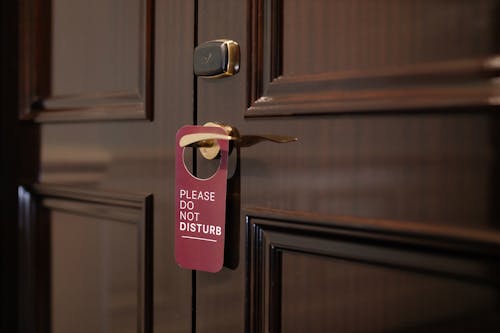
Physical boundaries help. If possible, work in a room with a door you can close. If you share space with family or roommates, establish signals that indicate when you should not be interrupted. Some people use a specific lamp being on. Others wear headphones as a visual cue. The specific signal matters less than its consistency.
Time boundaries matter equally. Optimizing your day for energy and productivity means protecting your peak focus hours for your most demanding work. For many introverts, this is morning. For others, it is late afternoon. Whatever your pattern, guard those hours fiercely. Administrative tasks, calls, and interruptions can wait for lower-energy periods.
The Ongoing Practice of Workspace Refinement
Your optimal workspace is not a destination but an ongoing practice. What works perfectly today might need adjustment next month. Your needs shift with seasons, projects, and life circumstances. The key is maintaining awareness of how your environment affects your energy and being willing to make changes when something stops working.
I review my workspace setup quarterly now. Is my chair still supporting me properly? Has the lighting changed with the seasons? Are there new noise sources I need to address? Have I accumulated clutter that needs clearing? These small adjustments prevent the gradual degradation that can turn an optimized space into an energy drain.
When I think back to my early struggles with remote work, I recognize the core mistake. I treated workspace optimization as optional, something to address after more important concerns. What I did not understand was that for introverts, workspace design directly determines what we are capable of producing. Get it right, and our natural strengths flourish. Get it wrong, and we spend our days fighting our environment instead of doing meaningful work.
Your home workspace is not just where you work. It is the physical container for your productivity, creativity, and professional growth. Invest the time and thought it deserves. The returns will exceed anything you might expect.
Understanding how to prevent introvert burnout includes recognizing that your physical environment plays a significant role. The strategies that help you recharge through alone time work best when your workspace actively supports recovery rather than accelerating depletion.
Frequently Asked Questions
What is the ideal desk position for an introvert’s home office?
Position your desk perpendicular to windows rather than facing them directly or turning your back to them. This arrangement provides natural light without screen glare while maintaining awareness of your surroundings without constant visual distraction. Avoid positions where you can see high-traffic areas of your home, as movement in peripheral vision will pull your attention.
How important are plants in a home office for productivity?
Research shows plants can increase productivity by approximately 15% while reducing stress and enhancing creativity. For introverts who work independently for extended periods, these benefits compound. Even two or three low-maintenance plants near your workspace can provide meaningful cognitive and emotional support throughout your workday.
Should introverts invest in noise-canceling headphones for home offices?
Noise-canceling headphones are often one of the highest-return investments for home-based introverts. They eliminate unpredictable sounds that disrupt focus, create psychological separation from household activity, and signal to others that you are in deep work mode. Many introverts report significant productivity improvements after adding quality noise-canceling headphones to their workspace.
How can I create workspace boundaries when I do not have a separate room for an office?
Use physical markers to define your workspace even without walls. A specific rug, bookshelf divider, or curtain can create psychological separation. Establish rituals that signal work mode, such as turning on a specific lamp or playing particular ambient sounds. Communicate clear signals to others about when you should not be interrupted, and be consistent about enforcing those boundaries.
What temperature is best for focused work as an introvert?
Most productivity research suggests temperatures between 70 and 77 degrees Fahrenheit support optimal cognitive performance. However, individual preferences vary. Pay attention to when you feel most focused and note the temperature at those times. The key is maintaining consistency so your body does not need to spend energy adapting to changing conditions while you are trying to concentrate.
Explore more Home Environment resources in our complete Introvert Home Environment Hub.
About the Author
Keith Lacy is an introvert who’s learned to embrace his true self later in life. With a background in marketing and a successful career in media and advertising, Keith has worked with some of the world’s biggest brands. As a senior leader in the industry, he has built a wealth of knowledge in marketing strategy. Now, he’s on a mission to educate both introverts and extroverts about the power of introversion and how understanding this personality trait can unlock new levels of productivity, self-awareness, and success.