The gym never made sense for me. Not because I questioned the effectiveness of structured fitness programs, but because everything about the experience felt wrong for my internal wiring. The crowded weight rooms filled with unspoken social dynamics. The mirrors that seemed designed to encourage comparison. The ambient noise of clanking equipment and conversations that demanded partial attention even when I was trying to focus on a set of bicep curls.
Walking became my path to sustainable fitness after years of forcing myself into environments that drained me faster than they built me up. Not the performative power walking of fitness influencers or competitive step counting that turns simple movement into another metric to optimize. The walking I discovered aligned with how my introverted mind actually processes the world, creating space for reflection while meeting my body’s fundamental need for movement.
If traditional gym culture has never resonated with your introverted nature, you are far from alone in that experience. Walking offers everything your body needs for genuine health improvement while honoring your preference for solitude, predictability, and the kind of mental space that crowded fitness environments simply cannot provide.
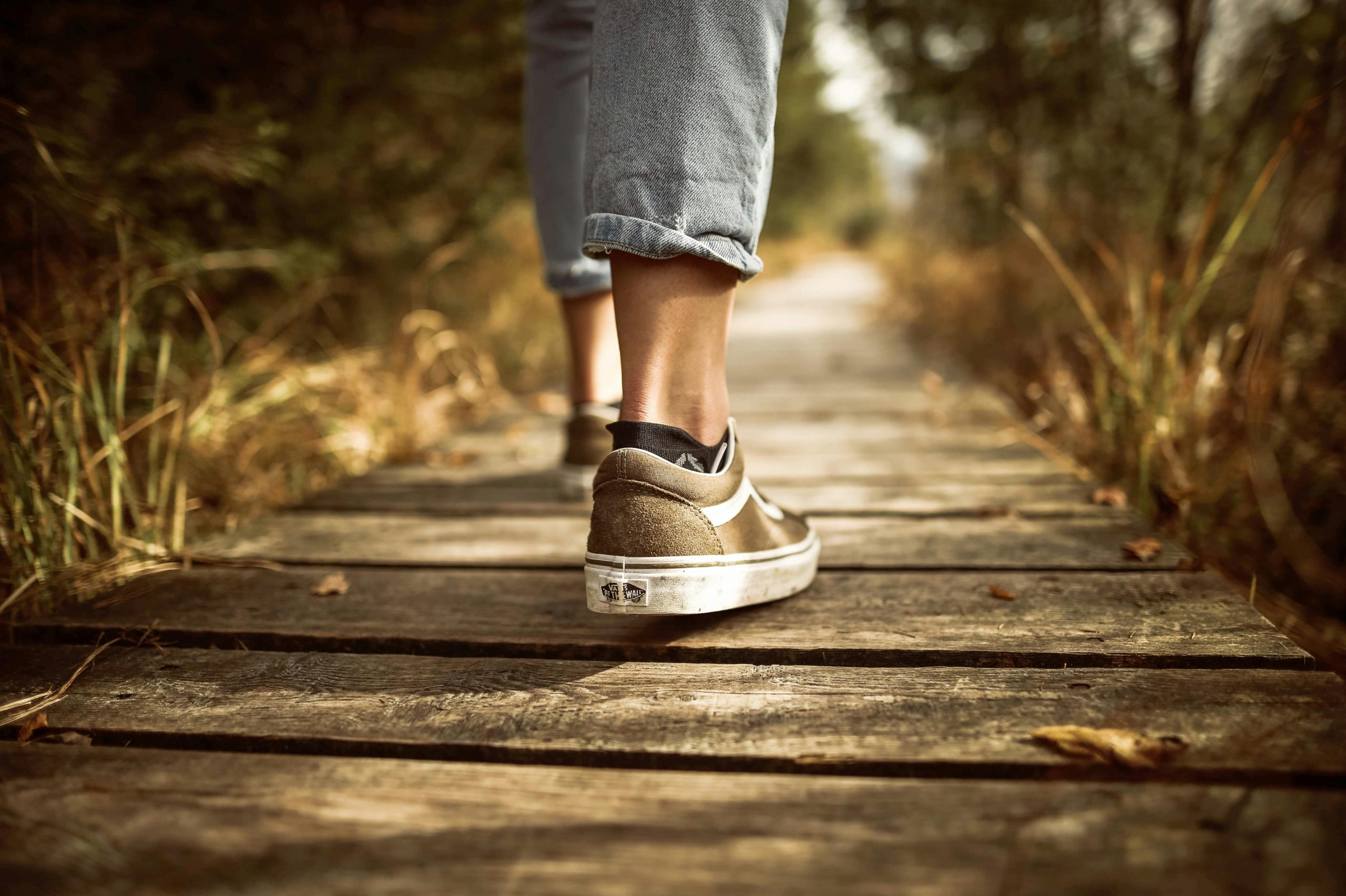
Building a consistent walking routine is a wonderful way to stay active without the overwhelming social pressure of traditional gyms, and it fits perfectly into creating the kind of peaceful environment introverts thrive in. When you step outside for a walk on your own schedule, you’re honoring your need for solitude while taking care of your physical health. This simple practice can become one of your favorite ways to recharge and feel grounded throughout your day.
Why Do Introverts Struggle with Traditional Gyms?
The science behind walking’s effectiveness might surprise you given how the fitness industry promotes high intensity workouts. A comprehensive meta-analysis published in JMIR Public Health and Surveillance examined over 44 randomized controlled trials and found that walking significantly reduces symptoms of depression and anxiety when compared to inactive controls. The effects held true across different walking frequencies, durations, locations, and formats. You do not need expensive equipment or group accountability to experience genuine mental health benefits from movement.
What’s your personality type?
Take our free 40-question assessment and get a detailed personality profile with dimension breakdowns, context analysis, and personalised insights.
Discover Your Type8-12 minutes · 40 questions · Free
What makes walking particularly suited to introverted temperaments goes beyond the absence of crowds. During my years running an advertising agency, I noticed something about how different personality types approached problem solving. The extroverted members of my team often processed challenges out loud, bouncing ideas off others in rapid fire conversations. My own thinking worked differently. I needed space to let concepts simmer internally before they clarified into actionable insights. Walking provides exactly that kind of processing time while keeping the body engaged in rhythmic, non demanding movement.
Traditional gym environments create specific challenges for introverts:
- Sensory overload from constant stimulation – Bright lights, loud music, equipment noise, and multiple conversations create an environment that depletes rather than energizes introverted nervous systems
- Social performance pressure – The feeling that others might observe your form, judge your fitness level, or expect interaction transforms exercise into social stress rather than physical restoration
- Unpredictable social demands – Gym etiquette requires constant awareness of others, equipment sharing negotiations, and potential interactions that interrupt the internal focus needed for effective workouts
- Energy drain before exercise begins – The mental effort required to navigate gym social dynamics often exhausts introverts before they can focus on their actual fitness goals
The Centers for Disease Control and Prevention recommends 150 minutes of moderate intensity physical activity weekly for optimal health benefits. Brisk walking meets this threshold perfectly. You can achieve those 150 minutes through 30 minute daily walks five days per week, or whatever combination fits your schedule and energy patterns. The flexibility itself matters for introverts who often experience unpredictable fluctuations in their social battery throughout the week.
Research from the National Institutes of Health confirms that the total number of steps you take matters more than the intensity at which you take them. This finding liberates us from the all or nothing mentality that makes gym workouts feel so daunting. You do not need to push yourself to exhaustion to gain meaningful health improvements. Consistent, moderate movement accumulated over time produces results that rival more aggressive fitness approaches.
How Can You Build Your Personal Walking Routine?
Creating a walking routine that sticks requires understanding how habits actually form in the introverted brain. We tend to resist external accountability structures that work well for extroverts. Workout buddies and group challenges often feel more draining than motivating when your energy regenerates through solitary activities. Instead, building your walking habit around internal rewards and personal rhythms creates sustainable momentum.
I learned this lesson after multiple failed attempts at structured fitness programs earlier in my career. Each time I committed to a gym membership or workout class schedule, the initial enthusiasm faded within weeks. The turning point came when I stopped trying to manufacture motivation and started noticing when I already felt drawn to movement. For me, that window occurs in early morning before the demands of the day accumulate. Your optimal window might look completely different, but the principle remains the same. Build your routine around your existing energy patterns rather than fighting against them.
Here are the key strategies that actually work for building consistent walking habits:
- Start with your natural energy rhythms – Notice when you feel most inclined toward physical activity. Some introverts prefer early morning walks before social demands begin, while others find evening walks help decompress from the day’s interactions.
- Begin with smaller commitments than feel necessary – A 15-minute walk that you complete consistently builds more momentum than ambitious hour-long goals that create guilt when life interferes.
- Develop 2-3 reliable routes – Having predetermined paths reduces daily decision fatigue while ensuring you know the walk will feel restorative based on past experience.
- Use habit stacking to reduce friction – Attach your walk to an existing habit like morning coffee or end-of-workday routine to eliminate the need for fresh motivation each day.
- Plan for weather variations – Identify indoor walking options before you need them to prevent minor obstacles from derailing your entire routine.

Route planning deserves more attention than most walking guides acknowledge. Introverts often experience heightened sensitivity to environmental stimuli, which means certain routes will feel restorative while others deplete energy despite covering similar distances. Pay attention to factors like foot traffic patterns, noise levels, visual interest, and shade coverage at different times of day. Developing two or three reliable routes that you know will feel good reduces the cognitive load of deciding where to walk each time you step outside.
Understanding your own introvert self-care needs helps you design a walking practice that genuinely supports your wellbeing rather than becoming another obligation on your already full plate. Walking should feel like a gift you give yourself, not another task requiring willpower to complete.
What Mental Benefits Go Beyond Physical Fitness?
Walking transforms more than cardiovascular health. The mental benefits compound over time in ways that prove especially valuable for introverted minds prone to overthinking and rumination. When your body settles into the steady rhythm of walking, your brain enters a different operational mode. The constant internal chatter that characterizes anxious thinking begins to soften, replaced by a more spacious awareness of the present moment.
A Harvard Medicine study found that time spent walking in natural environments correlates with decreased mortality rates, and interestingly, mental health improvement proved to be the most significant driver of this benefit. The researchers noted that people who spend time outdoors demonstrate reduced activity in brain regions associated with rumination, that circular pattern of negative thoughts that many introverts know intimately. The physical act of walking creates a break in the rumination cycle that meditation alone sometimes fails to achieve.
During particularly challenging periods at the agency, I discovered that my best strategic thinking happened not in conference rooms but during morning walks before anyone else arrived at the office. Something about the forward motion combined with the absence of direct social demands allowed creative connections to form organically. Solutions to problems that had seemed intractable during late night brainstorming sessions would simply appear during those quiet walks. The insight felt less like achievement and more like receiving something that was waiting to be noticed once I created enough mental space.
Walking provides specific mental health benefits that align perfectly with introvert needs:
- Interrupts rumination cycles – The rhythmic movement and changing scenery naturally shift attention away from repetitive negative thoughts that can trap introverted minds
- Creates processing space – The absence of social demands allows deep reflection on complex situations without external interruption or performance pressure
- Reduces decision fatigue – Simple, repetitive movement gives the prefrontal cortex a break from constant decision making while still maintaining gentle physical engagement
- Provides transition rituals – Walking can serve as a bridge between different parts of your day, helping you mentally shift from work mode to personal time
- Builds emotional regulation capacity – Regular walking practice strengthens your ability to self-soothe during stressful periods without depending on others for support
The benefits of alone time extend naturally into walking practice. Where gym environments demand constant awareness of others, solo walking allows complete immersion in your internal landscape while still meeting physical health requirements. This integration of mental restoration with physical exercise represents one of walking’s greatest advantages for personality types that recharge through solitude.
How Do You Practice Mindful Walking for Deeper Benefits?
Mindful walking elevates the basic act of putting one foot in front of the other into a genuine contemplative practice. Rather than treating your walk as dead time to fill with podcasts or phone calls, mindful walking invites full presence with the sensory experience of movement itself. The practice originated in Buddhist traditions but has gained substantial research support from modern psychology as a powerful intervention for stress management and emotional regulation.
According to research from Positive Psychology, a 2016 study found that mindful walking over multiple days produced measurable improvements in mood and mindfulness skills while specifically reducing depression, anxiety, stress, and brooding. The practice works by training attention to remain anchored in immediate sensory experience rather than wandering into past regrets or future worries. For introverts who tend toward intense internal processing, this anchoring effect provides meaningful relief from mental exhaustion.
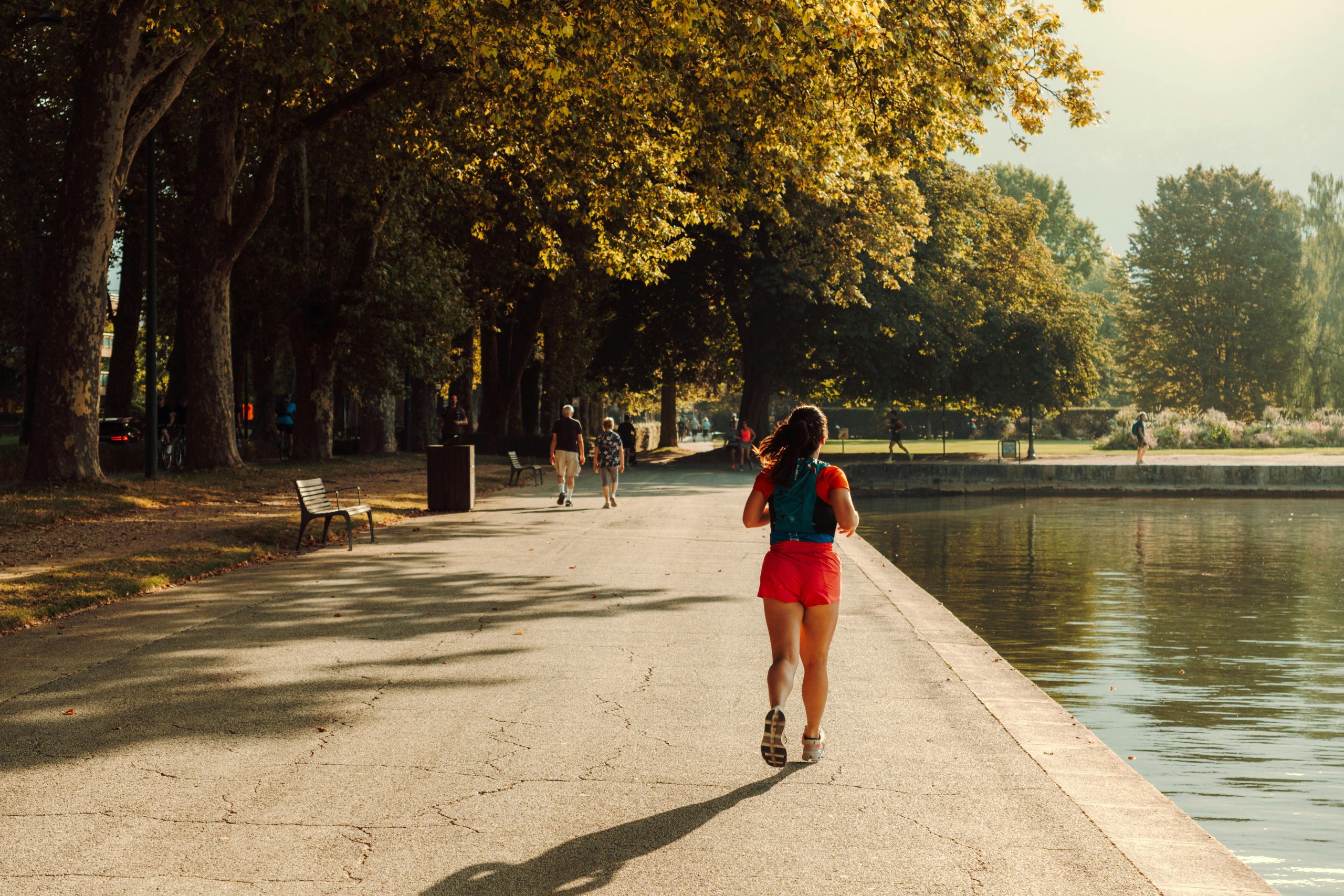
To practice mindful walking, begin by bringing awareness to the physical sensations of your feet meeting the ground. Notice the heel making contact, the weight rolling forward through the arch, the toes pushing off with each step. This granular attention to movement creates a focal point that interrupts automatic thought patterns. When you notice your mind has wandered into planning, analyzing, or worrying, simply return attention to the sensation of walking. The return itself is the practice, not the achievement of unbroken concentration.
Key techniques for developing mindful walking practice:
- Focus on foot sensations – Pay attention to the complete cycle of each step, from heel strike through toe push-off, using this as an anchor for present moment awareness
- Coordinate with breathing – Match your walking pace to natural breath rhythms, perhaps taking three steps per inhale and three per exhale
- Engage peripheral senses – Notice sounds, smells, and visual details without trying to analyze or categorize them, simply receiving sensory information as it arises
- Practice non-judgmental awareness – When thoughts arise, observe them without criticism and gently redirect attention back to walking sensations
- Use walking as moving meditation – Treat the entire walk as meditation practice rather than adding mindfulness as an extra layer to recreational walking
The Cleveland Clinic explains that walking meditation combines the stress reduction benefits of physical activity with the cognitive benefits of meditation practice. Studies show that participants who combine meditation with walking experience mental and physical benefits that exceed either activity performed alone. You do not need to transform every walk into a formal meditation session, but incorporating mindful walking elements even briefly can deepen the restorative value of your routine.
Research from the Greater Good Science Center at UC Berkeley notes that walking meditation helps cultivate a greater sense of control over thoughts, feelings, and actions. This capacity for self regulation proves especially valuable for introverts who often experience emotions intensely and need practical tools for navigating overwhelming internal states. The beauty of mindful walking lies in its accessibility. You need no special equipment, no dedicated space, and no particular skill level to begin experiencing benefits.
The connection between introvert mindfulness and walking deserves recognition. Where seated meditation can feel like another demanding task, walking meditation allows the body to engage in its natural movement while the mind practices present moment awareness. Many introverts find this active form of meditation more accessible than stillness practices.
What Strategies Ensure Long-Term Consistency?
Maintaining any health practice over months and years requires more than initial enthusiasm. The strategies that support long term walking consistency differ from the motivation techniques promoted in fitness culture. Understanding these differences helps introverts build sustainable routines that survive the inevitable fluctuations in energy and mood that characterize real life.
Habit stacking works particularly well for establishing walking routines. Rather than creating a new standalone behavior that requires fresh motivation each day, attach your walk to an existing habit that already occurs reliably. If you drink coffee every morning, your walk can immediately follow that first cup. If you wind down each evening with reading or television, a walk can precede that relaxation time. The existing habit serves as a cue that triggers the walking behavior without requiring conscious decision making.
One of my team members at the agency taught me something valuable about consistency during a period when I was struggling to maintain my own walking routine. She mentioned that she treated her evening walk like brushing her teeth – not something that required motivation or decision making, just part of what happened at the end of each day. That reframe clicked for me. Walking became part of my daily maintenance routine rather than a fitness goal that required enthusiasm to pursue.
Essential strategies for maintaining consistency include:
- Minimize equipment requirements – Comfortable shoes and weather-appropriate clothing are the only necessities. Elaborate gear creates friction that can derail the habit during low-energy periods.
- Protect walking time from social encroachment – Guard some walks as non-negotiable solo time, even when well-meaning friends offer to join you for accountability.
- Create backup plans for challenging weather – Identify indoor walking routes like malls, office buildings, or large retail stores for days when outdoor conditions prevent your usual routine.
- Track privately for intrinsic satisfaction – Use personal methods that appeal to your personality rather than social sharing or competitive apps that turn walking into performance.
- Allow seasonal adjustments – Modify timing, duration, and routes to work with natural cycles rather than forcing rigid adherence to summer routines during winter months.

Weather contingency planning prevents minor obstacles from derailing your entire routine. Identify indoor options for days when outdoor conditions genuinely prevent walking. Mall walking before stores open, walking loops through office buildings, or simple pacing around your home all count toward movement goals. Having these backup plans in place before you need them eliminates the mental negotiation that leads to skipped days during inclement weather.
The relationship between introvert health and wellness practices requires acknowledging that what works for extroverted personalities may actively undermine our efforts. Social accountability, public goal announcements, and competitive fitness challenges often backfire for introverts. We thrive instead with private commitments, personal tracking methods, and the intrinsic satisfaction that comes from honoring promises made to ourselves.
How Does Walking Function as Introvert Self Care?
Reframing walking from exercise obligation to self care practice fundamentally changes your relationship with the activity. When walking exists primarily as a means to burn calories or achieve fitness metrics, motivation depends on whether those goals feel compelling on any given day. When walking becomes recognized as essential maintenance for your introverted nervous system, skipping the practice feels like neglecting a genuine need rather than failing at a discretionary goal.
I made this cognitive shift after a particularly demanding period leading a major client pitch. The weeks of long hours, constant meetings, and high stakes presentations left me completely depleted despite maintaining decent sleep and nutrition habits. What I had neglected was movement. My walking routine had evaporated under deadline pressure, and I was paying the price in accumulated mental fatigue that rest alone could not resolve. That experience taught me to protect walking time with the same vigilance I applied to client commitments.
The comprehensive guide to introvert self-care includes physical movement as a foundational element alongside more commonly discussed practices like solitude and creative engagement. Walking uniquely bridges these categories by providing physical benefits within a framework of solitary, often contemplative, experience. Few other activities offer this integration so seamlessly.
Walking supports introvert self-care through multiple pathways:
- Creates protected alone time – Walking provides legitimate reasons to spend time solo without having to justify your need for solitude to others
- Offers transition rituals – Regular walks help you shift between different life roles and responsibilities, providing mental separation between work and personal time
- Builds stress resilience – Consistent walking practice creates a buffer against the cumulative effects of social overwhelm and sensory overstimulation
- Supports emotional processing – The combination of movement and solitude creates ideal conditions for working through complex feelings without external pressure or time constraints
- Prevents burnout accumulation – Regular walking interrupts the buildup of stress that leads to complete depletion in introverts

Seasonal adjustments keep walking sustainable year round. Summer walks might occur early morning to avoid heat. Autumn walks can become longer as temperatures moderate and landscapes transform. Winter may require shorter, more frequent sessions or indoor alternatives during extreme conditions. Spring offers renewal energy that supports expanding duration or exploring new routes. Working with seasonal rhythms rather than maintaining rigid schedules honors the natural variation that characterizes sustainable long term practices.
Understanding how walking fits into introvert burnout prevention elevates the practice from optional wellness activity to essential protective behavior. Regular walking creates a buffer against the cumulative stress that leads to complete depletion. The time investment required is modest compared to the protective benefits gained, making walking one of the highest return self care practices available to introverts navigating demanding lives.
Why Go Beyond Step Counting?
Fitness culture’s obsession with quantification can undermine the qualitative benefits that make walking so valuable for introverts. While tracking steps provides useful feedback during the initial habit formation period, becoming overly attached to numbers risks transforming a restorative practice into another source of anxiety. The goal is sustainable health improvement, not winning an imaginary competition against your past self.
Some of my most valuable walks have been the shortest and slowest. A 10 minute stroll around the block after a draining phone call provided more genuine restoration than a 45 minute power walk completed while mentally rehearsing the next meeting. Duration and pace metrics miss these qualitative dimensions entirely. Learning to trust your subjective sense of whether a walk felt restorative matters more for long term sustainability than optimizing measurable outputs.
Consider what you actually want from your walking practice beyond physical fitness. Clarity for difficult decisions? Processing time after social interactions? A transition ritual between work and personal life? Creative inspiration? Each of these goals might suggest different approaches to when, where, and how you walk. A problem solving walk might benefit from a familiar route that requires minimal navigation attention. A recovery walk after social depletion might favor the most peaceful environment available. An inspiration walk might include deliberate exposure to new scenery and stimuli.
Ways to measure walking success beyond step counts:
- Energy levels after walking – Do you feel more or less energized than before the walk? Sustainable practices should generally leave you feeling restored rather than depleted.
- Mental clarity improvements – Notice whether walking helps you think through problems, gain perspective on challenges, or feel less mentally cluttered.
- Mood regulation effects – Track whether walking helps manage difficult emotions, reduces anxiety, or provides emotional reset during stressful periods.
- Sleep quality changes – Regular walking often improves sleep patterns and overall rest quality for introverts managing high levels of mental stimulation.
- Stress resilience building – Observe whether consistent walking makes you more capable of handling social demands and daily pressures without becoming overwhelmed.
The flexibility inherent in walking allows continuous adaptation as your needs evolve. Unlike gym memberships with fixed class schedules or home equipment that demands specific workout types, walking accommodates whatever your body and mind require on any given day. This adaptability makes walking uniquely sustainable for introverts whose energy levels and emotional states fluctuate in ways that rigid fitness programs cannot accommodate.
How Do You Start Your Walking Practice Today?
Beginning any new practice carries the risk of perfectionism paralysis. Introverts often want to research thoroughly, plan meticulously, and optimize comprehensively before taking action. While preparation has value, walking requires no special conditions to begin. You can step outside right now and take a short walk. That single action teaches more about what works for your body and mind than any amount of theoretical planning.
Start with what you have. Current shoes will work fine initially. Your neighborhood provides adequate terrain. Your existing schedule contains small pockets of time that could accommodate brief walks. Removing barriers to starting matters more than perfecting conditions. Improvements can happen iteratively as the habit establishes itself and you learn what genuinely supports your practice versus what represents overthinking disguised as preparation.
Notice what happens during and after your first few walks. Pay attention not just to physical sensations but to mental state changes. Do you feel calmer? More focused? Less caught up in repetitive thoughts? These early observations help you understand walking’s specific benefits for your individual system, creating intrinsic motivation that sustains practice far more reliably than external goals or social accountability.
Simple steps to begin your walking practice immediately:
- Commit to one 10-minute walk today – Choose a time that aligns with your energy patterns and complete a brief walk to establish the initial experience
- Notice your response to different routes – Pay attention to how various paths affect your mood and energy levels during these first experimental walks
- Identify your preferred walking times – Experiment with morning, afternoon, and evening walks to discover when walking feels most natural and beneficial
- Keep initial goals modest – Focus on consistency over distance or speed. Building the habit of regular movement matters more than impressive metrics.
- Trust your experience over external advice – Your body and mind will provide clear feedback about what works. Honor that information rather than following generic recommendations.
Trust that consistency matters more than intensity. A 15 minute walk completed five days per week produces better long term outcomes than sporadic 90 minute walks attempted whenever motivation peaks. Building the habit of daily movement, even in small doses, creates a foundation that can gradually expand as capacity and confidence grow. There is no rush. Walking will remain available whenever you are ready to extend duration or increase challenge.
The path forward requires nothing more than a willingness to begin. Your body already knows how to walk. Your introverted temperament already values the solitude and mental space that walking provides. The only remaining step is choosing to honor these natural preferences by incorporating regular walking into your life. Everything else unfolds organically from that initial commitment.
Explore more wellness resources in our complete Solitude, Self-Care & Recharging Hub.
About the Author
Keith Lacy is an introvert who’s learned to embrace his true self later in life. With a background in marketing and a successful career in media and advertising, Keith has worked with some of the world’s biggest brands. As a senior leader in the industry, he has built a wealth of knowledge in marketing strategy. Now, he’s on a mission to educate both introverts and extroverts about the power of introversion and how understanding this personality trait can unlock new levels of productivity, self-awareness, and success.