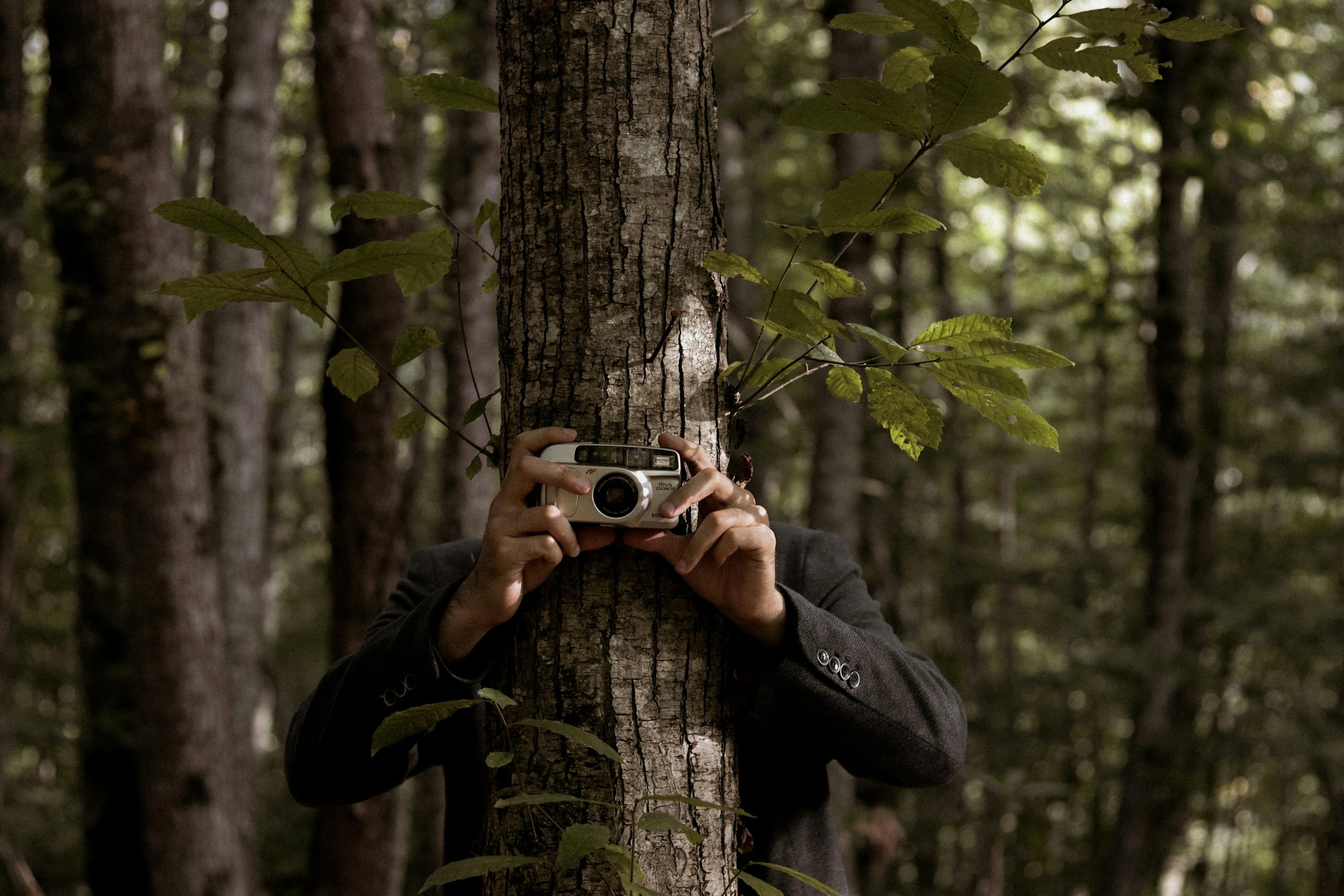

There is something profoundly appealing about photography for those of us who process the world through observation rather than constant interaction. We notice the way light falls across a face, the subtle tension in a moment before it dissolves, the composition that others walk past without seeing. These observations become our language, our way of connecting with the world without the exhaustion that often accompanies more traditional forms of communication.
I spent over two decades in advertising and marketing leadership, working with big global brands and managing creative teams. Throughout that time, I watched countless talented visual artists struggle with the business side of their craft. They could create stunning images but felt paralyzed when it came to marketing themselves, networking with potential clients, or building sustainable income streams. What I eventually realized is that the problem was not their introversion. The problem was that they were trying to build businesses using strategies designed for extroverts.
Photography offers a unique opportunity for introverts to build thriving businesses that honor their natural temperament. Research highlighted in Scientific American confirms what many of us have experienced firsthand: introverts prefer quiet, minimally stimulating environments and process information deeply before responding. These traits translate remarkably well to the patience required behind a camera, the careful editing process, and the thoughtful client relationships that lead to referrals.
Why Photography Naturally Suits the Introverted Mind
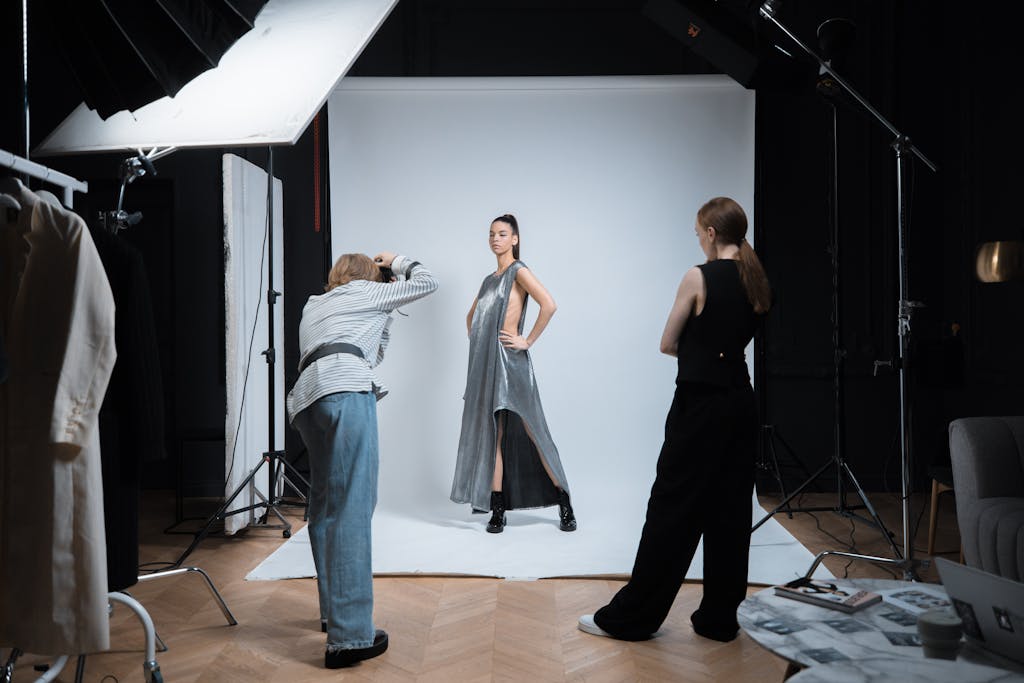
The camera acts as both a creative tool and a social buffer. When you are behind the lens, there is an implicit understanding that your role is to observe, to capture, to create. This position allows introverts to be present in social situations without the pressure of constant verbal interaction. You can direct a portrait session, guide a couple through their wedding day, or photograph a corporate event while maintaining the observer role that feels most natural to us.
What’s your personality type?
Take our free 40-question assessment and get a detailed personality profile with dimension breakdowns, context analysis, and personalised insights.
Discover Your Type8-12 minutes · 40 questions · Free
Rasmussen University’s research on creative careers notes that the bulk of a photographer’s work is done independently. While you may need input or feedback at certain stages of a project, the solitary nature of editing, planning, and creative development aligns perfectly with how introverts recharge and produce their best work.
I remember a conversation with a designer on my team years ago. She was talented beyond measure but dreaded client presentations. One afternoon, she asked me how I managed to lead meetings when I clearly preferred my office door closed. I told her something that changed her perspective: I was not performing extraversion. I was leveraging my introvert strengths of preparation, deep listening, and thoughtful responses. The same principle applies to building a photography business. You do not need to become someone else. You need to build systems that work with your natural wiring.
Finding Your Photographic Niche
One of the most important decisions for any photography business is selecting a niche. For introverts, this decision carries extra weight because certain specializations require vastly different levels of social energy.
Product photography and food photography allow you to work primarily alone or with small teams. You control the environment, the schedule, and the pace of work. There are no crowds, no unpredictable social dynamics, and minimal need for verbal direction during shoots.
Portrait photography requires client interaction but typically involves one person or small groups. The sessions are scheduled, time-limited, and focused on the creative work rather than extended social engagement. Many introverted portrait photographers describe their sessions as deeply satisfying because they involve genuine connection without the superficiality of networking events.
Wedding photography demands more social stamina but offers significant creative rewards and income potential. If you choose this path, building in recovery time between events becomes essential. Some introverted wedding photographers limit themselves to one wedding per weekend, while others bring second shooters who can handle more of the guest interaction while they focus on capturing moments.
Business News Daily emphasizes that to build and grow your photography business, you need both raw talent and a knack for marketing. The key insight for introverts is that marketing does not have to mean attending every networking event or constantly posting on social media. It means finding the marketing channels that align with your strengths.

Building Your Portfolio Without Draining Your Energy
Your portfolio is simultaneously your resume, your marketing material, and your artistic statement. For introverts, this is excellent news. Adobe’s guidance on building photography portfolios confirms that portfolios are a creative demonstration of skill that doubles as a shareable marketing effort. In a visual medium like photography, your images can speak when you would rather not.
Start building your portfolio through personal projects rather than hustling for clients before you are ready. Photograph subjects that genuinely interest you. This approach serves multiple purposes: you develop your style without client pressure, you create work that reflects your authentic vision, and you avoid the energy drain of constant client acquisition while still building professional materials.
When I transitioned from corporate leadership to working for myself, I learned that the portfolio approach extends beyond creative work. Your track record speaks louder than your pitch. The same principle applies to photography. A stunning portfolio eliminates much of the need for verbal persuasion. Potential clients can see your capabilities directly, reducing the reliance on networking skills that may not come naturally.
Consider the types of images that attract your ideal clients. If you want to photograph authors for book jackets, your portfolio should showcase thoughtful, contemplative portraits. If you want corporate headshot work, demonstrate your ability to make business professionals look approachable and competent. The specificity of your portfolio does the targeting work that extroverts often accomplish through conversation.
Marketing Strategies That Honor Your Introversion
Traditional marketing advice often feels exhausting for introverts. Attend networking events. Work the room. Follow up with everyone. Make cold calls. These strategies work for some people, but they can lead to burnout and resentment for those of us who prefer depth over breadth in our interactions.
The most effective marketing strategy for introverted photographers typically centers on content creation rather than networking. Write blog posts about your creative process. Share educational content about photography techniques. Create behind-the-scenes content that showcases your work without requiring constant real-time interaction. This approach builds authority and attracts clients who already appreciate your perspective before they ever contact you.
Search engine optimization becomes your quiet salesperson. When someone searches for a photographer in your area and niche, your website can appear without you having to promote yourself verbally. The technical aspects of SEO often appeal to introverts who enjoy learning systems and processes. Understanding how to structure your website, which keywords to target, and how to optimize your images for search can feel like solving a puzzle rather than selling yourself.
Referrals from past clients represent another introvert-friendly marketing channel. One deeply satisfied client who genuinely connects with your work can generate more business than dozens of superficial networking contacts. Building business success through authentic strength means focusing on creating remarkable experiences for fewer clients rather than chasing volume.

The Business Foundation You Cannot Skip
LivePlan’s research on photography business success emphasizes that photography is one of the most competitive businesses out there. You need to be a very good business person to make a decent living. This reality does not have to discourage introverts. It simply means building solid systems and processes rather than relying on charm and charisma.
Create clear pricing structures that eliminate the need for constant negotiation. Develop contracts that protect both you and your clients while setting expectations upfront. Build workflows for client communication that allow you to respond thoughtfully rather than reactively. These systems reduce decision fatigue and ensure consistent quality even when your social energy runs low.
Financial planning often comes more naturally to introverts than the networking side of business. Use this strength to your advantage. Calculate your true costs, including equipment, software, insurance, taxes, and the value of your time. Set rates that allow for sustainable income rather than underpricing in hopes of winning more clients through volume.
The path to freelancing success requires understanding your numbers as well as your craft. I have seen too many creative professionals struggle financially not because they lacked talent but because they avoided the business fundamentals that felt less creatively fulfilling.
Managing Client Relationships Without Exhaustion
Client communication presents a particular challenge for introverted photographers. You need to gather information, provide guidance, deliver images, and maintain relationships without depleting your energy reserves. The solution lies in structured communication systems.
Email templates save enormous energy. Create templates for initial inquiries, booking confirmations, session preparation guidance, delivery notifications, and follow-up requests. You can personalize each message while maintaining consistency and avoiding the mental effort of starting from scratch every time.
Client questionnaires gather necessary information without requiring lengthy phone calls or meetings. Ask about preferences, expectations, and logistics through forms that clients complete on their own time. This approach often yields more thoughtful responses than spontaneous conversation while reducing your interaction burden.
Grand Canyon University’s analysis of creative careers notes that many introverts prefer to do work they find meaningful and personally fulfilling because they derive value from the work itself rather than from interactions with colleagues. Apply this insight to your client relationships. Focus on delivering exceptional work, and let that work speak for the value of your services.
Schedule your client interactions strategically. If you have a portrait session in the afternoon, avoid scheduling calls that morning. Give yourself transition time between client-facing work and solitary editing time. Protect your most productive hours for creative work, and batch your communications into specific time blocks.

Growing Your Business at a Sustainable Pace
The hustle culture that dominates entrepreneurship discussions can feel particularly toxic for introverts. Constant content creation, daily social media posting, and relentless self-promotion lead to burnout faster than for those who gain energy from such activities.
Consider what sustainable growth means for your specific situation. Perhaps taking on four wedding clients per month allows you to deliver exceptional work while maintaining your wellbeing. Maybe ten portrait sessions monthly represents your sweet spot. There is no universal number. The goal is finding your sustainable capacity and building your business around it rather than constantly pushing beyond your limits.
Passive income streams can supplement active client work while requiring less ongoing social energy. Print sales, stock photography licensing, educational courses, and preset sales all generate income from work you create once. Understanding the reality of passive income means recognizing that these streams require upfront effort but can reduce the need for constant client acquisition over time.
Strategic partnerships with vendors who serve your ideal clients can generate referrals without traditional networking. Wedding planners, makeup artists, venue managers, and other professionals in your ecosystem can become referral sources through the quality of your work rather than through aggressive relationship building.
The transition from corporate to freelance life taught me that success does not require replicating extroverted business models. It requires building systems that generate results while respecting your need for solitude and deep work.
The Emotional Dimension of Creative Entrepreneurship
Running a photography business involves more than technical and business skills. The emotional journey requires attention, particularly for introverts who may process rejection and criticism more deeply than their extroverted counterparts.
Not every potential client will book with you. Not every session will produce your best work. Not every piece of feedback will be positive. Developing resilience for these inevitable experiences becomes part of your professional development. The key is not suppressing your emotional responses but building recovery time into your workflow.
Creative blocks affect photographers just as they affect other artists. When inspiration feels distant, returning to personal projects can reignite your passion. Photograph something purely for yourself. Experiment with techniques outside your commercial work. The freedom of creating without client expectations often releases creativity that transfers back into your business.
Community matters even for introverts. Finding one or two fellow photographers who understand your work can provide support without the overwhelm of large networking groups. Online communities centered on specific photography niches allow for connection without in-person energy expenditure. Building income streams that fit your personality includes building support systems that fit your personality as well.

Your Path Forward
The photography business landscape has never been more accessible for introverts. Digital marketing reduces reliance on in-person networking. Portfolio websites showcase your work around the clock. Email and messaging platforms allow thoughtful communication on your schedule. The tools exist to build a thriving business that honors your temperament.
The reality of creative income is that it requires both artistic talent and business acumen. For introverts, the business side often requires more intentional development, but it does not require becoming someone you are not. It requires leveraging your natural strengths of preparation, deep thinking, and quality over quantity.
Start where you are. Build your portfolio with intention. Create systems that reduce daily decision-making. Market through content rather than constant networking. Protect your energy for the creative work that matters most. The photography business you build should support your life, not consume it.
Your introversion is not an obstacle to overcome. It is the foundation of your artistic perspective, your attention to detail, and your ability to create meaningful work. Build your business on that foundation, and watch it thrive.
Explore more entrepreneur resources in our complete Alternative Work Models and Entrepreneurship Hub.
About the Author
Keith Lacy is an introvert who’s learned to embrace his true self later in life. With a background in marketing and a successful career in media and advertising, Keith has worked with some of the world’s biggest brands. As a senior leader in the industry, he has built a wealth of knowledge in marketing strategy. Now, he’s on a mission to educate both introverts and extroverts about the power of introversion and how understanding this personality trait can unlock new levels of productivity, self-awareness, and success.
Frequently Asked Questions
Can introverts really succeed in a photography business that requires client interaction?
Absolutely. Photography allows you to structure client interactions around the creative work rather than constant social engagement. Most sessions are time-limited, purposeful, and focused on the images rather than small talk. Many introverted photographers find that the camera creates a comfortable boundary that makes client interaction feel natural and manageable.
What photography niches work best for introverted artists?
Product photography, food photography, and landscape photography offer the most solitary work environments. Portrait photography involves client interaction but in controlled, scheduled sessions. Wedding photography requires more social stamina but offers significant income potential for those who build in adequate recovery time between events.
How do I market my photography business without attending networking events?
Focus on content marketing through blog posts, search engine optimization, and portfolio development. Let your work speak through your website and social media presence. Build referral relationships with satisfied clients and complementary vendors. These strategies generate leads without requiring constant in-person networking.
How much should I charge as a new photography business owner?
Calculate your true costs including equipment, software, insurance, taxes, editing time, and the value of your creative expertise. Research competitors in your area and niche. Avoid underpricing to win volume. Higher prices often attract better clients who value quality work and refer others who share their standards.
How do I prevent burnout while running a photography business?
Set sustainable client limits based on your energy capacity. Schedule recovery time between sessions and shoots. Build systems like email templates and client questionnaires to reduce daily decisions. Protect creative time for editing and personal projects. Remember that sustainable success requires protecting your wellbeing alongside building your business.