The blank canvas stared back at me for the third week in a row. My brushes sat untouched in their jar, and the creative spark that once felt like my most reliable companion had simply vanished. I remember sitting in my home studio during my years running an advertising agency, watching that same paralysis grip my creative team. The irony wasn’t lost on me: we were paid to generate ideas on demand, yet creative block didn’t care about deadlines or client expectations.
What I’ve learned since embracing my introversion is that creative block hits us differently. We don’t just lose ideas; we lose access to the quiet inner world where our best work is born. And the solutions that work for extroverted artists, like brainstorming sessions and collaborative energy, often make things worse for us.
This isn’t about quick fixes or forcing yourself to create when you’re empty. It’s about understanding why your creativity went quiet and learning to rebuild the conditions that allow it to flourish again.
Why Creative Block Feels Different for Introverts
For years, I thought creative block was a character flaw. When campaigns stalled and ideas wouldn’t come, I blamed myself for not being disciplined enough, talented enough, or simply trying hard enough. It took burning out completely before I understood what was actually happening.
Introverted artists draw creative energy from internal sources: reflection, solitude, deep observation, and meaningful processing of experiences. When that internal well runs dry, no amount of external stimulation will refill it. In fact, forcing more input, attending more networking events, or pushing through with sheer willpower typically depletes us further.

Research from the University at Buffalo found that anxiety-free time spent in solitude may actually foster creative thinking. The study distinguished between three types of social withdrawal: shyness, avoidance, and what they called “unsociability,” which is simply preferring alone time. Only the last one correlated positively with creativity. This suggests that our need for solitude isn’t a problem to overcome; it’s a feature to protect.
The challenge is that modern creative work often doesn’t respect this need. Open offices, constant collaboration, and the pressure to always be “on” create environments that systematically drain introverted creators. No wonder so many of us find ourselves blocked.
Understanding What’s Really Happening
Here’s something that shifted everything for me: what we call “creative block” is usually a symptom, not the actual problem. When I was leading teams through intense campaign cycles, I watched brilliant creatives freeze up. They weren’t suddenly less talented. Something else was going on beneath the surface.
According to recent analysis in Psychology Today, creative blocks often mask deeper psychological states: burnout, fear of judgment, disconnection from meaning, or repressed emotions. For introverts who process everything internally, these issues can compound silently until creativity simply shuts down as a protective mechanism.
I used to think I needed more inspiration. What I actually needed was rest. My nervous system was so overloaded from managing people, navigating office politics, and performing extroversion that there was no bandwidth left for creative thought. Once I understood this, everything changed.
When you’re blocked, your brain isn’t broken. It’s often protecting you from pushing further into exhaustion. The question isn’t “how do I force creativity to return?” but rather “what does this pause need me to address?”
The Introvert Advantage in Creative Recovery
Here’s the part that surprised me most: our introversion isn’t just compatible with creative recovery; it’s actually an advantage. The same traits that make us sensitive to overstimulation also make us highly attuned to our internal states. We notice when something is off before it becomes catastrophic.
Research by psychologist Mihaly Csikszentmihalyi, famous for his work on flow states, found that exceptional creators are more likely to be introverted. According to Inc. Magazine’s exploration of solitude and creativity, solitude is essential for deep creative work because it allows the brain to make novel connections without external interference.
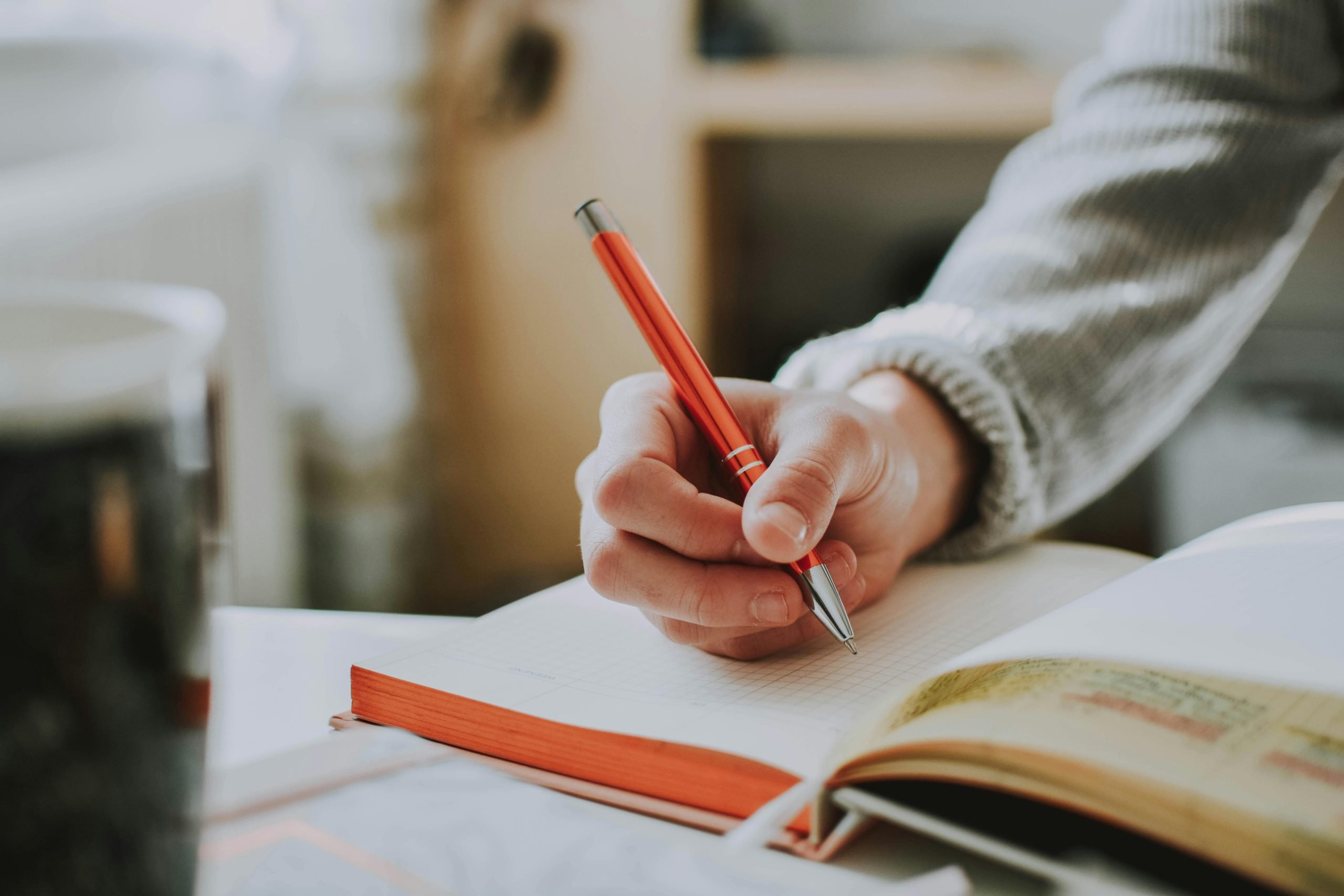
During my worst creative drought, I discovered that writing could function as both therapy and creative practice. The act of putting words on paper without judgment became a pathway back to making art. It didn’t matter that writing wasn’t my primary medium. What mattered was that it reconnected me to the process of creating something from nothing.
This is the introvert’s secret weapon: we’re already comfortable with inner work. We just need to redirect that capacity toward healing rather than analyzing our failures.
Practical Solutions That Honor Your Nature
The advice you’ll find in most creativity books assumes you’re an extrovert. “Collaborate more!” “Get out there!” “Bounce ideas off people!” For introverts, this advice can actively harm our creative process. Here’s what actually works for us:
Create Without Outcome
One of the most liberating practices I adopted was making art with no intention of showing it to anyone. Not everything needs to be portfolio-worthy. Sometimes creativity needs permission to be terrible. I keep a “throwaway” sketchbook specifically for this purpose. Nothing in it will ever see the light of day, and that freedom unlocks something essential.
According to Artsy’s research on overcoming creative block, reconnecting with the sensory pleasures of creating, without focusing on results, can calm anxious minds and restore perspective. The act of making becomes the reward, not the finished product.
Protect Your Solitude Ruthlessly
Many introverted artists I’ve worked with treat alone time as a luxury. It’s not. It’s the raw material of your art. Without sufficient solitude, you’re trying to draw from an empty well.
I block my calendar with “deep work” time that cannot be moved for meetings. I’ve disappointed some colleagues by saying no to collaborative sessions during my creative hours. But the work that emerges from protected solitude is worth more than any brainstorm.
If you’re considering building a freelance career, this becomes even more critical. Without a boss dictating your schedule, you must structure your own creative rhythms around your energy patterns.
Change Your Medium Temporarily
When my visual creativity stalled, I started writing. When writing felt heavy, I picked up photography. Switching mediums removes the weight of expectation because you’re allowed to be a beginner again.
This isn’t about abandoning your primary practice. It’s about maintaining a relationship with creativity even when your main channel is blocked. Think of it like cross-training for athletes; different creative muscles support the whole system.
Embrace Constraint as Freedom
Unlimited possibilities can paralyze introverts who tend toward deep analysis. When everything is possible, nothing feels right. Try imposing arbitrary constraints: work only in blue, use just three materials, create something in exactly fifteen minutes.
Some of my best work emerged from ridiculous limitations. A client once gave me an impossible brief with no budget and a two-day deadline. The constraints forced my brain out of analysis mode and into pure problem-solving. I’ve recreated that urgency artificially ever since.
The Emotional Work Behind Creative Work
I used to think creativity was separate from emotional health. Create despite your feelings, I told myself. Push through the resistance. This approach works until it catastrophically doesn’t.
The truth is that creativity metabolizes emotion. When we suppress feelings, whether from work stress, relationship difficulties, or unprocessed experiences, we also suppress creative energy. According to Thrive Global’s exploration of artistic solitude, many famous artists discovered that working alone allowed them to confront emotions they’d been avoiding, and that confrontation became the source of their deepest work.
After leaving my agency role, I spent months not creating anything. I was terrified this meant I’d lost my creativity permanently. What I was actually doing was processing years of suppressed stress, frustration, and identity confusion. When I finally returned to making art, the work had a depth it never had before.
If you’re navigating a major transition, whether moving from corporate work to freelance or simply questioning whether your current creative path fits who you are, give yourself permission to be fallow. Growth often looks like inactivity from the outside.
Building Sustainable Creative Practices
The goal isn’t to never experience creative block again. That’s unrealistic. The goal is to build practices that shorten recovery time and prevent the kind of complete creative collapse that takes months to heal.
For me, this means treating creativity like physical health. I don’t wait until I’m sick to care for my body; I maintain it daily. The same principle applies to creative capacity. Daily maintenance prevents emergencies.
Daily Creative Maintenance
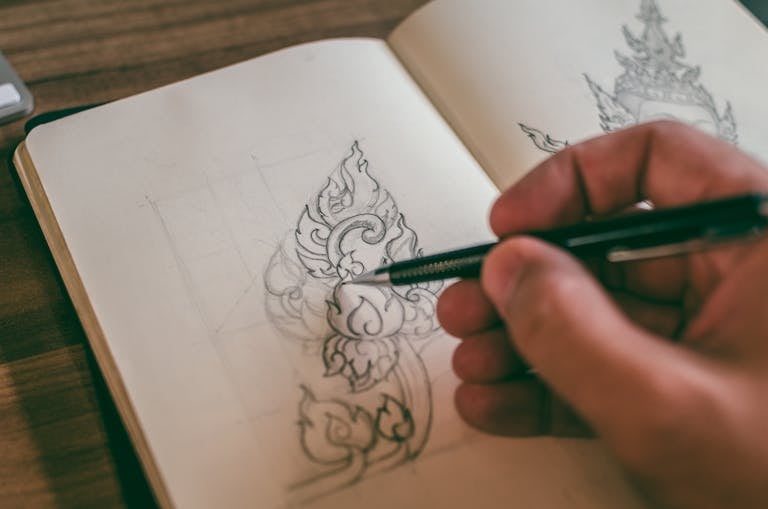
I spend fifteen minutes each morning with a sketchbook before checking email. Not creating anything specific, just moving a pen across paper. This keeps the creative channel open even when I have no project demanding attention.
I also maintain what I call an “inspiration file” where I collect things that spark something in me: images, quotes, textures, sounds. When I’m blocked, I browse this file without pressure to use anything. Often, an unexpected connection emerges.
Energy Management Over Time Management
Most productivity advice focuses on managing time. For introverted artists, managing energy is more critical. I can have eight hours available, but if my social battery is depleted, creative work won’t happen.
I’ve learned to schedule creative work during my highest energy periods, usually early morning before anyone needs my attention. Meetings and administrative tasks get my lower-energy hours. This alignment between energy and task type has done more for my creative output than any time management system.
Understanding this energy dynamic becomes even more important when you’re building your own business as an introvert. Without external structure, you must create systems that protect your creative capacity while still handling the administrative demands of entrepreneurship.
Regular Creative Retreats
Once a month, I take what I call a “creative retreat day.” This doesn’t require travel or expense. I simply protect an entire day for unstructured creative exploration. No agenda, no goals, no obligations. Just me, my materials, and permission to do whatever feels interesting.
These retreats have become essential maintenance for my creative health. They’re when I often discover new directions, resolve stuck problems, or simply remember why I make things in the first place.

When Block Persists: Knowing When to Seek Help
Sometimes creative block is a symptom of something that requires professional support. Persistent depression, anxiety disorders, or trauma can all manifest as creative paralysis. If your block has lasted months despite trying various strategies, or if it’s accompanied by other symptoms like sleep disruption, loss of interest in things you used to enjoy, or hopelessness, please consider speaking with a mental health professional.
There’s no shame in getting help. I’ve worked with therapists at various points in my career, and each time it accelerated my creative recovery in ways I couldn’t have achieved alone. Therapy gave me tools to understand my internal landscape better, which ultimately made me a more effective artist.
For those making a living through creative work, understanding the financial realities of creative careers can also reduce anxiety that might be feeding your block. Sometimes practical concerns create psychological weight that stifles creativity. Addressing those concerns directly can free up mental space for making art.
The Gift of Creative Seasons
After twenty years of creative work, I’ve come to see block differently than I once did. It’s not a failure or a curse. It’s a season, like winter in a garden. Nothing appears to be happening above ground, but underground, roots are deepening and next year’s growth is being prepared.
Research from the University of South Carolina on introverts in creative workplaces found that introverted traits correlate positively with creativity, partly because introverts are more comfortable with the long periods of solitude that deep creative work requires. Our comfort with being alone isn’t a liability; it’s an asset.
If you’re an ISFP artist working to build a sustainable creative business, or any introverted creator navigating the demands of professional art-making, know that your path will include fallow periods. These aren’t detours from your creative journey; they’re part of the journey itself.
Your creativity hasn’t abandoned you. It’s waiting for conditions to improve. And as an introvert, you have everything you need to create those conditions: self-awareness, comfort with solitude, and the capacity for deep internal work. Trust the process. Trust your nature. The creative spark that feels extinguished is merely resting, gathering strength for whatever comes next.
Explore more career resources and strategies in our complete Alternative Work Models and Entrepreneurship Hub.
About the Author
Keith Lacy is an introvert who’s learned to embrace his true self later in life. With a background in marketing and a successful career in media and advertising, Keith has worked with some of the world’s biggest brands. As a senior leader in the industry, he has built a wealth of knowledge in marketing strategy. Now, he’s on a mission to educate both introverts and extroverts about the power of introversion and how understanding this personality trait can unlock new levels of productivity, self-awareness, and success.
Frequently Asked Questions
Why do introverts experience creative block differently than extroverts?
Introverts draw creative energy from internal sources like reflection and solitude, while extroverts often recharge through external stimulation and collaboration. When introverts become creatively blocked, it typically indicates their internal well has run dry. Solutions that work for extroverts, like brainstorming sessions or social creative activities, can actually make things worse for introverts by depleting energy further rather than replenishing it.
How long does creative block typically last for introverted artists?
Creative block duration varies significantly based on its underlying causes and how you respond to it. Brief blocks lasting days to weeks often resolve with rest and restored solitude. Deeper blocks connected to burnout, major life transitions, or unprocessed emotions can last months. The key factor isn’t time but whether you’re addressing the root cause rather than forcing productivity through willpower alone.
Is it normal to feel like creativity has permanently disappeared?
This feeling is extremely common during creative block but rarely reflects reality. Creativity isn’t a finite resource that runs out; it’s more like a system that requires certain conditions to function. When those conditions are compromised through exhaustion, emotional overload, or disconnection from meaning, creativity goes quiet. It’s protecting you, not abandoning you. Once you address what’s actually blocking the flow, creative capacity typically returns.
Should introverted artists force themselves to create through block periods?
Forcing creativity during block periods can be counterproductive and even harmful. While maintaining some connection to creative practice is helpful, such as brief daily sketching or journaling, demanding full productivity from yourself when your system is signaling for rest typically extends the block rather than shortening it. The more effective approach is addressing the underlying cause while keeping creative channels gently open without pressure.
What are the warning signs that creative block requires professional help?
Consider seeking professional support if your creative block persists for many months despite trying various recovery strategies, or if it’s accompanied by symptoms like persistent depression, anxiety, sleep disruption, loss of interest in previously enjoyable activities, or feelings of hopelessness. Creative block can sometimes be a surface symptom of deeper mental health concerns that benefit from therapeutic intervention.