ISFPs carry the world differently than most people realize. They feel textures, notice light, absorb emotional undercurrents in a room, and process beauty as something almost physical. That sensitivity is their greatest strength, and it also means their nervous system needs intentional care that generic self-care advice rarely provides.
The right self-care products for an ISFP aren’t about luxury or indulgence. They’re about creating sensory environments and daily rituals that match how this personality type actually experiences the world: through physical sensation, aesthetic meaning, and quiet emotional depth. A product that restores an ISFP is one that speaks to the senses while giving the inner world room to breathe.
Not sure if you’re an ISFP? You can take our free MBTI personality test to find your type before exploring which products might genuinely serve you.
ISFPs belong to a fascinating corner of the personality landscape alongside ISTPs, and both types share that preference for concrete, present-moment experience over abstract theorizing. Our MBTI Introverted Explorers (ISTP and ISFP) hub covers the full range of what makes these two types tick, including their distinct strengths, challenges, and paths forward. This article focuses specifically on what ISFPs need to restore themselves, expressed through products that genuinely align with their wiring.
What Makes ISFP Self-Care Genuinely Different?
Somewhere along the way, self-care became synonymous with bath bombs and face masks. And while an ISFP might genuinely love both of those things, the category deserves a more honest examination. Self-care for this personality type isn’t about following a wellness trend. It’s about understanding how their nervous system works and choosing products that support it.
What’s your personality type?
Take our free 40-question assessment and get a detailed personality profile with dimension breakdowns, context analysis, and personalised insights delivered to your inbox.
Discover Your Type8-12 minutes · 40 questions · Free and private
ISFPs lead with introverted feeling, which means their inner emotional world is rich, complex, and constantly active. They’re also strong sensory processors through their auxiliary extraverted sensing function, meaning physical experience carries real weight for them. A scratchy fabric, a harsh scent, or an aesthetically dissonant environment doesn’t just cause mild discomfort. It creates genuine friction that depletes energy over time.
I’ve watched this play out in creative professionals I worked with during my agency years. The graphic designers and art directors who produced the most consistent work weren’t the ones grinding in open-plan offices under fluorescent lights. They were the ones who had quietly, almost stubbornly, shaped their immediate environment to match their sensory preferences. A particular lamp. A specific playlist. A mug they’d used for years. These weren’t precious habits. They were functional ones.
The Myers-Briggs Foundation describes ISFPs as gentle, sensitive, and deeply attuned to their surroundings. That attunement isn’t incidental to their identity. It’s central to how they process stress, restore energy, and find meaning. Products that honor that attunement do real work. Products that ignore it are just clutter.

Which Sensory Products Actually Help ISFPs Decompress?
Sensory experience is where ISFP self-care begins. Not because they’re fragile, but because their sensory awareness is so finely tuned that the right physical inputs genuinely shift their nervous system state in ways that journaling prompts or motivational apps simply don’t.
Weighted Blankets and Tactile Comfort
A quality weighted blanket sits at the top of the list for good reason. The deep pressure stimulation that these blankets provide has been documented in occupational therapy research as a way to activate the parasympathetic nervous system, reducing cortisol and promoting calm. For an ISFP who has spent a day absorbing the emotional weight of social environments, the physical containment of a weighted blanket communicates safety to a nervous system that’s been running hot.
Look for blankets in the 10 to 15 percent of body weight range, made from natural fibers like cotton or bamboo rather than synthetic materials. ISFPs tend to notice texture acutely, and a blanket that feels wrong against the skin defeats its own purpose. Brands like Bearaby and YnM offer options with enough variety that finding the right weight and fabric combination is genuinely possible.
Essential Oil Diffusers and Scent Environments
Scent is among the most direct pathways to emotional state, and ISFPs respond to olfactory environments with notable sensitivity. A diffuser running lavender, cedarwood, or a custom blend in a personal space does something that no productivity app can replicate: it signals, through a channel the rational mind doesn’t control, that this space is safe and restorative.
The Vitruvi Stone Diffuser is worth mentioning here because its ceramic design satisfies the ISFP aesthetic sensibility as much as its function. It doesn’t look like a medical device. It looks like something someone chose deliberately, which matters to a type that experiences beauty as meaningful rather than decorative.
A 2009 study published in PubMed Central found significant associations between olfactory stimulation and mood regulation, supporting what many ISFPs already know intuitively: scent shapes emotional experience in ways that are hard to explain but impossible to dismiss.
Noise-Canceling Headphones
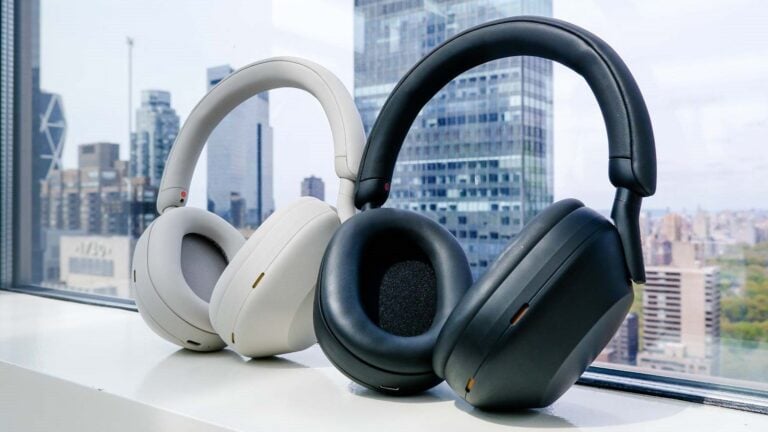
Auditory overwhelm is real for ISFPs, even if they don’t always name it that way. A good pair of noise-canceling headphones isn’t a luxury. It’s a boundary-setting tool that doesn’t require any social negotiation. Sony WH-1000XM5 or Bose QuietComfort 45 both deliver the kind of sonic isolation that lets an ISFP choose their own auditory environment rather than absorbing whatever the world decides to send their way.
Paired with instrumental music, nature sounds, or simply silence, quality headphones create a portable version of the sensory sanctuary that ISFPs naturally build in their home environments.
What Creative Self-Care Tools Support the ISFP Inner Life?
ISFPs don’t separate creativity from restoration. For this type, making something is often the most direct path back to equilibrium. The creative process isn’t a hobby they pick up when they have time. It’s how they process experience, integrate emotion, and reconnect with what matters to them.
This is worth pausing on, because it’s genuinely different from how many other types experience creativity. If you’ve read about the ISFP creative genius and its five hidden artistic powers, you’ll recognize that their creative capacity isn’t just a talent. It’s a psychological necessity. Products that support creative expression are, for ISFPs, directly supporting mental health.
Quality Sketchbooks and Art Journals
A Leuchtturm1917 dotted journal or a Strathmore mixed media sketchbook gives an ISFP a physical container for the visual and emotional content that moves through them constantly. The dot grid format is particularly useful because it provides enough structure to feel grounded without the rigidity of lines that can make creative expression feel constrained.
What matters here is paper quality. ISFPs who draw, paint, or collage will notice immediately whether a paper accepts media well or resists it, and that friction translates directly into creative frustration. Investing in a quality sketchbook removes one layer of resistance from a practice that’s already vulnerable to perfectionism.
Watercolor Sets and Brush Pens
Watercolor is a medium that suits ISFP energy in a specific way: it rewards presence and sensitivity rather than control and force. The way pigment moves through water mirrors the way ISFPs move through emotional experience, with fluidity, with attention to subtle shifts, with a willingness to let things develop rather than forcing an outcome.
Winsor and Newton Cotman sets offer a solid entry point with genuine color quality. For brush pens, Tombow dual-tip markers give enough versatility to sketch, letter, or paint without requiring a full studio setup. Both options are portable, which matters for a type that often finds creative inspiration in outdoor environments and natural settings.
Craft Supply Subscriptions
One pattern I noticed in creative professionals throughout my agency career: the people who maintained the most consistent creative practice weren’t the ones who made grand gestures toward their craft. They were the ones who kept supplies within arm’s reach and lowered the activation energy for creative engagement as much as possible.
A monthly craft subscription like Paletteful Packs or ArtSnacks delivers curated supplies that introduce new materials without requiring the ISFP to spend decision-making energy on sourcing. The element of surprise also appeals to the spontaneous, present-moment orientation that ISFPs carry naturally.
How Can ISFPs Build a Restorative Physical Environment?
Environment isn’t incidental to ISFP wellbeing. It’s central to it. This is a type that experiences their surroundings as an extension of their inner state, meaning a chaotic or aesthetically discordant environment creates genuine psychological noise that depletes energy even when nothing externally stressful is happening.
I think about this in terms of what I’ve observed in my own experience as an INTJ. My processing style differs from an ISFP’s in meaningful ways, but we share that sensitivity to environmental quality. During a particularly demanding campaign season at my agency, I realized that the physical state of my office directly correlated with my ability to think clearly. When the space felt right, thinking was easier. When it was cluttered and harsh, everything required more effort. ISFPs experience this effect with even greater intensity.
Warm Lighting Solutions
Overhead fluorescent lighting is genuinely hostile to ISFP nervous systems. Warm, dimmable lighting from sources like Philips Hue smart bulbs or simple Edison-style lamps creates the kind of ambient quality that signals rest rather than performance. The ability to control light temperature and intensity throughout the day lets an ISFP calibrate their environment to match their current energy needs rather than submitting to whatever institutional lighting their space provides.
Plants and Natural Elements
ISFPs have a documented affinity for nature that goes beyond aesthetic preference. The presence of living plants in a space changes the sensory quality of that environment in ways that support the nervous system. A 2011 study published in PubMed Central found that exposure to natural elements reduced psychological stress markers, supporting what ISFPs often report anecdotally: that being around growing things feels genuinely restorative.
Low-maintenance options like pothos, snake plants, or peace lilies bring that natural element into spaces without requiring horticultural expertise. For ISFPs who want a more active relationship with plants, a small herb garden or a propagation station adds a creative, living dimension to their environment that evolves over time.
Organizational Aesthetics
There’s a distinction worth making here between organization as a productivity strategy and organization as an aesthetic practice. ISFPs aren’t necessarily drawn to minimalism for efficiency’s sake. They’re drawn to visual harmony. Products like woven baskets, ceramic containers, or wooden organizers that are beautiful as objects serve double duty: they manage physical clutter while adding to the sensory quality of the space.
Brands like Muji and The Container Store’s more natural-material lines offer options that satisfy both functions without forcing an ISFP to choose between beauty and practicality.

What Body-Based Self-Care Products Serve ISFP Energy?
The body is where ISFPs live most fully. Their extraverted sensing function means physical experience isn’t just something that happens to them. It’s a primary way they engage with and understand the world. Body-based self-care isn’t indulgence for this type. It’s maintenance of the primary instrument through which they experience life.
The American Psychological Association has consistently emphasized that physical self-care practices including adequate sleep, movement, and sensory regulation form the foundation of psychological resilience. For ISFPs, whose emotional processing is already working hard, that foundation is non-negotiable.
Natural Skincare and Body Products
ISFPs tend to respond poorly to synthetic fragrances and harsh chemical formulations, both because of sensory sensitivity and because of a values-based preference for products that feel honest and clean. Brands like Aesop, Herbivore Botanicals, or Dr. Bronner’s offer formulations that satisfy both criteria: they feel good on the skin and align with the ISFP’s tendency toward authenticity and integrity in their choices.
A dry brushing kit paired with a natural body oil creates a simple daily ritual that engages the sensory system in a grounding way before or after showering. The tactile quality of the practice, combined with the visible result of improved circulation and skin texture, appeals to the ISFP preference for tangible, present-moment experience.
Yoga Mats and Movement Accessories
Movement practices that emphasize body awareness over performance tend to suit ISFPs well. Yoga, pilates, dance, and outdoor walking all engage the sensory system in ways that process stored tension without requiring competitive or social frameworks that drain rather than restore.
A quality yoga mat from Manduka or Liforme provides enough cushion and grip to make floor-based practice genuinely comfortable, removing the physical friction that can interrupt the meditative quality of movement. Paired with a foam roller or massage ball for post-movement recovery, this combination addresses both the active and passive dimensions of body care.
Sleep Environment Investments
Sleep quality matters enormously for ISFPs, whose emotional processing doesn’t stop when they close their eyes. A white noise machine like the LectroFan or Marpac Dohm creates an auditory buffer that reduces the environmental disruptions that sensitive sleepers experience as genuine disturbances. Combined with blackout curtains and a cooling mattress topper, these investments in sleep environment quality pay dividends in daytime emotional regulation that no supplement or morning routine can fully replicate.
How Do ISFP Self-Care Needs Compare to the ISTP Approach?
ISFPs and ISTPs share the introverted explorer space, and they have real common ground: both prefer concrete experience over abstraction, both need significant solitude, and both tend to resist self-care frameworks that feel performative or socially obligatory. That said, their restoration needs diverge in meaningful ways that are worth understanding.
The ISTP personality type tends toward mechanical and analytical engagement as a form of restoration. Taking something apart, solving a physical problem, working with tools: these activities restore ISTPs in ways that are active and outcome-focused. Reading about ISTP problem-solving and practical intelligence makes clear how much this type values competence-based engagement as a core part of their identity and energy management.
ISFPs, by contrast, restore through aesthetic and emotional engagement. Making art, experiencing beauty, moving through natural environments, or sitting quietly with music that resonates emotionally: these are the activities that refill their tank. The sensory dimension is shared with ISTPs, but the emotional and aesthetic layer is distinctly ISFP.
There’s also a values dimension to ISFP self-care that doesn’t appear as strongly in the ISTP profile. ISFPs care deeply about authenticity and alignment between their choices and their inner values. A self-care product that feels ethically compromised or aesthetically dishonest won’t restore them regardless of its functional quality. This is worth keeping in mind when building a self-care product collection: coherence with personal values isn’t optional for this type.
Those unmistakable ISTP personality markers that distinguish this type from ISFPs include a more detached emotional style and a stronger preference for mechanical over aesthetic engagement. Recognizing these differences helps both types avoid the mistake of adopting self-care practices designed for the other’s wiring.

What Digital and Mindfulness Tools Actually Work for ISFPs?
ISFPs have a complicated relationship with digital tools. They’re not technophobic, but they’re also acutely aware of when a screen is pulling them away from present-moment experience rather than supporting it. The digital self-care tools that work for this type tend to be those that serve as bridges to embodied experience rather than replacements for it.
Meditation and Breathwork Apps
Apps like Insight Timer or Calm work well for ISFPs when used intentionally, specifically for guided body scan meditations, nature soundscapes, or breathing exercises that anchor awareness in physical sensation. The trap is using these apps as a substitute for actual stillness rather than a doorway into it. An ISFP who uses a meditation app to avoid sitting with difficult emotions isn’t engaging in self-care. They’re just choosing a more socially acceptable form of avoidance.
Used well, a 10-minute body scan before sleep or a breathing exercise during a stressful workday gives the ISFP nervous system a concrete reset that carries real benefit.
Digital Journaling Platforms
Day One is worth mentioning here because it combines the privacy that ISFPs need with a clean, beautiful interface that doesn’t create aesthetic friction. ISFPs often find that writing about their emotional experience helps them process it, but they’re rarely interested in sharing that processing publicly. A private digital journal that syncs across devices and stores entries securely satisfies both the processing need and the privacy preference.
That said, many ISFPs prefer physical journals for the tactile experience alone. The decision between digital and analog journaling is worth experimenting with rather than assuming one format is universally better.
Curated Music and Sound Environments
Spotify playlists built around specific emotional states, or ambient sound platforms like Brain.fm or myNoise, give ISFPs the ability to architect their auditory environment with the same intentionality they bring to visual spaces. Music isn’t background noise for this type. It’s an active component of emotional experience, and having a library of sounds organized by the emotional state they support is a form of self-care infrastructure that pays ongoing dividends.
The 16Personalities framework describes ISFPs as emotionally deep and aesthetically sensitive, which aligns with the observation that sound environment management is a meaningful self-care practice for this type rather than a trivial preference.
How Should ISFPs Think About Career and Self-Care Together?
Self-care doesn’t happen in isolation from the rest of life. For ISFPs, the relationship between career environment and self-care need is particularly direct. A work environment that consistently violates their sensory and emotional boundaries will require so much compensatory self-care that no product collection can keep pace.
During my agency years, I managed several creatives who I now recognize as likely ISFPs. The ones who thrived weren’t necessarily in the most prestigious roles. They were in roles that gave them enough creative autonomy and enough environmental control to do their best work without depleting themselves in the process. The ones who struggled were often in account management positions that required constant emotional performance in ways that left nothing for their own restoration.
Understanding how ISFPs build thriving professional lives as artistic introverts is directly relevant to self-care because career fit determines the baseline depletion level that self-care products are trying to address. A well-matched career reduces that baseline significantly.
This is also worth considering in contrast to what happens when personality type and work environment are fundamentally mismatched. The research on ISTPs trapped in desk jobs illustrates how environmental mismatch creates chronic stress that no amount of self-care products can fully counteract. The same principle applies to ISFPs in roles that require sustained emotional performance without creative outlet.
According to the Bureau of Labor Statistics Occupational Outlook Handbook, creative and artistic occupations continue to grow across multiple sectors, which is genuinely encouraging for ISFPs considering whether career alignment is actually achievable in the current landscape. It is, and pursuing it is one of the highest-leverage self-care decisions this type can make.
The 16Personalities team communication research also highlights how ISFPs tend to communicate through action and demonstration rather than verbal explanation, which has direct implications for which work environments allow them to show up authentically rather than constantly translating themselves into a format others find legible.

Building a Sustainable ISFP Self-Care Practice
The mistake most self-care advice makes is treating restoration as a weekend activity rather than a daily infrastructure question. For ISFPs, sustainable self-care means building an environment and a set of daily micro-practices that reduce depletion continuously rather than attempting to recover from accumulated exhaustion in periodic bursts.
A morning ritual that includes five minutes of quiet with a warm drink, a quality mug that feels good in the hands, and no screen engagement is worth more to an ISFP nervous system than an elaborate Sunday spa routine. The sensory quality of ordinary moments, calibrated deliberately, creates a baseline of restoration that holds even during demanding periods.
Product choices matter most when they lower the friction between an ISFP and their own restoration practices. A sketchbook that’s always on the desk gets used. A yoga mat that’s rolled out in a corner of the bedroom gets stepped on. A diffuser that’s already filled and running requires no decision-making energy to activate. The best self-care products for ISFPs are the ones that make restoration the path of least resistance rather than an effortful choice that competes with everything else demanding their attention.
What I’ve come to appreciate, both from my own experience and from watching creative people work across two decades in advertising, is that the people who sustain their best work over time aren’t the ones who push hardest. They’re the ones who understand their own restoration needs clearly enough to protect them. For ISFPs, that clarity is the foundation everything else is built on.
Explore more resources for introverted explorers in our complete MBTI Introverted Explorers (ISTP and ISFP) Hub.
Curious about your personality type?
Our free MBTI assessment goes beyond the four letters. Get a full breakdown of your scores, see how your type shows up at work and in relationships, plus borderline analysis for close-call dimensions.
Take the Free Test8-12 minutes · 40 questions · Free and private
About the Author
Keith Lacy is an introvert who’s learned to embrace his true self later in life. After 20 years in advertising and marketing leadership, including running agencies and managing Fortune 500 accounts, Keith now channels his experience into helping fellow introverts understand their strengths and build fulfilling careers. As an INTJ, he brings analytical depth and authentic perspective to every article, drawing from both professional expertise and personal growth.
Frequently Asked Questions
What types of self-care products are best suited to ISFP personality types?
ISFPs benefit most from products that engage their sensory awareness and support their creative expression. Weighted blankets, essential oil diffusers, quality art supplies, warm lighting solutions, and natural skincare products all address the specific ways this personality type processes stress and restores energy. Products that feel aesthetically coherent and align with their personal values tend to be used consistently, while generic or aesthetically jarring products often go unused regardless of their functional quality.
Why do ISFPs need different self-care approaches than other introverted types?
ISFPs lead with introverted feeling and support it with extraverted sensing, a combination that makes sensory experience and emotional authenticity central to their wellbeing rather than peripheral to it. Other introverted types may restore through intellectual engagement, strategic planning, or structured solitude. ISFPs restore through physical sensation, creative expression, and aesthetic experience. Generic self-care advice that doesn’t account for these specific functions tends to miss what this type actually needs.
How important is the aesthetic quality of self-care products for ISFPs?
Aesthetic quality is functionally important for ISFPs, not merely a preference. A product that creates sensory friction through poor design, harsh materials, or visual discord actively works against the restoration it’s meant to provide. ISFPs experience their environment as an extension of their inner state, meaning the aesthetic quality of objects in their space directly affects their psychological experience of that space. Investing in products that are genuinely beautiful as well as functional is a practical decision for this type, not an indulgent one.
Can creative activities count as self-care for ISFPs?
Creative activities are among the most effective forms of self-care available to ISFPs. For this personality type, making something is a primary way of processing emotional experience and reconnecting with their sense of self. Watercolor painting, sketching, collaging, photography, or any other creative practice that engages both the sensory system and the emotional inner world provides restoration that few other activities can match. Products that support creative practice are therefore directly supporting mental and emotional health for ISFPs.
How does career environment affect ISFP self-care needs?
Career environment has a direct and significant effect on the baseline depletion level that self-care products are working to address. An ISFP in a role that requires constant emotional performance, aesthetic compromise, or sensory overload will need substantially more recovery support than one in a role that allows creative autonomy and environmental control. Self-care products can reduce the impact of a difficult work environment, but they cannot fully compensate for chronic career misalignment. Pursuing work that fits the ISFP’s natural wiring is one of the most meaningful self-care decisions this type can make.