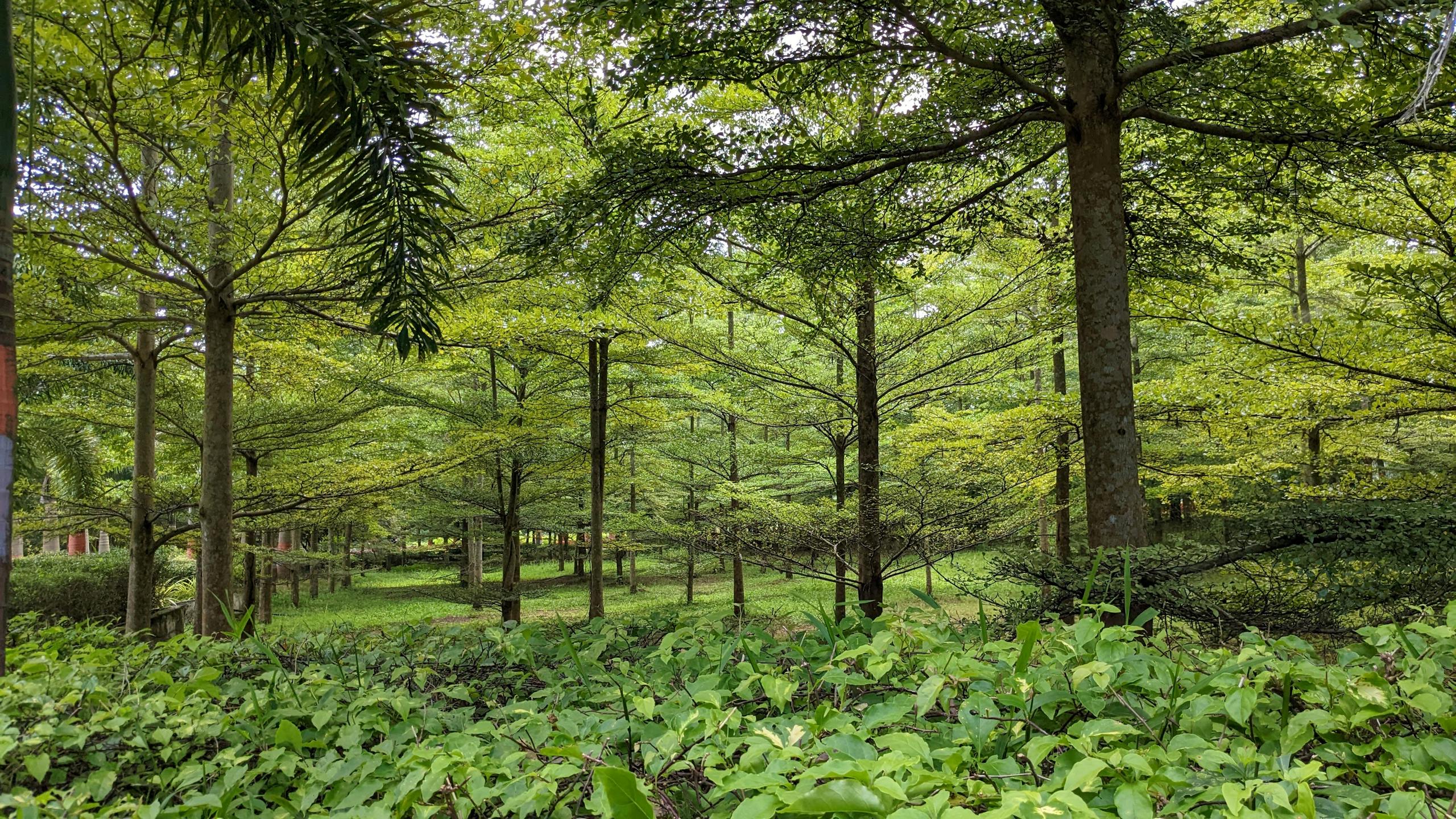

Standing alone in a forest at dawn, watching mist rise from a stream while documenting water quality samples, I finally understood why I had spent twenty years feeling drained in conference rooms. The work that energized me required observation, not performance. Analysis, not constant collaboration. Nature rewarded my patience and my preference for depth over breadth.
Environmental science careers match introverted strengths because they reward careful observation, methodical research, and independent analysis over constant networking and rapid-fire collaboration. Your brain’s natural tendency toward detailed pattern recognition becomes a professional asset when tracking ecosystem changes, identifying contamination sources, or developing conservation strategies.
Through my years managing teams across diverse personality types, I watched introverted colleagues thrive when their work aligned with their temperament. The environmental scientists among them shared something distinct. They returned from fieldwork energized rather than exhausted. Their reports reflected the kind of nuanced thinking that only emerges from sustained solitary concentration. They found meaning in protecting something larger than themselves without needing public recognition for it.
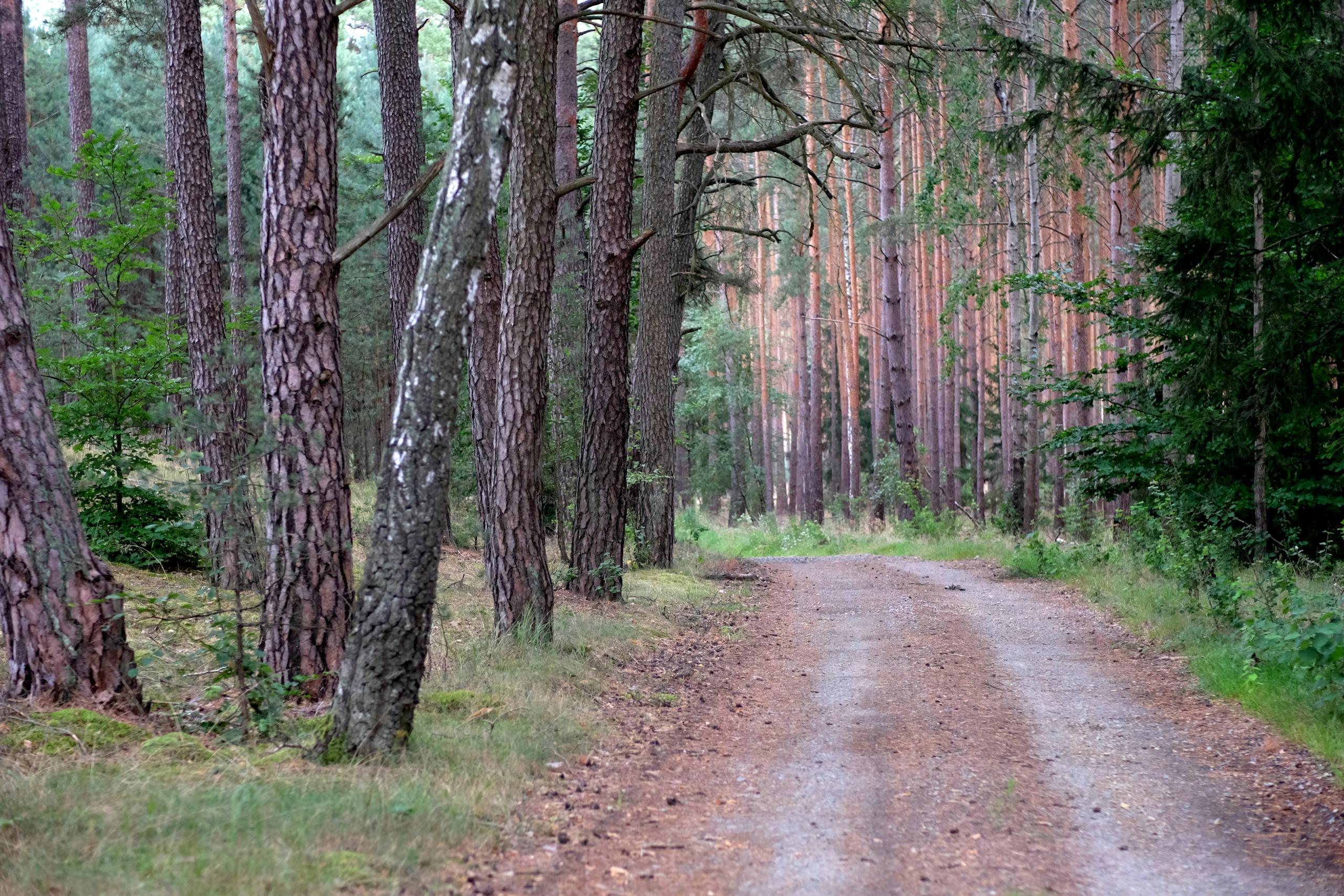
Environmental science offers introverts multiple career paths including research, conservation, water quality analysis, and field ecology. These roles emphasize independent observation, data analysis, and nature-based work over constant collaboration, allowing introverts to leverage their focus and analytical strengths.
You might also find mountain-living-for-nature-seeking-introverts helpful here.
If you’re drawn to nature and prefer working independently, environmental science might be the perfect fit for your introverted personality. This field offers meaningful work that aligns with your love for the natural world while allowing you to contribute in quieter, more solitary ways. Explore other introvert-friendly career options to discover more paths that celebrate your strengths and preferences.
Why Do Environmental Science Careers Attract Introverts?
The connection between introversion and environmental careers runs deeper than simple love of nature. Our brains process information differently, and environmental science leverages these differences as professional advantages rather than obstacles to overcome.
What’s your personality type?
Take our free 40-question assessment and get a detailed personality profile with dimension breakdowns, context analysis, and personalised insights.
Discover Your Type8-12 minutes · 40 questions · Free
Introverts demonstrate heightened activity in brain regions responsible for careful observation and complex pattern recognition. Environmental science demands exactly this capacity. Tracking population changes in endangered species, monitoring subtle shifts in ecosystem health, identifying contamination sources from trace evidence in soil samples: these tasks reward the kind of sustained attention and detail orientation that comes naturally to introverted minds.
- Pattern recognition abilities help detect subtle environmental changes that others miss, from slight variations in water acidity to minor shifts in vegetation patterns
- Detail orientation prevents critical oversights in environmental monitoring where small inconsistencies can signal major problems
- Sustained attention enables the long-term observation periods required for meaningful ecological research
- Processing depth allows thorough analysis of complex environmental data before drawing conclusions
- Written communication preference matches the extensive documentation requirements in environmental science
I used to think my tendency to notice small inconsistencies was a quirk that slowed me down. Years later, I recognized it as a strength that my extroverted colleagues often lacked. In environmental work, missing a slight variation in water acidity or overlooking a minor change in vegetation patterns can mean the difference between catching a problem early and discovering disaster when intervention becomes impossible.
Research consistently demonstrates that introverts make exceptional researchers precisely because we think before we act, digest information thoroughly, stay on task longer, and work more accurately than our extroverted counterparts. Environmental science offers abundant opportunities to leverage these natural tendencies.
Which Environmental Career Paths Match Introvert Strengths?
Environmental science encompasses a remarkable range of specializations, many of which align beautifully with introverted temperaments. Understanding these options helps you handle toward roles that energize rather than deplete you.
Wildlife biologists spend significant time conducting field research, monitoring animal populations, and developing conservation strategies. The U.S. Forest Service describes these roles as involving work in all types of environments, from office settings to mountains, deserts, wetlands, forests, and prairies. Much of this work happens independently or in small teams, with nature as your primary companion rather than crowded offices.
- Wildlife Research Biologist ($65,000-$95,000) – Monitor animal populations, conduct behavioral studies, and develop conservation strategies through extensive fieldwork and data analysis
- Environmental Restoration Specialist ($55,000-$85,000) – Assess polluted sites and design rehabilitation strategies through systematic analysis and long-term planning
- Climate Change Analyst ($70,000-$105,000) – Study weather pattern shifts and ecosystem effects through extensive research, data analysis, and report writing
- Conservation Scientist ($60,000-$90,000) – Manage land quality across forests and parks through independent assessment and planning work
- Environmental Laboratory Technician ($45,000-$65,000) – Process samples and analyze environmental data in focused laboratory settings
Environmental restoration planners assess polluted sites and design rehabilitation strategies. This work requires the kind of systematic thinking and long-term planning that introverts excel at. You analyze data, develop comprehensive cleanup approaches, and create detailed implementation timelines, often working independently before presenting findings to stakeholders.
Climate change analysts study long-term shifts in weather patterns and their effects on ecosystems. The role involves substantial research, data analysis, and report writing. While outreach and grant writing exist within the position, much of the analytical work happens in focused solitary sessions rather than through collaborative brainstorming.

Conservation scientists and foresters manage land quality across forests, parks, and rangelands. According to the Bureau of Labor Statistics, environmental scientists and specialists earned a median annual wage of $80,060 in May 2024, with federal government positions averaging $113,980. These salaries reflect the specialized expertise required and create sustainable career paths for those committed to environmental protection.
Ecologists study relationships between living organisms and their environments. Unity Environmental University notes that ecologists use multidisciplinary skills across biological, physical, and social sciences to solve environmental problems and protect ecosystems. The investigative nature of this work rewards curiosity and patience, allowing introverts to delve deeply into questions that fascinate them.
How Does Nature Work Support Introvert Wellbeing?
Beyond career fit, environmental science offers introverts something profound: a work environment that actively supports mental health rather than constantly challenging it.
A comprehensive review published in the International Journal of Environmental Research and Public Health found consistent evidence linking nature exposure to improved cognitive function, better mental health, increased physical activity, and enhanced sleep quality. For introverts who already gravitate toward natural settings for restoration, building a career around this connection amplifies wellbeing benefits exponentially.
- Attention restoration happens naturally during fieldwork, reducing cognitive fatigue common in office environments
- Stress reduction occurs through regular nature exposure built into professional responsibilities
- Mental clarity improves when work environments align with brain restoration needs
- Energy conservation results from working in environments that recharge rather than drain
- Purposeful engagement increases when protecting meaningful environmental resources
The Canadian Psychological Association reports that nature restores attention and concentration ability while reducing symptoms of attention difficulties. Environmental scientists experience these benefits as a natural byproduct of their professional responsibilities. Where most careers drain cognitive resources, environmental fieldwork replenishes them.
I learned the hard way that ignoring my need for restoration leads to burnout that takes months to recover from. Working in environments that naturally restore rather than deplete represents a fundamental career strategy shift. Environmental science embeds restoration into the workday itself.
Research in Science Advances established consensus on nature experience benefits for mental health and proposed models for integrating these benefits into urban design. Environmental scientists contribute directly to this understanding while simultaneously experiencing its advantages. The work itself becomes a form of self-care.

What Are the Daily Realities of Environmental Science Careers?
Understanding the actual day-to-day experience of environmental careers helps introverts evaluate fit beyond surface-level job descriptions.
Environmental scientists typically split time between office settings, laboratories, and field locations. The U.S. Forest Service describes wildlife biologist duties as varied, potentially including projects like building waterfowl nesting islands, habitat restoration, prescribed burning, and working with sophisticated equipment and technology. This variety prevents the monotony that drains many introverts while maintaining the independent focus we crave.
Fieldwork offers something rare in modern careers: extended periods of meaningful work without constant interruption. You might spend hours documenting species populations, collecting water samples, or monitoring air quality. The natural environment becomes your office, and wildlife becomes your colleagues. For introverts who find solitude essential rather than isolating, this represents ideal working conditions.
- Laboratory analysis periods provide uninterrupted focus for processing samples and analyzing complex environmental data
- Field research sessions offer meaningful work in natural settings without social interruptions
- Report writing time allows thorough synthesis of findings through preferred written communication
- Strategic planning work rewards the long-term thinking patterns that energize introverted minds
- Independent project management enables autonomous work without constant collaborative oversight
Laboratory work provides focused analytical time. You process samples, analyze data, and develop conclusions without the social interruptions that fragment concentration in open office environments. The precision required aligns with introvert tendencies toward thoroughness and accuracy.
Report writing and documentation consume significant portions of environmental science roles. This suits introverts who prefer written communication over verbal presentations. You synthesize findings, develop recommendations, and communicate complex information clearly. The reflective nature of writing leverages our natural processing style.
Collaboration exists but typically takes purposeful forms. You work with other scientists, engineers, and technicians on specific projects rather than engaging in constant unstructured social interaction. Meetings have clear objectives and defined endpoints. Professional relationships develop around shared expertise rather than forced networking.
What Education and Entry Pathways Lead to Environmental Science?
Entering environmental science typically requires a bachelor’s degree in environmental science, biology, chemistry, or related natural sciences. This academic preparation suits introverts who prefer structured learning and deep subject matter engagement over broad superficial exposure.
Coursework commonly includes chemistry, geology, physics, and specialized subjects like hydrology, waste management, and environmental policy. The analytical nature of these subjects rewards introverted learning styles. You can immerse yourself in complex material, develop thorough understanding, and demonstrate competence through written work and practical application rather than group presentations.
Internships and volunteer experiences with environmental organizations provide practical preparation while allowing you to test career fit. The best jobs for introverts align natural temperament with professional demands, and early exposure helps you identify which environmental specializations match your specific strengths.

Graduate education opens doors to advanced positions and specialized research opportunities. A master’s degree or PhD positions you for leadership roles in environmental consulting, government agencies, and academic research. These advanced paths suit introverts who prefer depth of expertise over breadth of experience.
Technical skills in Geographic Information Systems (GIS), data analysis, and environmental monitoring tools enhance employability significantly. These competencies reward focused individual practice rather than collaborative learning, playing directly to introvert strengths. Many introverts excel in data analysis careers because the work matches our cognitive preferences.
What Professional Challenges Do Environmental Scientists Face?
Environmental science careers, while well-suited to introverts, include aspects that require intentional management. Recognizing these challenges early allows you to develop strategies before problems emerge.
Public communication occasionally becomes necessary. You might present findings to government officials, educate community groups about environmental hazards, or participate in public hearings. Preparation makes these situations manageable. As introverts, we excel when we can anticipate demands and develop thoughtful responses in advance rather than thinking on our feet.
Consulting roles involve more client interaction than government or research positions. If extensive stakeholder engagement feels overwhelming, prioritize roles in research institutions, government agencies, or laboratory settings where independent work dominates.
- Prepare presentations thoroughly using written scripts and visual aids that reduce on-the-spot verbal demands
- Schedule recovery time after high-social-demand activities like conferences or community meetings
- Choose written communication when possible for complex technical explanations and stakeholder updates
- Seek mentorship from senior environmental scientists who can model authentic professional engagement
- Build expertise reputation through quality work that speaks louder than constant self-promotion
Career advancement sometimes requires visibility that introverts naturally avoid. Publishing research, presenting at conferences, and building professional networks contribute to career progression. Approaching these activities strategically, with adequate recovery time built into your schedule, makes them sustainable without constant energy depletion.
I discovered that my reluctance to self-promote cost me opportunities early in my career. Learning to share expertise in written formats, through carefully prepared presentations, and within small professional communities created advancement pathways that felt authentic rather than performative. Environmental science offers multiple routes to recognition beyond constant visibility.
What Are the Job Outlook and Salary Expectations?
Environmental science offers stable career prospects with competitive compensation, particularly for those willing to develop specialized expertise.
Employment of environmental scientists and specialists is projected to grow 4 percent from 2024 to 2034, matching average growth across all occupations. About 8,500 openings are projected annually, many resulting from retirements and career transitions. This creates steady entry opportunities for new graduates while offering advancement potential for experienced professionals.
| Employer Type | Average Salary (2024) | Work Environment |
|---|---|---|
| Federal Government | $113,980 | Structured, benefits-rich |
| Engineering Services | $77,500 | Project-based, varied |
| Management Consulting | $77,500 | Client-focused, travel |
| State/Local Government | $65,000-$75,000 | Community-oriented, stable |
Median annual wages reached $80,060 in May 2024, with significant variation by employer type. Federal government positions averaged $113,980, while engineering services and management consulting both averaged around $77,500. State and local government positions offered slightly lower but still competitive compensation.
Geographic location influences earnings substantially. Environmental scientists in high-cost urban areas and regions with significant environmental challenges often command premium salaries. Specializations in emerging areas like climate change analysis and sustainability consulting offer strong earning potential as organizations prioritize environmental responsibility.
For introverts exploring career options, environmental science ranks among careers where introverts consistently outperform extroverted counterparts. The combination of analytical demands, independent work, and meaningful purpose creates conditions where quiet strengths become competitive advantages.

How Do You Build Your Environmental Science Career?
Starting an environmental science career as an introvert requires intentional strategy beyond simply obtaining credentials.
Select specializations that maximize independent work. Research-focused roles appeal to deep thinkers who prefer sustained concentration over constant collaboration. Laboratory positions, field research, and data analysis roles typically offer more solitude than consulting or outreach positions.
Develop writing skills that communicate complex information clearly. Environmental scientists produce substantial documentation, from technical reports to regulatory compliance materials. Strong written communication substitutes for verbal presence in many professional contexts, playing directly to introvert preferences.
- Master technical tools like GIS software, statistical analysis programs, and environmental monitoring equipment to increase individual productivity
- Build expertise gradually in specialized areas that interest you most, from water quality to wildlife conservation to climate analysis
- Document your learning through research papers, blog posts, or technical reports that demonstrate competence without constant verbal presentation
- Seek mentorship from experienced environmental professionals who understand introvert strengths and career navigation strategies
- Network strategically through professional associations, field research collaborations, and written communication rather than large social events
Build expertise in technical tools that enhance individual productivity. GIS proficiency, statistical software competence, and environmental monitoring equipment operation create value that speaks for itself. Technical excellence provides advancement pathways that bypass political maneuvering and constant self-promotion.
Research from Yale Environment 360 found that people spending two hours weekly in green spaces reported substantially better health and psychological wellbeing than those who did not meet this threshold. Environmental scientists naturally exceed this baseline, embedding wellbeing practices into professional responsibilities. This structural advantage compounds over careers that span decades.
During my transition from traditional office work to more nature-based consulting, I discovered something fascinating. My best analytical insights emerged during quiet field observations, not brainstorming sessions. The environmental consultants I worked with shared this experience. Their most innovative solutions developed through patient observation and reflective analysis rather than rapid-fire collaboration. Environmental science careers leverage this introvert strength systematically.
If you identify as highly sensitive, the HSP career survival guide offers additional strategies for thriving in professional environments. Environmental science often attracts highly sensitive individuals who notice environmental changes others miss and feel deeply motivated by protection and conservation.
Your Nature-Based Future
Environmental science offers introverts something increasingly rare: careers built around our strengths rather than constant accommodation of demands that drain us.
The field rewards observation over performance, analysis over charisma, and sustained focus over rapid response. Your preference for depth over breadth, for thoughtful consideration over impulsive action, for meaningful solitary work over constant collaboration: these become professional assets rather than obstacles to overcome.
More than career fit, environmental science offers purpose. You contribute to protecting ecosystems, preserving biodiversity, and ensuring sustainable futures. This meaningful work provides motivation that transcends salary and status, speaking to the introvert desire for work that matters beyond personal advancement.
The natural world needs patient observers, careful analysts, and dedicated protectors. Your introverted temperament equips you perfectly for this work. The question is not whether you belong in environmental science, but which path within this diverse field matches your particular combination of interests and strengths.
Start exploring. The forests, streams, and ecosystems are waiting for professionals who will observe carefully, think deeply, and protect persistently. That sounds like work introverts were made for.
Frequently Asked Questions
What degree do I need for an environmental science career?
Most positions require a bachelor’s degree in environmental science, biology, chemistry, or related natural sciences. Coursework typically includes chemistry, geology, physics, and specialized subjects like hydrology or environmental policy. Graduate degrees open doors to advanced research positions and specialized roles.
How much do environmental scientists earn?
The median annual wage for environmental scientists was $80,060 in May 2024. Federal government positions averaged $113,980, while private consulting and engineering services averaged around $77,500. Salaries vary significantly by location, specialization, and experience level.
Is environmental science good for introverts who dislike fieldwork?
Yes, many environmental science roles minimize outdoor fieldwork. Laboratory positions, data analysis roles, environmental policy work, and consulting positions focus on indoor analytical work. You can build a career around your preferences within the diverse environmental science field.
What skills matter most for environmental science careers?
Analytical skills, written communication ability, and technical proficiency with tools like GIS and statistical software prove essential. Problem-solving capabilities, attention to detail, and self-motivation also contribute significantly to success in environmental roles.
Are environmental science jobs in demand?
Employment is projected to grow 4 percent from 2024 to 2034, matching average growth across occupations. About 8,500 annual openings are expected as public interest in environmental protection continues driving demand for qualified professionals.
Explore more career resources in our complete Career Paths & Industry Guides Hub.
About the Author
Keith Lacy is an introvert who’s learned to embrace his true self later in life. With a background in marketing and a successful career in media and advertising, Keith has worked with some of the world’s biggest brands. As a senior leader in the industry, he has built a wealth of knowledge in marketing strategy. Now, he’s on a mission to educate both introverts and extroverts about the power of introversion and how understanding this personality trait can discover new levels of productivity, self-awareness, and success.