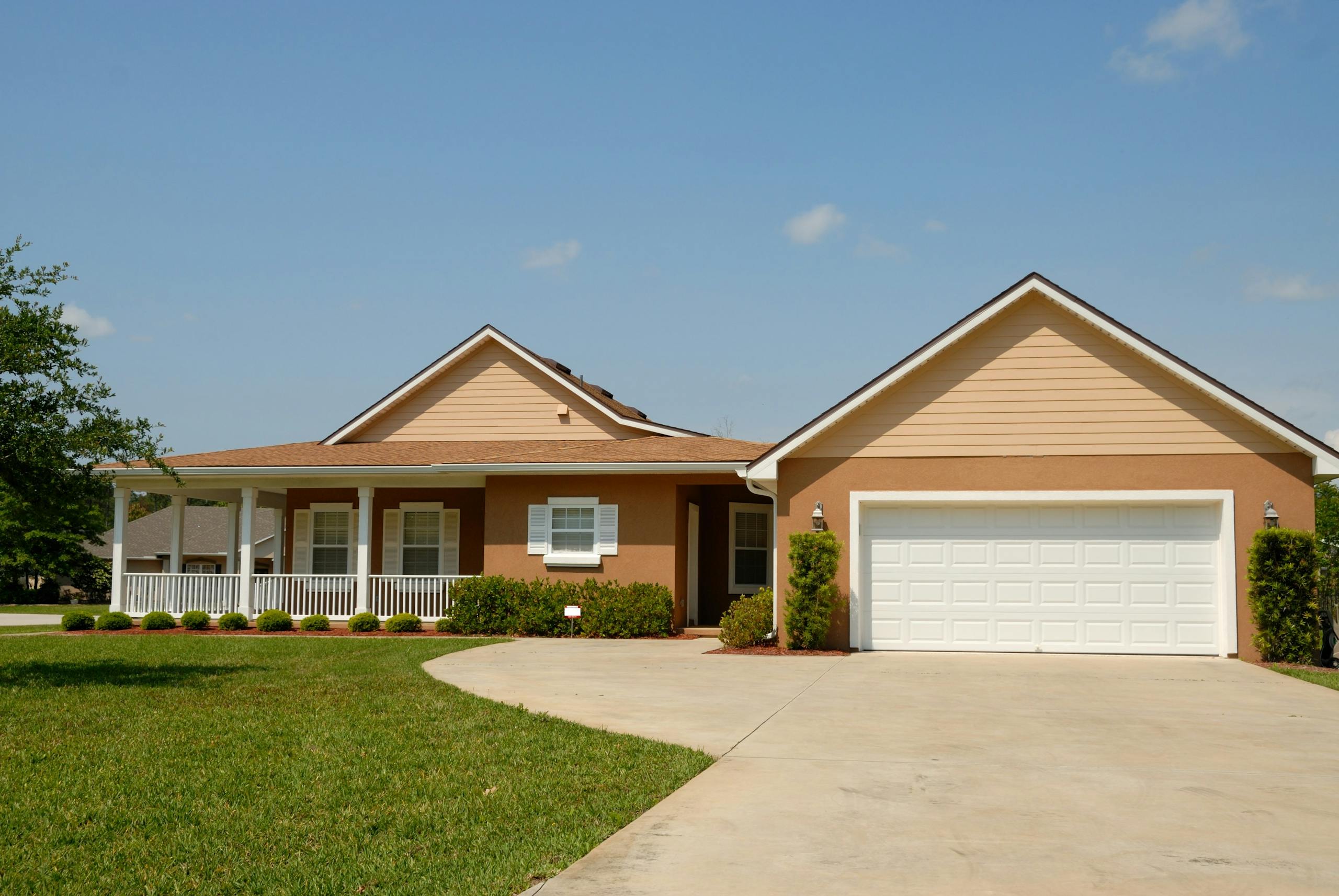
The suburbs promised us space, quiet neighborhoods, and room for our children to grow. What nobody mentioned was the endless parade of block parties, the expectation that you’ll wave at every passing neighbor, and the peculiar suburban guilt that comes from declining yet another backyard barbecue invitation.
I spent years in the advertising world, running agencies and managing teams across major metropolitan areas. When we moved to the suburbs with young children, I assumed the quieter setting would naturally accommodate my introverted nature. I was wrong. The suburbs present their own unique challenges for those of us who recharge through solitude rather than socializing.
But here’s what I’ve learned through trial and significant error: suburban life can absolutely work for introverted families. It requires intentional design, honest communication, and the willingness to create systems that honor everyone’s energy needs. Let me share what actually works.
Understanding the Suburban Introvert Paradox
The suburbs occupy a strange middle ground that can feel particularly challenging for introverts. Unlike dense urban environments where anonymity provides natural protection, or rural settings where physical distance creates buffer space, suburban neighborhoods exist in that uncomfortable in-between zone.
Research published in PLoS ONE examining rural-urban personality differences found notable variations in psychological well-being based on living environment, with suburban contexts presenting unique considerations for personality types. The physical proximity of suburban homes creates what researchers describe as a medium-density environment where neighbors interact frequently enough to notice each other’s patterns, yet without the urban anonymity that allows city dwellers to blend into the crowd.
During my agency years, I managed diverse teams and learned to recognize that different personality types contribute differently to shared goals. The same principle applies to suburban living. Your family doesn’t need to match the social patterns of your most gregarious neighbors. Understanding this distinction was the first step toward making our suburban life sustainable.

Designing Your Home for Energy Recovery
The physical design of your suburban home directly impacts your family’s ability to recharge. This goes far beyond aesthetics. Every room, every corner, and every transition space either supports or depletes your energy reserves.
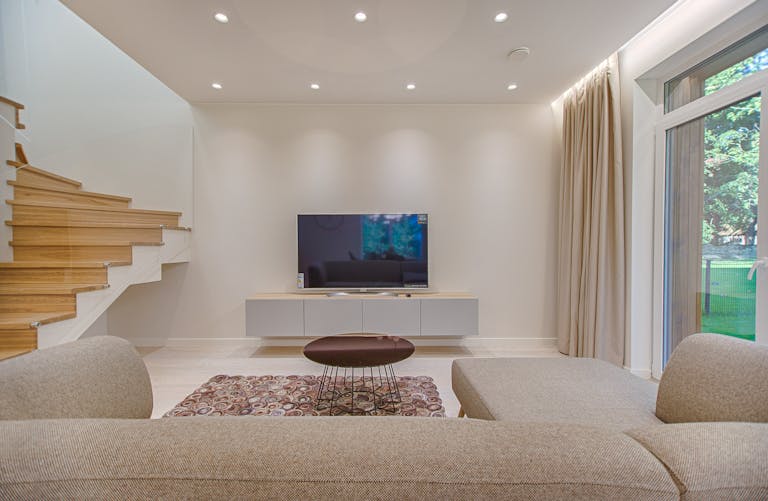
Creating an introvert-friendly home environment starts with recognizing that sensory management matters profoundly. Soft, adjustable lighting options reduce visual overload, while sound-absorbing materials like thick rugs and heavy curtains dampen environmental noise that compounds overstimulation. These aren’t luxury upgrades. They’re functional necessities for families whose members process sensory input more intensely.
I learned the hard way that open floor plans, while popular in suburban homes, can work against introverted families. When we renovated, I initially resisted closing off our main living area. It felt counterintuitive. But adding strategic visual barriers and creating distinct zones transformed our daily experience. Now our children can have friends over in one area while I can genuinely decompress in another without the constant awareness of activity throughout the house.
Creating Designated Retreat Spaces
Every family member needs a space they can claim as their own recovery zone. This doesn’t require a mansion with endless square footage. Even a reading nook, a corner of a bedroom, or a designated outdoor spot can serve this purpose effectively.
According to Mental Health America’s research on neighborhood environments, feeling a sense of personal space and connection significantly impacts mental well-being. For introverted family members, designated retreat spaces provide the predictability and control that allow genuine restoration.
Our family established what we call “quiet hours” built around these spaces. The system works because everyone understands the rules and respects the boundaries. When someone retreats to their designated space during quiet hours, they’re not being antisocial. They’re doing exactly what they need to show up fully present for family time later.
Managing Neighborhood Social Expectations
Suburban neighborhoods come with unwritten social contracts. There’s an expectation of participation, of visibility, of showing up. For introverted families, navigating these expectations requires strategy rather than avoidance.
The key insight that changed my approach was recognizing that quality trumps quantity in neighbor relationships. Rather than spreading our social energy thin across every neighborhood event, we focused on building deeper connections with a handful of neighbors who respect our rhythms. These relationships actually provide better community support than surface-level interactions with everyone on the block.
Understanding healthy family dynamics as an introvert extends to how your family presents itself to the neighborhood. When we stopped apologizing for declining invitations and started confidently explaining that we’re selective about social commitments, neighbors actually responded with respect rather than judgment.

Strategic Social Participation
Complete social withdrawal isn’t the answer. Research from Psychology Today on introverted parenting emphasizes that self-acceptance combined with strategic social participation creates sustainable patterns. The goal is intentional engagement rather than reflexive avoidance or exhausting over-commitment.
We developed a family calendar system that limits neighborhood events to one per month during high-energy seasons and one per quarter during depleting periods. This isn’t about keeping score. It’s about protecting our collective energy while maintaining genuine community connection. When we do show up, we’re present and engaged rather than mentally calculating our exit.
I’ve also found that hosting selectively works better than attending everything. When you host, you control the environment, the duration, and the guest list. A backyard fire pit gathering with two neighboring families offers more meaningful connection than standing awkwardly at a 50-person block party.
Raising Children in a Suburban Introvert Household
Children raised in suburban environments face constant social opportunities: organized sports, school events, birthday parties, playdates. For introverted parents, managing this endless social calendar while modeling healthy energy management creates unique challenges.
Research from Australia’s First Five Years organization found that introverted parents tend to create more family-favorable environments with better communication within the family unit. The same research suggested introverted fathers often demonstrate more child-centered, child-focused approaches. Your introversion isn’t a parenting liability. It’s a distinct strength.
The challenge comes when your children have different social needs than you do. My own kids fall at different points on the introvert-extrovert spectrum, which means our approach to parenting as introverts requires flexibility and ongoing negotiation.
Teaching Energy Management Early
One of the most valuable gifts you can give children is language for understanding their own energy patterns. We started using phrases like “social battery” and “recharge time” when our kids were young. Now they can articulate when they need downtime and understand why parents sometimes need the same.
This doesn’t mean shielding children from social situations. It means teaching them to notice their own rhythms and make choices that support their well-being. Children who learn effective energy management strategies early develop skills that serve them throughout life.
We implemented what I call “transition time” after school and before activities. Instead of rushing from pickup to soccer practice to dinner, we build in 20 minutes of quiet decompression. The shift in everyone’s mood and behavior was immediate and lasting.

The Remote Work Advantage for Suburban Introverts
The rise of remote work has transformed suburban life for introverted professionals. What once required commuting to overstimulating office environments can now happen from a carefully designed home workspace. This shift represents perhaps the single biggest quality-of-life improvement for suburban introverts in the past decade.
My years running agency offices taught me exactly what environments drained my energy most: the constant interruptions, the open floor plans, the expectation of perpetual availability. Remote work eliminates these energy drains while the suburban setting provides the space for a proper home office that urban apartments rarely accommodate.
For families dealing with the challenges of working from home while managing mental health, the suburban setting offers distinct advantages. More square footage means better separation between work and family spaces. Private outdoor areas provide restoration breaks without leaving home. The quieter neighborhood environment supports focused work during the day.
Creating Work-Life Boundaries in Suburban Settings
The same home that offers sanctuary can become a prison without proper boundaries. When work happens at home, the physical separation between professional and personal life dissolves. For introverts, this blurring can be particularly draining because the home environment that should provide restoration becomes associated with work stress.
We established firm transitions that signal the end of the workday. At 5:30, I leave my home office, take a brief walk around the block, and return through the front door as if coming home from elsewhere. This ritual creates the psychological separation that prevents work from colonizing family time.
The suburban neighborhood walk serves multiple purposes. It provides physical activity, a mental reset, and just enough brief neighbor interaction to maintain community connection without extended socializing. Three houses down, wave and smile. Two blocks over, a quick hello about the weather. Home before anyone expects a real conversation.
Optimizing Outdoor Spaces for Introvert Recovery
Suburban lots typically offer something urban dwellers rarely enjoy: private outdoor space. For introverted families, these yards and patios represent untapped recovery resources that deserve intentional design.
Research on the relationship between built environments and mental health consistently shows that access to nature and green spaces reduces stress and supports mental restoration. A study published in Journal of Research in Personality confirmed that introverts specifically seek out secluded spaces, suggesting that private outdoor areas can serve as powerful restoration zones.
Our backyard underwent a complete transformation when I started thinking about it as a room rather than just “outside.” Strategic plantings now create visual barriers from neighboring properties. A small water feature provides white noise that masks neighborhood sounds. Comfortable seating areas support extended outdoor time for reading or simply being.

Privacy Landscaping That Actually Works
Not all privacy solutions work equally well. The standard six-foot fence provides baseline separation but does nothing for upper-floor visibility or sound. Effective privacy landscaping combines multiple elements: vertical structures, varying plant heights, and strategic placement that blocks sightlines without creating fortress vibes.
We learned through experimentation that deciduous trees and shrubs only provide seasonal privacy. Evergreen elements maintain year-round screening but can feel oppressive if overdone. The solution that worked for us combined a living fence of mixed evergreen shrubs at the property line with taller deciduous shade trees positioned to block specific sightlines from neighboring second floors.
Understanding why alone time matters for recharging helped me justify the investment in outdoor privacy. What might seem like excessive landscaping to neighbors represents essential infrastructure for our family’s well-being.
Building Sustainable Family Routines
Suburban family life easily falls into patterns of constant activity. School, sports, music lessons, scouts, church, birthday parties. The calendar fills itself if you let it. For introverted families, establishing protective routines prevents the slow creep of over-commitment that leads to collective burnout.
We operate on what I call the “three things rule.” Each week, our family commits to no more than three external social or activity obligations. Everything else gets declined, postponed, or delegated. This limit felt restrictive at first, especially to our more extroverted child. But it created the space for everyone to genuinely enjoy what we did choose to attend.
Weekend mornings remain sacred in our household. No early activities, no surprise visitors, no obligations until after noon. This protected time allows for the slow, unstructured family connection that actually builds relationships more effectively than rushed togetherness between scheduled events.
Protecting Recovery Time as a Family Value
Making recovery time a stated family value rather than a guilty secret transforms how everyone relates to downtime needs. When “we protect our energy” becomes as normal as “we eat dinner together,” resistance to solitude evaporates.
Developing sustainable self-care strategies for introverts requires family buy-in. We hold monthly family meetings where everyone can advocate for their needs. Children who struggle with quiet time can request adjusted arrangements. Parents can explain when they need extra recovery without triggering worry or resentment.
This transparency prevents the hidden resentments that develop when some family members feel their needs are systematically ignored. When everyone’s energy patterns are acknowledged and accommodated, the household operates more smoothly.

The Mental Health Dimension of Suburban Living
Research published in The Conversation examining depression risk across living environments found that suburban single-family housing areas actually showed elevated risks for depression compared to both urban and rural settings. The researchers attributed this partly to long car commutes, less public open space, and insufficient population density to support local gathering places.
This finding might seem alarming for suburban families, but understanding the underlying factors allows for intentional mitigation. The isolation that contributes to suburban mental health challenges can be addressed through deliberate design and community building that works for introverted temperaments.
For introverted families, the key lies in quality connection rather than quantity of social interaction. The suburban setting actually supports this approach when optimized correctly. Deeper relationships with a few neighbors provide better mental health protection than surface-level interactions with many.
Preventing Suburban Isolation Without Overextending
The distinction between healthy solitude and problematic isolation matters enormously. Introverts need alone time for restoration, but complete disconnection from community creates its own risks. The suburban challenge involves maintaining meaningful connections without the social infrastructure that urban environments naturally provide.
We found that scheduled, predictable social commitments work better than spontaneous socializing. A monthly dinner with another family. A weekly neighborhood walking group. A quarterly contribution to a community project. These regular touchpoints maintain connection without the unpredictability that depletes introverted energy.
The key is choosing social activities that don’t require extended small talk or performance. Parallel activities like walking, gardening, or working on a shared project allow connection without constant conversational pressure. These formats suit introverted temperaments far better than cocktail party dynamics.
Long-Term Suburban Thriving for Introverted Families
Suburban life optimization isn’t a one-time project. As children grow, needs change, and neighborhood dynamics shift, your systems require ongoing adjustment. What works for a family with toddlers differs substantially from what works when those children become teenagers with their own social lives.
I’ve found that annual family reviews help us stay aligned. Each summer, we assess what’s working and what’s draining. We adjust our activity limits, revisit our social commitments, and make changes to our home environment based on evolving needs. This intentional approach prevents the slow drift toward unsustainable patterns.
The suburban setting offers genuine advantages for introverted families willing to design their lives deliberately. Space for privacy, room for outdoor recovery, community without the intensity of urban density. These benefits become accessible when you stop trying to match extroverted suburban norms and start building systems that work for your family’s actual needs.
Your introverted family belongs in the suburbs just as much as any other family. The quiet strength you bring to your community, the depth of your relationships, the thoughtful presence you offer your children, these are assets rather than deficits. Suburban life optimization for introverts isn’t about changing who you are. It’s about creating an environment where who you are can genuinely flourish.
Frequently Asked Questions
How do introverted parents handle constant playdate requests in suburban neighborhoods?
Establish a family policy of one playdate per week and communicate this clearly to other parents. Drop-off playdates at the other child’s home preserve your energy while still supporting your child’s social development. When hosting, set clear end times and stick to them without apology.
What if one spouse is introverted and the other is extroverted in suburban settings?
Divide social responsibilities based on energy levels. The extroverted partner can attend neighborhood events solo when the introverted partner needs recovery time. Create agreements about how much joint social activity is sustainable, and build in recovery time after shared obligations.
How can introverted families handle the lack of privacy in suburban homes with close neighbors?
Invest in privacy landscaping including tall hedges and strategic tree placement. Use sound machines or water features to mask neighborhood noise. Establish daily quiet hours when outdoor activities are minimized, and communicate boundaries politely but firmly with neighbors who frequently drop by.
Is it possible to maintain neighborhood friendships as an introvert without burning out?
Focus on building two or three deeper neighborhood relationships rather than surface connections with everyone. Choose neighbors whose social styles complement yours. Suggest one-on-one activities like walks or coffee rather than group events, which allow more meaningful connection with less energy expenditure.
What should introverted families look for when choosing a suburban neighborhood?
Prioritize larger lot sizes for privacy, mature landscaping, and neighborhoods without mandatory social HOA events. Look for proximity to nature trails or parks that provide solitary outdoor options. Observe the neighborhood’s social patterns before committing by visiting at different times to assess the activity level and neighbor interaction expectations.
Explore more introvert lifestyle resources in our complete General Introvert Life Hub.
About the Author
Keith Lacy is an introvert who’s learned to embrace his true self later in life. With a background in marketing and a successful career in media and advertising, Keith has worked with some of the world’s biggest brands. As a senior leader in the industry, he has built a wealth of knowledge in marketing strategy. Now, he’s on a mission to educate both introverts and extroverts about the power of introversion and how understanding this personality trait can unlock new levels of productivity, self-awareness, and success.