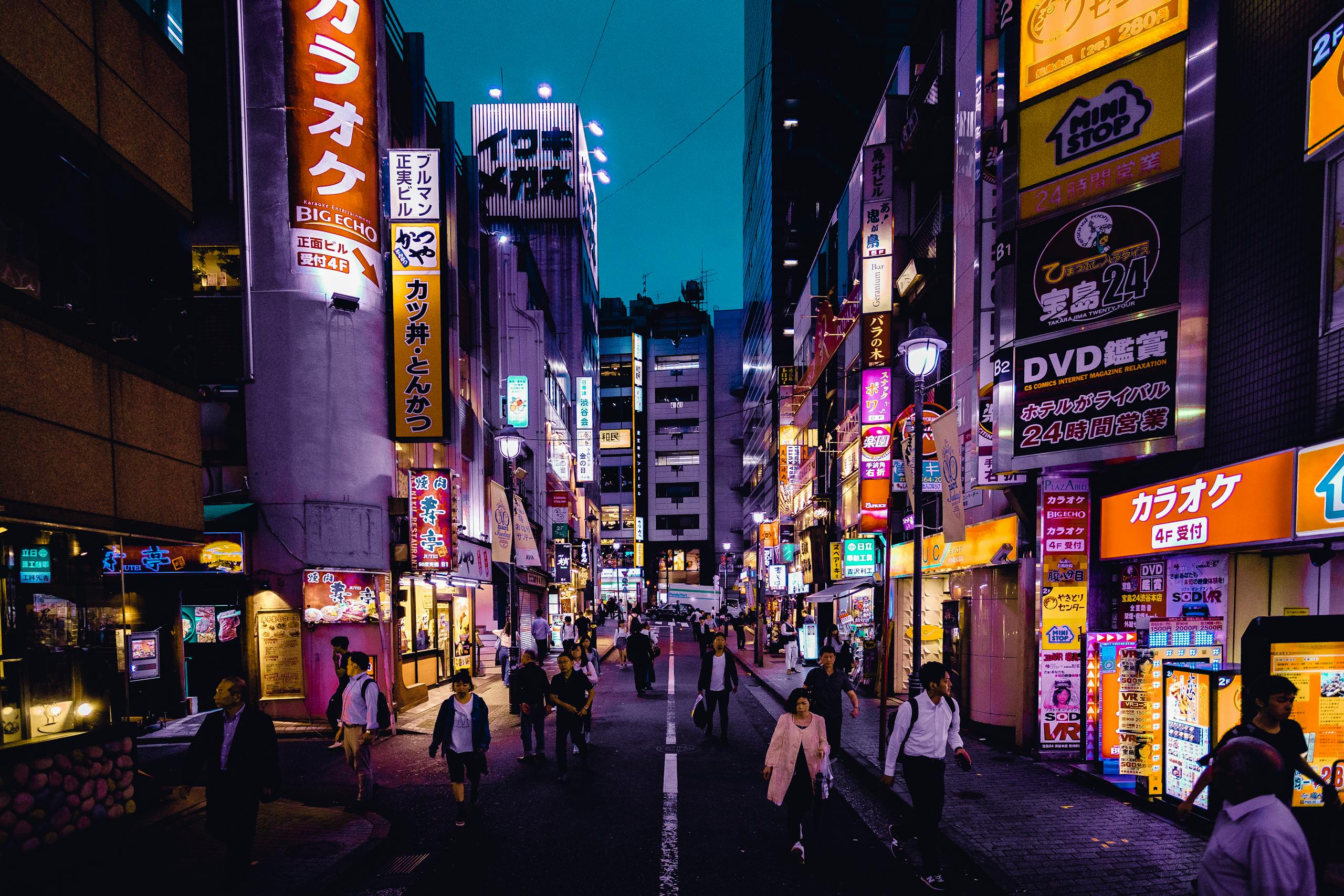

The first time I stepped off a train into Shibuya Crossing during evening rush hour, I genuinely wondered what I had gotten myself into. Thousands of people moving in every direction, neon signs screaming for attention, and a sensory overload that made my introvert brain want to retreat immediately. Yet something about Tokyo kept calling me back during business trips throughout my advertising career, and I eventually understood why: beneath the overwhelming surface lies a city that might actually be one of the most introvert-friendly places on earth.
Moving to Tokyo as an introverted expat presents a fascinating paradox. You’re relocating to one of the world’s most densely populated cities, yet Japanese culture deeply values quiet, personal space, and solitary activities in ways that Western societies often don’t. The very aspects of Japanese social norms that some expats find challenging can become profound advantages for those of us who process the world internally.
This guide explores how introverted expats can not only survive but genuinely thrive in Tokyo. Whether you’re considering the move, in the midst of transition, or already navigating expat life and seeking better strategies, understanding Tokyo through an introvert lens changes everything.
Why Tokyo Works for Introverts
I used to think my preference for quiet reflection and minimal small talk made me fundamentally unsuited for life in a megacity. What I discovered in Tokyo challenged every assumption I held about urban living.
What’s your personality type?
Take our free 40-question assessment and get a detailed personality profile with dimension breakdowns, context analysis, and personalised insights.
Discover Your Type8-12 minutes · 40 questions · Free

Japanese culture operates on principles that align remarkably well with introverted temperaments. The concept of “reading the air” (kuuki wo yomu) means people are culturally trained to sense when others need space. Unlike Western cultures where silence often creates uncomfortable tension, Japanese social norms embrace quietness as natural and respectful. You won’t face constant pressure to fill conversational gaps with chatter.
Solo activities carry no social stigma in Japan. Eating alone at restaurants, spending hours in coffee shops, walking through neighborhoods without company, or attending events independently are completely normalized. The phenomenon of “ohitorisama” (doing things alone) represents a celebrated lifestyle choice rather than a source of pity. Many Tokyo neighborhoods are designed with solo visitors in mind, offering peaceful retreats throughout the city.
The city’s infrastructure caters to people who prefer minimal social interaction. Vending machines reduce the need for conversations. Ticket machines at train stations eliminate verbal exchanges. Many restaurants feature ordering systems where you select and pay at a machine before sitting down. These aren’t antisocial features; they’re efficiency innovations that happen to create breathing room for those of us who find excessive small talk draining.
Understanding Culture Shock Through an Introvert Lens
Cultural adjustment affects everyone who relocates internationally, but introverts experience it through a distinct psychological filter. The typical U-curve model of cultural adjustment suggests most expats move through predictable stages: initial honeymoon excitement, followed by frustration and culture shock, eventually stabilizing into adaptation and acceptance.
For introverts, these stages often manifest differently. Our honeymoon phase might actually last longer because Tokyo’s introvert-friendly elements feel like relief rather than novelty. The frustration phase, when it arrives, frequently centers on specific triggers rather than general overwhelm. Language barriers hit harder when you already prefer precision in communication. The inability to express complex thoughts can feel like losing part of your identity.
I’ve learned that adapting to major life transitions requires recognizing our specific needs rather than forcing ourselves through generic adjustment advice. When well-meaning guides suggest “putting yourself out there” to combat culture shock, that recommendation assumes extraversion as the default coping mechanism. Introverts often adapt better through observation, reflection, and gradual engagement rather than aggressive social immersion.
Mental health professionals in Tokyo recognize that culture shock symptoms include withdrawal, irritability, physical symptoms like appetite changes, and emotional fluctuations. For introverts, distinguishing between healthy withdrawal for recharging versus problematic isolation requires honest self-assessment. The difference usually lies in whether solitude feels restorative or like hiding from life.
Finding Your Quiet Corners in Tokyo
Tokyo contains multitudes. The same city that houses the chaotic energy of Shibuya Crossing also harbors some of the most serene spaces I’ve encountered anywhere. Finding peace in noisy environments becomes an essential skill, and Tokyo offers more options than most cities.

Traditional Japanese gardens provide immediate sanctuary. Shinjuku Gyoen offers 144 acres of manicured landscapes within walking distance of one of the busiest train stations in the world. Hamarikyu Gardens combines historical significance with tidal ponds and a traditional tea house where you can sit in contemplative silence. Koishikawa Korakuen, one of Tokyo’s oldest gardens, rarely draws crowds despite its central location. Visiting these spaces early in the morning amplifies their restorative power.
Certain neighborhoods maintain quieter characters than the famous commercial districts. Yanaka survived both the 1923 earthquake and World War II bombing, preserving an old Tokyo atmosphere with narrow streets, small temples, and a pace that feels decades removed from modern rush. Shimokitazawa offers bohemian charm without the tourist intensity, its vintage shops and quiet cafes attracting locals rather than tour groups. Kichijoji combines a beautiful park with residential calm, making it consistently ranked among the most desirable places to live in Tokyo.
Daikanyama and Naka-Meguro represent Tokyo’s quieter sophistication. These connected neighborhoods feature tree-lined streets, independent bookstores, and coffee shops designed for lingering. The famous Tsutaya Books in Daikanyama exemplifies this atmosphere: a space that welcomes hours of browsing without purchase pressure. During cherry blossom season, the Meguro River canal transforms into a natural canopy, beautiful even when crowded.
The Introvert Advantage in Japanese Work Culture
Japanese work culture carries a complicated reputation internationally, and rightfully so. Long hours, hierarchical structures, and group consensus can overwhelm anyone. Yet certain elements of Japanese professional environments align surprisingly well with introverted work styles.
Written communication holds greater weight in Japanese business than verbal exchanges often do in Western contexts. Emails, proposals, and documentation receive careful attention. For introverts who prefer crafting thoughts in writing rather than thinking aloud, this emphasis plays to natural strengths. The preference for preparation over improvisation means meetings often follow predictable structures rather than demanding spontaneous contribution.
The concept of “nemawashi” involves building consensus through individual conversations before group decisions. Rather than expecting you to debate publicly, Japanese business culture often prefers the quiet work of understanding positions one-on-one first. This indirect approach frustrates some expats but can feel natural to introverts who prefer depth over breadth in professional relationships.
However, work-life balance remains a genuine challenge in Japan. The after-work drinking culture (nomikai) creates social pressure that can drain introverted energy rapidly. Setting boundaries while respecting cultural expectations requires strategic navigation. Many expats find that attending selectively, leaving early occasionally, and building reputation through work quality rather than social participation creates sustainable balance.
Building Meaningful Connections Without Exhaustion
The loneliest months of my life occurred during an extended assignment in a city where I knew no one. Not because I craved constant company, but because the complete absence of meaningful connection leaves anyone depleted, regardless of temperament. What actually creates fulfillment for introverts isn’t avoiding people entirely; it’s finding the right people in the right doses.

Tokyo’s expat community offers various entry points that don’t require throwing yourself into overwhelming social situations. Interest-based groups focusing on hiking, photography, cooking, book clubs, or language exchange attract people who want to share activities rather than make small talk for its own sake. The structure of shared interests provides natural conversation topics and exit points.
Japanese friendships often develop slowly and deepen gradually, which suits introverted relationship building. The expectation of constant contact that characterizes some Western friendships feels less present here. A friendship where you meet monthly for meaningful conversation can feel more nourishing than daily superficial check-ins.
Learning Japanese opens doors that English alone cannot. Even basic conversational ability demonstrates respect for the culture and unlocks interactions with people who might otherwise feel too shy to engage. Language learning also provides legitimate solitary activity: hours of study that count as productive engagement with your new home.
Research on personality and cross-cultural adjustment suggests that extraversion correlates with easier sociocultural adaptation, but not necessarily with psychological well-being during transition. Introverts may take longer to build networks but often form deeper individual connections that provide more sustainable support.
Navigating Daily Life as an Introverted Expat
The practical realities of Tokyo living present both challenges and unexpected advantages for introverts. Understanding these dynamics helps you set up systems that preserve energy for what matters.
Housing in Tokyo tends toward smaller spaces than Western expats expect. A studio apartment might offer only 20-30 square meters. For introverts, this limitation requires creative thinking about recharging spaces. Your home may need to serve as sanctuary, workspace, and social venue simultaneously. Many introverted expats compensate by viewing neighborhood parks, cafes, and libraries as extensions of their living space rather than expecting home to meet all needs.
Tokyo’s train system moves millions efficiently but creates intensity during rush hours. Learning which cars stay quieter (often the front and rear), which lines have less crowding, and which stations offer alternative routes reduces daily sensory stress. Many introverts find that reading, podcasts, or language study apps transform commute time from draining necessity into productive solitude.
The convenience store culture (konbini) provides remarkable self-sufficiency. Need food at midnight? A hot meal costs 500 yen and requires no conversation. Bills can be paid, packages sent, tickets purchased, and bank withdrawals made at these ubiquitous shops. This infrastructure supports independence that introverts often prefer.

Healthcare navigation challenges many expats, but Japan’s system generally runs efficiently with clear procedures. Finding English-speaking doctors requires research upfront. Mental health services specifically serving expats exist in Tokyo, though stigma around seeking help remains more pronounced than in Western contexts. Maintaining mental wellness as an introvert abroad means proactively establishing support before crisis rather than scrambling when overwhelmed.
Understanding Japanese Perspectives on Solitude
Japan’s relationship with solitude and social withdrawal carries complexity worth understanding. The phenomenon of “hikikomori” describes individuals who withdraw from society almost entirely, sometimes for years. Estimates suggest over a million Japanese people experience this extreme social isolation, though exact numbers remain difficult to establish.
Understanding hikikomori matters for introverted expats not because healthy introversion risks becoming pathological withdrawal, but because the distinction illuminates Japanese cultural attitudes. Society here acknowledges that some people need significant solitude while also recognizing when withdrawal becomes harmful. This nuanced view differs from Western cultures that often pathologize any preference for limited social contact.
The cultural concepts of “tatemae” (public facade) and “honne” (true feelings) create space for introverts to navigate social expectations without constantly performing extroversion. Japanese society accepts that people present differently in public versus private contexts. You can fulfill social obligations through appropriate behavior without feeling your authentic self must appear in every interaction.
Embracing your true nature doesn’t mean rejecting all cultural adaptation. It means finding ways to honor your temperament while engaging respectfully with your new environment. Japanese culture actually provides more frameworks for this balance than many Western contexts offer.
Creating Sustainable Routines
Longevity as an expat anywhere requires routines that sustain rather than deplete. For introverts in Tokyo, this means deliberately building recharge time into schedules that might otherwise fill with obligations and exploration.
Japanese “kissaten” (traditional coffee houses) offer an alternative to modern cafes. These quiet establishments often feature classical music, strict no-laptop policies, and an atmosphere designed for contemplation rather than productivity. Finding your regular kissaten provides reliable sanctuary.
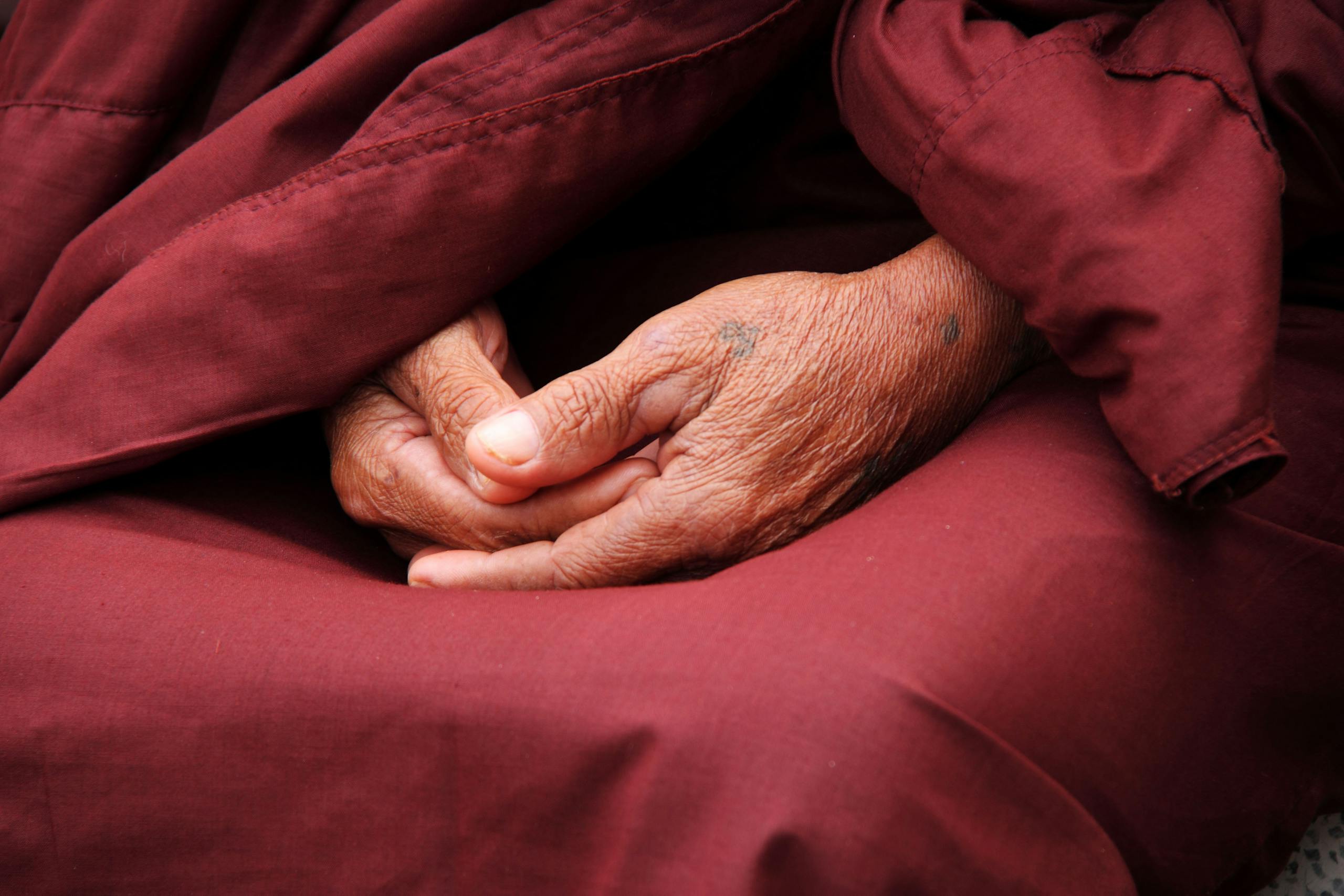
Temple and shrine visits don’t require religious belief to offer value. Early morning walks through neighborhood shrines combine gentle exercise with aesthetic beauty and genuine quiet. Many temples offer meditation sessions open to foreigners, providing structured stillness that some introverts find helpful when informal meditation proves difficult.
Day trips from Tokyo offer escape when city energy accumulates. Kamakura provides temples, hiking, and ocean in under an hour from central Tokyo. Nikko’s mountain shrines feel worlds removed from urban life. Hakone’s hot springs and mountain views restore through nature rather than stimulation. Building these escapes into monthly rhythms prevents the slow accumulation of urban fatigue.
The concept of “forest bathing” (shinrin-yoku) originated in Japan as a formal practice of immersing in natural environments for health benefits. Planning adventures that break comfort zones while respecting energy limits might mean solo hiking in nearby mountains, camping trips to national parks, or simply finding the urban green spaces that dot Tokyo between its concrete expanses.
When Tokyo Challenges Your Introversion
No city perfectly suits anyone, and Tokyo will test introverts in specific ways worth anticipating.
The language barrier creates cognitive load that exhausts faster than you’d expect. Even simple transactions require more mental energy when conducted in a second language or through gestures and translation apps. Budget extra recovery time during periods of heavy language demand.
Bureaucracy in Japan moves slowly and requires multiple in-person visits for processes that might be online elsewhere. Registering your address, setting up banking, obtaining health insurance, and similar necessities involve forms, waiting rooms, and occasionally frustrating miscommunication. Accepting this reality rather than fighting it preserves energy for better battles.
The pressure to conform, while often subtle, does exist. Japanese culture values group harmony (wa) in ways that can feel constraining to individualist mindsets. Thriving in environments that don’t match your defaults requires finding where you can authentically adapt versus where you need to establish boundaries.
Loneliness can strike suddenly after months of apparent adjustment. The two-year mark particularly challenges many expats, when novelty has faded and long-term questions about belonging emerge. Having support systems established before these predictable difficulty points provides crucial resilience.
Making Tokyo Your Home
After years of working with teams across cultures and personalities, I’ve learned that home isn’t about perfect fit. It’s about finding places where you can be yourself enough of the time while growing through manageable challenges. Tokyo offers introverts something rare: a major world city that actually respects quiet and solitude as valid ways of being.
Your success as an introverted expat in Tokyo depends less on changing your fundamental nature and more on understanding how that nature interacts with this specific environment. The city rewards observation, values preparation, and accepts that meaningful connection doesn’t require constant social performance.
The overwhelming first impression eventually gives way to intimate knowledge of your neighborhood, your routines, and your people. The city that seemed impossibly vast becomes a collection of familiar corners where you feel genuinely at home. For introverts willing to engage thoughtfully rather than frantically, Tokyo reveals itself as something unexpected: a megacity that understands the power of quiet.
Frequently Asked Questions
Is Tokyo overwhelming for introverts given its massive population?
Tokyo’s size paradoxically works in introverts’ favor because the city contains endless quiet neighborhoods, parks, and establishments designed for solo visitors. Japanese culture normalizes solitary activities and respects personal space in ways that create breathing room even in crowded areas. The key lies in learning which areas to avoid during peak times and discovering the peaceful pockets that exist throughout the city.
How do I make friends in Tokyo without exhausting myself?
Focus on interest-based communities rather than generic expat mixers. Photography clubs, hiking groups, language exchanges, and book clubs attract people who want shared activities rather than pure socializing. Japanese friendships typically develop slowly with less expectation of constant contact, which suits introverted relationship building. Quality over quantity applies especially well in Tokyo’s social landscape.
What neighborhoods should introverted expats consider living in?
Quieter areas like Yanaka, Kichijoji, Shimokitazawa, and Naka-Meguro offer calmer atmospheres while remaining well-connected to central Tokyo. Consider prioritizing proximity to green spaces, avoiding major entertainment districts, and researching which train lines your potential neighborhoods use. Visiting neighborhoods at different times of day before committing helps assess actual noise and crowd levels.
How important is learning Japanese for introverted expats?
Language learning significantly impacts quality of life in Japan. Basic Japanese unlocks deeper connections with locals, reduces daily friction, and demonstrates cultural respect. For introverts, language study also provides legitimate solitary activity that counts as productive engagement with your new home. Even conversational ability opens doors that English alone cannot access in most social and professional contexts.
What mental health resources exist for English-speaking expats in Tokyo?
Several clinics and private practices in Tokyo specifically serve English-speaking expats, including Tokyo Mental Health and TELL Japan. International hospitals often have bilingual staff for general medical care. Building awareness of these resources before needing them prevents crisis-mode scrambling. The expat community also maintains informal support networks through various online forums and social groups.
Explore more introvert life resources in our complete General Introvert Life Hub.
About the Author
Keith Lacy is an introvert who’s learned to embrace his true self later in life. With a background in marketing and a successful career in media and advertising, Keith has worked with some of the world’s biggest brands. As a senior leader in the industry, he has built a wealth of knowledge in marketing strategy. Now, he’s on a mission to educate both introverts and extroverts about the power of introversion and how understanding this personality trait can unlock new levels of productivity, self-awareness, and success.