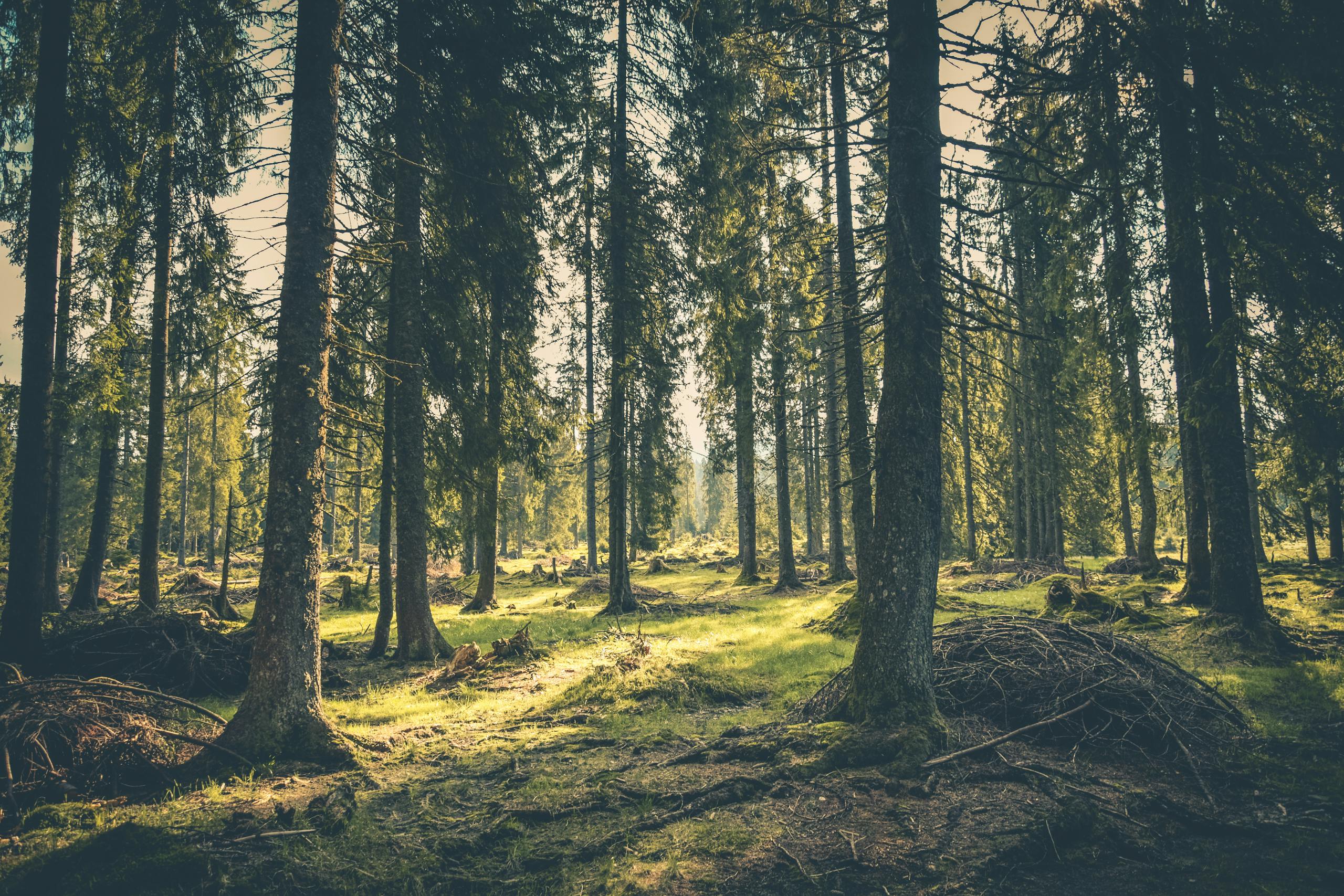

Standing at the edge of Forest Park on a drizzly Tuesday morning, I watched a lone hiker disappear into the Douglas firs ahead of me. No crowds. No small talk. Just 5,200 acres of urban forest stretching toward the horizon, offering exactly what my overstimulated mind needed.
That moment crystallized something I had suspected for years: Portland might be the most introvert-friendly city in America for people who crave both nature and professional opportunity.
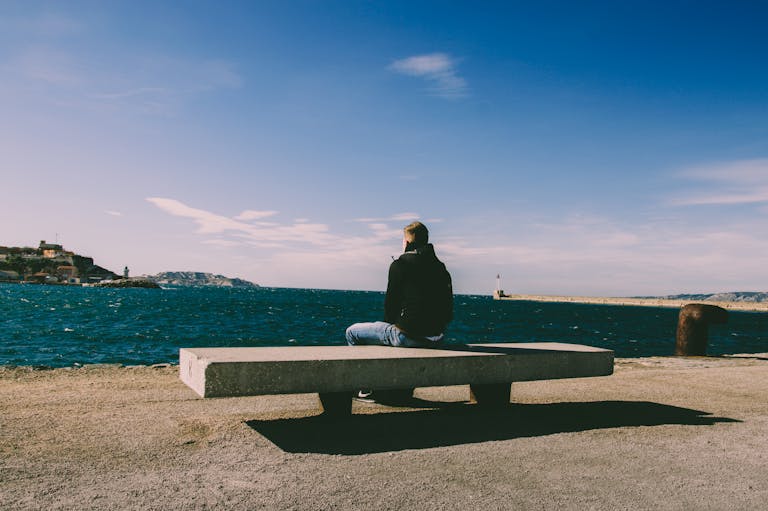
As someone wired for depth and internal reflection, I often experience overstimulation as a core part of how I move through the world. My mind processes emotion and information quietly, filtering meaning through layers of observation and intuition. Portland has become a place where that internal rhythm finally feels understood rather than something requiring constant explanation.
Research from Truity’s Personality Atlas project confirms what many of us have felt intuitively: Portland ranks as the number one most introverted major city in the United States. This is not a city that demands constant social performance or rewards the loudest voice in the room.
Forest Park and the Gift of Urban Wilderness
The centerpiece of Portland’s appeal for outdoorsy introverts is Forest Park, one of the largest urban forests in the country. According to Portland Parks and Recreation, the park encompasses over 5,200 acres of native northwest forest with more than 80 miles of trails. The 30-mile Wildwood Trail alone offers enough solitary exploration to last months without repeating the same path twice.
What’s your personality type?
Take our free 40-question assessment and get a detailed personality profile with dimension breakdowns, context analysis, and personalised insights.
Discover Your Type8-12 minutes · 40 questions · Free
What makes Forest Park remarkable is not just its size but its accessibility. Unlike wilderness areas requiring hours of driving and extensive planning, Forest Park sits minutes from downtown Portland. You can step off a city bus and within moments find yourself surrounded by towering conifers, the urban noise fading into birdsong and wind through branches.
The park supports over 112 bird species and 62 mammal species, creating opportunities for quiet observation that reward patience rather than social energy. I have spent countless mornings on the Lower Macleay Trail, watching varied thrushes hop between sword ferns while processing the thoughts that accumulate during busy work weeks. These moments of solitary connection with nature have become essential to maintaining my equilibrium.
Beyond Forest Park, Travel Portland notes that the city contains over 279 parks and natural areas. Powell Butte Nature Park offers 611 acres of meadows and forest trails with panoramic mountain views. Mt. Tabor Park provides hiking paths up an extinct volcano. Tryon Creek State Natural Area delivers a fully staffed nature center just 15 minutes from downtown.
For introverts who need regular nature immersion, this abundance transforms daily life. The question is never whether you can find a quiet trail but simply which direction to walk today.
The Science Behind Why Nature Matters for Introvert Mental Health
Understanding why Portland’s natural landscape feels so restorative requires examining what actually happens when introverts spend time outdoors. The connection between nature exposure and mental health is not merely anecdotal but supported by substantial research.
A comprehensive review published in PMC (National Institutes of Health) found that nearby nature is associated with quantifiable mental health benefits, with the potential for lowering both physical and financial costs related to poor mental health. The researchers found that individuals who spent five hours or more weekly in natural environments showed lower levels of depression compared to those with minimal outdoor time.

The Canadian Psychological Association explains that nature has been shown to restore attention and our ability to concentrate. For introverts who process information deeply and can become mentally fatigued from social interactions, this attention restoration is particularly valuable. The research indicates that just 20 minutes in nature can reduce stress hormones like cortisol.
Two primary theories explain these benefits. Attention Restoration Theory suggests that natural environments provide a “soft fascination” allowing the mind to recover from directed attention fatigue. Stress Recovery Theory proposes that exposure to nature triggers parasympathetic nervous system activation, essentially switching the body from stress mode into relaxation mode.
For those of us who notice details others overlook and process the emotional atmosphere of every room we enter, these recovery mechanisms are not luxury but necessity. Portland’s integration of nature into urban life means recovery is always within reach rather than requiring special trips or vacation time. Understanding these patterns helped me recognize that my need for solitary outdoor time was not a character flaw but a legitimate requirement for managing my introvert energy effectively.
The Introvert Personality of Portland Itself
Portland’s introvert-friendliness extends far beyond its parks. The city itself has a distinctive personality that aligns remarkably well with introverted preferences.
University of Cambridge personality psychologist Jason Rentfrow conducted extensive research mapping American cities by personality type. His findings, reported in Portland Monthly, revealed that Portland ranked dead last on extroversion among 53 major US metropolitan areas. As Rentfrow described the archetypal Portlander: “kind of reserved, keeps to themself, and does their own thing, but quite open and arty and curious.”
This cultural personality manifests in countless small ways that make daily life more comfortable for introverts. The coffee shop culture emphasizes lingering with a book rather than loud socializing. Food carts allow grabbing excellent meals without restaurant performance anxiety. The famous “Portland weird” embraces individuality without requiring constant social validation.

The research also found Portland ranks highly on openness, suggesting creativity, curiosity, and enjoyment of new experiences. This combination of introversion and openness creates an environment where you can be genuinely innovative and engaged with the world while doing so at your own pace and in your own way. There is less pressure to network aggressively or perform enthusiasm you do not feel.
Residential neighborhoods reflect this character as well. Many areas feature homes set back from major roads, mature tree canopies providing visual buffers, and enough space between properties that neighbors can be friendly without being intrusive. The population density of approximately 4,000 people per square mile is lower than the national average for major cities, providing more breathing room than coastal metropolises.
During my years in agency leadership working with Fortune 500 clients, I spent considerable energy matching extroverted leadership styles that never quite fit. Portland offered something different: a place where quiet competence was valued over social performance, where my preference for depth over breadth aligned with local culture rather than fighting against it. Creating a home environment that supports introvert needs becomes much easier when the entire city shares similar values around personal sanctuary and individual space.
Tech Industry and Remote Work Opportunities
Portland’s appeal for outdoorsy introverts would be limited if earning a living meant constant social exhaustion. Fortunately, the city has developed a thriving tech sector that often rewards exactly the skills introverts bring: deep focus, analytical thinking, and careful problem-solving.
According to industry analysis, Portland’s tech sector economic impact reached approximately $38.2 billion by 2024. Over 2,000 tech companies operate in the area, including major players like Intel, Amazon, Salesforce, Nike’s digital teams, and numerous startups. Software developer roles show a projected 22% growth rate through 2030, with average salaries around $112,590 and data scientists commanding even higher compensation.
Perhaps more importantly for introverts, Portland has become a hub for remote and hybrid work arrangements. Oregon ranks second nationwide for remote workers, with over 21% of the workforce operating from home. This means you can access competitive tech salaries while structuring your work around the solitary focus periods your mind requires. The remote work lifestyle that many introverts thrive in has become normalized here rather than requiring constant justification.

The cost of living, while higher than national averages, remains significantly below San Francisco or Seattle. This creates a genuine opportunity to build a career that supports both financial stability and quality of life rather than trading one for the other. You can afford a home near trails, maintain a reasonable commute (or no commute at all), and structure your days around both professional contribution and personal restoration.
My own career transition from agency leadership to focused creative work happened in part because Portland made a different kind of professional life possible. The tech and creative sectors here understand that the best work often comes from people who think deeply rather than talk constantly, who produce results rather than manage appearances.
Practical Considerations for Outdoorsy Introvert Living
Honest assessment requires acknowledging Portland is not perfect. The weather demands acceptance: gray, rainy winters lasting from October through June test anyone’s relationship with the outdoors. However, this weather also keeps crowds low on trails and creates the lush green environment that makes Forest Park so remarkable. Learning to layer appropriately and find beauty in mist can transform what initially seems like a limitation.
The summers offer compensation with mild temperatures, extended daylight, and access to incredible natural areas within day-trip distance. The Columbia River Gorge provides countless waterfall hikes. Mount Hood offers year-round outdoor opportunities from skiing to wildflower meadows. The Oregon coast sits roughly 90 minutes away, offering dramatic cliffs and empty beaches that reward solitary exploration.
Housing costs have risen substantially over the past decade, though they remain more accessible than many comparable cities. Research neighborhoods carefully: inner eastside areas like Sellwood, Division, or Hawthorne offer walkable access to both trails and urban amenities. The Southwest hills provide forest proximity but require more driving. Outer suburbs sacrifice some character for larger properties and easier parking at trailheads.
The city does face challenges including periodic air quality issues from wildfire smoke in late summer and ongoing tensions around homelessness and urban livability. These are real considerations that deserve research before committing to a move. Understanding local patterns and which neighborhoods best match your needs makes a significant difference in daily experience.
For introverts concerned about building social connections, Portland offers numerous low-pressure options. Volunteer trail maintenance days provide meaningful activity alongside others without demanding conversation. Running or hiking groups follow shared paths without requiring small talk. The time alone in nature that Portland offers makes social energy more sustainable when you do choose to engage.
A Day in the Life: What Portland Offers the Outdoorsy Introvert
Imagine a typical weekday that Portland makes possible. You wake in a quiet neighborhood, spend the morning in focused remote work without commute stress, then break at noon for a solo lunch from a food cart. By early afternoon, you are on a Forest Park trail, processing your thoughts while gaining elevation through sword ferns and bigleaf maples. Home by late afternoon, you have the mental clarity for creative work or personal projects that often eludes people in more demanding environments.

Weekends expand these possibilities. A longer trek on the Wildwood Trail. A drive to the coast for beach walking and tide pool exploration. Mountain hikes with views of five Cascade volcanoes on clear days. Through it all, the city respects your need for self-care and restoration rather than demanding constant social engagement.
This is not about escaping other people entirely but about having genuine choice in when and how you engage. Portland allows you to be social on your terms while providing abundant options for the solitary outdoor time that keeps introverts healthy and creative. The introvert approach to exploration finds a natural home here.
For those of us who spent years trying to match environments that never quite fit, Portland offers something valuable: permission to live according to your actual needs rather than external expectations. The trails will be there when you need them, the coffee shops welcome lingering with a book, and the culture understands that quiet people doing their own thing are not antisocial but simply living well on their own terms.
My mind processes emotion and information quietly, filtering meaning through layers of observation and subtle interpretation. Portland has become a place where that internal rhythm finally feels like home. For outdoorsy introverts seeking a city that understands their needs, few places offer a better match between natural beauty, professional opportunity, and cultural acceptance of who we actually are.
Protecting against introvert burnout becomes significantly easier when your environment actively supports rather than constantly drains your energy reserves. Portland has taught me that the right place makes sustainable living possible in ways that even the best coping strategies cannot fully replicate in hostile environments.
Frequently Asked Questions
Is Portland really the most introverted city in America?
Research from Truity’s Personality Atlas and University of Cambridge psychologist Jason Rentfrow both confirm Portland ranks as the most introverted or least extroverted major city in the United States. This reflects the city’s culture of respecting personal space, valuing individual pursuits, and not demanding constant social performance from residents.
How accessible are nature trails in Portland for daily use?
Extremely accessible. Forest Park alone offers over 80 miles of trails with more than 40 access points throughout the city. Many neighborhoods sit within walking or short biking distance of trail systems. Public transit serves several major trailheads, making car-free nature access genuinely practical for daily use.
What job opportunities exist for introverts in Portland?
Portland’s tech sector includes over 2,000 companies offering roles in software development, data science, UX design, and related fields that often suit introverted work styles. The city also ranks among the highest nationally for remote work arrangements, with over 21% of workers operating from home. Creative industries, research positions, and individual contributor roles are well-represented.
Does the rainy weather in Portland affect outdoor activities?
Portland receives approximately 36 inches of rain annually, mostly between October and June. However, this rain falls as light drizzle rather than heavy storms most of the time. Locals adapt with appropriate layers and waterproof gear, and the rain keeps trails less crowded. The wet climate creates the lush, green forest environment that makes the area so beautiful.
What neighborhoods are best for outdoorsy introverts in Portland?
The Southwest hills and Northwest Portland offer closest access to Forest Park. Inner Southeast neighborhoods like Sellwood and Division provide walkable urban amenities with good park access. Outer Southeast near Powell Butte suits those wanting larger properties near trails. Consider your priorities around walkability versus space when choosing your neighborhood.
Explore more resources in our complete General Introvert Life Hub.
About the Author
Keith Lacy is an introvert who’s learned to embrace his true self later in life. With a background in marketing and a successful career in media and advertising, Keith has worked with some of the world’s biggest brands. As a senior leader in the industry, he has built a wealth of knowledge in marketing strategy. Now, he’s on a mission to educate both introverts and extroverts about the power of introversion and how understanding this personality trait can unlock new levels of productivity, self-awareness, and success.