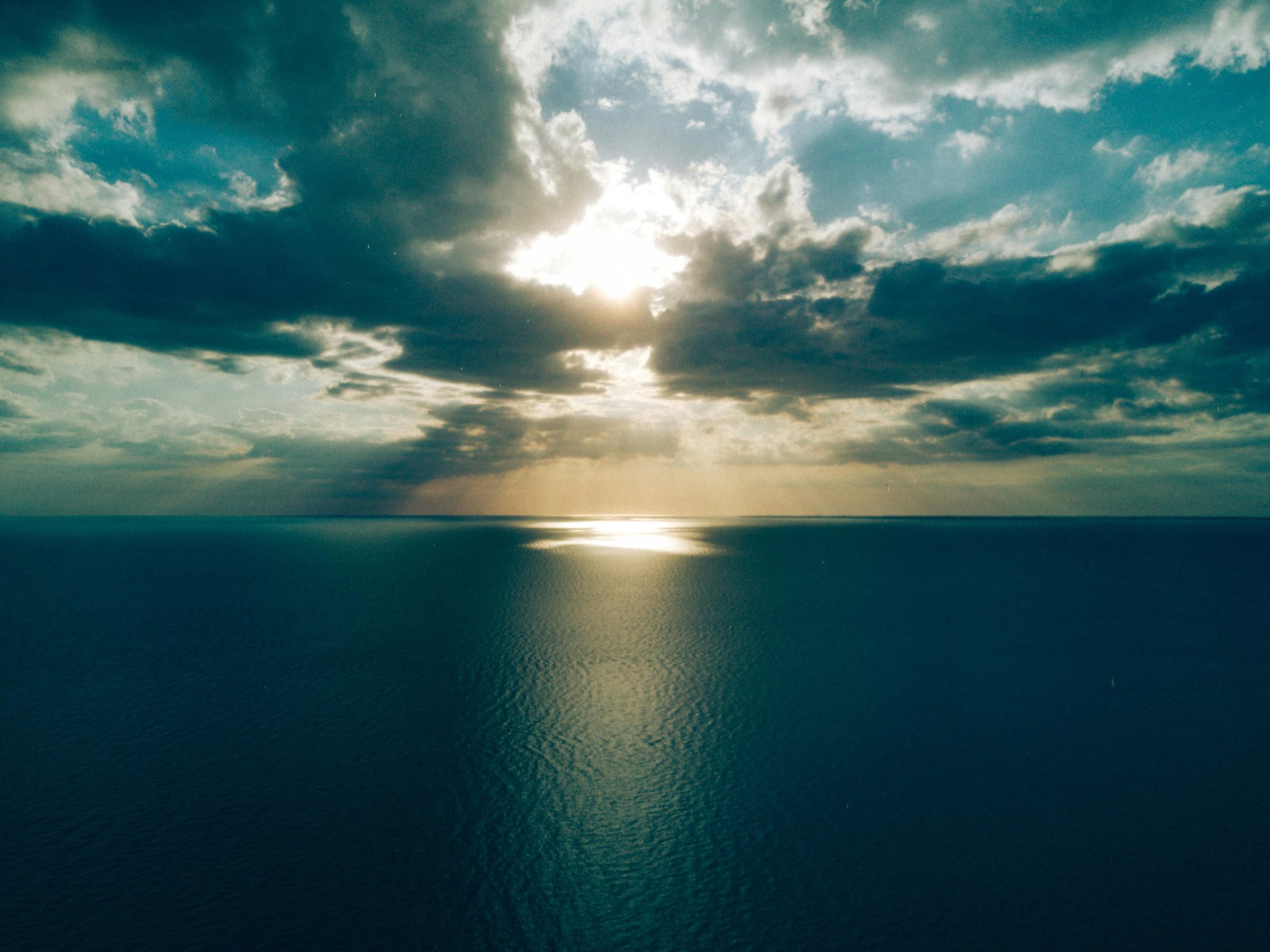

Coastal living heals introverts because water environments naturally reduce sensory overload, create space for deep internal processing, and restore the nervous system after prolonged social demand. The rhythmic sound of waves, the visual expanse of open water, and the relative solitude of shorelines all support the kind of mental quiet that introverts need to feel genuinely restored.
Contrast that with what most of my adult life looked like. Packed conference rooms. Back-to-back client calls. Agency pitches where I was performing energy I didn’t actually have. I ran advertising agencies for over two decades, managing Fortune 500 accounts and leading creative teams, and for most of that time I thought exhaustion was just the cost of doing the work well. It wasn’t until I started paying attention to where I felt like myself again that water kept showing up as the answer.
There’s something specific that happens when you stand at the edge of the ocean or sit beside a lake at dusk. The noise that accumulates inside an introvert’s mind after days of meetings and social performance starts to settle. Not immediately, but within minutes. I’ve tested this more times than I can count, usually after flying home from a client trip that should have felt like a win but left me hollow instead.
What I’ve come to understand is that this isn’t a preference or a personality quirk. There’s real science behind why water environments affect the nervous system differently than urban or social ones. And for people wired the way I am, that science matters.
Coastal living sits at the intersection of environment, identity, and recovery. If you’re someone who processes the world deeply and finds sustained social contact genuinely draining, understanding what water does for your mind and body might reframe how you think about where you live, where you vacation, and where you go when you need to find yourself again.
Why Does Water Have Such a Powerful Effect on the Introvert Mind?
Marine biologist Wallace J. Nichols spent years researching what he called the “blue mind,” the measurable shift in brain state that occurs when humans are near, in, or on water. A 2012 study published in the Journal of Environmental Psychology found that coastal environments produced significantly higher wellbeing scores than urban settings, even when controlling for physical activity. The researchers attributed this to reduced cognitive load and what they described as involuntary attention restoration.
What’s your personality type?
Take our free 40-question assessment and get a detailed personality profile with dimension breakdowns, context analysis, and personalised insights.
Discover Your Type8-12 minutes · 40 questions · Free
That phrase, involuntary attention restoration, is worth sitting with. Most of the mental effort introverts expend in social and professional environments is directed attention. You’re actively monitoring conversations, managing how you’re perceived, tracking multiple threads of interaction simultaneously. It’s exhausting in a way that’s hard to explain to someone who doesn’t experience it. Directed attention depletes.
Water environments do something different. They engage what researchers call soft fascination, a gentle, non-demanding form of attention that allows the directed attention system to rest and recover. The movement of waves, the play of light on water, the sound of a tide pulling back over stones. None of it requires you to respond or perform. You can simply receive it.
The National Institutes of Health has documented connections between natural environments and reduced cortisol levels, lower blood pressure, and decreased activity in the amygdala, the brain region associated with stress response and social threat detection. For introverts who spend significant portions of their days in a state of low-grade social vigilance, this kind of physiological reset isn’t a luxury. It’s maintenance.
I remember a specific afternoon in San Diego after a particularly brutal week of new business pitches. We’d been presenting to a major automotive client, three days of performance, and I’d been operating on adrenaline and coffee. My account director drove me to Coronado Beach before my flight home, and I sat there for forty minutes without speaking. By the time we left, something had genuinely shifted. I was still tired, but I was tired in a clean way, the way you feel after hard physical work, not the scraped-out exhaustion of sustained social exposure.
What Makes Coastal Environments Specifically Restorative for Deep Processors?
Not all natural environments work the same way. Forests are restorative. Parks help. But coastal settings carry a particular quality that seems to amplify the recovery effect, especially for people who process information and emotion at depth.
Part of it is scale. Standing at the edge of the ocean puts you in front of something genuinely vast, something that exceeds your ability to fully comprehend it. For a mind that tends toward overthinking and internal recursion, that vastness is oddly relieving. Your problems don’t disappear, but they find their actual proportion. The mental loops that keep introverts awake at 2 AM lose some of their grip when you’re looking at something that has been indifferent to human concerns for millions of years.

There’s also the sensory texture of coastal environments. The sound of waves is a form of pink noise, a frequency pattern that research from the Mayo Clinic has associated with improved sleep quality and reduced anxiety. It’s consistent without being monotonous, complex without being demanding. For introverts who are often overstimulated by the unpredictable noise of social environments, that consistency is genuinely soothing.
The relative solitude matters too. Coastal environments, especially outside peak tourist seasons, offer something that’s increasingly rare in modern life: space to exist without being observed or expected to engage. You can walk a beach for an hour without making eye contact with anyone. You can sit and think without someone interpreting your silence as a problem to solve. That kind of social permission is something introverts rarely get in professional settings.
I spent a long time in my agency years not understanding why certain retreats recharged me and others didn’t. Team-building trips to cities left me more depleted than when I’d arrived. But a long weekend at a coastal property, even surrounded by colleagues, felt different. Eventually I realized it was the environment itself doing most of the work. The water was absorbing what the social interaction was generating.
Does Living Near the Coast Actually Change How Introverts Experience Daily Life?
A 2019 study from the European Centre for Environment and Human Health found that people living within one kilometer of the coast reported significantly better mental health outcomes than those living further inland, even after accounting for income, age, and access to green space. The researchers noted that the effect was most pronounced for people who scored high on measures of psychological sensitivity, which maps closely to introvert traits.
What changes isn’t just mood. It’s the baseline. When you have regular access to a restorative environment, you’re not constantly running a deficit. You’re not waiting for a vacation to recover from your own life. The restoration happens incrementally, a morning walk along the water before work, an evening on the dock, a lunch break where you can see the horizon. Those small doses accumulate into something meaningful.
The American Psychological Association has published extensively on the relationship between environmental stress and psychological resilience. Their research consistently points toward access to restorative natural environments as a significant buffer against the cumulative effects of chronic stress. For introverts in demanding professional roles, that buffer can mean the difference between sustainable performance and slow burnout.
Burnout was something I understood intimately by my late thirties. I’d spent years treating recovery as something that happened on vacation, a few days here and there where I’d finally decompress before diving back in. What I didn’t understand was that recovery needs to be woven into the regular rhythm of your life, not saved for special occasions. Coastal living, or even regular access to coastal environments, builds that rhythm in.

There’s also an identity dimension to this. Introverts often spend so much energy adapting to environments designed for extroverts that they lose touch with who they actually are. The coastal environment doesn’t ask you to be anything other than present. That permission to simply exist, without performing or adapting, is quietly profound for people who spend most of their days doing both.
How Does Water Support the Kind of Deep Thinking Introverts Are Wired For?
One of the things I’ve noticed about my best thinking is that it almost never happens at a desk. It happens in motion, in quiet, in environments where my conscious mind has something gentle to occupy it while the deeper processing runs in the background. Water environments are unusually good at creating those conditions.
There’s a concept in cognitive psychology called the default mode network, a set of brain regions that become most active when you’re not focused on a specific external task. This network is associated with self-reflection, creative synthesis, and the kind of long-range thinking that produces genuine insight rather than just reactive problem-solving. It’s also the network that gets suppressed when you’re in constant demand, in meetings, on calls, managing other people’s urgency.
Water environments naturally activate the default mode network. The soft fascination effect I mentioned earlier creates exactly the conditions this network needs: low external demand, gentle sensory input, and the absence of social monitoring. For introverts, who are already inclined toward this kind of internal processing, coastal environments essentially give the brain permission to do what it does best.
Some of my most useful thinking about my agencies happened on early morning runs along the water in whatever city I was visiting. Not structured problem-solving, but the kind of ambient processing where connections form on their own. I’d leave the hotel with a question and return with something that felt like an answer, not because I’d worked through it systematically, but because I’d given my mind space to work without interference.
The Psychology Today archives contain substantial coverage of research on mind-wandering and creative insight, consistently finding that the most generative thinking happens during periods of low-demand activity rather than focused effort. Walking along the water is almost a textbook example of the conditions that produce this kind of thinking.
What Are the Practical Benefits of Coastal Living for Introverted Personalities?
Beyond the neurological and psychological dimensions, coastal living offers a set of practical lifestyle benefits that align naturally with how introverts prefer to structure their days.
Coastal communities, particularly outside major metropolitan areas, tend to operate at a different pace. The social expectations are often less intense. There’s more tolerance for solitude, more acceptance of people who prefer a walk on the beach to a crowded bar. The cultural texture of coastal life often accommodates introversion in ways that urban environments don’t.
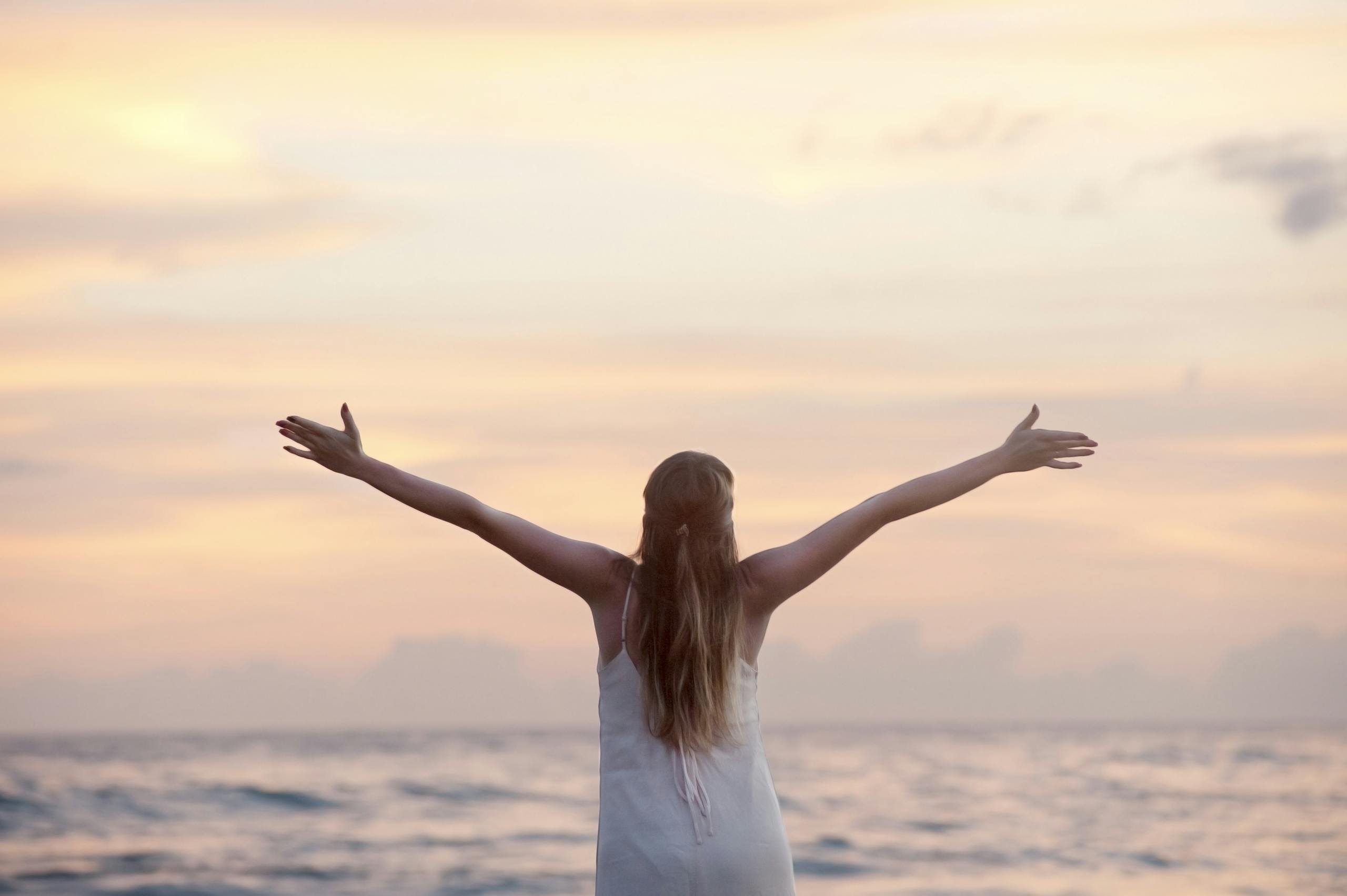
There’s also the quality of solitude itself. Solitude near water feels different from solitude in an apartment or an office. It’s populated solitude, you’re surrounded by something alive and dynamic, but it makes no social demands. You can be alone without feeling isolated. That distinction matters enormously to introverts, who often struggle not with wanting to be alone but with the loneliness that can come from environments that don’t support their natural mode of being.
Physical activity near water also tends to be lower-pressure and more contemplative. Swimming, walking, paddling, fishing. These are activities that can be done alone or in small groups, that don’t require sustained social performance, and that combine the restorative effects of water with the well-documented mental health benefits of movement. A 2020 report from the World Health Organization identified regular moderate physical activity in natural environments as one of the most effective interventions for anxiety and depression, two conditions that disproportionately affect people with high sensitivity and introvert traits.
I’ve also found that coastal environments support a kind of creative solitude that’s hard to replicate elsewhere. Some of the clearest writing I’ve done, including early drafts of pieces I’m genuinely proud of, happened in rented houses near water where the only sound was the tide. There’s a quality of attention available in those environments that I’ve never quite been able to manufacture in an office, no matter how many times I closed the door.
Can Regular Access to Water Environments Help Introverts Recover From Burnout?
Burnout in introverts often looks different from the way it’s typically described. It’s not always dramatic collapse. More often it’s a gradual flattening, a loss of the depth and richness that makes life feel worth engaging with. The things that used to interest you stop generating curiosity. The people you care about feel like obligations. Your internal world, which is usually the most alive part of you, goes quiet in a way that doesn’t feel peaceful.
Recovery from that kind of depletion requires more than rest. It requires genuine restoration, a reconnection with the parts of yourself that got buried under years of adaptation and performance. Water environments seem to support that reconnection in a way that’s hard to fully explain but easy to recognize when it’s happening.
A 2018 study published in the International Journal of Environmental Research and Public Health, available through the National Library of Medicine, found that even brief exposures to coastal environments produced measurable reductions in rumination, the repetitive negative thinking that characterizes burnout and depression. Participants who spent as little as twenty minutes near the ocean reported significant decreases in self-reported stress and increases in feelings of mental clarity.
Twenty minutes. That’s a lunch break. That’s a morning walk before the workday starts. For introverts who can build coastal access into their regular routines, the cumulative effect of those small restorative doses is substantial.
What I’ve come to believe, based on both the research and my own experience, is that introverts aren’t fragile. We’re not people who need special handling or protected environments to function. We’re people who process the world at depth, and depth processing has a cost. Coastal environments help pay that cost in a way that’s sustainable. They’re not an escape from life. They’re a way of maintaining the capacity to fully engage with it.
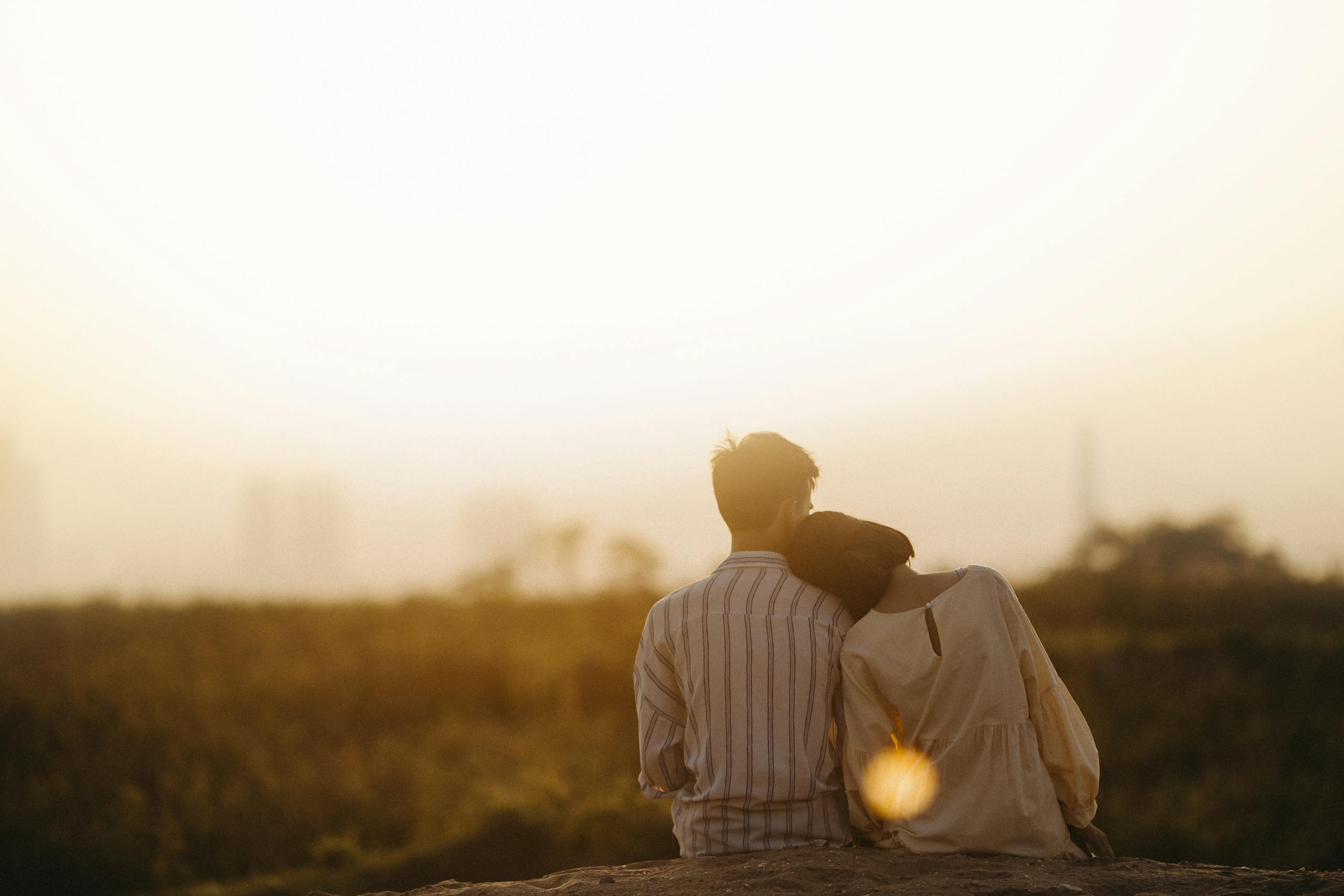
How Do You Build Coastal Restoration Into Your Life Without Moving to the Beach?
Not everyone can relocate to a coastal community, and that’s a real constraint worth acknowledging. But the principles behind coastal restoration don’t require permanent proximity to the ocean. They require understanding what water environments provide and finding ways to access those elements within the life you actually have.
Deliberate planning around water access matters more than spontaneity. Introverts who build regular visits to coastal or waterside environments into their schedules, rather than waiting until they’re depleted enough to need them desperately, tend to maintain better baseline wellbeing. A weekend near a lake every month does more than a two-week beach vacation once a year.
Sound environments can bridge the gap. The pink noise quality of ocean waves is reproducible through quality recordings or sound machines, and while it’s not identical to the real experience, a 2021 study cited by Harvard Business Review found that nature soundscapes produced meaningful reductions in workplace stress even when experienced through headphones. For introverts in open-plan offices or demanding work environments, this is a practical tool, not a consolation prize.
Water-adjacent environments, rivers, lakes, reservoirs, even urban waterfronts, carry many of the same restorative properties as coastal settings. The key variable isn’t salt water. It’s the combination of open visual space, consistent sound, and the absence of social demand. A quiet hour beside any body of water will do more for your nervous system than an hour in most indoor environments.
What matters, in the end, is building recovery into the architecture of your life rather than treating it as something you’ll get to eventually. Introverts who thrive long-term are almost always people who’ve figured out how to maintain their own restoration. Water, in whatever form you can access it, is one of the most reliable tools available for doing exactly that.
Explore more resources on introvert wellbeing and lifestyle in our complete Introvert Living Hub.
About the Author
Keith Lacy is an introvert who’s learned to embrace his true self later in life. After 20 years in advertising and marketing leadership, including running agencies and managing Fortune 500 accounts, Keith now channels his experience into helping fellow introverts understand their strengths and build fulfilling careers. As an INTJ, he brings analytical depth and authentic perspective to every article, drawing from both professional expertise and personal growth.
Frequently Asked Questions
Why do introverts feel more relaxed near water?
Water environments reduce cognitive load by engaging soft fascination, a gentle form of attention that allows the directed attention system to rest. The consistent sound, open visual space, and low social demand of coastal settings create conditions where introverts can stop monitoring and performing, which is the primary source of social exhaustion. Research from the National Institutes of Health links natural water environments to reduced cortisol levels and decreased amygdala activity, the biological markers of stress relief.
Is coastal living actually better for introverts than city living?
Studies comparing coastal and urban environments consistently show higher wellbeing scores for people living near water, with the effect most pronounced for psychologically sensitive individuals. The difference lies in baseline restoration. Urban environments generate continuous sensory and social demand with few natural opportunities for recovery. Coastal environments build recovery into the daily rhythm through accessible solitude, natural soundscapes, and open space. That doesn’t mean cities can’t work for introverts, but coastal settings reduce the maintenance cost of daily life significantly.
How much time near water does an introvert need to feel restored?
A 2018 study published through the National Library of Medicine found measurable reductions in rumination after as little as twenty minutes near coastal water. Longer exposures produce deeper restoration, but the threshold for meaningful benefit is lower than most people expect. Regular short visits, a morning walk along the water, a lunch break near a river, tend to produce better cumulative results than infrequent long retreats. Consistency matters more than duration.
Can water sounds help introverts when they can’t access the coast?
Yes, with meaningful caveats. Research cited by Harvard Business Review found that nature soundscapes, including ocean recordings, produced real reductions in workplace stress even through headphones. The effect is not identical to physical proximity to water, which adds visual, olfactory, and kinesthetic dimensions that recordings can’t replicate. Even so, water sounds are a practical and evidence-supported tool for introverts managing high-demand work environments. They work best as a bridge between real water access, not as a permanent substitute.
What is “blue mind” and how does it relate to introvert recovery?
Blue mind refers to the measurable shift in brain state that occurs when humans are near, in, or on water, characterized by reduced stress hormones, lower heart rate, and increased activity in the default mode network. For introverts, whose primary recovery need is relief from directed attention and social monitoring, the blue mind state is essentially the neurological opposite of social exhaustion. It’s the brain doing what it needs to do when it’s finally allowed to stop performing. Regular access to water environments helps introverts return to this state consistently rather than waiting for it to happen by accident.