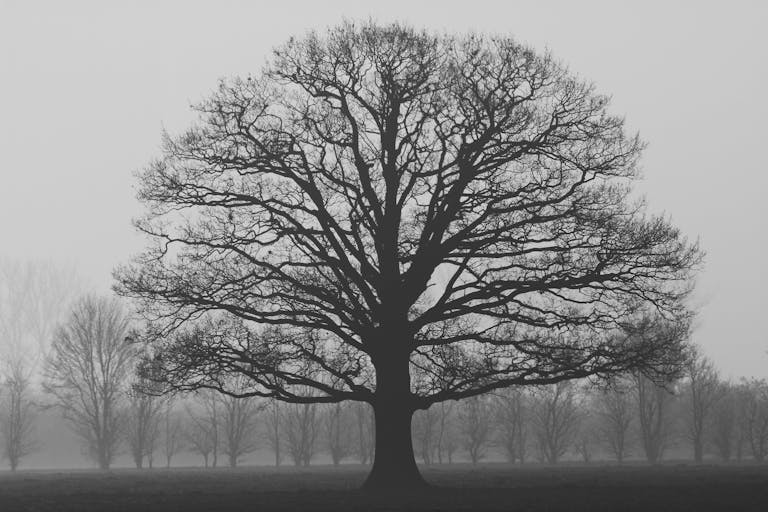
Standing at the edge of Red Rocks Park during my first visit to Denver, I watched a handful of hikers disappear into the morning mist while the rest of the world still slept. That moment captured everything I had been seeking for years without knowing it: physical challenge, natural beauty, and profound solitude, all wrapped into a single experience. After two decades of managing advertising agencies and Fortune 500 accounts in cities designed for extroverts, I discovered that Denver offered something rare for people like me who need both movement and quiet.
The Mile High City sits at 5,280 feet elevation, surrounded by mountains that stretch toward the sky like silent guardians. For active introverts, this geography creates possibilities that few other major cities can match. You can lose yourself on a trail 30 minutes from downtown, find solitude in world-class museums, and recharge in coffee shops where nobody expects you to make small talk. Denver works for us because it combines metropolitan convenience with wilderness access, creating a lifestyle that honors our need for both stimulation and sanctuary.
Why Denver Works for Active Introverts
I spent years living in cities where being alone meant being surrounded by crowds, where exercise required navigating social expectations at gyms or group fitness classes, where quiet felt like something you had to fight for rather than something that simply existed. Denver changed my relationship with physical activity because here, solitude comes built into the landscape.
What’s your personality type?
Take our free 40-question assessment and get a detailed personality profile with dimension breakdowns, context analysis, and personalised insights.
Discover Your Type8-12 minutes · 40 questions · Free
The city averages 300 days of sunshine annually, which means consistent outdoor access regardless of season. Unlike coastal cities where outdoor culture often centers on crowded beaches or social running clubs, Denver’s outdoor scene embraces individual exploration. The trail systems extend hundreds of miles in every direction, offering adventure without requiring companionship. You can hike for hours and encounter more wildlife than humans, which feels like a gift when your social battery depletes faster than most people understand.
The altitude factor matters more than newcomers might expect. At this elevation, your body works harder during physical activity, which creates a natural focus that quiets the mind. When climbing a trail at 8,000 feet, there is no mental bandwidth for rumination or social anxiety. Your attention narrows to breath, movement, and the next step forward. Research confirms that nature-based physical activities significantly improve mental health outcomes, with effects that exceed simple exercise or passive nature exposure alone. For introverts who process emotions internally and need physical outlets for mental clarity, Denver’s environment delivers therapeutic benefits that feel almost engineered for our nervous systems.
Trails That Embrace Solitude
The Denver metropolitan area contains more than 200 parks and over 14,000 acres of designated open space. Within this vast network, certain trails consistently offer the solitude that active introverts crave while delivering the physical challenge that keeps us engaged.
Green Mountain in William Frederick Hayden Park rises to 6,854 feet and offers panoramic views of both the city skyline and the Continental Divide. The trail climbs steadily through grassland and scrub oak, demanding enough effort to clear your head without requiring technical expertise. I have completed this loop dozens of times at dawn, often without passing another person until the final descent. The mountain bikers tend to arrive later, leaving the early morning hours to those of us who prefer our trails quiet.
Cherry Creek Trail extends 40 miles through the metropolitan area, connecting neighborhoods and parks while following the creek corridor. The beauty of this trail lies in its accessibility and variety. You can join at any point, travel as far as your energy permits, and return without the pressure of completing a defined loop. For introverts managing energy levels throughout the week, this flexibility matters. Some days call for a brief walk during lunch. Others demand a full morning of movement. Cherry Creek accommodates both without requiring planning or social coordination.
Beyond the immediate metro area, trails multiply exponentially. Within 30 minutes of downtown, you can reach Red Rocks Park, where hiking paths wind among the same dramatic rock formations that host famous concerts. The difference between visiting during a show and hiking on a quiet Tuesday morning demonstrates Denver’s dual nature perfectly. The same landscape serves extroverts gathering for shared experiences and introverts seeking solitary communion with ancient geology.
The trail networks surrounding Denver include options for every fitness level and time constraint. Whether you have 30 minutes or an entire day, whether you prefer flat paths or challenging ascents, the options exist. This abundance removes the decision fatigue that often prevents introverts from exercising consistently. When good options surround you, the barrier to getting outside shrinks considerably.
Indoor Sanctuaries for Quiet Restoration
Physical activity generates energy, but active introverts also need spaces for restoration. Denver delivers exceptional options for quiet fulfillment that balance vigorous outdoor pursuits with contemplative indoor experiences.
The Denver Art Museum occupies two striking buildings in the Golden Triangle neighborhood. The collection spans thousands of years and multiple continents, but what makes this museum special for introverts is its spatial design. The galleries flow without bottlenecks, allowing visitors to linger or move freely without feeling trapped in crowded rooms. I have spent entire afternoons wandering through the Native American art collection, processing thoughts that accumulated during busy work weeks, using visual beauty as a pathway to mental clarity.
The Denver Botanic Gardens provides another sanctuary where movement and stillness coexist. The 24-acre York Street location contains themed gardens that create natural separation between visitors. You can walk purposefully through the grounds, treating the visit as light exercise, or find a bench in a quiet corner and simply exist among the plants. The Japanese Garden particularly appeals to introverts seeking meditative spaces within an urban environment. Something about the deliberate design, the careful placement of stone and water and greenery, communicates respect for inner contemplation.
During my years managing agency teams, I learned that wellness for quiet types requires intentional design. We cannot simply copy extrovert self-care routines and expect them to work. Denver seems to understand this intuitively, offering spaces that reward solitary exploration rather than penalizing it.

Coffee Culture That Respects Boundaries
Every city has coffee shops, but not every city has coffee culture that welcomes people who want to be alone together. Denver’s cafe scene has evolved to accommodate remote workers, freelancers, and individuals who need public spaces without public interaction. Tattered Cover Bookstore combines books and coffee across multiple locations, creating environments where reading and writing feel natural rather than performative. The message embedded in these spaces is clear: you belong here whether you came alone or with company.
Corvus Coffee Roasters on South Broadway exemplifies the third-wave coffee movement’s introvert-friendly tendencies. The baristas possess deep knowledge and genuine passion, but they read customers well. If you want a conversation about coffee origins and roasting techniques, they engage enthusiastically. If you want your drink and a quiet corner, they respect that equally. This social intelligence distinguishes Denver’s coffee scene from cities where service always includes mandatory small talk.
Stella’s Coffee Haus in the University of Denver neighborhood occupies an antique house with multiple rooms, a front porch, and a small library. The layout naturally disperses customers, preventing the crowded feeling that makes introverts anxious. You can find a corner, settle in with work or a book, and remain undisturbed for hours. Late hours accommodate those of us who prefer working when the world quiets down.
Managing Energy at Altitude
The practical reality of living at 5,280 feet requires adjustment, particularly for active introverts who rely on physical activity for mental health maintenance. Mental Health America notes that spending time outdoors reduces stress, improves mood, and decreases the risk of developing mental health conditions. At altitude, these benefits come with caveats worth understanding.
Hydration matters more than sea-level dwellers might expect. The dry air and increased respiration that accompany altitude deplete fluids faster. Dehydration amplifies fatigue and can mimic or worsen anxiety symptoms. I learned to carry water everywhere during my first Denver visits, not because I felt thirsty but because the alternative meant headaches and irritability that sabotaged my introvert recharge time.
Sleep patterns often shift during altitude adjustment. Some people experience lighter sleep or more vivid dreams during the first weeks. For introverts who depend on quality rest for emotional regulation, this adjustment period requires patience and self-compassion. The body adapts, but fighting the process only extends discomfort.
Sun exposure intensifies at elevation. The thinner atmosphere filters less ultraviolet radiation, making sunburn and sun fatigue more likely. Wearing hats, using sunscreen, and taking breaks in shade prevents the exhaustion that can transform an energizing hike into an energy-depleting ordeal. Learning to thrive as an introvert means paying attention to these physical factors that affect our limited social and emotional resources.
Neighborhoods That Match Introvert Rhythms
Denver’s neighborhoods possess distinct personalities, and certain areas align naturally with introvert preferences. Capitol Hill offers walkability, cultural institutions, and density without the frantic energy of larger coastal cities. The neighborhood supports a car-free lifestyle for those who prefer walking to driving, reducing the social negotiations that accompany public transportation in more crowded metros.
The Highlands neighborhood balances residential quiet with access to restaurants and shops that welcome solo diners. Many establishments here embrace counter seating and intimate tables that accommodate individuals without making them feel conspicuous. After years of eating alone at client dinners where solo dining signaled professional failure, finding neighborhoods that celebrate individual enjoyment felt revolutionary.
For maximum solitude, the mountain communities west of Denver offer even quieter options. Golden, Evergreen, and Morrison provide small-town atmospheres with mountain access while remaining within commuting distance of the city. These communities appeal to introverts who want nature as a daily presence rather than a weekend destination.
Seasonal Considerations for Year-Round Activity
Denver’s climate shifts dramatically across seasons, and each phase offers distinct advantages for active introverts. Winter brings snow to the mountains and cold to the city, but the sunshine persists. Bright winter days feel warmer than overcast winter days in coastal cities, and the trails often remain accessible at lower elevations. Cross-country skiing and snowshoeing provide solitary winter exercise options without the lift lines and crowded lodges of downhill resorts.
If this resonates, salt-lake-city-for-active-mormon-introverts goes deeper.
Spring arrives with mud season in the mountains but wildflowers in the foothills. The transition period rewards flexibility. Trails that were crowded during summer remain quiet in early spring, accessible to those willing to navigate occasional wet patches. Understanding how introverts recharge means recognizing that off-peak timing often delivers peak experiences.
Summer brings tourists and crowds, but also longer days and higher trails. Alpine lakes above treeline become accessible during brief summer windows. These destinations require more effort to reach, which naturally filters out casual visitors and preserves the solitude that rewards committed hikers. Early morning starts beat both crowds and afternoon thunderstorms.
Fall may be Denver’s finest season for active introverts. The aspen trees turn gold in September and October, creating visual spectacles along mountain roads and trails. Summer crowds dissipate as school resumes, temperatures cool to ideal hiking range, and the light takes on that particular autumn quality that photographers chase across the globe.
Building Routine Without Social Pressure
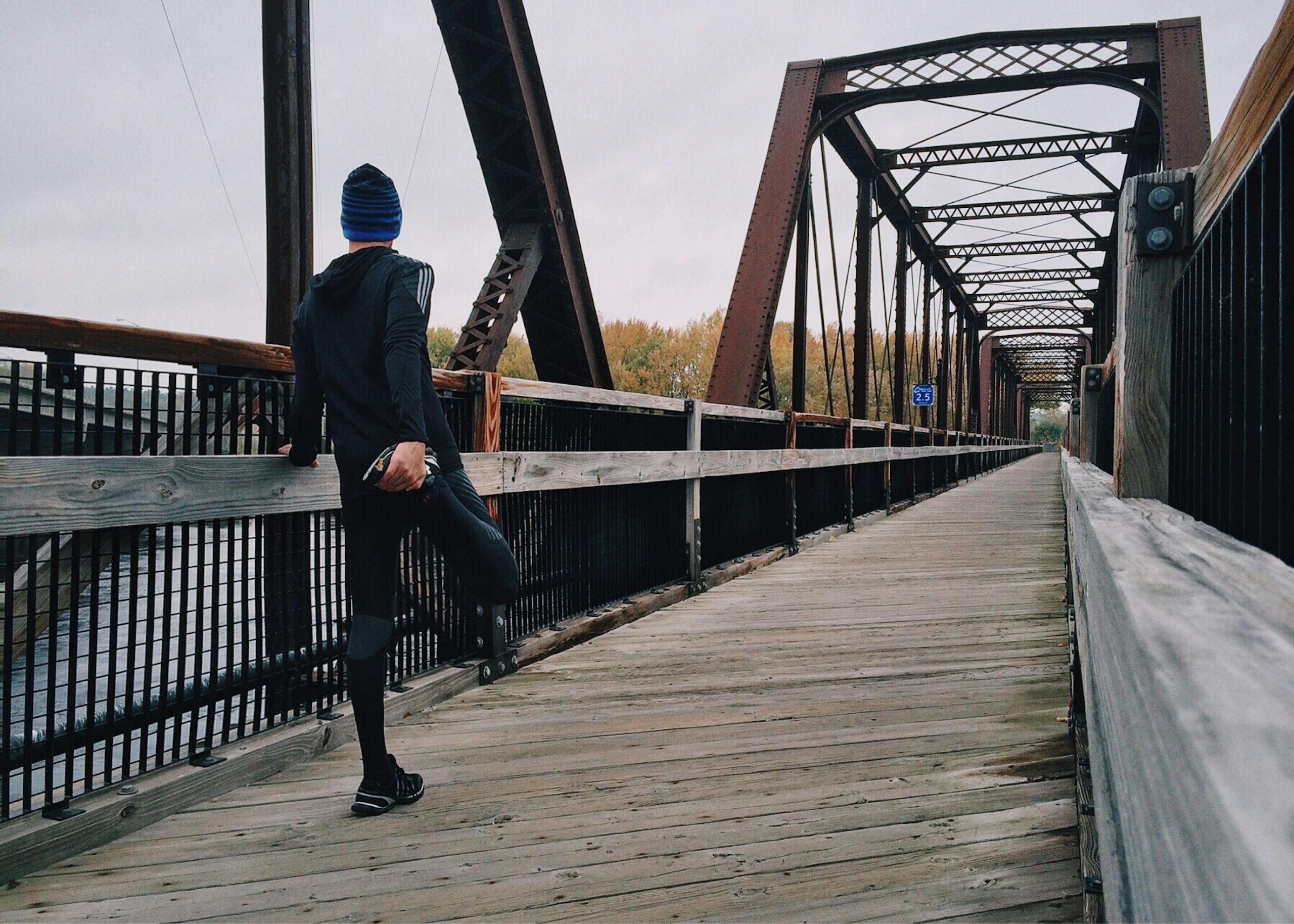
One of Denver’s greatest gifts to active introverts is the ability to establish physical routines without social obligations. In many cities, consistent exercise seems to require gym memberships, class schedules, or running groups. Here, you can build sustainable habits around solo outdoor activities that cost nothing and impose no coordination requirements.
My own routine evolved organically after moving to Colorado. Morning hikes replaced the gym sessions I had dreaded for years. Weekend trail runs replaced the social obligations that once consumed restorative time. The consistency came not from discipline but from genuine enjoyment, from activities that gave energy rather than demanding it.
This matters because introverts often struggle with exercise routines designed by and for extroverts. Group fitness classes that promise community might deliver anxiety instead. Running clubs that offer accountability might create pressure we do not need. Denver allows us to build physical lives that match our actual nature rather than fighting against it.
Practical Wisdom for Denver-Bound Introverts
If you are considering Denver as an active introvert, several practical considerations will smooth your transition. The cost of living has risen significantly in recent years, particularly for housing. Research neighborhoods carefully, considering both lifestyle preferences and budget constraints. Proximity to trails and parks often correlates with higher prices, but the investment pays dividends in daily quality of life.
Vehicle ownership simplifies trailhead access considerably. Public transportation exists but does not serve most hiking destinations. Many introverts appreciate the private mobile space a car provides anyway, allowing transition time between social obligations and solitary activities.
Give yourself time to acclimate both physically and socially. The altitude adjustment can take weeks, and building new routines in an unfamiliar place requires patience. Denver’s culture welcomes newcomers but does not force interaction. You can take the time you need to explore and settle without feeling rushed to establish social connections.
Finding Your Version of Denver
Every active introvert will discover a different Denver. Some will gravitate toward the urban trails and cultural institutions, building lives that rarely leave the metro area. Others will treat the city as base camp, spending weekends in the high country and using Denver primarily for work and essential errands. Neither approach is superior; both honor the introvert need for physical engagement balanced with restorative solitude.
What Denver offers is permission. Permission to be alone without feeling lonely. Permission to exercise without performing for others. Permission to build a life around quiet strength and individual rhythm. For those of us who spent years believing we had to change our nature to thrive, finding a city that accommodates our actual needs feels like coming home to a place we had never visited before.
The mountains do not care whether you arrived alone. The trails welcome solo travelers as warmly as groups. The coffee shops provide corners for contemplation alongside tables for conversation. Denver, at its best, simply creates space for different ways of being human to coexist without conflict.
For active introverts seeking a city that matches their nature, Denver deserves serious consideration. Not because it is perfect, but because it comes closer than most places to understanding what we actually need: challenge without chaos, beauty without crowds, and the freedom to move through the world at our own pace.
Frequently Asked Questions
Is Denver a good city for introverts who enjoy outdoor activities?
Denver ranks among the best American cities for active introverts due to its combination of over 200 parks, 14,000 acres of open space, and immediate access to mountain wilderness. The city averages 300 sunny days annually, supporting year-round outdoor activity. Trail systems extend in every direction, offering solitary hiking, running, and cycling opportunities within 30 minutes of downtown. The outdoor culture embraces individual exploration rather than requiring group participation.
How does the altitude in Denver affect active introverts?
Denver’s 5,280-foot elevation requires physical adjustment that typically takes one to three weeks. During this period, you may experience increased fatigue, lighter sleep, and reduced exercise capacity. Hydration becomes critical due to dry air and increased respiration. Once acclimated, many people find the altitude creates a natural meditative focus during physical activity, as the body’s increased effort quiets mental chatter. Proper hydration, sun protection, and patience with the adjustment process support successful adaptation.
What are the best quiet places for introverts to visit in Denver?
The Denver Botanic Gardens offers 24 acres of contemplative spaces with natural separation between areas. The Denver Art Museum features galleries designed for individual wandering without crowding. Tattered Cover Bookstore combines books and coffee in environments that welcome solitary visitors. City Park provides 320 acres including gardens, a lake, and connection to the museum district. Early morning visits to Red Rocks Park deliver dramatic scenery without concert-crowd energy. Many coffee shops, particularly Corvus Coffee and Stella’s Coffee Haus, accommodate solo visitors without imposing social interaction.
Which Denver neighborhoods are best suited for introverts?
Capitol Hill offers walkability, cultural institutions, and urban density without overwhelming energy. The Highlands balances residential quiet with solo-friendly restaurants and shops. For maximum solitude, mountain communities like Golden, Evergreen, and Morrison provide small-town atmospheres with trail access while remaining within commuting distance. Neighborhood selection should consider proximity to preferred outdoor spaces, walkability preferences, and budget constraints, as areas near parks and trails typically command higher prices.
What outdoor activities can introverts enjoy alone in Denver?
Solo hiking opportunities abound on trails like Green Mountain, Cherry Creek Trail, and numerous paths in the foothills and mountains surrounding the city. Trail running requires no gym membership or group coordination. Cycling paths connect neighborhoods and parks throughout the metropolitan area. Winter options include cross-country skiing and snowshoeing without the crowded lift lines of downhill resorts. Photography, birdwatching, and nature journaling all work well along Denver’s extensive trail systems. The city’s infrastructure supports building physical routines around solitary activities that require no social coordination.
Explore more resources for living authentically as an introvert in our complete General Introvert Life Hub.
About the Author
Keith Lacy is an introvert who’s learned to embrace his true self later in life. With a background in marketing and a successful career in media and advertising, Keith has worked with some of the world’s biggest brands. As a senior leader in the industry, he has built a wealth of knowledge in marketing strategy. Now, he’s on a mission to educate both introverts and extroverts about the power of introversion and how understanding this personality trait can unlock new levels of productivity, self-awareness, and success.