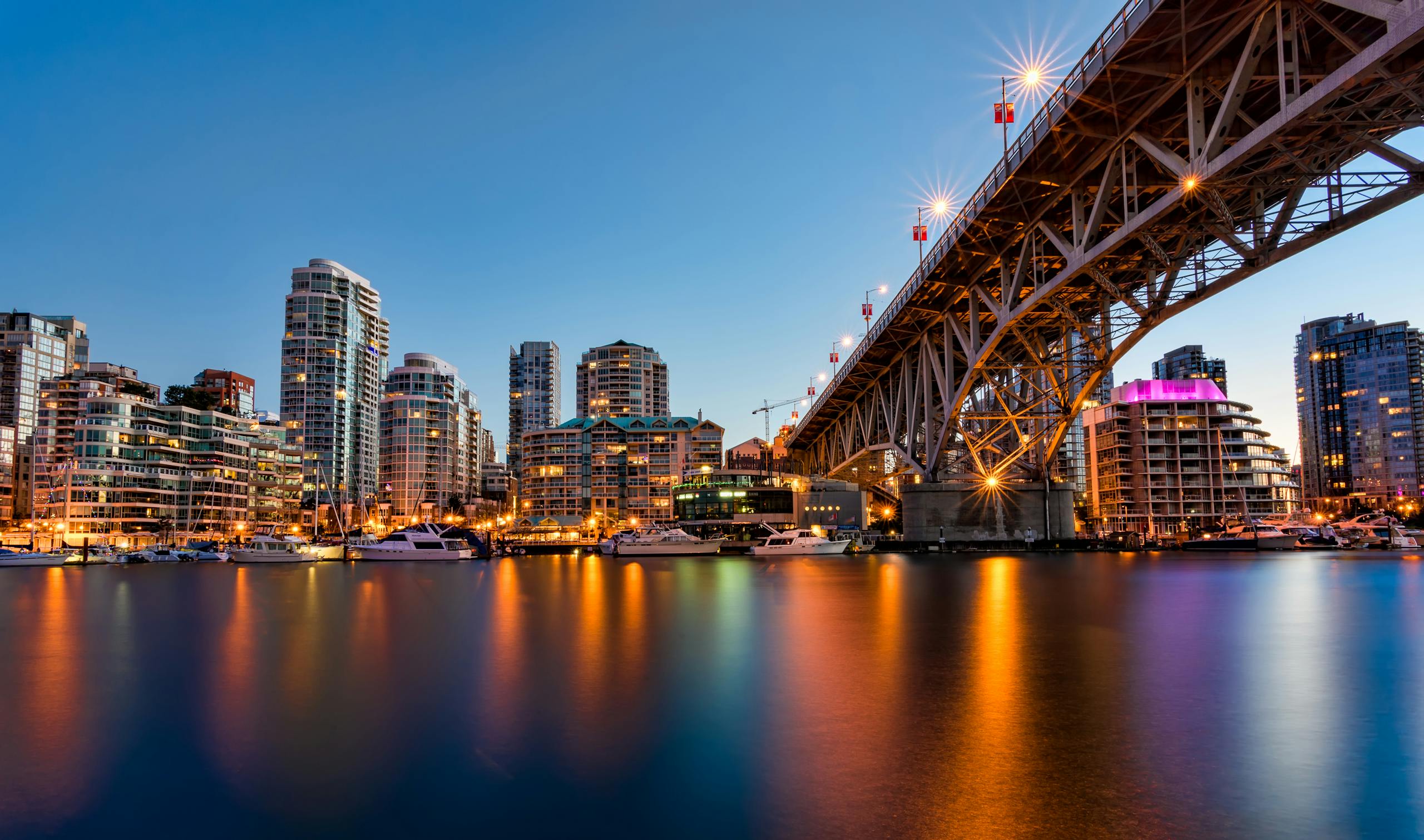

The rain drummed against my hotel window at 6 AM, and I felt something I rarely experience in new cities: calm. Vancouver has that effect on introverts. Something about watching mist roll through old growth forests while the rest of the world sleeps settles the nervous system in ways that crowded tourist destinations never could.
I spent two decades in advertising, managing teams across time zones, presenting to boardrooms full of Fortune 500 executives. The constant performance exhausted me. When I finally started listening to what my introverted brain actually needed, I realized it was craving exactly what Vancouver delivers: wilderness that feels accessible, solitude that feels earned, and a city culture that actually respects quiet.
Vancouver sits wedged between the Pacific Ocean and the Coast Mountains, creating a geography that practically demands outdoor engagement. But unlike other adventure destinations that cater to loud, group oriented experiences, Vancouver offers something rarer: space to explore at your own pace, in your own silence, without anyone questioning why you prefer hiking alone.
Why Vancouver Speaks to the Introverted Outdoor Enthusiast
The city earned its reputation as one of the world’s most livable places not through flashy attractions but through thoughtful urban planning that prioritizes green space and natural access. According to the British Columbia government, the province’s natural abundance encourages an active lifestyle with year round opportunities for hiking, skiing, kayaking, and wildlife viewing.
What’s your personality type?
Take our free 40-question assessment and get a detailed personality profile with dimension breakdowns, context analysis, and personalised insights.
Discover Your Type8-12 minutes · 40 questions · Free
What makes Vancouver particularly appealing for introverts is the infrastructure built around outdoor solitude. The City of Vancouver’s Healthy City Strategy ensures all residents live within a five minute walk of a park. This isn’t marketing fluff. It’s urban design that recognizes nature access as essential to mental health.

I remember standing at the edge of Stanley Park during my first visit, watching herons fish in the shallows while commuters biked past on the Seawall. The contrast struck me. Here was a major city where nature wasn’t relegated to the outskirts but woven into daily life. For someone who recharges through solitary time in nature, this integration felt revolutionary.
Stanley Park: 400 Hectares of Introvert Sanctuary
Stanley Park deserves its own section because it embodies everything Vancouver offers introverts. The 400 hectare urban forest contains over 27 kilometers of trails, most of which see minimal traffic once you move beyond the popular Seawall.
The interior trails feel genuinely wild. Cathedral like groves of Western Red Cedar and Douglas Fir create natural sound barriers that absorb city noise. I’ve spent entire afternoons on the Siwash Rock trail without seeing another person, despite being minutes from downtown. Destination Vancouver describes the park’s interior as rainforest with gravel paths weaving between towering trees, and that description understates the immersive quality of these spaces.
The Totem Poles at Brockton Point attract crowds, but walking ten minutes deeper into the park transforms the experience entirely. Lost Lagoon offers quiet birding opportunities. Beaver Lake provides genuine wilderness meditation. Third Beach during weekday mornings feels privately owned.
The North Shore Mountains: Solitude at Elevation
Twenty minutes from downtown, the North Shore mountains offer some of North America’s most accessible alpine terrain. Grouse, Cypress, and Seymour mountains provide year round outdoor access, but the real gift for introverts is the trail network connecting these peaks.
The Grouse Grind gets attention as Mother Nature’s Stairmaster, but its popularity makes it problematic for those seeking quiet. The better choice is the BCMC trail paralleling the Grind, which sees a fraction of the traffic while offering superior scenery. Or skip Grouse entirely for Cypress Mountain’s Hollyburn Peak, where winter snowshoeing trails become summer wildflower meadows.
Lynn Canyon deserves mention as a free alternative to the commercial Capilano Suspension Bridge. The suspension bridge here feels equally dramatic, the swimming holes are actually swimmable, and the trails connect to Baden Powell, a 48 kilometer route stretching across the North Shore. I’ve done sections of Baden Powell on weekday mornings without encountering anyone for hours.
Water Access for the Quiet Soul
Vancouver’s relationship with water defines the city. The Pacific Ocean, Burrard Inlet, False Creek, and numerous lakes provide endless opportunities for solitary water based activities.
Kayaking in Deep Cove feels like entering another world. The sheltered waters of Indian Arm stretch north between steep mountain walls, creating natural quiet zones. Rentals are straightforward, and guided groups tend to head toward popular destinations like Jug Island, leaving the northern reaches peaceful. I paddled to Granite Falls once, a four hour round trip, and saw exactly two other boats.
For those who prefer observing water rather than being on it, the beaches offer varying degrees of solitude. Wreck Beach requires a 400 step descent that filters out casual visitors. Spanish Banks at low tide creates vast expanses of empty sand. Jericho Beach connects to a trail system leading west toward UBC, transforming beach time into a quiet coastal walk.
Understanding how to plan adventures that match your temperament makes these experiences more restorative. Vancouver rewards introverts who research timing and location rather than following tourist crowds.
The Psychology Behind Vancouver’s Appeal
Research from Psychology Today suggests introverts develop sophisticated coping mechanisms that align remarkably well with aging and life transitions. Skills like comfort with solitude, capacity for deep self reflection, and preference for quieter environments become increasingly valuable over time. Vancouver’s design seems built around these exact preferences.
The city’s culture also matters. Canadians in general tend toward politeness, but Vancouver adds a West Coast reserve that introverts appreciate. Strangers don’t initiate unnecessary conversation. Service workers don’t push small talk. Public transit operates in comfortable silence. These might seem like minor details, but for those of us who find constant social interaction draining, they add up to significant energy savings.
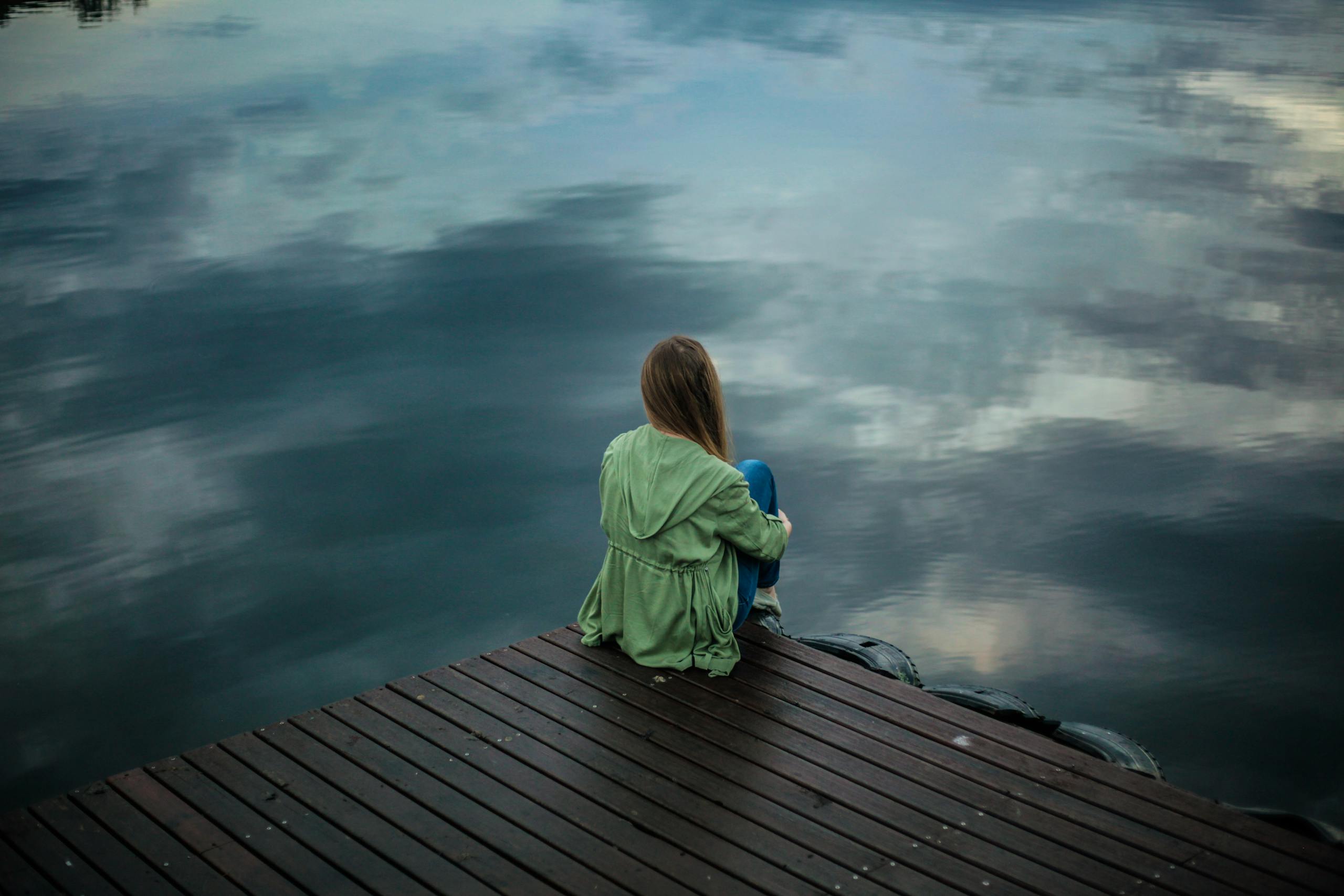
According to Science of People, introverts who enjoy solitude tend to be more creative because quiet time allows the brain to wander and make unexpected connections. Vancouver provides abundant settings for this kind of productive solitude, from quiet coffee shops with mountain views to forest trails where thoughts can unfold without interruption.
Practical Considerations for Introverted Residents
Living in Vancouver as an introvert requires acknowledging certain realities. The cost of living ranks among the highest in North America. Housing prices have driven many to the suburbs, which adds commute time but often provides better access to nature. Neighborhoods like North Vancouver, Deep Cove, or Port Moody offer reasonable compromises between urban amenities and outdoor access.
The rain deserves honest discussion. November through March brings consistent precipitation that keeps many indoors. But here’s the introvert advantage: when everyone else retreats, the trails empty. My most memorable hikes have happened in steady drizzle, wrapped in quality rain gear, experiencing the forest in its natural state. The mushrooms emerge. The creeks run full. The tourists disappear.
Vancouver’s Best Places notes the Lower Mainland is a playground for outdoor recreational enthusiasts, with mountains and ocean offering top class activities. For introverts, this variety means always having options. Feeling social? Join a group hike. Needing solitude? Kayak alone at dawn. The infrastructure supports both without judgment.
Beyond the City: Day Trips That Reward the Patient Explorer
Vancouver’s position makes it a launching point for deeper wilderness experiences. The Sea to Sky Highway north toward Whistler passes through some of British Columbia’s most dramatic scenery. Shannon Falls, Brandywine Falls, and the Stawamus Chief offer world class outdoor experiences within ninety minutes of downtown.
Squamish has earned its reputation as the Outdoor Recreation Capital of Canada, but weekday visits reveal a quieter side. The climbing routes at Smoke Bluffs empty out Tuesday through Thursday. The trails around Alice Lake become genuinely peaceful. The bakeries and breweries operate without weekend crowds.
The Gulf Islands offer another dimension entirely. Salt Spring, Galiano, and Mayne islands provide car free exploration, with ferry travel that feels contemplative rather than rushed. I spent a week on Salt Spring once, biking between farms, swimming in quiet lakes, reading in coffee shops where conversation was optional. It felt like Vancouver’s philosophy distilled to its essence.
Learning to travel in ways that honor your temperament transforms these day trips from obligations into genuine restoration.
Seasonal Rhythms for the Outdoor Introvert
Vancouver’s mild climate enables year round outdoor activity, but each season offers distinct advantages for introverts seeking solitude.
Spring brings wildflowers and the return of wildlife. The tourist season hasn’t started, so trails remain quiet. Cherry blossom season in late March attracts photographers to specific neighborhoods, leaving other green spaces peaceful. This is prime time for the North Shore trails before summer crowds arrive.
Summer transforms the city into an outdoor carnival, which sounds challenging for introverts but actually works in our favor. Everyone congregates at popular beaches and viewpoints, leaving secondary trails and hidden swimming holes nearly empty. Early morning becomes essential, with 5 AM sunrise hikes offering temperatures perfect for exertion and trails perfect for solitude.
Fall might be Vancouver’s best kept secret. September and October bring clear skies, warm days, and dramatic colors. The summer tourists have departed. The ski season hasn’t begun. Trails that felt crowded in August become meditative in October. The mushroom foraging season adds another dimension for those inclined toward quiet, observational activities.
Winter offers skiing, snowshoeing, and the profound beauty of temperate rainforest in rain. The stereotype of Vancouver winters as depressing misses the point. For introverts who understand how to work with rather than against their nature, the cozy indoor season provides balance to summer’s outdoor intensity.
Building an Introvert Friendly Life in Vancouver
Moving to Vancouver or visiting as an introvert requires intentional choices. The city rewards those who research rather than rely on mainstream recommendations.
For housing, prioritize proximity to green space over proximity to downtown. Neighborhoods adjacent to Pacific Spirit Park, Lynn Valley, or Burnaby Mountain offer daily nature access that compounds over time. The commute might be longer, but starting each day with a forest walk changes everything.
For outdoor gear, invest in quality rain equipment. Vancouver requires layers that breathe, shells that repel water, and footwear that handles both mud and rock. The outdoor recreation stores along Broadway in Kitsilano offer knowledgeable staff who understand the local conditions without the pushy salesmanship common elsewhere.
For social connection, let it develop organically through shared outdoor activities rather than forcing networking events. Running clubs, hiking groups, and kayaking meetups attract people who value shared experience over constant conversation. The friendships that develop through silent trail miles or quiet paddle strokes often suit introverts better than those forged in loud bars.
Developing strong self care practices helps maintain energy levels in any city, but Vancouver’s natural infrastructure makes implementation easier than most places.
The Deeper Value of Choosing Vancouver
After years of forcing myself into environments that drained rather than restored, discovering Vancouver felt like finally finding a place designed for my brain. The city doesn’t demand constant social performance. The outdoors doesn’t require group participation. The culture doesn’t pathologize the desire for quiet.
This matters more than scenic beauty or outdoor access statistics. Vancouver offers something increasingly rare: permission to be still in a world that equates constant activity with worth. The trails wait without judgment. The mountains rise regardless of whether you summit. The ocean laps against shores that ask nothing of you but presence.
For outdoorsy Canadian introverts, or those considering becoming one, Vancouver represents more than a destination. It represents possibility: the chance to build a life where adventure and solitude coexist, where challenge and quiet share the same trails, where being alone in nature feels like coming home rather than escaping from life.
The rain still falls most winter mornings. The housing costs still shock newcomers. The mountains still disappear into clouds for weeks at a time. But when the weather breaks and I stand alone on a ridge watching the city sparkle below while eagles ride thermals overhead, the compromises fade into irrelevance. This place gets introverts. And that understanding, more than any amenity or activity, is what makes Vancouver worth considering.
Explore more introvert resources in our complete General Introvert Life Hub.
About the Author
Keith Lacy is an introvert who’s learned to embrace his true self later in life. With a background in marketing and a successful career in media and advertising, Keith has worked with some of the world’s biggest brands. As a senior leader in the industry, he has built a wealth of knowledge in marketing strategy. Now, he’s on a mission to educate both introverts and extroverts about the power of introversion and how understanding this personality trait can unlock new levels of productivity, self-awareness, and success.
Frequently Asked Questions
Is Vancouver a good city for introverts who love the outdoors?
Vancouver ranks among the best cities in the world for outdoorsy introverts due to its unique combination of urban amenities and immediate nature access. With over 200 parks, the North Shore mountains within 20 minutes of downtown, and a cultural respect for personal space, the city provides abundant opportunities for solitary outdoor activity year round.
What are the best quiet outdoor spots in Vancouver for introverts?
The interior trails of Stanley Park, Lynn Canyon Park, Pacific Spirit Regional Park, and the BCMC trail on Grouse Mountain offer peaceful alternatives to tourist heavy locations. Deep Cove provides quiet kayaking, while Spanish Banks at low tide and Third Beach on weekday mornings offer secluded beach experiences.
How does Vancouver’s weather affect outdoor activities for introverts?
Vancouver receives significant rainfall from November through March, which actually benefits introverts by emptying trails of casual visitors. Proper rain gear transforms wet weather into an advantage, allowing access to forests and trails in their natural state with minimal crowds. Summer offers long days with reliable sunshine.
What neighborhoods in Vancouver are best for introverts who prioritize outdoor access?
North Vancouver, Deep Cove, Port Moody, and areas adjacent to Pacific Spirit Park offer the best combination of daily nature access and reasonable commute times. These neighborhoods provide trail access from your doorstep, quieter residential atmospheres, and proximity to larger wilderness areas.
Can introverts find community in Vancouver without draining social experiences?
Vancouver’s outdoor culture supports community building through shared activity rather than forced conversation. Running clubs, hiking groups, and kayaking meetups attract people who value companionable silence during activities. Friendships developed through outdoor pursuits often suit introverts better than those formed through traditional networking.