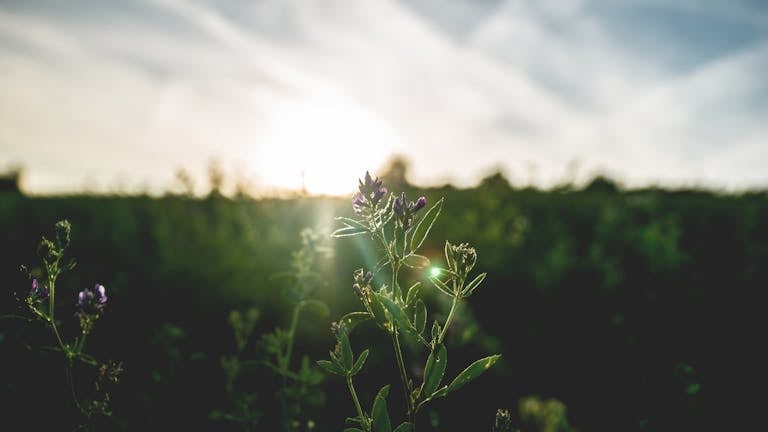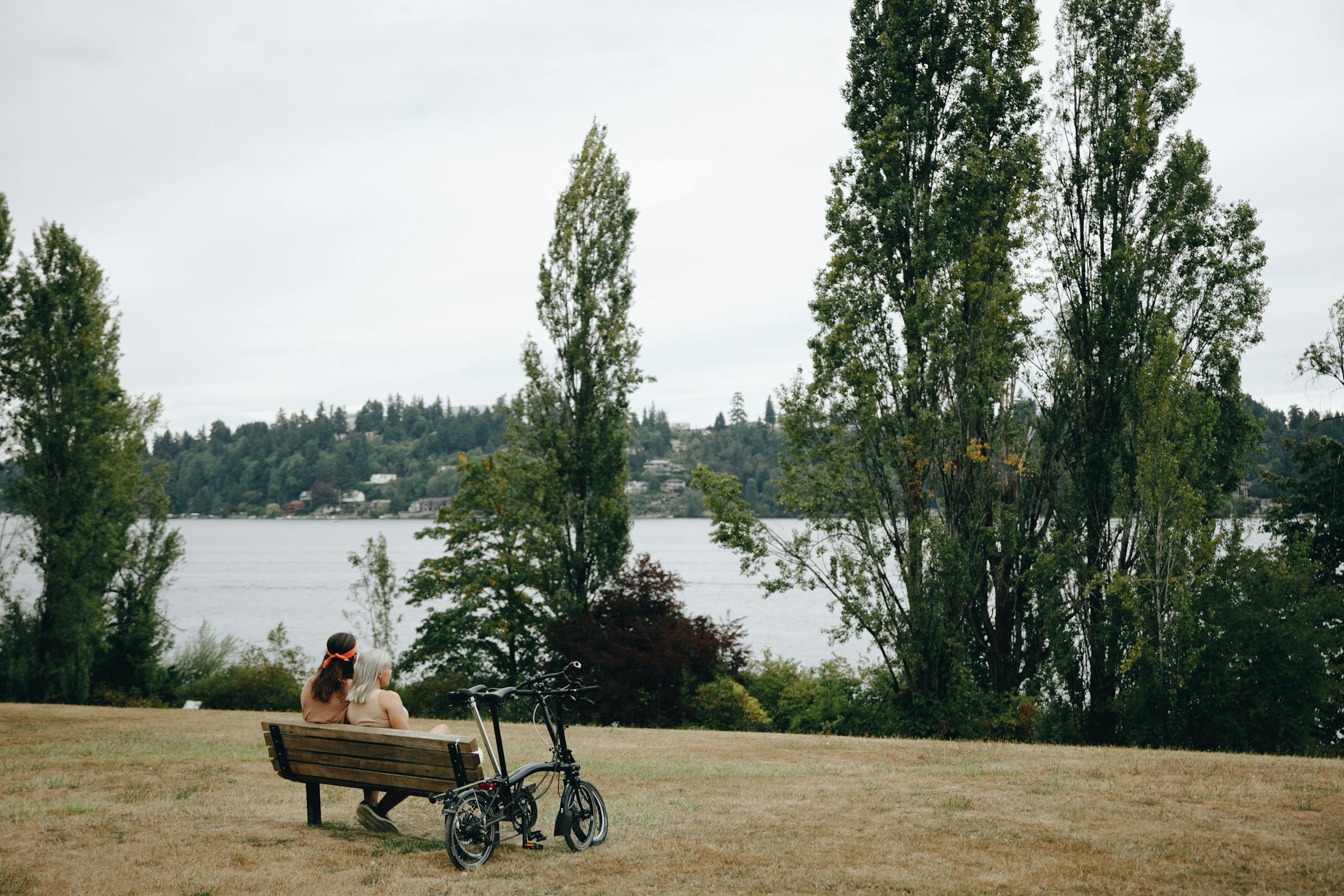

The morning I realized retirement would change everything started with birdsong. Not the aggressive car alarms and construction noise that had formed my urban soundtrack for decades, but actual birds. Robins. Finches. Something I later learned was a wood thrush. I stood on the porch of a rental cottage in rural Pennsylvania, coffee cooling in my hands, and felt something I hadn’t experienced in years. Silence that didn’t feel empty. Space that didn’t demand anything from me.
After twenty years leading teams through high-pressure agency environments, managing Fortune 500 accounts, and performing extroversion like my career depended on it (because it did), the idea of retirement terrified me. Not the financial part. The identity part. Who would I be without the constant stimulation, the deadlines, the rooms full of people who needed decisions? It took me longer than I’d like to admit to understand that I was afraid of the wrong thing entirely. I wasn’t afraid of losing stimulation. I was afraid of finally having to sit with myself.
The countryside didn’t just offer an escape from noise. It offered something introverts spend their entire working lives craving without always knowing it: permission. Permission to move slowly. Permission to think before speaking. Permission to let hours pass without justifying their productivity. For introverted retirees, rural living isn’t a retreat from life. It’s often the first authentic engagement with it.
Why Rural Environments Work for Introverted Nervous Systems
The science behind why countryside living benefits introverts goes deeper than simple preference. Our nervous systems process stimulation differently, and decades of urban or suburban living create a cumulative toll that many of us don’t recognize until it lifts. The constant low-level activation from traffic sounds, neighbor proximity, social obligations, and environmental complexity keeps introverted brains in a perpetual state of mild vigilance. We adapt. We call it normal. We don’t realize how exhausted we are until the exhaustion stops.
What’s your personality type?
Take our free 40-question assessment and get a detailed personality profile with dimension breakdowns, context analysis, and personalised insights.
Discover Your Type8-12 minutes · 40 questions · Free
Research from the Australian Rural Mental Health Study found that retired rural participants rated significantly higher than their urban counterparts on mental health, relationships, and overall life satisfaction. The study followed over 2,000 adults aged 45 and older, and the findings challenged assumptions about rural isolation being detrimental. What mattered wasn’t the density of social connections but the quality of the environment in which those connections occurred. Rural retirees reported feeling more in control of their daily rhythms, more connected to their surroundings, and less pressured by external expectations.
I remember the first week after moving to the countryside feeling almost suspicious. Where was the catch? Why did my shoulders stay relaxed past noon? The answer was environmental load. In cities, our brains constantly filter irrelevant stimuli, making thousands of micro-decisions about what to notice and what to ignore. This filtering requires energy, and for introverts, that energy draws from a smaller reserve. Rural environments reduce this cognitive taxation dramatically. The brain can settle into its preferred state: deep attention rather than scattered vigilance.
Understanding how to recharge your social battery becomes almost automatic in countryside settings. The environment does much of the work that previously required deliberate effort.
The Nature Prescription for Introverted Minds
Living surrounded by natural landscapes isn’t just pleasant. It’s therapeutic in measurable ways that particularly benefit introverted temperaments. The Mental Health Foundation’s comprehensive research on nature and wellbeing found that regular nature exposure generates calmness, joy, and creativity while facilitating the kind of concentration introverts naturally excel at. Nature doesn’t demand the performative engagement that social environments require. It allows the mind to wander, process, and integrate experiences at its own pace.
The Canadian Psychological Association notes that even brief nature exposure of just ten to twenty minutes can reduce cortisol levels and improve mood. For introverts who spent careers managing stress in demanding environments, this daily cortisol reset becomes profoundly healing. The compounded effect of decades of elevated stress hormones doesn’t reverse overnight, but countryside living provides consistent, low-effort access to the remedy.
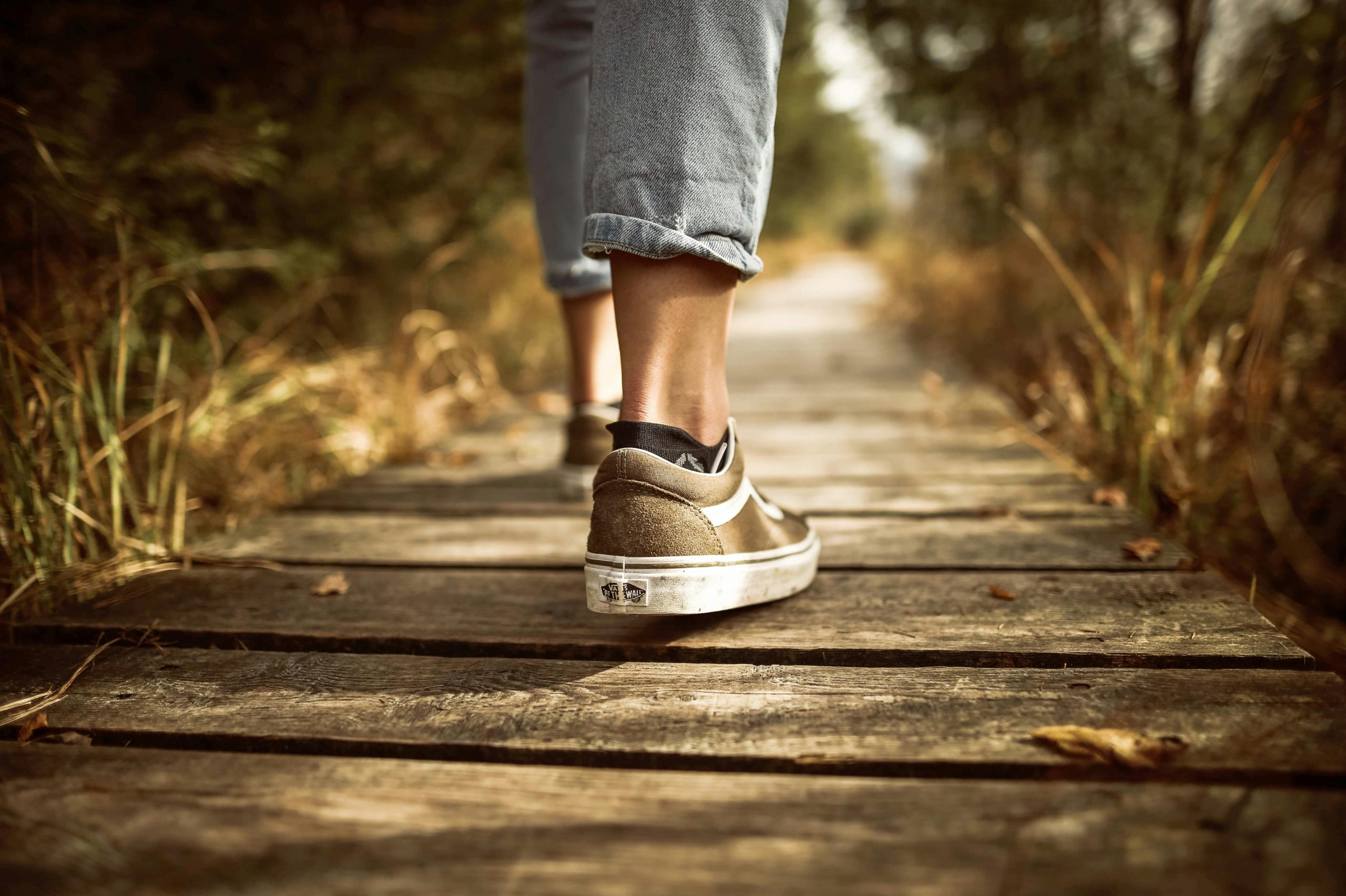
What strikes me most about living rurally is how nature creates containers for thought. A walk through fields doesn’t feel like exercise. It feels like processing time with sensory accompaniment. The rhythm of footsteps, changing light, seasonal shifts, they all provide gentle structure for the internal work that introverts do naturally. In urban environments, this processing often happened despite the surroundings. In the countryside, it happens because of them.
A comprehensive review in the journal Environmental Research confirms that consistent nature exposure improves cognitive function, reduces blood pressure, and provides protective effects on mental health outcomes. For retirees managing the transitions of aging, these benefits compound. The countryside doesn’t just feel better. It actively supports the physiological processes that sustain wellbeing.
Solitude in Rural Retirement: What the Research Actually Shows
One of the greatest fears about rural retirement, especially among well-meaning family members, is isolation. Won’t you be lonely out there? The assumption conflates solitude with loneliness, and for introverts, this misunderstanding can create years of unnecessary guilt about perfectly healthy preferences.
Research published in the Journal of Adult Development examined how older adults experience solitude compared to younger populations. The findings were striking: older adults reported higher subjective wellbeing, greater self-esteem, and better social integration during periods of chosen solitude. Rather than indicating withdrawal, solitude in later life often reflects mature self-knowledge and intentional energy management.
A study in Frontiers in Psychology surveying over 2,000 participants across age groups found that older adults reported feeling most peaceful during time alone. The researchers noted that solitude and social time become more distinct states as we age, with clearer recognition of what each provides. Introverted retirees aren’t fleeing connection. They’re finally able to structure it according to their actual needs rather than external demands.
Understanding the role of solitude in an introvert’s life becomes especially important during retirement transitions. The countryside provides natural boundaries that support healthy solitude without requiring constant explanation or defense.
I spent years explaining my need for alone time in ways that made it sound like a symptom rather than a feature. The countryside eliminates much of this social labor. Neighbors understand that you might not visit for weeks. There’s no pressure to attend every community event. The social contract shifts from constant availability to genuine connection when it occurs.
Practical Considerations for Rural Retirement
The romantic vision of countryside retirement needs grounding in practical reality, especially for introverts who may find certain logistics more challenging than their extroverted counterparts.
Healthcare Access and Planning
Rural areas often mean longer distances to medical facilities. This requires more advance planning but doesn’t have to mean inadequate care. Many introverts actually prefer the model of fewer, more scheduled medical visits over the urban pattern of frequent, fragmented appointments. Telemedicine has expanded dramatically, making routine consultations possible without the sensory overwhelm of busy clinics. The key is establishing relationships with providers before emergencies arise and having clear plans for different health scenarios.
Developing strong introvert health and wellness practices becomes part of the rural retirement advantage. The lifestyle naturally supports many preventive health behaviors that urban environments make difficult.
Social Connection on Introvert Terms
Rural communities often feature slower-paced social rhythms that suit introverted temperaments. Connections form through shared activities rather than networking events. The farmer’s market. The local library. The hiking trail you walk regularly. These repeated, low-pressure encounters allow relationships to develop at a pace that feels natural rather than forced.
Building meaningful friendships as an introvert often becomes easier in rural settings. The emphasis shifts from quantity of social contacts to quality of connection, which aligns with introvert preferences.
Creating Your Sanctuary
Rural properties offer space that most introverts have only dreamed of. A dedicated room for hobbies. A workshop. Gardens. The physical separation from neighbors that eliminates the constant low-level awareness of others’ activities. This isn’t about misanthropy. It’s about having a genuinely restorative home environment that functions as a true sanctuary.
When I designed my rural home office, I realized I was building the workspace I’d needed for twenty years but never had. No glass walls. No open floor plan. No expectation of constant visibility. Just a room with a view of hills and a door that closes. The psychological impact of this privacy cannot be overstated for those of us who spent careers in environments designed for extroverts.
The Rhythm of Rural Days
Retirement in the countryside develops its own temporal logic that differs fundamentally from urban patterns. Days organize around natural rhythms rather than scheduled obligations. This sounds simple but represents a profound shift for introverts accustomed to managing energy around external demands.
Mornings can be slow. Coffee can be savored rather than consumed during commutes. The pressure to be somewhere and presentable by a certain hour dissolves. For introverts who spent careers in morning meetings that began before our brains fully woke, this freedom feels almost transgressive at first.
Evenings in the countryside possess a quality that suburbs and cities can’t replicate. True darkness. Genuine quiet. The space for reflection that urban environments, with their light pollution and ambient noise, subtly prevent. Many introverts discover that their evening hours become their most productive for reading, writing, or pursuing creative interests they’d shelved during busy careers.
Developing effective stress management strategies becomes almost unnecessary when the environment itself reduces stress inputs. The countryside doesn’t solve all problems, but it removes many of the obstacles to the inner work that does.
Finding Purpose Beyond Productivity
One of the unexpected challenges of retirement, particularly for high-achieving introverts, is redefining purpose when it’s no longer tied to professional output. The countryside helps with this transition in subtle but powerful ways.
Without the constant stimulation of urban life demanding response, space opens for questions that careers often suppress. What actually interests me? What would I do if no one was measuring? What have I postponed for decades? These questions require the kind of uninterrupted reflection that rural environments support and urban environments often sabotage.
I discovered that my relationship with productivity had been more compulsive than I realized. The countryside didn’t eliminate my drive to accomplish things, but it gave me distance from the anxiety that had always fueled it. Projects became choices rather than obligations. Some days involved creating. Others involved simply existing. Both felt legitimate in ways that city retirement, with its endless options and implicit expectations, might not have allowed.
Understanding what creates genuine introvert fulfillment often requires exactly this kind of space and silence. The countryside provides both in abundance.
Managing the Transition
Moving from urban or suburban life to rural retirement represents significant change, and even positive change requires adjustment. Introverts may handle some aspects better than expected while struggling with others.
The initial period often involves what I call decompression lag. The nervous system, accustomed to constant vigilance, doesn’t immediately relax when the stimulation stops. Some new rural residents experience restlessness, difficulty sleeping, or unexpected anxiety during the first weeks. This usually passes as the body recalibrates, but knowing it’s normal helps prevent premature conclusions that the move was a mistake.
Having navigated burnout recovery myself, I recognize many of the same patterns in retirement transitions. The countryside supports healing, but healing takes time and doesn’t always feel comfortable while it’s happening.
Building new routines helps anchor the transition. Not rigid schedules that replicate work structures, but loose patterns that provide rhythm without pressure. A morning walk. An afternoon reading hour. A weekly trip to town. These create scaffolding for days that might otherwise feel formless.

The Deeper Gift of Rural Retirement
Beyond the practical benefits of reduced stimulation and increased nature access lies something harder to quantify but perhaps more important. The countryside offers introverts an environment that doesn’t require translation. A place where our natural way of being makes sense rather than requiring constant adjustment.
In urban environments, even during retirement, introverts often continue performing. Explaining preferences. Justifying choices. Managing impressions. The countryside reduces these demands substantially. Neighbors who value their own privacy understand yours. The culture of constant connection that pervades urban life loosens its grip.
Practices like mindfulness and meditation that may have felt forced in busy environments become natural extensions of daily life. The entire landscape supports the contemplative attention that introverts naturally gravitate toward.
I spent decades believing that my need for silence and solitude was a limitation to be managed. Rural retirement revealed it as a capacity to be honored. The countryside didn’t change who I am. It provided a context where who I am could finally flourish without apology or explanation. For introverted retirees considering this path, that gift alone makes the transition worth considering seriously.
The quiet countryside isn’t an escape from life. It’s an invitation to live more fully as the introvert you’ve always been. Retirement offers the freedom to accept that invitation. The only question is whether you’re ready to RSVP.
Self-care strategies that genuinely work for introverts become the foundation of rural retirement wellbeing. The countryside provides the perfect environment to implement them consistently.
Frequently Asked Questions
Won’t I feel isolated living in the countryside as a retiree?
Research consistently shows that older adults, particularly introverts, experience solitude more positively than younger people. Studies find that retirees in rural areas often report higher life satisfaction and stronger relationships than urban counterparts. The key distinction is between chosen solitude, which introverts find restorative, and unwanted isolation. Rural communities typically offer meaningful connection opportunities through shared activities without the exhausting social density of urban environments.
How do introverted retirees handle healthcare access in rural areas?
Rural healthcare requires more planning but can work well for introverts who prefer fewer, more substantive medical appointments. Telemedicine has expanded significantly, allowing routine consultations from home. Many introverts find this model preferable to busy urban clinics. Establishing relationships with local providers before emergencies and having clear contingency plans for different health scenarios provides security without requiring constant medical engagement.
What should I know before making the transition to countryside retirement?
Expect a decompression period as your nervous system adjusts to reduced stimulation. This may involve temporary restlessness or anxiety before relaxation sets in. Consider renting before buying to test whether rural rhythms suit you. Build loose daily routines to provide structure without rigidity. Research the specific community culture, as rural areas vary significantly in their social expectations and amenities.
How much nature exposure do I need for mental health benefits?
Research indicates that approximately two hours of nature exposure weekly provides significant mental health benefits. Even brief exposures of ten to twenty minutes can reduce cortisol levels and improve mood. The advantage of rural living is that this exposure becomes passive rather than requiring deliberate effort. Simply existing in a countryside environment provides continuous low-level nature contact that compounds over time.
Can introverts build meaningful community in rural areas?
Rural communities often suit introverted social preferences better than urban environments. Relationships develop through repeated, low-pressure encounters at local markets, libraries, hiking trails, and community activities. The emphasis shifts from networking and social performance to genuine connection over shared interests. Many introverts find that rural social rhythms allow deeper relationships because they’re not diluted across dozens of superficial contacts.
Explore more lifestyle and wellbeing resources in our complete General Introvert Life Hub.
About the Author
Keith Lacy is an introvert who’s learned to embrace his true self later in life. With a background in marketing and a successful career in media and advertising, Keith has worked with some of the world’s biggest brands. As a senior leader in the industry, he has built a wealth of knowledge in marketing strategy. Now, he’s on a mission to educate both introverts and extroverts about the power of introversion and how understanding this personality trait can unlock new levels of productivity, self-awareness, and success.