
An HSP travel agent brings something to this career that no algorithm or booking engine can replicate: the genuine capacity to feel what a trip means to someone before it ever happens. Highly sensitive people process experience at a deeper level, which means they naturally anticipate needs, read between the lines of what clients say they want, and craft itineraries that feel personally considered rather than generically assembled. That depth of perception, paired with the right working environment, makes this profession one of the more natural fits for people wired this way.
That said, the travel industry has real friction points for sensitive people. Sensory overload, emotionally demanding clients, unpredictable crises, and the relentless noise of a 24/7 connected world can wear on someone who processes everything so thoroughly. What makes the difference isn’t suppressing that sensitivity. It’s learning how to structure a career around it.

Before we get into the specifics of this career path, it helps to understand the full picture of what high sensitivity means, not just in professional settings but across every dimension of life. Our HSP and Highly Sensitive Person hub covers the science, the relationships, the workplace dynamics, and the personal growth side of this trait in depth. Everything in this article connects back to that larger context.
What Does High Sensitivity Actually Look Like in a Travel Career?
Elaine Aron, the psychologist who first identified sensory processing sensitivity as a distinct trait, has written extensively about how HSPs process stimuli more deeply than the general population. That isn’t a metaphor. Neurologically, the brains of highly sensitive people show greater activation in regions associated with awareness, empathy, and integration of complex information. In a travel context, that translates into some genuinely useful capacities.
What’s your personality type?
Take our free 40-question assessment and get a detailed personality profile with dimension breakdowns, context analysis, and personalised insights.
Discover Your Type8-12 minutes · 40 questions · Free
An HSP travel agent tends to pick up on what clients aren’t saying. Someone who describes wanting a “relaxing beach vacation” might actually be communicating exhaustion, a need for emotional restoration, or a desire to reconnect with a partner after a difficult year. A less sensitive agent books the beach. An HSP agent asks one more question, listens to the pause before the answer, and builds an experience around what the client actually needs.
I saw this pattern play out constantly in advertising. When I was running agency teams and working with Fortune 500 clients, the most valuable thing I brought to client meetings wasn’t my strategic frameworks or my industry data. It was the ability to sense when a client was telling us what they thought we wanted to hear versus what was actually worrying them. That quiet attunement, the capacity to notice the subtext, produced better work every time. A travel agent with that same wiring is going to create better trips.
Worth noting: not every highly sensitive person is an introvert, and not every introvert is highly sensitive. If you’re sorting out where you fall on that spectrum, the comparison at Introvert vs HSP: Highly Sensitive Person Comparison is a genuinely clarifying read. The distinction matters for career planning because the strategies that help vary depending on whether overstimulation is your primary challenge or whether depth of processing is more central to your experience.
| Career / Role | Why It Fits | Key Strength Used | Watch Out For |
|---|---|---|---|
| Boutique Travel Consultant | One-on-one client relationships allow deep listening and emotional attunement. HSPs excel at understanding unstated needs and building meaningful connections in personalized settings. | Deep processing, empathy, ability to read between the lines | Risk of blurred work-life boundaries, especially when working from home with clients across time zones. |
| Wellness Travel Specialist | Clients seeking spa retreats, meditation centers, and therapeutic travel are naturally reflective and articulate their deeper needs. HSPs provide genuine understanding these clients appreciate. | Emotional intelligence, alignment with client values, depth of attention | May absorb clients’ emotional or physical struggles too deeply, requiring intentional recovery practices between bookings. |
| Luxury Travel Consultant | High-end clientele expect careful attention to detail, nuanced preferences, and sophisticated understanding of their needs. HSP strengths in attentiveness directly serve this market. | Meticulous attention to detail, ability to anticipate needs, refined sensory awareness | High-pressure expectations and demanding clients can create stress. Require clear boundaries and support systems. |
| Crisis Management Travel Specialist | While challenging, HSPs often perform well under genuine crisis due to their deep processing and calm demeanor. Focus on specific crisis scenarios rather than high-volume chaos. | Calm presence under pressure, careful decision-making, ability to soothe anxious clients | Absorbing clients’ panic and stress can be emotionally destabilizing. Requires decompression time and strong emotional boundaries after incidents. |
| Independent Travel Agent | Working independently allows control over client volume, work environment sensory input, and schedule. HSPs can structure work around their processing needs and recovery requirements. | Self-awareness, autonomy, ability to set sustainable boundaries | Home office blurs work-life separation, making it hard to mentally switch off. Needs intentional rituals and physical workspace separation. |
| Niche Travel Specialist | Specializing in defined areas like adventure travel, cultural immersion, or educational trips reduces scattered energy and builds expertise. Depth appeals more to HSPs than breadth. | Deep expertise development, focused attention, meaningful client matching | Limited market can create feast-or-famine income patterns. Requires strong business strategy beyond deep client relationships. |
| Travel Experience Designer | Creating thoughtful, detailed itineraries that account for emotional and sensory elements plays to HSP strengths. Work focuses on depth and customization rather than volume. | Attention to sensory experience, emotional awareness, integration of complex information | Clients may not articulate sensory needs clearly. Requires asking clarifying questions and setting expectations about customization time. |
| Destination Wedding Planner | Weddings carry emotional weight and relationship significance. HSPs naturally understand the deeper meaning clients attach and provide the relational depth these events require. | Empathy, ability to hold emotional complexity, attention to relationship dynamics | High-stress couples and compressed timelines create pressure. Couples may project relationship anxieties onto planning details. |
| Travel Consultant Mentor or Coach | Teaching other HSPs or sensitive professionals leverages deep understanding of working with this trait. Can build sustainable practices based on authentic experience. | Lived experience with sensitivity, empathy, ability to articulate nuanced working styles | May absorb mentees’ struggles and frustrations. Requires setting clear boundaries around emotional labor and availability. |
Where Does an HSP Travel Agent Genuinely Thrive?
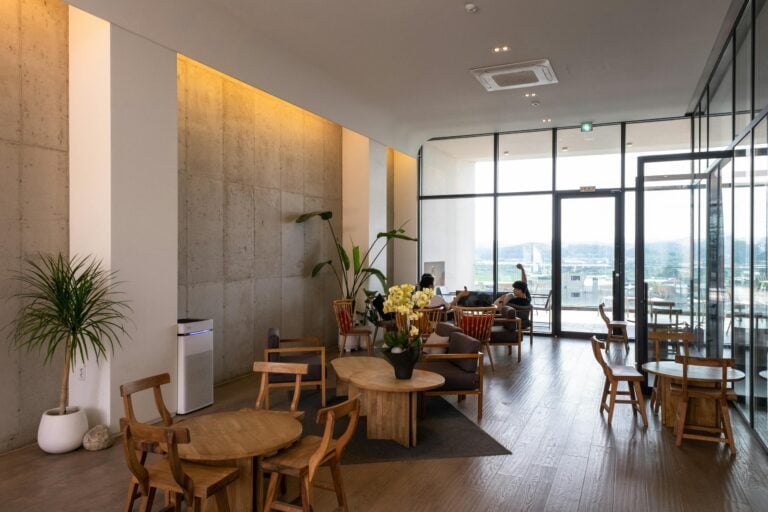
The travel industry is broad. There’s a significant difference between working the front desk of a high-volume agency booking package holidays and running a boutique luxury travel consultancy from a home office. For highly sensitive people, that difference isn’t just about preference. It can determine whether the career is sustainable long-term.
High-volume, transactional environments tend to be rough terrain. The sensory input is constant, the emotional stakes are compressed into short interactions, and there’s rarely time to process between clients. A 2022 study published in Frontiers in Psychology found that sensory processing sensitivity was significantly associated with emotional exhaustion in high-demand work environments, particularly when workers had limited autonomy over their pace and workload. That finding maps directly onto the travel industry’s busiest settings.
The environments where HSP travel agents tend to do their best work share a few common features. They allow time between client interactions. They reward depth of knowledge over speed of transaction. They involve ongoing relationships rather than one-off bookings. And they offer some degree of control over the physical workspace.

Remote and hybrid work arrangements have opened up real possibilities here. A Stanford study on remote work documented significant productivity and wellbeing gains for people working from home, particularly those who found open-plan offices draining. For highly sensitive travel agents, the ability to control noise levels, lighting, and the rhythm of client interactions can be genuinely career-sustaining rather than just convenient.
Specialty niches also tend to suit HSPs well. Honeymoon and anniversary travel, wellness retreats, accessible travel for clients with disabilities or chronic illness, multigenerational family trips, grief travel for people marking a loss with a meaningful experience. These are all areas where emotional attunement isn’t just a soft skill. It’s the actual product.
How Does the HSP Trait Shape Client Relationships in Travel?
Travel is one of the more emotionally loaded purchases people make. It carries expectations, memories, relationship dynamics, and sometimes decades of deferred dreams. A honeymoon isn’t just a trip. A family reunion cruise isn’t just logistics. An anniversary trip to Paris carries the weight of whatever that relationship has been through. Clients often can’t fully articulate all of that, but they feel it, and they’re trusting their travel agent to hold some of it.
An HSP travel agent is unusually well positioned for that kind of relational depth. The same trait that makes large crowds exhausting also makes one-on-one conversations rich and meaningful. The same processing depth that requires recovery time after an overstimulating day also produces the kind of careful attention that makes clients feel genuinely heard.
There’s a connection here to how highly sensitive people experience intimacy more broadly. The patterns that show up in close personal relationships, the desire for depth over surface, the tendency to feel another person’s emotional state almost viscerally, also show up in professional relationships for HSPs. If you’ve explored what HSP and intimacy looks like in personal contexts, you’ll recognize some of the same dynamics in how sensitive travel agents build client trust. The capacity for genuine connection is the same trait expressing itself in a different setting.
The challenge, and it’s real, is that this depth of engagement can become emotionally costly. When a client’s trip goes wrong, an HSP travel agent doesn’t just problem-solve. They feel the disappointment alongside the client. When a couple’s honeymoon is disrupted by a natural disaster or a flight cancellation cascade, the sensitive agent isn’t just managing logistics. They’re absorbing the emotional weight of someone else’s ruined dream. That’s meaningful work, but it requires intentional recovery strategies to stay sustainable.
What Are the Real Challenges, and How Do You Work Through Them?
I want to be honest about this section because I’ve seen too many career articles that treat sensitivity as a pure advantage without acknowledging the genuine friction. That’s not useful. The challenges are real, and pretending otherwise doesn’t help anyone build a sustainable career.
Crisis management is one of the harder aspects of travel consulting for HSPs. Airline strikes, natural disasters, political instability, medical emergencies abroad. These situations require calm, rapid decision-making while clients are panicked and emotionally activated. For someone who absorbs emotional states easily and processes deeply, that combination can be genuinely destabilizing. The good news, and I mean this practically rather than as reassurance, is that HSPs often perform better in genuine crises than in chronic low-level chaos. The depth of processing that feels overwhelming in a noisy open-plan office can become a real asset when a situation requires careful, considered judgment rather than speed.
A 2024 study in Frontiers in Psychology examined how sensory processing sensitivity interacts with occupational stress, finding that HSPs showed stronger responses to both negative and positive workplace conditions. That bidirectional sensitivity matters for career planning. It means the right environment produces exceptional performance, and the wrong one produces exceptional burnout. success doesn’t mean toughen up. It’s to build the right conditions.

Overstimulation from technology is another specific challenge in this industry. Travel agents are often managing multiple platforms simultaneously, supplier portals, booking systems, client messaging apps, email, and social media, while also trying to hold a nuanced client conversation. That kind of fragmented attention is particularly taxing for HSPs. Batching communication, setting clear response windows, and using focused work blocks rather than staying perpetually available can protect both the quality of work and the agent’s mental state.
Pricing conversations can also be uncomfortable for sensitive people who feel the weight of a client’s financial constraints or who absorb the disappointment when a dream trip costs more than expected. Building confidence in communicating value, and recognizing that advocating for fair compensation is part of serving clients well, is something most HSP travel agents have to deliberately develop.
How Does the Home and Work Boundary Affect HSP Travel Agents?
Many highly sensitive travel agents work from home, either as independent consultants or as remote employees of larger agencies. That arrangement can be ideal in terms of sensory control and recovery time. It also creates specific challenges around separation between work and personal life that are worth addressing directly.
The CDC’s National Institute for Occupational Safety and Health has documented how remote work can blur the psychological boundaries between work and rest, which is particularly relevant for HSPs who already struggle to switch off after emotionally demanding interactions. For a travel agent whose clients may be in different time zones and whose industry operates on a 24/7 basis, that boundary erosion can become serious over time.
The people who share living space with an HSP travel agent feel these dynamics too. A partner or family member living with a highly sensitive person often notices the emotional residue that comes home after a difficult client day, even when the agent hasn’t said a word about it. If you’re in a relationship where sensitivity is part of the picture, the perspective at Living with a Highly Sensitive Person offers some useful framing for both sides of that dynamic.
For HSP travel agents with children, the challenge compounds. The emotional bandwidth required for deep client work can feel like it’s in direct competition with the attentiveness that parenting demands. The strategies that help are less about time management and more about intentional recovery. Building genuine downtime into the day, not just gaps between tasks but actual restorative space, makes the difference between sustainable and depleted. The considerations explored in HSP and Children: Parenting as a Sensitive Person are directly relevant here, because the emotional regulation strategies that help in parenting also help in client work, and vice versa.
I navigated a version of this throughout my agency years. Running a business means the work never fully stops, and as someone who processes everything deeply, I carried client problems home whether I intended to or not. The shift that helped most wasn’t better time management. It was building physical and psychological transitions between work and the rest of my life. A specific ritual for ending the work day, a walk, a different room, even just closing the laptop and making tea, created enough of a boundary that my nervous system could actually shift registers.
What Specializations Make the Most Sense for Sensitive Travel Professionals?
Choosing a niche isn’t just a business strategy for HSP travel agents. It’s a wellbeing strategy. Working within a defined specialty means deeper expertise, more meaningful client relationships, and less of the scattered, high-volume transactional energy that drains sensitive people fastest.

Wellness travel is a particularly strong fit. Spa retreats, meditation centers, yoga immersions, digital detox experiences, and therapeutic travel programs all attract clients who are themselves seeking something deeper than a standard vacation. Those clients tend to be more reflective, more willing to articulate what they actually need, and more appreciative of an agent who takes their emotional goals seriously. The match between what the clients want and what the HSP agent naturally provides is unusually direct.
Accessible travel, planning trips for clients with physical disabilities, chronic illness, or sensory sensitivities, is another area where HSP strengths translate directly into exceptional service. The attention to detail required, anticipating barriers before they become problems, researching accommodations with genuine care rather than just checking boxes, is exactly what highly sensitive people do naturally. A 2023 study from PubMed Central examining sensory processing in professional contexts found that individuals with higher sensory sensitivity demonstrated measurably better performance on tasks requiring nuanced environmental assessment. That’s essentially what accessible travel planning requires.
Luxury travel is worth considering, too, though with some nuance. The high expectations and detail-orientation of luxury clients align well with HSP capabilities. The challenge is that luxury clients can also be demanding in ways that cross into emotionally taxing territory. The key distinction is between clients who value excellence and clients who express their anxiety through demands. HSP agents tend to thrive with the former and find the latter genuinely costly.
Cultural and educational travel, programs built around art, history, culinary traditions, or wildlife conservation, attracts clients motivated by meaning rather than just pleasure. Those are often the most satisfying client relationships for HSPs, because the conversations go deeper and the trips carry more personal significance for everyone involved.
How Should an HSP Travel Agent Think About Career Relationships and Support?
One of the patterns I’ve noticed in my own experience, and in conversations with other sensitive professionals, is that we often underestimate how much the quality of our professional relationships affects our capacity to do good work. It’s not just about having supportive colleagues. It’s about whether the relational environment of the work matches our processing style.
For HSP travel agents, this shows up in how they choose host agencies, supplier relationships, and professional communities. A host agency with a culture of genuine collaboration and mutual support is going to feel fundamentally different from one that’s competitive or dismissive of agent concerns. Supplier representatives who communicate with respect and follow through reliably reduce the ambient stress load considerably. Professional communities where depth of knowledge is valued over flashy social performance are where HSPs tend to find their footing.
Relationship dynamics at work also intersect with personal life in ways that matter. HSPs in mixed-temperament relationships, whether with extroverted partners or colleagues, face specific negotiation challenges around energy, social commitments, and recovery time. The dynamics explored in HSP in Introvert-Extrovert Relationships have direct relevance to professional partnerships and team dynamics, not just romantic ones. The same communication strategies that help a sensitive person and an energetic partner find balance also help an HSP travel agent and an extroverted sales-focused colleague work together effectively.
Mentorship is worth seeking deliberately. Finding another experienced travel professional who understands the sensitive temperament, or who at minimum respects different working styles, can dramatically shorten the learning curve for managing the career’s more challenging aspects. That relationship doesn’t have to be formal. Sometimes it’s just one person in a professional community who gets it.
Building a Long-Term Career That Fits How You’re Wired
The question I come back to, both for myself and in thinking about other sensitive professionals, is whether a career is built around your actual nature or around a performance of someone else’s working style. That distinction matters more for HSPs than for almost anyone, because the cost of sustained inauthenticity is so high.
For most of my advertising career, I tried to lead the way I thought leaders were supposed to lead. Loud in the room, always on, performing confidence even when I was running on empty. It produced results, sometimes good ones, but it was exhausting in a way that went beyond normal work fatigue. The shift toward working in alignment with my actual wiring, quieter, more deliberate, more focused on depth than breadth, didn’t make me less effective. It made me considerably more effective, and it made the work feel like something I could sustain.

An HSP travel agent who builds their practice around genuine strengths, depth of client relationships, specialist knowledge, emotional attunement, careful research, and meaningful work, is building something that compounds over time. Clients refer other clients who want that kind of experience. Reputation in specialty niches builds through word of mouth. The skills that matter most in this version of the career are exactly the ones that come most naturally to sensitive people.
For a broader view of where travel consulting fits among career options for highly sensitive people, and what other paths might deserve consideration alongside it, the resource at Highly Sensitive Person Jobs: Best Career Paths covers the full landscape. It’s worth reading alongside this article, because career fit is rarely about a single role. It’s about understanding the conditions under which you do your best work, and finding or creating those conditions wherever you land.
The travel industry needs people who can hold the emotional significance of what a trip means to someone. It needs professionals who notice the details that get missed, who ask the question that reveals what the client actually needs, and who feel enough investment in the outcome to care whether the trip was truly right rather than just technically correct. Those aren’t generic professional virtues. They’re specifically the strengths of people who process the world deeply. That’s worth something, and it’s worth building a career around.
Find more perspectives on sensitivity, work, and wellbeing throughout the HSP and Highly Sensitive Person hub, where we cover the full range of what this trait means across every area of life.
About the Author
Keith Lacy is an introvert who’s learned to embrace his true self later in life. After 20 years in advertising and marketing leadership, including running agencies and managing Fortune 500 accounts, Keith now channels his experience into helping fellow introverts understand their strengths and build fulfilling careers. As an INTJ, he brings analytical depth and authentic perspective to every article, drawing from both professional expertise and personal growth.
Frequently Asked Questions
Is travel agent a good career for a highly sensitive person?
Travel consulting can be an excellent career for highly sensitive people when structured thoughtfully. The role rewards depth of client understanding, careful research, and emotional attunement, all natural strengths for HSPs. The fit depends significantly on the specific environment: boutique specialty consulting tends to suit sensitive people far better than high-volume transactional settings. Remote or hybrid work arrangements, a defined niche, and ongoing client relationships rather than one-off bookings all contribute to a more sustainable version of this career for someone with a sensitive temperament.
What travel specializations work best for HSP travel agents?
Wellness travel, accessible travel, honeymoon and anniversary trips, cultural and educational travel, and luxury itinerary planning all tend to align well with HSP strengths. These niches share common features: clients who value depth over speed, trips that carry personal significance, and service requirements that reward careful attention and emotional intelligence. They also tend to involve ongoing client relationships rather than transactional bookings, which suits the HSP preference for meaningful connection over high-volume interaction.
How do highly sensitive travel agents handle crisis situations?
Crisis management is one of the more challenging aspects of travel consulting for HSPs, since it involves absorbing client panic while making rapid decisions. Preparation is the most effective strategy: having clear protocols for common disruptions, established supplier contacts for emergencies, and practiced language for client communication reduces the cognitive and emotional load in the moment. Many HSPs also find that genuine crises, which require careful judgment, actually suit their processing style better than the chronic low-level chaos of a busy open-plan office. Building in deliberate recovery time after difficult situations is essential for long-term sustainability.
Can a highly sensitive person work in a busy travel agency?
Some highly sensitive people do work successfully in busier agency environments, particularly when they have strategies in place for managing sensory input and emotional load. Noise-canceling headphones, designated focus time blocks, clear communication about response windows, and access to a quiet space for recovery during the day can all help. That said, the research on sensory processing sensitivity and occupational stress consistently shows that HSPs thrive most in environments with reasonable autonomy over their pace and workload. A high-volume transactional setting without those accommodations is genuinely harder to sustain long-term.
What boundaries do HSP travel agents need to maintain?
Clear communication boundaries around availability hours matter most, particularly for agents working remotely or with clients in multiple time zones. Beyond that, psychological boundaries around emotional absorption are important: distinguishing between genuine empathy for a client’s situation and taking on responsibility for outcomes outside your control. Physical workspace boundaries, a dedicated work area with sensory conditions you can control, support the kind of focused attention HSPs do best. And recovery time between demanding client interactions isn’t a luxury. For sensitive people, it’s what makes sustained high-quality work possible.