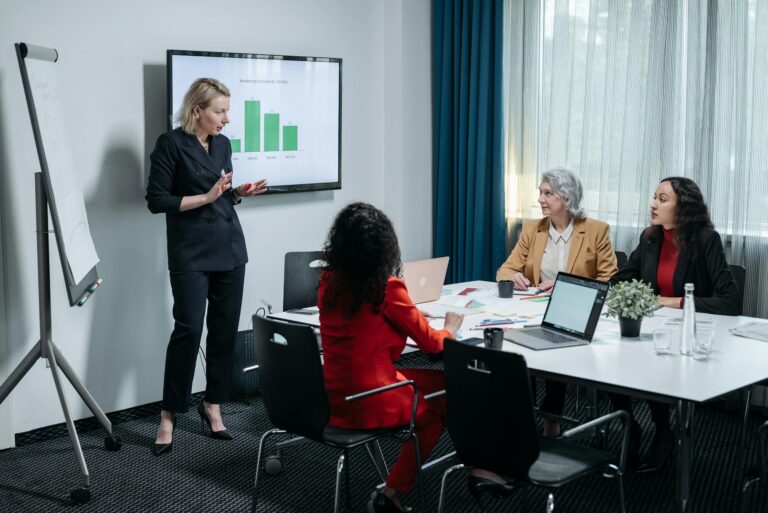

HSP anxiety describes the heightened stress response that highly sensitive people experience when their nervous systems process emotional and sensory information more intensely than average. Highly sensitive people, a trait identified by psychologist Elaine Aron and studied extensively at Stony Brook University, make up roughly 15 to 20 percent of the population and are wired to absorb and process stimuli at a deeper level than most. That depth is a genuine strength, and it also means anxiety can arrive faster, hit harder, and linger longer.
What makes HSP anxiety distinct from general anxiety is the specific interplay between sensory depth and emotional processing. Ordinary environments, a loud meeting room, a tense email, a packed commute, can register as genuinely overwhelming rather than mildly inconvenient. Understanding that distinction changes everything about how you manage it.

Anxiety for highly sensitive people sits at the intersection of personality, neurology, and environment. If you want to understand how this fits into the broader picture of introvert mental health, our Introvert Mental Health Hub covers the full landscape, from sensory overwhelm to workplace stress to finding the right professional support. This article focuses specifically on what HSP anxiety actually looks like beneath the surface, why standard coping advice often misses the mark, and what genuinely helps.
What Does HSP Anxiety Actually Feel Like From the Inside?
Most descriptions of anxiety focus on the symptoms: racing heart, shallow breathing, intrusive thoughts. For highly sensitive people, those symptoms are real, but they often arrive wrapped in something harder to name. There’s a quality of being porous, of absorbing the emotional weather of every room you enter, every conversation you witness, every piece of news you encounter.
What’s your personality type?
Take our free 40-question assessment and get a detailed personality profile with dimension breakdowns, context analysis, and personalised insights.
Discover Your Type8-12 minutes · 40 questions · Free
I spent two decades running advertising agencies, and I can tell you that I felt the emotional temperature of every client meeting before a single word was spoken. A slight tension in a client’s posture, a clipped response in an email, a pause that lasted half a second too long. My mind catalogued all of it, processed it, and began running scenarios. That’s not catastrophizing. That’s a finely tuned nervous system doing exactly what it was built to do. The problem was that I had no framework for understanding why I was exhausted after meetings that my colleagues found energizing, or why a difficult phone call could derail my entire afternoon.
A 2012 study published in PubMed Central confirmed that sensory processing sensitivity involves deeper cognitive processing of stimuli, greater emotional reactivity, and stronger empathy responses. Those three elements combine to create an anxiety experience that feels less like a switch being flipped and more like a volume dial that never quite turns all the way down.
Highly sensitive people often describe their anxiety as anticipatory. Before a difficult conversation, before a crowded event, before any situation with uncertain social dynamics, the nervous system begins preparing. That preparation is exhausting in itself, often before anything has actually happened. And when the event passes without incident, there’s rarely a clean sense of relief. The system keeps processing, replaying, evaluating.
Why Does Emotional Contagion Make HSP Anxiety Worse?
One of the most underappreciated dimensions of HSP anxiety is emotional contagion, the way highly sensitive people absorb the emotional states of those around them, often without realizing it’s happening. You walk into a room where two colleagues have just had an argument. They’ve moved on. You feel the residue of it for the next hour.
A 2013 study in PubMed Central found that individuals with high sensory processing sensitivity show significantly greater neural activation in regions associated with empathy and awareness of others’ emotional states. The brain of a highly sensitive person is genuinely working harder in social environments, processing more information, and integrating it more deeply.
In my agency years, I managed teams of 20 to 30 people at peak periods. The emotional currents running through those teams were constant: creative tension, deadline pressure, client friction, interpersonal dynamics. I absorbed all of it. My staff would sometimes ask why I seemed tired after what looked like a light meeting day. The honest answer was that no meeting day was light for me. Every interaction carried weight, and I was carrying all of it simultaneously.
Emotional contagion becomes a specific anxiety trigger because it bypasses your rational mind entirely. You don’t decide to absorb someone else’s stress. Your nervous system simply does it. Coping strategies that work by reframing thoughts, like cognitive behavioral techniques, can help with conscious anxiety spirals, but they don’t address the automatic absorption that happens before thought even enters the picture. That’s why understanding your own mental health needs as an introvert requires going deeper than standard advice typically reaches.
How Does the Workplace Amplify HSP Anxiety in Specific Ways?
Open-plan offices have become the default workspace design for much of the corporate world, and for highly sensitive people, they represent a particular kind of sustained stress. A piece in the Harvard Business Review noted that open offices, despite being designed to encourage collaboration, often reduce productivity and increase stress for employees who need focused, low-stimulation environments to do their best work.
For highly sensitive people, that finding lands with specific force. It’s not a preference for quiet. It’s a neurological reality. Background conversations, competing sounds, the visual movement of other people, the ambient emotional energy of a shared space: all of it registers and demands processing. By mid-morning in a busy open office, many highly sensitive people have already spent significant cognitive and emotional resources just managing the environment, before any actual work has happened.
Managing introvert workplace anxiety takes on a different character when sensory sensitivity is part of the picture. Standard advice about setting boundaries and speaking up in meetings doesn’t account for the fact that the environment itself may be generating a stress load that no amount of boundary-setting can fully offset.
When I moved from working in a large agency building to running a smaller boutique operation, the shift in my anxiety levels was immediate and significant. I hadn’t changed my workload. I hadn’t changed my clients. What changed was the sensory environment, and that single variable made an enormous difference in how much cognitive capacity I had available for actual creative and strategic work. That experience taught me something I wish I’d understood twenty years earlier: environment is not a soft variable. For highly sensitive people, it’s a primary one.
What’s the Relationship Between HSP Anxiety and Perfectionism?
Perfectionism shows up frequently in highly sensitive people, and it’s worth examining why, because the connection runs deeper than simply caring about quality. Highly sensitive people process feedback, criticism, and perceived failure with greater emotional intensity than average. A critical comment in a performance review doesn’t land as data to be evaluated. It lands as a felt experience, something that reverberates.
Because the emotional cost of making mistakes or receiving criticism is genuinely higher for highly sensitive people, perfectionism often develops as a preemptive strategy. If the work is beyond reproach, there’s nothing to criticize. If every detail is covered, there’s no vulnerability. The anxiety that drives perfectionism in highly sensitive people is, at its root, a protective response to a nervous system that experiences negative feedback as genuinely painful.
Newer research published in Nature has continued to map the neurological underpinnings of sensory processing sensitivity, showing that the trait involves measurable differences in brain activity related to attention, self-awareness, and emotional processing. Perfectionism in this context isn’t a character flaw. It’s a coping mechanism built on a real neurological foundation.
I ran creative departments for years, and the perfectionistic tendencies in my most sensitive team members were also the source of their most remarkable work. The challenge was helping them, and myself, recognize when perfectionism had shifted from quality-driving to anxiety-driven. Those are different states, and they produce different results. Quality-driving perfectionism refines. Anxiety-driven perfectionism stalls.

How Is HSP Anxiety Different From Social Anxiety Disorder?
This distinction matters enormously, both for how you understand yourself and for how you seek support. HSP anxiety and social anxiety disorder can look similar from the outside, and they can coexist, but they’re not the same thing.
Social anxiety disorder is a clinical condition characterized by intense fear of social situations, specifically the fear of being judged, embarrassed, or humiliated. It involves significant impairment in daily functioning and typically centers on the social evaluation component. A person with social anxiety disorder isn’t just uncomfortable in crowds. They’re afraid of what those crowds might think of them.
HSP anxiety, by contrast, is often less about social evaluation and more about sensory and emotional overload. A highly sensitive person may feel anxious in a crowded room not because they fear judgment but because the noise, the movement, the competing emotional signals, and the sheer volume of information are genuinely overwhelming their nervous system. The anxiety is real and significant, but its source is different. Understanding the difference between social anxiety disorder and personality-based traits can help you find the right support rather than misapplying frameworks that don’t quite fit.
There’s also an important overlap to acknowledge. Highly sensitive people who have spent years feeling overwhelmed in social environments, and who have received messages that their sensitivity is a problem, can develop genuine social anxiety as a secondary layer. The original issue was sensory and emotional processing. The social anxiety developed as a response to years of feeling out of place.
What Coping Strategies Actually Address the Root of HSP Anxiety?
Standard anxiety advice, breathe deeply, challenge negative thoughts, push through discomfort, can be useful, but it often addresses the symptom rather than the source. For highly sensitive people, the most effective coping strategies work with the nervous system rather than against it.
Proactive Decompression Scheduling
Highly sensitive people often treat recovery time as something they’ll get to if there’s a gap in the schedule. That approach consistently fails because the schedule rarely produces gaps. Proactive decompression means treating recovery as a non-negotiable appointment, scheduled in advance, protected with the same firmness as a client meeting.
In my agency days, I started blocking thirty minutes after every major client presentation. My team thought I was reviewing notes. What I was actually doing was sitting quietly, letting my nervous system process and settle. That single habit reduced my post-presentation anxiety considerably, not because the presentations became less intense, but because my system had a reliable pathway to recovery.
Environmental Design as Anxiety Prevention
Reducing sensory load before anxiety escalates is far more effective than managing anxiety after it arrives. Practical environmental solutions for HSP sensory overwhelm include controlling lighting, sound, and visual clutter in your primary spaces, creating a low-stimulation anchor space you can return to throughout the day, and being intentional about the order in which you schedule demanding versus restorative activities.
Recent research published in Nature has explored how environmental factors interact with sensory processing sensitivity, reinforcing what many highly sensitive people already know intuitively: the spaces you inhabit have a direct effect on your anxiety levels, not as a matter of preference, but as a matter of neurology.
Somatic Grounding Over Cognitive Reframing
When HSP anxiety is rooted in nervous system activation rather than conscious thought patterns, cognitive reframing has limited reach. Somatic approaches, those that work through the body, often prove more effective. Slow, extended exhales activate the parasympathetic nervous system directly. Progressive muscle relaxation reduces the physical tension that amplifies emotional sensitivity. Cold water on the wrists or face can interrupt an escalating stress response quickly.
The American Psychological Association has documented the effectiveness of body-based stress management techniques, and for highly sensitive people who experience anxiety as a felt, physical phenomenon, these approaches often land more reliably than thought-based strategies alone.
Deliberate Input Management
Highly sensitive people absorb more from their environment than most people realize, including from media, news, and digital content. Managing what enters your awareness isn’t avoidance. It’s intelligent resource allocation. A nervous system that’s already processing deeply doesn’t need additional high-stimulation input to function well. It needs selective, meaningful input.
This applies to travel as well. Many highly sensitive people love exploring new places and find that the sensory richness of travel feeds something essential in them. The challenge is managing the overstimulation that can come with unfamiliar environments, crowds, and disrupted routines. Thoughtful strategies for introvert travel translate directly to HSP travel, with particular attention to building in more recovery time, choosing accommodations that offer genuine quiet, and pacing itineraries to avoid consecutive high-stimulation days.

When Does HSP Anxiety Call for Professional Support?
There’s a meaningful difference between HSP anxiety that responds to lifestyle adjustments and HSP anxiety that has become chronic, impairing, or layered with depression or other clinical concerns. Knowing when to move from self-management to professional support is important, and it doesn’t signal failure. It signals self-awareness.
Signs that professional support is warranted include anxiety that persists regardless of environmental changes, sleep disruption that’s consistent and significant, avoidance of important activities or relationships because the anxiety feels unmanageable, and physical symptoms that don’t resolve with rest. If your HSP anxiety is shaping your life in ways you didn’t choose, professional guidance can make a genuine difference.
Finding the right therapeutic approach matters as much as finding the right therapist. Therapy for introverts requires a practitioner who understands that sensitivity isn’t pathology, and who can distinguish between anxiety that needs clinical treatment and a nervous system that needs better support structures. Not every therapist has that literacy around sensory processing sensitivity, so asking directly whether they have experience with HSPs or sensory processing traits is a reasonable and useful question.
A graduate research compilation from the University of Northern Iowa examined how sensory processing sensitivity intersects with mental health outcomes, noting that highly sensitive individuals benefit most from therapeutic approaches that validate the trait rather than pathologize it. That finding aligns with what many highly sensitive people report: being told their sensitivity is the problem, rather than the mismatch between their sensitivity and their environment, is itself a source of distress.
How Do You Build Self-Knowledge That Actually Reduces HSP Anxiety Over Time?
Coping strategies are useful. Self-knowledge is more powerful. The highly sensitive people I’ve observed managing their anxiety most effectively, including the version of myself I’m still working toward, share a common quality: they know their specific triggers, their personal thresholds, and their reliable recovery pathways with considerable precision.
That self-knowledge doesn’t arrive automatically. It develops through deliberate attention. Keeping a simple log of anxiety episodes, noting what preceded them, what environment you were in, what emotional inputs you’d absorbed in the hours before, begins to reveal patterns. Those patterns are genuinely useful. They shift you from reactive to proactive, from managing anxiety as it arrives to adjusting conditions before it does.
One pattern I identified in myself relatively late was that my anxiety spiked predictably after periods of sustained social performance, specifically the kind of performance that required me to present as more extroverted than I naturally am. Client pitches, team all-hands meetings, networking events: all of these required me to operate outside my natural register. The anxiety that followed wasn’t about those events going badly. It was about the sustained effort of being someone I wasn’t, even temporarily.
Once I identified that pattern, I could address it specifically. I stopped scheduling anything demanding in the 24 hours following major presentations. I built in transition time between high-performance situations and ordinary work. I stopped interpreting the post-event exhaustion and anxiety as weakness and started treating it as information. That reframe, from character flaw to useful data, changed my relationship with my own sensitivity in a meaningful way.
Self-knowledge also means understanding what genuinely restores you, not what you think should restore you. Many highly sensitive people have absorbed the message that social connection is always restorative, or that exercise is universally helpful for anxiety. Those things may be true for you. They may not be. Quiet reading might restore you more than a walk with a friend. Solitary creative work might settle your nervous system more reliably than a yoga class. Honoring your actual experience rather than the prescribed experience is a form of self-respect that compounds over time.
HSP anxiety is not a life sentence. It’s a signal from a nervous system that’s doing exactly what it was designed to do, processing deeply, absorbing widely, and caring about the quality of its experience. The work isn’t to silence that signal. The work is to understand it well enough that it becomes a source of information rather than a source of suffering. That shift is available to you, and it starts with the kind of honest, patient self-observation that highly sensitive people, by nature, are already equipped to do.
Find more resources on managing anxiety, building mental resilience, and understanding your sensitive nervous system in our complete Introvert Mental Health Hub.
About the Author
Keith Lacy is an introvert who’s learned to embrace his true self later in life. After 20 years in advertising and marketing leadership, including running agencies and managing Fortune 500 accounts, Keith now channels his experience into helping fellow introverts understand their strengths and build fulfilling careers. As an INTJ, he brings analytical depth and authentic perspective to every article, drawing from both professional expertise and personal growth.
Frequently Asked Questions
Is being highly sensitive the same as having an anxiety disorder?
No. High sensitivity is a personality trait involving deeper sensory and emotional processing, not a clinical diagnosis. Anxiety disorders are clinical conditions that involve significant impairment in daily functioning. Highly sensitive people can experience more frequent or intense anxiety because their nervous systems process stimuli more deeply, but that doesn’t automatically constitute a disorder. Some highly sensitive people do develop anxiety disorders, particularly when their sensitivity has been misunderstood or unsupported over time, and in those cases professional support is appropriate and effective.
Can highly sensitive people reduce their anxiety without changing their personality?
Yes, and that’s actually the most effective approach. Sensory processing sensitivity is a stable, heritable trait, not something to be eliminated. The goal is to create conditions, environmental, relational, and behavioral, that allow the trait to function as a strength rather than a liability. Coping strategies that work with the nervous system, such as proactive decompression, environmental design, and somatic grounding, reduce anxiety without requiring any change to the underlying personality. The sensitivity remains. The suffering decreases.
Why do highly sensitive people often feel anxious even when nothing is obviously wrong?
Because the nervous system of a highly sensitive person is continuously processing information that others might not consciously register at all. Subtle shifts in someone’s tone, ambient emotional tension in a room, the cumulative sensory load of a busy environment: all of these register and require processing. Anxiety can arise from that processing load even when no single identifiable stressor is present. This is sometimes described as free-floating anxiety, but for highly sensitive people it often has a specific source in accumulated sensory and emotional input that hasn’t yet been fully processed.
How does HSP anxiety show up differently in introverts compared to extroverts who are highly sensitive?
Highly sensitive extroverts tend to seek social connection as a primary recovery strategy, but still experience sensory overload in high-stimulation environments. Highly sensitive introverts, who represent roughly 70 percent of all highly sensitive people according to Elaine Aron’s research, typically find that solitude is the most reliable recovery pathway. For introverted highly sensitive people, anxiety often builds more rapidly in social environments because both the introversion and the sensitivity are drawing on the same recovery resources. The combination means that social recovery time isn’t optional. It’s essential.
What should I look for in a therapist if I think my anxiety is connected to high sensitivity?
Look for a therapist who is familiar with sensory processing sensitivity as a trait rather than a symptom. Ask directly whether they have experience working with highly sensitive clients and whether they view sensitivity as a personality trait or a problem to be corrected. Therapists trained in somatic approaches, mindfulness-based therapies, or acceptance-based frameworks often work well with highly sensitive clients because these methods engage the body and the nervous system rather than relying solely on cognitive restructuring. A good fit means feeling understood rather than pathologized from the very first session.