

Setting HSP boundaries means creating intentional limits around your emotional, sensory, and social energy so your heightened sensitivity becomes a strength rather than a source of exhaustion. Highly sensitive people process stimulation more deeply than most, which means unprotected exposure to conflict, noise, emotional demands, and overstimulation doesn’t just tire them out. It genuinely depletes them at a neurological level. Healthy limits aren’t walls. They’re the structure that makes connection possible.
What makes boundary-setting particularly complicated for HSPs is that the same wiring that makes you perceptive and empathetic also makes you acutely aware of how your limits affect other people. You feel their disappointment. You anticipate their frustration. And so you often override your own needs before you’ve even consciously registered them, not out of weakness, but out of sensitivity to the emotional field around you.
That pattern, I know intimately. And it took me longer than I’d like to admit to recognize it for what it was.
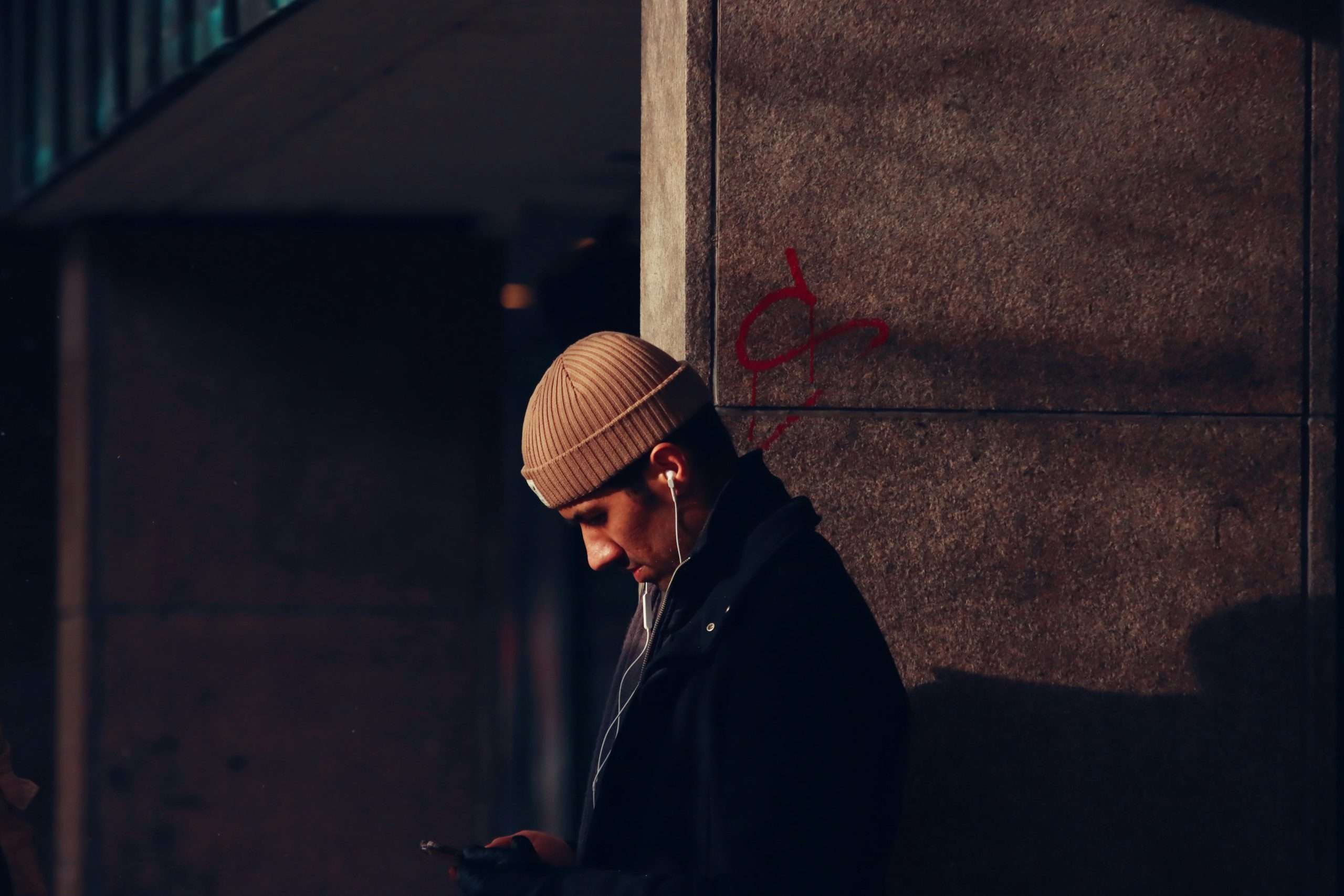
Running advertising agencies for over two decades, I operated in an environment that was essentially designed to overwhelm someone wired the way I am. Loud pitches, open offices, client dinners that stretched past 10 PM, and a cultural expectation that the best leaders were always accessible, always “on.” As an INTJ with high sensitivity, I absorbed everything. The tension in a client’s voice. The undercurrent of competition in a team meeting. The unspoken disappointment when a campaign didn’t land the way we’d hoped. I processed all of it, and I processed it deeply. What I didn’t do, for a long time, was protect myself from any of it.
There’s a broader conversation happening in our community about introversion and sensitivity, and you can find a rich starting point for it in the General Introvert Life hub, where we explore everything from managing energy to finding your footing in a world that doesn’t always make room for quieter personalities. This article goes deeper into one specific piece of that puzzle: how highly sensitive people can set limits that actually hold, without guilt, without apology, and without losing the warmth and connection that makes sensitivity so valuable in the first place.
What Does It Actually Mean to Be a Highly Sensitive Person?
The term “highly sensitive person” was coined by psychologist Elaine Aron in the 1990s, and it describes a trait, formally called sensory processing sensitivity, that affects an estimated 15 to 20 percent of the population. It’s not a disorder. It’s not fragility. It’s a neurological difference in how the brain processes and reflects on information from the environment.
A 2018 study published in Frontiers in Psychology found that highly sensitive individuals show greater activation in brain regions associated with awareness, empathy, and integration of sensory information. That means when you walk into a room and immediately sense the tension between two colleagues, or when you feel physically drained after a long social event, or when criticism lands with a weight that seems disproportionate to the words themselves, your nervous system isn’t overreacting. It’s doing exactly what it was built to do, just with more intensity and depth than average.
The four core characteristics that define high sensitivity are often summarized with the acronym DOES: Depth of processing, Overstimulation, Emotional reactivity and empathy, and Sensitivity to subtleties. Each of these is a genuine asset in the right context. Depth of processing makes you a careful thinker. Emotional reactivity makes you a compassionate colleague or partner. Sensitivity to subtleties makes you perceptive in ways that others simply aren’t. Yet without healthy limits around your energy and exposure, each of these strengths can become a source of chronic depletion.
One thing worth addressing directly: being highly sensitive doesn’t mean being an introvert, and being an introvert doesn’t mean you’re highly sensitive. There’s significant overlap, but they’re distinct traits. Many of the introversion myths that persist in our culture blur this distinction, treating sensitivity as a character flaw rather than a biological reality. Separating those two ideas matters, because the strategies that serve highly sensitive people are specific to their nervous system, not just their social preferences.
Why Do HSPs Struggle So Much With Setting Limits?

There are several reasons limit-setting feels so difficult for highly sensitive people, and most of them are rooted in the same trait that makes them exceptional at reading rooms, building relationships, and anticipating needs.
Empathy is a significant part of the picture. Research from the Greater Good Science Center at Berkeley distinguishes between cognitive empathy (understanding what someone else is feeling) and affective empathy (actually feeling it yourself). Highly sensitive people tend to experience both at elevated levels. So when you decline an invitation or ask someone to lower their voice or tell a colleague you can’t take on another project, you don’t just notice their disappointment intellectually. You feel it in your body. That felt experience makes saying no genuinely uncomfortable in a way that goes beyond social awkwardness.
There’s also the cultural piece. Many of us grew up in environments that rewarded responsiveness and penalized withdrawal. Being available, agreeable, and accommodating was praised. Taking space, expressing limits, or saying “I need quiet right now” was treated as antisocial or difficult. Over time, many sensitive people internalize the message that their needs are inconvenient, and they become experts at managing other people’s comfort at the expense of their own.
I saw this play out in my agency years in ways I didn’t fully understand at the time. I had a senior copywriter on my team, one of the most talented people I’ve ever worked with, who would consistently take on more work than she could sustain. She never said no to a client request. She absorbed feedback with a grace that I admired. And then, every few months, she’d go quiet for a week, barely functional, clearly running on empty. What I understand now is that she was highly sensitive, and she had no structure in place to protect her capacity. Her limits weren’t missing. They were just invisible, even to her.
A 2020 study in Frontiers in Psychology found that sensory processing sensitivity is associated with stronger emotional responses to both positive and negative stimuli, and that this heightened reactivity can contribute to burnout when individuals lack adequate coping resources. Limits are one of those resources. Not a luxury. A necessity.
What Are the Different Types of Limits HSPs Need?
Healthy limits for highly sensitive people span several domains, and understanding each one helps you identify where your energy is leaking most.
Sensory Limits
These are the most concrete and often the easiest to start with. Sensory limits involve protecting yourself from environments and inputs that overwhelm your nervous system. Loud restaurants, fluorescent lighting, crowded open offices, prolonged exposure to screens, and even certain fabrics or temperatures can all register as stressors for a highly sensitive nervous system. The CDC’s research on noise exposure confirms that chronic noise doesn’t just feel unpleasant. It has measurable physiological effects, including elevated cortisol and disrupted sleep. For HSPs, these effects are amplified.
Sensory limits might look like requesting a quieter workspace, wearing noise-canceling headphones during focused work, leaving a party before you’re completely depleted, or building buffer time into your schedule between stimulating activities. None of these are dramatic. All of them matter.
Emotional Limits
Emotional limits involve managing how much of other people’s emotional content you absorb and carry. Highly sensitive people are often the ones others come to with problems, because they listen well and respond with genuine care. That’s a gift. Yet without limits around it, you can find yourself functioning as an emotional container for everyone in your life while your own internal reserves run dry.
Emotional limits aren’t about becoming cold or unavailable. They’re about being honest about your capacity. “I want to be here for you, and I need about an hour before I can give you my full attention” is a complete sentence. So is “I’m not in a place to hold this right now, can we talk tomorrow?”
Social and Time Limits
These involve protecting your schedule from the kind of back-to-back social demands that leave highly sensitive people feeling hollowed out. It’s not that you don’t enjoy people. It’s that you need more recovery time between interactions than most, and that’s not a flaw in your design. It’s a feature of deep processing.
During my agency years, I used to schedule client dinners, internal reviews, and networking events in clusters, thinking efficiency meant density. What I was actually doing was setting myself up for a collapse every few weeks. Once I started treating white space on my calendar as protected time rather than wasted time, my quality of work improved, my patience returned, and I stopped dreading Monday mornings.
Digital and Information Limits
The constant availability of information, news, and social connection is particularly taxing for people who process deeply. Highly sensitive people don’t skim. They absorb. A disturbing news story doesn’t pass through them the way it might for someone with a less reactive nervous system. It settles. It circulates. It affects their mood, their sleep, and their capacity to be present.
Digital limits might include designated times for checking news or social media, turning off notifications during recovery periods, or simply being intentional about what content you allow into your mental space. Harvard Health’s guidance on sleep hygiene emphasizes reducing stimulating screen exposure before bed, and for highly sensitive people, this isn’t just a sleep tip. It’s a nervous system protection strategy.

How Do You Actually Set Limits Without Feeling Guilty?
Knowing that you need limits and feeling comfortable establishing them are two very different things. The guilt that accompanies limit-setting for highly sensitive people is real, and it doesn’t disappear just because you intellectually understand that your needs are valid. So let’s talk about the practical side.
Start by separating the limit from the explanation. Many HSPs over-explain their limits because they’re trying to preemptively manage the other person’s reaction. The over-explanation often backfires, opening the door to negotiation or making the limit feel tentative. A clear, warm, brief statement is more effective and less exhausting. “I can’t make it tonight” is a complete sentence. You can add warmth without adding justification: “I can’t make it tonight, I’d love to catch up next week though.”
Practice with lower-stakes situations first. Saying no to a social obligation you didn’t want to attend is easier than telling your manager you need a quieter workspace. Build the muscle in contexts where the emotional stakes feel manageable, and you’ll find it becomes more available to you when the stakes are higher.
Pay attention to what your body is telling you before your mind catches up. Highly sensitive people often experience physical signals, a tightening in the chest, a drop in energy, a sense of dread, before they consciously recognize that a limit is being approached. Learning to read those signals as information rather than inconveniences is one of the most valuable skills you can develop. A 2019 study published through PubMed Central on emotional awareness found that interoceptive sensitivity, the ability to notice internal bodily states, is closely linked to emotional regulation. Your body is giving you data. Trust it.
There’s also something important to name about the difference between limits and avoidance. Avoidance is driven by fear. Limits are driven by self-knowledge. Avoidance shrinks your world. Healthy limits make engagement sustainable. success doesn’t mean withdraw from life. It’s to participate in it without destroying yourself in the process.
One of the most significant shifts in my own life came when I stopped framing my need for recovery time as a weakness and started treating it as a professional asset. When I was rested and protected from overstimulation, I was sharper, more creative, and more genuinely present with clients and colleagues. My limits weren’t costing the agency anything. Their absence was.
How Do Highly Sensitive People Handle Pushback on Their Limits?
Even well-communicated limits get tested. People who are used to your availability will sometimes push back when you establish something new. This is normal. It doesn’t mean your limit is wrong. It means people are adjusting to a change in pattern.
The most effective response to pushback is consistency, not escalation. You don’t need to defend, argue, or justify your limit more forcefully. You simply hold it calmly and repeat it as needed. “I understand that’s frustrating. My answer is still no.” The emotional charge in pushback can feel enormous to a highly sensitive person, and the temptation is to cave just to relieve the tension. Recognize that impulse for what it is, a nervous system response to discomfort, not a signal that you were wrong.
It’s also worth acknowledging that some relationships genuinely can’t accommodate your limits, and that’s important information. A workplace culture that treats every expression of personal capacity as a performance problem, or a relationship where your needs are consistently treated as inconveniences, isn’t a context where limits will ever feel safe. That’s a different conversation, but it’s connected. Introvert discrimination is real, and highly sensitive people often experience it in compounded ways, facing pressure not just to be more extroverted, but to be less affected, less reactive, less themselves.
Finding environments and relationships where your wiring is respected rather than pathologized isn’t a luxury. It’s a precondition for sustainable wellbeing. Part of that means being honest with yourself about which contexts are genuinely workable and which ones are asking you to pay a price you can’t keep affording.
What Role Does Self-Awareness Play in Protecting Your Energy?

Self-awareness is the foundation everything else is built on. Without a clear picture of what depletes you, what restores you, and where your current limits are being violated, even the best limit-setting strategies will feel like guesswork.
One practice I’ve found genuinely useful is what I think of as an energy audit. Not a formal exercise, just a habit of noticing. At the end of a day or a week, I ask myself: what left me feeling drained, and what left me feeling like myself? Over time, patterns emerge. For me, back-to-back video calls are more depleting than in-person meetings. Large group dynamics take more from me than one-on-one conversations. Environments with ambient noise I can’t control affect my ability to think clearly in ways that silence simply doesn’t.
Knowing those patterns means I can make intentional choices rather than reactive ones. I can schedule recovery time after a depleting context. I can advocate for the kind of environment where I do my best work. I can recognize early signs of overstimulation and respond before I’m already at the bottom.
Self-awareness also means understanding the difference between your baseline and your depleted state. Many highly sensitive people have operated in a state of chronic overstimulation for so long that they’ve lost the reference point for what “okay” actually feels like. Getting back to baseline sometimes requires a more deliberate period of protection and rest before you can accurately assess what you need going forward.
This connects to something broader about the quiet power that introverts and sensitive people carry. That power doesn’t disappear when you’re depleted. It goes underground. Protecting your energy isn’t self-indulgence. It’s how you stay connected to what makes you valuable, perceptive, creative, and genuinely present.
How Can HSPs Build Recovery Into Daily Life?
Limits create the container. Recovery fills it back up. Both are necessary, and for highly sensitive people, recovery isn’t a passive process. It requires intention.
What counts as recovery varies by person. For some, it’s solitude and silence. For others, it’s gentle movement, time in nature, creative work, or connection with one trusted person in a low-stimulation environment. The common thread is that genuine recovery involves low demand and low stimulation, allowing your nervous system to downregulate after periods of intensity.
Sleep is foundational. Research from PubMed Central on sleep and emotional processing has found that sleep plays a critical role in regulating emotional reactivity and consolidating emotional memories. For highly sensitive people who process emotional content more deeply, adequate sleep isn’t optional. It’s part of how the nervous system clears the backlog of a day’s worth of deep processing.
Building recovery into daily life also means treating it as non-negotiable rather than conditional. Many HSPs fall into the pattern of rewarding themselves with rest after they’ve pushed through enough. Recovery becomes a prize rather than a practice. That framing keeps you in a perpetual cycle of depletion and catch-up. Scheduling recovery time the way you’d schedule a meeting, protecting it with the same firmness you’d protect a client commitment, changes the dynamic entirely.
There are practical strategies for this in the broader context of living as an introvert in an extroverted world, many of which translate directly to the HSP experience. The world isn’t going to slow down or quiet down to accommodate your nervous system. Your systems have to create that space within the noise.
In my agency years, I eventually built what I called “white mornings” into my schedule. No meetings before 10 AM on Tuesdays and Thursdays. No exceptions. My team thought it was a quirk. What it actually was, was the thing that kept me functional and creative for the rest of the week. The productivity I gained in those protected mornings more than compensated for the scheduling inconvenience. That’s what real recovery infrastructure looks like.
What Does Long-Term Wellbeing Look Like for a Highly Sensitive Person?
Long-term wellbeing for highly sensitive people isn’t about managing symptoms. It’s about building a life that’s genuinely compatible with how you’re wired. That’s a bigger project than any single limit or practice, and it unfolds over time.
Part of it is environmental. Where you live, how your workspace is set up, what kind of social structures you build around yourself, all of these either support or undermine your nervous system on a daily basis. Small adjustments accumulate. A quieter commute, a workspace with natural light, a social calendar that has genuine white space, these aren’t trivial preferences. They’re the architecture of a sustainable life.
Part of it is relational. The people who are closest to you shape your daily emotional environment more than almost anything else. Relationships where your sensitivity is understood, or at least respected, feel fundamentally different from relationships where you’re constantly explaining or defending yourself. You don’t need everyone in your life to be highly sensitive. You do need the people closest to you to be capable of honoring your limits without treating them as problems to be solved.
Part of it is vocational. Highly sensitive people often thrive in work that draws on their perceptiveness, creativity, and depth of engagement, and struggle in environments that demand constant high-stimulation performance. That’s not a limitation. It’s a direction. Finding genuine peace in a noisy world often starts with finding work that doesn’t require you to fight your own nervous system for eight hours a day.
And part of it, honestly, is acceptance. Not resignation, but genuine acceptance of the trait itself. Highly sensitive people who spend their energy wishing they were less sensitive, tougher, less affected, burn through enormous reserves in a battle they can’t win. The trait isn’t going anywhere. The question is whether you build a life that works with it or against it.
One of the most meaningful things I’ve witnessed in this community is highly sensitive people who’ve stopped apologizing for their wiring and started building from it. They’re not hiding in their sensitivity. They’re working with it, setting limits that protect it, and showing up more fully because of it. That’s not a compromise. That’s what thriving actually looks like.
For students who are highly sensitive and still figuring out how to manage their energy in structured environments, the back to school guide for introverts covers specific strategies for classroom and campus settings that are just as relevant for HSPs as for introverts more broadly.
Explore more resources on sensitivity, energy management, and introvert wellbeing in the complete General Introvert Life hub.
About the Author
Keith Lacy is an introvert who’s learned to embrace his true self later in life. After 20 years in advertising and marketing leadership, including running agencies and managing Fortune 500 accounts, Keith now channels his experience into helping fellow introverts understand their strengths and build fulfilling careers. As an INTJ, he brings analytical depth and authentic perspective to every article, drawing from both professional expertise and personal growth.
Frequently Asked Questions
What are HSP boundaries and why do highly sensitive people need them?
HSP boundaries are intentional limits around sensory input, emotional demands, social exposure, and information consumption that protect the highly sensitive person’s nervous system from chronic overstimulation. Because HSPs process all stimuli more deeply than average, they deplete faster and need more deliberate protection of their energy. Without these limits, highly sensitive people are at significantly higher risk of burnout, anxiety, and emotional exhaustion, not because they’re weak, but because their depth of processing comes at a real neurological cost.
How do I set limits without feeling guilty as an HSP?
Guilt is common for highly sensitive people because their empathy means they genuinely feel the impact their limits have on others. The most effective approach is to separate the limit from the explanation, keeping your communication warm but brief rather than over-justifying. Practice in lower-stakes situations to build confidence, and remind yourself that guilt is a feeling, not a signal that you’ve done something wrong. Consistent, calm limits are more effective and less draining than limits delivered with lengthy apologies.
Can you be highly sensitive and not be an introvert?
Yes. High sensitivity and introversion are distinct traits that frequently overlap but don’t always co-occur. Researchers estimate that about 30 percent of highly sensitive people are extroverted. Both introverts and extroverts can have highly sensitive nervous systems. The difference is that extroverted HSPs may seek social stimulation while still being overwhelmed by sensory or emotional overload, whereas introverted HSPs often find social interaction itself to be a primary source of depletion. Understanding which combination you are helps you tailor your limits accordingly.
What types of limits matter most for highly sensitive people?
The four most important categories are sensory limits (protecting yourself from noise, light, and environmental overwhelm), emotional limits (managing how much of others’ emotional content you absorb), social and time limits (building recovery time between interactions), and digital limits (controlling your exposure to stimulating or distressing information). Most highly sensitive people need attention in all four areas, though the specific priorities vary by individual. Starting with whichever category feels most depleting in your current life is a practical approach.
How do I know if I’m a highly sensitive person?
Common indicators include being deeply moved by art, music, or meaningful experiences; feeling overwhelmed by busy or noisy environments; needing significant recovery time after social events; being strongly affected by others’ emotions; processing decisions and experiences with unusual depth; and noticing subtleties in your environment that others seem to miss. Elaine Aron’s self-test, available through her published research, is a widely used starting point. A score suggesting high sensitivity doesn’t require a clinical diagnosis. It’s a trait description, not a disorder, and recognizing it in yourself is the first step toward building a life that works with it.