
HSP shopping, the experience of moving through retail environments as a highly sensitive person, can turn a simple errand into something that leaves you depleted for hours. The fluorescent lights, the competing music from neighboring stores, the unpredictable crowds and the sheer volume of choices all pile on top of each other in ways that most people never consciously register. Knowing why this happens, and what to do about it, makes the difference between dreading every grocery run and reclaiming your energy.
Highly sensitive people process sensory information more deeply than the general population. A 2018 study published in Frontiers in Psychology found that sensory processing sensitivity involves heightened awareness of subtleties in the environment and stronger emotional and cognitive responses to stimulation. In practical terms, that means a busy Saturday afternoon at a big-box retailer is not just mildly annoying. It is genuinely taxing at a neurological level.
I know this from the inside. Years of running advertising agencies meant I was constantly in stimulating environments: client presentations, agency pitches, open-plan offices buzzing with energy. I spent a long time convincing myself I was fine, that the exhaustion afterward was just normal work fatigue. Embracing my introversion and, eventually, recognizing my own sensory sensitivities changed how I approach every environment, including the mundane ones like the grocery store.
If you want more context on how introversion and sensitivity intersect across daily life, our General Introvert Life hub covers the full terrain, from social energy management to finding peace in a world built for louder personalities. This article goes deeper into one specific pressure point: retail spaces, and how to move through them without losing yourself.
Why Do Retail Environments Feel So Overwhelming for HSPs?
Most retail spaces are engineered to maximize stimulation. That is not an accident. Retailers have spent decades studying how sensory cues, sound levels, lighting intensity, and product density influence purchasing behavior. What works for the average shopper, keeping them engaged and in-store longer, can feel genuinely punishing for someone wired to process every layer of that environment.
Sound is often the first culprit. The CDC’s occupational noise resources note that sustained noise exposure affects cognitive performance and stress levels, even at volumes well below what most people would call “loud.” Retail environments frequently layer background music, PA announcements, refrigeration hum, checkout beeps, and ambient crowd noise into a constant sonic texture. For an HSP, each of those layers registers separately rather than blending into background noise.
Lighting adds another dimension. Fluorescent overhead lighting, common in grocery stores and big-box retailers, flickers at a frequency most people never consciously perceive. HSPs often do perceive it, and over the course of a shopping trip, that subtle flicker contributes to eye strain and mental fatigue. Add the visual density of fully stocked shelves, promotional signage competing for attention, and the unpredictable movement of other shoppers, and you have an environment that demands constant low-level processing.
Choice overload compounds everything. A 2020 study in Frontiers in Psychology examined how decision fatigue accumulates across multiple small choices, finding that cognitive load builds cumulatively rather than resetting between decisions. For an HSP who is already managing heightened sensory input, every product comparison and price evaluation adds to a mental load that builds faster than it does for less sensitive shoppers.
There is also an emotional dimension that often goes unacknowledged. HSPs tend to pick up on the emotional states of people around them, a quality connected to what researchers at the Greater Good Science Center at Berkeley describe as empathic sensitivity. A stressed cashier, a frustrated parent with a crying child, a couple arguing over which cereal to buy: these emotional signals land with more weight for an HSP, adding a social-emotional layer to an already demanding sensory environment.
One of the most persistent introversion myths is that sensitivity is a weakness or an overreaction. It is neither. It is a different mode of processing the world, one that comes with real costs in overstimulating environments but also with real advantages in others. The goal is not to become less sensitive. The goal is to stop putting yourself in situations that drain you without a plan.
What Does Retail Overwhelm Actually Feel Like for Sensitive Shoppers?
Naming the experience matters, because HSP overwhelm in retail settings does not always announce itself dramatically. It tends to build quietly, which makes it easy to dismiss until it tips into something harder to manage.
Early signs are often physical: a low-grade headache beginning around the temples, tension in the shoulders and jaw, eyes that feel tired despite adequate sleep. There is often a subtle shift in mood, a creeping irritability or flatness that feels disproportionate to what is actually happening. You might find yourself snapping at a family member over nothing, or standing in an aisle staring at two nearly identical products for far longer than makes sense, unable to make a simple call.
As the overwhelm deepens, decision-making becomes genuinely harder. This is not a character flaw. A PubMed Central study on stress and cognitive function found that acute stress impairs prefrontal cortex activity, the part of the brain responsible for planning and decision-making. An HSP handling a crowded store is experiencing a real stress response, and that stress response has measurable effects on cognitive performance.
What often follows is a strong pull toward escape. You abandon part of your list. You pick something, anything, just to be done. You leave the store feeling like you ran a sprint rather than bought some groceries. The recovery time afterward, the need to sit quietly, to decompress before you can engage with anything else, is real and valid.
I remember pitching a major automotive account during my agency years. The pitch itself went well, but the preparation involved three days of back-to-back meetings, a loud open workspace, and a client who communicated almost entirely through rapid-fire group calls. By the time we walked into the pitch room, I was already running on fumes. I delivered the work, but I had nothing left afterward. Shopping while overstimulated feels similar: you can push through, but the cost is real, and it compounds.
How Can HSPs Prepare Before They Even Enter a Store?
Preparation is where most of the real work happens. By the time you are standing under fluorescent lights with a cart, your options narrow. Before you go, they are wide open.
Choose Your Timing Deliberately
Retail traffic follows predictable patterns. Weekday mornings, particularly Tuesday through Thursday between 9 AM and 11 AM, tend to be the quietest windows in most grocery stores and pharmacies. Weekend afternoons are almost universally the worst. Saturday between noon and 4 PM is peak overwhelm territory for most sensitive shoppers.
Many large grocery chains now publish foot traffic data through apps like Google Maps, which shows real-time and historically busy periods for specific locations. Using this information to plan shopping trips is not obsessive. It is strategic. The same way I used to block my calendar around deep work hours at the agency, protecting the cognitive space where I did my best thinking, protecting your low-stimulation hours for shopping is a legitimate and effective strategy.
Build a Detailed List and Organize It by Store Layout
A vague list, “get stuff for dinner,” creates in-store decision points that multiply your cognitive load. A specific list, organized by store section so you move through the store in one efficient loop rather than backtracking, dramatically reduces the number of micro-decisions you make while already overstimulated.
Some HSPs find it helpful to note the specific brand and size they want rather than leaving those choices for the store. Yes, this requires a bit more planning at home. That planning happens in a calm environment, with full cognitive resources available. It is far less costly than standing in the cereal aisle at 2 PM on a Saturday trying to choose between seventeen options while the store’s playlist cycles through its third upbeat pop song.
Manage Your Pre-Shopping State
Going to a busy store when you are already tired, hungry, or emotionally depleted is a setup for a hard experience. Sleep quality matters here more than most people realize. Harvard Health’s guidance on sleep hygiene emphasizes that even partial sleep deprivation significantly impairs emotional regulation and stress tolerance, two things an HSP needs in full supply for a demanding sensory environment.
Eating before you shop is practical wisdom that applies even more strongly to HSPs. Low blood sugar narrows emotional bandwidth and makes sensory irritants feel sharper. A short walk or a few minutes of quiet breathing before you leave home can also lower baseline arousal, giving you a bit more buffer before the stimulation starts accumulating.
Understanding how to live as an introvert in a world not designed for your nervous system means building these kinds of buffers into ordinary life. Our article on how to live as an introvert in an extroverted world goes into this broader approach, and many of those strategies apply directly to high-stimulation environments like retail spaces.
What Strategies Help HSPs Stay Grounded While Shopping?
Even with good preparation, the store itself will throw things at you. Having in-the-moment strategies means you are not improvising under pressure.
Use Noise-Canceling or Sound-Dampening Tools
Quality noise-canceling headphones or earbuds are among the most effective tools available to a sensitive shopper. They do not have to be playing anything. Many HSPs find that simply wearing them with no audio, or with low-volume ambient sound, creates enough of a buffer to make a significant difference in how long they can stay in a store without hitting their limit.
If you prefer music, choose something you know well enough that it does not demand active listening. Familiar instrumental music tends to work better than anything with lyrics or an unpredictable structure. The goal is to reduce the acoustic complexity of your environment, not to add another layer of stimulation.
Anchor Yourself Physically
When overwhelm starts building, the instinct is often to speed up, to get through it faster. That instinct usually backfires. Moving faster increases the sensory input rate and makes it harder to maintain the focused attention you need to shop efficiently.
A more effective approach is to slow down deliberately and ground yourself physically. Feeling the weight of your feet on the floor, taking a slow breath, pressing your palms lightly against the cart handle: these small physical anchors interrupt the escalating stress response and bring you back into the present moment. They take about three seconds and they work.
During particularly demanding agency periods, I developed a version of this for conference rooms. Before walking into a high-stakes meeting, I would stand outside the door for thirty seconds, feel my feet, take two slow breaths, and then go in. It sounds almost too simple. It consistently made a measurable difference in how grounded I felt walking into the room. The same principle works in a grocery store aisle.
Give Yourself Permission to Leave
This one sounds obvious, but many HSPs push through long past their limit because leaving early feels like failure. It is not. Leaving when you have hit your threshold, picking up the rest of the list another day or ordering those items online, is a reasonable adaptation, not a defeat.
The quiet power that comes from understanding your own limits and working with them rather than against them is something I explored at length in my own work life. Our piece on the quiet power of introverts makes the case that working within your nature, rather than constantly fighting it, produces better outcomes across the board. Shopping is no different.
How Can HSPs Redesign Their Shopping Habits Structurally?
Beyond individual trips, there are structural changes to how you approach shopping as a whole that can dramatically reduce cumulative overwhelm over time.
Reduce Shopping Frequency Through Strategic Stocking
Every trip to a retail environment is a sensory expenditure. Reducing the number of trips you make reduces the total sensory load you carry across a week or month. Batch shopping, buying staples in quantities that last two to four weeks rather than shopping every few days, cuts your exposure significantly.
This requires a bit of upfront organization: knowing what you use regularly, keeping a running inventory of what is running low, and having enough storage space for larger quantities. For many HSPs, that organizational investment pays off many times over in reduced overwhelm.
Embrace Online Grocery Shopping Without Guilt
Online grocery shopping with curbside pickup or delivery is not laziness or avoidance. For an HSP, it is a sensible allocation of resources. The cognitive work of choosing products happens at home, in a calm environment, on your schedule. You skip the sensory gauntlet of the store entirely, or reduce it to a brief curbside interaction.
Some HSPs feel mild guilt about using these services, as if they should be able to handle what everyone else handles without accommodation. That guilt is worth examining. There is a broader pattern of treating sensitivity-related adaptations as indulgences rather than legitimate needs. Our piece on introvert discrimination and the biases sensitive people face touches on exactly this dynamic, the social pressure to perform ease in environments that are genuinely hard for you.
Identify Your Quieter Retail Alternatives
Not all stores are equally overwhelming. Smaller specialty stores often have lower noise levels, more manageable product selections, and a calmer overall atmosphere than large chain retailers. A local butcher, a neighborhood produce market, a small hardware store: these environments are frequently far more manageable for sensitive shoppers than their big-box equivalents.
The trade-off is sometimes price or selection. That is a real consideration. Still, for items where the options exist, choosing the less stimulating retail environment is a valid and worthwhile choice. I made a similar calculation in my agency years about which clients to pursue and which environments to put myself in. Not every opportunity is worth its sensory cost.
Shop Alone When Possible
Shopping with others, even people you love, adds a social management layer to an already demanding sensory task. You are tracking their preferences, responding to their questions, managing the pace of someone else’s decision-making. For an HSP, that social processing happens on top of the environmental processing, not instead of it.
Shopping alone, at least for major stock-up trips, allows you to move at your own pace, make decisions without input management, and leave when you need to without negotiating with anyone else’s timeline. Reserve shopping-as-social-activity for small, low-stakes outings in calm environments.
How Do HSPs Recover After a Draining Shopping Trip?
Recovery is not optional, and it is not weakness. It is the necessary counterpart to any high-stimulation experience. The question is how to make recovery efficient so it does not consume more of your day than necessary.
The first priority after a draining shopping trip is reducing sensory input as quickly as possible. Get to a quiet space. Dim the lights if you can. Remove shoes and any clothing that is physically uncomfortable. These small physical changes signal to your nervous system that the high-demand period is over.
Resist the urge to immediately jump into another task. The instinct to “make use of the time” while you are already home is understandable, but it delays recovery and often means you are operating at reduced capacity for longer. Twenty minutes of genuine quiet, doing nothing demanding, tends to produce faster and more complete recovery than pushing through into the next thing.
A PubMed Central study on restorative environments found that exposure to calm, low-stimulation settings after stress significantly reduces cortisol levels and subjective stress ratings. Nature exposure was particularly effective, but even a quiet indoor environment produced measurable recovery effects. You do not need to take a forest walk after every grocery run. You do need to give your nervous system actual rest.
Finding that quiet place, making it a genuine priority rather than something you do only when you have no other choice, is part of the larger practice of finding introvert peace in a noisy world. The shopping trip is one data point. The recovery practice is the foundation that makes all the data points sustainable.
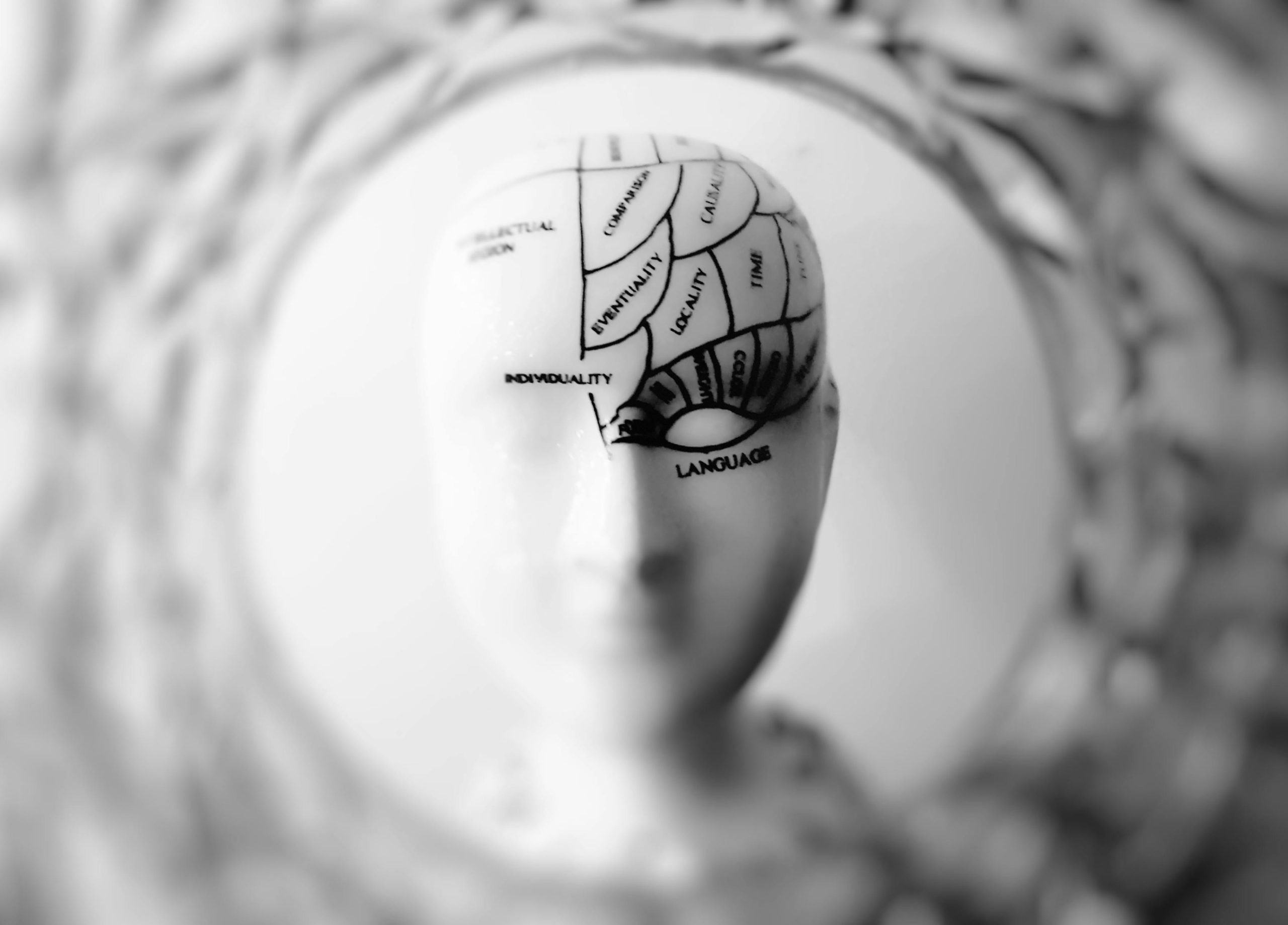
What About HSP Children and Shopping? How Do Parents Help?
Many HSP adults are also raising HSP children, or they were HSP children themselves who never had anyone explain why the grocery store felt so hard. Both perspectives matter.
For parents of sensitive children, the most important thing is to take their discomfort seriously rather than pushing them to “toughen up.” A child who melts down in a busy store is not being dramatic. They are genuinely overwhelmed, and their nervous system is doing exactly what it is built to do. Validating that experience, naming it clearly, and building in accommodations, shorter trips, quieter stores, headphones, a clear endpoint they can look forward to, teaches the child that their sensitivity is manageable rather than shameful.
The parallel to school environments is worth noting. The same sensory dynamics that make retail spaces hard for sensitive children also operate in cafeterias, hallways, and busy classrooms. Our back to school guide for introverts covers many of the same underlying principles for managing high-stimulation environments, and the strategies translate across settings.
For adults who grew up as sensitive children without this framework, there is often a layer of internalized shame around retail overwhelm. “Other people manage this fine. What is wrong with me?” Naming the experience accurately, as a neurological reality rather than a personal failing, is often the first step toward addressing it effectively. Nothing is wrong with you. Your nervous system processes the world differently, and that difference has costs in certain environments and advantages in others.
Is HSP Overwhelm in Retail Spaces a Form of Discrimination?
This is a question worth sitting with. Retail environments are designed for a particular kind of shopper, one who is energized by stimulation, comfortable with noise, and able to make rapid decisions under sensory pressure. That design excludes a meaningful portion of the population by default.
Highly sensitive people represent roughly 15 to 20 percent of the population, based on available evidence by psychologist Elaine Aron, whose foundational work identified sensory processing sensitivity as a distinct trait. That is not a small minority. Yet retail design rarely accounts for their needs, and the cultural narrative around shopping, as a leisure activity, as something enjoyable, as a social event, can make sensitive people feel like their difficulty is a personal deficiency rather than a design mismatch.
Some retailers have begun experimenting with sensory-friendly shopping hours, lower lighting, reduced music volume, and quieter environments targeted at shoppers with autism, sensory processing differences, or anxiety. These initiatives tend to benefit HSPs as well. They are still rare, but their existence signals that at least some retailers recognize the mismatch between their standard environment and a significant segment of their customer base.
The broader point connects to something I think about often: the way environments built for extroverted norms create invisible friction for people who process the world differently. That friction is rarely acknowledged as a systemic issue. It gets individualized, turned into something the sensitive person needs to fix about themselves. Recognizing it as a design problem, not a personal problem, is both more accurate and more useful.
Explore more resources on managing daily life as a sensitive introvert in our complete General Introvert Life Hub.
About the Author
Keith Lacy is an introvert who’s learned to embrace his true self later in life. After 20 years in advertising and marketing leadership, including running agencies and managing Fortune 500 accounts, Keith now channels his experience into helping fellow introverts understand their strengths and build fulfilling careers. As an INTJ, he brings analytical depth and authentic perspective to every article, drawing from both professional expertise and personal growth.
Frequently Asked Questions
What makes retail environments particularly hard for highly sensitive people?
Retail spaces combine multiple simultaneous sensory demands: fluorescent lighting, layered noise, visual density, unpredictable crowds, and constant decision-making. Highly sensitive people process each of these inputs more deeply than average, meaning the cumulative load builds faster and the recovery time required afterward is longer. Research in sensory processing sensitivity confirms that this is a neurological reality, not an overreaction.
What is the best time for an HSP to go grocery shopping?
Weekday mornings, particularly Tuesday through Thursday between 9 AM and 11 AM, tend to have the lowest foot traffic in most grocery stores. Avoiding weekend afternoons, especially Saturday midday to late afternoon, makes a significant difference. Many grocery store apps and Google Maps now show real-time and historical busy periods for specific locations, making it straightforward to identify the quietest windows at your preferred store.
Are noise-canceling headphones actually helpful for sensitive shoppers?
Yes, and they do not need to be playing anything to help. Many HSPs find that wearing noise-canceling headphones with no audio, or with low-volume ambient or instrumental sound, creates enough of an acoustic buffer to meaningfully reduce overwhelm during a shopping trip. The goal is reducing the complexity of the sound environment, not adding more stimulation, so familiar, low-key audio works better than anything demanding active attention.
How long does it take an HSP to recover from a draining shopping trip?
Recovery time varies depending on how overstimulated the person became and how well they manage the post-trip environment. For many HSPs, twenty to forty minutes of genuine quiet, in a low-light, low-noise space with no demanding tasks, produces significant recovery. Pushing through into another high-demand activity immediately after a draining shopping trip tends to extend the total recovery time needed rather than shortening it.
Is using online grocery delivery or curbside pickup a reasonable option for HSPs?
Completely. Online grocery shopping with pickup or delivery allows the cognitive work of product selection to happen at home, in a calm environment, without the sensory demands of the store itself. For HSPs, this is a practical and legitimate adaptation, not avoidance. The guilt some sensitive people feel about using these services often reflects a broader cultural bias against accommodating sensitivity-related needs, a bias worth questioning directly.