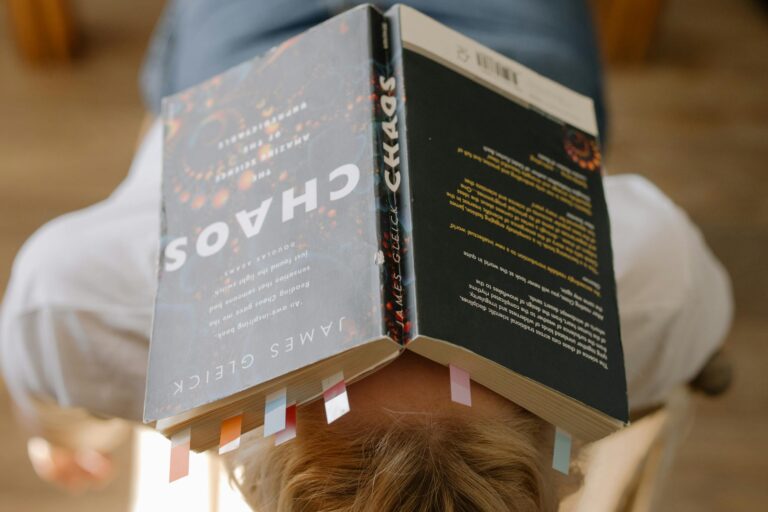

I spent most of my twenties believing I was fundamentally bad at dating. Every advice column told me to put myself out there, be more outgoing, show enthusiasm through animated conversation and constant eye contact. None of it felt natural. I would come home from dates physically exhausted, wondering why something that was supposed to be fun felt like running a marathon in dress shoes.
The breakthrough came when I stopped trying to date like an extrovert. After years of forcing myself into loud bars and group outings, I realized the dating advice I had been following was never written for someone like me. It was written for people who gained energy from social interaction rather than being depleted by it.
This manual is different. Everything here has been filtered through the lens of introversion, tested against real experience, and refined by understanding how our minds actually work. Whether you are just starting to date, recovering from a difficult relationship, or simply looking to approach connection with more intentionality, this guide will help you find love without abandoning who you are.
Understanding Your Introvert Dating Advantage
Before we dive into tactics and strategies, we need to reframe something fundamental. Introversion is not a dating handicap. In fact, recent research suggests the opposite might be true.
What’s your personality type?
Take our free 40-question assessment and get a detailed personality profile with dimension breakdowns, context analysis, and personalised insights.
Discover Your Type8-12 minutes · 40 questions · Free
A study published in Personality and Individual Differences found that people on dating apps actually showed a preference for profiles perceived as introverted, agreeable, and emotionally stable. The researchers discovered that introversion, contrary to popular assumption, did not reduce someone’s attractiveness in the dating marketplace.
This finding challenged everything I had assumed about my own dating struggles. The problem was never my introversion. The problem was trying to compete on terms that favored extroverted traits rather than leaning into what made me genuinely appealing.

Introverts bring distinct advantages to romantic connection. We tend to listen more than we speak, which creates space for potential partners to feel genuinely heard. We process information deeply, which means we often pick up on subtleties that others miss. We prefer meaningful conversation over small talk, which can accelerate emotional intimacy when the other person is ready for it.
Author Sophia Dembling, who researched introverts in love extensively, found that introverts are often described as thoughtful, loyal, and reliable partners. One introvert in her research explained their approach: they focus on learning everything about the person they are dating and try to be as open and communicative as possible. This depth of attention creates a quality of connection that many people desperately crave but rarely experience.
The Psychology of Introvert Attraction
Understanding attraction as an introvert requires moving beyond surface level chemistry. While extroverts might attract through energy and charisma, introverts attract through presence and depth. These are different magnetisms, but both are powerful.
I learned this lesson while managing agency teams where I watched quieter team members build some of the strongest client relationships. They did not win accounts through flashy presentations. They won them by genuinely understanding what clients needed and delivering consistent, thoughtful work. Dating operates similarly.
The introvert advantage in attraction comes from our natural tendency toward selective engagement. When we do engage, we bring full attention rather than divided energy. People notice when someone is genuinely present with them rather than scanning the room for the next conversation. If you want to develop this further, exploring introvert dating magnetism can help you understand how to leverage your natural depth.
The key is authenticity. Dembling’s research consistently showed that the best thing introverts can do is respect and honor their own introversion, treating it as something of value to showcase rather than something to hide. When you approach dating from a place of self acceptance rather than apology, that confidence becomes attractive in itself.
Attachment Styles and Introversion
Here is something that transformed my understanding of my own dating patterns: there is a meaningful overlap between introversion and dismissive avoidant attachment that we need to address honestly.
Research from 16Personalities found a strong correlation between introversion, the Thinking trait, and dismissive avoidant attachment patterns. Introverted individuals often have a strong need for personal space within relationships, which can sometimes manifest as pulling away when emotional demands feel overwhelming.
This does not mean introversion causes avoidant attachment. They are separate constructs. But if you have noticed a pattern of losing interest once relationships start feeling serious, or finding yourself exhausted by partners who want constant connection, understanding this overlap can help you distinguish between healthy introvert needs and attachment wounds that might benefit from attention.

A University of Calcutta study on personality and relationship satisfaction found that for men, lower extraversion was related to poorer marital satisfaction only when combined with insecure attachment and lower coping ability. Psychology Today’s analysis of this research emphasized that introversion alone does not negatively impact relationships. The combination with other factors is what matters.
The practical takeaway is this: if dating feels consistently difficult despite genuine effort, it might be worth exploring whether attachment patterns are influencing your experience alongside your introversion. These are workable challenges, not permanent limitations.
Navigating Online Dating as an Introvert
Online dating should theoretically be perfect for introverts. We can craft messages thoughtfully, take time to read profiles carefully, and manage interactions from the comfort of home. In practice, it often becomes draining in unexpected ways.
The solution is strategic limitation. Rather than maintaining conversations with multiple matches simultaneously, I found success by focusing intensely on one or two connections at a time. This allowed me to bring the depth of attention that is my strength rather than spreading thin across shallow exchanges that went nowhere.
Your profile should reflect genuine introversion rather than performing extroversion. Mention that you prefer deep conversations, that you recharge through quiet time, that your ideal evening involves meaningful connection rather than crowds. This filters out people who would not be compatible while attracting those who appreciate these qualities.
According to research on introvert dating patterns, one critical insight stands out: the purpose of chatting on a dating platform is to set up an actual date. Extended messaging, even when conversations seem deep and engaging, can actually dampen enthusiasm. Dating experts recommend moving toward an in person meeting relatively quickly to avoid the trap of endless texting that never leads anywhere.
Managing energy on apps requires treating them like any other social activity. Set specific times to check messages rather than responding throughout the day. Give yourself permission to pause your profile when you need to recharge. Remember that finding the right person matters more than maintaining constant activity.
First Date Strategies That Honor Your Nature
The conventional first date advice of dinner at a trendy restaurant can be challenging territory for introverts. Noisy environments, extended sitting face to face, performance pressure, and limited escape options create conditions that amplify rather than reduce anxiety.
Better alternatives include activities that provide natural conversation breaks and shared focus. Coffee dates work well because they have a built in time limit and quieter atmosphere. Walking dates allow for side by side conversation, which can feel less intense than direct eye contact. Museum visits or bookstore browsing give you something external to discuss, reducing the pressure to fill silence with personal revelation before you are ready.

Preparation can ease introvert anxiety without becoming overthinking. Having a few conversation topics in mind is reasonable. Scripting every possible exchange is counterproductive. The goal is to feel comfortable enough to be present rather than performing.
One technique that helped me tremendously was reframing dates as opportunities to learn about another person rather than auditions where I needed to prove my worthiness. This shift from performance to curiosity aligned with my natural introvert tendency to observe and understand, making the whole experience feel more authentic.
If you struggle with the social energy required for dating, understanding how to approach dating as an introvert without exhaustion can provide additional strategies for preserving energy while still putting yourself out there.
The Art of Introvert Communication in Dating
Communication is where introverts can genuinely shine if we approach it strategically. Our tendency toward thoughtful response rather than immediate reaction creates opportunities for deeper connection that many people find refreshing.
Listening is the introvert superpower in dating. Dembling’s research highlighted that introverts excel at drawing people out through genuine attention and thoughtful questions. In a dating landscape full of people waiting for their turn to talk, someone who actually listens becomes remarkable.
The challenge for introverts is often expression rather than reception. We may feel deeply but struggle to articulate those feelings in the moment. This is where strategic preparation helps. Knowing that you tend to process emotions internally before expressing them allows you to communicate this to partners: explaining that you need time to gather your thoughts is not a weakness but an invitation to understand how you work.
Learning introvert deep conversation techniques can accelerate relationship building by helping you guide interactions toward the meaningful territory where you feel most comfortable and most yourself.
Dembling notes an important caution: introverts must ensure their listening skills do not backfire by allowing them to drown in the other person’s chatter. The goal is balanced exchange, not becoming a silent audience for someone else’s monologue. Asking questions is good. Sharing your own experiences and perspectives is equally important.
Dating Another Introvert
Dembling’s research found that introverts in relationships were fairly equally divided between dating other introverts and dating extroverts, with both combinations proving successful. The introvert introvert pairing has unique advantages and specific challenges.
The advantages are substantial. Shared need for quiet time means neither partner feels guilty about wanting space. Both people understand the drain of social events without explanation. Conversations tend toward depth rather than breadth. There is mutual appreciation for comfortable silence.
The challenges require conscious management. When both partners default to waiting for the other to initiate, stagnation can occur. Someone needs to step up to plan dates, express interest, and move the relationship forward. Two introverts might find themselves so comfortable in routine that they stop stretching toward new experiences together.
If you find yourself drawn to fellow introverts, exploring what happens when two introverts date can help you anticipate both the beautiful and challenging aspects of this pairing.

The key is intentional effort. My wife and I are both introverts, and we have learned to take turns initiating social activities and connection. We explicitly discuss who will plan the next date night rather than waiting passively. This prevents the drift that can happen when neither partner is naturally inclined to push forward.
Dating an Extrovert
The introvert extrovert pairing gets romanticized as opposites attracting, but successful navigation requires understanding the genuine differences in how each person recharges and connects.
Dembling interviewed introverts in mixed partnerships who offered practical wisdom. One described liking the ability to process situations before responding, noting that words spoken cannot be retracted. Another valued taking time instead of rushing headlong into conflict. These are strengths the introvert brings to the partnership.
The extrovert brings complementary gifts: social energy that creates new experiences and connections, comfort with spontaneity that prevents life from becoming too routine, and often a more immediate emotional availability that can help introverts open up.
Successful mixed partnerships require negotiation rather than compromise. Psychology Today’s guidance on introvert extrovert relationships emphasizes that your way is just one way. Neither approach is superior. Both people need their requirements met, which means the extrovert may need freedom to socialize independently while the introvert gets protected quiet time.
Setting guidelines for socializing prevents ongoing friction. How many social events per week feels sustainable? What is the protocol for declining invitations without guilt? How do you handle holidays and family events that favor extroverted interaction? Addressing these questions early prevents them from becoming recurring conflicts.
Understanding the dynamics of mixed marriages where one partner is introverted provides deeper insight into making these relationships thrive long term.
Building Long Term Relationships
Getting into a relationship is one challenge. Maintaining it over years is another entirely. Introverts face specific long term considerations that generic relationship advice rarely addresses.
Creating sustainable rhythms becomes essential. In my marriage, we developed what we call social budgeting. We know roughly how many social events we can handle per month without becoming depleted. We protect at least two evenings per week as genuinely quiet time. We communicate proactively about upcoming demands rather than discovering too late that we have overcommitted.
Maintaining connection while honoring solitude needs requires intentionality. Parallel time, where both partners are in the same space doing separate activities, counts as connection for many introverts. Reading in the same room. Working on individual projects at the kitchen table. These quiet shared moments can feel more intimate than forced conversation.
Understanding how introverts show love without words helps partners recognize affection that might not match extroverted expressions. Acts of service, thoughtful gifts, quality time, and physical presence often communicate love more naturally for introverts than verbal declarations.
For those looking toward marriage, making introvert marriage work long term addresses the specific adjustments that support lasting partnership.
Handling Rejection and Dating Fatigue
Rejection stings regardless of personality type, but introverts often process rejection more deeply and for longer periods. This is not weakness. It reflects the same depth of processing that makes us good partners. But it does require management.
I spent years interpreting every unsuccessful date as evidence that something was wrong with me. The shift came when I started viewing compatibility as genuinely bidirectional. Rejection often reflects poor fit rather than personal failure. Someone who finds introversion exhausting rather than appealing would not have been a good long term partner anyway.

Dating fatigue is real and needs to be respected. If every swipe and message feels like a chore, if you dread dates rather than anticipating them, if you are going through motions without genuine interest, these are signals to pause rather than push through.
Taking breaks from active dating is not giving up. It is recognizing that you will show up better when you have energy and genuine openness. Some of my most successful dating periods came after extended breaks where I rebuilt my reserves and reconnected with what I actually wanted.
Practical Tools for Introvert Dating Success
Moving from theory to practice, here are concrete tools that have proven effective for introverts navigating the dating world.
Energy management starts before the date. Schedule dates for times when you typically have more social energy. Avoid booking dates after demanding work days or following other social obligations. Give yourself transition time before and after. Plan recovery activities for the next day so you are not anxious about depletion.
Communication templates reduce in the moment cognitive load. Having prepared ways to express introvert needs helps when you are feeling depleted or overwhelmed. Phrases like “I need some quiet time to recharge, but I am really enjoying getting to know you” or “I process emotions internally, so I might need time before responding to big conversations” communicate clearly without extensive explanation.
Self reflection questions keep you grounded in what you actually want. After dates, ask yourself: Did I feel like I could be genuine? Did the energy flow feel sustainable? Could I imagine maintaining this level of interaction long term? These questions prevent you from pursuing connections that drain rather than energize.
Environment selection matters enormously. Keep a mental list of date spots that work for you: quieter restaurants, coffee shops with comfortable corners, parks with walking paths, museums with contemplative spaces. Suggesting these locations puts you in environments where you can show up at your best.
Moving Forward with Confidence
The dating world was not designed with introverts in mind. But that does not mean we cannot succeed within it. The approach simply needs to be different.
Everything in this manual points toward a single principle: dating as an introvert works best when you embrace rather than fight your nature. The depth of attention, thoughtful communication, preference for meaningful connection, and need for genuine compatibility are not obstacles to overcome. They are the foundation for finding relationships that actually work.
The partners worth finding are those who see these qualities as features rather than bugs. They exist. I found one. The path there required stopping being apologetic about who I was and starting to see introversion as part of what I had to offer.
Take what works from this manual. Adapt it to your specific situation. And trust that the right person will appreciate exactly the kind of partner an introvert can be.
Frequently Asked Questions
Is introversion a disadvantage in dating?
Recent research suggests the opposite. A 2024 study in Personality and Individual Differences found that dating app users actually showed preferences for profiles perceived as introverted over extroverted ones. The key is embracing introvert strengths like depth, listening ability, and thoughtful engagement rather than trying to mimic extroverted approaches that feel inauthentic.
Should introverts date other introverts or extroverts?
Both pairings can be successful according to research on introverts in relationships. The choice depends on whether you want a partner who shares your need for quiet connection or one who brings social energy and new experiences into your life. Both desires are valid, and both combinations require intentional effort to maintain balance and prevent common pitfalls.
How can introverts manage energy while dating?
Strategic limitation is essential. Focus on one or two potential connections rather than multiple simultaneous conversations. Schedule dates during high energy times and avoid stacking them with other social obligations. Choose quieter environments that allow you to be present. Give yourself permission to take breaks from active dating when depleted.
What are the best first date ideas for introverts?
Activities that provide natural conversation breaks and shared focus work best. Coffee dates offer time limits and quieter atmospheres. Walking dates allow side by side conversation that feels less intense than direct eye contact. Museum visits or bookstore browsing give external topics to discuss, reducing pressure for immediate personal revelation.
How do I know if my dating struggles are about introversion or attachment issues?
If you consistently lose interest once relationships become serious, pull away when partners seek emotional closeness, or find yourself exhausted by normal relationship maintenance, attachment patterns may be contributing alongside introversion. Healthy introvert needs involve recharging through solitude while still desiring connection. Avoidant patterns involve emotional distance as a protective mechanism. Understanding the difference can help you address the right underlying causes.
Explore more dating and attraction resources in our complete Introvert Dating and Attraction Hub.
About the Author
Keith Lacy is an introvert who’s learned to embrace his true self later in life. With a background in marketing and a successful career in media and advertising, Keith has worked with some of the world’s biggest brands. As a senior leader in the industry, he has built a wealth of knowledge in marketing strategy. Now, he’s on a mission to educate both introverts and extroverts about the power of introversion and how understanding this personality trait can unlock new levels of productivity, self-awareness, and success.