The office as we knew it has fundamentally changed, and for introverts, this shift represents one of the most significant professional opportunities in a generation. As someone wired for depth and internal reflection, I spent years navigating open floor plans and back-to-back meetings that drained my energy before the workday even began. The pandemic forced a massive experiment in remote work, and the results are in: flexible work arrangements are here to stay, and they favor the way introverts naturally operate.
The numbers tell a compelling story. According to Bureau of Labor Statistics data, approximately 34 million Americans now telework regularly, with the telework rate consistently ranging between 18% and 24% since late 2022. This represents a permanent structural change in how we work, not a temporary pandemic response. For introverts who thrive in quiet, controlled environments, understanding where remote work is heading becomes essential for career planning.
This transformation goes beyond convenience. It touches something fundamental about how introverts process information, manage energy, and produce their best work. The remote work model aligns with introvert strengths in ways traditional offices never could.
The Current State of Remote Work in 2025
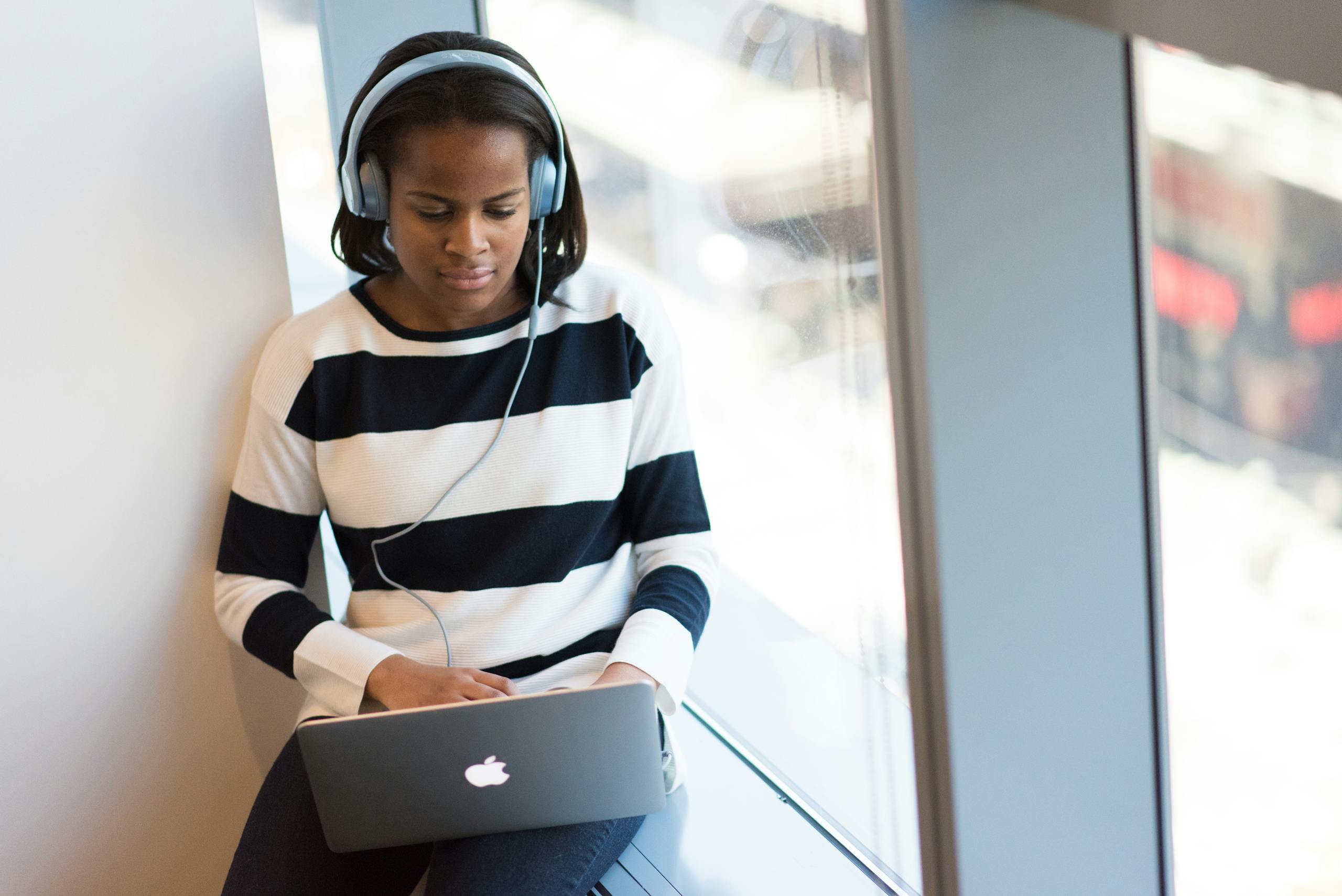
To understand where remote work is headed, we need to examine where it stands today. The Pew Research Center reports that 75% of employed adults with telework-capable jobs now work from home at least some of the time. Even more telling, 46% of workers say they would likely quit if their employer removed remote work options entirely. This represents a fundamental shift in employee expectations, not a passing preference.
What’s your personality type?
Take our free 40-question assessment and get a detailed personality profile with dimension breakdowns, context analysis, and personalised insights.
Discover Your Type8-12 minutes · 40 questions · Free
The data reveals interesting patterns about who works remotely. Workers with advanced degrees telework at rates above 40%, while those in computer, mathematical, and professional fields show the highest adoption. Age matters too, with employees aged 35 to 44 most likely to work remotely at around 27%. These demographics overlap significantly with introvert-heavy professions in technology, research, writing, and analysis.
I notice details others overlook when examining these statistics. The same traits that make introverts effective remote workers, including our preference for written communication, our ability to focus deeply without constant social stimulation, and our comfort with independent work, also make us likely to gravitate toward the knowledge-based roles where remote work thrives. This alignment is not coincidental.
The hybrid model has emerged as the dominant arrangement, with 52% of remote-capable workers now splitting time between home and office. Fully remote positions account for another 26%. Together, these flexible arrangements represent a new normal that favors introvert work styles while still providing occasional in-person collaboration when needed.
Why Remote Work Aligns With Introvert Psychology
The psychology behind why introverts thrive remotely goes deeper than simply avoiding office small talk. Research from Stanford economist Nicholas Bloom found that remote workers showed a 13% performance increase, with about 4% of that improvement attributed specifically to a quieter working environment. For introverts, that quieter environment allows us to access the deep focus states where we do our best thinking.
My mind processes emotion and information quietly, filtering meaning through layers of observation and interpretation. In open offices, this internal processing gets constantly interrupted by ambient noise, unexpected conversations, and the general social pressure to appear engaged and available. Remote work removes these barriers, allowing the natural introvert cognitive style to operate without friction.
The psychological benefits for introverts extend beyond productivity. Studies show that 99% of professionals report remote or hybrid work improves their mental well-being. For introverts specifically, the ability to control our environment, manage our social energy throughout the day, and work during our most productive hours creates conditions for sustainable performance rather than the boom-and-bust cycles common in traditional offices.

Susan Cain’s research on introversion highlighted that introverts possess powerful capacities for focus, deep work, and reflection. These capabilities often go underutilized in traditional offices designed around extrovert preferences. Remote work environments finally allow introverts to leverage these strengths fully, which explains why many introverts report feeling more confident and capable in remote roles than they ever did in office settings.
The Productivity Evidence Favors Quiet Workers
The productivity data strongly supports remote work for roles requiring concentration and independent judgment. The landmark Stanford research on remote work demonstrated that home workers took fewer breaks, had fewer sick days, and accomplished more calls per minute than their office counterparts. The quieter environment allowed for sustained attention that open offices constantly disrupted.
A follow-up study published in Nature found that hybrid workers, those working from home two days per week, showed zero reduction in productivity or career advancement compared to full-time office peers. Perhaps more significantly, resignations dropped by 33% among employees who shifted to hybrid arrangements. The researchers concluded that concerns about remote work harming productivity were largely unfounded.
These findings matter for introverts planning their careers. I learned the hard way that performing productivity in an open office, looking busy, attending meetings, maintaining constant availability, differs dramatically from actual productive output. Remote work strips away the performance aspect and measures what actually gets done. For introverts whose work style emphasizes quality over visibility, this shift creates more accurate recognition of our contributions.
Bureau of Labor Statistics analysis shows that industries with larger increases in remote work experienced faster productivity growth overall. Every percentage-point increase in remote work correlated with measurable gains in total factor productivity. The evidence base for remote productivity advantages continues strengthening, giving introverts solid ground to advocate for flexible arrangements.
Navigating the Return-to-Office Tension
Despite the productivity evidence, many employers are pushing for office returns. World Economic Forum research indicates that 75% of workers now face some in-office requirements, up from 63% in early 2023. This creates tension between what employees want and what leadership mandates. Understanding this landscape helps introverts navigate their options strategically.
The research reveals a disconnect between executive assumptions and actual outcomes. Managers often predicted remote work would hurt productivity, only to change their minds after seeing results. Many return-to-office mandates stem from cultural preferences or real estate commitments rather than performance data. For introverts facing pressure to return, knowing this context provides negotiating leverage.

The employee response to these mandates has been clear. Nearly half of remote workers say they would look for new jobs if remote options were eliminated. Companies requiring full-time office presence report longer times to fill vacancies and higher turnover rates. This market reality gives introverts who prioritize remote work genuine options, assuming they position themselves appropriately.
The most sustainable path forward appears to be hybrid arrangements that balance in-person collaboration with focused remote work. For introverts, negotiating specific remote days, particularly around deep work priorities, can preserve the benefits of home-based focus while meeting organizational collaboration needs. The key is framing these requests around productivity outcomes rather than personal preferences.
How AI and Automation Will Shape Remote Opportunities
The future of remote work cannot be separated from the rapid advancement of artificial intelligence and automation. McKinsey research projects that up to 30% of current U.S. jobs could be automated by 2030, requiring approximately 12 million occupational transitions. This disruption will reshape which roles remain viable for remote work and which skills introverts should prioritize developing.
The Goldman Sachs analysis identifies roles at highest risk for AI displacement: computer programmers, accountants, administrative assistants, customer service representatives, and similar positions involving repetitive cognitive tasks. Roles requiring complex judgment, creativity, and interpersonal nuance remain more protected. For introverts, this suggests emphasizing analytical depth and specialized expertise over routine processing.
I used to think technical skills alone would ensure career security. The AI landscape has forced a reconsideration. The introvert strengths that matter most in an AI-augmented future involve synthesis, strategic thinking, and the kind of deep domain expertise that cannot be easily automated. These capabilities develop through focused, independent study, making remote work environments ideal for building them.
The World Economic Forum projects that digital remote work will grow globally to 90 million positions by 2030. Many of these roles will emphasize skills where introverts naturally excel: data analysis, research, writing, design, and strategic planning. The key is positioning yourself in roles that leverage AI as a tool rather than competing with it directly. Freelance and independent work models often provide the flexibility to adapt quickly as the landscape shifts.
The Challenges Remote Introverts Must Address
Remote work is not without genuine challenges, and introverts face some specific risks that require proactive management. Pew Research found that 53% of remote workers report difficulty feeling connected with coworkers. While introverts may need less social interaction than extroverts, complete isolation can affect both mental health and career advancement in ways that creep up gradually.
Proximity bias represents a real concern. Studies indicate that remote workers may receive fewer promotions and less constructive feedback than office-present colleagues. For introverts already inclined toward working quietly without self-promotion, this visibility gap can compound into significant career disadvantages over time. Addressing this requires intentional strategies for maintaining professional visibility without the constant presence that feels draining.
The emotional toll of isolation affects different introverts differently. As someone wired for depth and internal reflection, I can go days without feeling lonely, but I have noticed how extended isolation eventually affects my thinking and creativity. The impressions that accumulate through even limited social interaction contribute to the internal landscape that drives good work. Managing remote work effectively means calibrating isolation levels rather than maximizing them.
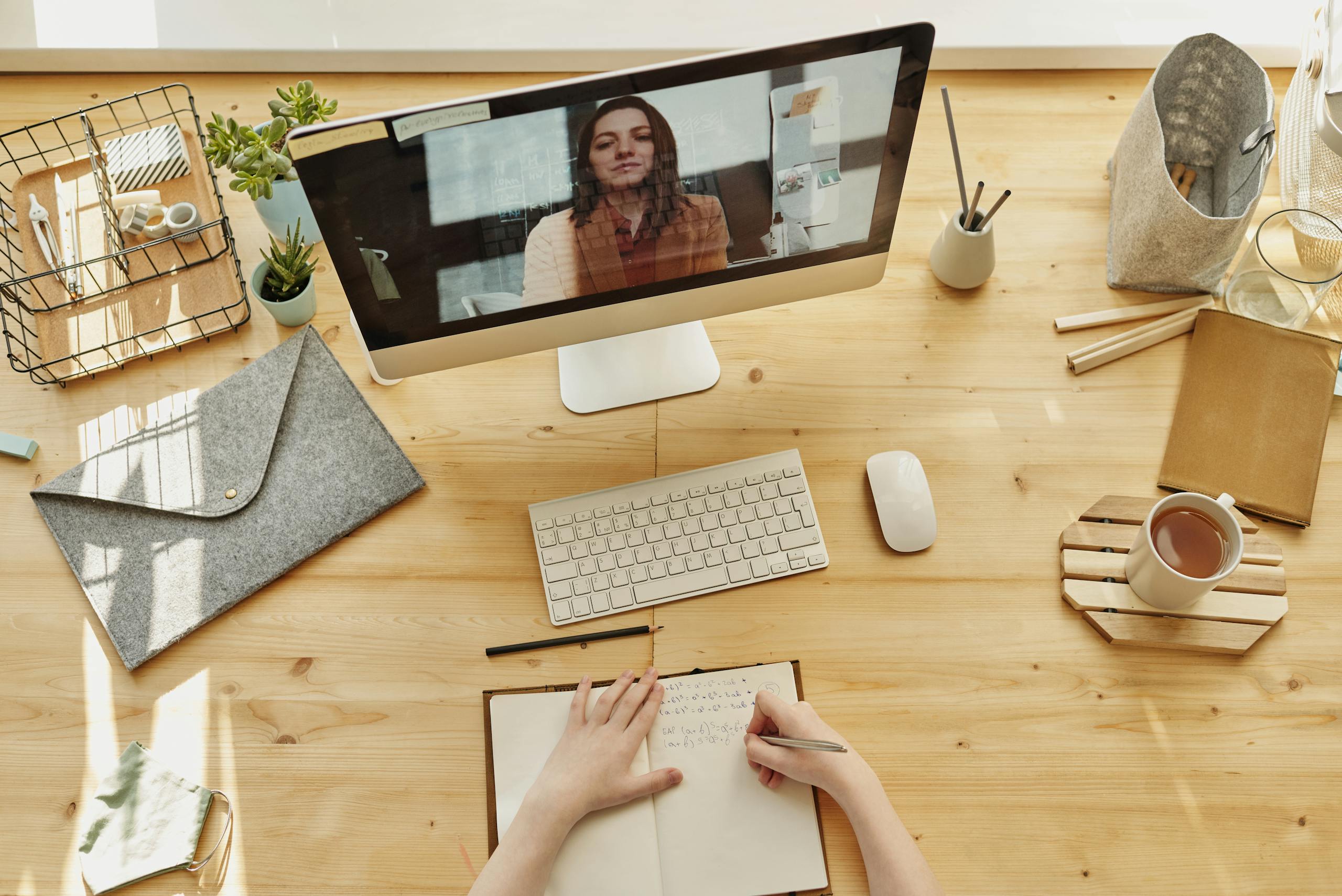
Research suggests that fully remote workers report higher rates of stress, loneliness, and emotional distress compared to hybrid workers. The absence of daily social connection, even for introverts who find it tiring, removes a form of external regulation that many of us rely on without recognizing it. The hybrid model may actually suit most introverts better than complete remote isolation, providing periodic in-person connection while preserving substantial focused work time.
Building a Sustainable Remote Career Strategy
Creating long-term career success in remote environments requires more than simply working from home. Introverts need strategies that leverage our natural strengths while compensating for the visibility and connection challenges remote work presents. The entrepreneurial path offers one model, but similar principles apply within traditional employment.
Documentation becomes your professional visibility. In remote environments, written communication serves as your primary presence. Introverts often excel at written expression, making this a natural strength to leverage. Regular updates, well-crafted emails, and documented contributions create a trail of value that compensates for reduced face-time visibility. Treat every written interaction as an opportunity to demonstrate competence.
Strategic in-person appearances matter more when they occur less frequently. Rather than resenting required office days, use them specifically for relationship-building and visibility activities that remote work makes harder. Save deep work for home days. This division allows you to be fully present during limited social time rather than constantly switching between focus and interaction.
Skill development should emphasize capabilities that remain valuable as AI advances. The Bureau of Labor Statistics identifies roles in computer and mathematical fields as most compatible with telework, and these same roles often require specialized knowledge that resists automation. Continuous learning in your domain, particularly developing the synthesis and judgment capabilities that AI cannot replicate, strengthens your position regardless of how remote work evolves.
What the Next Five Years Will Bring
The National Bureau of Economic Research and other institutions continue studying remote work’s long-term trajectory. Several trends appear likely to shape the landscape through 2030 and beyond. Understanding these trajectories helps introverts position themselves advantageously rather than simply reacting to changes.
Technology will continue improving remote collaboration tools, reducing the friction that currently makes some teamwork harder across distances. Virtual reality and augmented reality applications may eventually create more immersive remote interaction, though the timeline remains uncertain. For introverts, these tools offer potential for connection without the overstimulation of physical office presence.
Geographic flexibility will likely increase as companies become more comfortable with distributed teams. This benefits introverts who may prefer living in quieter locations away from expensive urban centers. The shift toward freelance and contract work also continues, creating more opportunities for introverts who prefer project-based engagement over constant team integration.

The hybrid model appears positioned to dominate for the foreseeable future. Pure remote work remains available in certain sectors and roles, but most knowledge workers will likely balance home and office time. For introverts, this means developing fluency in both environments rather than optimizing exclusively for remote work. The ability to perform well during occasional office presence while reserving deep work for home creates the most sustainable career position.
Practical Steps for Introverts Entering Remote Work
If you are considering a transition to remote or hybrid work, several practical considerations shape success. First, evaluate your current role’s remote viability honestly. Not all positions translate well, and forcing remote work in unsuitable roles creates career risk. Knowledge work, creative work, and independent analysis roles generally translate well; roles requiring constant physical presence or real-time collaboration present more challenges.
Create a dedicated workspace that signals to your brain when work mode begins. This boundary-setting proves especially important for introverts, whose home environments serve as recharging sanctuaries. Without physical separation between work and rest spaces, the recovery that home provides becomes compromised. Even a small designated area, consistently used only for work, helps maintain this separation.
Establish communication rhythms that keep you visible without requiring constant availability. Scheduled check-ins, regular written updates, and strategic video appearances create presence without the always-on pressure that depletes introvert energy. The goal is sustainable visibility rather than performance of availability.
Build skills in the technologies that enable effective remote work. Proficiency with collaboration platforms, video communication, project management tools, and asynchronous communication methods differentiates competent remote workers from those who struggle. These are learnable skills that introverts can develop through the independent study we naturally prefer.
The Introvert Advantage in a Hybrid Future
The workplace changes underway represent a genuine opportunity for introverts to build careers aligned with how we naturally function. The environments that allow deep focus, the communication modes that favor writing over speaking, and the flexibility to manage energy throughout the day all create conditions where introvert strengths become visible advantages.
I used to think I needed to become more extroverted to succeed professionally. Years in agency leadership taught me that sustainable success comes from working with your nature rather than against it. The remote work revolution validates what introverts have always known: quiet, focused work produces results. The workplace is finally catching up to this reality.
The path forward requires neither retreating into complete isolation nor forcing yourself into extrovert performance. It means understanding the emerging landscape, positioning your skills appropriately, and creating sustainable work patterns that produce quality output while preserving your energy. The future of work increasingly accommodates this approach.
For introverts willing to be intentional about career development, remote and hybrid work environments offer unprecedented opportunity. The quiet strength that characterized our approach all along finally has room to demonstrate its value.
Frequently Asked Questions
Will remote work continue growing or decline in coming years?
Current evidence suggests remote and hybrid work will remain stable or grow modestly through 2030. While some companies are pushing return-to-office mandates, the overall trend favors flexibility, with approximately 80% of remote-capable workers now in hybrid or fully remote arrangements. The World Economic Forum projects digital remote positions will reach 90 million globally by 2030.
How can introverts stay visible while working remotely?
Documentation and strategic communication create visibility without requiring constant presence. Regular written updates, well-crafted emails documenting contributions, and intentional participation in video meetings all build professional presence. Using limited in-person time specifically for relationship-building rather than heads-down work also helps maintain visibility.
What remote-friendly careers suit introverts best?
Roles in technology, data analysis, research, writing, design, and strategic planning show high remote adoption and align well with introvert strengths. The Bureau of Labor Statistics shows computer and mathematical fields leading in telework participation. Positions emphasizing independent judgment, deep analysis, and specialized expertise generally translate well to remote environments.
How will AI affect remote work opportunities for introverts?
AI will likely automate routine cognitive tasks while increasing demand for roles requiring synthesis, judgment, and specialized expertise. Introverts who develop deep domain knowledge and analytical capabilities will be better positioned than those in repetitive processing roles. The key is positioning yourself to use AI as a tool rather than competing with it directly.
Is fully remote or hybrid work better for introverts?
Research suggests hybrid arrangements may suit most introverts better than complete isolation. While introverts need less social interaction than extroverts, some periodic in-person connection supports mental health and career advancement. Hybrid models allow introverts to reserve office days for relationship-building while preserving substantial focused work time at home.
Explore more alternative work models and entrepreneurship resources in our complete Alternative Work Models & Entrepreneurship Hub.
About the Author
Keith Lacy is an introvert who’s learned to embrace his true self later in life. With a background in marketing and a successful career in media and advertising, Keith has worked with some of the world’s biggest brands. As a senior leader in the industry, he has built a wealth of knowledge in marketing strategy. Now, he’s on a mission to educate both introverts and extroverts about the power of introversion and how understanding this personality trait can unlock new levels of productivity, self-awareness, and success.