

The first time I put on a VR headset and stepped into a virtual social space, something unexpected happened. My shoulders dropped. My breathing slowed. For the first time in what felt like years, I was in a room full of people and I felt genuinely at ease. As someone who spent two decades navigating extrovert-dominated agency boardrooms and client meetings, forcing myself to perform a version of social confidence that never felt natural, this moment of virtual calm caught me completely off guard.
Virtual reality socializing represents a fascinating frontier for introverts seeking connection without the overwhelming demands of traditional face-to-face interaction. While skeptics might dismiss VR as just another form of screen-based isolation, emerging research tells a more nuanced story. For those of us who process social stimuli deeply and require substantial recovery time after interpersonal encounters, virtual environments offer something we rarely experience elsewhere: social connection on our own terms.
This exploration examines how introverts are finding genuine community in virtual spaces, what science reveals about the psychological benefits and considerations of VR socializing, and practical strategies for leveraging this technology while maintaining healthy boundaries between digital and physical worlds.

Why Virtual Reality Appeals to the Introvert Brain
Understanding why virtual environments feel different for introverts requires examining what makes traditional socializing so demanding in the first place. In physical spaces, we process an enormous amount of sensory information simultaneously. Body language, facial microexpressions, ambient noise, physical proximity, the energy of multiple conversations happening around us, these inputs accumulate and drain our cognitive resources faster than most people realize.
What’s your personality type?
Take our free 40-question assessment and get a detailed personality profile with dimension breakdowns, context analysis, and personalised insights.
Discover Your Type8-12 minutes · 40 questions · Free
Virtual environments naturally filter some of this sensory overload. While modern VR technology continues advancing toward greater realism, the current generation of social platforms still operates with enough abstraction to reduce the processing burden on our nervous systems. Avatars communicate essential social cues without the overwhelming detail of in-person interaction. Background environments can be controlled or customized. And perhaps most importantly, the exit is always just a headset removal away.
Research from Stanford University’s Virtual Human Interaction Lab confirms that people respond to virtual humans similarly to how they treat people in the physical world. Social norms transfer into virtual spaces, meaning the connections formed there carry genuine psychological weight. However, the ability to control environmental variables and maintain physical safety while engaging socially creates a fundamentally different experience for those who find traditional settings overwhelming.
I remember managing creative teams where the constant stream of interruptions, impromptu meetings, and open-plan office dynamics left me completely depleted by mid-afternoon. Every interaction, no matter how brief, demanded energy. Had virtual collaboration tools existed at the level they do now, I suspect my entire career trajectory might have looked different.
The Science Behind VR Social Benefits for Introverts
A growing body of research suggests that virtual reality socializing may offer particular advantages for people who struggle with traditional social settings. A study published in Scientific Reports found that adults socializing on VR platforms during the pandemic reported significantly lower levels of loneliness and social anxiety in virtual environments compared to real-world conditions. The research utilized both quantitative measures and focus group discussions to understand how and why participants found value in these platforms.
What makes these findings particularly relevant for introverts is the mechanism behind the reduced anxiety. Participants reported that avatar-mediated communication provided enough psychological distance to feel safer initiating and maintaining conversations, while the immersive quality of VR created sufficient presence to make connections feel meaningful rather than superficial. This balance, emotional safety combined with genuine connection, represents exactly what many introverts seek but rarely find in conventional social settings.
The MDPI journal Societies published research examining how virtual reality environments benefit introverts and those with autism spectrum conditions in educational and workplace contexts. The researchers noted that traditional environments reward extroverted qualities and often disadvantage those who engage more thoughtfully and quietly. Virtual reality, the study suggested, provides opportunities for this population to leverage their existing skills and talents in ways that face-to-face interaction could not.

The concept of the Proteus effect, where people’s behavior changes based on the characteristics of their avatar, also plays a role. Research consistently shows that embodying different virtual representations can influence confidence, assertiveness, and social behavior. For introverts who have spent years feeling invisible in extrovert-optimized spaces, the ability to present themselves through a customized avatar can provide a psychological reset that affects both virtual and subsequent real-world interactions.
Avatar Psychology and Introvert Identity
The relationship between introverts and their virtual avatars deserves deeper examination. Unlike simple profile pictures or online usernames, VR avatars exist in three-dimensional space and move with us. We look down and see virtual hands. We turn our heads and our avatar’s perspective shifts. This embodiment creates a psychological connection that transcends typical online representation.
For introverts, avatar creation often becomes an exercise in selective self-expression. Some create avatars closely resembling their physical appearance, experiencing the virtual body as a genuine extension of themselves. Others choose fantasy representations, anthropomorphic characters, or abstract forms that externalize aspects of their personality they feel unable to express in physical settings. Neither approach is inherently better, both represent valid strategies for navigating virtual social spaces according to individual needs.
If this resonates, virtual-presentation-skills-for-camera-shy-introverts goes deeper.
I find myself drawn to avatars that look roughly like me but perhaps slightly more put-together than I typically feel on a Tuesday morning. There is something liberating about entering a social space without worrying about whether my hair cooperated or if my expression is conveying appropriate interest. The cognitive load of physical self-presentation simply disappears, freeing mental resources for actual conversation.
Research on social interaction in augmented and virtual reality from PLOS One demonstrates that people follow social norms even when interacting with virtual agents. Participants maintained appropriate interpersonal distance from avatars, avoided sitting on virtual characters, and showed behavioral changes consistent with acknowledging another presence in the space. This indicates that our social brains treat virtual interactions as genuinely social, not mere simulations that can be dismissed as artificial.
Popular VR Social Platforms for Introverts
The virtual reality social landscape has expanded significantly in recent years, with platforms catering to different interaction styles and preferences. Understanding the distinctions between these spaces helps introverts choose environments aligned with their comfort levels and social goals.
VRChat remains one of the largest and most diverse platforms, hosting thousands of user-created worlds ranging from quiet meditation spaces to bustling social hubs. The platform’s diversity means introverts can find smaller, calmer communities within the broader ecosystem. Many regular users report that VRChat helped them practice social skills they later transferred to real-world settings. The anonymity and avatar diversity also create space for people to explore aspects of their identity they might not feel comfortable expressing elsewhere.
Rec Room offers a more activity-focused experience, with games, creation tools, and structured events providing natural conversation frameworks. For introverts who find open-ended socializing challenging, having a shared activity to orient around can significantly reduce the pressure of interaction. Working together on a creative project or competing in a friendly game provides built-in conversation topics and natural pauses that feel less awkward than in unstructured settings.

Horizon Worlds from Meta represents the corporate attempt to mainstream social VR, with curated experiences and content moderation that appeals to those seeking more predictable environments. While some users find the platform less creative than alternatives, others appreciate the relative safety and structure. Microsoft’s Mesh platform focuses more on professional collaboration, potentially appealing to introverts who want to leverage VR primarily for work contexts rather than social recreation.
Each platform has its own culture and user base. Spending time observing before fully engaging allows introverts to assess whether a particular community aligns with their needs. The ability to explore spaces without immediately interacting, possible on most platforms, provides a low-pressure way to become comfortable before committing to conversation.
Managing Social Energy in Virtual Spaces
While VR socializing offers advantages for introverts, it still requires energy management. Virtual interactions, particularly in immersive environments, engage our social processing systems even when physical presence is absent. Many introverts report initially underestimating how much VR socializing would drain them, expecting the reduced sensory input to translate into unlimited social capacity.
The key lies in recognizing that VR reduces certain types of stimulation while potentially amplifying others. The novelty of the medium, the cognitive demands of navigating three-dimensional spaces, and the audio proximity of conversations in VR can create their own forms of fatigue. Building in recovery time after extended VR social sessions remains important, even if those sessions feel less immediately draining than their physical counterparts.
I learned this lesson when I first started exploring VR communities. Sessions that felt comfortable and sustainable in the moment would leave me unexpectedly depleted hours later. My brain had been working hard even when my body remained relaxed on my couch. Treating VR socializing with the same respect I give to in-person events, anticipating recovery needs and setting boundaries, improved my experience significantly.
Practical strategies for managing virtual social energy include setting time limits before entering sessions, choosing smaller group interactions over large public gatherings, utilizing platform features that allow selective audio (muting certain users or adjusting proximity settings), and scheduling VR social time when energy levels are naturally higher rather than using it as an escape when already depleted. Understanding your own patterns, which types of virtual interactions energize versus drain you, develops over time and through experimentation.
The ability to move beyond surface-level small talk often comes more easily in VR environments where the barriers to depth feel lower. When both parties understand they have chosen to spend time in a virtual space, conversations frequently skip pleasantries and move toward topics of genuine interest more quickly.
Building Genuine Connections Through Virtual Interaction
The question of whether virtual friendships qualify as “real” reflects outdated assumptions about what constitutes genuine human connection. People form meaningful relationships through letters, phone calls, online forums, and video chat. Virtual reality represents the next evolution in mediated connection, not its replacement.
Many introverts report that VR friendships feel particularly authentic precisely because they develop in environments that allow for deeper self-expression. Without physical appearance judgments, without the social hierarchies embedded in physical settings, connections form around shared interests, compatible communication styles, and genuine personality resonance. The people you meet in VR are there because they want to be, having made a deliberate choice to enter virtual social space rather than being obligated by proximity or circumstance.

Research on social presence in VR indicates that feelings of connection and support correlate strongly with users’ subjective well-being. According to studies examining feelings of presence and perceived social support in social VR platforms, users who experienced strong social presence also reported greater perceived social support, and this perception positively associated with their overall well-being. The connections formed in virtual spaces carry emotional weight that extends beyond the headset.
For introverts who have struggled with the mechanics of traditional friendship maintenance, the logistics of in-person gatherings, the small talk at parties, the energy drain of constant availability, VR offers alternative pathways to meaningful connection. Meeting a friend in a virtual coffee shop requires no commute, no dress code, no competing for attention in noisy environments. The interaction itself becomes the entire experience, uncluttered by the friction of physical logistics.
Of course, building trust in virtual spaces requires similar principles to building trust anywhere. Consistency, reliability, genuine interest in others, and appropriate vulnerability over time create the foundation for lasting connection. The medium changes, but the fundamentals of human relationship remain consistent.
Addressing Potential Concerns and Maintaining Balance
Honest discussion of VR socializing requires acknowledging potential downsides alongside benefits. Some researchers and clinicians express concern about virtual environments becoming avoidance mechanisms rather than tools for growth. If VR socializing completely replaces face-to-face interaction rather than supplementing it, important skills and connections may atrophy.
This concern holds some validity, but it also reflects assumptions about introversion that deserve questioning. The goal for introverts is not necessarily to become comfortable with unlimited in-person socializing. Forcing ourselves into social contexts that consistently drain us beyond our capacity to recover does not represent healthy growth. Finding sustainable ways to meet our genuine needs for connection, whatever form those take, matters more than conforming to extrovert-centric standards of social success.
That said, balance remains important. Using VR as a way to build confidence before transferring skills to physical settings can be valuable. Many users report that practicing conversation and social interaction in virtual environments eventually increased their comfort with in-person encounters. The exposure happens in a safer context, building neural pathways and reducing anxiety responses that then carry over when the headset comes off.
For those who have faced significant social situations that feel terrifying, VR provides a gradual on-ramp. Starting with solo exploration of virtual spaces, progressing to observing social gatherings without participating, then engaging in structured activities with others, and eventually initiating one-on-one conversations creates a pathway that physical environments rarely accommodate so smoothly.
Physical health considerations also warrant attention. Extended VR use can contribute to eye strain, motion sickness for some users, and sedentary behavior patterns. Building in movement breaks, limiting session duration, and ensuring VR time does not replace physical activity helps maintain overall well-being while enjoying virtual social benefits.
Practical Tips for Getting Started with VR Socializing
For introverts interested in exploring virtual reality social spaces, a thoughtful approach increases the likelihood of positive experiences. The following suggestions draw from both research findings and accumulated community wisdom about navigating these environments successfully.
Start with standalone headsets if cost and complexity feel like barriers. Devices like the Meta Quest series require no gaming computer or external sensors, providing accessible entry points into VR. While PC-based systems offer higher visual fidelity, the convenience of standalone devices means they actually get used rather than gathering dust after initial setup friction discourages engagement.
Spend time in non-social VR experiences first. Meditation apps, single-player games, virtual tourism, these allow you to become comfortable with the medium before adding social variables. Understanding how your body responds to VR, including any tendencies toward motion discomfort, helps you make informed choices about social platform selection later.
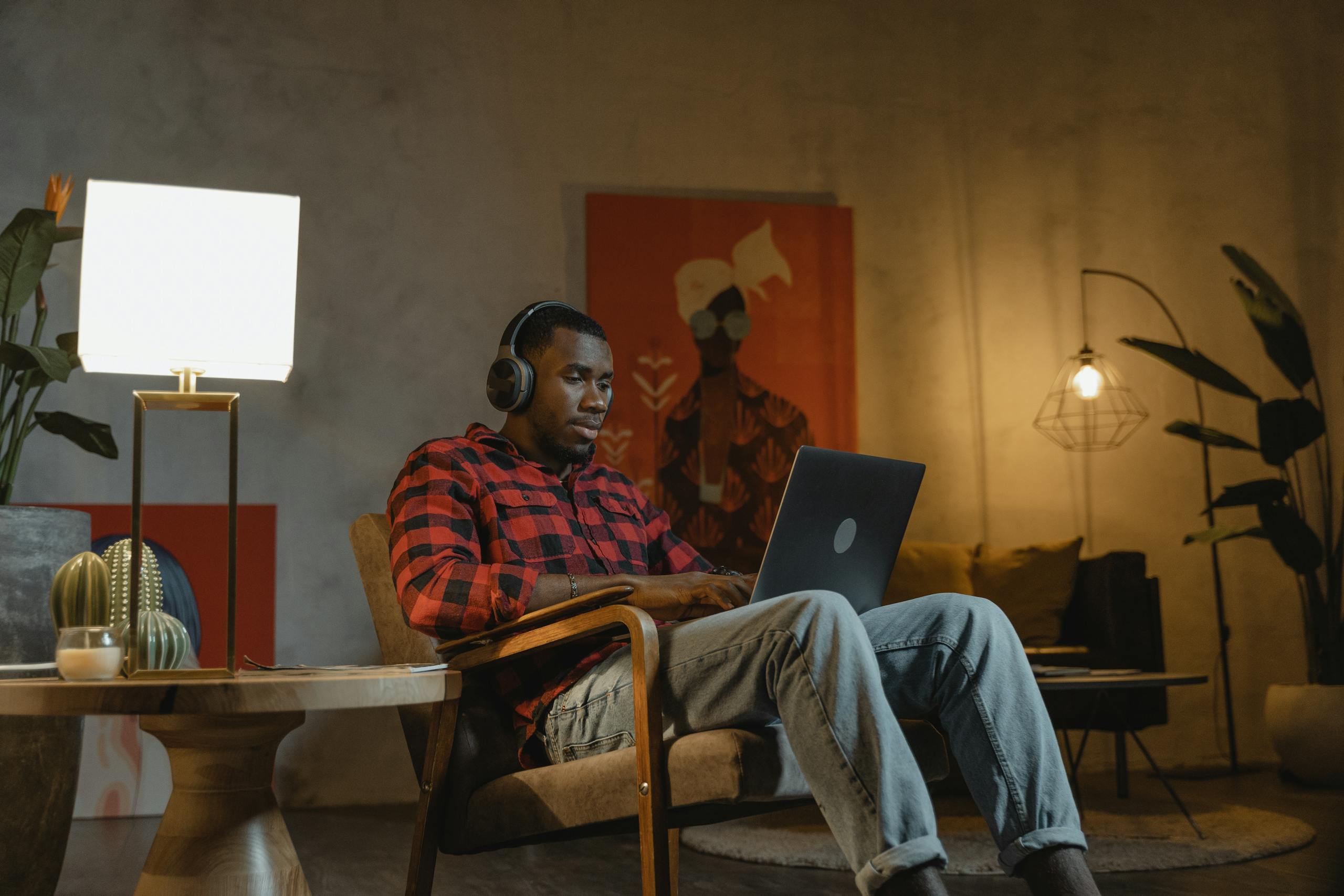
When entering social platforms, observe before engaging. Most environments allow you to explore and listen without actively participating. This reconnaissance period helps you assess the community culture, identify potentially compatible users, and find spaces that match your energy levels. Public areas often skew toward more extroverted interaction styles, while smaller worlds or event-based gatherings may offer calmer alternatives.
Prepare exit strategies in advance. Knowing exactly how to leave a space quickly if overwhelmed reduces anxiety about entering in the first place. Most platforms have simple mechanisms for returning to home environments or closing the application entirely. Having this escape route clearly mapped in your mind provides psychological safety that enables more genuine engagement.
Connect VR socializing to broader goals for building confidence and overcoming intimidation. Rather than approaching virtual spaces as pure escapism, frame them as practice environments where skills developed can eventually transfer to other contexts. This intentionality increases the value extracted from virtual social experiences.
The Future of Virtual Social Spaces for Introverts
The trajectory of VR technology points toward increasingly sophisticated social capabilities. Hand and face tracking, spatial audio improvements, haptic feedback systems, and ever-more realistic avatar representations will continue closing the gap between virtual and physical presence. For introverts, these advances create both opportunities and considerations worth monitoring.
Greater realism may reduce some of the psychological buffer that currently makes VR socializing feel more manageable than in-person interaction. As avatars more accurately represent our expressions and movements, some of the comfortable abstraction disappears. Introverts attracted to current VR precisely because of its filtered quality may need to make intentional choices about which features to enable as options expand.
Simultaneously, improvements in accessibility, comfort, and visual quality will likely bring more people into virtual social spaces, changing the culture of these environments. Communities that currently feel like intimate gathering places for early adopters may become more crowded and potentially less suited to introvert preferences. Finding or creating niche spaces within larger platforms will become increasingly important for those seeking calmer virtual experiences.
Workplace adoption of VR collaboration tools also deserves attention. The pandemic accelerated interest in virtual meeting spaces, and many organizations continue exploring alternatives to video conferencing. For introverts who found remote work liberating, VR-based professional interaction could represent either an improvement over return-to-office mandates or a new form of draining social demand depending on implementation.
Throughout my career, I watched communication technology evolve from memos to email to instant messaging to video calls. Each shift created new challenges and opportunities for introverts navigating workplace social dynamics. Virtual reality represents the next frontier, and those who engage thoughtfully with these tools now will be better positioned to shape how they develop rather than simply reacting to changes imposed by others.
Integrating Virtual and Physical Social Lives
The most sustainable approach to VR socializing treats virtual and physical social engagement as complementary rather than competing. Each offers distinct advantages, and a thoughtful introvert can leverage both according to context, energy levels, and relationship goals.
Virtual spaces excel for maintaining long-distance connections, exploring new communities without geographic constraints, practicing social skills in lower-stakes environments, and connecting during periods when physical socializing proves impossible or undesirable. Physical spaces remain important for embodied experiences that VR cannot yet replicate, for relationships that have reached stages benefiting from in-person presence, and for activities that inherently require physical co-location.
Some introverts find that VR friendships naturally evolve toward physical meeting when geographic proximity and relationship depth align. Others maintain meaningful virtual connections for years without feeling the need to transition them to physical space. Neither pattern is inherently superior, both represent valid approaches to building a social life that actually works for how you are wired rather than how others expect you to be.
The capacity to actually excel at conversation when conditions support our strengths often surprises introverts who have internalized messages about social inadequacy. Virtual environments can reveal capabilities we did not know we possessed, creating evidence that challenges limiting beliefs about our social potential. This expanded sense of what we are capable of then becomes available in other contexts.
Understanding why we sometimes withdraw from people we genuinely value helps us design social systems, virtual and physical, that account for our actual needs rather than fighting against them. VR socializing represents one tool among many for building a sustainable social life as an introvert, not a complete solution but a valuable addition to our options.
FAQ
Is VR socializing actually helpful for introverts or just another form of avoidance?
Research suggests VR socializing offers genuine psychological benefits including reduced loneliness and social anxiety. While it could theoretically become an avoidance mechanism if used to completely replace all physical interaction, used thoughtfully it serves as a legitimate form of connection that matches introvert needs rather than forcing conformity to extrovert social norms.
Will virtual social skills transfer to real-world interactions?
Many users report that confidence and conversational abilities developed in VR do transfer to physical settings. The exposure to social situations, even in virtual form, appears to build neural pathways and reduce anxiety responses that then carry over when interacting in person. VR can function as a practice environment for skills you want to develop more broadly.
What VR equipment do I need to start exploring social platforms?
Standalone headsets like the Meta Quest series provide the most accessible entry point, requiring no additional computer or external tracking equipment. These devices support major social platforms including VRChat, Rec Room, and Horizon Worlds. More expensive PC-based systems offer improved visual quality but add complexity and cost that may not be necessary for social use.
How do I handle overwhelming situations in virtual social spaces?
Prepare exit strategies before entering any social space. Know exactly how to return to a private environment or close the application entirely. Most platforms also offer features like muting other users, adjusting audio proximity, or making yourself invisible that provide intermediate options between full engagement and complete withdrawal.
Are connections formed in virtual reality as meaningful as in-person relationships?
Research on social presence in VR indicates that feelings of connection and support in virtual environments positively associate with overall well-being, suggesting these connections carry genuine psychological weight. While virtual and physical relationships differ in some qualities, this does not make virtual connections inherently less meaningful or valuable.
This article is part of our General Introvert Life Hub , explore the full guide here.
About the Author
Keith Lacy is an introvert who’s learned to embrace his true self later in life. With a background in marketing and a successful career in media and advertising, Keith has worked with some of the world’s biggest brands. As a senior leader in the industry, he has built a wealth of knowledge in marketing strategy. Now, he’s on a mission to educate both introverts and extroverts about the power of introversion and how understanding this personality trait can unlock new levels of productivity, self-awareness, and success.