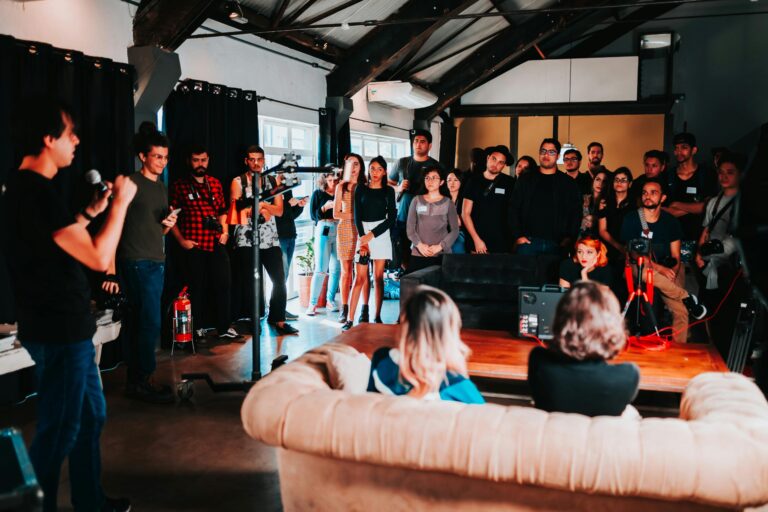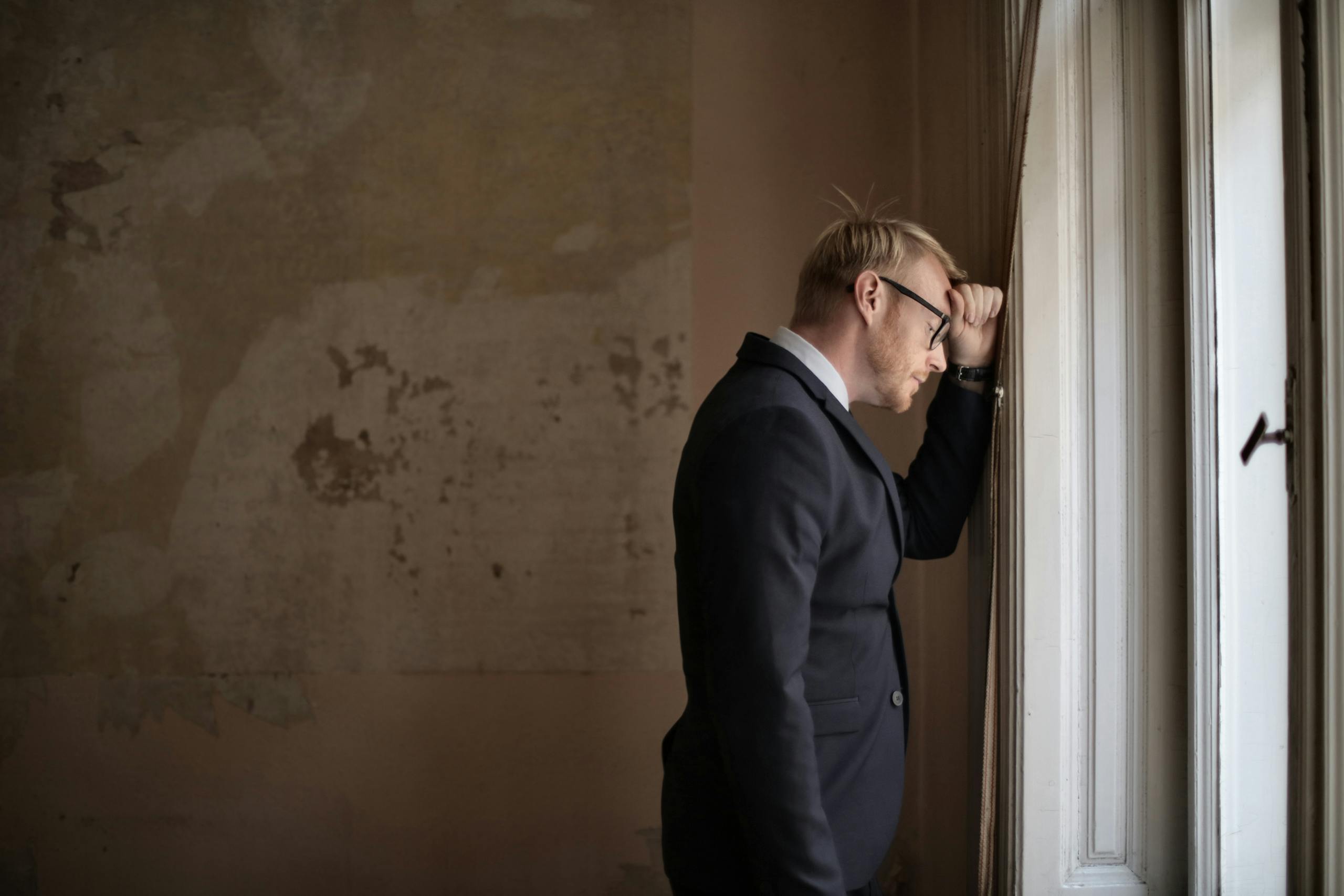
Severe social anxiety is more than shyness or a preference for quiet. It’s a condition that can make ordinary interactions feel genuinely threatening, triggering physical symptoms, avoidance patterns, and a persistent sense of dread that follows you well before any social event begins. fortunately that it responds to treatment, and many people find meaningful relief through a combination of therapy, lifestyle adjustments, and a clearer understanding of what’s actually happening in their minds and bodies.
There’s a distinction worth making right away. Introversion and social anxiety are not the same thing, though they often travel together. Introversion is a personality orientation. Social anxiety is a clinical condition rooted in fear. Sorting out which one you’re dealing with, or whether both are present, matters enormously when you’re trying to figure out what to do about it.
I spent a long time confusing the two in my own life. Running advertising agencies meant I was constantly in rooms I wasn’t built for: pitch meetings, client dinners, industry panels, team all-hands sessions. Some of what I felt in those rooms was normal introvert fatigue. Some of it, I now recognize, was something closer to anxiety. The difference between “I find this draining” and “I am genuinely afraid right now” took me years to understand.
If you’re working through questions like these, you’re in the right place. Our Introvert Mental Health Hub covers the full range of challenges that introverts face, from burnout and seasonal mood shifts to anxiety and when to seek professional support. This article focuses specifically on severe social anxiety, what it looks like, why it hits introverts hard, and how to actually work through it.

What Does Severe Social Anxiety Actually Feel Like?
Social anxiety disorder, as defined in the DSM-5, involves a marked and persistent fear of social situations where a person might be scrutinized by others. That fear leads to either avoidance of those situations or enduring them with intense distress. The American Psychological Association notes that anxiety disorders are among the most common mental health conditions, and social anxiety disorder is one of the most prevalent forms.
What drains your social battery?
Not all social exhaustion is the same. Our free quiz identifies your specific drain pattern and gives you personalised recharging strategies.
Find Your Drain PatternUnder 2 minutes · 8 questions · Free
What separates severe social anxiety from ordinary nervousness is the scale and the interference. Almost everyone gets a flutter of nerves before a big presentation. Social anxiety disorder is when that flutter becomes weeks of anticipatory dread, when you cancel plans to avoid the discomfort, when the fear of being judged or humiliated shapes your daily decisions in ways that shrink your life.
The physical symptoms can be disorienting. Racing heart. Flushing. Trembling. Sweating. Nausea. Many people with severe social anxiety report that the physical response feels completely out of proportion to the situation, which then creates a secondary layer of anxiety: fear of the anxiety itself. You start worrying that others will notice you’re anxious, which amplifies the anxiety further.
Cognitive symptoms are equally significant. Anticipatory thinking that runs worst-case scenarios on repeat. Post-event processing, where you replay every moment of a conversation looking for evidence that you embarrassed yourself. A persistent belief that others are watching you more critically than they actually are. A 2021 study published in PubMed Central highlighted how these cognitive distortions maintain social anxiety over time, often more powerfully than the social situations themselves.
I remember a specific client presentation, a major pitch for a Fortune 500 retail account, where I spent three days beforehand running through every possible way it could go wrong. Not strategic preparation. Catastrophic rumination. My notes were excellent. My team was prepared. But I was mentally rehearsing failure on a loop. That’s the signature of anxiety, not introversion.
Are Introverts More Vulnerable to Social Anxiety?
The relationship between introversion and social anxiety is genuinely complex, and conflating them does a disservice to both. A Psychology Today article examining this distinction makes the point clearly: introverts can be socially confident, and extroverts can have social anxiety. The traits don’t map onto each other as neatly as popular culture suggests.
That said, there are reasons why introverts may be more susceptible to developing social anxiety, or at least to having it go undetected longer. Introverts are wired for internal processing. We observe more, filter more, and tend to assign more weight to social nuances than extroverts typically do. That heightened sensitivity to social dynamics can, in certain circumstances, tip into hypervigilance. When you’re someone who naturally notices everything in a room, you’re also more likely to notice every raised eyebrow, every pause in conversation, every moment that might signal disapproval.
There’s also a cultural dimension. Many introverts grow up receiving messages that their natural communication style is somehow deficient. They’re told to speak up more, to be more outgoing, to stop being so quiet. Absorbing those messages over years can create genuine anxiety around social performance. The fear isn’t just about the situation itself. It’s about the accumulated belief that you’re not doing it right.
The American Psychological Association’s overview of shyness draws a useful distinction between shyness, introversion, and social anxiety, noting that shyness involves discomfort in social situations while introversion is simply a preference for less stimulating environments. Social anxiety is categorically different from both, involving fear rather than preference or discomfort. Understanding which combination you’re working with shapes how you approach it.
Managing anxiety in professional settings involves its own particular challenges, especially when workplace culture rewards extroverted behavior. If you’re dealing with anxiety at work specifically, the piece on workplace anxiety and how introverts actually cope addresses that intersection directly.

What Are the Most Effective Treatments for Severe Social Anxiety?
Severe social anxiety responds well to treatment. That’s worth saying plainly, because anxiety has a way of convincing you that your situation is uniquely hopeless. A 2022 review published in PubMed Central found that cognitive behavioral therapy, particularly exposure-based approaches, produces significant and lasting reductions in social anxiety symptoms for most people who engage with it consistently.
Cognitive Behavioral Therapy
CBT is widely considered the gold standard for social anxiety disorder. It works on two fronts simultaneously: the thought patterns that fuel anxiety and the behavioral patterns that maintain it. On the cognitive side, CBT helps you identify and challenge the distorted beliefs driving your fear. On the behavioral side, it uses graduated exposure to help you face feared situations in a structured, manageable way.
Exposure therapy, which is the behavioral component, sounds counterintuitive at first. The idea of deliberately putting yourself in situations that trigger anxiety feels like the opposite of self-care. Yet the mechanism makes sense once you understand it. Avoidance maintains anxiety because it prevents your nervous system from learning that the feared situation is survivable. Each time you avoid, you reinforce the belief that the situation is dangerous. Exposure, done carefully and progressively, teaches your nervous system something different.
What I found useful, even before I understood CBT formally, was building a version of this on my own. After years of dreading cold calls to prospective clients, I started making one difficult call each morning before I could talk myself out of it. Not because I loved it. Because I noticed that the calls I avoided stayed terrifying, while the ones I made became ordinary. That’s the core of exposure: repetition reduces fear.
Medication
For moderate to severe cases, medication can provide meaningful relief, often making therapy more accessible by reducing the intensity of symptoms enough to engage with the work. Harvard Health notes that SSRIs and SNRIs are typically first-line medications for social anxiety disorder, with beta-blockers sometimes used for situational anxiety around performance. Medication decisions are deeply personal and should involve a psychiatrist or physician who understands your full picture.
Some people find medication significant on its own. Others use it as a bridge while building skills in therapy. Neither approach is wrong. What matters is finding what works for your specific situation rather than following a prescribed path that doesn’t fit.
Mindfulness-Based Approaches
Mindfulness-based cognitive therapy and acceptance and commitment therapy have both shown promise for social anxiety. These approaches don’t aim to eliminate anxious thoughts so much as change your relationship to them. Instead of trying to suppress the fear response, you learn to observe it without being controlled by it. For introverts who already have a natural inclination toward internal observation, this framework can feel surprisingly accessible.
There’s a version of this I stumbled into during long flights to client meetings. I’d catch myself spiraling about whatever was waiting on the other end, and I started just naming what was happening. “There’s the catastrophizing again. There’s the chest tightness.” Not fighting it, just noting it. It didn’t make the anxiety disappear, but it created just enough distance to function.
How Do You Find the Right Therapist When You’re an Introvert?
Finding a therapist is its own social challenge, which is a particular cruelty when you’re dealing with social anxiety. The prospect of talking to a stranger about your deepest fears can feel like the exact thing you’re trying to avoid. Yet the therapeutic relationship is genuinely one of the most powerful tools available for severe anxiety, and it’s worth working through the discomfort of finding the right fit.
Introverts often do better with therapists who appreciate depth over breadth, who are comfortable with silence, and who don’t push for performance or forced positivity. The piece on therapy for introverts and finding the right approach covers this in detail, including how to evaluate whether a therapist’s style is compatible with how you process and communicate.
Some practical considerations: online therapy platforms have expanded access significantly, and many introverts find the text-based or video format less activating than in-person sessions. Therapists who specialize in anxiety disorders, particularly those trained in CBT or ACT, will have specific tools for social anxiety rather than a generalist approach. It’s also completely acceptable to interview a therapist before committing. Asking about their approach to social anxiety, their experience with introverted clients, and what the early sessions typically look like is not rude. It’s sensible.
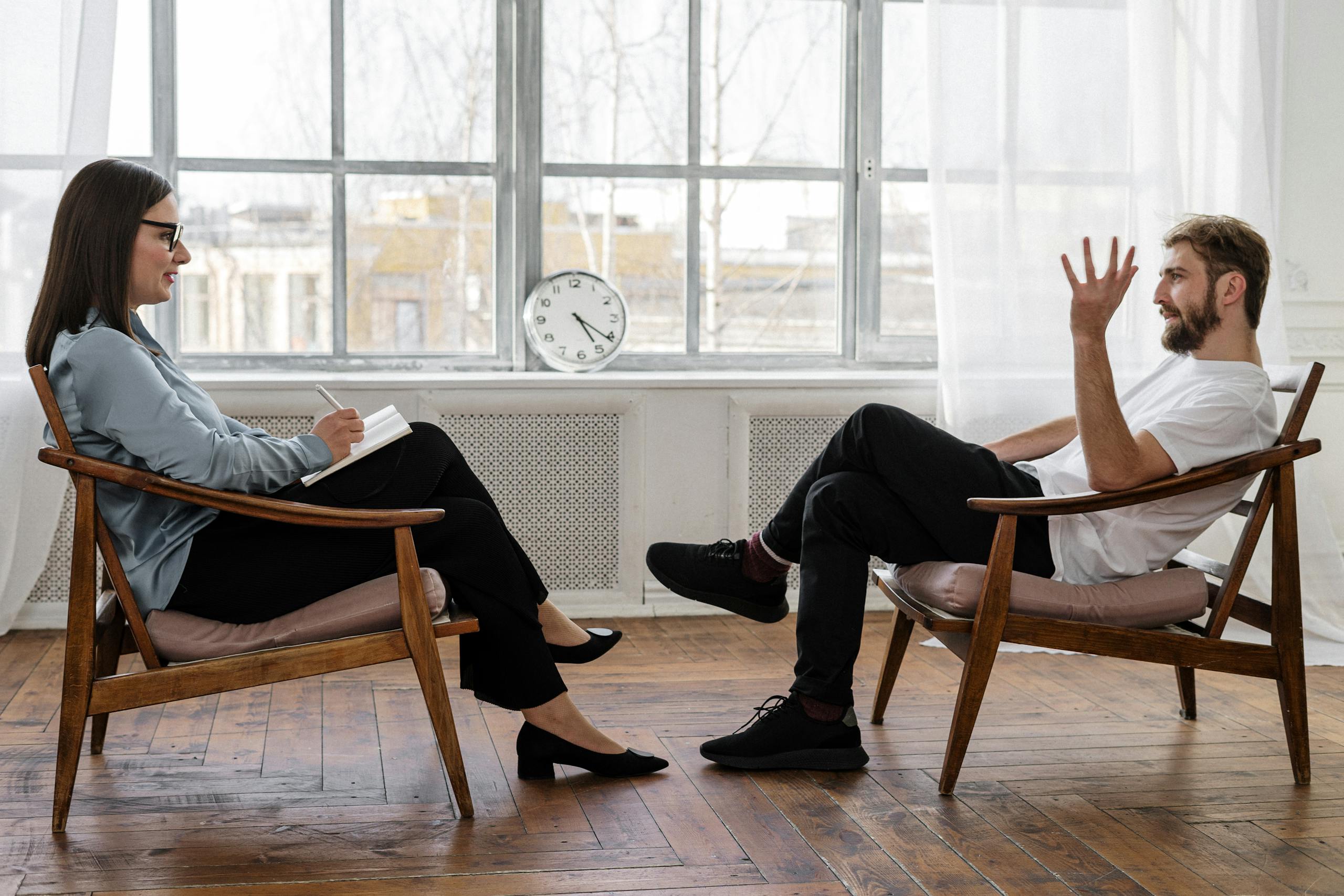
Knowing when to seek professional help rather than trying to manage alone is important. Severe social anxiety rarely resolves on its own, and the longer it goes unaddressed, the more the avoidance patterns compound. The article on introvert therapy and when professional help is needed helps clarify the signals that indicate it’s time to bring in support rather than continuing to manage solo.
What Daily Practices Actually Help Reduce Social Anxiety?
Treatment is the foundation, but what you do between sessions, and in the texture of daily life, matters enormously. Several practices have solid evidence behind them, and most are accessible without a prescription or a therapist’s office.
Structured Social Practice
Avoidance is the engine that keeps social anxiety running. Every time you skip the gathering, decline the invitation, or find a reason not to make the call, you send your nervous system a message: that situation was dangerous, and you escaped. The antidote is deliberate, graduated exposure, starting with situations that feel manageable and working up incrementally.
This doesn’t mean forcing yourself into overwhelming situations. It means identifying the next level up from where you are and practicing there. If phone calls feel impossible, start with texts. If group conversations feel too much, start with one-on-one interactions. Structure matters. Random exposure without intention can reinforce anxiety rather than reduce it.
Physical Exercise
The evidence for exercise as an anxiety intervention is substantial. Regular aerobic exercise reduces baseline anxiety levels by affecting neurotransmitter systems and the stress response. For social anxiety specifically, exercise also provides a context for experiencing elevated heart rate and physical arousal in a non-threatening environment, which can help desensitize you to those physical sensations when they arise in social situations.
During the most demanding years of running my agency, the days I skipped exercise were reliably the days my anxiety was worst. I didn’t fully understand the mechanism at the time. I just noticed the correlation and eventually stopped skipping.
Sleep and Recovery
Sleep deprivation amplifies anxiety across the board, and introverts who are already managing energy carefully feel this acutely. A poor night’s sleep doesn’t just make you tired. It lowers your threshold for threat detection, making social situations feel more dangerous than they actually are. Protecting sleep is not a luxury when you’re managing anxiety. It’s infrastructure.
The broader conversation about energy management and recovery connects directly to burnout prevention. The piece on work-life balance and how introverts avoid burnout addresses the structural side of this, including how to build recovery into your life rather than treating it as an afterthought.
Journaling and Thought Records
Writing is a natural tool for many introverts, and it has specific utility for social anxiety. Keeping a thought record, where you document the situation, your automatic thought, the evidence for and against that thought, and a more balanced alternative, is a core CBT technique that can be practiced independently. Over time, it builds the habit of examining rather than accepting anxious interpretations of social events.
Post-event journaling can also interrupt the rumination cycle. Instead of replaying a conversation with a negative spin, writing it out with deliberate attention to what actually went well, what was neutral, and what you’d do differently creates a more accurate record than anxious memory tends to produce on its own.

How Does Sensory Sensitivity Interact With Social Anxiety?
Some people dealing with social anxiety also identify as highly sensitive persons, a trait characterized by deeper processing of sensory and emotional information. The overlap between high sensitivity, introversion, and social anxiety creates a particular kind of overwhelm that’s worth understanding on its own terms.
Highly sensitive people process more information from their environment, which means crowded, loud, or visually busy social settings are inherently more activating. That activation can be misread as anxiety, or it can genuinely trigger anxiety in someone already predisposed. The result is that social situations feel not just socially threatening but physically overwhelming.
Managing the sensory dimension of social anxiety involves environmental strategies as much as psychological ones. Choosing venues that are less overwhelming, giving yourself transition time before and after social events, and recognizing when you’re hitting sensory capacity rather than social capacity are all meaningful adjustments. The resource on HSP sensory overwhelm and environmental solutions goes deeper on the practical side of this.
There’s also a seasonal dimension worth noting. For some introverts, anxiety intensifies during winter months, compounded by reduced daylight and the social pressure of holiday gatherings. The article on introvert seasonal affective disorder and winter’s double challenge addresses this intersection, which is more common than most people realize.
What Does Recovery Actually Look Like Over Time?
Recovery from severe social anxiety is rarely a straight line. There are weeks of genuine progress followed by setbacks that feel like going back to zero. Understanding that this is the normal shape of recovery, rather than evidence that it isn’t working, is itself a meaningful part of the process.
What tends to change first is the physical response. With consistent exposure and practice, the intensity of the physiological reaction in social situations typically decreases before the cognitive distortions fully resolve. You may still have the thought that everyone is judging you, but your heart isn’t racing as hard. That’s progress, even if it doesn’t feel complete.
Cognitive changes tend to come more slowly. The deeply held beliefs about social threat, about your own inadequacy in social settings, about the catastrophic consequences of being judged, were formed over years and don’t dissolve quickly. CBT works on these systematically, but the timeline is months, not weeks. Patience with the process is not optional. It’s part of the treatment.
What I’ve observed, both in my own experience and in conversations with others who’ve worked through significant anxiety, is that the goal isn’t the elimination of all social discomfort. It’s the restoration of choice. When anxiety is severe, you don’t feel like you have a choice about avoiding situations. Recovery means getting your options back. You can still choose to stay home on a Friday night because you genuinely want to. You’re just no longer choosing it because you’re afraid.
That distinction matters deeply to me. Introversion is a preference I’ve come to value and protect. Anxiety was a cage. They’re not the same thing, and treating them as such meant I spent years managing the wrong problem.

There’s more to explore across the full range of introvert mental health topics. If this article raised questions about related challenges, the Introvert Mental Health Hub brings together resources on anxiety, burnout, therapy, seasonal mood challenges, and more in one place.
Running on empty?
Five drain profiles, each with specific triggers, warning signs, and a recharging playbook.
Take the Free QuizUnder 2 minutes · 8 questions · Free
About the Author
Keith Lacy is an introvert who’s learned to embrace his true self later in life. After 20 years in advertising and marketing leadership, including running agencies and managing Fortune 500 accounts, Keith now channels his experience into helping fellow introverts understand their strengths and build fulfilling careers. As an INTJ, he brings analytical depth and authentic perspective to every article, drawing from both professional expertise and personal growth.
Frequently Asked Questions
Is severe social anxiety the same as being introverted?
No. Introversion is a personality trait involving a preference for less stimulating environments and a tendency to recharge through solitude. Social anxiety is a clinical condition involving fear of social situations and the judgment of others. An introvert can be socially confident, and an extrovert can have social anxiety. The two can coexist, but they have different origins and require different responses. Introversion doesn’t need to be treated. Severe social anxiety usually does.
Can severe social anxiety go away on its own without treatment?
For mild social anxiety, some people find that it diminishes with life experience and gradual exposure to social situations. Severe social anxiety, however, rarely resolves without intentional intervention. Avoidance patterns tend to compound over time, narrowing the range of situations a person feels able to handle. Cognitive behavioral therapy and, in many cases, medication produce significantly better outcomes than waiting and hoping. Early treatment also tends to produce better long-term results than delayed treatment.
How long does it take to overcome severe social anxiety?
The timeline varies considerably depending on severity, treatment approach, consistency, and individual factors. Many people see meaningful improvement within 12 to 16 weeks of consistent CBT. Full recovery, meaning a significant reduction in symptoms and restoration of functional social engagement, often takes longer, sometimes six months to a year or more. Progress is rarely linear. Setbacks are normal and don’t indicate treatment failure. Consistency with the work, particularly with exposure exercises, is the strongest predictor of positive outcomes.
What’s the difference between social anxiety and shyness?
Shyness involves discomfort or inhibition in social situations, particularly unfamiliar ones, but it doesn’t typically interfere significantly with daily functioning. Social anxiety disorder involves a level of fear and avoidance that meaningfully impacts a person’s life, relationships, and opportunities. Shyness is a temperament characteristic that many people carry comfortably throughout their lives. Social anxiety is a condition that tends to worsen over time if untreated and that causes real suffering. The distinction matters because it shapes whether professional treatment is warranted.
Are there self-help strategies that work for severe social anxiety, or is professional help always necessary?
Self-help strategies, including structured exposure practice, journaling, exercise, sleep hygiene, and mindfulness, can meaningfully support recovery from social anxiety. For mild to moderate cases, self-directed CBT workbooks have shown genuine effectiveness. For severe social anxiety, professional support is strongly recommended, not because self-help is useless but because the severity of symptoms often makes it difficult to implement self-directed strategies consistently without guidance. Therapy and self-practice work best in combination. Professional support provides the framework; daily practice builds the change.