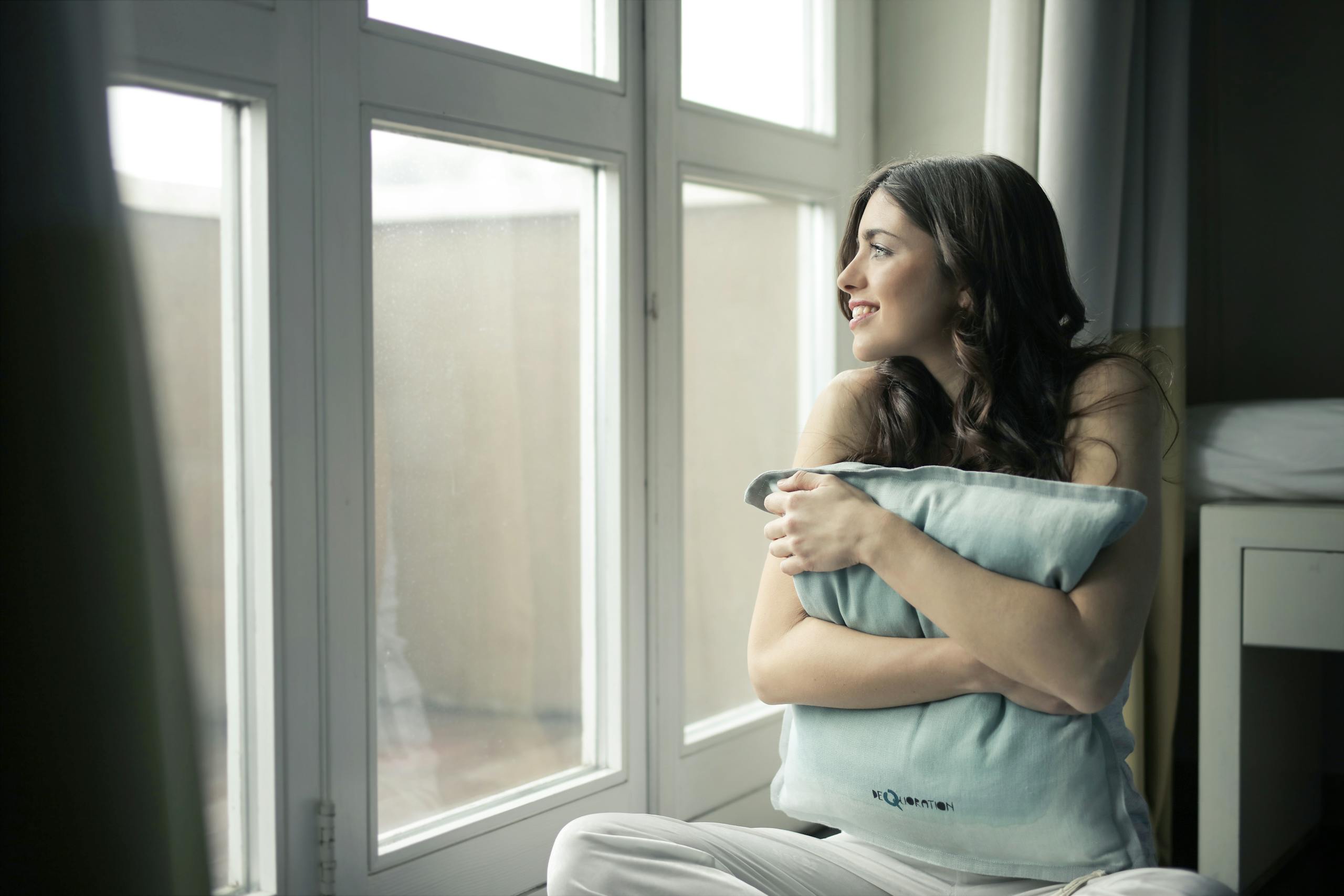
Empathic motherhood describes the experience of raising children while operating with a heightened emotional and sensory awareness that shapes every interaction, every decision, and every quiet moment of the day. For mothers who identify with this experience, parenting isn’t just a role. It’s a full-body, full-heart immersion that can feel both profoundly beautiful and genuinely exhausting. Luna, as a concept and a name often associated with this archetype, captures the reflective, emotionally attuned quality of sensitive motherhood: present, perceptive, and deeply connected to the emotional undercurrents of family life.

What makes this experience distinct from ordinary parenting is the depth at which everything registers. A child’s subtle mood shift, a tense undercurrent at the dinner table, a faint note of worry in a teenager’s voice. These aren’t things the empathic mother notices occasionally. They’re things she notices constantly, often before anyone else in the room has even registered that something is off.
I’m not a mother, obviously. But as an INTJ who spent decades in high-pressure advertising environments, I understand what it means to process the world at a frequency that feels turned up several notches above everyone else in the room. My HSP hub covers this territory from many angles, and the intersection of high sensitivity and caregiving is one of the most important, and least discussed, areas within it. You can explore the full collection at the HSP and Highly Sensitive Person hub for a broader picture of what living with deep sensitivity actually looks like across different life contexts.
What Does It Actually Mean to Be an Empathic Mother?
The word “empathic” gets used loosely in parenting conversations. Every parent loves their child. Every parent feels for their child. But empathic motherhood in the highly sensitive sense operates on a different level entirely.
What drains your social battery?
Not all social exhaustion is the same. Our free quiz identifies your specific drain pattern and gives you personalised recharging strategies.
Find Your Drain PatternUnder 2 minutes · 8 questions · Free
A 2019 PubMed study examined the relationship between maternal sensitivity and child emotional development, finding that mothers who demonstrated higher levels of emotional attunement produced measurably better outcomes in their children’s ability to regulate their own emotions. That finding aligns with what many highly sensitive mothers report anecdotally: their deep attunement to their children’s emotional states isn’t just a personal trait, it’s a parenting asset with real developmental consequences.
Where it gets complicated is in the cost. Empathic mothers often absorb the emotional weight of their household in ways that go well beyond typical parental concern. They feel their child’s anxiety as something close to their own. They carry the emotional residue of difficult school days, friendship conflicts, and family tensions long after those moments have passed. Psychology Today notes a meaningful distinction between highly sensitive people and empaths: HSPs process stimuli more deeply, while empaths may actually absorb others’ emotions as their own. Many empathic mothers sit at the intersection of both.
I’ve worked with people across that spectrum throughout my career. In agency life, you develop a feel for who processes information deeply and who absorbs the room’s emotional temperature as a physical experience. Some of my most perceptive account directors were women who could read a client’s unspoken frustration before the meeting had even officially started. That same quality, turned toward a child, is both a gift and a weight.
How High Sensitivity Shapes the Parenting Experience
High sensitivity isn’t a diagnosis and it isn’t a flaw. A 2024 Frontiers in Psychology article reinforced what researchers have been building toward for years: high sensitivity reflects a genuine neurological difference in sensory processing, not a deficit in emotional regulation or resilience. That distinction matters enormously for how empathic mothers understand themselves.
For the highly sensitive mother, parenting activates every layer of that neurological wiring simultaneously. The sensory demands alone, the noise, the physical contact, the unpredictability of a child’s schedule, can fill up a sensitive person’s capacity well before the emotional labor of the day even begins. Add to that the constant emotional scanning that comes naturally to someone with high empathy, and you have a person who is genuinely working harder than most people realize, even from the outside.
One thing I’ve noticed in my own life, even without children, is how much sensory overload compounds emotional fatigue. After a particularly intense client pitch, the kind where you’re reading the room, managing the energy of your team, tracking every micro-reaction from the client, and simultaneously presenting your best creative work, I would come home and need complete quiet for an hour before I could function socially again. That’s a mild version of what empathic mothers experience as a daily baseline.
It’s also worth noting that high sensitivity is not the same as being an ambivert who simply needs occasional recharging. If you’ve ever wondered whether your sensitivity is part of a broader personality pattern, my piece on ambiverts and why the label often confuses more than it clarifies might help you think through what’s actually driving your experience.
Why the Luna Archetype Resonates With Sensitive Mothers
Luna, the moon, has carried symbolic weight across cultures for thousands of years. It represents cycles, reflection, emotional depth, and the kind of light that illuminates without overwhelming. For empathic mothers, that symbolism lands with unusual precision.
The moon doesn’t broadcast. It reflects. It works in cycles, not straight lines. It pulls at things beneath the surface. These are qualities that describe the empathic mother’s experience of herself remarkably well. She’s not performing her love loudly. She’s holding it quietly, consistently, in ways that shape the people around her without always being visible or credited.
There’s a real psychological dimension to this archetype beyond the poetic. A Psychology Today article makes the important point that high sensitivity is not a trauma response, even though it’s sometimes misread as one. Empathic mothers who identify with the Luna archetype aren’t damaged or fragile. They’re operating with a perceptual range that most people simply don’t have access to. The challenge is learning to work with that range rather than against it.
In my years running agencies, I noticed that the leaders who struggled most were the ones trying to perform a version of leadership that didn’t match their actual wiring. I did this myself for a long time, forcing myself into the gregarious, high-energy, always-on CEO mold because that’s what I thought the role required. The relief that came from finally operating from my actual strengths, the analytical depth, the quiet observation, the ability to read a situation carefully before acting, was significant. Empathic mothers often need that same permission to stop performing a version of motherhood that doesn’t fit their nature.
The Hidden Costs That Don’t Get Talked About Enough
Empathic motherhood carries costs that are real, specific, and often invisible to the people closest to these mothers.
Emotional labor is the most discussed, but sensory depletion runs a close second. Homes with children are rarely quiet. They’re full of competing sounds, textures, smells, and unpredictable physical contact. For a mother with high sensory sensitivity, the baseline stimulation of an ordinary family day can be genuinely depleting in ways that have nothing to do with how much she loves her children or how committed she is to her family.

Sleep quality becomes a significant issue for many empathic mothers, partly because the nervous system stays alert even when the body is exhausted. I’ve spent time exploring this personally. After years of poor sleep tied to an overactive mind that wouldn’t stop processing the day’s events, I tested a range of white noise solutions. My full breakdown is in this piece: I tested 8 white noise machines for sensitive sleepers. For empathic mothers whose minds keep running long after the house goes quiet, finding a reliable way to create auditory calm at night can be genuinely significant for overall wellbeing.
There’s also the cost of absorbing what children can’t yet process themselves. Young children don’t have the emotional vocabulary or the regulatory capacity to manage their big feelings internally. They externalize them, loudly and physically, and the empathic mother doesn’t just witness that. She feels it alongside them, often while simultaneously trying to help the child work through it. That’s a double load that most parenting conversations don’t adequately account for.
A 2024 Nature study on environmental sensitivity found that highly sensitive individuals show stronger physiological responses to environmental stressors, which helps explain why the cumulative load of a stimulating household hits differently for an empathic mother than it might for someone with a less sensitive nervous system. This isn’t a character issue. It’s biology.
What Empathic Mothers Need That They Rarely Ask For
Solitude is the obvious one. Not absence from the family, but genuine restorative quiet. The kind where no one needs anything, no one is making noise, and the nervous system can actually reset. Most empathic mothers know this about themselves and feel guilty about it, as though needing silence means they love their families less. It doesn’t. It means they’re highly sensitive, and highly sensitive people genuinely require recovery time in ways that non-sensitive people often don’t understand.
Nature access matters more than most people realize for this population. Yale’s e360 project documented the measurable health benefits of immersion in natural environments, and for highly sensitive people, the effect appears to be particularly pronounced. Time outdoors, away from the sensory complexity of domestic life, functions as a genuine nervous system reset rather than a luxury. Empathic mothers who build this into their routines consistently report better emotional regulation and more sustainable energy for their families.
Validation from a partner or community is also significant. The empathic mother’s experience is frequently misread as anxiety, oversensitivity, or emotional instability by people who don’t share her perceptual range. Being seen accurately, having someone acknowledge that what she’s experiencing is real and has a neurological basis, can shift her relationship with her own nature considerably. This is part of why community among highly sensitive people matters so much.
I watched this dynamic play out in agency settings when I had team members who processed feedback at a much deeper level than others. A critique that rolled off one person’s back could genuinely affect another person’s work quality for days. The solution wasn’t to toughen them up. It was to communicate differently, to be more precise and more affirming, and to recognize that their depth of processing was also the source of their best work. The same principle applies in families.
The Strengths That Make Empathic Mothers Exceptional
There’s a tendency in conversations about sensitive parenting to focus heavily on the challenges. That’s understandable, because the challenges are real and underrecognized. Even so, the strengths of empathic motherhood are worth naming clearly and specifically.

Early detection of emotional distress in children is one of the most significant. Empathic mothers often notice that something is wrong with their child well before the child can articulate it, and sometimes before the child is consciously aware of it themselves. That early awareness creates opportunities for intervention, conversation, and support that parents with lower sensitivity may simply miss.
Depth of connection is another. Children raised by empathic mothers often describe feeling genuinely seen and understood in ways they recognize as unusual. That quality of attunement builds attachment security and emotional intelligence in children, creating a foundation that shapes how they relate to others throughout their lives.
Moral sensitivity is a third strength. Empathic mothers tend to model ethical reasoning, emotional accountability, and nuanced thinking in ways that children absorb through daily observation. These aren’t lessons delivered through lectures. They’re transmitted through the texture of how the mother moves through the world.
Understanding your own personality profile more deeply can help you recognize these strengths as features of your wiring rather than accidents of circumstance. My piece on MBTI development and the truths that actually matter explores how personality frameworks can be used practically for self-understanding rather than just categorization.
When Sensitivity Feels Like a Burden Rather Than a Gift
There are seasons in parenting where the empathic mother’s gifts feel more like liabilities. Adolescence is a common inflection point. Teenagers are emotionally volatile by developmental design, and for a mother who absorbs emotional atmospheres rather than simply observing them, living with an adolescent can be genuinely overwhelming.
Conflict is another difficult terrain. Many highly sensitive people have a strong aversion to interpersonal conflict, not because they’re passive or conflict-avoidant by choice, but because conflict registers in their nervous system at a higher intensity than it does for others. Managing family conflict as an empathic mother, staying present and regulated while also feeling the full force of the emotional storm, requires a level of internal resource that doesn’t come automatically.
Career pressures compound this for mothers who work outside the home. Spending a full day managing professional demands while also processing the emotional environment of a workplace, then coming home to the sensory and emotional demands of family life, can create a cumulative depletion that’s hard to explain to people who don’t experience the world this way. My HSP career survival guide addresses the workplace dimension of this directly, and many empathic mothers find it useful for thinking about how to structure their professional lives in ways that leave more in reserve for their families.
Some empathic mothers also carry a quiet concern that their sensitivity makes them less capable parents, that they’re too affected, too easily overwhelmed, too much. That concern is worth examining carefully. High sensitivity in a parent doesn’t produce fragile children. A 2019 PubMed study found that maternal emotional attunement correlates positively with children’s emotional development outcomes. The very quality these mothers sometimes worry about is often the thing their children benefit from most.
Building a Life That Honors Both Your Sensitivity and Your Family
Practical sustainability matters more than most self-care conversations acknowledge. Empathic mothers don’t need to become less sensitive. They need environments, routines, and relationships structured in ways that work with their nervous systems rather than constantly against them.
Predictability helps. Sensitive nervous systems respond better to routines than to constant novelty, partly because predictability reduces the background scanning that consumes so much energy. Building predictable structures into family life, consistent mealtimes, predictable transitions, clear communication about what’s coming next, reduces the cognitive and emotional load for the empathic mother without requiring any fundamental change in who she is.
Boundaries around sensory input matter too. This might mean having a room in the house that stays genuinely quiet, or building in a transition period between work and family time, or being honest with a partner about what kinds of evenings are sustainable and which ones aren’t. These aren’t demands. They’re practical accommodations for a real neurological reality.

Community with other highly sensitive mothers is valuable in a way that’s hard to overstate. Being understood by people who share your experience, rather than having to explain or justify it constantly, reduces the secondary burden of feeling like an outlier. Many empathic mothers find that simply naming their trait, recognizing it as a defined neurological characteristic with documented patterns, changes their relationship with it considerably.
It’s also worth understanding where your sensitivity sits within the broader landscape of personality and trait variation. My piece on what makes a personality type rare from a scientific perspective offers useful context for understanding why some people process the world so differently from the majority, and why that difference carries both genuine challenges and genuine advantages.
For mothers whose sensitivity feels particularly isolating in professional or social contexts, the patterns explored in rare personality types and why they struggle at work often resonate beyond the workplace. The experience of being wired differently in environments designed for the majority is a thread that runs through many aspects of life for highly sensitive people, including parenting.
What I’ve come to believe, after years of watching sensitive people either fight their nature or find ways to work with it, is that the second path is always more sustainable. Not easier, necessarily. More sustainable. Empathic motherhood isn’t a problem to be solved. It’s a way of being in the world that, when supported rather than suppressed, produces something genuinely valuable for the people fortunate enough to be raised within it.
There’s more to explore on this topic and many related ones in the HSP and Highly Sensitive Person hub, where I’ve gathered a range of perspectives on what it means to live, work, and parent with a sensitive nervous system.
Running on empty?
Five drain profiles, each with specific triggers, warning signs, and a recharging playbook.
Take the Free QuizUnder 2 minutes · 8 questions · Free
About the Author
Keith Lacy is an introvert who’s learned to embrace his true self later in life. After 20 years in advertising and marketing leadership, including running agencies and managing Fortune 500 accounts, Keith now channels his experience into helping fellow introverts understand their strengths and build fulfilling careers. As an INTJ, he brings analytical depth and authentic perspective to every article, drawing from both professional expertise and personal growth.
Frequently Asked Questions
What is empathic motherhood?
Empathic motherhood refers to the experience of parenting with a heightened capacity for emotional attunement and sensory sensitivity. Mothers who identify with this experience tend to perceive and absorb the emotional states of their children and household at a deeper level than most, which creates both significant caregiving strengths and genuine challenges around emotional and sensory depletion.
Is high sensitivity in mothers good or bad for children?
Research consistently points toward positive outcomes. A 2019 PubMed study found that maternal emotional attunement correlates with stronger emotional development in children. Empathic mothers tend to detect distress early, model nuanced emotional reasoning, and build secure attachment through consistent attunement. The challenges associated with maternal high sensitivity are real but manageable with appropriate support and self-awareness.
Why do empathic mothers feel so exhausted?
The exhaustion empathic mothers experience typically has two sources: sensory depletion from the constant stimulation of family life, and emotional labor from absorbing and processing the feelings of everyone in the household. A 2024 Nature study confirmed that highly sensitive individuals show stronger physiological responses to environmental stressors, which helps explain why the ordinary demands of parenting register differently for this group than for less sensitive parents.
What does the Luna archetype mean in the context of sensitive motherhood?
Luna, associated with the moon, represents the reflective, cyclical, emotionally deep quality of empathic mothering. The archetype resonates with highly sensitive mothers because it captures how they tend to operate: not through loud declaration but through consistent, attentive presence. The moon illuminates without overwhelming, works in cycles rather than straight lines, and influences things beneath the surface. These qualities describe the empathic mother’s experience of herself and her role with unusual accuracy.
How can empathic mothers sustain themselves without burning out?
Sustainable empathic motherhood typically involves three practical elements: regular access to genuine solitude for nervous system recovery, predictable routines that reduce the background scanning that consumes energy, and honest communication with partners and support systems about what kinds of environments and schedules are actually workable. Nature access, quality sleep, and community with other highly sensitive people also play a meaningful role in long-term wellbeing for this group.