
Technology and social media have quietly reshaped the social landscape in ways that happen to favor introverts at almost every turn. Where the old world rewarded whoever spoke loudest in the room, the digital world rewards whoever thinks most clearly before they type. That shift is not accidental, and it is not small.
Introverts have always possessed the capacity for deep focus, careful communication, and meaningful connection. What changed is that the tools we now live inside were essentially built for those exact qualities. The result is something worth examining honestly, because it goes well beyond “introverts like texting.” This is a structural advantage, and most people who have it have not fully recognized it yet.
Our Introvert Strengths and Advantages hub covers the full range of ways introverts are wired differently, and the relationship between introversion and technology adds another dimension to that conversation. The digital era did not just give introverts convenience. It gave them conditions where their natural strengths become visible.

Why Did the Digital World Feel Like a Relief to So Many Introverts?
There is a specific feeling I remember from the early days of email becoming standard in agency life. Before that, everything ran through phone calls, hallway conversations, and impromptu meetings that had no agenda and no end time. My energy was constantly being pulled in directions I had not chosen. Then email arrived, and something in me exhaled.
What’s your introvert superpower?
Every introvert has a quiet strength others overlook. Our free quiz identifies yours and shows you how to leverage it in your career and relationships.
Discover Your Superpower2-3 minutes · 10 questions · Free
Suddenly I could think before I responded. I could read a client’s concern, sit with it, formulate a real answer, and send something that actually reflected what I meant. The frantic back-and-forth of verbal sparring was replaced by something that felt, to me, far more civilized. My extroverted colleagues thought email was a step backward. I thought it was the first tool that actually worked the way my brain worked.
That experience points to something deeper than preference. The American Psychological Association defines introversion as a personality orientation characterized by a focus on internal mental life, a tendency toward reflection, and a preference for less stimulating environments. Digital communication channels, at their core, reduce stimulation while preserving the ability to connect. That alignment is not coincidental. It is structural.
Social media platforms, messaging tools, email, and collaborative software all share a common design feature: they create space between stimulus and response. That space is where introverts do their best thinking. It is where meaning gets assembled carefully rather than blurted out under pressure. The digital world did not just accommodate introverts. It built its infrastructure around the kind of processing introverts have always done naturally.
A 2012 study published in PubMed Central examined how personality traits influence communication preferences and found that individuals higher in introversion consistently preferred written, asynchronous communication over real-time verbal exchange. The reasons were tied to cognitive processing style, not shyness. Introverts were not avoiding conversation. They were choosing the format that let them participate at their best.
What Does Asynchronous Communication Actually Do for Introverts?
The word “asynchronous” sounds technical, but the concept is simple. Asynchronous communication means you do not have to respond in real time. You can receive a message, think about it, and reply when you are ready. For introverts, that single feature changes everything.
In my agency years, the meetings that drained me most were not the long ones. They were the ones where someone would ask a pointed question and expect an answer within three seconds, in front of twelve people, with a client on speakerphone. My best thinking never happened in those moments. It happened afterward, in my car on the way home, when I finally had quiet. By then, of course, the moment had passed.
Digital tools gave me back those moments. Slack threads, email chains, project management platforms, even thoughtful LinkedIn comments, they all operate on a timeline I can control. The quality of what I contribute goes up considerably when I am not performing under the pressure of immediate verbal response.
This matters professionally in ways that are easy to underestimate. Many of the introvert strengths companies actually want are precisely the ones that emerge when there is time to think: careful analysis, precise communication, thorough preparation, and considered judgment. Asynchronous tools do not just make introverts more comfortable. They create conditions where those strengths become the standard rather than the exception.

There is also an energy dimension here that matters. Healthline’s overview of introversion notes that introverts tend to lose energy through social stimulation and restore it through solitude and quiet reflection. Asynchronous communication allows introverts to engage socially without the continuous energy drain of real-time interaction. You can participate fully in a conversation, contribute meaningfully, and still have something left at the end of the day.
How Has Social Media Specifically Created Space for Introverted Voices?
Social media gets a complicated reputation, and not without reason. But one thing it genuinely did was democratize voice. Before platforms like Twitter, LinkedIn, YouTube, and Substack existed, the people who shaped public conversation were largely those who could command a room, hold a microphone, or afford broadcast time. Introverts, who tend to process deeply and communicate precisely, were often shut out of that ecosystem simply because it required a performance style that did not come naturally to them.
Social media changed the equation. A well-crafted post written at midnight, after hours of reflection, can reach thousands of people without its author ever having to stand in front of a crowd. A thoughtful LinkedIn article can build professional credibility that no conference panel appearance could match, because the writing itself does the work. The introvert who spent years watching louder colleagues get the credit finally had a medium that rewarded depth over volume.
Some of the most influential voices in digital spaces belong to introverts. They built audiences not through charisma or performance, but through consistency, specificity, and the kind of genuine thinking that comes from spending a lot of time alone with ideas. That is not a coincidence. It is what happens when introverts get access to a medium that suits how they naturally communicate.
There is a parallel here with what happens in leadership. The leadership advantages introverts hold include listening carefully, thinking before acting, and building trust through consistency rather than charisma. Social media platforms reward exactly those qualities when used with intention. The introverts who thrive on these platforms are not performing extroversion. They are being exactly who they are, and finding that it works.
Does Technology Help Introverts Build Deeper Relationships?
One of the persistent myths about introverts is that they do not want connection. That is not accurate. What introverts want is connection that goes somewhere, conversation that has substance, relationships built on something more than proximity and small talk. The challenge has always been that most of the traditional social infrastructure was designed around surface-level, high-volume interaction.
Digital tools shifted that. A long email exchange with a colleague you respect can build genuine professional intimacy. A thoughtful comment thread on someone’s article can open a real conversation. A voice message sent at your own pace can carry warmth and nuance that a rushed hallway exchange never could. Technology created channels for the kind of depth introverts have always preferred.
An article in Psychology Today explored whether introverts make better friends than extroverts, and found that introverts tend to invest more deeply in fewer relationships, prioritizing quality over quantity. Digital communication tools support exactly that pattern. You can maintain a small number of genuinely meaningful connections across distance, time zones, and busy schedules, without the social overhead that in-person interaction requires.
I have maintained some of my most important professional relationships almost entirely through written communication. A client I worked with for nearly a decade on a major retail account and I probably had fewer than a dozen phone calls in all that time. We communicated through detailed emails, and the relationship was stronger for it. Both of us could be precise. Both of us had time to think. The work was better, and so was the trust.

This connects to something broader about how introverts are wired. Many of the hidden strengths introverts possess center on depth: deep listening, deep thinking, deep loyalty. Technology does not create those qualities, but it gives them room to operate. When the medium rewards careful thought over quick response, the introvert’s natural depth becomes an asset rather than a liability.
What About the Ways Technology Can Still Drain Introverts?
Honesty matters here. Technology is not a perfect solution, and pretending otherwise would miss something important. The same platforms that gave introverts a voice also created new forms of social pressure that can be exhausting in their own right.
Notification culture is one example. The expectation that you will respond to a Slack message within minutes, or that you are available on your phone at all hours, recreates the same always-on pressure that made open offices so draining. The medium changed but the underlying demand did not. Introverts who thrive in digital spaces have generally learned to set boundaries around their availability, treating their attention as a resource to be managed rather than a service to be provided on demand.
Social media can also become performative in ways that feel hollow. When a platform rewards engagement metrics above all else, the pressure to post constantly, to respond publicly, to maintain a visible presence can start to feel like the digital version of working a room at a networking event. That particular flavor of exhaustion is very familiar to introverts who have spent time trying to perform extroversion in professional settings.
A 2020 study published in PubMed Central found that excessive social media use was associated with increased psychological distress across personality types, though the specific triggers differed. For introverts, the distress often came not from social media itself but from the pressure to use it in extroverted ways: broadcasting constantly, engaging performatively, optimizing for visibility rather than substance.
The distinction matters. Technology empowers introverts when they use it on their own terms. It drains them when they use it in ways that replicate the social dynamics they found exhausting offline. Knowing the difference is part of what makes the advantage real.
This connects to a broader truth about introvert strengths. As I have written about before, many of what look like introvert challenges are actually gifts in a different form. The same sensitivity that makes crowded networking events overwhelming is what makes an introvert’s written communication so precise and considered. Technology does not eliminate that sensitivity. It creates conditions where it becomes an advantage.
How Does Remote Work Fit Into This Picture?
Remote work deserves its own conversation because it represents the most significant structural shift in working life that introverts have ever experienced. The combination of digital communication tools and the elimination of the physical open office created something genuinely new: a professional environment where introverts could work at their natural pace, in conditions they controlled, without the constant social overhead of shared physical space.
My agency years were spent almost entirely in open-plan offices. The noise, the interruptions, the ambient social energy, it was relentless. I developed coping strategies: early mornings before anyone arrived, late evenings after everyone left, headphones as a signal that I was not available. All of that energy went into managing my environment rather than doing the actual work. Remote work eliminated that entire category of effort.
What replaced it was something I had never fully experienced in a professional context: the ability to structure my day around my own energy patterns. Deep thinking in the morning. Collaborative work in the afternoon when I had already done my best solo work. Breaks that were actually restorative rather than just a change of social scenery. The quality of my thinking improved measurably, and so did the quality of what I produced.
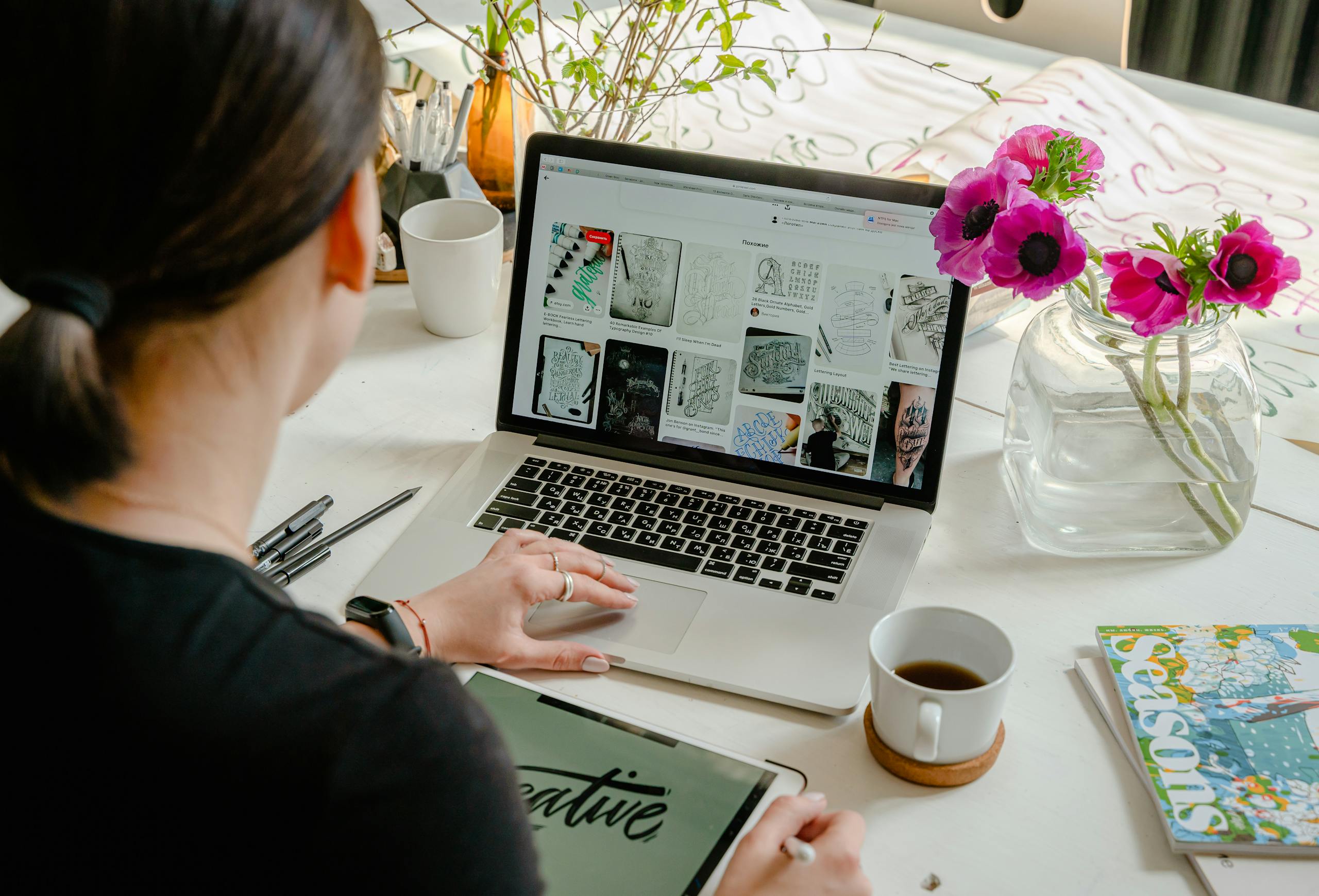
This is not unique to me. A 2021 APA study on personality and remote work preferences found that introverted individuals reported significantly higher satisfaction with remote work arrangements and attributed it specifically to reduced social stimulation and greater control over their environment. You can read more about the underlying research in this American Psychological Association publication on personality and work outcomes.
Remote work also changed how performance became visible. In an office, visibility often meant physical presence, being seen at your desk, being heard in meetings, being noticed by the right people at the right moments. Remote work shifted visibility toward output. What you produced, how clearly you communicated it, how reliably you delivered. Those are metrics that favor introverts considerably.
Are There Specific Digital Platforms Where Introverts Have a Natural Edge?
Not all digital platforms are created equal from an introvert’s perspective. Some replicate the dynamics of crowded, noisy social environments. Others create genuine space for the kind of depth and deliberate communication that introverts do naturally well.
LinkedIn tends to reward the introvert’s strengths more than most. Long-form articles, thoughtful comments, carefully constructed posts, the platform’s architecture favors substance over spectacle. Introverts who invest in writing well on LinkedIn often find that their content performs better than the quick, high-volume posting strategies that feel more natural to extroverts. Depth has a longer shelf life on that platform than noise does.
Substack and similar newsletter platforms are another example. The format rewards writers who have something genuine to say and the patience to say it well. Many of the most successful Substack writers describe themselves as introverts who spent years feeling like they had no platform for their ideas. The newsletter format gave them one that did not require performance or constant visibility, just consistent, quality thinking delivered to readers who chose to receive it.
Podcasting is interesting because it seems like it would favor extroverts, but the reality is more nuanced. Introverts who podcast often excel because they prepare thoroughly, listen carefully to guests, and create conversations with genuine depth rather than filling air time with noise. The preparation-heavy nature of good podcasting aligns well with how introverts naturally approach communication.
There is also something worth noting about online communities built around specific interests. Introverts tend to connect more easily around shared passions than around generic social interaction. Niche forums, Discord servers focused on specific topics, interest-based subreddits, these spaces allow introverts to engage deeply with people who share their specific enthusiasms without the ambient social pressure of general-purpose socializing. The connection feels more real because it is grounded in something substantive.
Does This Digital Advantage Extend to Introvert Women in Particular?
The relationship between technology and introversion takes on additional dimensions when gender enters the picture. Introvert women face a particular set of pressures that go beyond what introvert men typically experience. Society expects women to be warm, expressive, and socially available in ways that can make introversion feel like a character flaw rather than a personality trait. The professional cost of being perceived as “too quiet” or “not warm enough” falls harder on women than men in most workplace contexts.
Digital communication tools create something valuable for introvert women specifically: a channel where the social penalties for quietness are reduced. In a written medium, the introvert woman’s precision and depth are simply qualities of good writing. They are not filtered through expectations about how expressive she should be in person or how much she should be smiling in a meeting. The work speaks without the social performance attached.
The challenges introvert women face are real and worth understanding fully. I have written about this in depth, because the experience of being an introvert woman in a world that punishes quietness is distinct from the general introvert experience. Technology does not eliminate those challenges, but it does create spaces where the penalties are lower and the strengths are more visible.
Social media has also given introvert women platforms to build audiences and professional credibility on their own terms, outside of institutional structures that may have historically undervalued their quieter communication style. Some of the most influential voices in professional development, mental health, and personal growth online belong to introvert women who found in digital tools a way to reach people without having to perform in ways that felt inauthentic.

How Can Introverts Use Technology Intentionally Rather Than Reactively?
Having an advantage and using it well are two different things. Technology creates conditions where introvert strengths can flourish, but only if introverts approach those tools with intention rather than simply following the default patterns everyone else uses.
One of the most important choices is around communication norms. Many introverts absorb the expectation that they should respond immediately to every message, be available at all hours, and match the response velocity of their most extroverted colleagues. That expectation is worth examining and, often, worth declining. Setting clear response windows, turning off non-essential notifications, and treating asynchronous communication as genuinely asynchronous rather than just delayed real-time interaction, these choices protect the conditions that make introverts effective.
Content creation is another area worth approaching deliberately. Introverts who invest in building a body of written work, whether that is articles, newsletters, LinkedIn posts, or detailed project documentation, create something that compounds over time. Each piece of thoughtful writing is a representation of how you think, and those representations accumulate into a professional reputation that does not require constant in-person visibility to maintain.
Choosing which platforms to invest in also matters. Trying to maintain a high-volume presence on every platform is a strategy designed for extroverts. Introverts generally do better by choosing one or two channels that match their communication style and investing in those deeply rather than spreading thin across many. Depth over breadth is a principle that applies to platform strategy just as much as it applies to relationships.
There is a useful parallel here with physical health practices. Just as solo running works better for many introverts because it provides restorative solitude rather than additional social stimulation, solo digital practices, writing, creating, reflecting, tend to be more sustainable and more energizing than high-volume social engagement. The medium is different, but the underlying principle is the same: activities that align with how you are naturally wired tend to produce better results with less effort.
Finally, introverts can use technology to prepare for the in-person interactions they do need to have. Researching a client before a meeting, drafting talking points before a difficult conversation, reviewing notes before a presentation, these are all ways of using digital tools to reduce the cognitive load of real-time social interaction. The introvert who arrives at a meeting having done thorough digital preparation is not at a disadvantage compared to the extrovert who thrives on spontaneity. They are operating from a different kind of strength, and often a more reliable one.
The Psychology Today Introvert’s Corner has long explored how introverts develop their communication preferences over time, and one consistent theme is that introverts who understand their own patterns and design their environments accordingly tend to thrive far more than those who simply try to adapt to extroverted defaults. Technology is one of the most powerful tools available for that kind of intentional design.
If you want to keep exploring how introvert strengths play out across different areas of life and work, the Introvert Strengths and Advantages hub is a good place to go deeper. There is more there than any single article can cover.
Know your quiet strength?
Six superpower types, each with career implications and curated reading to develop your specific strength further.
Take the Free Quiz2-3 minutes · 10 questions · Free
About the Author
Keith Lacy is an introvert who’s learned to embrace his true self later in life. After 20 years in advertising and marketing leadership, including running agencies and managing Fortune 500 accounts, Keith now channels his experience into helping fellow introverts understand their strengths and build fulfilling careers. As an INTJ, he brings analytical depth and authentic perspective to every article, drawing from both professional expertise and personal growth.
Frequently Asked Questions
Why do introverts tend to prefer digital communication over in-person interaction?
Introverts prefer digital communication primarily because it creates space between receiving information and responding to it. That space allows for the kind of careful, considered thinking that introverts do naturally well. Real-time verbal interaction requires immediate response under social pressure, which often prevents introverts from contributing at their best. Written, asynchronous communication removes that pressure and lets the quality of thinking speak for itself.
Does social media genuinely benefit introverts, or does it create new pressures?
Social media can genuinely benefit introverts when used on their own terms. Platforms that reward depth, consistency, and quality writing tend to favor introvert communication strengths. That said, social media can also create new pressures around constant visibility and immediate engagement that replicate the exhausting dynamics of high-stimulation in-person environments. Introverts who thrive on social media generally do so by choosing platforms that suit their style and setting clear limits around how and when they engage.
How has remote work changed things for introverts specifically?
Remote work has been one of the most significant structural changes in professional life for introverts. It eliminated the constant social overhead of shared physical office space and replaced visibility based on presence with visibility based on output. Introverts who struggled to be noticed in open-plan offices because they were not loud or socially dominant found that remote work shifted the metrics toward qualities they naturally possessed: clear written communication, reliable delivery, and thorough preparation.
Are there digital platforms that are better suited to introvert strengths than others?
Yes. Platforms that reward long-form, thoughtful content tend to suit introverts better than those that reward high-frequency, high-volume posting. LinkedIn, Substack, and interest-based community platforms tend to favor the introvert’s preference for depth and substance. Platforms that optimize purely for engagement velocity and constant visibility can feel more draining because they push introverts toward communication patterns that do not align with how they naturally operate.
How can introverts use technology to protect their energy rather than deplete it?
The most effective approach involves treating digital communication as genuinely asynchronous rather than as delayed real-time interaction. That means setting specific response windows, turning off non-essential notifications, and choosing which platforms to invest in deeply rather than spreading across many. Introverts also benefit from using technology for preparation before in-person interactions, which reduces the cognitive load of those moments considerably. The goal is to design a digital environment that works with introvert energy patterns rather than against them.