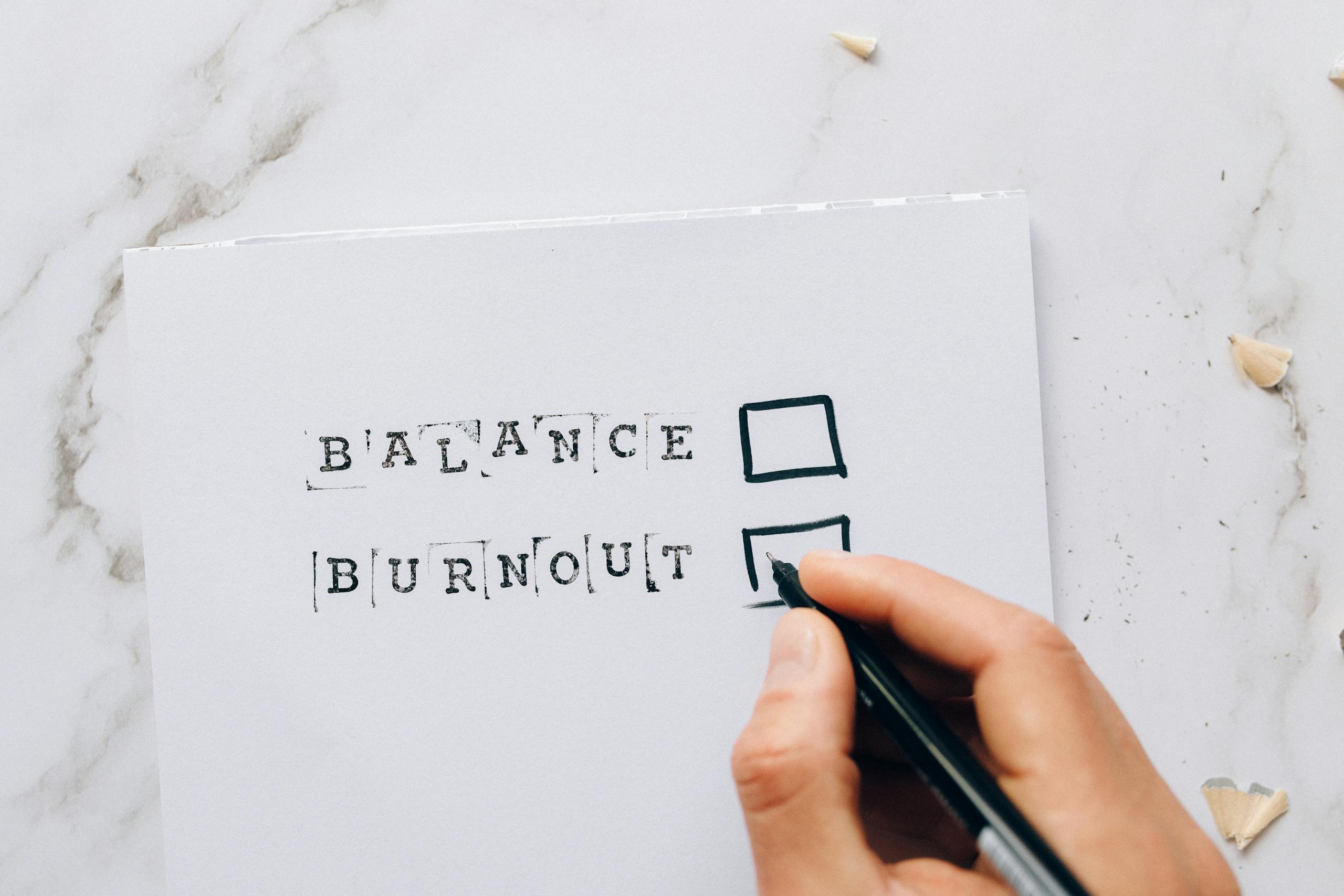

Stress reduction skills for social anxiety work best when they address what’s actually happening beneath the surface: a nervous system that reads social situations as danger signals, even when no real threat exists. For introverts especially, the weight of anticipated interaction, the mental rehearsal before a meeting, the exhaustion after a conversation that felt perfectly ordinary to everyone else, can compound into something that limits your whole life. fortunatelyn’t that anxiety disappears. It’s that you can build a set of reliable skills that change how your body and mind respond to it.
Social anxiety isn’t shyness. It isn’t introversion either, though the two overlap in ways that can make it genuinely hard to tell where one ends and the other begins. Shyness is discomfort with strangers. Introversion is a preference for less stimulation. Social anxiety is fear, often persistent and disproportionate, about being judged, humiliated, or rejected in social situations. According to the National Institute of Mental Health, anxiety disorders are among the most common mental health conditions in the United States, and many people go years without recognizing their experience as something treatable rather than just a personality quirk.
I spent most of my twenties and thirties in advertising, running agencies, pitching Fortune 500 clients, managing teams, and doing all of it while quietly white-knuckling my way through situations that looked effortless from the outside. Nobody told me there were actual skills for this. Nobody told me my nervous system could be retrained. I just assumed I was wired wrong and kept pushing through. This is what I wish I’d known sooner.
If social anxiety is part of a larger pattern of stress and overwhelm in your life, our Burnout and Stress Management hub covers the full range of what introverts face when their nervous systems are running too hot for too long. Social anxiety rarely exists in isolation, and understanding the broader picture matters.

Why Does Social Anxiety Hit Introverts So Hard?
There’s a particular kind of exhaustion that comes from being an introverted person in a world that rewards extroverted behavior. You’re already spending more cognitive energy processing social situations than your extroverted colleagues. Add anxiety on top of that, and every interaction becomes a multi-layered experience: the actual conversation, the monitoring of how you’re coming across, the anticipation of what might go wrong, and the post-conversation replay that can last for hours.
What’s your personality type?
Take our free 40-question assessment and get a detailed personality profile with dimension breakdowns, context analysis, and personalised insights.
Discover Your Type8-12 minutes · 40 questions · Free
A 2021 study published in PubMed Central found that individuals with higher sensory processing sensitivity, a trait common among introverts, showed heightened neural responses to emotional stimuli. That’s not a flaw. It’s a feature that also makes introverts perceptive, empathetic, and deeply attuned to others. But in the context of social anxiety, that same sensitivity means the nervous system picks up more signals, amplifies them, and responds with more intensity than the situation may warrant.
Psychologists at Stanford’s Social Neuroscience Lab have explored how social evaluation, specifically the experience of being watched or judged, activates threat-response systems in the brain. For someone with social anxiety, this activation happens more readily and more intensely. What feels like a simple conversation to someone else can feel, neurologically, like standing in front of an audience waiting to be exposed.
My version of this showed up most clearly in client presentations. I was good at them, technically. I prepared thoroughly, delivered clearly, and clients responded well. But the night before a major pitch, my mind would run through every possible way it could collapse. Not the realistic concerns, the catastrophic ones. What if I lost my train of thought entirely? What if they asked something I couldn’t answer? What if they saw through the confidence and found the person underneath who wasn’t sure he belonged in that room? The anxiety wasn’t about the presentation. It was about being seen.
Understanding that distinction matters enormously. Social anxiety isn’t about being bad at social situations. Many people with significant social anxiety are actually quite skilled socially. It’s about the fear of what exposure might reveal, and the stress reduction skills that work are the ones that address that fear at its root.
What Are the Most Effective Stress Reduction Skills for Social Anxiety?
Effective stress reduction for social anxiety operates on three levels: physiological (calming the body’s alarm system), cognitive (changing the thought patterns that feed anxiety), and behavioral (gradually expanding your comfort zone without burning yourself out). The skills that last are the ones that work across all three levels, not just one.
Physiological Skills: Working With Your Nervous System
Your nervous system doesn’t distinguish between a saber-toothed tiger and a networking event. Both trigger the same cascade: elevated heart rate, shallow breathing, muscle tension, heightened alertness. The physiological skills for social anxiety work by interrupting that cascade before it peaks, or by bringing it down faster once it’s started.
Controlled breathing is the most accessible tool available, and it’s not just relaxation advice. A 2025 study from PubMed Central confirmed that slow, paced breathing directly activates the parasympathetic nervous system, effectively putting the brakes on the stress response. The specific pattern that works well for anxiety is an extended exhale: breathe in for four counts, hold briefly, exhale for six to eight counts. The longer exhale is what signals safety to your nervous system. Do this for two minutes before a social situation you’re dreading and notice what shifts.
Progressive muscle relaxation is less talked about but genuinely powerful. Social anxiety lives in the body, often as tension in the jaw, shoulders, chest, or stomach. Systematically tensing and releasing muscle groups trains your body to recognize the difference between tension and release, and gives you a physical anchor when anxiety starts to build. I started using a simplified version of this before agency-wide presentations: thirty seconds of deliberate tension in my hands and arms, then release. It sounds almost too simple. It worked.
Cold water on the wrists and face, specifically the face, triggers what’s called the diving reflex, a physiological response that slows heart rate rapidly. It’s not a long-term skill, but in a moment of acute anxiety before walking into a room, it can be the difference between managing and spiraling.

Cognitive Skills: Changing What Your Mind Does With Anxiety
Social anxiety feeds on a specific kind of thinking: catastrophizing (assuming the worst outcome), mind-reading (assuming you know what others think of you), and spotlight effect (overestimating how much others notice your anxiety). Cognitive skills don’t eliminate these patterns, but they create enough distance from them that you stop treating every anxious thought as factual information.
One of the most effective cognitive tools is what therapists call “defusion,” borrowed from Acceptance and Commitment Therapy. Instead of arguing with an anxious thought (“I will not embarrass myself”), you simply label it (“I’m having the thought that I might embarrass myself”). That tiny shift in language creates psychological distance. The thought is still there, but you’re observing it rather than being inside it.
A Psychology Today article on why introverts tend to overthink points to the same neural pathways that make introverts reflective and analytical. That tendency toward deep processing is genuinely valuable in most contexts. In social anxiety, it gets hijacked. The cognitive skills that help introverts most are the ones that redirect that processing capacity toward more accurate, less catastrophic assessments of social situations.
Behavioral experiments are another cognitive tool that gets underused. Instead of avoiding a social situation entirely, you make a specific prediction (“I’ll say something awkward and people will think less of me”), engage in the situation, and then check whether your prediction came true. Most of the time, it doesn’t. Over time, your brain starts updating its threat assessments based on actual evidence rather than anxiety-generated worst-case scenarios.
I ran a version of this experiment during a period when I was managing a particularly difficult client relationship. My anxiety told me every meeting was one misstep away from losing the account. So I started tracking: how many meetings felt catastrophic going in, and how many actually went badly? The ratio was stark. My anxiety was a terrible predictor of actual outcomes. That data, collected from my own experience, did more to shift my thinking than any amount of telling myself to calm down.
Behavioral Skills: Expanding Without Burning Out
Avoidance is the engine of social anxiety. Every time you avoid a feared situation, you get short-term relief and long-term reinforcement that the situation was genuinely dangerous. Behavioral skills for social anxiety are about gradually, systematically reducing avoidance without overwhelming yourself in the process.
Graduated exposure means building a hierarchy of feared situations from least to most anxiety-provoking, then working through them in order, spending enough time in each situation for anxiety to peak and naturally decrease before moving on. This isn’t about forcing yourself to suffer. It’s about giving your nervous system enough evidence, over enough time, to update its threat assessment.
For introverts, the behavioral piece requires particular care. Pushing into social situations without adequate recovery time doesn’t build resilience, it builds resentment and exhaustion. My piece on introvert stress management strategies that actually work covers this balance in detail, because the distinction between productive discomfort and genuine depletion matters enormously when you’re working through anxiety.
Safety behaviors deserve attention here too. These are the subtle things anxious people do to manage anxiety in social situations: staying near the exit, holding a drink to have something to do with their hands, steering conversations toward topics where they feel competent. Safety behaviors provide temporary relief but prevent the full exposure experience your nervous system needs to learn that the situation is manageable. Gradually reducing them, one at a time, is part of effective behavioral work.

How Does Social Anxiety Connect to Introvert Burnout?
Social anxiety and burnout have a relationship that doesn’t get discussed enough. When you’re anxious about social situations, you spend more energy on each one. The mental preparation, the hypervigilance during the interaction, the recovery afterward: all of it draws from the same reservoir. Over time, that reservoir empties, and what looks like burnout is often the accumulated cost of managing anxiety without adequate support or skill.
There’s also a boundary dimension. People with social anxiety often struggle to set limits in professional and personal contexts because saying no, or asking for what they need, feels like a social risk. They might agree to commitments they can’t sustain, stay in conversations past their capacity, or take on responsibilities that erode their energy, all to avoid the feared judgment of being seen as difficult or inadequate. My article on work boundaries that actually stick after burnout addresses how to build those limits in ways that hold even when anxiety pushes back.
A 2024 study published in Nature found significant associations between social anxiety symptoms and markers of chronic stress, including elevated cortisol and disrupted sleep patterns. Chronic stress at that level doesn’t just feel bad. It degrades cognitive function, emotional regulation, and physical health over time. Social anxiety, left unaddressed, isn’t just an inconvenience. It’s a sustained physiological burden.
Understanding your specific burnout patterns matters here. Our piece on burnout prevention strategies by personality type breaks down what different types actually need before they hit the wall, because prevention looks different depending on how you’re wired. And if you’re already past prevention and into recovery, burnout recovery by personality type covers what that process actually looks like in practice.
What I’ve observed in my own experience, and in conversations with other introverts who’ve gone through similar patterns, is that social anxiety and burnout tend to escalate together. Anxiety makes social situations more draining. More draining situations accelerate burnout. Burnout depletes the emotional resources needed to manage anxiety. It becomes a loop that’s hard to interrupt without addressing both sides simultaneously.
What Role Does Mindfulness Play in Managing Social Anxiety?
Mindfulness gets mentioned so often in discussions of anxiety that it’s easy to dismiss it as a generic recommendation. But there’s something specific about mindfulness practice that makes it particularly relevant to social anxiety, and it’s worth understanding what that is before deciding whether it belongs in your toolkit.
Social anxiety is fundamentally future-oriented. The fear isn’t about what’s happening right now. It’s about what might happen, what others might think, what you might say or do wrong. Mindfulness practice, at its core, trains the capacity to return attention to the present moment. Not to eliminate anxious thoughts, but to notice them without being completely absorbed by them.
A Psychology Today piece on empathy and burnout makes an important distinction between empathic concern, which is sustainable, and empathic distress, which is not. The same distinction applies to social awareness. Noticing and caring about social dynamics is a strength. Being consumed by them is what anxiety does. Mindfulness builds the capacity to stay in the first category without sliding into the second.
For introverts, formal meditation practice can feel like a natural fit, given the preference for internal processing and quiet. Even ten minutes of daily mindfulness practice, specifically focused on observing thoughts without engaging them, builds meaningful capacity over weeks and months. The effects aren’t dramatic day to day, but the cumulative shift in how your mind relates to anxious thoughts is significant.
Informal mindfulness, bringing present-moment awareness to ordinary activities, is equally valuable. Eating without distraction, walking while noticing physical sensations, listening in conversation without simultaneously planning your response: these practices build the same neural pathways as formal meditation, in smaller increments throughout the day.

How Do You Build a Sustainable Stress Reduction Practice That Sticks?
Knowing what works and actually doing it consistently are two different problems. Most people who struggle with social anxiety already know they should breathe differently, think more accurately, and expose themselves gradually to feared situations. The gap isn’t information. It’s implementation, and that gap is where most stress reduction efforts collapse.
Start smaller than you think you need to. The most common mistake I see, and the one I made repeatedly in my own experience, is trying to overhaul everything at once. Pick one physiological skill, practice it daily for two weeks before adding anything else. The goal is building a habit that runs automatically under stress, not assembling an impressive toolkit you never actually use.
Identify your specific triggers before designing your practice. Social anxiety isn’t uniform. Some people are most anxious about one-on-one conversations with authority figures. Others dread group settings where they might be called on unexpectedly. Others struggle most with situations where they feel evaluated on performance. Your stress reduction practice should be calibrated to your actual pattern, not a generic version of social anxiety.
Track your progress in concrete terms. Anxiety has a way of convincing you that nothing is working even when it is. Keeping a simple record, rating your anxiety before and after social situations, noting which skills you used and how they felt, gives you actual data to counter the anxiety’s narrative. Over months, patterns emerge that are genuinely encouraging.
Recovery time is not optional. Especially if you’re also managing introvert energy depletion alongside anxiety, building in deliberate recovery after demanding social situations isn’t self-indulgence. It’s maintenance. The same way an athlete schedules rest days, you schedule genuine quiet time. Not passive scrolling, not background noise, actual stillness. That’s when the nervous system consolidates what it’s learned and resets for the next challenge.
There’s a specific kind of chronic exhaustion that develops when recovery never fully comes. Our piece on chronic burnout and why recovery never seems to arrive is worth reading if you feel like you’re always running a deficit no matter how much you rest. That pattern has specific causes and specific solutions, and social anxiety is often one of the contributing factors.
Consider the role of personality type in how you approach this work. Ambiverts, people who sit between introvert and extrovert on the spectrum, face a particular challenge because their social energy needs are less predictable. They might push themselves too far in one direction or the other, which has its own consequences. Our article on ambivert burnout and what happens when you push too hard either way addresses this directly.
Professional support matters more than most people acknowledge. Cognitive behavioral therapy for social anxiety has a strong evidence base, and working with a therapist who specializes in anxiety disorders can compress the timeline significantly. The skills described here are real and effective, and they work better with guidance than without it. If your social anxiety is significantly limiting your life, that’s not a character flaw requiring more willpower. It’s a clinical presentation that responds well to treatment.

What I’ve Learned About Anxiety That Nobody Told Me Early Enough
Looking back at twenty years of agency life, I can identify the moments when better stress reduction skills would have changed specific outcomes. The pitch I oversold because I was too anxious to admit uncertainty. The team meeting I avoided facilitating by delegating it unnecessarily. The client dinner I left early with a manufactured excuse because I’d hit my limit and didn’t have the tools to manage it gracefully. None of those moments were failures of intelligence or competence. They were failures of skill, skills I didn’t know I needed and didn’t know existed.
What I’ve come to understand is that social anxiety, for introverts especially, is often a signal that something genuine needs attention. Sometimes it’s a nervous system that’s been running too hot for too long. Sometimes it’s an environment that’s genuinely misaligned with how you’re wired. Sometimes it’s accumulated evidence, from years of trying to perform extroversion, that being yourself in social situations carries real risk. Those signals deserve honest attention, not just management techniques.
The stress reduction skills that have mattered most to me aren’t the dramatic ones. They’re the small, consistent practices: the breathing pattern I use before difficult conversations, the cognitive check I run when anxiety starts generating predictions, the deliberate recovery time I protect after demanding days. None of them are impressive. All of them are reliable. That reliability is what makes them worth building.
Social anxiety doesn’t have to define the shape of your life. It doesn’t have to determine which rooms you walk into, which opportunities you pursue, or how fully you show up in the relationships that matter to you. With the right skills, practiced consistently, your nervous system can learn a different story about what social situations mean. That process takes time. It’s worth every bit of it.
There’s much more to explore across the full spectrum of introvert stress and recovery. Our complete Burnout and Stress Management hub brings together everything we’ve written on these topics, from prevention to recovery to the specific patterns that show up for different personality types.
About the Author
Keith Lacy is an introvert who’s learned to embrace his true self later in life. After 20 years in advertising and marketing leadership, including running agencies and managing Fortune 500 accounts, Keith now channels his experience into helping fellow introverts understand their strengths and build fulfilling careers. As an INTJ, he brings analytical depth and authentic perspective to every article, drawing from both professional expertise and personal growth.
Frequently Asked Questions
Are stress reduction skills for social anxiety different for introverts than for extroverts?
The core skills, controlled breathing, cognitive restructuring, graduated exposure, are effective across personality types. What differs is the implementation. Introverts typically need more deliberate recovery time built into their exposure work, and they often benefit from cognitive tools that address the deeper processing style that makes overthinking more pronounced. The physiological skills are universal, but the pacing and recovery components matter more when introversion and anxiety overlap.
How long does it take for stress reduction skills to actually change social anxiety?
Meaningful change typically becomes noticeable within six to twelve weeks of consistent practice, though this varies significantly depending on the severity of the anxiety, how consistently skills are practiced, and whether professional support is involved. Physiological skills like controlled breathing can produce immediate effects on acute anxiety within minutes. Cognitive and behavioral changes take longer because they require accumulating new evidence and building new neural pathways through repeated experience. Patience with the timeline is itself a skill worth developing.
Can social anxiety be confused with introversion, and does it matter?
Yes, and it matters a great deal. Introversion is a stable personality trait characterized by a preference for less stimulation and a tendency to restore energy through solitude. Social anxiety is a fear-based response to social situations that causes significant distress and often leads to avoidance. The two can coexist, and many introverts do experience social anxiety, but they’re distinct. Treating introversion as if it were anxiety, or treating anxiety as if it were simply introversion, leads to approaches that don’t fit the actual problem. Accurate identification shapes more effective skill-building.
What’s the most important stress reduction skill to start with if social anxiety is new to you?
Start with a physiological skill, specifically controlled breathing with an extended exhale. It requires no equipment, no special circumstances, and produces measurable effects on the nervous system within minutes. Building this as a reliable habit before anything else gives you a foundation that supports every other skill you add later. Once the breathing pattern is automatic, adding a simple cognitive check, labeling anxious thoughts rather than arguing with them, creates a two-step response that handles most acute social anxiety situations effectively.
When should someone with social anxiety seek professional help rather than managing it independently?
Professional support is worth pursuing when social anxiety is significantly limiting your life, when it’s affecting your work, relationships, or ability to pursue opportunities that matter to you, or when independent skill-building hasn’t produced meaningful change after several months of consistent effort. Cognitive behavioral therapy has a strong evidence base for social anxiety disorder, and working with a trained therapist can accelerate progress considerably. Seeking help isn’t a sign that self-directed skills have failed. It’s a sign that you’re taking the problem seriously enough to use every available resource.