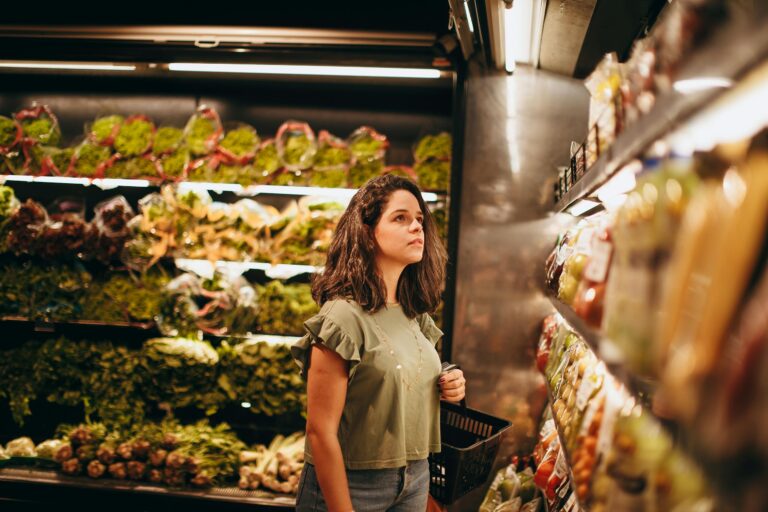
Lone wolf power foods are the specific foods and eating habits that help introverts recover their mental and physical energy after social depletion. Unlike generic wellness advice, these foods work with the introvert nervous system, supporting the quiet, restorative time that genuinely recharges us rather than simply fueling performance.
My relationship with food changed completely once I understood how my introversion shaped my energy cycles. What I ate, when I ate alone, and how I structured meals around solitude stopped being incidental details and started feeling like one of the most powerful recovery tools I had.

Before we get into the specifics, it’s worth anchoring this in a broader context. Our Introvert Strengths and Advantages Hub covers the full range of ways introverts can lean into their wiring rather than fight it, and the connection between food, solitude, and mental recovery fits naturally into that picture.
Why Do Introverts Experience Food and Energy Differently?
There’s a physiological reason introverts and extroverts don’t respond identically to the same environments, and it extends further than most people realize. A 2010 study published in PubMed Central found that introversion correlates with higher baseline cortical arousal, meaning our nervous systems are already running closer to their stimulation ceiling than those of extroverts. Social interaction pushes that ceiling further. By the end of a full day of meetings, client calls, or agency presentations, the cognitive and physical fatigue I felt wasn’t weakness. It was my nervous system signaling genuine overload.
What’s your personality type?
Take our free 40-question assessment and get a detailed personality profile with dimension breakdowns, context analysis, and personalised insights.
Discover Your Type8-12 minutes · 40 questions · Free
What that means practically is that recovery matters more for us, and the tools we use to recover carry more weight. Food is one of those tools. Not in a fad-diet, biohacking sense, but in the real, grounded sense of giving your body what it needs to come down from overstimulation and rebuild.
I spent the first decade of my agency career eating the way everyone around me ate. Fast lunches at the desk, catered pitch dinners, airport food between client trips. It kept me functional. It didn’t keep me whole. My energy crashes were brutal, my recovery from hard social weeks took days, and I couldn’t figure out why my extroverted colleagues seemed to bounce back faster. Part of that was personality. Part of it, I eventually realized, was that I wasn’t feeding my specific recovery needs at all.
What Makes a Food a “Power Food” for the Introvert Nervous System?
The concept of lone wolf power foods isn’t mystical. It comes down to a few concrete biological functions that matter specifically when your nervous system is recovering from social overstimulation.
First, there’s cortisol regulation. Social stress raises cortisol, and chronically elevated cortisol disrupts sleep, focus, and emotional stability, all of which introverts depend on heavily. Foods rich in magnesium, vitamin C, and omega-3 fatty acids help moderate cortisol response. Think dark leafy greens, fatty fish, nuts, and citrus.
Second, there’s dopamine and serotonin support. Introverts tend to be more sensitive to dopamine, which is one reason overstimulation hits us harder. Supporting stable serotonin through tryptophan-rich foods, complex carbohydrates, and fermented foods helps smooth out the emotional aftermath of draining days. Eggs, oats, yogurt, and bananas all contribute here.
Third, there’s blood sugar stability. This one is less introvert-specific but becomes more critical when you’re already depleted. Erratic blood sugar amplifies anxiety, irritability, and cognitive fog, all of which feel worse when you’re also processing social fatigue. Protein, healthy fats, and fiber-rich foods keep that curve flat.
A 2020 study in PubMed Central examined the relationship between diet quality and psychological resilience, finding that nutrient-dense whole foods were consistently associated with lower rates of anxiety and better stress recovery. That’s not a coincidence for those of us whose primary recovery challenge is nervous system regulation.

Which Specific Foods Actually Help Introverts Recover?
Let me be direct about what ended up in my regular rotation, and why each one earned its place there.
Fatty Fish
Salmon, sardines, and mackerel are among the most reliable lone wolf power foods I’ve found. The omega-3 fatty acids in these fish directly support brain function and reduce neuroinflammation, which matters because chronic social stress creates low-grade inflammation that compounds cognitive fatigue. After a particularly grinding pitch week, a simple salmon dinner at home became almost ritualistic for me. Not because I’d read about it, but because I noticed I slept better and felt clearer the following morning.
Dark Leafy Greens
Spinach, kale, and Swiss chard are loaded with magnesium, folate, and vitamin K. Magnesium is particularly relevant for introverts because it plays a direct role in regulating the nervous system’s stress response. Low magnesium is associated with heightened anxiety and disrupted sleep, two things that make introvert recovery significantly harder. I started adding spinach to morning smoothies during my agency years mostly out of convenience, but the effect on my afternoon energy was noticeable enough that it became non-negotiable.
Eggs
Eggs contain choline, which supports acetylcholine production, a neurotransmitter involved in memory, attention, and cognitive processing. They also contain tryptophan, which the body converts to serotonin. For introverts who rely heavily on internal processing and deep thinking, keeping those pathways well-supported isn’t optional. Eggs became my default solitary breakfast, eaten quietly before the day’s demands began, and that combination of protein, healthy fat, and neurotransmitter support set a different tone entirely for how my mornings felt.
Walnuts and Almonds
Walnuts are one of the few plant-based sources of ALA omega-3s, and they also contain melatonin and polyphenols that support sleep quality and reduce oxidative stress. Almonds are rich in magnesium and vitamin E. Both are portable, require zero social energy to obtain, and work well as between-meeting fuel when you need to maintain focus without spiking blood sugar. I kept a small container of mixed nuts in my desk drawer for years, not as a diet strategy but as a practical energy management tool.
Fermented Foods
Yogurt, kefir, kimchi, and sauerkraut support gut health, which has a more direct connection to mood and anxiety than most people expect. The gut-brain axis is real, and a healthy microbiome contributes to serotonin production, given that roughly 90 percent of the body’s serotonin is produced in the gut. Introverts who experience social anxiety or heightened emotional sensitivity after draining interactions may find that gut-supportive foods create a meaningful baseline shift over time.
Blueberries and Dark Berries
Blueberries contain anthocyanins and flavonoids that support cognitive function and reduce cortisol-related inflammation. A handful of blueberries is a genuinely simple addition that pays off in mental clarity and emotional steadiness. I started adding them to oatmeal during a particularly stressful agency merger period, and while I can’t attribute everything to blueberries, my capacity to think clearly through that stretch felt better supported than previous high-stress periods.
Oats and Complex Carbohydrates
Oats provide slow-release energy and support serotonin production through their effect on tryptophan absorption. Complex carbohydrates in general help smooth out the energy curve that introverts need to manage carefully on high-demand days. The mistake I see many introverts make is going too low-carb during stressful periods, which can actually worsen mood and increase anxiety. Stable, complex carbohydrates are not the enemy. They’re part of the foundation.

Does Eating Alone Actually Matter, or Is It Just About What You Eat?
Both matter, and they work together in ways that are worth understanding.
Eating alone is one of the most underrated recovery practices available to introverts. Not because there’s anything wrong with shared meals, but because solitary eating, done intentionally, gives the nervous system a genuine break. No conversation to manage, no social cues to read, no performance required. Just you, your food, and quiet.
There’s a parallel here to why solo physical activity resonates so strongly with introverts. I wrote about this in the context of running for introverts and why solo cardio actually works better for us, and the same principle applies to eating. When you remove the social layer from a recovery activity, the recovery goes deeper.
At my agencies, I developed a habit of taking lunch alone at least three days a week. My team knew this wasn’t antisocial. It was operational. I came back from those solo lunches sharper, more patient, and more genuinely present than I did from team lunches where I’d spent an hour managing group dynamics while trying to eat. The food I chose during those solo lunches also tended to be better, because I wasn’t distracted, rushing, or defaulting to whatever was easiest to eat while talking.
Intentional solitary meals also create space for the kind of reflective processing that introverts do naturally and need regularly. Sitting quietly with a good meal is not wasted time. It’s active internal work, the kind that helps you make sense of complex days and arrive at insights that never surface in back-to-back meetings.
How Does Burnout Connect to What Introverts Are Eating?
Introvert burnout is a real and distinct experience, and it’s worth being honest about how often food habits collapse exactly when we need them most.
When I was burning out during the final years of my last agency, my eating became erratic in ways I didn’t fully register at the time. Skipped breakfasts, heavy reliance on caffeine, late-night carbohydrate loading after draining evenings. None of it was deliberate. It was the natural result of having no reserves left for decisions that felt low-priority. What I didn’t understand was that those food choices were actively making the burnout worse, not just reflecting it.
Chronic stress depletes magnesium, B vitamins, and vitamin C at an accelerated rate. Cortisol disrupts sleep, which disrupts appetite regulation, which leads to craving high-sugar, high-fat foods that spike energy briefly and crash it harder. For introverts already managing a depleted nervous system, that cycle compounds quickly.
Recovery from introvert burnout requires addressing the physical layer alongside the behavioral one. Reducing social obligations helps. So does protecting solitude. But rebuilding the nutritional foundation that chronic stress has eroded is part of the same process, and it’s often the part that gets overlooked because it feels less urgent than the obvious changes.
If you’re in a recovery period right now, the lone wolf power foods listed above aren’t a performance optimization strategy. They’re basic repair work. Start with what’s manageable: a solid breakfast, one genuinely nourishing meal eaten alone each day, and consistent hydration. Build from there.
What About Caffeine, Alcohol, and the Foods That Work Against Us?
Any honest conversation about introvert power foods has to include the ones that undermine recovery, because many of us lean on them heavily.
Caffeine is the most common double-edged tool in the introvert toolkit. It sharpens focus and helps manage social fatigue in the short term, but it also raises cortisol, disrupts sleep architecture, and can amplify anxiety in people who are already running high. A 2024 study in Frontiers in Psychology found meaningful links between stimulant sensitivity and introversion-related traits, which aligns with what many introverts report anecdotally: we tend to feel caffeine more intensely than our extroverted colleagues. That’s not a reason to eliminate it, but it is a reason to be thoughtful about timing and quantity.
Alcohol is another one worth examining. After draining social events, many introverts reach for a drink to decompress, and there’s a short-term logic to it. Alcohol does reduce acute social anxiety. It also fragments sleep, depletes B vitamins, raises cortisol the following day, and worsens the emotional sensitivity that makes social recovery harder in the first place. Used occasionally, it’s not catastrophic. Used as a primary recovery tool after every hard day, it creates a deficit that compounds over time.
Highly processed foods and refined sugars are worth limiting not because of general wellness dogma but because of their specific effect on the nervous system. Blood sugar volatility amplifies anxiety and irritability, and for introverts whose emotional processing is already running deep, that amplification matters. I noticed this most clearly during agency award season, when catered events meant weeks of processed food and irregular eating. My baseline anxiety during those periods was measurably higher, and my capacity to handle difficult client conversations was genuinely reduced.

How Does This Connect to the Broader Picture of Introvert Strengths?
Food and physical recovery are part of a larger system that introverts benefit from understanding clearly. Our strengths, including deep focus, careful observation, thoughtful communication, and the capacity for genuine depth in relationships, all depend on a nervous system that’s adequately supported. When that foundation erodes, the strengths erode with it.
Many of the hidden powers introverts possess are cognitive and emotional in nature. They require mental clarity, emotional steadiness, and the kind of sustained attention that becomes impossible when you’re running on caffeine, poor sleep, and a depleted nervous system. Supporting those strengths physically is not separate from the work of embracing your introversion. It’s part of the same commitment.
There’s also a professional dimension worth naming. The strengths companies actually want from introverts include analytical thinking, careful decision-making, and the ability to work independently with depth and precision. Those capacities don’t operate in a vacuum. They’re supported or undermined by how well you’re taking care of your physical and mental recovery between high-demand periods.
I’ve written about how introvert challenges are often gifts in disguise, and this applies here too. The fact that introverts feel social depletion more acutely than extroverts isn’t just a vulnerability. It’s a signal system. Our bodies tell us clearly when we’ve overextended, which gives us information that people who can push through indefinitely never receive. Listening to that signal, and responding with intentional recovery including good food, is one of the most intelligent things we can do with our wiring.
For introvert women specifically, this matters in an additional layer. The social pressure to remain available, accommodating, and endlessly present creates a particular kind of depletion that compounds over time. The experience of introvert women being penalized by society for needing solitude and recovery time makes intentional self-care, including food choices, an act of genuine self-preservation rather than indulgence.
What Does a Practical Lone Wolf Power Foods Day Actually Look Like?
Theory is useful. A concrete example is more useful.
On a typical high-demand workday, my approach looks something like this. Breakfast is eggs with spinach and a small bowl of oats with blueberries. I eat it alone, before the day begins, without a screen. That 20 minutes of quiet eating sets a different starting point than grabbing something at my desk mid-email.
Mid-morning, if I need something, it’s a handful of walnuts and water. Not coffee, at least not a second cup. The first cup is enough to sharpen focus without tipping into overstimulation.
Lunch is the meal I protect most fiercely. Eaten alone whenever possible. Usually something with protein and vegetables, often salmon or chicken with a large salad. No desk eating if I can avoid it. The act of stepping away from the work environment, even briefly, is part of the recovery function.
Afternoon snack is fruit or yogurt. Simple, stable blood sugar support without the crash that comes from processed snacks.
Dinner, especially after a socially demanding day, is the meal where I invest most in genuine nourishment. A proper cooked meal, eaten slowly, without background noise if possible. That ritual of preparing and eating food in solitude after a hard day is one of the most effective recovery practices I’ve found, more immediately restorative than most of what gets labeled as self-care.
None of this is complicated or expensive. It’s intentional, which is the part that actually matters.
Can These Habits Support Introvert Leadership Performance?
Absolutely, and this is something I wish I’d understood earlier in my career.
The leadership advantages introverts carry include the capacity for deep listening, strategic patience, and the ability to make considered decisions under pressure. All of those capacities are affected by physical state. A leader running on poor nutrition, disrupted sleep, and chronic cortisol elevation is not operating at the level their natural strengths allow.
At my agencies, the periods when I led most effectively were not the periods when I pushed hardest. They were the periods when I was most disciplined about recovery, which included food. When I was eating well, sleeping adequately, and protecting my solitary recharge time, my strategic thinking was sharper, my patience with difficult clients was deeper, and my ability to read a room accurately was stronger. Those aren’t coincidences.
A Harvard negotiation resource on whether introverts face disadvantages in negotiation notes that introverts often excel in preparation and careful reading of the other party, strengths that depend on cognitive clarity and emotional groundedness. Both are directly supported by the physical recovery practices we’ve been discussing.
Physical self-care is not separate from professional performance for introverts. It’s infrastructure. Treating it that way changes how you prioritize it.

What’s the Simplest Way to Start Building These Habits?
Start with one protected meal per day. Choose lunch or breakfast, whichever is more feasible, and commit to eating it alone, without screens, with food that actually nourishes rather than just fuels.
Add one lone wolf power food to that meal each week. Blueberries in oatmeal. A handful of walnuts as a morning snack. Salmon once a week instead of a processed alternative. These are small additions with compounding effects.
Pay attention to how you feel 24 hours after high-demand social days, and notice whether your food choices that evening and the following morning affect your recovery speed. That feedback loop is more motivating than any abstract nutritional principle.
The goal isn’t perfection. It’s building a physical foundation that supports the way your mind naturally works, so your genuine strengths have the conditions they need to show up fully. Introverts who understand their wiring and support it deliberately don’t just survive demanding environments. They build something sustainable in them.
Psychology Today’s exploration of why introverts need deeper conversations touches on the same underlying truth: we’re wired for depth, and that wiring requires a different kind of care than the surface-level approaches that work for people who recharge through stimulation rather than solitude.
Caring for your nervous system through food is one of the quietest, most private acts of self-respect available to us. It doesn’t require anyone else’s understanding or permission. It’s something you do alone, for yourself, in the spaces between everything else. That’s about as lone wolf as it gets.
There’s much more to explore about what makes introverts genuinely strong, and the Introvert Strengths and Advantages Hub is the best place to keep going if this resonates with you.
Curious about your personality type?
Our free MBTI assessment goes beyond the four letters. Get a full breakdown of your scores, see how your type shows up at work and in relationships.
Take the Free Test8-12 minutes · 40 questions · Free
About the Author
Keith Lacy is an introvert who’s learned to embrace his true self later in life. After 20 years in advertising and marketing leadership, including running agencies and managing Fortune 500 accounts, Keith now channels his experience into helping fellow introverts understand their strengths and build fulfilling careers. As an INTJ, he brings analytical depth and authentic perspective to every article, drawing from both professional expertise and personal growth.
Frequently Asked Questions
What are lone wolf power foods?
Lone wolf power foods are nutrient-dense foods that specifically support the introvert nervous system during and after social depletion. They include fatty fish, dark leafy greens, eggs, walnuts, fermented foods, blueberries, and complex carbohydrates. These foods help regulate cortisol, support serotonin and dopamine balance, stabilize blood sugar, and reduce neuroinflammation, all of which contribute to faster and deeper recovery from overstimulation.
Why do introverts need different nutritional support than extroverts?
Introverts have higher baseline cortical arousal, meaning their nervous systems are more easily pushed toward overstimulation by social interaction. This creates a specific recovery need that extroverts don’t share to the same degree. Foods that support cortisol regulation, stable neurotransmitter function, and nervous system recovery are particularly valuable for introverts because the depletion they experience after demanding social days is more pronounced and requires more active support to resolve.
Does eating alone actually help introverts recover?
Yes, and it’s one of the most underused recovery tools available. Eating alone removes the social performance layer from a basic daily activity, giving the nervous system genuine downtime. Solitary meals also tend to involve more mindful eating, better food choices, and slower consumption, all of which improve digestion and nutrient absorption. Combined with the right foods, intentional solo eating creates a meaningful recovery window that shared meals simply can’t replicate in the same way.
How does caffeine affect introverts specifically?
Introverts tend to feel the effects of caffeine more intensely than extroverts, partly because of their higher baseline cortical arousal. Caffeine raises cortisol and can amplify anxiety, which compounds the nervous system stress that social depletion already creates. This doesn’t mean introverts need to eliminate caffeine, but being thoughtful about timing, limiting intake to earlier in the day, and avoiding a second or third cup during already stressful periods can make a meaningful difference in recovery quality and sleep.
Can improving food habits actually help with introvert burnout recovery?
Yes. Chronic stress from sustained social overextension depletes key nutrients including magnesium, B vitamins, and vitamin C. This nutritional deficit worsens sleep quality, increases anxiety, and slows cognitive recovery. Addressing food habits as part of burnout recovery, alongside reducing social obligations and protecting solitude, helps rebuild the physical foundation that introvert strengths depend on. Lone wolf power foods aren’t a cure for burnout, but they’re a meaningful part of the repair process that often gets overlooked in favor of behavioral changes alone.