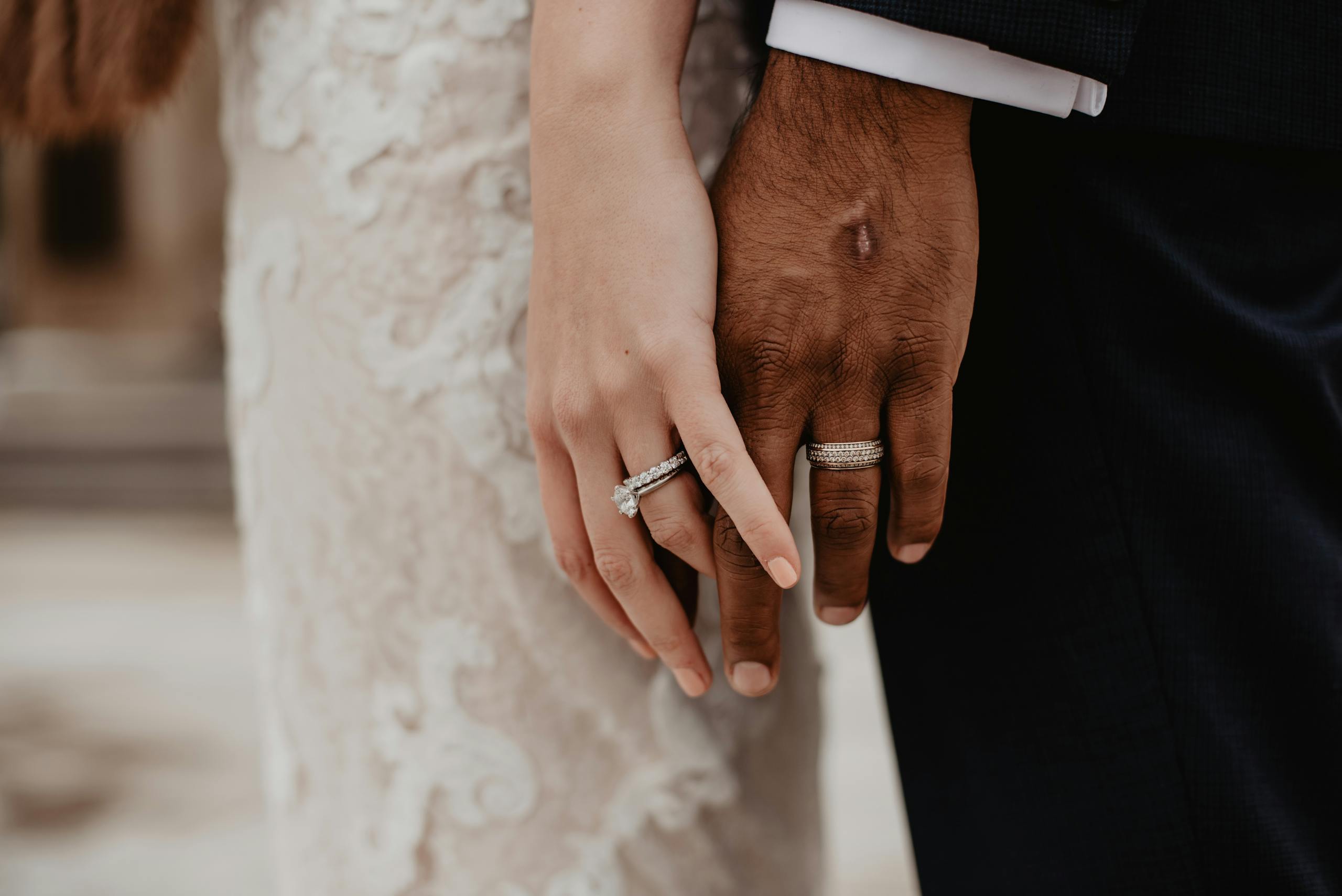

INFJ marriage at 60 looks different from the partnerships this personality type builds in their twenties or thirties. At this stage of life, the INFJ brings decades of self-awareness, hard-won emotional clarity, and a much sharper sense of what genuine connection actually requires. Late-life partnership for this type isn’t about compromise or settling. It’s about finally having the depth, patience, and self-knowledge to build something that actually lasts.
There’s something quietly extraordinary about watching someone with this personality type find love after 60. The intensity is still there. So is the idealism. But it’s been tempered by experience, softened by loss, and sharpened by all the years of processing what went wrong before.
I’m Keith Lacy. I ran advertising agencies for over two decades, worked with Fortune 500 brands, and spent most of that time leading from behind a mask of extroverted confidence I didn’t actually feel. I’m an INTJ, not an INFJ, but the emotional architecture is close enough that I’ve spent a lot of time studying the INFJ experience, talking to people who identify this way, and reflecting on what late-life partnership means when you’re wired for depth in a world that often rewards surface-level connection. What I’ve found is both encouraging and genuinely complex.

Our INFJ Personality Type hub covers the full range of what it means to live with this wiring, from the relentless empathy to the door slam, from the visionary thinking to the quiet exhaustion. Late-life partnership adds another layer entirely, one that brings all those traits into sharp focus in ways that earlier relationships often didn’t.
Why Does Love Feel Different for INFJs After 60?
Most people who identify as INFJ describe a lifetime of feeling slightly out of step with the relationships around them. They’ve been told they’re too intense, too idealistic, too much. They’ve watched themselves pour everything into partnerships that couldn’t hold the weight of what they were offering. By 60, many have been through marriages that ended, relationships that faded, or long stretches of chosen solitude that felt safer than risking another disappointment.
What’s your personality type?
Take our free 40-question assessment and get a detailed personality profile with dimension breakdowns, context analysis, and personalised insights.
Discover Your Type8-12 minutes · 40 questions · Free
What changes after 60 isn’t the depth of feeling. That stays. What changes is the relationship to that depth.
A 2022 study published through PubMed Central found that social connection in later life has measurable effects on both mental and physical health, with meaningful relationships acting as a buffer against depression, cognitive decline, and mortality risk. For a type that processes connection so deeply, this isn’t just encouraging. It’s urgent information.
I think about this in terms of my own experience running agencies. In my forties, I was still performing. Still trying to be the version of a leader I thought I was supposed to be. It wasn’t until my mid-fifties that I started showing up as myself in professional relationships, and the difference was staggering. The connections I built after that shift were more honest, more durable, and frankly more useful than anything I’d managed before. The INFJ experience of late-life partnership maps onto something similar. Authenticity arrives later, and it changes everything.
What Does an INFJ Actually Need From a Partner?
Ask an INFJ what they want in a relationship and you’ll get a list that sounds almost impossibly specific. Deep intellectual connection. Emotional honesty. Space for solitude without abandonment. A partner who doesn’t need them to explain why they need quiet. Someone who values meaning over small talk and who can sit with complexity without trying to resolve it too quickly.
None of that changes at 60. What changes is the willingness to actually ask for it.
Earlier in life, many INFJs absorb their partner’s needs so thoroughly that their own disappear. They’re natural counselors, natural listeners, naturally attuned to what other people are feeling. This is a genuine gift, but it creates a pattern where the INFJ’s own emotional needs go unvoiced and unmet. By the time you’re 60, there’s often a quiet reckoning with that pattern. A recognition that a relationship built entirely around the other person’s comfort isn’t actually a partnership.
One of the most important things an INFJ can bring to a late-life relationship is clarity about their own communication blind spots. These are the places where their natural empathy actually works against them, where they assume their partner understands what they need without saying it, or where they soften difficult truths so thoroughly that the real message never lands. At 60, there’s less time and less energy for that kind of indirectness. The good news, if that’s the right frame, is that most INFJs at this age have enough self-awareness to recognize the pattern, even if breaking it still takes real effort.

How Does the INFJ’s Conflict Style Shape Late-Life Relationships?
Conflict is where INFJ relationships get complicated, at any age. But by 60, the stakes feel different. There’s a sense that you don’t have unlimited time to keep circling the same unresolved tensions. There’s also, for many INFJs, a lifetime of evidence about what happens when conflict gets avoided long enough.
The INFJ tendency to keep the peace comes from a real place. They feel other people’s distress acutely, and conflict creates distress. So they smooth things over, absorb the friction, and tell themselves it wasn’t that important anyway. The hidden cost of this peace-keeping is that resentment builds quietly, below the surface, until something tips it over.
At 60, many INFJs have watched this pattern play out enough times to understand its consequences. They’ve seen relationships that looked peaceful from the outside collapse under the weight of everything that was never said. They’ve experienced the particular exhaustion of being the person who always manages the emotional temperature of a relationship while their own needs accumulate in silence.
Late-life partnership offers a chance to do this differently. Not perfectly, but differently. An INFJ who has done enough personal work by this stage can start to recognize when they’re suppressing something important versus when they’re genuinely choosing to let something go. That distinction matters enormously. One is a conscious choice. The other is a slow erosion.
There’s also the door slam to consider. The INFJ’s tendency to withdraw completely from relationships that have crossed certain lines doesn’t soften much with age. If anything, the threshold may get lower, because tolerance for being misunderstood or repeatedly hurt decreases when you’ve spent decades already managing it. Understanding why INFJs door slam and what the alternatives look like becomes genuinely important in late-life relationships, where the cost of a permanent withdrawal is much higher than it might have been at 30.
I managed a team of 40 people at one point during my agency years. I was conflict-averse in ways I didn’t fully recognize until much later. I’d let things fester, then overcorrect, then wonder why the team dynamic felt off. What I eventually learned was that the discomfort of a direct conversation was almost always smaller than the damage done by avoiding it. That lesson took years to absorb, and I still feel the pull toward avoidance sometimes. For INFJs, that pull is even stronger, and the work of resisting it is ongoing.
Can an INFJ Find Their Person After 60? What the Research Suggests
The short answer is yes, and there’s meaningful evidence that late-life relationships can be among the most satisfying a person experiences. A study referenced through PubMed Central found that relationship quality in older adults is strongly tied to emotional regulation and communication patterns rather than to the length of the relationship or shared history. For a type that has spent decades developing emotional intelligence, this is significant.
What INFJs bring to late-life partnership is genuinely rare. The capacity for deep listening. The ability to see patterns in a relationship before they become problems. The commitment to meaning over convenience. These aren’t small things. They’re the foundation of partnerships that actually sustain people through the harder chapters of life.
The American Psychological Association has documented extensively that meaningful social bonds in later life are protective against a range of negative health outcomes. For INFJs, who tend to have fewer but much deeper relationships, the quality of those connections matters more than the quantity. One genuinely aligned partnership can provide more of what they need than a wide social network of surface-level connections.
If you’re not sure whether your personality type fits the INFJ profile, or if you’re trying to understand a partner’s type better, our free MBTI personality test is a good starting point. Knowing your type doesn’t define you, but it gives you a useful framework for understanding your patterns in relationship.
What Role Does Influence Play in INFJ Partnerships?
One dynamic that doesn’t get discussed enough in the context of INFJ relationships is influence. Not manipulation, not control, but the quiet, persistent way that INFJs shape the emotional and intellectual climate of their partnerships. This is a real strength, but it also creates a specific kind of imbalance if it goes unexamined.
INFJs are extraordinarily good at understanding what motivates people. They can read a room, read a person, and intuit what someone needs before that person has articulated it. In a partnership, this translates into a kind of influence that operates mostly below the surface. They guide conversations toward depth. They create conditions for honesty. They notice when something is off and gently draw it out.
This is quiet intensity working as influence, and in a healthy partnership it’s one of the INFJ’s greatest assets. The challenge comes when that influence becomes a substitute for direct communication. When the INFJ is steering the relationship through subtle cues rather than honest conversation, both partners lose something. The INFJ loses the experience of being truly known. The partner loses the chance to respond to what’s actually happening.
At 60, many INFJs are more conscious of this dynamic than they were earlier. They’ve seen how it plays out. They’ve felt the loneliness of being the person who always understands everyone else but rarely feels understood in return. Late-life partnership, at its best, is where an INFJ gets to practice being on the receiving end of that depth.
How Does an INFJ Handle the Vulnerability of Starting Over?
Starting a new relationship at 60 requires a specific kind of courage. There’s the obvious vulnerability of opening yourself up after loss or disappointment. But for an INFJ, there’s also the particular challenge of letting someone see the full picture of who you are, not just the warm, perceptive, attentive version you present to the world, but the withdrawn, overwhelmed, door-slamming version too.
Many INFJs carry a quiet fear that if a partner sees all of them, the intensity will be too much. That the depth of feeling, the need for solitude, the occasional emotional shutdown, the way they absorb other people’s pain and need days to recover from it, will eventually drive someone away. This fear isn’t irrational. It’s based on experience. But it can become a self-fulfilling prophecy if it leads the INFJ to keep hiding the parts of themselves they think are too much.
The National Institute of Mental Health notes that late-life depression is often tied to isolation and the absence of meaningful connection, rather than to aging itself. For an INFJ who has retreated into solitude after relationship disappointments, this is worth sitting with. The protective withdrawal that feels safe in the short term can become genuinely costly over time.
Worth noting here: some of what INFJs experience in relationships overlaps with patterns common to INFPs as well. Both types struggle with the vulnerability of difficult conversations, though the reasons differ. Where an INFJ tends to suppress conflict to maintain harmony, an INFP often struggles because they experience disagreement as a personal attack. If you’re exploring these dynamics, the perspectives on how INFPs approach hard conversations and why INFPs take conflict so personally offer useful contrast for understanding what’s distinctly INFJ versus what’s shared across feeling-dominant introverted types.

What Makes an INFJ Partnership at 60 Genuinely Work?
The partnerships that work best for INFJs at this stage of life tend to share a few characteristics. They’re built on honest communication rather than assumed understanding. They include enough shared space for depth and meaning without requiring constant togetherness. They allow for solitude without it being interpreted as rejection. And they’re with partners who have done enough of their own emotional work to meet the INFJ somewhere close to eye level.
That last point matters more at 60 than it did at 30. An INFJ who has spent decades developing self-awareness and emotional intelligence needs a partner who can hold their own in that space. Not someone who needs the INFJ to be their therapist, their emotional manager, or their guide through every difficult feeling. Someone who can also show up with depth.
The 16Personalities framework describes INFJs as having a rare combination of idealism and practicality, a type that holds high standards for connection while also being deeply committed to the people they love. In late-life partnership, that combination is an asset. The idealism has been tempered by experience. The practicality has grown. What remains is a capacity for love that is both clear-eyed and genuinely deep.
I think about a client I worked with during my agency years, a senior marketing executive who was one of the most perceptive people I’ve ever met. She could read a client relationship in ten minutes and know exactly where the friction was. She was brilliant at her work. But she’d been in a marriage for 25 years where she’d spent most of her energy managing her husband’s emotional needs, and she’d barely noticed her own disappearing. When that marriage ended in her late fifties, she spent two years alone before entering a new relationship. She told me it was the first time she’d ever felt genuinely seen by a partner. She was 61. It was also, she said, the first time she’d been willing to be seen.
That story stays with me. Not because it’s unusual, but because it’s so common among people wired the way INFJs are. The capacity for deep connection was always there. What took time was the willingness to receive it.
How Should an INFJ Approach Dating and Partnership After 60?
Practically speaking, INFJs entering or re-entering partnership at 60 benefit from being more explicit about their needs than they’ve ever been before. Not in a clinical way, but in an honest one. Saying early that you need quiet time to recharge isn’t a warning sign. It’s useful information. Saying that you process things internally before you can talk about them isn’t a character flaw. It’s how you’re wired.
A 2019 study through PubMed on relationship quality in older adults found that self-disclosure and mutual understanding were among the strongest predictors of partnership satisfaction in this age group. For a type that often struggles with self-disclosure, that finding is worth taking seriously.
It also means being honest about what you’re not looking for. INFJs at 60 have usually learned, sometimes painfully, that they can’t sustain relationships built on constant social performance, surface-level interaction, or partners who need them to be someone they’re not. The dating pool at this age is smaller, but the willingness to be selective matters more than the size of the pool.
Working with a therapist can also help. The patterns that show up in INFJ relationships, the over-giving, the conflict avoidance, the tendency to absorb a partner’s emotional state at the cost of your own, are deeply ingrained. Psychology Today’s therapist directory is a solid resource for finding someone who understands personality-based relationship dynamics. This isn’t about being broken. It’s about having support while doing genuinely complex work.

There’s a version of late-life partnership available to INFJs that most of them couldn’t have accessed at 30. It requires the self-knowledge that comes from decades of paying attention. It requires the courage to stop managing other people’s comfort at the expense of your own. And it requires the willingness to be known, fully, by someone who can hold that weight. None of that is easy. All of it is possible.
For more on the full emotional and relational landscape of this personality type, the INFJ Personality Type hub brings together everything from communication patterns to conflict dynamics to what thriving actually looks like for this type.
About the Author
Keith Lacy is an introvert who’s learned to embrace his true self later in life. After 20 years in advertising and marketing leadership, including running agencies and managing Fortune 500 accounts, Keith now channels his experience into helping fellow introverts understand their strengths and build fulfilling careers. As an INTJ, he brings analytical depth and authentic perspective to every article, drawing from both professional expertise and personal growth.
Frequently Asked Questions
Can INFJs have successful marriages later in life?
Yes, and many INFJs find that late-life partnerships are more fulfilling than earlier ones. By 60, most INFJs have developed significant self-awareness, clearer boundaries, and a stronger sense of what genuine connection requires. These qualities create the foundation for partnerships that are more honest and more durable than relationships built before that level of self-knowledge existed.
What are the biggest challenges for INFJs in late-life relationships?
The most common challenges include the tendency to suppress conflict to keep the peace, difficulty asking for their own needs to be met, the risk of door-slamming when they feel repeatedly misunderstood, and the vulnerability of letting a new partner see the full picture of who they are. Many of these patterns have deep roots, and addressing them often benefits from both self-reflection and professional support.
What type of partner is most compatible with an INFJ at 60?
INFJs at this stage tend to thrive with partners who have done their own emotional work, who value depth over surface-level interaction, who can respect the INFJ’s need for solitude without interpreting it as rejection, and who are capable of honest, direct communication. Compatibility matters less in terms of specific personality type and more in terms of emotional maturity and shared values around connection and meaning.
How does an INFJ’s conflict avoidance affect late-life partnerships?
Conflict avoidance is one of the most significant patterns to address in INFJ late-life relationships. When an INFJ consistently suppresses difficult conversations to maintain peace, resentment accumulates over time and can eventually trigger the door slam, a complete emotional withdrawal from the relationship. Learning to engage with conflict directly, even when it feels uncomfortable, is one of the most important skills an INFJ can develop for sustaining a healthy partnership.
Is it worth starting a new relationship as an INFJ after 60?
For most INFJs, yes. Research consistently shows that meaningful social connection in later life has significant protective effects on both mental and physical health. INFJs in particular tend to experience deep connection as essential rather than optional. A well-matched late-life partnership can provide the depth, understanding, and mutual support that this type needs to thrive. what matters is entering that partnership with honesty about who you are and what you genuinely need.