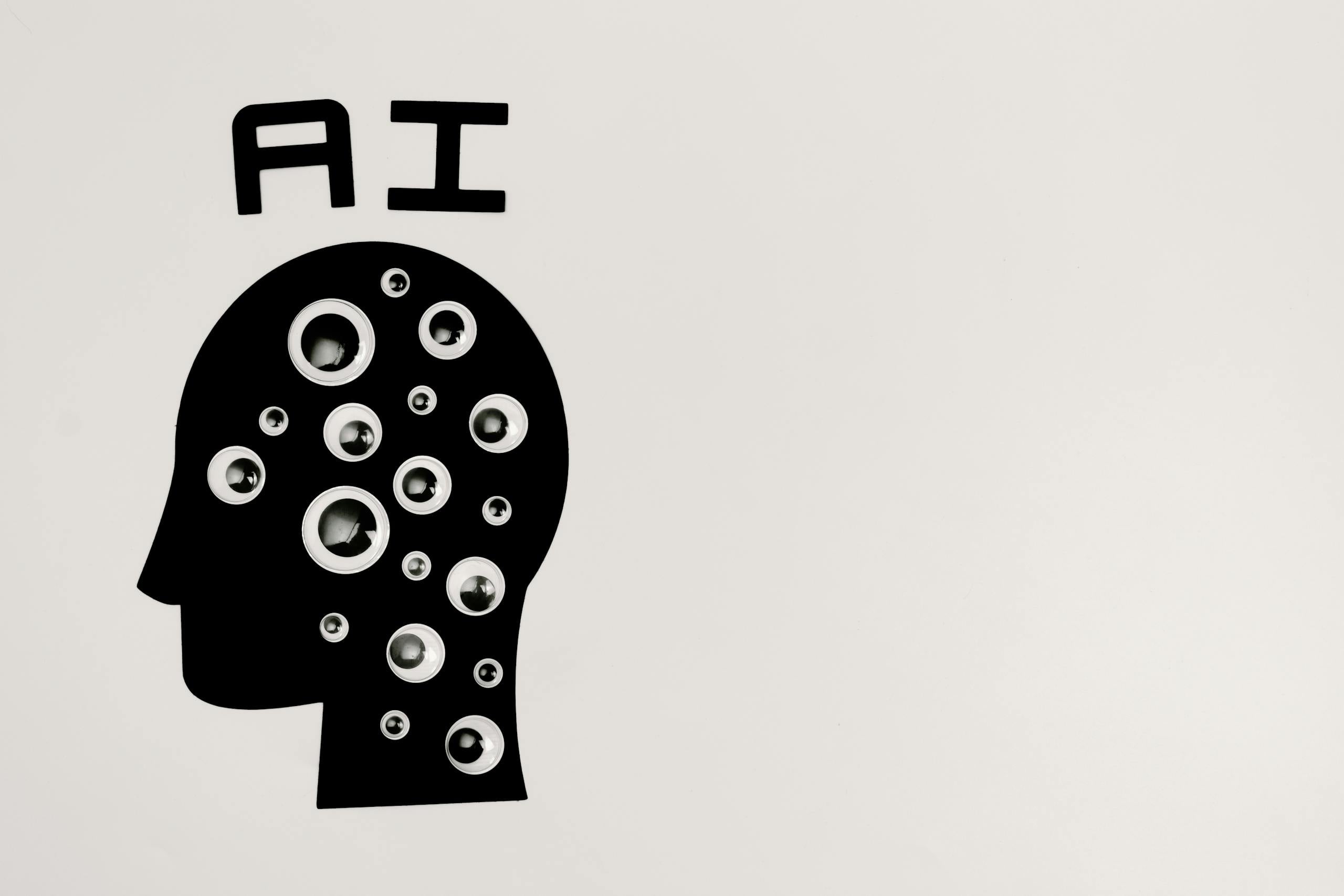
Introvert character traits are the consistent, internal patterns that shape how introverts think, communicate, process emotion, and engage with the world around them. These traits go well beyond simply preferring quiet or disliking parties. They reflect a fundamentally different way of being, one built on depth, deliberate thought, and a rich inner life that drives how introverts relate to everything from their work to their closest relationships.
Most people recognize a few surface-level signs: the person who thinks before speaking, the colleague who works best alone, the friend who needs time to recharge after a full weekend. Those are real. But the character traits that define introversion run much deeper, shaping values, strengths, and the way introverts move through their days in ways that often go unrecognized, even by introverts themselves.
Our Introvert Personality Traits hub covers the full landscape of what introversion looks like across different areas of life. This article goes a layer deeper, looking at the specific character traits that define who introverts are at their core, not just what they prefer or avoid, but how they’re genuinely wired to experience the world.

What Makes a Character Trait Different From a Preference?
Preferences are situational. A preference for coffee over tea, for email over phone calls, for a quiet Friday night over a crowded bar. These things shift depending on mood, context, and circumstance. Character traits are something else entirely. They’re the underlying patterns that stay consistent across situations, the tendencies that show up whether you’re at work, at home, or somewhere completely unfamiliar.
What’s your introvert superpower?
Every introvert has a quiet strength others overlook. Our free quiz identifies yours and shows you how to leverage it in your career and relationships.
Discover Your Superpower2-3 minutes · 10 questions · Free
For introverts, the distinction matters. Introversion isn’t just a collection of preferences. It’s a set of deep character traits that influence how the brain processes stimulation, how meaning gets constructed, and how relationships form. A 2016 study published in PubMed Central found consistent neurological differences in how introverts and extroverts process dopamine and respond to external stimulation, pointing to a biological foundation beneath what we often describe as personality.
I spent the better part of my advertising career treating my introversion like a preference I could override when the situation demanded it. Client pitch? Override. Agency retreat? Override. All-hands meeting where everyone needed to seem energized and “on”? Override. What I didn’t understand then was that I wasn’t overriding a preference. I was working against character traits that were genuinely hardwired. That distinction changes everything about how you approach your own personality.
If you’ve ever wondered whether you’re “really” an introvert or just someone who happens to be tired a lot, Introvert Traits: 12 Signs You Actually Recognize offers a grounded look at the markers that tend to show up consistently across introverted people.
What Are the Core Introvert Character Traits?
Introvert character traits cluster around a few central themes: depth over breadth, internal processing over external expression, and a strong preference for meaning over noise. Within those themes, several specific traits show up with remarkable consistency.
Depth of Thought
Introverts don’t just think about things. They think about things thoroughly, often circling back through multiple angles before reaching a conclusion. This isn’t overthinking in the anxious sense, though it can sometimes feel that way. It’s a genuine orientation toward depth that makes surface-level analysis feel incomplete.
In my agency years, this showed up in how I approached client strategy. While other agency leaders would brainstorm loudly in meetings, generating ideas in real time and feeding off the group’s energy, I was the one who came to the table having already thought through three or four strategic angles alone at my desk the night before. My ideas weren’t better or worse. They were different in texture, more layered, more considered. Once I stopped apologizing for that process and started presenting it as a strength, clients responded differently to me.
Internal Processing
Where extroverts often think out loud, using conversation as a tool for working through ideas, introverts process internally first. The thinking happens before the speaking. This creates a communication style that can seem slow or hesitant from the outside, but it’s actually something quite different: a commitment to saying something worth saying.
A 2017 study from PubMed Central examining personality and information processing found that introverts show greater activation in regions associated with planning and internal reflection, reinforcing what many introverts experience intuitively: the brain is doing significant work before a single word leaves the mouth.
This trait connects directly to the broader neuroscience of introversion. Introvert Brain Science: Your Neural Wiring Explained goes into the specific mechanisms behind why introverts process the way they do, which is worth reading if you’ve ever felt like your brain operates on a different frequency than everyone else’s.

Sensitivity to Stimulation
Introverts tend to reach their stimulation threshold faster than extroverts. This doesn’t mean they’re fragile or easily overwhelmed in a dramatic sense. It means their nervous systems are more finely tuned to incoming information, which creates both a strength and a genuine cost.
The strength is that introverts often notice things others miss: the shift in someone’s tone, the detail that doesn’t quite fit, the undercurrent of tension in a room before anyone names it. I can’t count the number of times in client meetings I picked up on something, a hesitation in the client’s voice, a glance exchanged between two executives, that signaled the project was about to go sideways. That sensitivity saved us more than once.
The cost is that environments with high stimulation, loud open offices, back-to-back meetings, constant interruptions, drain introverts faster than they drain extroverts. That’s not a character flaw. It’s a character trait with real energy implications.
A Strong Inner Life
Introverts carry a vivid interior world. Memories, ideas, observations, and imaginings circulate internally in ways that keep the inner landscape genuinely interesting. This is partly why solitude doesn’t feel lonely to most introverts. There’s already a lot happening on the inside.
That inner life also feeds creativity, problem-solving, and the kind of reflective thinking that produces real insight. Many introverts find that their best ideas arrive not in brainstorming sessions but in the quiet spaces between, during a walk, in the shower, in the twenty minutes before sleep when the noise of the day finally settles.
Preference for Meaningful Connection
Introverts don’t avoid people. They avoid shallow interactions that feel like effort without return. The character trait here isn’t antisocial behavior. It’s a genuine preference for depth in relationships, for conversations that go somewhere real, for connections built on substance rather than social performance.
In my experience running agencies, I was always better one-on-one with clients than in large group settings. A thirty-minute conversation with a single decision-maker, where we actually got into the real problem, was worth more to me than an hour-long kickoff meeting with twelve people performing enthusiasm at each other. That preference shaped how I structured client relationships, and it turned out to be a genuine competitive advantage once I stopped treating it as a limitation.
Many introverts who feel pulled toward social situations but still need significant recovery time afterward may find themselves identifying with The Extroverted Introvert: Why You Feel Both (And What It Means), which addresses the experience of being socially capable while still being fundamentally introverted.
How Do Introvert Character Traits Show Up Differently in Different People?
One of the most common misconceptions about introversion is that it produces a single type of person. It doesn’t. Introvert character traits manifest differently depending on someone’s specific personality type, life experiences, cultural background, and the particular combination of traits they carry.
Some introverts are deeply empathic, highly attuned to the emotional states of people around them. Psychology Today’s research on empathic traits identifies several characteristics that overlap significantly with introversion, including a heightened sensitivity to others’ emotions and a tendency to absorb the emotional atmosphere of a room. Many introverts recognize themselves in that description immediately.
Other introverts are more analytical than empathic, more focused on ideas and systems than on emotional attunement. As an INTJ, I fall more naturally into the analytical category. The Myers-Briggs Foundation’s research on personality type and learning points to how different introvert types engage differently with information, which helps explain why two introverts can seem remarkably different even while sharing the same core character traits.
Some introverts are reserved in addition to being introverted. Others are quite expressive and outgoing in the right context, yet still fundamentally introverted in how they recharge and process. The difference between introversion as a character trait and reservedness as a behavioral pattern is worth understanding clearly. Introvert vs Reserved: Personality vs Behavior draws that distinction in a way that clears up a lot of confusion.

Are Introvert Character Traits Fixed, or Do They Change Over Time?
Character traits are generally stable, but they’re not completely static. Introversion as a core trait tends to persist across a lifetime, yet the way it expresses itself can shift significantly with age, experience, and self-awareness.
An interesting piece from Psychology Today on introversion and aging suggests that many people actually become more introverted as they get older, leaning more naturally into the traits they may have suppressed earlier in life. That matches my own experience. In my twenties and thirties, I worked hard to project extroverted energy because I thought that’s what leadership required. By my forties, I’d stopped fighting it. The introvert character traits I’d been managing around became the foundation I built on.
A broader look at personality research from the American Psychological Association on personality trait development confirms that while some traits shift modestly across life stages, core personality dimensions like introversion and extroversion remain among the most stable features of who we are.
What changes most isn’t the trait itself but the relationship you have with it. Early in life, many introverts experience their character traits as problems to fix. With time and self-understanding, those same traits often become the things they value most about themselves.
What’s the Difference Between Introvert Character Traits and Avoidant Personality?
This question matters more than most people realize, because conflating introversion with avoidant personality disorder does real harm. Introvert character traits are healthy, normal variations in human personality. Avoidant personality disorder is a clinical condition characterized by intense fear of rejection, pervasive feelings of inadequacy, and social avoidance driven by anxiety rather than preference.
An introvert who declines a party invitation because they’d genuinely rather spend the evening reading is expressing a character trait. Someone who desperately wants to attend the party but can’t because the fear of judgment is overwhelming is experiencing something clinically different. Both might look like social withdrawal from the outside. The internal experience is completely different.
Introvert vs Avoidant: Why the Difference Matters covers this distinction carefully, which is worth reading if you’ve ever wondered whether your introversion crosses into something that might benefit from professional support.
The distinction also matters for how introverts talk about themselves. Framing introversion as avoidance reinforces the idea that it’s a problem. Framing it as a character trait, which is what it actually is, opens the door to building on it rather than working around it.
How Do These Character Traits Become Genuine Strengths?
Introvert character traits don’t automatically translate into strengths. That translation requires something: awareness, context, and a willingness to stop treating the traits as deficits and start treating them as raw material.
Depth of thought becomes a strength when you’re in a role that rewards careful analysis over quick reactions. Internal processing becomes a strength when you’re in conversations where precision matters. Sensitivity to stimulation becomes a strength when your environment allows you to do focused, concentrated work. The character traits don’t change. What changes is how well your environment and approach are matched to them.
A 2020 study in PubMed Central examining personality traits and professional performance found that introverted traits, particularly conscientiousness and depth of processing, showed meaningful positive correlations with performance in roles requiring sustained focus and careful judgment. That’s not a surprise to anyone who’s watched a thoughtful introvert work through a complex problem. The depth is the point.
One of the most clarifying moments in my own career came when I stopped trying to compete with extroverted agency principals on their terms and started competing on mine. I wasn’t going to out-energy anyone in a room. What I could do was out-think them on strategy, out-prepare them on client understanding, and out-listen them in conversations that mattered. Those are introvert character traits operating as competitive advantages.
The full picture of what those traits look like in practice, across dozens of specific behaviors and tendencies, is worth exploring in Introvert Traits: 30 Characteristics You Recognize, which gives a comprehensive look at how introversion shows up in everyday life.
Why Do So Many Introverts Misread Their Own Character Traits?
Most introverts grow up in environments that treat extroverted traits as the default. Schools reward participation. Workplaces reward visibility. Social culture rewards ease in groups and comfort with small talk. Against that backdrop, introvert character traits get framed as shortcomings: too quiet, too slow, too serious, not a team player.
When you hear those messages long enough, you start to internalize them. You start to see your own depth as inflexibility, your internal processing as indecisiveness, your need for solitude as antisocial behavior. The character traits don’t change. Your interpretation of them does.
The Myers-Briggs Type Indicator framework, as Verywell Mind explains it, was partly valuable because it gave introverts a language for traits they’d been experiencing without a name. Having a framework that says “this is a legitimate personality type, not a disorder or a deficit” matters more than it might seem. It changes the story you tell yourself about who you are.
Reframing introvert character traits accurately, not as problems to manage but as genuine aspects of who you are, is the foundation of everything else. Career choices, relationship patterns, communication strategies, all of those become clearer once you’re working with an accurate picture of your own character rather than someone else’s template for what you should be.

There’s a lot more to explore across the full range of introvert personality traits, and our Introvert Personality Traits hub is the best place to go deeper on any of the dimensions covered here, from the neuroscience of introversion to how these traits show up in specific areas of work and life.
Know your quiet strength?
Six superpower types, each with career implications and curated reading to develop your specific strength further.
Take the Free Quiz2-3 minutes · 10 questions · Free
About the Author
Keith Lacy is an introvert who’s learned to embrace his true self later in life. After 20 years in advertising and marketing leadership, including running agencies and managing Fortune 500 accounts, Keith now channels his experience into helping fellow introverts understand their strengths and build fulfilling careers. As an INTJ, he brings analytical depth and authentic perspective to every article, drawing from both professional expertise and personal growth.
Frequently Asked Questions
What are the most common introvert character traits?
The most consistently observed introvert character traits include depth of thought, internal processing before speaking, sensitivity to overstimulation, a rich inner life, and a preference for meaningful connection over broad socializing. These traits reflect a genuine neurological orientation, not simply shyness or social anxiety. They show up across cultures and personality types, though they express differently depending on the individual.
Are introvert character traits the same as personality traits?
Introvert character traits are a subset of personality traits. Personality encompasses a broad range of characteristics, including emotional stability, agreeableness, conscientiousness, and openness. Introversion specifically describes how someone relates to stimulation, social interaction, and internal versus external processing. An introvert’s full personality includes many traits beyond introversion itself, which is why two introverts can seem quite different from each other.
Can introvert character traits change over time?
Core introvert character traits tend to remain stable across a lifetime, though how they express can shift with age and self-awareness. Many people report becoming more comfortable with their introverted traits as they get older, leaning into them rather than working against them. The traits themselves don’t fundamentally change, but the relationship you have with those traits can change significantly, often in a positive direction as self-understanding deepens.
How are introvert character traits different from avoidant personality disorder?
Introvert character traits are healthy, normal aspects of personality that reflect a genuine preference for depth, solitude, and internal processing. Avoidant personality disorder is a clinical condition driven by intense fear of rejection and pervasive feelings of inadequacy, where social withdrawal is anxiety-driven rather than preference-driven. An introvert who chooses quiet evenings at home is expressing a character trait. Someone who wants social connection but is paralyzed by fear of judgment may be experiencing something that warrants clinical support. The outward behavior can look similar. The internal experience is fundamentally different.
Do introvert character traits become strengths in professional settings?
Yes, introvert character traits translate into meaningful professional strengths in the right contexts. Depth of thought supports careful analysis and strategic planning. Internal processing produces more precise communication. Sensitivity to stimulation often creates strong observational skills and attentiveness to detail. The traits become strengths when the role and environment are matched to how introverts naturally work best, which often means focused independent work, meaningful one-on-one interaction, and space for preparation before high-stakes conversations.